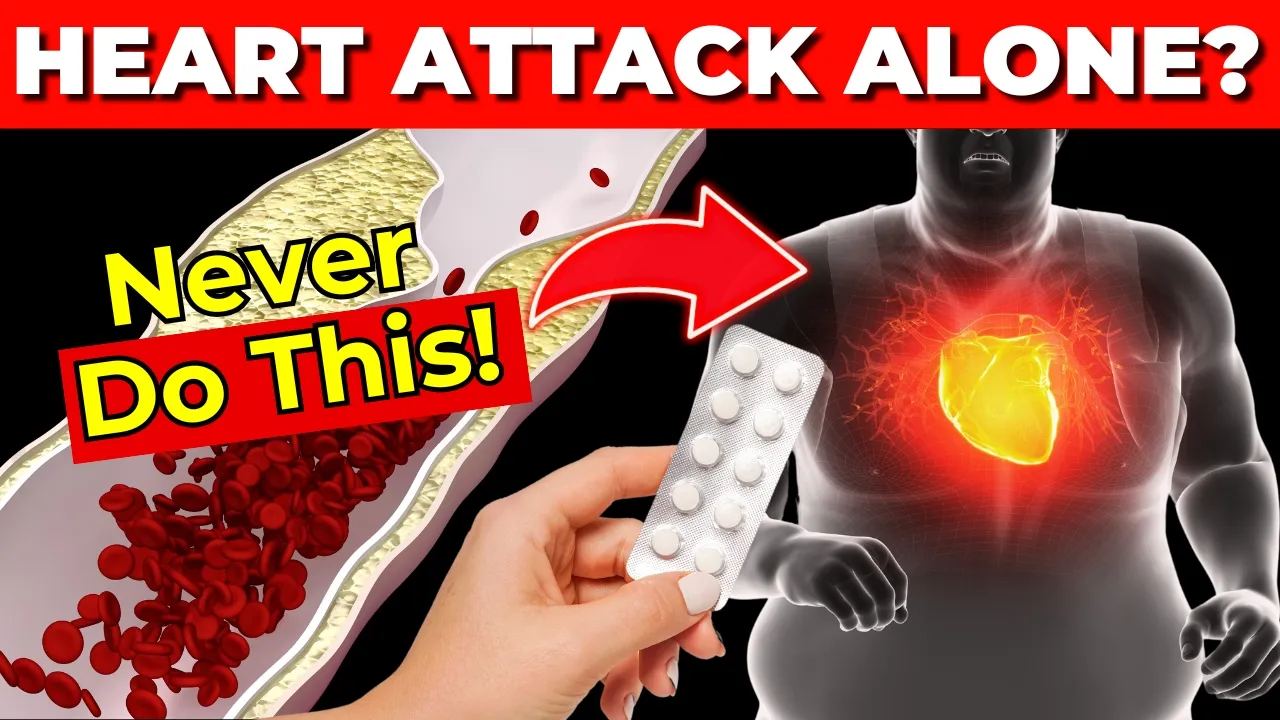
do you know what to do if you have a heart attack while alone according to the CDC Centers for Disease Control and prevention 85,000 people suffer a heart attack every year in the United States and here's the scariest part heart attacks don't choose a time or place they can happen in your car at work at the grocery store or even in your own home now imagine being alone at such a critical moment with no one around to help every second counts and could mean the difference between life and death but don't worry in today's video
we'll teach you simple and practical steps that can increase your chances of survival if you're alone and experiencing a heart attack stay tuned until the end give us a like and share this video this information could save lives and maybe even your own cardiovascular diseases don't take a break in fact they are the leading cause of death worldwide and the numbers don't Li according to the American Heart Association one in every five deaths in the United States is linked to heart disease a heart attack also known as a myocardial infarction happens when blood flow to
the heart is blocked usually by a clot in a coronary artery without oxygen the heart muscle begins to die quickly and every minute counts in such moments speed is the line between life and death ideally immediate help would be available but but reality often looks different a heart attack can strike anywhere at any time and what if no one's around in this critical moment information becomes your best friend have you ever had a heart attack while alone what measures did you take leave your comment below one recognize the symptoms immediately the first step to facing
a heart attack alone is being able to recognize the signs while the most classic symptom is intense chest pain described as pressure tightness or burning a heart attack doesn't always present this way it's essential to watch out for chest pain or pressure lasting more than a few minutes which may radiate to the left arm back neck jaw or stomach shortness of breath even while at rest cold clammy sweat dizziness nausea or vomiting extreme weakness a sensation of fainting or inexplicable anxiety pale or grayish skin or a feeling of impending doom in the US it's estimated
that about 200,000 heart attacks annually occur in people who have already experienced at least one before early recognition can prevent more severe damage to the heart don't dismiss mild symptoms as just discomfort if you suspect you're having a heart attack don't remain in denial the sooner you accept the seriousness of the situation the quicker you can act two call Emergency Services immediately even if you're alone modern technology provides a powerful resource your phone call 911 for emergency services immediately clearly explain that you believe you are having a heart attack and provide your address or approximate
location if possible put the call on speakerphone so you can follow the dispatchers instructions while keeping your hands free do not attempt to drive yourself to the hospital you could lose Consciousness at the wheel cause an accident and endanger both yourself and others time is critical every minute without proper Medical Care increases the damage to your heart three sit or lie down in a comfortable position find a safe and comfortable spot if you're standing sit or lie down with your head and upper body slightly elevated using pillows or leaning against a wall for example this
position helps improve breathing and reduces The Strain on your heart the less energy your body uses the better four if aspirin is available consider taking it aspirin is a mild blood thinner that can help prevent the formation of larger or new clots potentially reducing damage to the heart many healthc Care Professionals recommend chewing a regular aspirin tablet about 300 mg when a heart attack is suspected as it is absorbed more quickly through the oral mucosa however only do this if you are not allergic to aspirin and have previously been advised by a doctor to take
it in such situations if you're unsure your priority should always be to call Emergency Services first if aspirin is not readily available do not endanger Yourself by searching in hard-to-reach places avoid unnecessary exertion your safety comes first five control your breathing and try to stay calm staying calm is an immense challenge when your heart is in pain and you're alone but Panic increases heart rate and blood pressure exactly what you want to avoid during a heart attack try to breathe slowly and deeply inhale through your nose count to three and exhale through your mouth the
American Heart Association emphasizes the importance of self-control in these moments simple mental relaxation techniques such as focusing on a fixed point in your surroundings or mentally repeating a calming word can be helpful reducing internal stress will help your body use less oxygen easing the burden on your heart six avoid unnecessary effort this might seem obvious but it's worth emphasizing do not try to get up to grab distant objects climb stairs or perform any activity that increases physical exertion every extra movement demands more oxygen and energy from your already weakened heart stay as still as possible
in a comfortable position while waiting for help if you are in a dangerous spot such as in the shower or outside in the yard move slowly to a safer environment but do so with minimal effort your priority is to conserve energy and reduce the strain on your heart seven if possible loosen tight clothing anything that restricts breathing or blood circulation should be removed loosen ties collars belts and tight bras the fewer restrictions the better for breathing and blood flow this is a simple step that is often overlooked by improving comfort you reduce the feeling of
Suffocation help maintain calm and facilitate better oxygenation of the body eight do not eat or drink anything during a heart attack avoid consuming food or beverages unless specifically instructed by emergenc responders drinking water or eating something could increase the risk of choking if you begin to feel nauseous or start vomiting the fewer variables you introduce to the situation the better your priority is to stay conscious breathe steadily and wait for the ambulance or medical assistance to arrive before we continue I've got some exciting news to share if you want to get more engaged I'm excited
to inform you that we now offer Channel membership as a member you'll pay a small monthly fee and unlock some amazing perks like early access to new videos priority replies to your comments membersonly shorts polls quizzes and special emojis and loyalty badges just for you it's a fantastic way to support the channel and connect with us even more just click the join button and let's make this experience Even Better Together nine monitor your symptoms and stay alert if you're conscious try to observe the progression of your symptoms is the pain worsening is it moving to
another area do you feel a loss of sensation in any limb although it's challenging to focus in such a moment any information you can provide will be valuable for the medical team when they arrive staying conscious is also crucial if you feel like you're about to faint try to position yourself in a way that minimizes the risk of falling or injury remember your safety is essential 10 plan for the future this step isn't for the moment of the attack itself but to help prevent finding yourself in such a situation understanding your risk factors is essential
according to the CDC in the United States factors such as high blood pressure high cholesterol diabetes smoking physical inactivity and obesity significantly increase the chances of a heart attack if you fall into any of these categories consult a doctor about what to do in an emergency keep your phone charged at all times learn quick routes to nearby hospitals and inform friends and family about your condition some people keep aspirin or doctor prescribed medications in easily accessible places in case they need to take them quickly taking care of your heart goes beyond the moment of the
attack regular checkups a balanced diet moderate physical exercise reducing alcohol consumption and quitting smoking are critical small lifestyle changes can help prevent severe problems in the future in addition to knowing how to act during a heart attack prevention is always the best choice in the United States numerous initiatives focus on raising awareness about healthy habits such as maintaining a balanced diet managing weight reducing the intake of salt sugar and saturated fats and of course engaging in regular physical activity all of this helps keep arteries clean reducing the risk of fatty plaques and blood clots the
American Heart Association recommends at least 150 minutes of moderate physical activity per week in a diet rich in fruits vegetables whole grains and lean proteins additionally managing stress and ensuring good sleep quality also play important roles in heart health another crucial point is recognizing warning signs if you notice something unusual in your body such as unusual fatigue palpitations or chest pain don't ignore it the earlier issues like high blood pressure and high cholesterol are addressed the lower the risk of facing a heart attack alone remember that these guidelines do not replace immediate medical care if
a heart attack occurs seek help as quickly as possible now we want to hear from you were you already familiar with these tips do you have any other advice or experiences to share leave your comment below and help others be better prepared information saves lives if you found this video helpful please type yes in the comments below I also encourage you to check out these two videos we selected especially for you thanks for watching