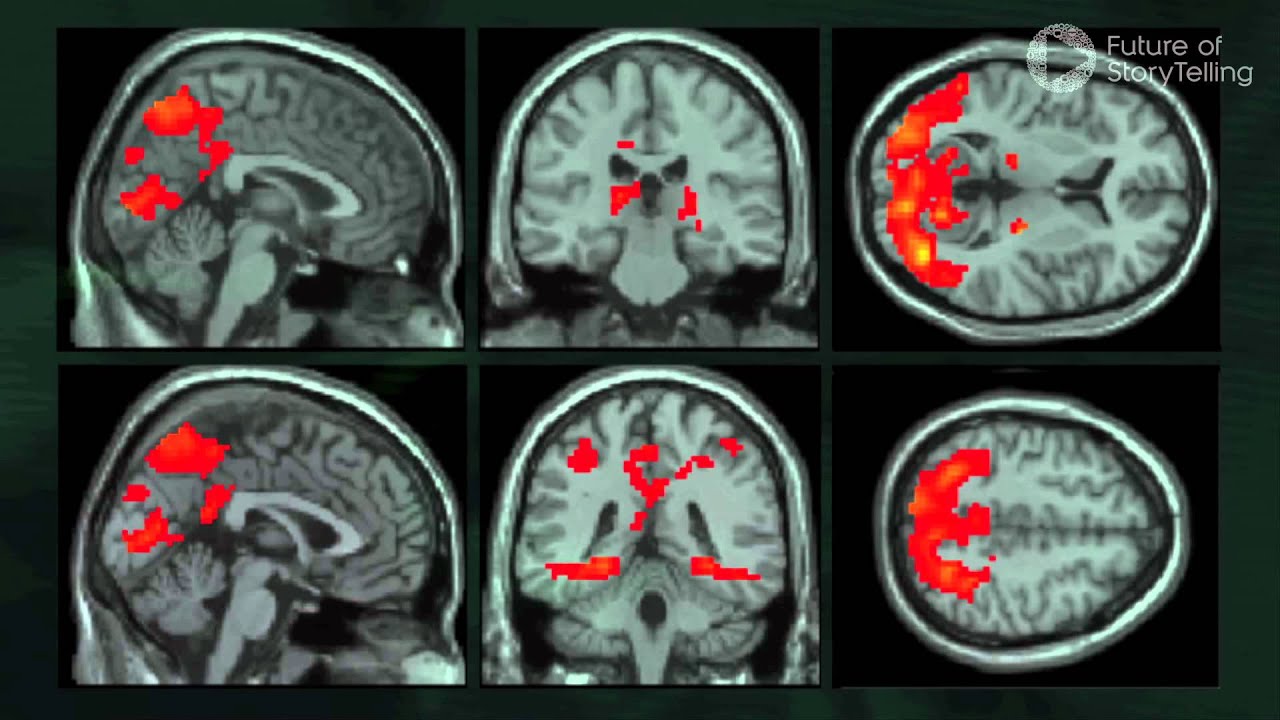
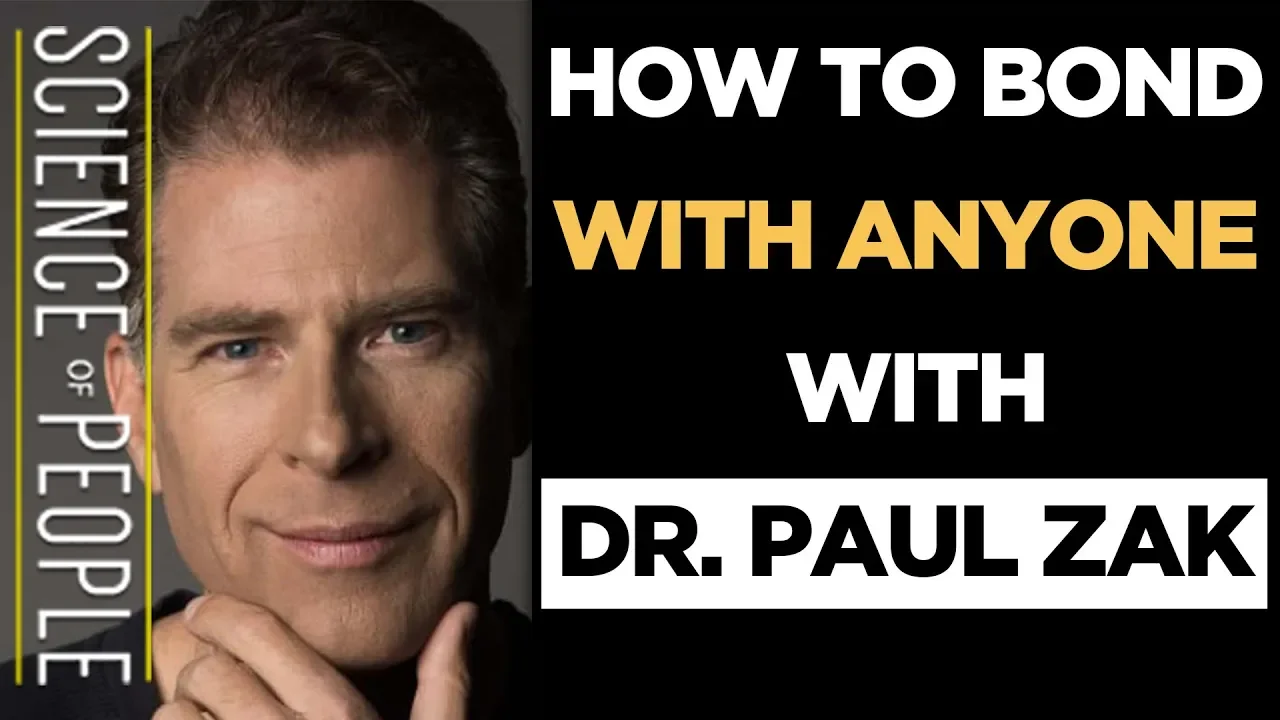
who are the world's most interesting people and what's fascinating is groundbreaking incredible things can they teach us in this new series I lead our scientifical lab to interrogate I mean interview my favorite author expert and celebrities for them to share their best to people have social skills and stories and let me tell you they have some juicy tip this is a new series I'm calling the world's most interesting people so welcome to the world's most interesting people today I am so lucky and so excited to have dr. Paul Zak on the show he is a neuro economist but we're going to talk about what that is in a second a teacher a researcher and author of one of my favorite books trust factor dr. Zach thanks so much for being on here today with me yes you're awesome I'm so happy to be on with you oh my goodness I only get such a warm and fuzzy feeling which i think is on purpose during talk about first of all you're a neuro neural economist what is that amazing title can you explain that to us yeah what the heck so I know you have never made a bad decision in your life never brother-in-law who was sending money after an email from a Nigerian prince like what's the deal with that yes so I helped start this field called neuro economics about 15 years ago that measures rent activity while people make decisions so those decisions may involve money they may involve other people but they give us insights into why people are weird in the same situation 20 people do 15 different things so we see that in high variation brain behavior or brain activity so that tells us where that weirdness comes from which is sort of cool so you're basically studying the weird forces that drive people kind of which is coming from your brain right not your elbow your knee and of course depends on your external environment your history your memories the people around you and so trying to nail down all those factors that explain that high variation in weirdness is something my labs been doing for a long time because it's it is the most interesting question right yeah we're totally normal but like you know the guy across the street what's the deal you know well I'm all about predicting behavior too and I actually discovered your work with your work with oxytocin and you're in my book which I'm so so grateful for originally you were one of the first people to really start looking at oxytocin it was kind of this unnoticed molecule a little bit underestimated maybe and you're in your book and the moral molecule you talked about how you sort of looked at this molecule for the first time can you walk me through like you know Edison when he discovered a light bulb what was your discovery process what was your it was an aha moment how did you discover that there was something here with oxytocin tunnel aha movement so I had been working on how trust effects agna economic performance and was building mathematical models and testing those at the same time working on why parents invest so much effort and energy into their children type separate research projects and then I ended up being on a van from Reno Nevada going an hour away to some scientific conference with a whole bunch of mountain bikers and then one nicely dressed person and that nice address person who was the amazing anthropologist Helen Fisher and so who I didn't know but I said you know the only person wearing normal clothes you must be born at my conference we're talking what I was working on and she said have you ever heard of oxytocin I said no never heard of it this is maybe 1999 1998 I so go back to my hotel and I'm like PubMed what the hell's oxytocin huge animal literature and nothing done in humans outside of reproduction which I wasn't interested in so it was a toe aha moment so when I saw they were doing an animals I'm like oh that's the mechanism if only there a way to test that in humans the acute response of oxytocin and there wasn't so we had to work on Bob you know figure out some methodology once you have this tool you can ask all kinds of cool questions which we've been doing for a long time now so you'll have to explain so what is oxytocin why is it so important I talk a lot about in my work based on your work why should we be obsessed with it that's what I want to write so it's one of the about 200 chemicals that the body makes that's active in the brain the fact it's made in the brain and it does a bunch of things like every other neuro chemical that's lots of effects but what we showed was that essentially when someone interacts with you in a positive way usually your brain produces oxytocin it motivates you to treat them in a similar positive a kind way so it's kind of like the biological basis for the golden rule if you're nice to me most of the time my brain Mike's oxytocin that reduces my physiologic stress makes me more empathic improves immune function and now I'm connecting with you so we think about how humans live in this sea of strangers that were cast into we can only do that we have something in our heads si Vanessa save Scott clearly not right so I have that something that just says roughly good one would be around to get the interaction the value of that of that interaction with and who should I be avoiding and oxytocin seems to be that key signaling molecule that says yeah interact with these folks let me get this right so if I'm an interaction I'm meeting new people like let's say a networking event I walk in I'm a little bit anxious right I don't know anyone I'm meeting a bunch of for the first time my goal is to try to create oxytocin to a make me feel more calm or I don't know if it increases calmness but also really to make me feel bonded as people I'm interacting with that kinda how it works it is and so the the difficulty which says exactly right except the difficulty is you can't get your own brain to make it some of you miss social stimulus to cause it so how do you do that you have to initiate you have to go hey I'm a little uncomfortable here maybe I feel a little weird selling though like one person in this big room but I'm gonna try to reach out and and see if I can show kindness to others have them connect to me and then yeah reduces the physiologic stress that makes us wary of strangers so the kind of key takeaway perhaps for viewers is that someone has to initiate this process so here's a concrete example some years ago I decided I would be an elevator talker all right so it's a really good thing to be standing there we're aware the other humans are in this box with us for 30 seconds or whatever so I just say hello to people in the elevator and half the people are really freaked out which makes me happy and the other half you have these great conversations like hey what are you doing here today you're in a hotel you're in a building and so we have these really amazing come on the airplane same thing I mean - in airplanes they started talking to her so you know you never know you're gonna meet wait this is actually so I remember when we hadn't got together for coffee when you came to Portland and you were telling me I think about a great conversation you've had with your uber driver and you were like oh I had this great conversation I learned so much so is this kind of a modus operandi do you always make sure that whenever you're with another human you are seeking out oxytocin or connection because you know that if you don't create it it might not be created back for you that kind of a way you do it yes to that I don't think I've thought that through as carefully as you just said it what I have learned in all these years is that our brains are made for connection and we need connection to be healthy and happy and so yeah so so now I'm a huge introvert you know so it's not my nature to go and like but what I find is that the most interesting interactions and I have all these nice people like you who reach out to me and I always try to meet with them because something weird crazy interesting happens you know indication there's a stalker active like a nice but you know only occasionally only small hazard of me inner economist so you actually mentioned something is saying it's a little bit a little bit off-topic you said I always try to have a conversation elevator what is your go-to opener in an elevator so if people watching this is my townspeople watching if you were brave enough and remember that dr.
Jacque just said he's not an extrovert so even if you're an introvert watching could you maybe try for the next seven days but whenever you're in an elevator or in an uber or on the subway or with someone could you try seeking out or stimulating the oxytocin doctors like do you have a opener that we could use for that do you have one you use all the time we're such twins Vanessa so you know let's use Paul this is our sex so um that's what I think too when I talk to people about this it you try for a week it's not gonna kill you and after a week you'll either know if you really hate this show like if it's working for you or not and then continue or not it's up to you so a week is it once it's not enough right I used the best opening line ever existing on the planet which is hello hi how are you you are you are actually so right there was research enough forgive me I don't know off the top of my head who did it but they actually looked at pick-up lines and they found the most effective pick-up line is just hi how are you does that so you say hey how are you and they usually say hey good thanks you write and you say well what are you doing here we're in this little box what's excuse me I was in the elevator recently with some super tall women we're talking of some German icky language and I just come back from Amsterdam and I said and you're tall by the way so do you think they were tell you're tall I love the Dutch because they're all tall like me so you've been there so anyway I said are you guys speaking Dutch it comes are you interrupting I said yes and we just came in from wherever Amsterdam and we're here history a conversation hop by and my little 20-minute ride of 20 second ride you know when gangbusters away they all smile I smile there was a nice interaction and I now look I remember it so as opposed to being in a box in which I have no memory I'm looking at my phone you know we unfortunately unfortunately we are gregarious ly social creatures we need to connect so take the opportunity to get your own health benefits by connecting to people around you and you might meet a cute girl a guy to marry to you met your wife on a plane which is amazing so that's that's a side benefit here everyone as you might meet your soulmate wait so I okay let's say that someone wants to stimulate oxytocin what are like the three or four fastest ways to I know it's all social is it I contact is it does it have to be touched as it is it like closeness what are like the kind of ways that someone say okay I want to actually stimulate this chemical for myself how should they do it right great question and so this is the break act right we want to get to so um the one of the factors that inhibits oxytocin release is stress so you don't want to stress someone out so we showed that touch Lisa's oxytocin so you know Vanessa that I hug everybody I just say look I have everybody and I hug them but I pre-announced they want to be grabbing people that's not good no sexual harassment that's not cool right so other things are any kind of movement we do together so dancing exercising as a group all that tinsel release ox as well which is interesting that's why I like Zumba zoom was awesome but you're in a group right so now you have this kind of group bonding yeah so yeah exactly so music will do it so engaging music so again oxytocin increases our simple empathy so once we have a story a movies will do us we've done a lot of work on movies and commercials so this you think of this neurologically you're watching a movie at the end of movie the boy gets the girl and you're crying in a theatre yeah what the hell right neurologically that's weird because your contact you know where you are you know it's a it's a fictional story you know these are real actors and yet you can't help it so that reveals our social nature so that maybe then one way you can self induce your own oxytocin release well there's one other we're really better we don't know and you know for people who have races yep sex so sex also will release oxytocin I always just call that in bow-chicka-wow-wow that's what I was just saying and my book I have a little bullet sister says bow-chicka-wow-wow people know it people know what I mean so music dancing stories touch does come up I contact mutual smiling exactly with a gay so I'm gonna look at you know not look at my device but actually make eye contact with you again not too much to then gets creepy so but I think really it's about being present for someone so this is kind of what I applied to my personal life which is being fully present for the people around you and then the next step is to really be of service of those people so one thing I try to do is can focus my attention and give someone the gift of full attention to them number one but number two end every conversation with the word service right so we're finishing up our conversation but I so so I want to continue to be of service to you pleasure I like talking to you I like hanging out with you yes my and it's great so that's what I'm gonna do is continuous conversation so you actually did something interesting that you kinda use the word to trigger the exact emotion and I notice also you tend to sign your emails post right which is like we're even emailing and I'm like oh hugs like even though we're not actually in person I think that I feel that just the mention of it I think bring memory of that because that is that possible that could also trigger it even just the memory we've looked a little at that and it seems to do it I mean more weakly than getting a hug in person but you know our brain save energy as you know by using memories to tell us what the appropriate behavior is so once I've established that pathway and the guy gives you hugs then I can re-establish the activation in your brain by just using that word so I do think the words are very important here's a simple rule I use for the for the viewers which is oxytocin is the chemical that connects us letters is the chemical of love I try to take every interaction and make sure that that adds love to the world so I call it the love plus rule it's real simple we're interacting I want to make sure that a little more love was created in the world and some of us almost got to create that and so let's just own that part that's what we're made to do is connect to others to love others in the philia sense often right so just just to be a great friend to be a great human and to serve others and yeah as you know then everyone reciprocates and you know the cycle so this is our next action step so our first action step in this video is to try for seven days talking to someone in your in an elevator in an uber when you're standing next to someone the second action step and I love this idea of being open-hearted being of service thinking to yourself can I add some kind of love or oxytocin to all of my interactions whether that's signing off on an email using hugs or using service at the end of your emails or your calls or interactions that's your second action step we're gonna get one more by the end of this video I like the rule of three we like the role of three so I want to know the other thing I wanted to ask you that you do amazing research experiments to do them for your University do their companies do you have a favorite I know that you're gonna tell me you don't have a favorite because they're all it's like picking a favorite child you do have to I want to make it real briefly one coming we did an experiment you know once they started in the oxytocin work and really looked at building the factors that induce the brain to make oxytocin but what inhibits that as well so why don't we always get this effect we studied people in US and Western Europe you know what we call the weird right Western educated healthy individuals I've never heard that oh no ok so it's like a term of art educated industrial I don't know something research others so we don't know that this really generalized so I thought you know I need to go to as far away from the from the developed world as possible to do in a study to see if this is really a universal effect because we just don't know and lo and behold NHK TV in Japan which is public television in Japan was doing a show on human evolution asked me if I would design an experiment for them on the evolution of social behaviors and I started aha now I have someone who will sponsor me so we went to the rainforests of Papua New Guinea which is a place with 800 distinct languages you know these very little isolated tribes and with an anthropologist from Japan and lots of permissions and I sat in medical Hut and I took blood before and after these indigenous people involved did a little ritual they do it's a couple ward ask took blood before and after they've never been to a doctor then it's never seen their blood flow into the tube and it was the foobar experiment everything that could go wrong did go wrong and so basically got trapped there for a couple days with doing nothing in the rainforest no running water no electricity no bathrooms like you are and and at first of all I'm so stressed out and then these people are touching me and like my hands nothing so you know but then I had the most amazing experience which I really connected to my tribe they kind of adopted me and I really fell in love with these people and it just changed my life but you know I'm connecting from people from the Stone Age I don't speak your language and I care about them how stupid are we if we can't connect to our next-door neighbors and people we speak to so that was the first the second very briefly was also foreign HGTV's just a couple of months ago they were doing their show on the divorce epidemic in Japan so a lot of middle-aged women are divorcing their husbands for reasons that you can imagine not affectionate work too much don't help around the house and they live forever so the woman's thinking like I can't do 40 more years of this guy that's gonna take it we went there and we as you know I've developed now these wearable sensors that measure the immersion in experience in real time and actually connect on a baseline on on couples on how connected they were to each other and then give them exercises help strengthen their relationship and to see these people had said camera these women the last three years something about to work some my husband go oh my god like I'm no crying I can't believe my husband really cares about me so it means you know even for relationships you have to work at it you know and so you know and the work can help its it likes I'm not study it you gave them exercises right these are they didn't think there was any hope less than there was right exactly right so cooking is not cooking going to dinner is not going to dinner we had this couple old couple who are sweet we took him to dinner we're filming this all we have sensors on and they're sitting like a costal table from each other I'm like excuse me next to each other I'm just saying yet gotta hold hands the whole time but at least you know be kind of touching or your elbows or something like you know so I mean they're very Japanese but we do it too you know the kind of Western European like space and what happened did they they warm up to each other that couple you know the woman honestly was quite resentful because the husband had made her move every year not made it his job did more he was a sweetheart of a guy he was off the charts crazy attached to his life and she was just holding on to resentment so I think they have a little work to do the other couple we work with I mean we made great progress and immediately and then one of those things by the way a faculty member of my friend of mine at Clara University faculty member was that that couples wedding they're like oh we know this guy from Claremont and I'm like so we call them up like from Tokyo I'm like hey do you remember these people like oh yeah at their wedding I know they're in a class of mine and we all know each other right so if we all know each other we're all connected each other let's let's share the love right yeah whatever possible one so this actually brings me right into my next question I have two more big questions and they're big ones so the first one is you have studied humans in your lab you've been working with these couples you've watched transformation you've watched not transformations happen what's something that you used to believe but now given all your work you no longer believe that's a great question you asked me that question an email and I thought of something to say yeah I think what you know when you have a lot of after your name personal you have to be sort of insecure you have to go to school for so long to get so many letters so once you get beyond that we're kind of trained to think if you don't have a bunch of letters after your name you probably aren't that informed and what we try to do in my lab is create a space where there's no hierarchy I don't have an office I'll just move around I'm not the boss of anybody honestly and we want the freshmen and undergraduates we want the graduate students in philosophy or are the levers visiting the lab to have equal voice and everything and it's amazing when you create that environment but things you learn from people so that's the most naive questions are so profoundly interesting and deep and so I think it's really that you know education is great and I'm an educator but education and knowledge are not not always correlated so I think it's it's embracing real diversity diversity in people's backgrounds and thought and you know just yeah people are really weird but weirdness is really interesting I might I might title this video the studying human behavior of weird it might it might be happening with that I'm all about it okay well speaking of weird is in the last few years I've been studying people has there been anything that either weird things you've noticed or experiments where you could give a tip to us I hope this is going to begin to be our final action step for this video is what have you learned about people I know that you've learned so much but if you had to share one piece of advice or one strategy for how you interact what would you tell us us us movies for just starting to research I would say no one's normal right so we run an experiment there's an average in the data but the variation swamps that and so if we expect our spouses our friends to behave in similar ways it just ain't happening right so for most of the interesting things we do our brain is so subtly adaptive that there's no reason we should be consistent and so yeah if your roommate or your spouse or your friend is cranking one day you know don't commit the fundamental attribution error and say man just go oh probably having a bad day what it's the bomb for that Orlov right so oh you must be having a bad day so here's the tip that I do is not only do I try to act on that but I just call it the emotion I see in people and it gives me a chance to have a much deeper connection so I'd say openness so you look happy sad tired worried mm-hmm go on today as opposed to hi how are you good how are you walk away just just articulate the emotion you see on someone and kind of jump into let's really focus on the five minutes we have together or ten minutes or an hour let's make that as valuable as possible and to do that I've got to be aware of your emotional state and it seems a little bit odd but when you start doing it you'd find how much people value that connection that oh you noticed I was having a bad day or notice I was having a great day oh you're walking on air what just happened oh good - so you just found out you're pregnant yeah so right and they're using conversation Oh guess what two months ago I just found out I'm Brenda I'm not even showing how did you I'm like what you're glowing I can just see it I'm sure but you know something like would be like this person is so plugged in to meet they're so present they're not just distracted right so so that's the third takeaway okay that's my favorite takeaway and this is the perfect place to end this interview so one thing that I am always talking about is snapping out of autopilot and what Paul is talking about here is not going through interactions like we're zombies right but hey how are you Oh Paul as well yeah have a good day right in our emails and our phone calls we see people in the hallways I think the greatest gift we can give people is adding value and being awake for them if we're out of autopilot it often snaps people out of autopilot as well and that's where you have the best interactions the best conversations are the most emotional connections and so I am so so grateful for that last action steps you had three in this video seven days of real connecting and elevators we said mentioned that you're coming with service end on hugs via would you say I love adder was that it plus and then lastly see if you can snap people out of autopilot by mentioning the actual emotion that you whether that's good or bad you're showing someone I truly see you and I want to see you and accept you for that dr. Zach any final words anything that people should check out trust factor the moral molecule anything else you're working on that you want to drive our viewers to Oh tons of stuff on Paul James a calm and it will have some new exciting stuff coming out in January so January we'll have a big release of something new and exciting so you know about it but I'm not telling everybody else until January it's very very good for pricing we will put links below the video so you can see links to his book links to his website thank you so much for watching thank you dr.