It has been estimated that as many as 50% of all domestic cats may suffer from some kind of emotional disorder, such as anxiety or depression. This can be caused by genetic factors, with some breeds being more prone than others, or issues with instability in the home or past cruel treatment, among other factors. It's a terrifying thought to think that there's a high chance that your kitty could be suffering from mental illness without knowing about it.
Your cat can't tell you what their problem is, so how can you help? How can you even recognize when help is needed? In this video, we're going to look at eight things to watch out for if you have reason to suspect that your cat is unhappy, as well as four things that you can do to help them feel happier.
But before we dive in, why not subscribe and join our feline-loving community for more tips and tricks on how to handle your kitty? Watch how they act around you as their cat parent. You are the center of your fur baby's world.
One study that looked at the correlation between the personalities of cat owners, as measured by personality tests, and the behavior of their kitties, found that cat owners who showed signs of neuroticism were likely to have cats who displayed anxious behaviors. Confident people, on the other hand, were more likely to have cats who showed signs of confidence. This study demonstrates the strength and intensity of the bond between cats and their humans.
If your cat is unhappy, the first thing that will change is how they act around you. Is your cat retreating from you? Do they no longer want to cuddle on the couch?
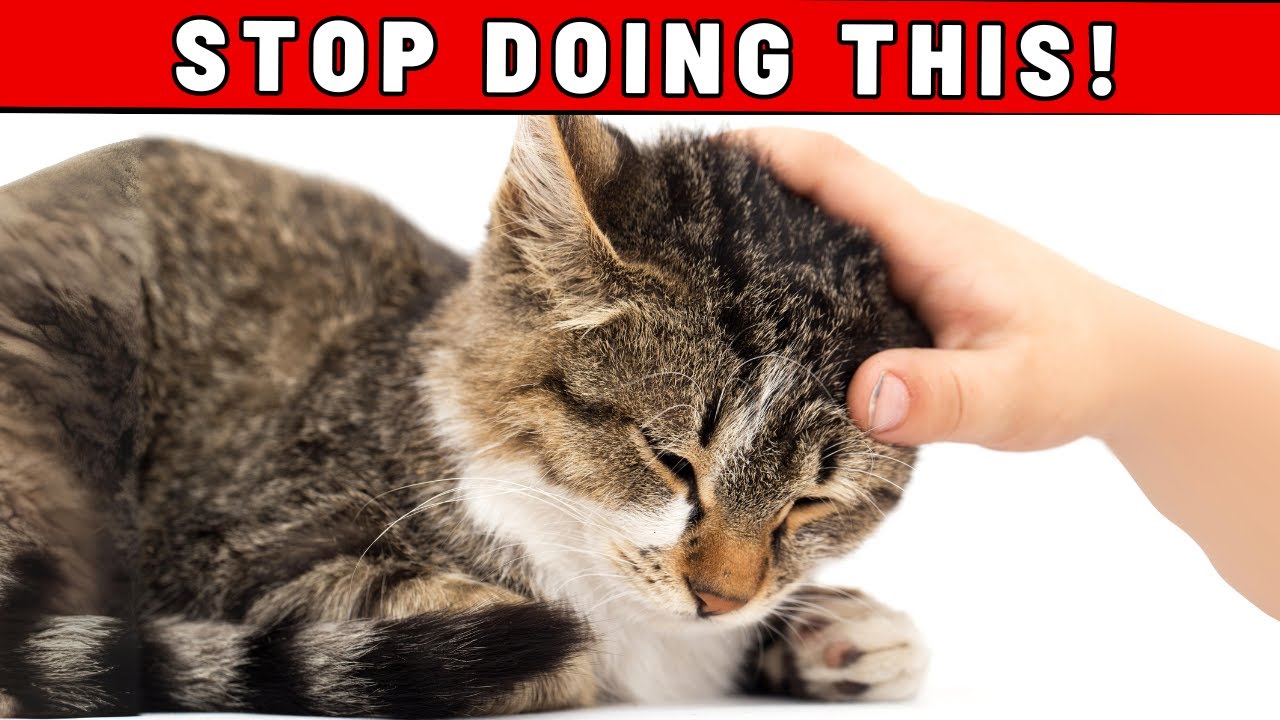
Do they even seem to flinch away when you try to touch them? Not only can these behaviors indicate that your kitty is unhappy, but anxiety that displays specifically when being touched can be a sign that your cat's unhappiness is being caused by physical pain or illness. If you notice your cat retreating from the world and refusing to be touched, your first port of call should be a vet.
Watch how they're taking care of themselves. Cats groom for a number of reasons: to clean their bodies, to strengthen social bonds with other cats, or to calm themselves down. Because of this, any change in your cat's grooming routine can be a sign of bad news.
If your kitty's fur suddenly starts looking greasy or disheveled, this can be a sign that they're not grooming themselves enough. Once again, this can indicate that your kitty is injured or in pain, and that they are potentially avoiding grooming because the movements involved hurt them. By comparison, overgrooming can also be a sign of distress.
The most obvious sign of overgrooming is the one you've probably already guessed - you will see your kitty grooming more often. As more time spent licking their fur means more fur being accidentally ingested, you'll probably also start finding more hairballs around the house. In severe cases of overgrooming, cats can start to develop bald patches where they have licked their fur off completely.
The skin of these patches may be red and sore-looking. Stress is one of the most common causes of overgrooming in cats. This is because grooming is a self-soothing behavior, so grooming too much can mean that your cat requires more than the usual amount of soothing.
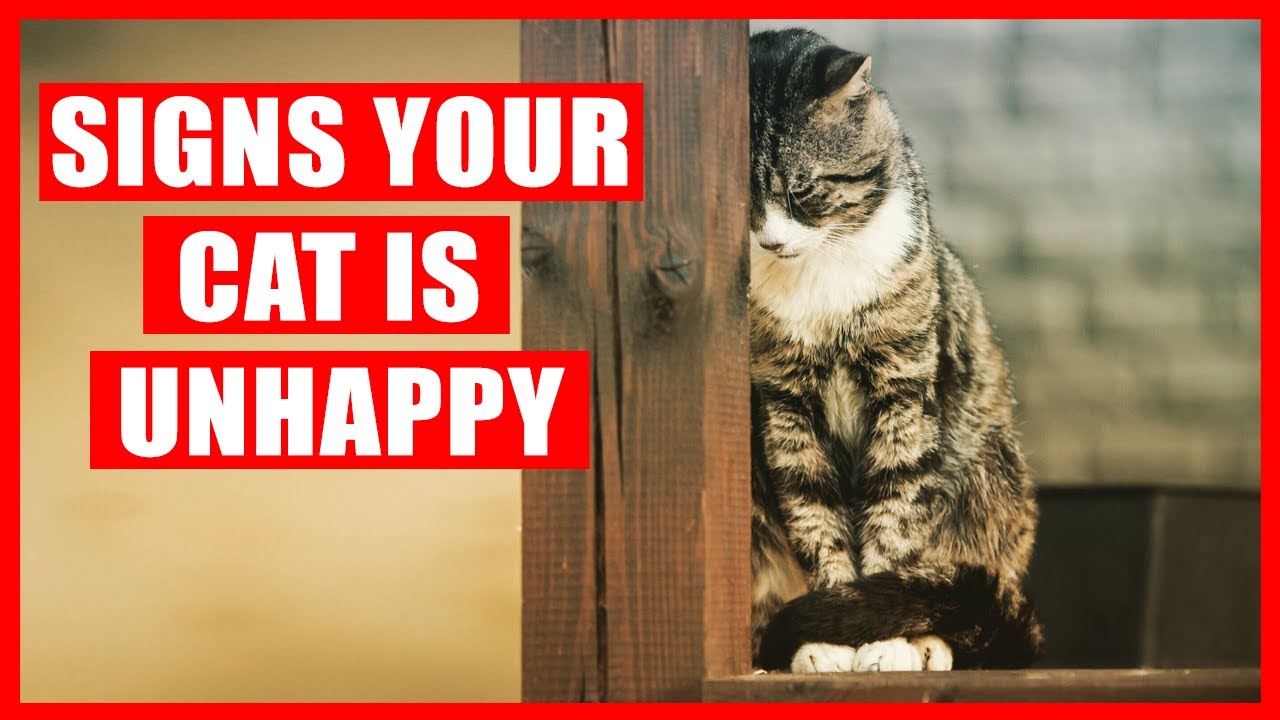
Watch their tail. A high tail means a happy cat, while a low tail means an unhappy cat. A tail that lashes back and forth like a whip suggests that your cat is angry.
If they do this whenever you approach them, then that suggests that, for some reason, they're scared of you and are trying to intimidate you into going away. A tail tucked underneath the belly, meanwhile, means that your kitty is very scared and distressed, and does not feel safe in their home. Watch how they behave in the home.
Cats who are stressed feel a need to make themselves feel safe again. And for a cat, the thing that makes them feel most safe is spreading their scent over every available surface. Unfortunately for their cat parents, one of the ways cats spread their scent is by scratching things and peeing on them.
Most house cats can be trained to stick to less destructive ways of spreading their scent, such as rubbing against the furniture. But when they get stressed, these instincts can go out the window, and your curtains and couch cushions may end up paying the price. Watch how they eat.
Is your cat eating enough? If your cat stops eating or drinking, that can be a sign of extreme stress, the same as it would be for a human. It's also a sign that you need to get them to a vet.
Pronto if it happens for more than a day or two. When your cat doesn't eat, their body has to rely on stored fat reserves for energy. Fat cells are broken down by your cat's liver, a process that involves protein.
Because your kitty isn't eating anything, however, no new protein is entering their body. Once their existing protein reserves are gone, the fat can build up in their liver, causing a disease called hepatic lipidosis or fatty liver disease. Fatty liver disease is the most common cause of liver failure in cats.
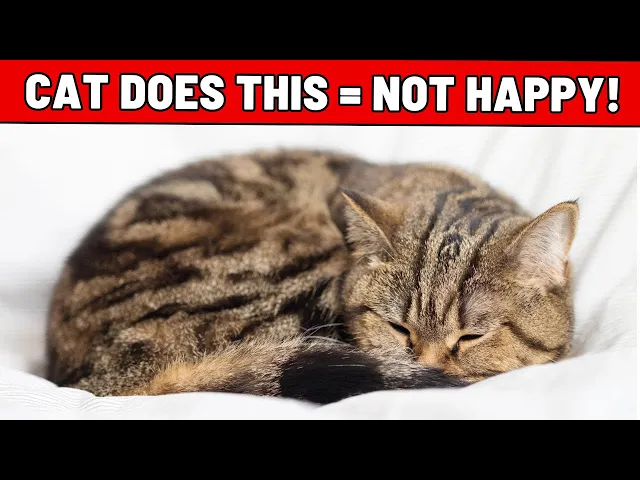
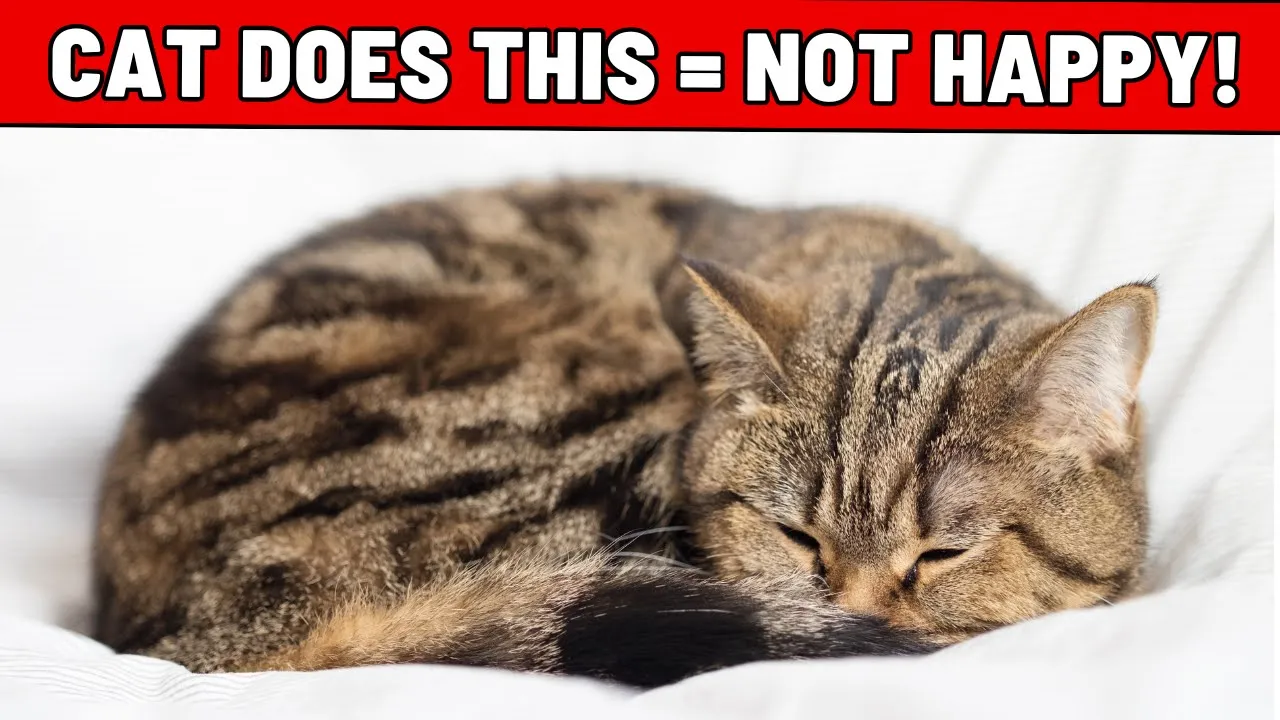
Watch how they sleep. A cat who is anxious may choose to stop sleeping in your bed or next to you on the couch, and start choosing to sleep in more hidden places, such as cupboards or closets, where they feel safer. They might also sleep for shorter amounts of time or, conversely, sleep way more than usual so that they're never around to play anymore.
Watch how they play. Just like humans with depression, depressed cats can start to lose. Interest in their old hobbies, and act sluggish and lethargic.
Some slowing down is natural with cats as they age out from being kittens to adult cats, and again from being adult cats to elderly cats. But if your cat used to be very playful but suddenly stopped taking an interest, then that can be a sign of depression. Watch how they interact with other people.
Cats are naturally wary of strangers; they're shy animals who develop strong attachments to certain people but are often a bit standoffish with others. However, if your cat reacts with extreme anxiety whenever you have house guests, then that's not a normal result. If they feel the need to run away or stop eating or show any other signs of distress when you have guests around, then this can be a sign of anxiety.
If your cat keeps acting this way around one specific person, then that could mean that they've had a negative experience with either that person or somebody who looks like them. How can I help my kitty feel happier? We're now going to look at how you can improve your cat's mood.
Consult a veterinarian; this should always be your first step if you notice a change in your cat's behavior. Your vet will check to make sure that the problem isn't being caused by some kind of undiagnosed injury or illness. In severe cases where the cat is physically healthy but showing significant signs of mental illness, they may prescribe medication, just like a doctor would do for a human who was struggling with their mental health.
Adjust your routine. Cats rely on their humans for a sense of security. If you are constantly leaving the house at random times or changing when you do activities, then your cat can get stressed.
They'll also be stressed if you're out of the house a lot. Despite their reputation as solitary animals, cats don't actually like being left alone for too long. Try to set a scheduled amount of time every day that you dedicate to cuddling and playing with your cat.
Use natural remedies. Many humans use herbal teas or scented candles to calm themselves down. You absolutely should not use these on your kitty, as they are designed for humans and will at best have no effect.
They could even make your cat sick. But there are feline equivalents to these things that you can use for cats. Pheromone diffusers plug into the wall and release a scent that mimics the one your cat uses to scent mark their territory.
Don't worry, you shouldn't be able to smell it. This makes your cat feel safe and secure. Catnip can also be relaxing for cats.
Not all cats are affected by it, but it's certainly worth a try. Distract them. Cats can become anxious or depressed as a result of boredom, especially indoor cats who tend to require more stimulation.
If your cat is currently a bit bereft in the toy department, try introducing some more toys. You can also try setting aside more space for them to climb or even introducing heated pads for them to sleep on. For more help in reading your kitty's mood, why not check out this video on five easy signs that your cat adores you?