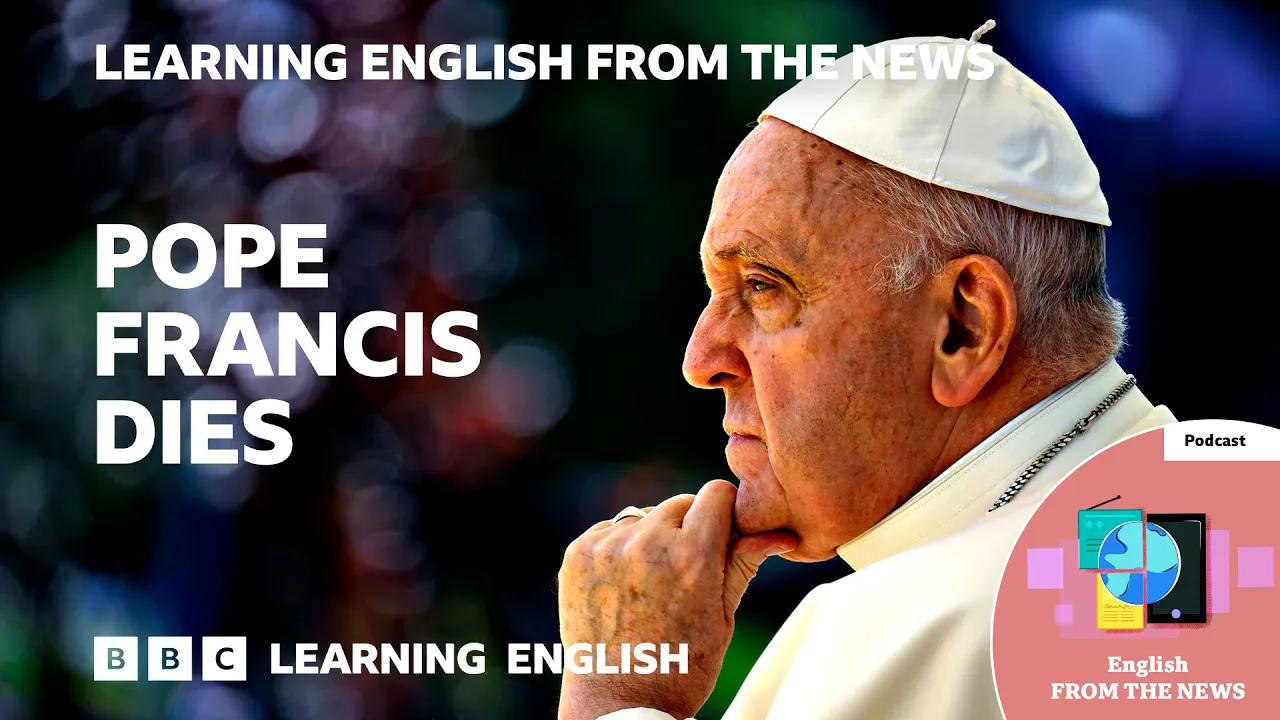
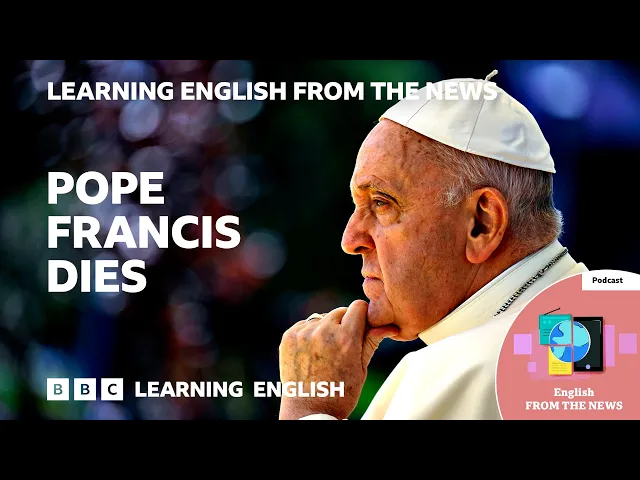
From BBC Learning English, this is Learning English from the News, our podcast about the news headlines. In this programme, Pope Francis dies aged 88. Hello, I'm Neil.
And I'm Georgie. In this programme, we look at one big news story and the vocabulary in the headlines that will help you understand it. You can find all the vocabulary and headlines from this episode, as well as a worksheet, on our website, bbclearningenglish.
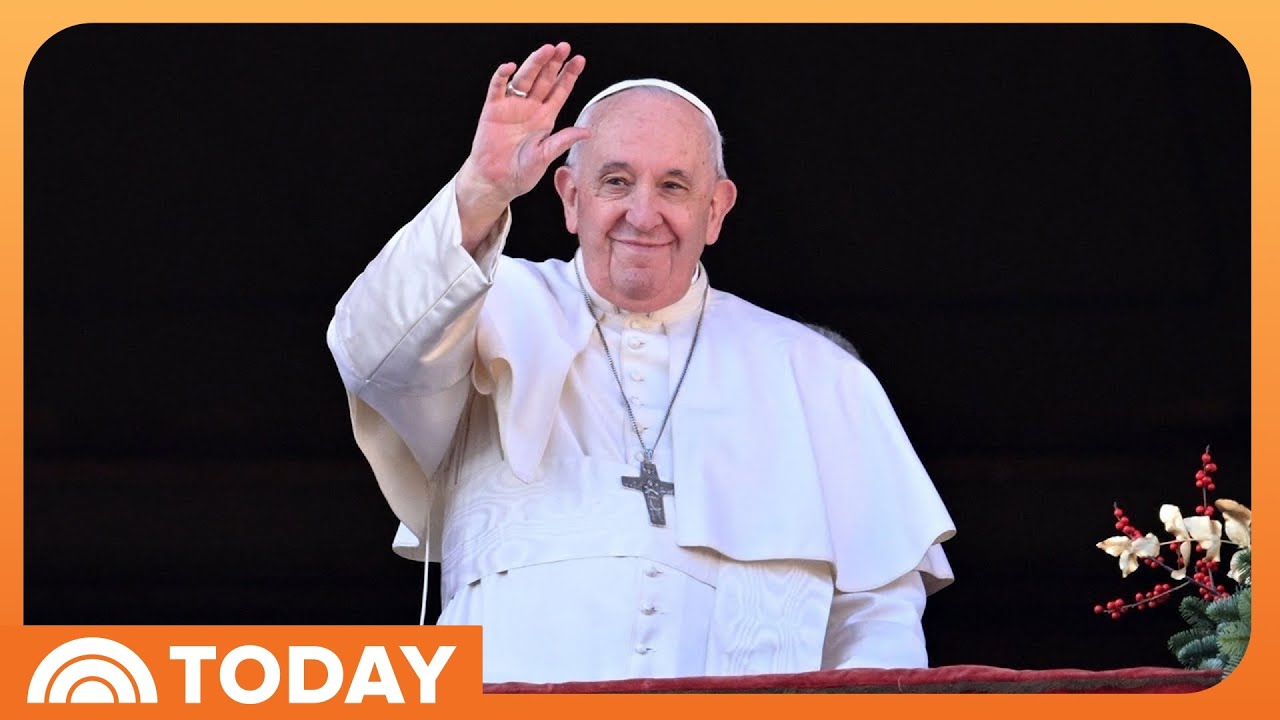
com. So let's hear more about this story. Pope Francis died on Monday morning, aged 88, after leading the Roman Catholic Church for more than a decade.
His funeral will take place on Saturday and will be attended by leaders from around the world. Pope Francis was the first non-European pope in centuries and the first to come from the Americas. He had a reputation as a man of simple tastes.
He usually flew economy and chose to live in a modern block rather than a palace in the Vatican. And our first headline is about this side of the Pope. It's from The New Yorker.
The Down-to-Earth Pope: Pope Francis has died at 88. That headline, again from The New Yorker. The Down-to-Earth Pope: Pope Francis has died at 88.
And we have this interesting phrase down-to-earth. Now, Neil, we know the Earth – that's our planet. But what does it mean to be down-to-earth?
Well, if someone is down-to-earth, they're humble and modest. They don't like to act as if they're superior to you. And as we've heard, the pope had a reputation for living a simple life.
We often use this phrase down-to-earth when talking about people you wouldn't expect to be down-to-earth, like celebrities or public figures. Yes. For example, I met a famous actor in London the other day, and he was actually really happy to chat to me.
Seemed very normal. He was down-to-earth. Now, you might see the phrase with hyphens between the words, particularly if it's before a noun, like in the headline 'down-to-earth pope' – that's with hyphens, but you might also see it written as three separate words.
And the opposite of a down-to-earth person you might describe as arrogant or pompous or pretentious. We've had: down-to-earth – humble and modest. For example, The company's CEO is very down-to-earth.
He always asks me about my family. This is Learning English from the News, our podcast about the news headlines. Today we're talking about the death of Roman Catholic Church leader Pope Francis.
Pope Francis' funeral will take place on Saturday at 10am local time. His body is now at St Peter's Basilica in the Vatican, where it will remain until burial. The public have been allowed to walk past the open coffin.
Catholics around the world are grieving. That means they feel intense sadness about the loss. Let's have a look at our next headline from Sky News.
Crowds gather to pay respects to Pope Francis in Buenos Aires. And that headline again. Crowds gather to pay respects to Pope Francis in Buenos Aires.
And that's from Sky News. So, this headline is about groups of people in the pope's native country, Argentina, gathering to pay respects, and that's the phrase we're looking at. What does it mean, Georgie, to pay respects?
Well, in this context where someone has died, pay respects means to acknowledge and honour that person after their death. Yes. So the crowds in Buenos Aires gathered to remember and honor Pope Francis's life.
Another way people pay respects to the dead is by attending their funeral. Yes. In this case, you can also say 'pay your last respects'.
For example, my whole extended family came to pay their last respects at my uncle's funeral. And there are some other words you can use when someone has died. You might see people 'sending or offering condolences', which means they express sympathy at someone's loss.
Yes. Now, that's quite a formal thing to say, "I send my condolences". A more informal thing to say when someone has lost a loved one is "I'm so sorry for your loss".
We had: pay respects – acknowledge and honour someone who has died. For example, She laid flowers at her mother's grave to pay her respects. This is Learning English from the News from BBC Learning English.
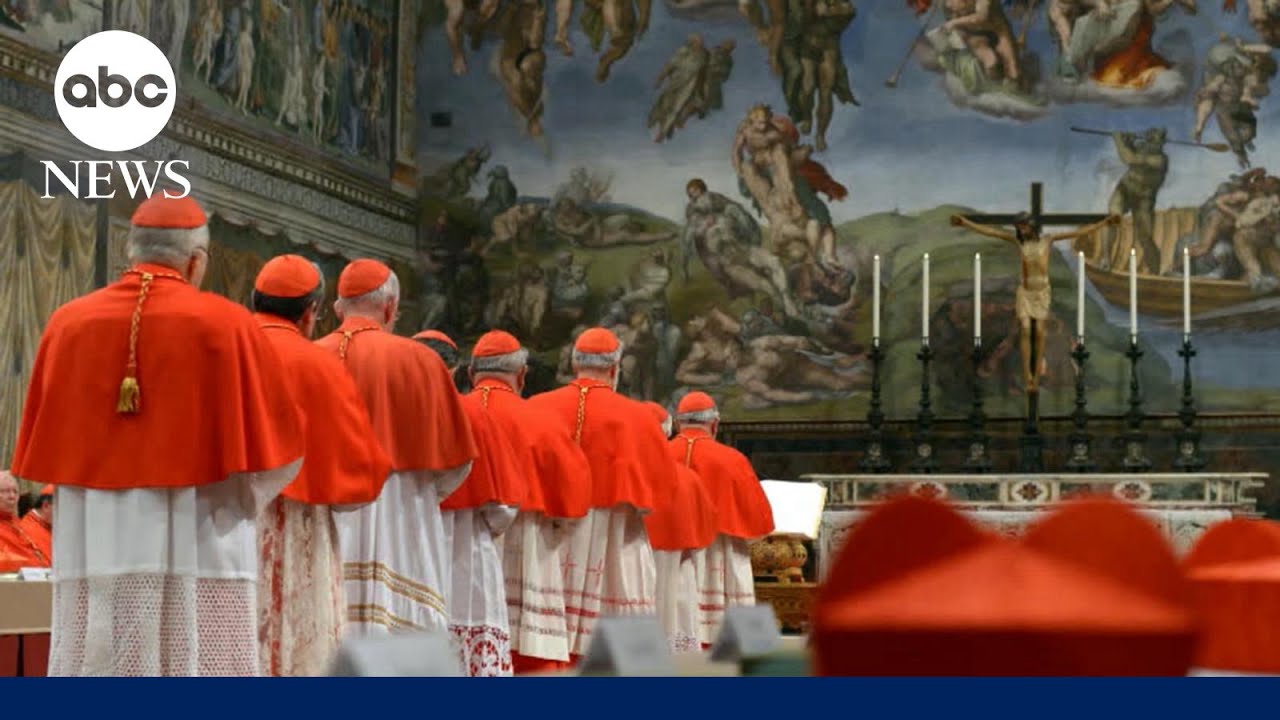
We're talking about the death of Pope Francis. Pope Francis has died, which now starts a political process for the Catholic Church to select a new leader. A group of the Catholic Church's most senior officials, those are cardinals, will vote for a new pope in an election known as a conclave.
In theory, any Roman Catholic man who has been baptised can be considered for election to become pope. In practice, however, the cardinals prefer to select one of their own. Of the 266 popes chosen to date, 217 have been from Italy.
OK, let's have our next headline. This one is from News Week. The next pope: Who are the frontrunners to succeed Pope Francis?
That headline, again from News Week. The next pope: Who are the frontrunners to succeed Pope Francis? So, this headline is asking who will be the next pope.
We're looking at this word frontrunner. Neil, what can you tell us? Well, if we break it down, we have the words front and run.
So, let's imagine you're in a race and you're running at the front. If you're at the front, you're likely to win, aren't you? Yes.
So a front runner in a race is someone who's likely to win. Now, that's a very literal meaning, but we can use it in many contexts where there is a winner, such as an election, like we're discussing here with the election of a new pope. Or another example is when you have many candidates applying for a job.
There may be a few frontrunners – those who are most qualified for the job. We've had: frontrunner – person most likely to win something like a competition or election. For example, She's the frontrunner in the presidential race.
Everyone thinks she's going to win. That's it for this episode of Learning English from the News. We'll be back next week with another news story.
And if you've enjoyed this programme, try our Learning English for Work podcast, which can help you improve your English at work. You'll find the latest episodes at bbclearningenglish. com.
And you can also follow us on social media. Search for BBC Learning English. Goodbye for now.
Goodbye.

![Harvard Professor reveals the Science of Happiness in 15 minutes | Arthur Brooks [ARC 2025]](https://img.youtube.com/vi/w8a0T5XLrXc/maxresdefault.jpg)