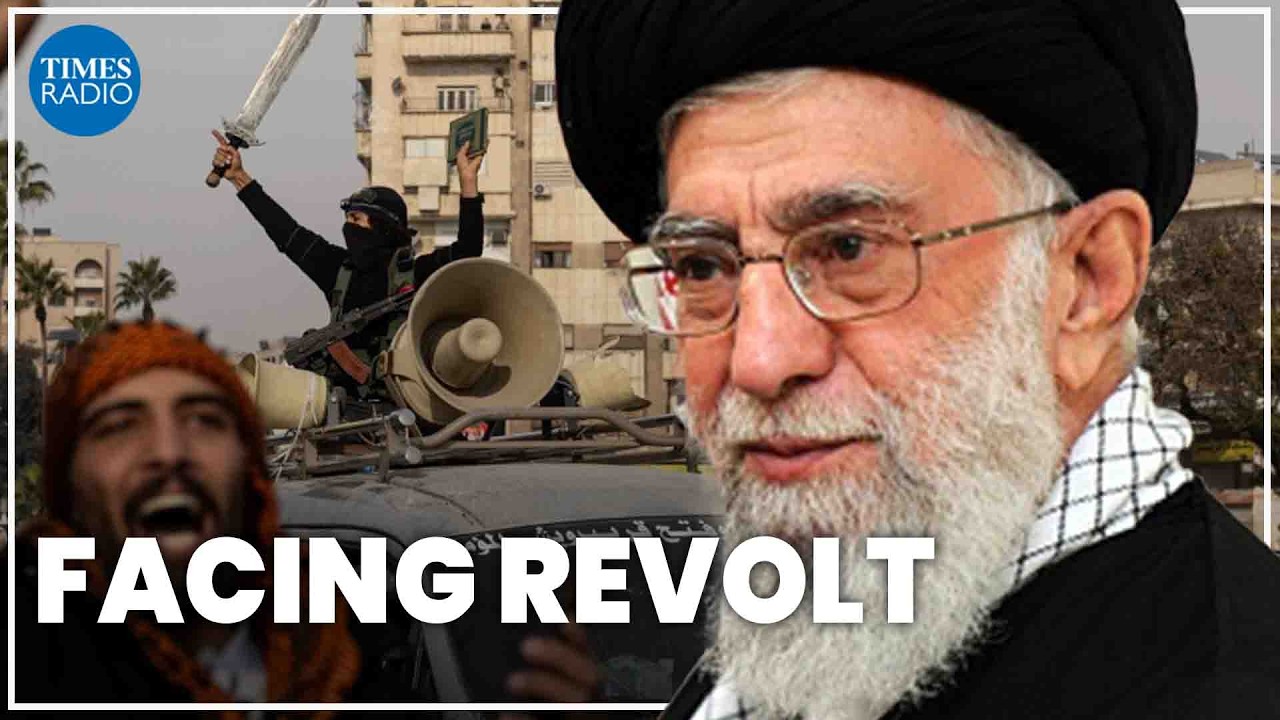
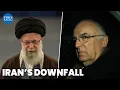
hezbollah's command structure has been taken down very significantly uh it doesn't mean that hezb are bereft of resources they still have some left but that strategic direction of Hezbollah has gone Hamas as a military movement not as an idea or not as an ideology is in the process of being fundamentally destroyed and and of course Syria which was crucial to Iran the backer crucial to Hezbollah in terms of supplying Hezbollah in Lebanon um crucial to Hamas as well to an extent th this is all gone it's it's it's it or it's in the process of
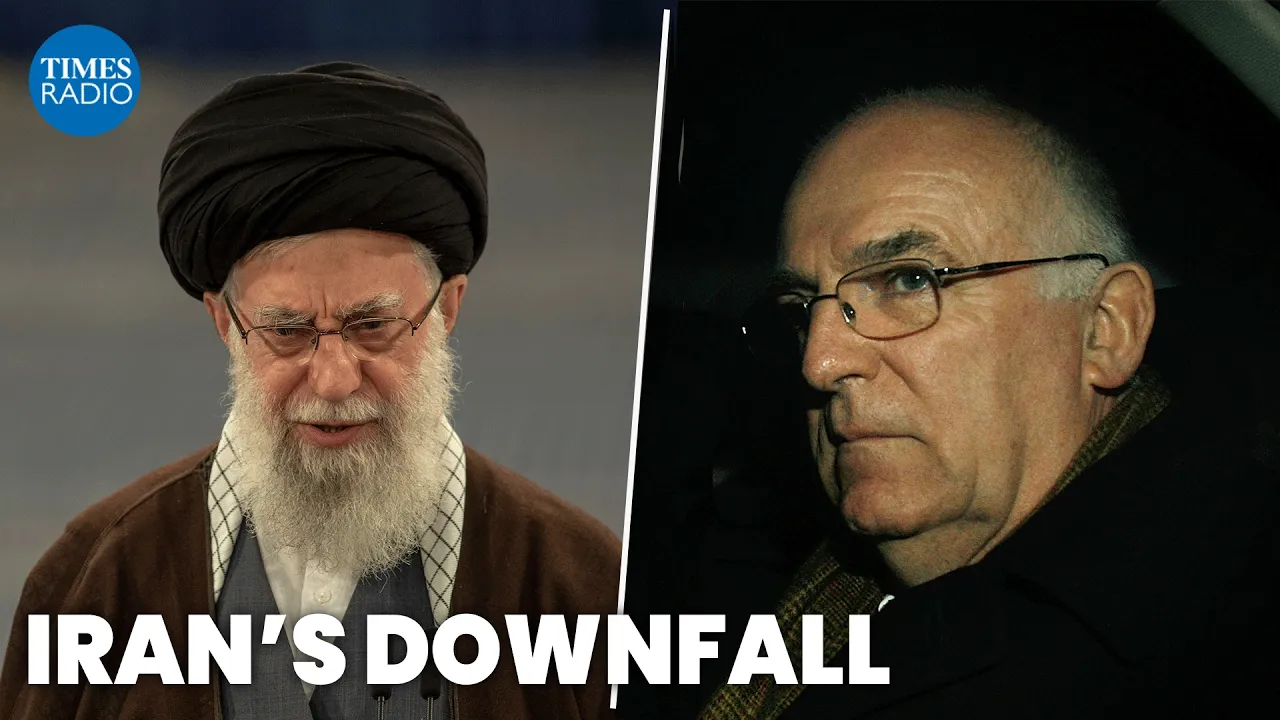
being destroyed now uh tonight our newsmaker interview and we have one of these every Thursday evening of course at this time is with Sir Richard dear love he was the head of MI6 the secret intelligence service between 1999 and 2004 in a role well known as C he ran MI6 during the Iraq War and spent more than 40 years at the heart of British intelligence we're really pleased to have you join us Sir Richard dear love thank you good evening Kate it's very nice to be with you I must start by saying or by asking
you actually if you find that the world is at a fascinating juncture when it comes to so many different Global Security and insecurity issues some of which cross- seex interex um whether you find that a fascinating thing to view on from afar totally obsessive I guess is my answer I mean I'm now very much focused on geopolitics and I don't think in the whole of my career which started way back I've ever seen such a mixture of problems in crisis as we are now facing so one can be completely preoccupied with observing and trying to
analyze these events I mean basically Pax Americana which was the primary framework of the International Security system after World War II has disappeared or is disappearing it hasn't disappeared completely but the question now is how do we View the future of the International Security System how how is it going to be composed what are the elements that will emerge from the current series of Crisis that we're in should we talk about that a little then maybe we should start off by looking at the main challenges the main threats to the International Security system as you
perceive it well I think the the largest long-term threat is unquestionably China and what I mean by that is China emerging from being a regional power to being a super power contesting the global space with the United States so the sort of existential question in the medium to long term is how do we organize our relationship with China and the complexity is that it isn't like the cold war there isn't a sort of separation between East and West because the West's economies are intertwined with China so how do we manage that relationship particularly when if
you look at the statements of the Chinese leadership the Communist Party leadership for example in the papers relating to the 20th party Congress they say quite clearly that China's ambition is global domination by I think the DAT is 2150 or around that period so how how do we organize dealing with China and I I and and it's clear that you know if you look at the foreign policy or the preoccupations of commentators in the United States and in Europe there is a certain understanding that Although our day-to-day preoccupation at the moment may not be entirely
with China that is the big issue and the big question but you know if we step back to the immediate Affairs that we are faced with today you know we have a major contained and I think that's extraordinary that it is contained war in Central Europe and of course we have a massive ongoing crisis in the Middle East with the tectonic plates apparently beginning to shift and move in terms of the various interest groups and conflicts um that have Afflicted the Middle East now for a considerable period of time you said that you're surprised that
the war is contained in Central Europe um how how fragile is that do we credit um an organization like NATO for keeping it contained you know because many of those countries bordering um many of those countries close to Ukraine are NATO members does an organization like NATO ensure has that ensured that the that the war in uh Central Europe is contained to an extent yes because the NATO treaty is quite clear that you know one nation attacked or assaulted the the alliance comes to its assistance um so it it's quite clear that you know if
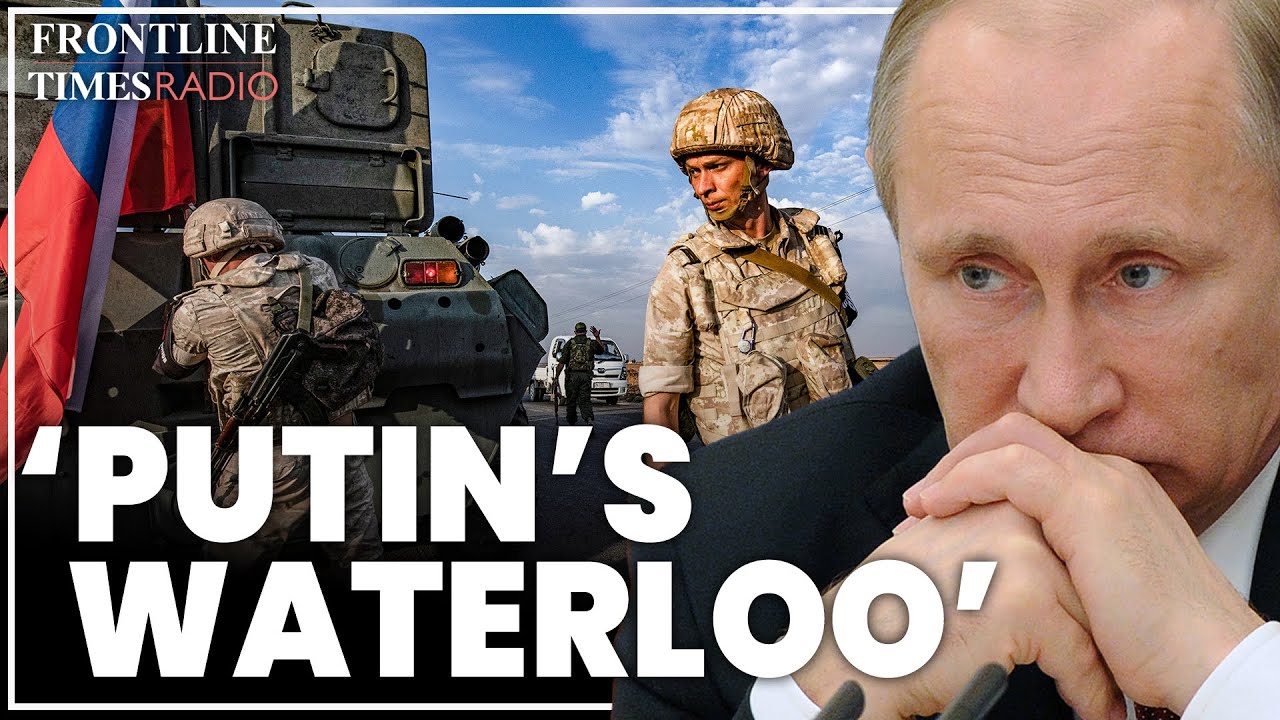
any member state is threatened that is a Prelude to a more generalized conflict um but on the other hand if you well if if you look at the situation in Ukraine I think what is surprising and I mean I it's surprising in the context of my own experience my own career is that the Russian general staff I think and I'm not talking about Putin I'm talking about the command of the Russian military have been very careful not to escalate the conflict outside the borders of Ukraine and I think that one has to conclude from that
that having invaded Ukraine well it goes back to 2014 but the the invasion of of apart from cir um that that Invasion that's been such a significant event for European security as a whole has not precipitated a general conflict because they clearly expected or the Russian army expected to walk down the road to ke to dominate and take the country in a short period of time but we're now into a thousand day war well and potentially potentially pick up another country after that you can't win that conflict are you really going to commit your resources
to a general war with Europe I think it's it's clearly highly unlikely I mean the Russian general staff are rational military commanders um and they have clearly been very careful to avoid the conflict escaping the borders of Ukraine but I mean that doesn't detract from the fact that we have a really bloody and expensive and deadly conflict that afflicts um this particular country I mean it it's unprecedented you also talk about the crisis in the Middle East and the tectonic plate shifting let's just talk about the fall of Basher alassad first of all and then
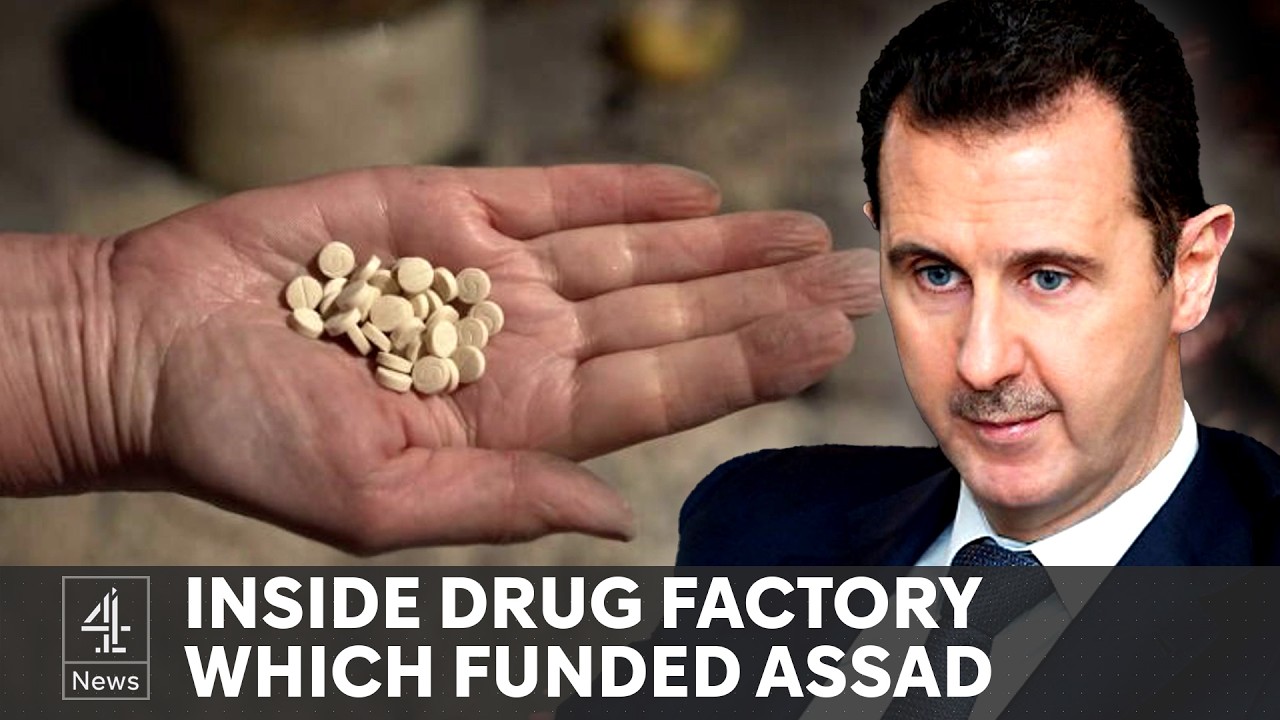
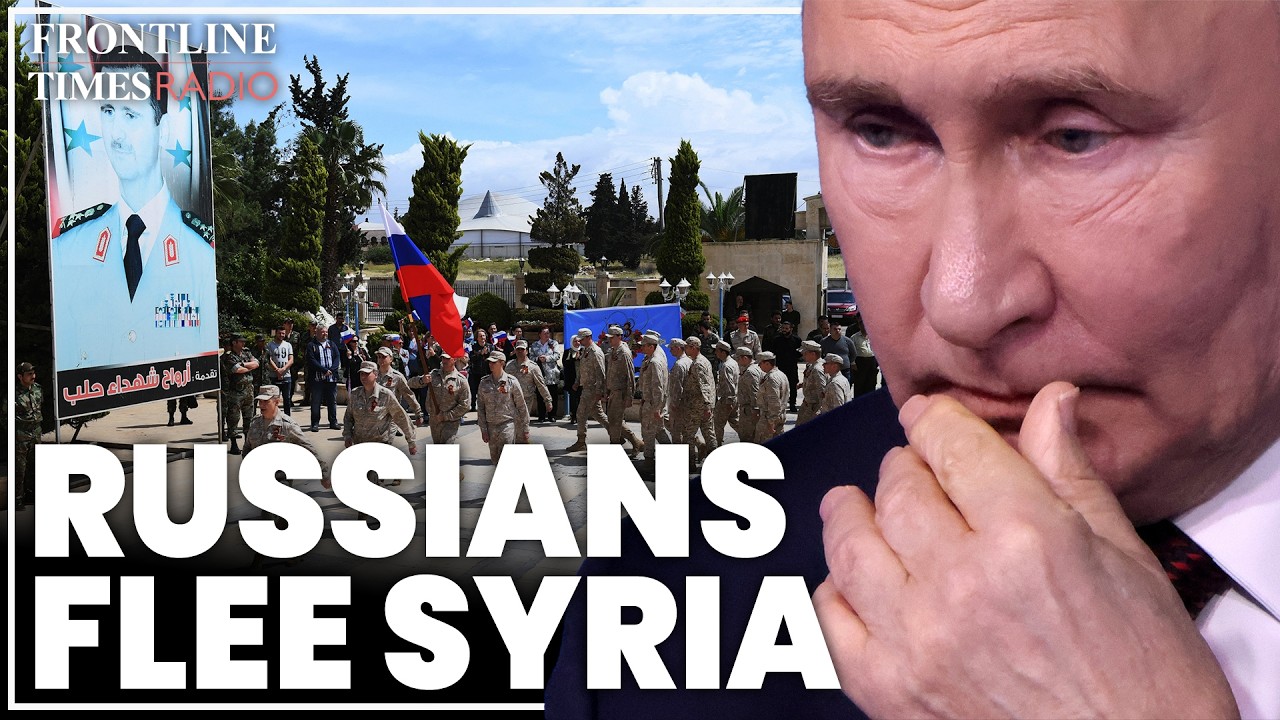
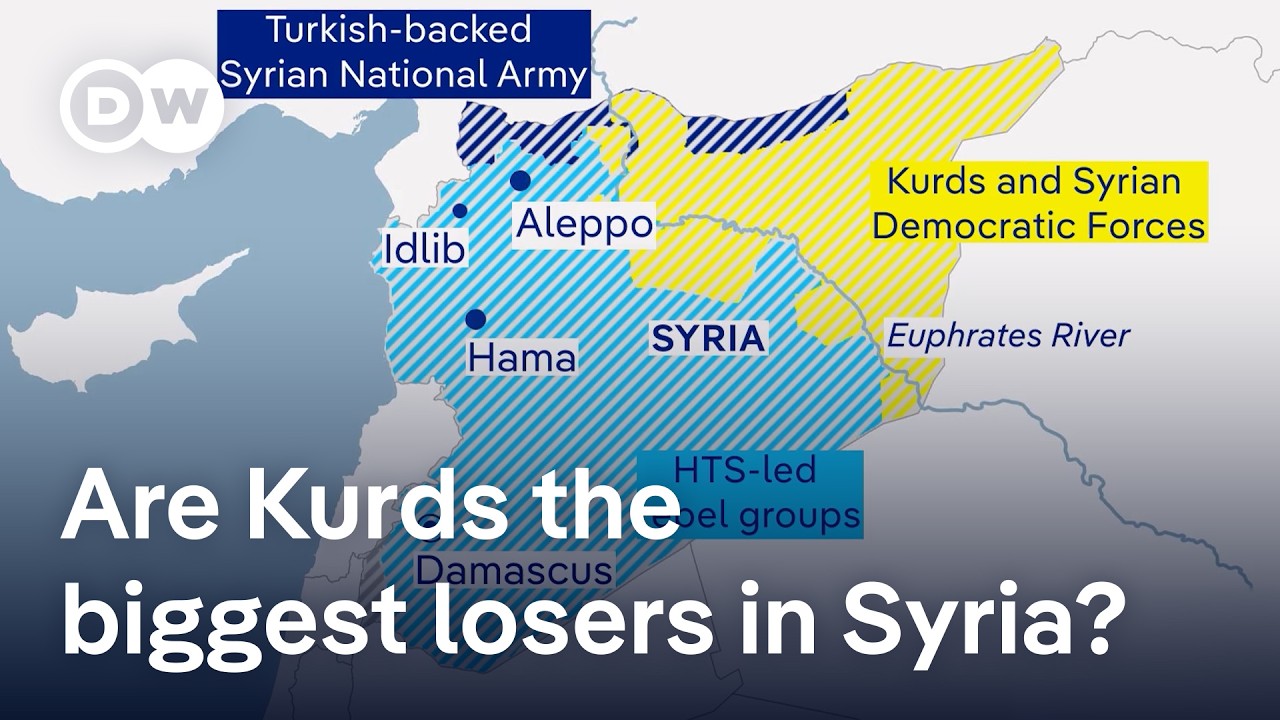
we can talk about what else is happening there and there is plenty happening in that region um were you surprised by the overthrowing of Bashar al-assad's regime I was surprised how speedily it happened but clearly when you have a regime like Assad's which is not necessarily weak but extremely brittle when the politics surrounding Syria which have kept an Empire change fundamentally then as we've seen he's incredibly well not just vulnerable he's going to be deposed and deposed very quickly I think we were all shocked by the speed with which this happened but I mean the
reason it clearly happened is because his primary protectors hasbullah on the one hand and the Russians on the other given the conflicts that they're preoccupied with at the moment were not there to support him so as this HTS movement in a up in the corner of Iraq uh sorry of of of of Syria and backed by the Turks I mean certainly this this is a in my book this is a significant Turkish initiative they couldn't possibly have done what they've done without Turkish encouragement Turkish support Turkish backing and um you know they bowled down the
road to Damascus there was no opposition I mean there's an interesting parallel think about pran advancing on Moscow Putin clearly panicked when uh pran Advanced on Moscow but for some reason for reasons that we don't necessarily understand um he stopped and you know he didn't succeed but there is a partial parallel between those two events which I don't think anybody's I haven't had anybody draw it yet no it's true pgan met his end on a flight of course um in terms of The Wider situation in the Middle East so you talked about um Hezbollah and
the fact that they were no longer resourced to be able to protect the Assad regime we know that you know there are there are question marks over Russia in that country as well they've got um a really important Naval Base there the role of Israel in bombing parts of Syria at the moment you know Israel I think has a war they say on is it nine fronts now I mean Israel are intent on being everywhere and actually they are the common thread aren't they Israel if we look at Syria What's Happening Now Gaza Lebanon um
and Beyond it is it is is isra isn't it who are are they taking advantage of instability within the region is there an ulterior motive here by their prime minister what' you make of it well of course they are taking advantage of the instability and I think that the fundamental issue is that Israel has called Iran's Bluff and the Iranian strategy of conducting Warfare in the Middle East through proxies huthis Hezbollah and Hamas because of October the 7th has been fundamentally challenged in a way that hadn't happened hither to and I mean let's face it
Iran was creating Mayhem through the cuds force through the irgc which was supporting these um terrorist movements which which were constantly probing Israel's security and attacking Israel so you have Hamas first and you know the invasion of the 7th of October I mean my personal view is that the irgc the Iranian revolutionary guard probably had a significant hand that's disputed they say that Hamas made this um Invasion this initiative this attack to an extent of its own bat but I mean this clearly has you know destabilize the region quite fundamentally and I think what the
Israelis have found is that these movements are not as sustained and Powerful as people thought I mean if you go back to 2006 there was a significant you know conflict between Israel and hasbullah and at that point in time Israel that wasn't really geared up to fighting Hezbollah the IDF in Lebanon came off rather badly it's clear to me that since that event Israel has a lot of learned a lot of lessons and changed its attitude and changed its policies and I mean it's really a cliche to say that the big changes globally are triggered
either by Warfare or by Revolution you know you can go back to 1789 and go through all the stages of European history and and and explain or show how that has happened and I mean it's clear that this conflict now conducted by Israel with great strategic insight has caused massive breakdown in the sort of conventions and I call them conventional although they regressive conventions which has defined the way the Middle East acted for the last 10 to 15 years and I mean the most significant event is the last one which is this extraordinary collapse of
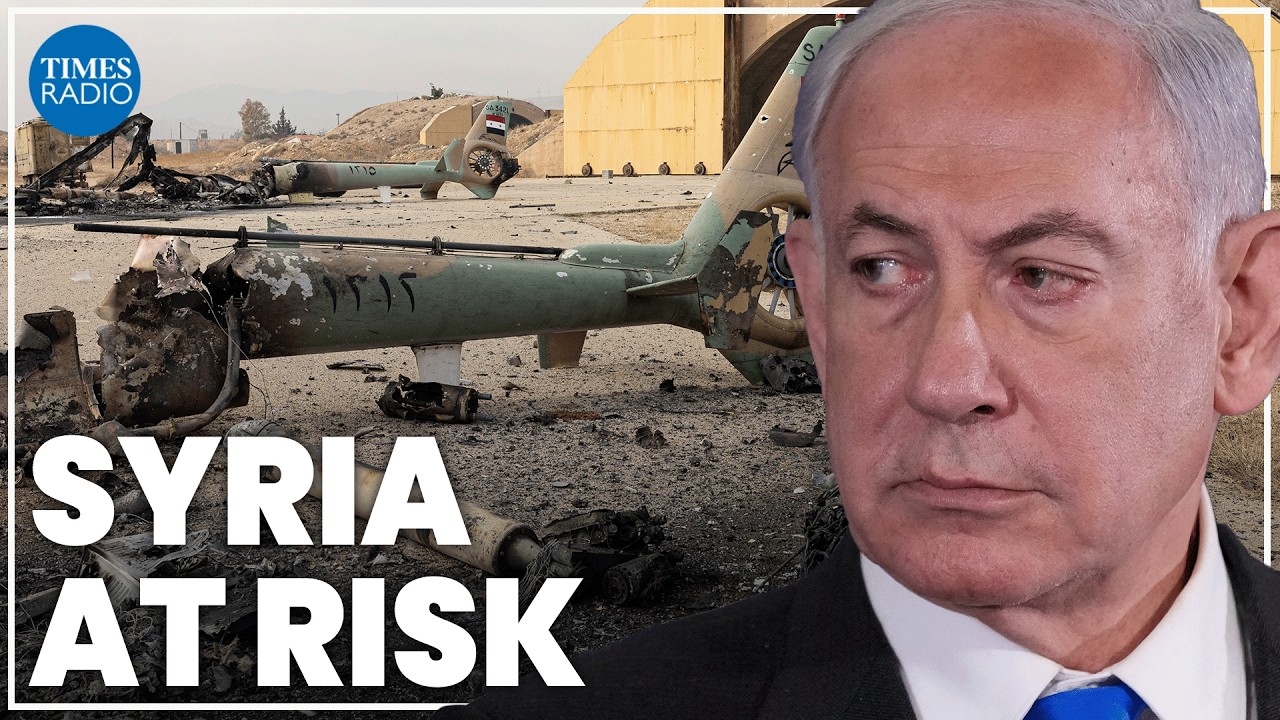
Syria and of course you know when Syria collapses the Israelis are not going to sit there and do nothing they've taken out a lot of the um strategic capability that Assad had built up and you know was to be there taken over by a new government God knows what's complexion it would have so yeah and their justification is is protecting the Golan Heights protecting border territory and what they are concerned about is the rise of extreme islamists so you know Isis Etc um has the axis of resistance as we're talking about Iran has that has
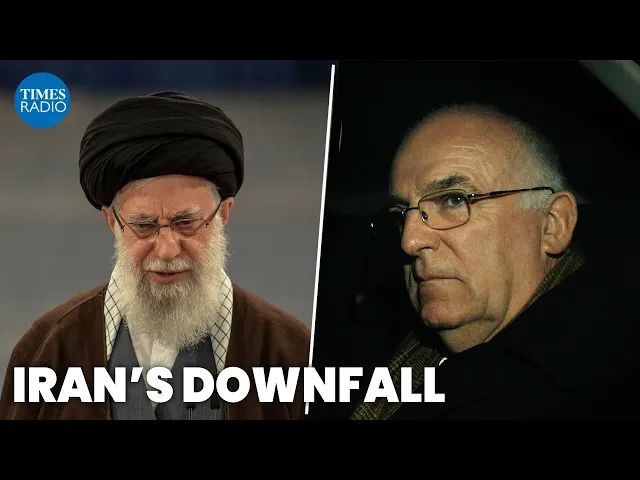
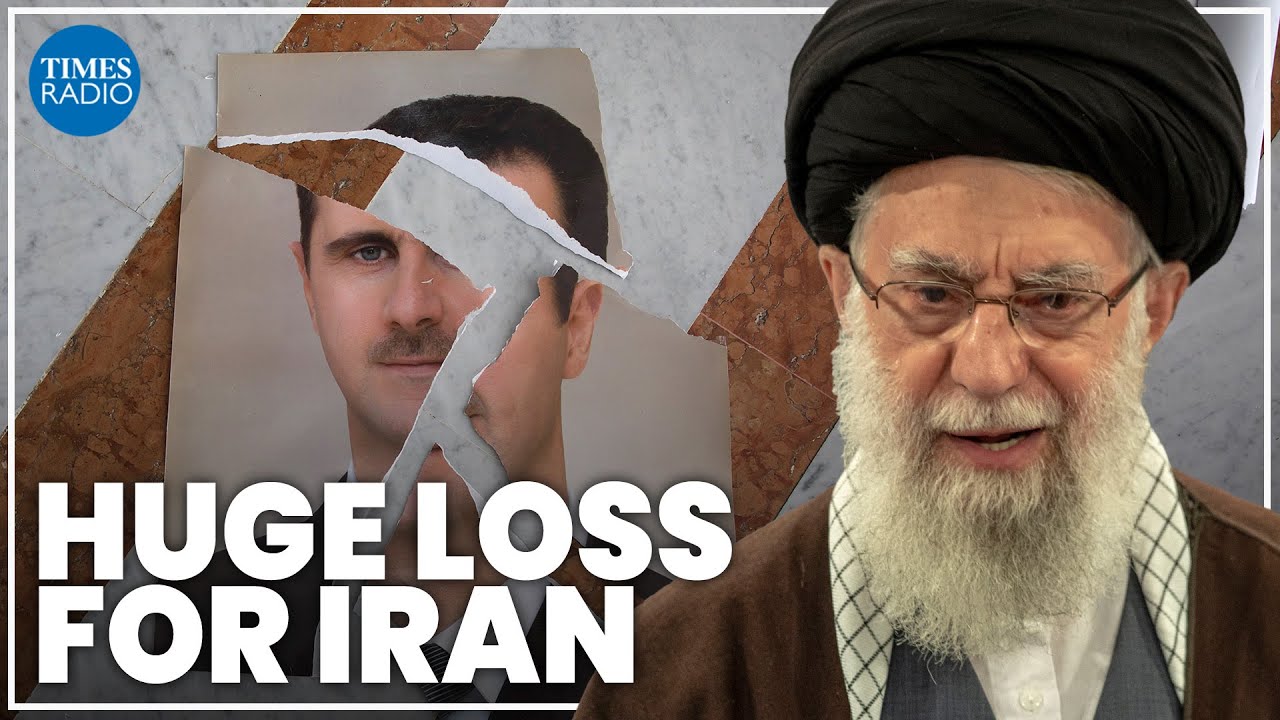
that been shattered yeah I think it's pretty much over in the yes I mean hezbollah's command structure has been taken down very significantly uh it doesn't mean that h a bereft of resources they still have some left but that strategic direction of Hezbollah has gone Hamas as a military movement not as an idea or not as an ideology is in the process of being fundamentally destroyed and and of course Syria which was crucial to Iran the backer crucial to Hezbollah in terms of supplying hezb in Lebanon um crucial to Hamas as well to an extent
this is all gone it's it's it's it it or it's in the process of being destroyed the question is now you know what's the aftermath what's going to happen next yeah is is a question to ask look I I I mentioned at the top there that you were head of MI6 during the Iraq War um during the invasion of of the country and you were personally criticized in the chilcott report for mi6's intelligence about weapons of mass destruction existing in the country which turned out to be um to be poor intelligence uh in retrospect ECT
what do you make of those criticisms do you do you feel that they're fair I think that the issue still is poorly understood and poorly investigated and did the chil cop report actually go to Iraq to investigate these issues no it didn't it was a governmental report conducted in the UK around the issues of the policy decisions that the Blair government took at that time the intelligence was part of uh the argument but let's face it when you go to war or when you make a policy decision there are many other other elements come into
play um I'm I look this this is a complex issue and I'm not going to go into detail now because we be be on air for a couple of hours but you essentially stand by your intelligence I stand by the intelligence some of it was wrong but more of it was right than people understand and I think that uh interestingly you know the breakdown of the government in uh Syria perhaps provides more opportunities if anyone cares to investigate them uh in relation to issues like chemical weapons because it it's clear in my view that a
lot of stuff went over with the border into Syria surprise surprise Syria then used it but um you know the the these are issues not for really discussion in this interview because it takes down a number of other issues which it's uh it'll take a long time to for me and just look um reflecting on MI6 and their role what does a d stabilized Middle East mean for us mean for the UK and the West and how important a part intelligence has to play well it has a massive important part to play in trying to
understand and have precise insight into what's happening and how that affects European security more broadly Global Security and the security of the United Kingdom um I mean one aspect of course is the issue of the radicalization of uh Islam and the extent to which let's say inent events in Syria now will regenerate a threat from organizations like Isis and Al-Qaeda there is also the problem of the displacement of populations in the Middle East and of course this fuels the immigration crisis um there are other issues that relate to weapons development um whether Iran is on
route to become a nuclear power and I'm sure some of our listeners are familiar with issues like that I mean there are so many aspects to this which are partly you know policy initiatives that can be dealt with by conventional diplomats but there are a number of other issues which will be let's say intelligence requirements placed upon my former service which the policy makers will want answered in order to try to create good policy which takes account of these very difficult issues if you're in a state of ignorance it's very difficult to develop good policy
but the challenges at the moment in the Middle East are huge and the the other thing I should say which I think is really important is the ability of the United Kingdom through its diplomats through its intelligence capability to talk to the Middle Eastern Powers with whom we have close relations yeah so that we gain the benef benefits of their insights into these issues and I mean the one thing that we haven't really talked about in relation to the Middle East we you've talked about Hamas or I've talked about Hamas hasbullah houis Iran but I
mean there is the more fundamental issue of the struggle between sunic and Sh Islam yes yeah within within Syria I I I am going to have to call time on this fascinating conversation I'm so sorry to leave it there but I've really enjoyed talking to you and I know our listeners would have would have enjoyed hearing from you as well uh thank you so much for being with us uh Sir Richard dear love thank you