w diet and exercise drugs and Medical Care these are what we usually associate with health but what we don't think about are structures not just physical structures but economic political and social structures they may be hard to see yet they can be powerful determinants of our health we've been doing a series of photos for a book I never get tired of taking pictures of the desert Terell du Johnson is a member of the Tona aam American Indian tribe Terell is an artist and an activist on the reservation south of Phoenix Arizona how was Hy what'
you guys do for the last 40 years the tribe has suffered the highest rate of type 2 diabetes in the world half of Tona aam adults have type 2 diabetes how could she move she died more than seven times the national average rates for Children Are Climbing rapidly are you with grandma huh go go with them you can go to the party you can go swim we'll see you later bye bye you guys for hundreds of years the atham lived self-sufficiently on tempy beans choya buds local game crops irrigated by rain and groundwater their way
of life kept them healthy today that has changed Danny I was just asking people when I was taking pictures of them how diabetes affects them if it does affect them what their thoughts were about that I think some people they get kind of uh depressed somebody had stated while my mom my sister has diabetes so I'll probably get it anyway so that kind of that attitude that you're you know you're eventually going to get it you know a lot of people in my family and around me had diabetes and some somehow I always thought well
okay that's just part of growing up but they never said they had diabetes they've always said I just have bad sugar I've actually had family members die on the operating table during the process of an amputation he lost his leg you know oh he did a couple of weeks ago yeah oh no he was at the elders conference was in the wheel a lot of people still don't know further north is the hila River Reservation home to the Puma we're the same Autumn tribe it's just that they're desert people which just and we're aimar which
we live by the river see where those little mountains are at the river is just on the south probably at the base of that there Henrietta Lopez works with the Puma Maricopa irrigation project at that point there they diverted out of the river and into a canal like this okay this is what we call the Puma Canal you know connecting to the river her Pima ancestors were Master water Engineers over the centuries they transformed the desert into Farmland in the Healer River Basin living along the river meant our life it was a part of us
having the river flowing through our community meant having natural vegetation growing along the river The Willow The mosqu the cottonwood trees I don't believe that really the non-indian world understands how we're tied to the water but waterers our life those were healthier times for the Puma but within two short gener ations they like the Tona aam began dying from type 2 diabetes most of our uh Records are uh are computerized for years the medical community believed Puma susceptibility to diabetes was an anomaly that something in their biology was unique these are files that have been
uh collected from our longitudinal study the National Institute of Health collected hundreds of thousands of Puma blood samples tissue biopsies and medical histories our collection of EKGs these are Dr Peter Bennett has devoted most of his professional life to studying diabetes among the Puma running the lipid panels on the after 40 years $200 million worth of research has increased our understanding of the biochemistry of diabetes but neither the cause nor a cure has been discovered and rates among the Puma continue to rise like many researchers Bennett now turns his attention to genes for answers the
genetics of of diabetes has turned out to be really uh quite complicated it appears that there are not just one or even two genes involved in the in the predisposition in fact today we still don't know what combinations of Gene abnormalities really lead to a very high risks of the disease but research has shown that whatever genes might increase the risk of diabetes are in fact found the world over not just among the Puma and whether they have the genes or not some populations do have a higher incidence of disease really very dramatic figures these
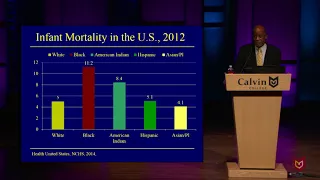
are not our own data but from a paper a couple years ago Pacific Islanders African-Americans Aboriginal peoples in Australia all suffer from type 2 diabetes at rates double or triple the national averages they have totally different histories they're all the different populations and yet they all have the same manifest what's going on what's the common denominator and in every case we're talking about people who have been dispossessed of their land and of their history they haven't been able to recreate it in all these far-flung parts of the world this social circumstance of being ripped from
Roots ends up with the same manifestation of disease but this used to be where my sister and I and all the kids slip slapped in and the room next door was it was a two-bedroom place you know for the Tona aam and many others across the globe land culture and work van in the last century No indoor plumbing we used to take our showers cook and um clean and this was the only source of water today half the Pima and the Tona aam live below the poverty line This condition is the real risk factor for
diabetes for Dr Donald waren well I went into my modern medical training kind of naively thinking that I was going to make an impact on Indian Health as a primary care physician Warren has treated Native American tribes in Arizona for years he's also a health policy consultant from a family of Lakota traditional healers and in truth you can have an impact on individuals lives and their health care and that's very significant and meaningful but the health problems occur long before people get to the clinic or to the hospital when doctor warns patients have type 2
diabetes their bodies make the insulin needed to convert glucose or blood sugar into energy but the insulin isn't used efficiently glucose then builds up in their bloodstream and can choke off small blood vessels leading to blindness kidney failure amputation diets high in sugar fat and carbohyd hydrates can Elevate glucose levels but something else increases those levels as well there is a direct biochemical connection between living in poverty and the stress that people are under and blood sugar control when we look at measures of stress we look at different types of hormones like cortisol or epinephrine
which is adrenaline all of those chemicals increase blood sugar and when stress hormones remain high they continue to trigger the production of glucose glucose builds up in the bloodstream leading to diabetes diabetes in America has reached epidemic proportions we spend over $32 billion a year to treat it obesity is a risk factor and a third of us are obese but the other critical risk factor is low income Americans in the lowest income brackets are at least twice as likely as those in the highest to become diabetic Dr Warren might like to prescribe affluence but instead
he prescribes a change of diet more exercise and if this fails medication and Insulin injections it's a picture of my sister she has to take two shots the syringes she has to fill them up to the Max and she takes them on both sides of her her belly and the doctor said that her um kidneys would go but she told me that um with a smile I'm all right for now she said which really bmed me out that was sad I'm a diabetic I found out in '96 and so they gave me some pills and
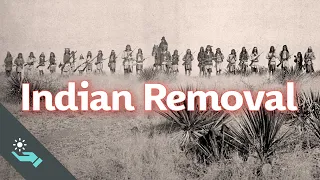
boom you know I was stamped and proved and put on that list of diabetics in Native Community the genocide of Native American peoples may be a familiar story but its unfolding varied from tribe to tribe and place to place to understand its continuing impact on the health of the p today we need not look far beyond one series of events there's a direct connection between the diversion of water in the upper hila River and the health status and economic status of p mopus in the 1890s water simply stopped coming down the hila River Upstream water
from the hila was diverted by dams and water projects giving white settlers Farmers ranchers and Mining interests the water they needed and we are dependent upon that water to grow crops to provide for ourselves not even the 1908 Supreme Court decision upholding water rights for all Native Americans could protect the Pima the kulage dam in 1930 one of the largest in the world its promise to provide water for everyone this time including the Puma former President Calvin kulage celebrated its opening with politicians and businessmen they dined on China Crystal and linen the Puma ate bagged
lunches on makeshift tables coolage passed the peace pipe but in the end the Puma got little of the water again we were practically without water for almost an entire Century we are among the poorest people in the United States of America as our Indians who live in other reservations and still are in that situation unable to grow crops unable to get out and and work in the fields unable to develop economically because of the lack of water for almost a 100 years was just that's an absolute shame as far as this country is concerned as
far as the State of Arizona is concerned what is a metaphor for the rest of the country to try to think about in terms of damning the rivers it would be like saying to this entire country okay survive now without money and how would you do that how would you change your entire economy how would you change your entire culture how would you change your entire lifestyle and would you be successful would people die and the Puma did die but they died from starvation not from diabetes abetes a survey conducted In 1902 found only one
case of diabetes among the Puma but within 30 years of building the coolage dam there were more than 500 if we had not damned the rivers back in the 1920s and 1930s we wouldn't be able to have this lifestyle that we enjoy in Arizona with swimming pools and golf courses and artificial lakes and with this lifestyle we're really living outside the laws of nature and what people I think generally speaking don't realize is that all of the prosperity of Phoenix and the prosperity of this entire state was built on the backs of the health of
the local tribes humans lived a very very difficult life at the bottom of the economic scale we had almost no recourse except to become dependent upon governmental benefits shortly after the dams were built the US military began Distributing free commodity foods to Native Americans and it definitely bought us through the hard times this is the Commodities building where they hose the commodity food this is where people used to come get their their cheese their beans and their grape juice and stuff they used to be just rosing rows and rows and rows of those but this
surplus food white flour cheese refin sugar lard canned foods is a diabetics nightmare as it was for Terrell's neighbor they asked her how many people are in her household and she said about five and the guy said well you can get five boxes of food and there was chips and candy and canned food and I thought well that's an idea that's a nice idea about having food but it's just the wrong kind of food and I asked her I said so what kind of like were there any kind of normal food she goes well there
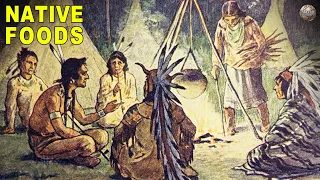
were cans of gravy it was not until 1996 that fresh produce was offered in the program and authentic traditional foods are still not included when we think of traditional American Indian food for example fried bread is one of the things that comes to mind well in truth tribes did not have fried bread historically the roots of fry bread are in the commodity food program and fry bread is essentially trying to do the best you can with your Commodities flour lard and uh vegetable shortening over Generations when people grow up with that it becomes a part
of the culture it that becomes acculturated into the community that that is part of the norm there is only one small Market on the 581 squ mile hila River Reservation with a small produce section a regular Supermarket is an hour's roundtrip drive if you're in an impoverished community and you don't have healthy choices for food and you don't have safe places to exercise you're tremendously disempowered when it comes to a disease like diabetes and that has nothing to do with how much medication is in the pharmacy it has everything to do with social determinants of
Health which include that sense of control that sense of self-empowerment that is important to all of us whether we're native or non-native it has an impact on self-identity and it has an impact on one's sense of hope for the future some of our people have just given up people lost their identity when we lost our water within our community we have Elders that have gone I always have that in the back of my mind that those people will never see the water when I leave the reservation and I see those same people that live out
there and use that water how how they've benefited from from our loss they've benefited so much for so many years decisions to benefit some are made every day they create winners and losers in wealth and in health in upscale cities like Scotsdale Arizona the diabetes rate is only around 5% in less affluent times like Bullhead City the rate is closer to 11% and on some poor Native American reservations it continues to be 50% this is a disease pattern repeated across the country across the world and not just for diabetes whether you are poor or wealthy
or in between is a powerful predictor of how healthy your life will be so marar how long have you been a diabetic oh gosh about 30 36 years or something like that maybe went close to 40 I'm losing my my eyesight and that my left eye is worse than my right eye really from diabetes Margaret aosta is a respected Tona aam Elder and crafts person I have she's one of Terrell's teachers in the past 3 weeks I've been a little bit more serious taking my sugar count as often as I should it's really really hard
managing diabetes is demanding taking blood sugar counts four times a day monitoring diet staying productive and engaged so Margaret do you think diabetes will will get you at the end mhm I know I know so how does that make you feel well I keep telling everybody I'm going to leave till I'm 100 and I am going to leave till I'm 100 I tell that to diabetes every day you're not going to get me yet studies confirm that hopefulness helps to manage diabetes but for the atham hopefulness has been in short supply up to now I
think I got my shot we have a 100 Years of neglect and poverty make up for we have to put in water delivery system we have to put in paved roads we have to put in the hospitals and schools we're a long ways behind most other segments of American society both in Arizona and and nationally regaining water is a high priority the Puma have been fighting for their water rights for centuries facing opposition by non-tribal economic interests and skepticism and resistance at high political levels it was difficult and there was underlying all this was I
believe a lot of um um not racial hostility hostility but a lot of uh feelings about tribes that we didn't deserve the water we didn't deserve to be in these negotiations we didn't have a good strong valid claim for Water by the early 1980s new players entered the fry Citrus Growers energy producers from several States Resort developers all joined the Scramble for liquid gold Rod Lewis spent several decades on the Puma legal team we have sat down with each one of those parties spent literally thousands of hours right here in this room working on deals
to settle our differences as between us all that effort led to the Arizona Water right Settlement Act of 2004 after a 100 years water is Flowing down the heila river again the water rights act provides the Pima the water and resources needed to rebuild their Farms but it also promises something more it is not about economic gain is about rebuilding our community it has never been about personal gain it is about the return of our culture I truly believe the warm gentle Winds of Heaven are once again blowing on the AR aam and the PE
POS God bless you all God bless the heila river this is Duran wheat we contract Duran wheat this year is with Arizona grain desert Duram wheat is what we grow here basically it's for the pasta manufacturers a lot of it grows to goes to Italy for for the making of pasta most time we get a better contract for that than other varieties L that you're in is in section 12 okay and this is Gilbert Road right the tribe and some individual members are now planning to expand their farming refering to it's been nearly 20 years
since Tony Antone cultivated his own allotment so does that kind of make it clearer a lot a lot a lot better than how you know just trying to explain over the phone and and that way I won't argue with you next time in truth we have more control over the the problems like diabetes than we realize we can't think of diabetes and colonization just simply from the role of the victim the disease patterns like diabetes occur over many years so we're not going to see a dramatic change overnight but I think in the long run
as we see more success in economic and Workforce Development we're going to see improvements in healthare systems education systems and in social policy we have to take more control over our own Community things like diabetes get our attention but by focusing on Diabetes you miss the underlying phenomena and that's really the importance I actually like taking pictures of the graveyard if we took everyone at risk of disease and cured them so that they were no longer at risk it would do virtually nothing to solve our problem because new people would continue to enter the at
risk population at an unaffected rate Forever This is my aunt she died of complications of diabetes the issue is we're not paying enough attention to prevention overwhelmingly funds are spent on fixing people who are already sick we have to change that formula and here's my grandpa he died on Diabetes he was a Madison man he was a cowboy he was in the Navy I don't want to die of this you know I don't want to die either with one leg or two legs missing I still see hope I don't have have to die of diabetes
you know I'll die of some natural cause or something major funding for unnatural causes has been made possible by the Ford Foundation the John D and Katherine T MacArthur Foundation the California endowment WK Kellogg Foundation the Nathan Cummings Foundation Joint Center for political and economic studies and Kaiser Permanente additional funding provided by these funders this program was also made possible by the corpor pration for Public Broadcasting and