where Granite Cliffs rise like ancient Towers waterfalls Cascade down with a gentle murmur from Majestic mountain peaks as if celebrating the Eternal Vitality of [Music] nature yosee a primordial Sanctuary visited by millions of nature enthusiasts but behind that stunning beauty lies a hidden world Elusive and mysterious there the Summer sun Autumn Leaves winter snowfalls and spring blossoms are all drawn into Fierce struggles for survival this video will take you deep into the valley and the Towering Cliffs unveiling the most untouched beauty of nature where every creature must strive relentlessly to seize life in every moment
[Music] welcome to Wild Yosemite the battle for survival amidst Majestic nature like a grand Chronicle of nature the struggle for surv rival in yosee never ceases mule deer move cautiously Across The Meadows ever watchful of the Hidden Predators the bobcat and gray fox wise and cunning Hunters they stalk from The Towering Granite Cliffs waiting for the perfect moment to strike as if time itself stretches in a brief but intense instant the Bobcat leaps and seizes its Target halting The Fragile life of its prey [Music] welc the freezing winter blankets Yosemite and Nature's Symphony shifts to
somber gloomy notes food becomes scarce and the Predators grow more intense than ever they are ready to confront each other battling for the last remaining scraps amidst that tension yosi's nature continues to play its own Majestic Melodies Yos National Park one of the most renowned national parks in the United States with the iconic El Capitan and half doome rock formations which have witnessed the cycle of life of the local Wildlife for over 100 million years European pioneers first explored Yosemite in the early 19th century but it wasn't until the naturalist John mure ventured into the
valley that yosi's Grandeur truly received the recognition it [Music] deserved Yos National Park was officially established in 1890 but its seeds of conservation were planted as early as 1864 when President Abraham Lincoln signed the yosity grant act protecting yosity Valley and the mar HOSA Grove famous for its giant sequia trees this marked the first time in American history that land was preserved for its natural beauty laying the foundation for the Nationwide conservation movement the story of Yos National Park is written in th Stone and water spanning 1,189 miles in the Majestic Sierra Nevada range of
California Yos is a fortress sculpted from massive Granite Cliffs like the ancient towers of a great civilization these Cliffs have endured for millions of years they were formed from molten magma deep beneath the Earth and were carved by Massive glaciers during at least seven major glacial [Music] cycles each spring as the snow melts in the Sierra Nevada waterfalls like bridal veil fall and vernal fall surge with power creating a magnificent Symphony of water and stone here yosity Falls stands tall at 2,425 FT the highest waterfall in North America singing Day and Night of the nature
that thrives [Applause] here Yosemite National Park is a paradise of 1,500 flowering plant species with three giant sequia Groves standing out among them Mariposa Grove is home to over 500 sequa including the grizzly giant one of the largest and oldest trees on Earth this Rich vegetation provides shelter for more than 400 Wildlife species including 90 species of mammals 262 bird species 22 reptile species and 12 amphibian species these creatures have adapted to the Park's challenging conditions continuously striving to survive and sustain life through each [Music] season when summer arrives warm sunlight fills the entire Yosemite
Valley here the mered river sparkles in the light there King Fishers gracefully Trace perfect circles in the sky before diving into the water to cat catch salmon meanwhile Douglas squirrels are busy gathering pine nuts that have fallen from ancient trees these rodents are true artisans in balancing the ecological cycle where every collected seed plays a role in sustaining [Music] life summer is a season of renewal but it is also a time of intense [Music] competition as the sun rises blooming fields become the stage for the Bobcat hunts a feline species scientifically known as Lynx Rufus
a study from the 2024 Yosemite National Park ecology study reveals that Bobcats tend to expand their hunting range up to 5 to 10 square miles during the summer bobcats in yosee typically weigh between 9 and 33 lb with a length ranging from 28 to 49 Ines despite their modest size their muscles are powerful and agile enabling them to move as gracefully as a shadow carefully orchestrating each strategic strike in the summer when vegetation is dense Bobcats fully exploit their stalking and camouflage abilities they move silently and leave almost no Trace lying in weight on grassy
patches or under thick canopies with Absol abolute [Music] patience they keep their bodies close to the ground attentively listening for the faintest movements then when the moment is Right a single leap up to 10 fet allows the Bobcat to accurately capture its prey Bobcats are opportunistic Hunters employing various strategies depending on the prey they can climb trees to catch birds or wait by streams to catch fish when targeting larger prey Bobcats use short powerful bursts of speed reaching up to 30 mph to exhaust their Quarry before making the decisive [Music] move this flexibility and hunting
tactics enabled Bobcats to achieve a success rate of 30 to 50% in 2023 significantly higher than other predators in the area it's not just hunting skills that Wildlife needs to survive the challenging environment of yuse the gray fox scientifically known as uroon scario artius has become one of the most successful species due to its [Music] adaptability gray foxes are omnivores with versatile hunting tactics they can hunt a wide variety of small animals like mice rabbits and small birds and they don't hesitate to consume insects fruits and seeds when necessary but what sets them apart is
their climbing ability a skill few foxes possess allowing them to access food sources such as bird nests tree fruits or small prey on branches however their life is not easy as they are both predators of small animals and potential prey for the Lords of the sky More than 70% of the gray Fox's hunting activities take place at night and early morning outside the hunting hours of golden eagles this timing helps reduce their risk of being targeted if they do happen to be targeted by a golden eagle gray foxes still have a 60% chance of escaping
when ing Danger from above they often Dart into densely wooded areas or rocky crevices to find shelter sometimes they will suddenly drop to the ground and then Sprint in another Direction causing the eagle to lose momentum in their survival Journey their unique climbing skill not only AIDS in hunting but also evades predators and competitors this flexibility in both hunting and defense strategies has allowed the gray fox population in Yosemite to remain stable with an estimated 2,500 to 3,000 individuals reported in 2023 according to yosee National Park [Applause] wildlife though they sometimes face challenges from cunning
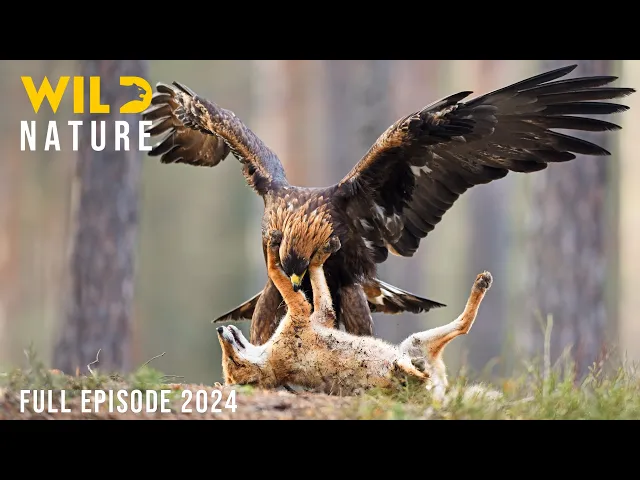
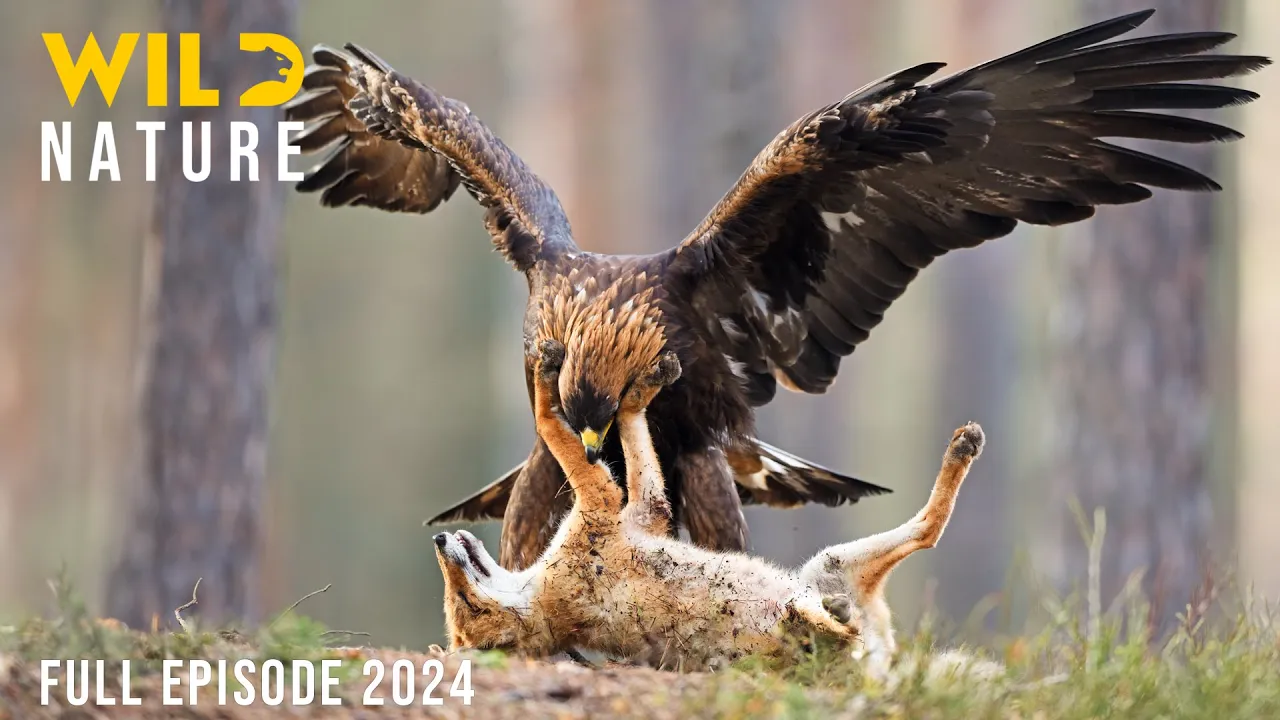
gray foxes the golden eagle remains one of the most formidable predators in the Skies over Yosemite they are among the most renowned eagle species scientifically named Aquila critos summer is the season when golden eagles fully utilize their aerial hunting strategies approximately 70% of the golden eagles's hunting activities occur in the early morning and late afternoon to avoid the intense midday heat during these times prey such as hairs and ground squirrels are also most active with a wingspan of nearly 7 ft golden eagles use thermal updrafts to soore effortlessly scanning the valleys and Mountain forests below
for prey their exceptional Vision which is four to five times sharper than that of humans allows them to spot prey from up to 2 mi away once they have locked onto a Target they dive at speeds of up to 150 mph using the momentum to swiftly capture their prey the sharp and Powerful Talons can grasp and even Crush their prey with a gripping force of up to 400 lb per square inch this strength enables the golden eagle to hunt large prey such as hairs gray foxes and even young sheep their aerial hunting strategy helps the
golden eagle maintain its top position in yusei's ecosystem despite environmental challenges and fierce competition from other Predators while Predators roam under the Yosemite Sun beavers have a different Mission along the peaceful streams and Serene Lakes the largest rodent in North America scientifically known as Casta canadensis beavers are The Architects of freshwater [Music] ecosystems summer is when beavers are most active throughout the year with their Sharp in sizes which function like small soes beavers can easily bite through branches and small trees with diameters ranging from 2 to 6 in they patiently drag each branch sometimes weighing
up to 10 lb back to their Lodge to build sturdy dams a mature Beaver can cut and transport over 200 branches throughout the summer a tireless effort to ensure a reliable water source and secure shelter for the cold winter months the dams that beavers construct in yosee are not just defensive structures they are ecological Marvel these dams which range from 2 to 6 ft in height and 10 to 100 ft in length act as strong Shields that regulate water flow prevent erosion and create stable ponds beavers not only build these dams but also continuously maintain
them adding mud and fresh br bres repairing any damage caused by Heavy Rain or strong currents and ensuring that these structures remain solid in areas with beaver dams soil erosion rates decrease by up to 30% compared to areas without them beaver dams create ponds small lakes and wetlands maintaining moisture levels for surrounding vegetation and providing a vital water source during dry [Music] seasons a 2024 study by the yosity Conservancy revealed that these dams help increase biodiversity in the region by up to 25% turning them into ecological oases within Yosemite as Autumn arrives yosity Don a
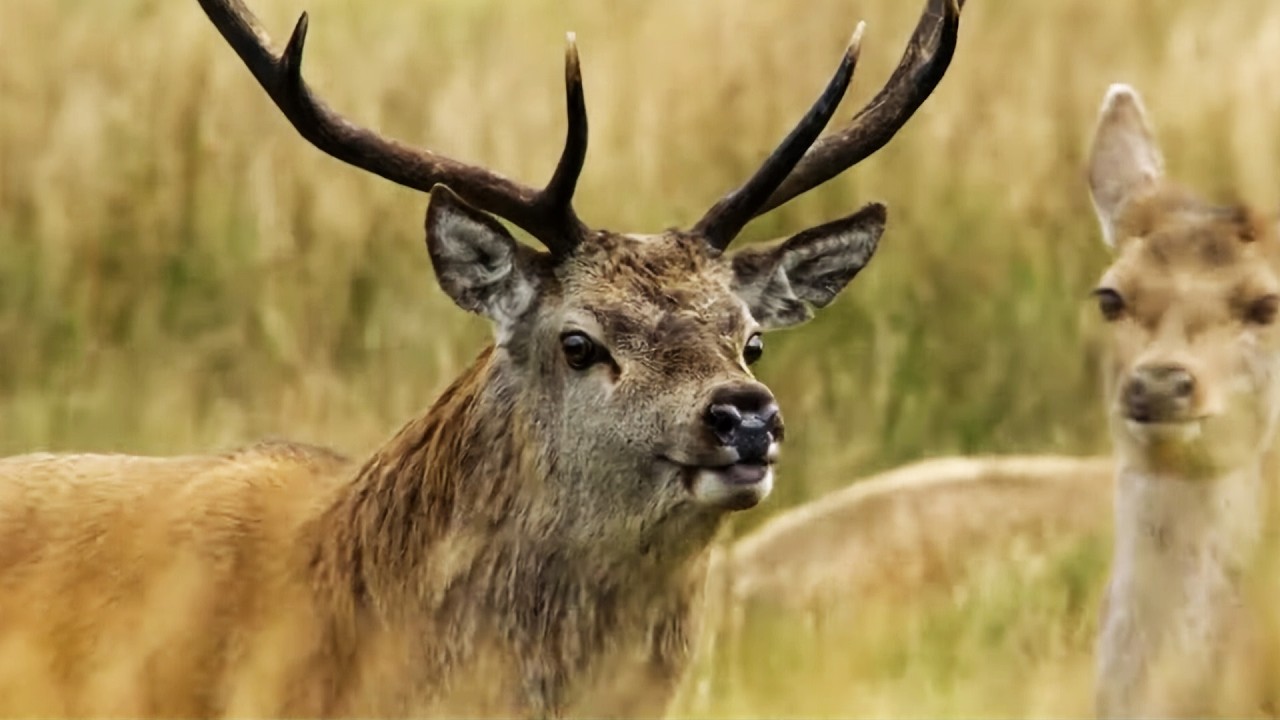
new coat of vibrant gold and red Hues replacing the Lush greens of Summer Leaves Begin to Fall creating a rustling carpet underfoot while the air grows colder each day signaling the approach of the harsh winter this is a time of transformation in nature and the animals of yusti are no exception as they rush to prepare for The Long Winter ahead the mule deer scientifically known as Odus hemionus is one of yusei's iconic animals with an estimated population of 5,000 to 6,000 individuals according to the Yosemite National Park Service in 2023 yosi's mule deer population is
among the largest in California playing a crucial role in maintaining the Park's ecological [Music] balance as September brings the colors of autumn mule deer begin their descent from the high mountains where the cold starts to take hold to lower elevations where Green Grass and nutrient-rich shrubs are still available [Music] this journey is not just a migration spanning hundreds of miles but a survival challenge where every step is vital with their large ears perked up like radar dishes mule deer move quietly through valleys and forests always on alert for potential threats they primarily forage in the
early morning and late afternoon when darkness begins to fall and the sun hasn't risen High to avoid predators their sharp eyes and Keen sense of smell help them locate scarce food sources while also detecting Predators easily the presence of multiple individuals in a group increases the chances of spotting Predators early and allows them to protect each other through warning signals reducing the mortality rate from predation by up to [Music] 15% mule deer also tend to choose steep rugged terrain with obstacles like rocks and dense brush for hiding these areas not only help them stay out
of sight but also provide natural advantages when they need to escape according to a 2024 study by the Journal of wildlife management the survival rate of mule deer in complex terrains is about 20% higher than in open Plains when pursued mule deer often employ zigzag running patterns and Scatter from the group to confuse predators making it harder for them to focus on a single Target thereby increasing the survival chances for the entire [Music] group during Autumn mule deer can consume between 4 and 8 lbs of leaves grass and energy-rich shrubs daily as a result their
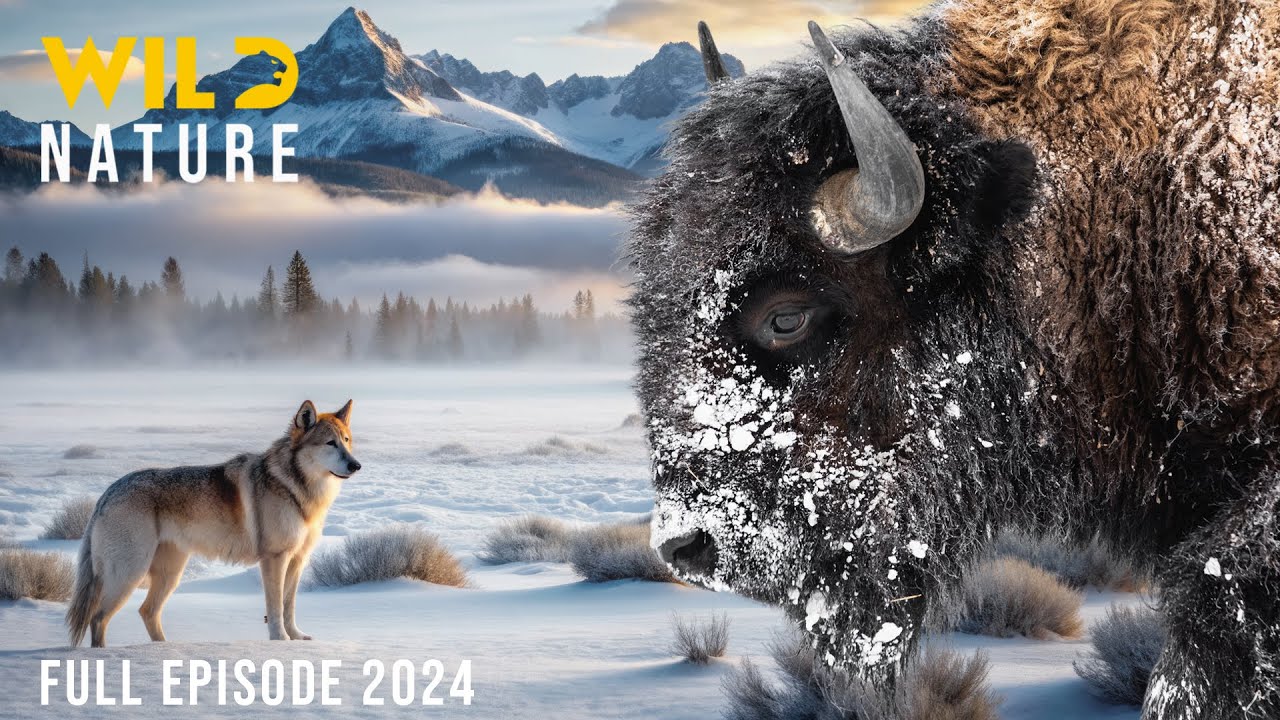
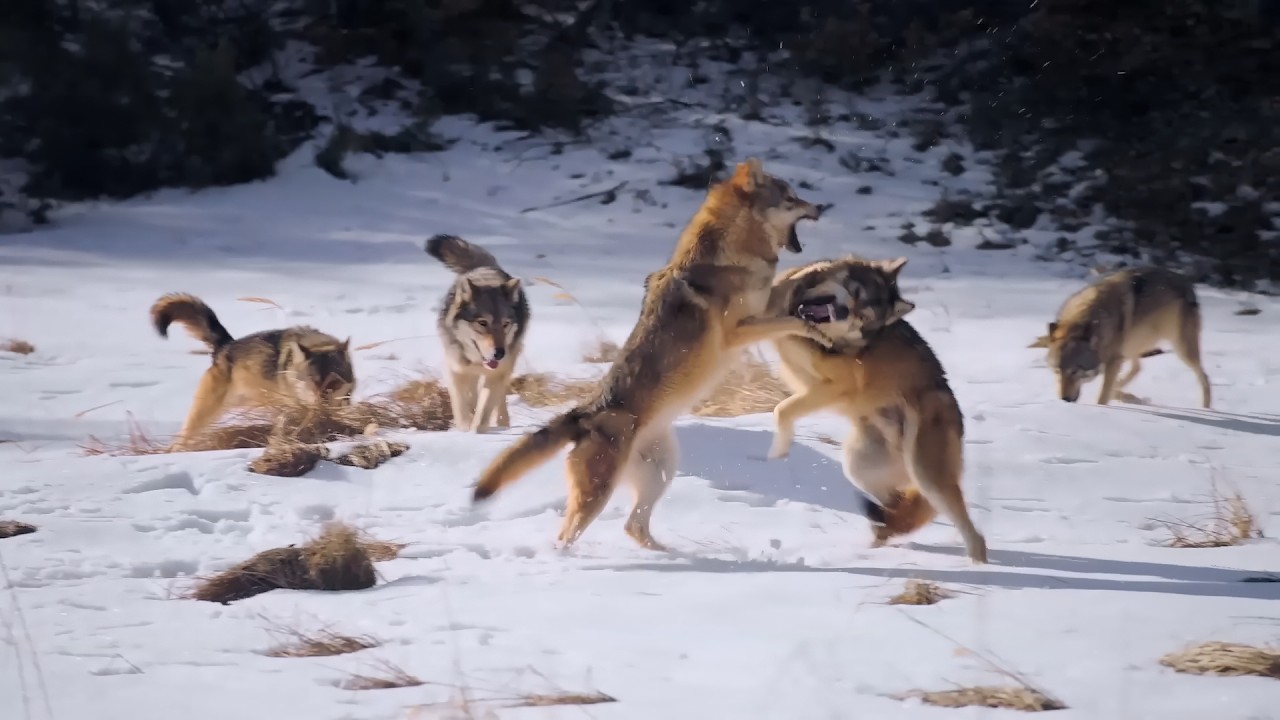
body fat increases by 15 to 20% serving as a crucial energy reserve for the cold months ahead when food becomes [Music] scarce meanwhile the competition for food among Predators becomes more intense than ever coyotes scientifically known as canis latrans are also part of this fierce battle [Music] with their agility and flexible pack strategies coyotes often scavenge for carrying they know how to fend off larger animals by working in groups using their numbers and speed to gain an advantage they don't hesitate to confront formidable Rivals like Ravens golden eagles and even bears in their quest for
every morsel of food but coyotes don't rely solely on Scavenging they can adjust their diet to survive harsh conditions as omnivores they can make use of whatever food is available from small animals to Fallen fruit berries and other vegetation they hunt gather food and store any excess by digging small holes and burying it when Winter's harshness sets in and food becomes scarce they can return to these caches to sustain themselves this adaptability has helped maintain the stability of the coyote population in yosee estimated at 400 to 600 individuals in 2023 according to the Yos National
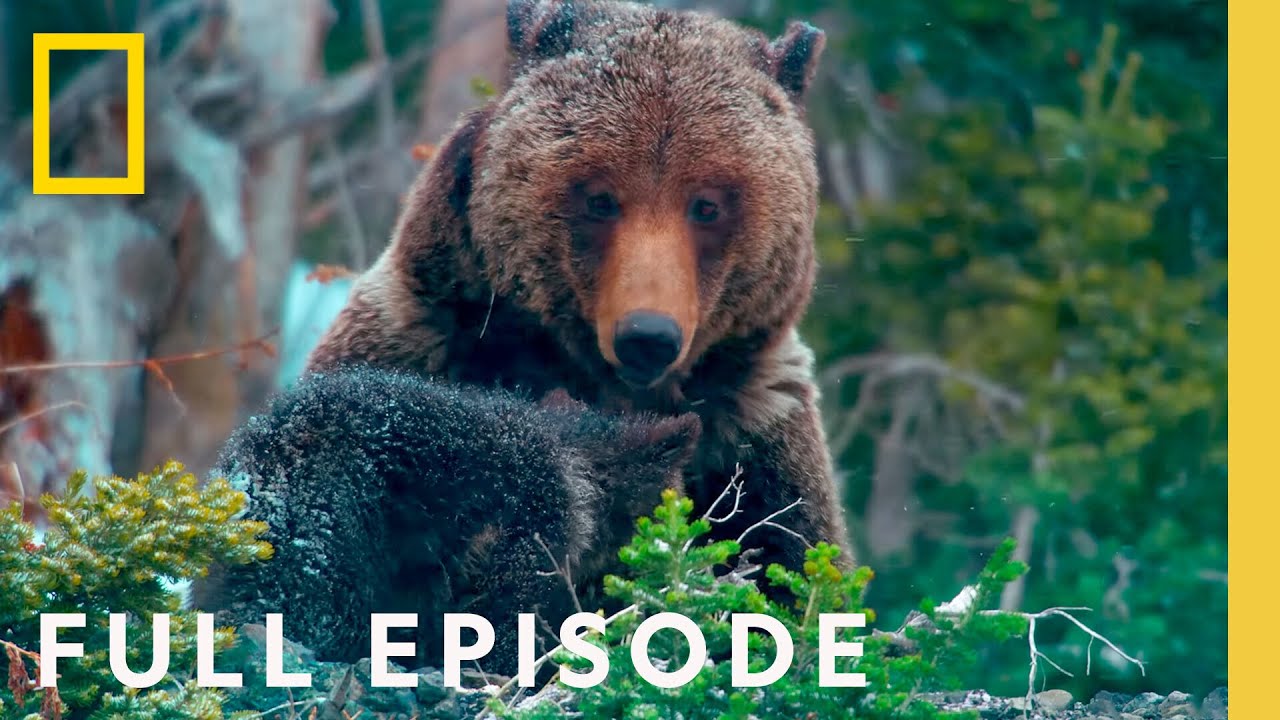
Park Service this population is considered relatively secure largely thanks to effective conservation measures and the Coyote's remarkable ability to adapt amid the int competition among other animals the black bear scientifically known as ursus americanus the largest omnivore in yosee adopts a completely different survival strategy as Autumn arrives they embark on a race to accumulate fat in preparation for their long winter hibernation with an incredibly Keen sense of smell black bears can detect the scent of food from over a mile away throughout the fall they tirelessly roam dozens of miles each day exploring forests and seeking
out food in areas they remember from previous Seasons during this time black bears primarily consume calorie dense foods like berries nuts roots and seeds from Oak Chestnut and Pine trees quickly and effectively building up the necessary fat reserves to prepare for hibernation black bears increase their food intake dramatically consuming up to 20,000 calories a day many times their usual intake as a result their body weight can increase by 30% in the fall with a thick layer of fat serving as both an energy reserve and insulation to protect them from the harsh winter cold as Autumn
draws to a close black bears begin searching for or digging out shelters for hibernation often Cho using caves large tree Hollows or dense areas for their dens they start preparing these dens from late October to early November ensuring they are warm and safe from predators or extreme weather as temperatures drop black bears gradually reduce their activity start adjusting their bodies and enter a hibernation period that lasts from 4 to 7 months conclud including the challenging Autumn season and preparing for the winter ahead as winter descends The Majestic Yosemite transforms into a harsh Battleground where every
creature must struggle to survive with the Towering peaks of the Sierra Nevada blanketed in snow Yosemite becomes a place where the cold permeates every corner challenging even the strongest species as a result up to 20% of the mule deer population does not survive the winter due to food scarcity and the extreme weather conditions according to the Journal of wildlife management in [Music] 2024 winter temperatures in yosee can plummet to dangerously low levels especially in higher elevations according to the National Park Service in 2023 nighttime temperatures can drop below 20° F and sometimes even lower particularly
at the Peaks where temperatures can reach as low as -10° F daylight hours are shorter with only about 9 hours of light each day even during these hours the weak sunlight is often insufficient to melt the snow or warm the ground while Yosi Valley accumulates around 65 in of snow each winter higher elevations like T alumni Meadows can see snow depths exceeding 200 in the heavy snowfall presents significant challenges for wildlife making movement and the search for food a life or death struggle to cope with these harsh conditions black bears enter their hibernation cycle during
this time they significantly reduce their physiological activity ities to conserve energy efficiently using their fat reserves as their metabolic rate drops to just 50 to 60% of normal levels the black bear's body temperature decreases from around 99° fah to approximately 88° F their heart rate slows dramatically from 40 to 50 beats per minute down to just 8 to 12 beats per minute despite hibernating black bears are not completely inactive they may wake briefly to adjust their position and check their surroundings interestingly female black bears often give birth during hibernation typically between January and February with
litters of 1 to three Cubs as a result the black bear population in yosee was estimated at around 300 to 500 individuals in 2023 maintaining stability and representing one of the strongest black bear populations in California with their remarkable adaptability and hibernation habits black bears continue to demonstrate that even in the most extreme conditions life can persist and thrive while black bears are deep in their long winter sleep coyotes must work hard to find food in the thick snow of winter at this time food sources become scarcer than ever coyotes often travel 10 to 15
miles each day in search of sustenance in Winter coyotes grow a thicker coat that helps them withstand the harsh cold this fur not only keeps them warm but also insulates them protecting against heat loss in freezing temperatures the Coyote's Keen hearing is a crucial tool for hunting they move quietly through snowy forests listening intently for the faintest sounds beneath the snow once they pinpoint the location of prey coyotes leap dig through the snow and quickly snatch small animals like hairs vs or squirrels coyotes are opport istic feeders willing to eat whatever they can to survive
they not only hunt but also scavenge for caran leftover fruit and even human garbage in their search for food coyotes May Venture close to human populated areas creating potential conflicts that can lead to their removal to protect people [Music] [Music] on the high mountains of yosee where icy winds cut through the Rocks a small rabbit-like animal continues its fight for survival the P scientifically known as Otona prps remains active throughout the cold months and storing food is a matter of life and death despite its small size the peer exhibits remarkable adaptability to The Frigid Winters
its body grows a thick coat of fur that not only keeps it warm but also prevents heat loss in temperatures that can drop below -20° F peers live in rock crevices which protect them from the cold winds and snow and serve as safe havens to store [Music] food however climate change poses a serious threat to this tiny creature's survival as temperatures rise peers are forced to move to higher elevations above 9,500 ft where the environment remains cold enough for them to thrive winter poses the greatest survival challenge of the year for the Golden Eagle as
food becomes increasingly scarce with thick snow covering the mountain peaks many golden eagles are forced to make short migrations seeking lower or less snow covered areas where food is more accessible however most of the population remains in their breeding territories expanding their hunting range to as much as 150 square miles in their search for food golden eagles continue to employ their aerial hunting strategies relying on their exceptionally sh Vision to spot prey even when it's hidden beneath the snow soaring high above they scan for movement under the snow or search for carcasses left by other
[Music] Predators however winter forces their primary prey hairs vs and gray boxes to become less active reducing the golden Eagle's hunting success rate to just 20 to 30% compared to 40 to 50% in the summer and fall when hunting becomes difficult golden eagles turn to Scavenging larger animals that have succumbed to the snow and cold such as mule deer or young sheep this strategy allows them to conserve energy instead of exhausting themselves in strenuous chases during winter about 25 to 30% of the golden Eagle's diet comes from scavenged carcasses however the scarcity of food also
intensifies competition with other Predators like coyotes and bears leading to dangerous confrontations over each scrap of meat which can sometimes result in injury or the loss of valuable energy for the golden eagle [Music] the harsh winter in yosee is not just a test of survival but a crucial battle to protect the existence of this Majestic bird like the P the golden eagle is also affected by climate change which severely impacts its habitat and food [Music] supply the golden eagle population in Yos is now estimated to be only about 100 to 120 individuals with the risk
of Extinction looming due to food scarcity and habitat loss after a long harsh winter Yos awakens in the spring Sunshine melting glaciers send powerful streams cascading down into The Valleys everywhere trees begin to sprout fresh green leaves adding vibrant color to the Park's Majestic landscape this moment marks the return of life as nature once again Don a new Lively mantle full of [Music] Promise the first flowers bloom Across The Meadows signaling to migratory birds that it's time to return and Nest from Tiny sparrows to larger birds like the golden eagle they all begin building nests
and caring for their new Offspring small animals like squirrels weasels and peers are also caught up in this Lively [Music] Resurgence the activity levels of these small creatures increase by up to 40% compared to Winter as they make up for the lean months they've endured [Music] [Applause] after spending months sheltered in their lodges waiting for the ice and snow to melt beavers become highly active again in the spring during this time their activity doubles compared to Winter as they take advantage of the warmer weather to reinforce and expand their habitats they dive into the work
of repairing and enlarging their dams lodges and tunnel [Music] systems spring is also a crucial time in the beaver's reproductive cycle after mating in late winter or early spring Beaver kits are usually borne by late spring with each litter consisting of two to four [Music] young both parents are involved in caring for and protecting their kits teaching them essential skills like Dam building foraging for food and maintaining the Family [Music] Lodge the young Beavers start venturing out of the lodge learning from their parents how to manage water flow construct and repair dams and locate food
[Music] sources this process not only helps them develop vital survival skills but also ensures that these techniques are passed down to Future Generations sustaining life and maintaining the ecological balance in yosee from late March to early April as the weather warms black bears begin emerging from their dens at this time the Bears typically have lost about 20 to 30% of their body weight due to the depletion of fat reserves during [Music] hibernation they also need several weeks to fully restore normal physiological functions like digestion and Metabolism during this period black bears start by consuming easily
digestible foods like young grass and tree shots to reactivate their digestive [Music] systems once their bodies have adjusted they move on to more nutrient rich foods such as berries roots and occasionally caran spring is also when mother black bears lead their cubs out of the den for the first time Cubs are usually born in January or February and by Spring they begin following their mother in search of food learning vital survival [Music] skills the survival of the Cubs during spring heavily depends on the protection and guidance from their mother as well as their ability to
find safe and abundant food sources the Cubs spend about 80% of their day observing and mimicking their mother's actions throughout the spring they learn to identify edible plants and familiarize themselves with their surroundings this learning process is crucial for developing the skills they need to defend themselves and Hunt preparing them for Independence when they separate from their mother in late summer or early fall yusei's herbivores such as mule deer have struggled through the food scarce winter and now enter spring with an urgent need to restore their health and regain lost weight in the early days
of spring mule deer focus on finding tender grasses new chots and freshly sprouted leaves life seems to be rejuvenating as the mule deer leisurely grazes soaking in the first rays of spring sunlight gradually recovering from the long challenging winter for male mule deer spring also marks the beginning of a crucial period regrowing the antlers that were shed in late [Music] winter this new growth requires a significant amount of calcium and nutrients searching for abundant food more vital than ever their antlers can grow at a rate of 0.5 to 1 in per week and will be
fully formed by late summer as their antlers grow male mule deer begin to establish and defend their territories preparing for the fall Mating Season while the antler clashes in Spring are less intense than those in Autumn they still play an important role in determining hierarchy and power among the males spring is also the breeding season for female mule deer with each dough giving birth to one or two forns per liter after giving birth the dough spends most of her time caring for and protecting her fors keeping them hidden from danger and providing abundant milk forns
are typically born between late May and early June in areas with dense vegetation to ensure their safety from predators like coyotes and golden [Music] eagles when they are about 2 to 3 weeks old the forns begin learning to move and forage closely following their mother to acquire the essential survival skills they will need this process not only helps the fors develop physically but also equips them with the vital skills for eventual [Music] Independence having endured the harsh winter the creatures of Yosemite welcome the Rejuvenation of spring along with the start of a new survival cycle
that brings its own set of challenges among these the impact of environment Al changes on the lives of these animals is becoming increasingly significant over the past Century Yosi has experienced a noticeable change as average temperatures have risen by about 3° fah this increase is more than just a number it's a sign of profound shifts occurring within nature warmer Winters with less snowfall have reduced the amount of stored water in the mountains leading to to Drought conditions in the spring and summer streams that once flowed abundantly are now drying up threatening the lives of beavers
peers golden eagles and other wildlife in 2023 Yosemite Conservancy emphasized that the decrease in snowfall could reduce the extent of wetlands by 20 to 30% impacting beavers and many other species that depend on these habitats climate change affects not only the native species but also the entire Yosemite ecosystem plants like the white bark Pine are facing increasingly harsh conditions dwindling streams directly impact the migration of salmon a crucial food source for many animals mule deer are forced to travel further to find food which sometimes leads to conflicts with Predators such as coyotes and golden eagles
climate change is also causing a aling alterations to yosi's ecosystem extreme weather events such as intense storms and flash floods are becoming more frequent and severe bringing devastating impacts these flash floods not only wash away infrastructure but also devastate the habitats of Riverbank species like beavers and migratory Birds according to the National Park Service in 2023 these floods not only destroy the dams that beavers have painstakingly built but also Al alter natural water flows disrupting the already fragile freshwater ecosystems birds like the belted Kingfisher which migrate to Yosemite to breed are also severely affected Riverbank
areas that once provided safe nesting sites are now unstable and dangerous in addition to flooding Yos has faced prolonged droughts from 2020 to 2023 pushing the ecosystem to its limits drying streams severely reduced lake levels and withering vegetation are Stark signs of the drought's harshness for species heavily dependent on water such as mule deer and golden eagles the lack of water poses a significant [Music] threat in the past decade Yosi has faced a significant increase in wildfires turning its Majestic forests into raging infernos one of the most devastating fires the rim fire of 2013 scorched
over 250,000 Acres of forest leaving deep scars on yusei's breathtaking landscape as the Flames spread they didn't just consume trees they destroyed entire ecosystems that countless animals rely on ancient forests which serve as safe havens and ideal habitats for species like the northern spotted owl and the American Martin have been severely damaged by these fires however not All Is Lost for ancient trees like the Giant Sequoia fire plays a crucial role in regeneration these towering trees with their thick Shield like bark depend on fire to trigger seed dispersal when Fire Burns away the dense underbrush
it leaves behind a thin layer of Ash that Sequoia seeds need to germinate while also clearing the soil of competing smaller plants creating space for young seoa to [Music] grow this is a testament to the natural cycle where fire is not only a force of Destruction but also a catalyst for renewal [Music] yet the uncontrolled increase in wildfires largely driven by a warming climate presents a massive challenge to yosi's ecosystem frequent and intense fires are not just destroying what needs protection but also destabilizing the delicate balance of [Music] nature Yos Conservancy in 2023 warned that
while fire can be a natural part of the ecosystem climate change is making wildfires more difficult to control this leads to firestorms that far exceed the ecosystem's capacity to recover threatening Wildlife that has adapted to smaller less intense fire [Music] Seasons moreover Yos with its Majestic Beauty and Rich history has become a top destination attracting over 4 million visitors annually however the surge in visitor numbers brings not only economic benefits but also unwanted impacts on the Park's fragile ecosystem as humans get closer to Nature Wildlife like the black bear faces a host of new challenges
the black bear a symbol of yosity is increasingly drawn to human food sources a 2023 report from yuse National Park revealed that approximately 30% of the Park's black bears have had Direct interactions with human food or waste a troubling statistic given the long-term consequences these encounters not only alter the natural behavior of the bears but also increase the risk of conflicts sometimes with tragic outcomes for both bears and humans instead of foraging in the wild some bears have become dependent on human food leading to changes in their behavior and even their health Yos Conservancy in
2023 warned that without stricter management measures bare human interactions will continue to rise leading to potentially unpredictable [Music] consequences the development of infrastructure to accommodate the massive influx of visitors is also leaving a lasting mark on yusei's natural [Music] habitats along busy roads and crowded areas like Yos Valley the natural landscape is being fragmented by construction and transportation networks dense forests once safe havens for gray foxes Pumas and mu deer are now being divided degrading the quality of their habitats Yos Conservancy in 2023 noted that the continuous expansion of Tourism infrastructure has caused significant negative
impacts the delicate balance between humans and nature in Yosemite is under threat as Wildlife struggles to adapt to a world that is becoming simultaneously more accessible and more alien in the heart of California Yos stands as a natural gem where towering Granite Cliffs and Majestic waterfalls symbolize the unamed Beauty and Grandeur of the earth however alongside this Splendor Yosemite faces immense challenges in protecting its wildlife and maintaining the delicate balance of its ecosystems one of the most crucial steps in conserving yusti is the restoration and protection of its vital ecosystems here conservation is not just
about safeguarding ancient forests or pristine streams it is an ongoing battle to protect the threatened Wildlife that calls your y home one of the most effective strategies is habitat restoration by rehabilitating damaged areas and preventing the spread of invasive plant species Yos has successfully reestablished biodiversity research by the US National Park Service in 2023 revealed that these efforts have increased the natural habitat area by 15% over the past decade managing visitor numbers is also a crucial conservation measure at Yosemite with millions of visitors each year the pressure from human activity can seriously harm the ecosystem
to address this issue Yosemite implemented a program that limits visitor access to sensitive areas during Peak Seasons while raising public awareness about the importance of protecting nature yosity conservancy reported in 2024 that trash levels have decreased by 20% and negative impacts on Wildlife have significantly lessened since the program's introduction a key part of this conservation success is the protection of the black bear which once faced numerous threats due to the influx of visitors and habitat encroachment in the early 21st century the black bear population suffered greatly from poaching and human conflict however thanks to persistent
conservation efforts the situation has improved Community Education programs about not leaving food outdoors and the installation of be prooof trash bins have reduced dangerous bare human interactions by 2023 the black bear population had rebounded significantly with over 400 individuals recorded in the park according to a 2023 NPS report bare related incidents had decreased by 75% compared to previous years another inspiring conservation story is the recovery of the Beaver population beavers had disappeared from yosee by the early 20th century but a reintroduction program in the 1930s brought them back and they have since thrived by 2023
the beaver population had grown substantially and the dams they built helped improve water quality and enhance biodiversity [Music] these successes in Yus demonstrate that nature conservation is a long journey requiring the collective effort of the entire community in protecting Yosemite we are not just safeguarding a national park but also securing our future much like a garden attending to each plant every small action contributes to a strong and sustainable ecosystem [Music] if you've ever explored Yos share your experiences in the comments below I believe that each visit to this Majestic Place leaves a unique impression that
everyone would love to hear about don't forget to like subscribe and ring the notification Bell to join us on more Amazing Adventures where Nature's stories are still waiting to be told [Music]