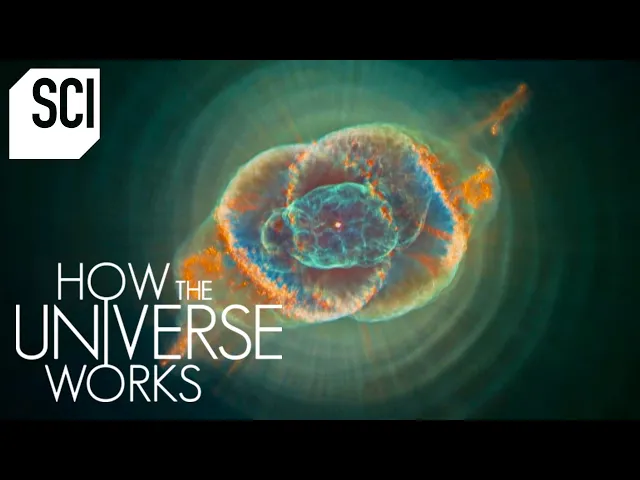
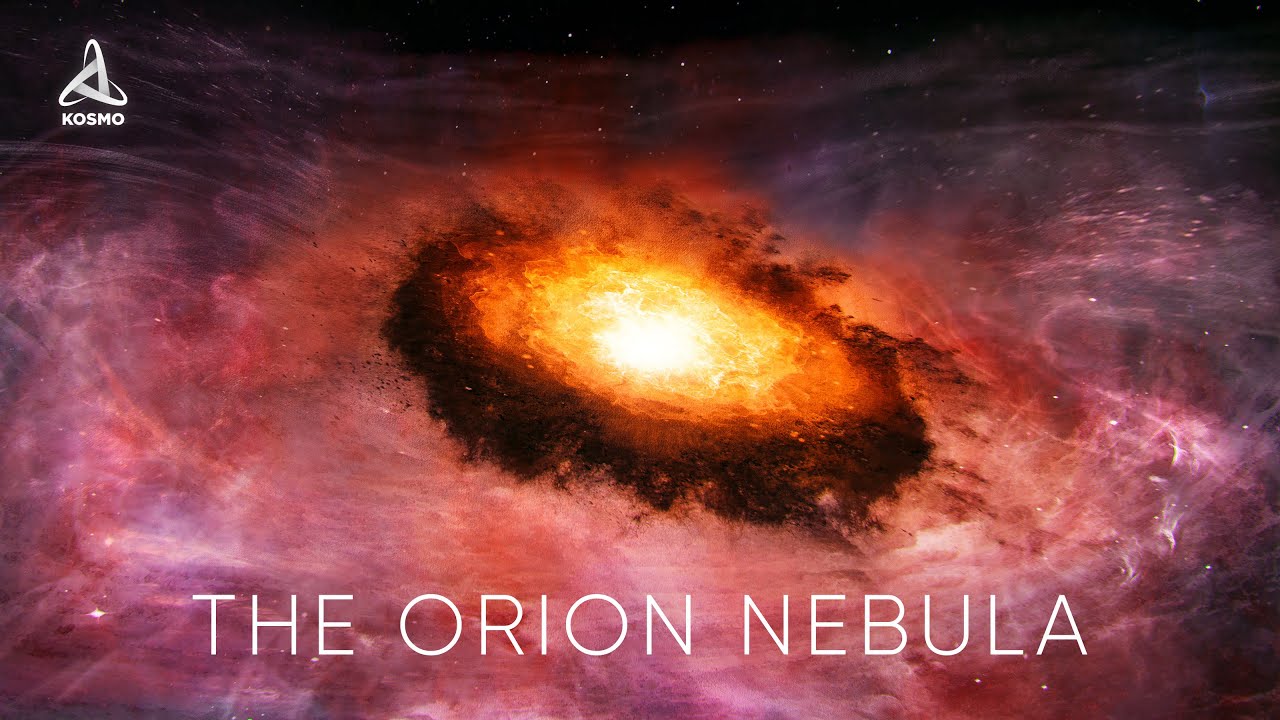
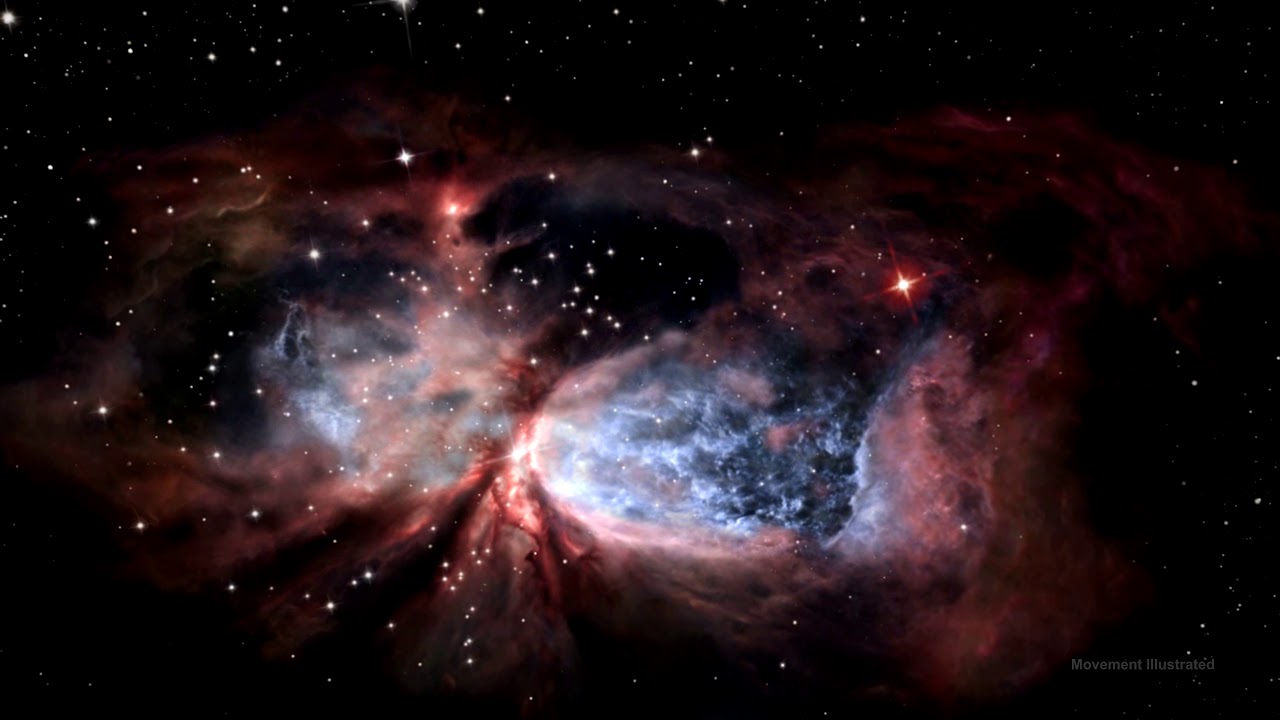
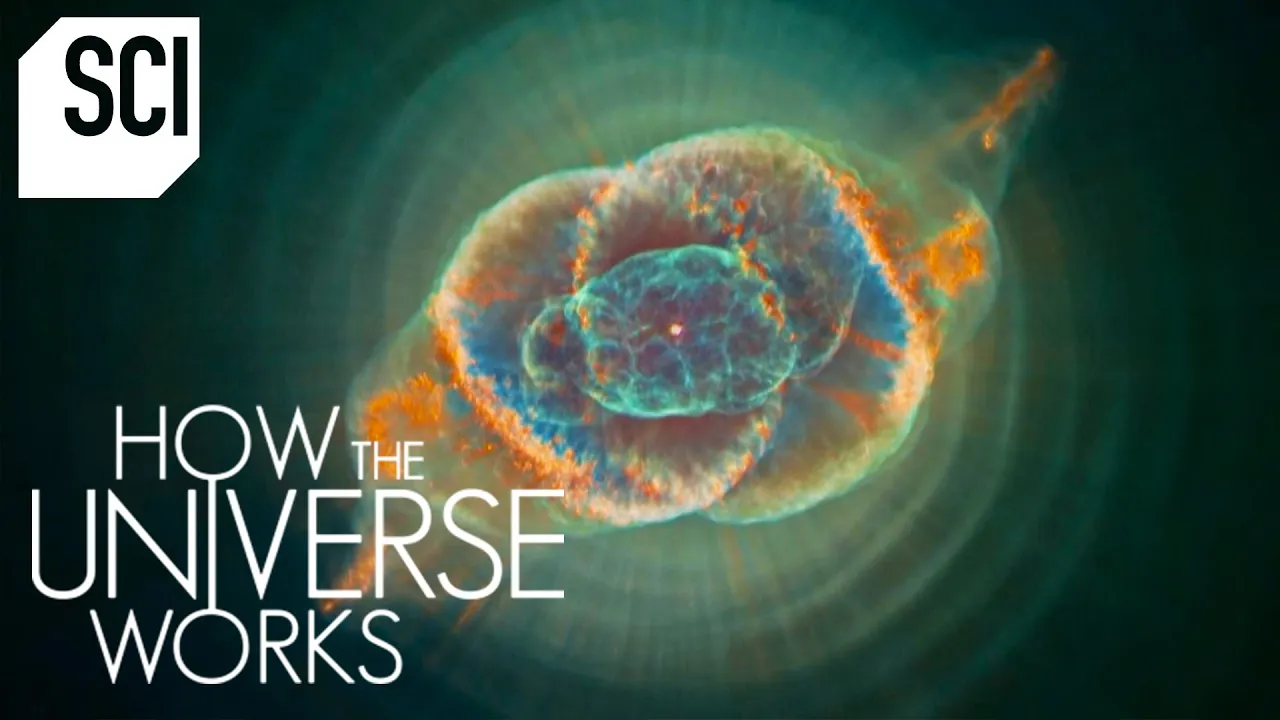
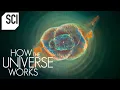
the Milky Way a spiral galaxy full of regions of gas and dust called nebulas and everyone has their favorite I really like the Horsehead Nebula it just looks awesome the cat's eye nebula has always been really captivating to me my favorite nebula is the Orion Nebula the Orion Nebula is perhaps the best place to understand the evolution of stars and it's right here in our own backyard the Orion Nebula is maybe one of the most famous nebulas because you can go outside at night and see it with your own eyes humans have been observing this
fuzzy patch of sky for centuries the Maya of Central America called it the fire of creation the Maya were more right than they knew almost every part of the life cycle of a star you can see in a nebula we can't understand the life cycle of stars without understanding the life cycle of nebulas they are intertwined Orion has it all from massive stars on the brink of death to newborn stars swaddled in gas you see the intricate wisps of material the thin veils enveloping newborn stars pillars colliding into each other you see stars plowing through
clouds of gas you see this frenzied hive of activity operating right before our eyes in 2018 using new data NASA creates a groundbreaking 3d visualization of Orion's interior for the first time in history we have the right tools to actually explore the hearts of these nebulas it was already beautiful to begin with but now we have even more vivid images to really appreciate how great of a structure this is an Orion's heart lies a cluster of young stars together they blast out charged particles and solar winds blowing open a gap at the center creating a
window inside we actually see the structures in the volume we can actually see the processes happening right before our eyes [Music] the clusters intense starlight energizes the surrounding gas causing it to glow pink and blue the Pink's come from light emitted from hydrogen atoms in the nebula glowing like the gas in Ernie on tube the Blues tend to come from the light from the hot new stars reflected off of dusts particles these hot new stars illuminate the Orion Nebula but they were actually born in the dark one particular type of nebula is a dark nebula
and basically that's when the concentration of dust is a lot greater dense clouds of dust block out visible light from the stars behind creating shadowy shapes like the Horsehead Nebula this nebula is so large and dense it has enough mass to make about 30 stars the size of our Sun and now astronomers can peer inside only recently have we been able to start doing this thanks to detectors that can see light in the infrared the infrared allows us to sort of see through the dust of a nebulae and see what's going on deep in its
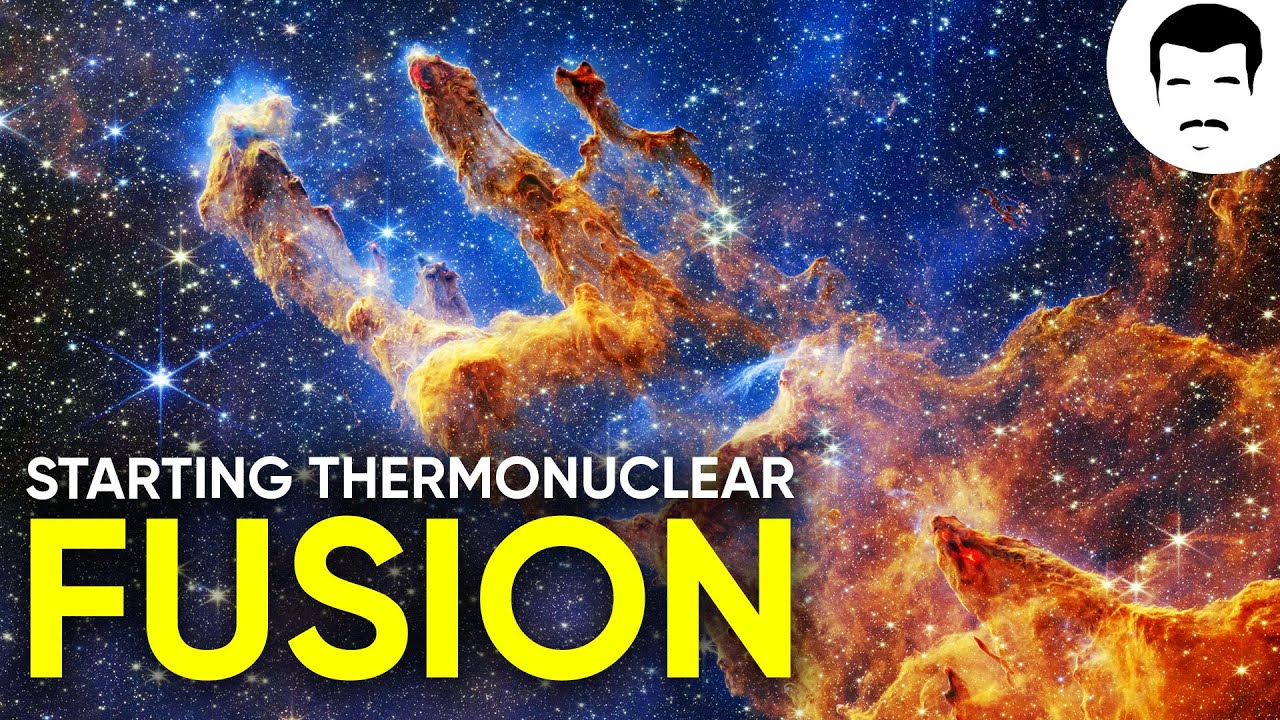
heart humans can't see infrared light but we can't feel it as heat infrared detectors tell us these dark star-forming clouds are cold hundreds of degrees Fahrenheit below freezing but deep inside our hot spots [Music] if you look at with infrared you see ah the signature of incredible densities and incredible temperatures the signs then a new stars being born a nod if matter comes together under the force of gravity as it grows so does the gravity it pulls in more gas growing bigger and bigger that gets very massive very dense and very hot eventually it gets
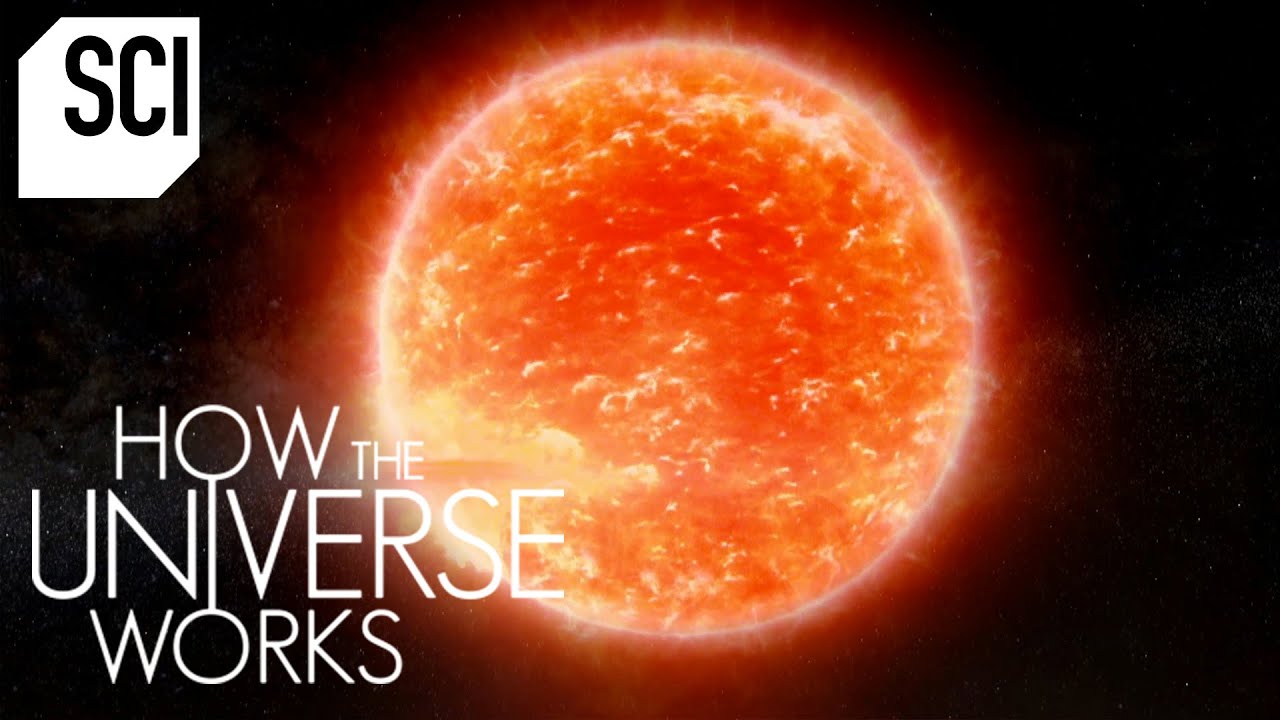
high enough pressure and temperature in the center of that object that you ignite fusion a star is born one of the hundreds of billions that make up our galaxy the latest in a stellar production line going all the way back to the dawn of time and the very first nebula if we want to unravel the history of the Milky Way we want to start in the beginning and that's the Big Bang 13.8 billion years ago the universe sparks into life at first it's pure energy but over 300,000 years that energy cools into hydrogen and helium
gas back then the entire universe was one enormous cloud the essential ingredients of our universe spread as the universe expanded and so the universe started as one giant nebula over time the primordial nebula starts to collapse and fragment into smaller clumps these regions become so dense that collapse into disks with super hot balls of gas in their cores the first stars ignite they start out as nearly pure hydrogen but as they age they make other heavier elements stars forge new elements that's what they do the very definition of a star is in its core it's
fusing hydrogen atoms into helium and releasing energy but many of those first simple stars were massive at massive stars don't live for long they burned through their supply of hydrogen incredibly rapidly and they burn themselves out and they died after a few million years they go out with a bang an explosion that releases more complex elements back into the primordial nebula after that first generation of stars started to form there was this huge burst of new elements that formed and that were dispersed throughout the universe to be able to form that next generation of stars
as the second generation of stars lives and dies it adds even more ingredients to the cosmic mix the next generation of stars fuse more elements exploded died spread the material new generation nebula new generation of stars each generation having more and more elements in the periodic table than the last and around 300 million years after the Big Bang our galaxy the Milky Way takes shape galaxies like the Milky Way formed out of essentially a proto galactic nebula some gigantic gas cloud that collapsed down in formed our galaxy there is a rich cosmic symphony playing back
and forth between stars and nebulas and we now know that we are a part of that symphony eventually our element rich son is born we think that our son is a third-generation star so it was actually a nebula a star a nebula a star and nebula before it became our Sun it took around 10 billion years to create a cosmic mix of elements rich enough to build planets of life carbon hydrogen nitrogen oxygen phosphorus and sulfur these are the key ingredients to life as we understand it and those need to be made in stars these
elements are created during the life of a star but it takes an incredibly violent process to liberate them into the cosmos an event that could be seen clear across the universe a supernova