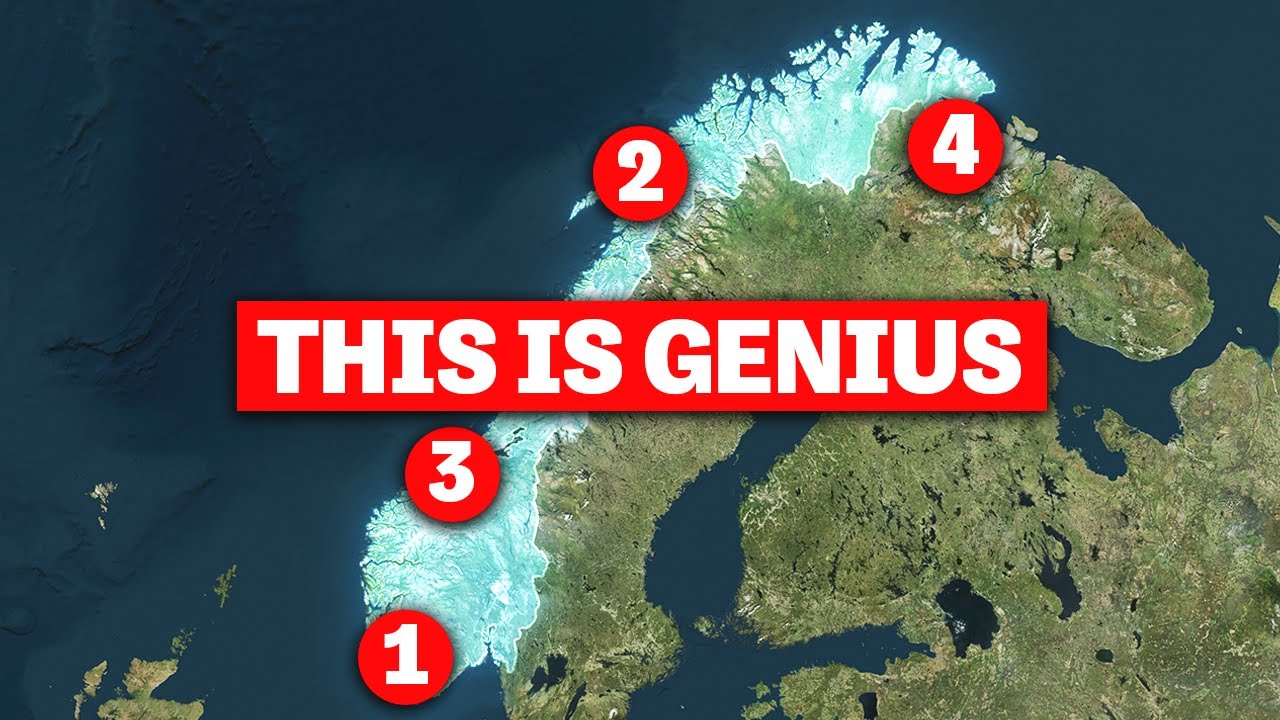
[Music] [Applause] the western coast of norway is home to some of the most dramatic landscapes on earth carved by glaciers throughout the ages some of these fuels stretch for 200 kilometers inland and are over a kilometer deep the current convoluted travel routes through and around this terrain takes you along norway's 1100 kilometer 683 mile e39 highway a road with a total journey time of 21 hours now the norwegian government are working to improve access to services and residential and labor markets across the country's western regions by embarking on the largest infrastructure projects in the nation's
history [Music] norway's e39 highway runs between christensen in the far south of the country and trondheim in the north the route navigates its way across the fjord network and features no fewer than seven ferry crossings the new coastal highway project aims to eliminate the need for ferry services all together by building a series of bridges and tunnels across through and under the landscape with many of the fields along the route being too wide or too deep for conventional infrastructure to cross innovative new solutions are being investigated by the norwegian public roads administration rugfast is the
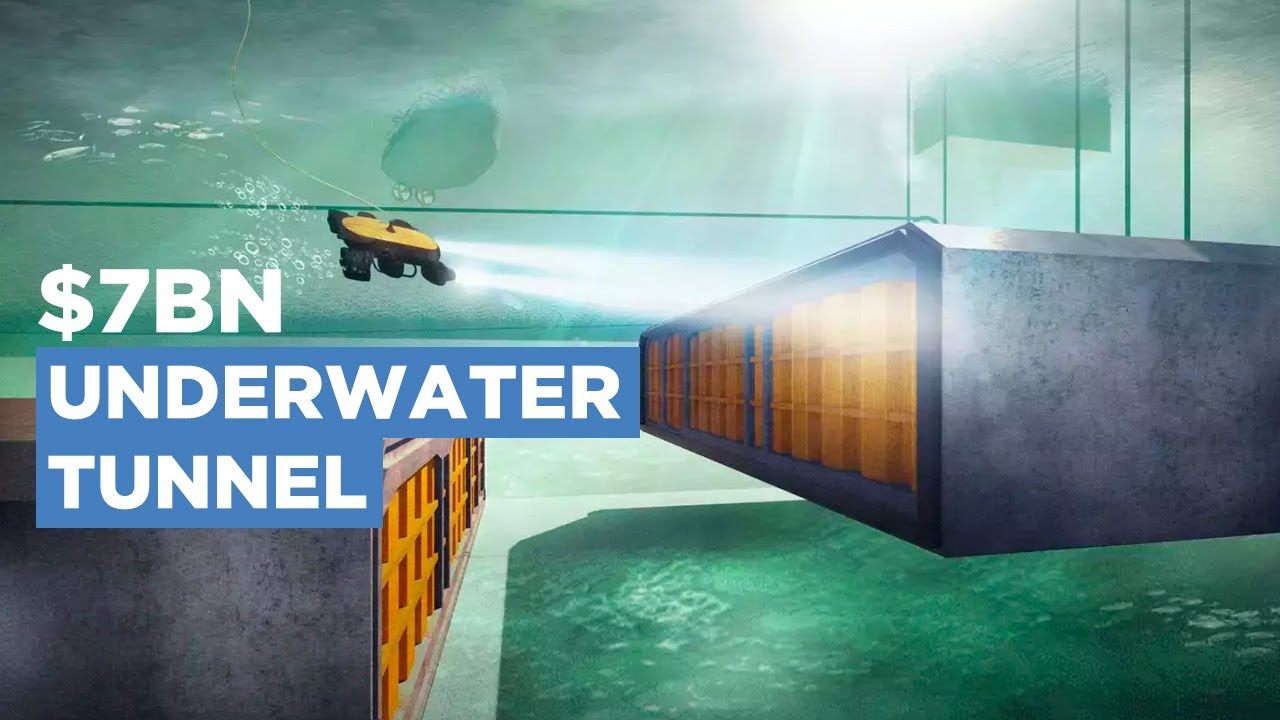
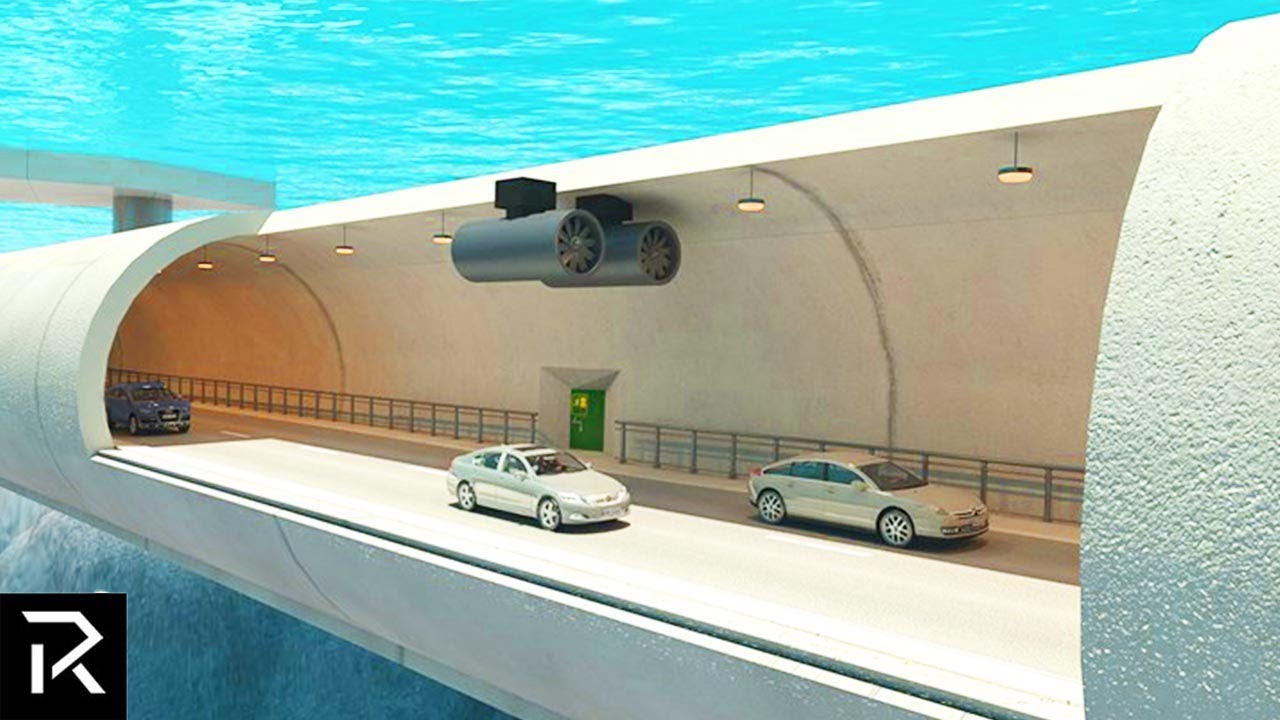
first in a series of crossings that will link the e39 connecting stavania and halkerson via a 27 kilometer 16 mile undersea tunnel this structure will reach depths of up to 390 meters below sea level making it the deepest as well as the longest undersea road tunnel in the world the roguefast projects will in fact consist of two tunnels connected every 250 meters with emergency exits each tunnel will have a lay-by at 500 meter intervals along with telephone and surveillance cameras along the route the tunnel will also feature a mid-route intersection with the island municipality of
kavitsoy creating an undersea tunnel junction and connecting the island with the norwegian mainland [Music] with work began in 2018 this element of the project is set to be completed by 2026 at a cost of 2 billion us dollars while the rockfast works are already underway the scale of some other fields is presenting the project team with extreme engineering challenges burner fjord located to the south of bergen stands five kilometers wide and reaches depths of 600 meters [Music] to cross this challenging stretch of water a proposal has been put forward for a floating bridge anchored to
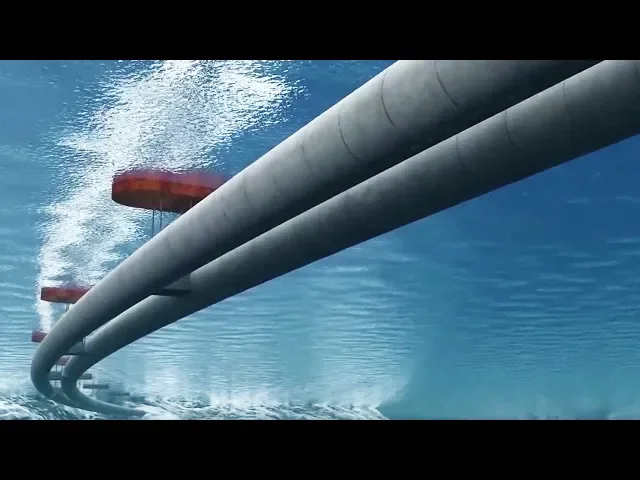
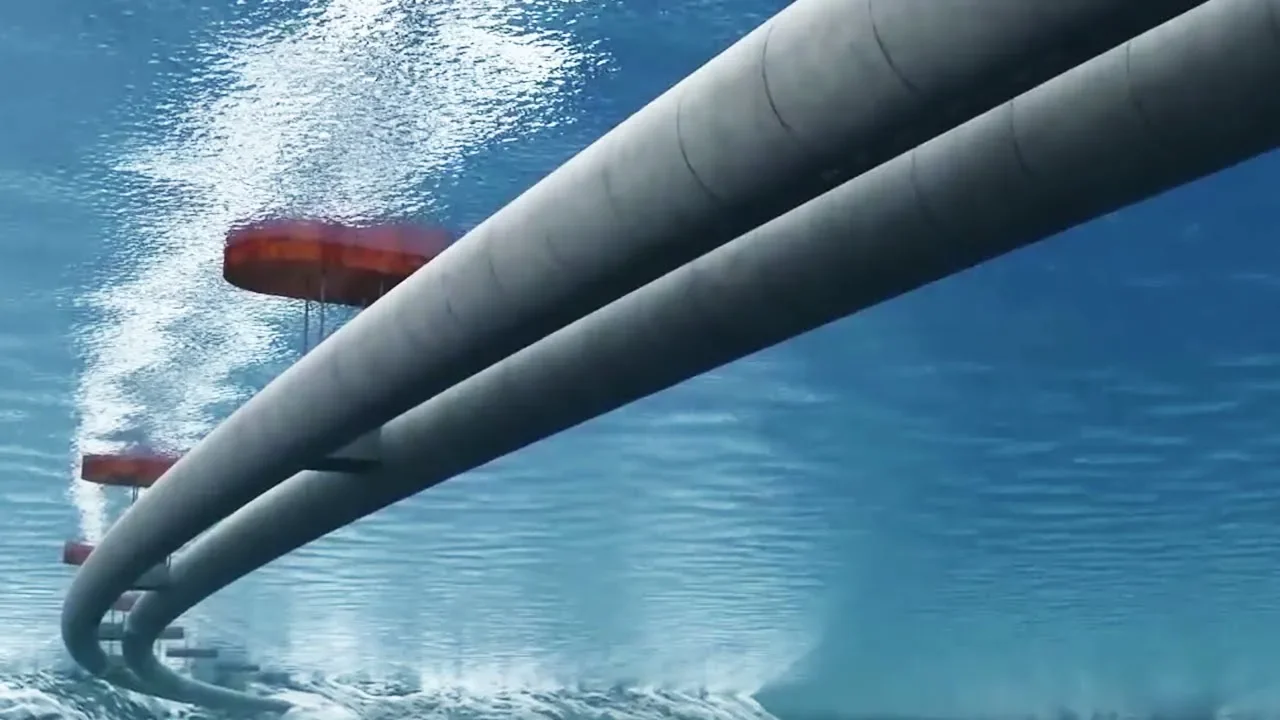
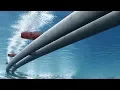
the shore at both ends the sula fjord crossing has seen two possible solutions put forward the first is for a three tower suspension bridge with two of the bridges towers anchored on land and the third central tower anchored to the sea floor some 400 metres below the waterline an alternative proposal for a submerged floating tunnel would see two interconnected tubes running side by side tethered to the seabed using high strength cables crossing the rumdel's fjord will require a 16 kilometer undersea tunnel much like the roguefast project from olsond to midcent followed by a two kilometer
suspension bridge connecting onto moulder by far the most complex and ambitious of all the coastal highway crossings is that at songnifield also known as the king of the fjords [Music] norway's largest and deepest fjord is over 3.7 kilometers wide and an incredible 1.3 kilometers deep at its lowest point while these extreme distances pose their own challenges engineers must also account for the high number of ships that enter the fjord on a regular basis any crossing must allow for a clear shipping lane that is at least 400 meters wide with 70 meters clearance above the water's
surface and at least 20 meters clearance into the depths to deliver this the project team are considering numerous different types of crossing for this fjord the first is a traditional suspension bridge with a 3700 meter crossing such a structure would be almost double the length of the world's current longest bridge and would require support towers at least 450 meters tall significantly eclipsing the 343 meter tall allow viaduct in france to become the world's tallest bridge structure a floating bridge is also being considered however this structure would need to raise to allow ships to pass and
achieving such a feature in a bridge that is only anchored to each shoreline poses considerable engineering challenges that are yet to be overcome in a similar proposal to that found at sula fjord a submerged floating tunnel is also being considered this proposal would differ slightly to its counterpart due to the extreme depth of songfield rather than being tethered to the seabed the tunnels would be suspended from floating pontoons that would allow ships to pass overhead a hybrid proposal is also being considered combining a floating pontoon bridge with a portion of submerged floating tunnel that allows
ships to pass whilst fixed bridges transferring into fixed tunnels is not an uncommon solution in waterways with high shipping traffic such as the link between denmark and sweden and the extensive hong kong to macau crossing combining the two floating structures in this way would create the world's first example of such a solution finally a proposal for a multi-span cable-stayed bridge is under review this structure would feature four floating pylons tethered to the sea floor rather like oil rigs with safety and environmental considerations being of the utmost importance norway's vast coastal highway project is set to
become a new benchmark in engineering capabilities and a model for future infrastructure projects around the world if you enjoyed this video and would like to get more from the definitive video channel for construction subscribe to the b1m