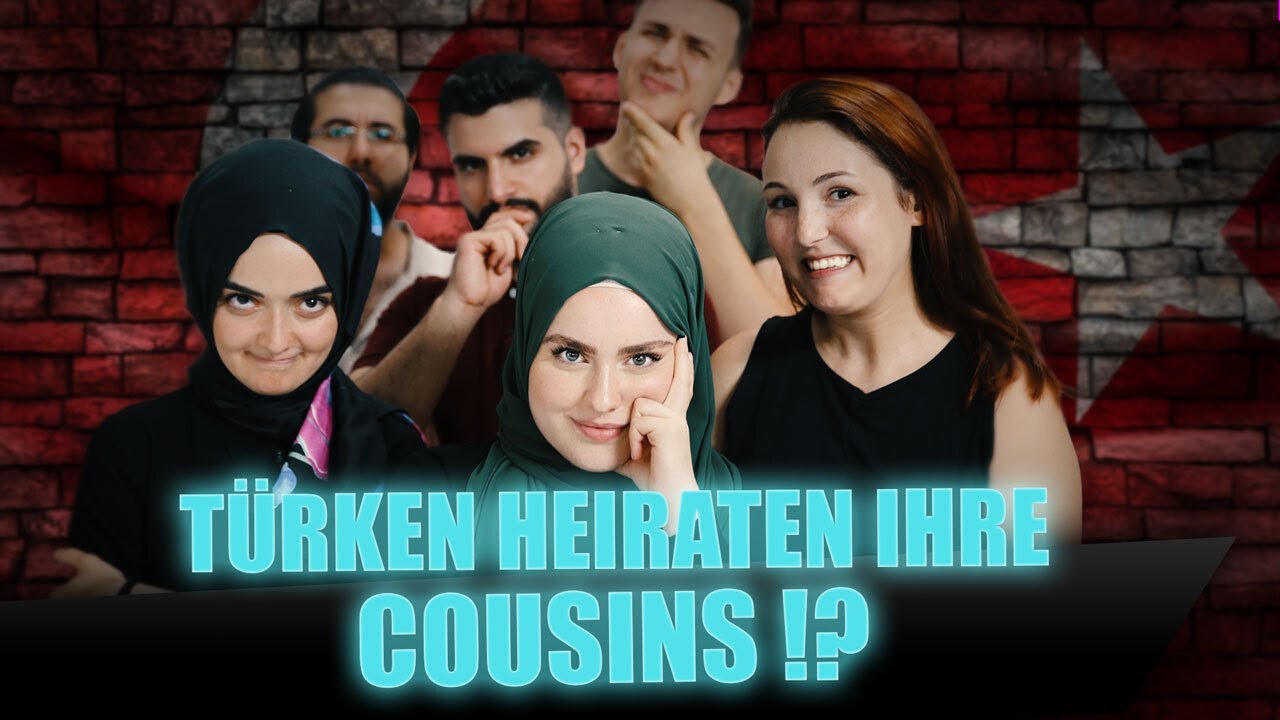
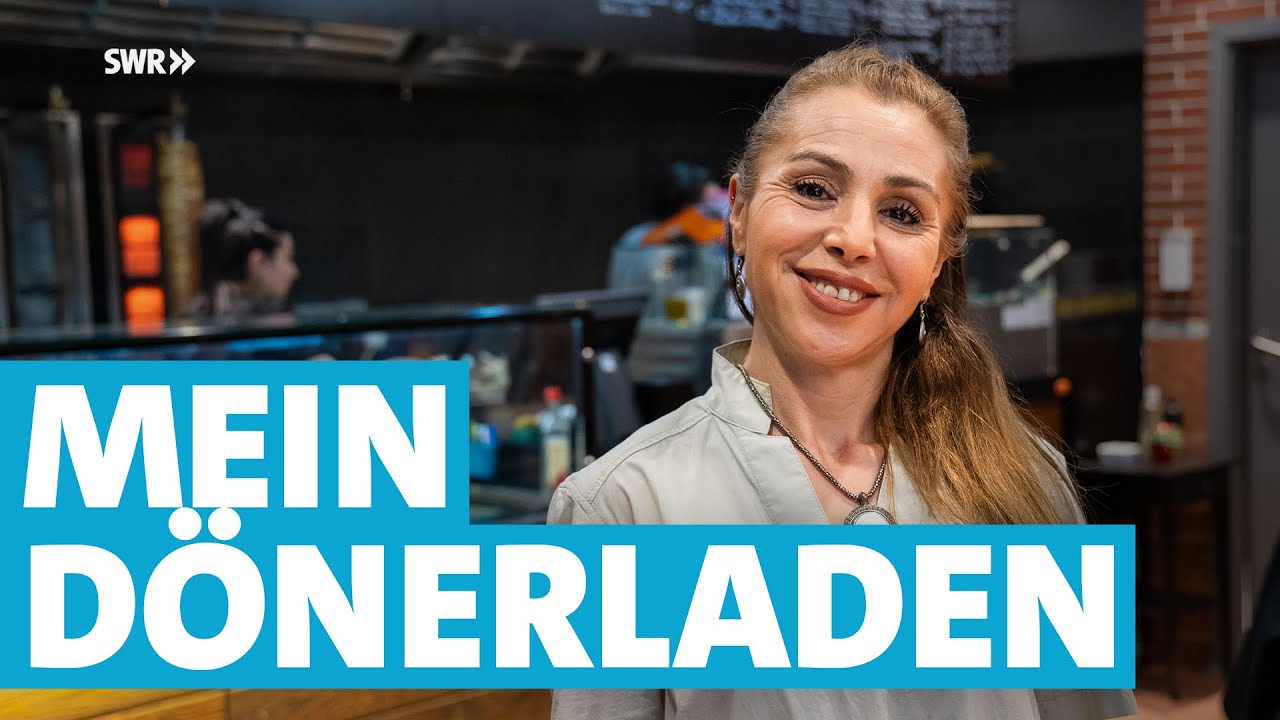
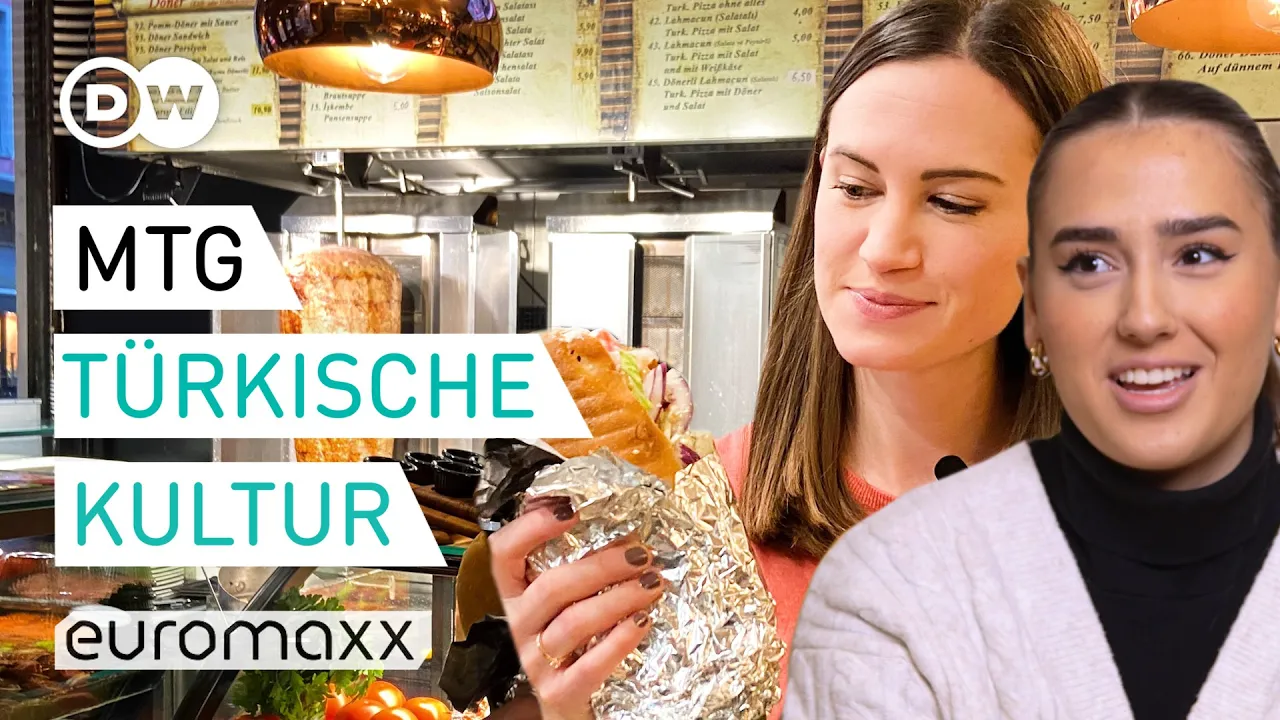
when i moved to germany i didn't just learn things about traditional german culture i also discovered things about turkish culture like bustling fruit markets shisha bars or cars honking loudly in a procession after a wedding and of course there's the food i remember feeling really silly in a donor shop because i had no idea what half the menu was but in germany it's the most normal thing to pop in for a peda durum or la matron aka turkish pizza the legend even goes that the derna kebab in this form was invented or at least popularized
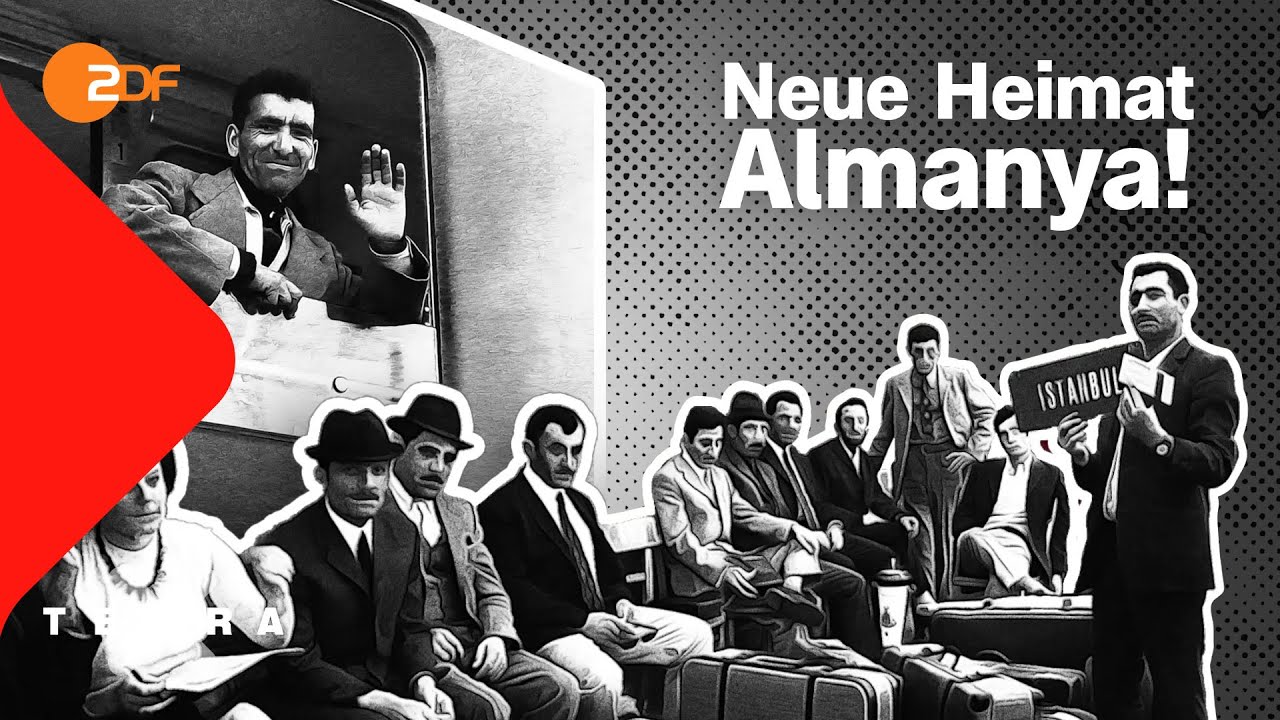
by a turkish man in berlin this meaty fast food is now a billion euro industry in germany today more than three million people in germany have turkish roots germany is actually home to the biggest turkish population outside of turkey so what's the connection between these two countries as west germany's post-war economy boomed it started signing agreements with other countries to receive so-called gas starbiter or guest workers in order to plug the gap in the workforce in 1961 such an agreement was signed with turkey it was supposed to be a temporary arrangement but the deal was
extended and workers were eventually allowed to bring their families over back then integration was not a priority there wasn't much incentive or support to learn german workers were often housed in dormitories in specific neighborhoods where they often had little or no contact with the local german population the cultural isolation was often even worse for women who moved over to join their husbands the global oil crisis of 1973 brought an end to germany's financial boom by the early 80s the german government was offering turkish families financial incentives to move back to turkey but many decided to
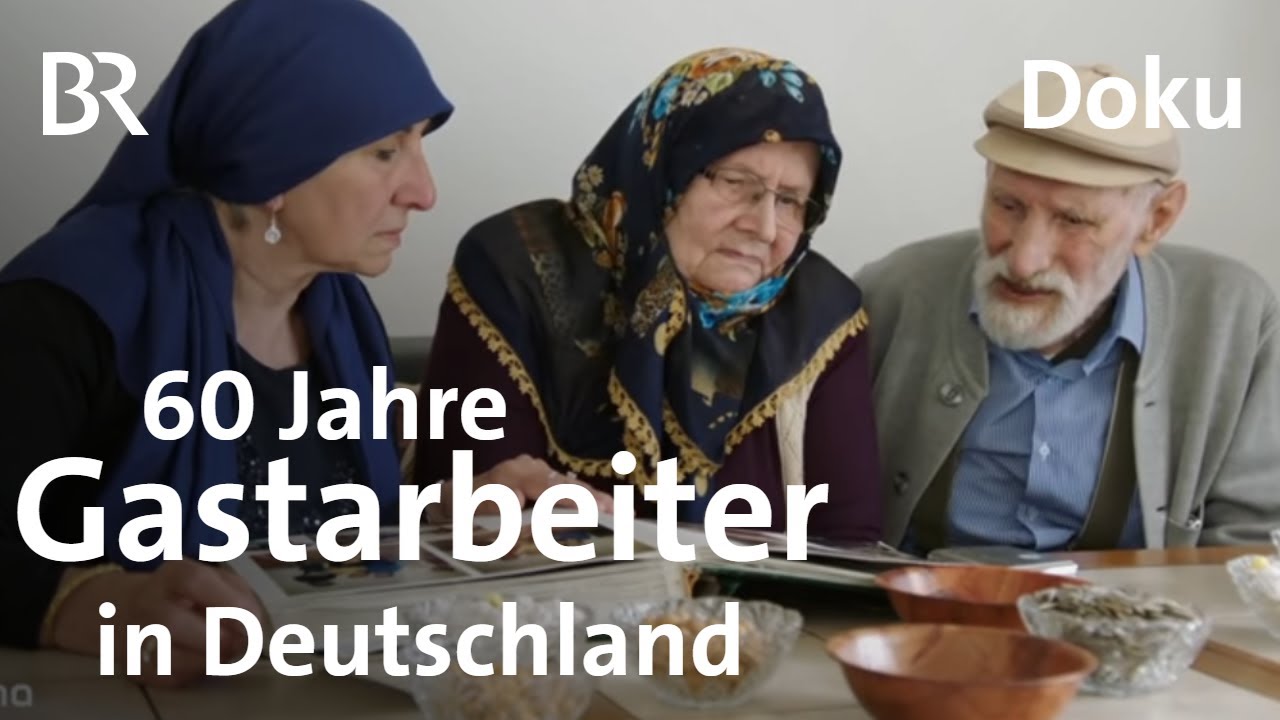
stay the dormid initiative in cologne was set up by turkish immigrants in the 90s to preserve the stories of that time today there are more than 150 000 items in its collection each with a personal story behind it there are items recalling the journey to and arrival in germany struggles successes popular culture and hard work mitad osdamir came to cologne in 1966 he worked in the city's ford factory and later as a social worker in the turkish dormitories the dimension of the turkish become kind information [Music] for decades the german government didn't allow dual citizenship
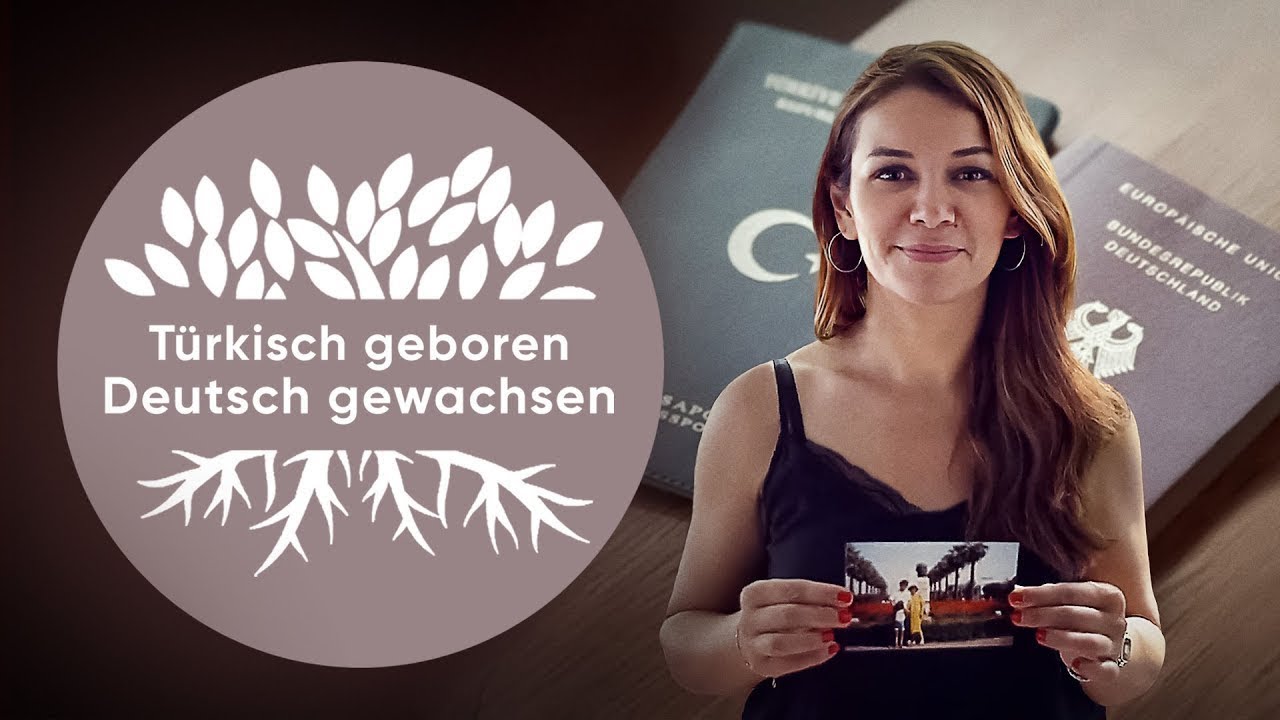
for turkish nationals today some two-thirds of adults with turkish roots in germany don't have a german passport and therefore can't vote understandably people who've grown up with these two cultures have often had to deal with conflicting feelings about their own identity in germany they might be dismissed as kanakan a derogatory term for foreigners but in turkey they might be called al-manji a derogatory term for turks who have supposedly been germanized it's a topic you'll hear again and again dissected in deutsche wrap tracks by german turkish artists the official german term migration hinterkund literally migrant background
has also come under fire for continuing to separate these people from the rest of the german population despite the fact that they were born here interestingly since the 2000s the migration pattern has shifted in some years more people moved from germany to turkey than the other way around some of those leaving germany are third or fourth generation german turks who grew up here and speak german as their first language studies have shown that these younger generations are feeling a growing sense of connection to the country of their grandparents to sleep in so far [Music] is
[Music] [Music] since the attempted coup in turkey in 2016 and president erdogan's violent response political relations between germany and turkey have become more strained many germans and indeed many within germany's turkish community saw celebrations on the streets of german cities after erdogan's 2018 victory as a slap in the face and a rejection of liberal democracy it turned out that support for erdogan among turkish voters living in germany was actually stronger than among turkish voters living in turkey religious tensions were heightened when germany's then interior minister said islam does not belong to germany soon after the
state of bavaria passed a law making it compulsory for all public buildings to display a christian crucifix studies in germany have shown that having a turkish sounding name can put you at a disadvantage in the classroom in the queue for a club in the job application process or in the hunt for a flat then there's the very real threat of xenophobia and even violence in 2020 a right-wing extremist in the small city of hanau murdered 10 people including victims with turkish and kurdish roots in a racially motivated attack from 1998 to 2011 migrant communities were
repeatedly targeted by the nsu neo-nazi terror group foreign [Music] these days you'll hear young people with and without turkish roots using words like tamam or valla in the middle of german sentences there are people with turkish ancestry in all walks of public life here from sport to entertainment to politics although it took until the last election to see a german turkish cabinet minister for me lots of turkish things belong to my image of germany just like the ice cream cafes you'll find on almost every corner which came courtesy of the italians but of course for
the people who belong to both the turkish and german cultures it's a lot more complicated than that i'd like to give a shout out to our viewers in turkey thanks for watching and i look forward to hearing what you all think of this topic in the comments [Music] [Applause] you