during the third and fourth generation of consoles the market was dominated by two companies nintendo and sega as they had managed to build a loyal user base throughout the 8 and 16-bit era of games however the home console market was about to undergo a massive shift as the next generation would be the first built from the ground up for true 3d gaming and during this industry-wide transition a new contender was preparing to throw their hat into the ring with their own brand new console the playstation created by the tech giant sony who after being burned
by both nintendo and sega wanted to show the industry how much they had been underestimated however no one could have predicted just how successful the playstation would become and ultimately how it would change the games industry forever [Music] during the fourth generation of consoles nintendo and sega were competing for market dominance after both their 16-bit machines managed to sell successfully however there is a bitter debate amongst gamers about which console was superior the sega mega drive or genesis as it's known in america territor cpu clock speed as one of its unique selling points however while
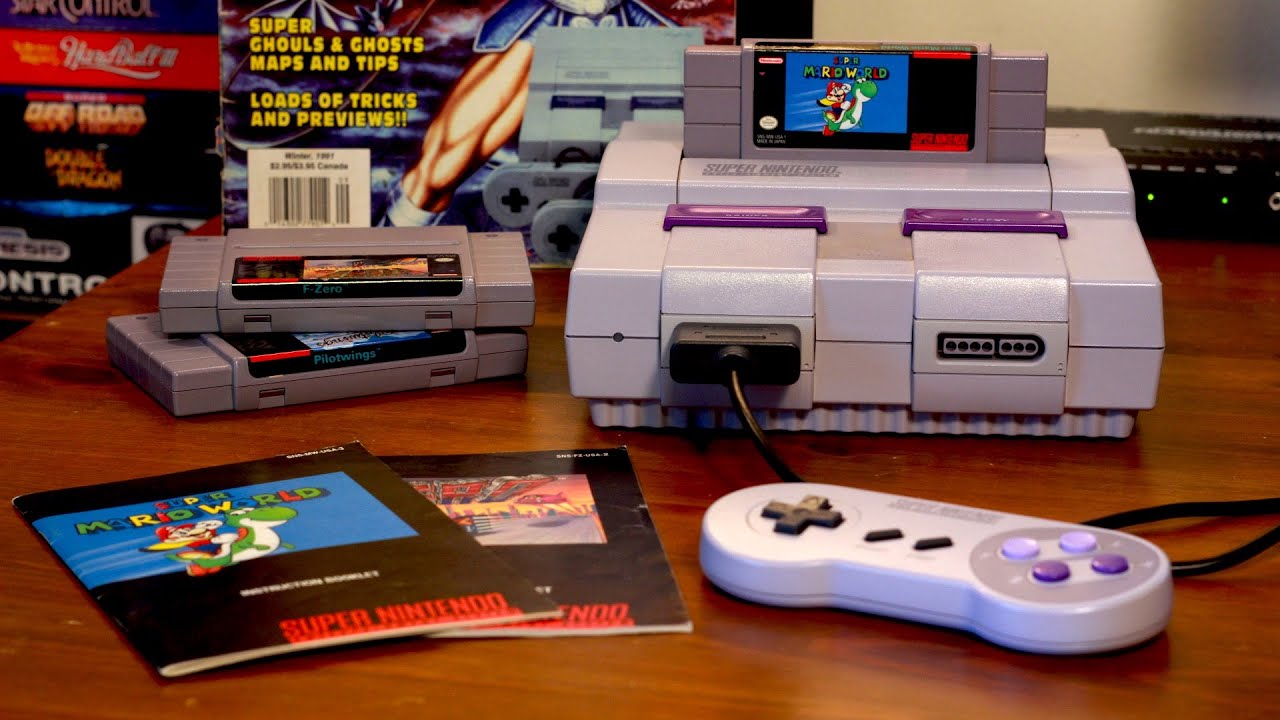
the super nintendo cpu was slower it had a host of other features to help it stand apart from the competition its higher resolution wider color range super fx chip and mode 7 graphics scaler all made a good case for nintendo's superiority however there was one area where nintendo's lead was irrefutable it's sound the earlier generation of consoles had gotten by with more basic audio processing however when the 16-bit generation came around nintendo sounded generations ahead of sega [Music] the mega drive had its own distinctive sound which was a bit more tinny and harsh when compared
to the smooth dynamic sounds of the super nintendo which had 8 times the audio ram and 2 extra channels when compared to the mega drive this was all thanks to the ssmp chip designed and produced by sony but more specifically by ken kutaragi who worked in sony's research and development labs kutaragi was responsible for sony and nintendo forming this working relationship as he saw the potential of the medium and jumped at the chance to work with nintendo despite the fact that sony was keen to stay out of the games industry sony was well known for
creating high-end consumer electronics such as televisions radios home stereos and the innovative personal cassette player the walkman sony feared that working on a games console could damage their reputation as the games industry was still relatively new and many saw it as a children's toy and a passing fad sony's aversion to gaming was so strong that kutaragi allegedly brokered the deal and developed the chip in secret and when his superiors discovered what he'd been working on they were furious however kutaragi convinced them to allow the deal to continue as a good working relationship with the games
companies such as nintendo could be useful in the future and nintendo had been very impressed with their work so far so the two companies struck a deal nintendo would use sony's audio chip and sony would be able to develop a disc based add-on for the super nintendo dubbed the snares cd similar in concept to the famicom disk system previously produced by nintendo in addition to the add-on sony would also be allowed to produce a standalone console that would be compatible with super nintendo cartridges and also be able to play compact disks a format that sony
had co-created with philips in 1982 that offered much greater storage capacity and higher fidelity audio this standalone console was dubbed the playstation and would serve as a starting point for sony entering in to the gaming industry kutaragi wanted to expand nintendo's popular super nintendo console with a cd drive add-on boosting the system with significant processing power and speed as well as superior sound and storage after the launch of the super nintendo development on the snazz cd and the playstation began however during negotiations friction between nintendo and sony started to arise as nintendo was incredibly concerned
about piracy and wanted the super cd to have its own proprietary format the superdisk rather than a standard cd-rom the superdisk was designed to be a smaller minidisc within a plastic housing which featured a region lockout chip on the disk making it incredibly difficult to replicate compared to standard cds as rewritable cds and cd burners were becoming more widely available however sony was keen not to go down this route and proposed instead putting the lockout feature on the disk drive itself but nintendo refused to compromise on the issue as negotiations continued the relationship between the
two companies became strained over time which would only get worse when nintendo would discover that sony had an ace up their sleeve an ace that nintendo itself had inadvertently given them during the initial negotiations back in 1988 nintendo had agreed to give sony the right to license all games for the super cd effectively giving sony every penny that would be made off of any game released for the add-on somehow nintendo had slipped up as the deal stood nintendo would only make money from the sales of the hardware itself while sony would see continual income from
all cd-based games whilst building their own playstation brand off the back of the super nintendo when they eventually realized how much this deal was tipped in the favor of sony they knew something would have to be done and quickly as at the consumer electronics show 1991 sony announced their new console to the public and laid out their plans for the playstation system announcing that they would license it broadly to the software and game development industry making it a much more accessible platform to release games on maximizing their potential profits nintendo was keen to break out
of this deal with sony as soon as possible so the following day at ces they announced that they had decided to partner with philips the developers of the cdi to develop their cd-based add-on instead of sony and also as part of the deal some of nintendo's original ips would be allowed to appear on the philips cdi you're pretty good here thanks when nintendo was questioned about backing out of their original deal with sony they commented our engineers reached the conclusion that from a technical standpoint it was better for nintendo to work with phillips despite the
threat of lawsuits nintendo insisted the philips deal was moving forward and that it didn't affect sony's plans for the super nintendo playstation outraged sony's executives decided not to back out of the project and push forward at the end of a meeting planning litigation against nintendo norio oga president of sony reportedly said we will never withdraw from this business keep going however eventually the deal between nintendo and sony was called off but sony was determined not to let their work go to waste so they decided perhaps it was time to build some bridges with nintendo's rival
sega so olaf olufsen sony electronic publishing president and mikey shuloff president of sony america approached tom kolinsky the ceo of sega america and said tom we really don't like nintendo and you don't like nintendo we have this little studio in santa monica working on video games we don't know what to do with it and we'd like sega's help in training our guys and we think the optical disc will be the best format kolinsky agreed with the sony executives and proposed the partnership to finance a small developer called digital pictures who would go on to create
night trap sewer shark and supreme warrior for the mega drive cd add-on the sega cd both sega and sony agreed the future for consoles was the compact disc and the next generation of consoles would have to utilize the format and sega was aware that their cd add-on was only scratching the surface of what the format was capable of we had been working on the cd-rom attachment for the genesis which we knew really wasn't adequate but it taught us how to make games on this format so sega and sony began to draw up specifications on a
next-gen cd-based console then olafson shuloff and kolinsky took these specifications to japan and presented them to ken kutaragi who loved the idea and proposed that sega and sony could work together on this console stating as we all lose money on hardware let's jointly market a single system the sega sony hardware system and whatever loss we make we split that loss the idea made sense to kolinsky so he took the concept to sega of japan where it was quickly shot down they said that's a stupid idea sony doesn't know how to make hardware they don't know
how to make software either why would we want to do this kutaragi was once again left disappointed and angered by nintendo and sega's actions however he remained certain that their concept and design for the playstation had potential so he approached norio oga president of sony explaining that he felt sony should proceed with the development on their own growing weary of all the false starts on the playstation ogar wanted to seize the opportunity to get back at nintendo and told kutaragi just do it so kutaragi moved his playstation team over to sony music a separate entity
within sony who had a reputation for attracting and nurturing talent the playstation team leveraged sony music's experience to establish a huge sales team that would attract developers to work with sony as they offered the developers more control over distribution as previously many had found the process of working with sega and nintendo had some difficulties so with the playstation team positioned inside of sony music it meant they had direct control of their disk pressing facilities which in time would prove to be a key advantage for sony as previously nintendo had been incredibly strict with distribution as
only nintendo could manufacture and supply cartridges for their game and they would even decide how many the developer could receive when the playstation sales team presented their plans for distribution to game publishers and developers at a meeting in tokyo in 1994 the response was electric finally japanese developers could have a say on how their games were sold an area of business that was previously completely controlled by nintendo publishers and game creators were attracted to sony's incredibly fast certification process it would last no more than two weeks compared to the months it would take with sega
and nintendo sony would also offer far more reasonable royalty rates another advantage to releasing on the playstation was that sony did not yet have its own first party games in development meaning that there was less competition on the system and developers had a decent chance for their games to stand out or even become the new flagship franchise for the system sony had found a gap in nintendo's armor and they weren't hesitating to make the most of the opportunity they managed to join numerous big developers to come over including ea namco and squaresoft hype around the
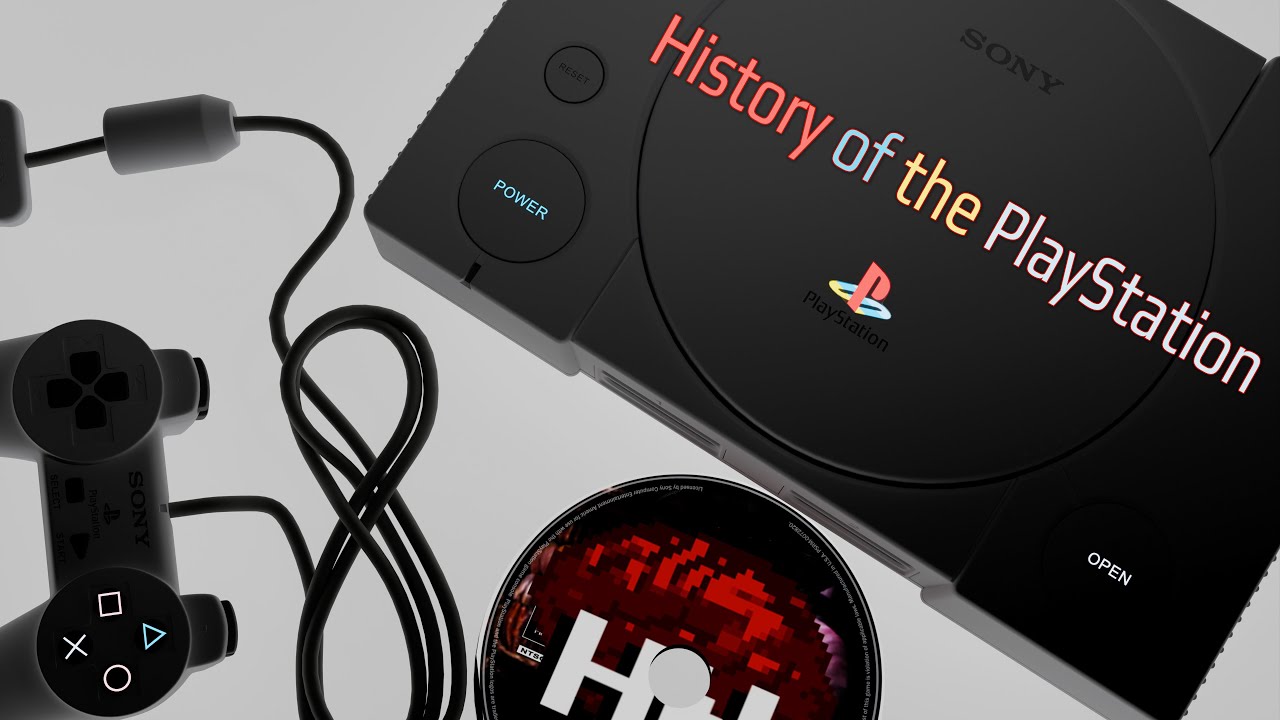
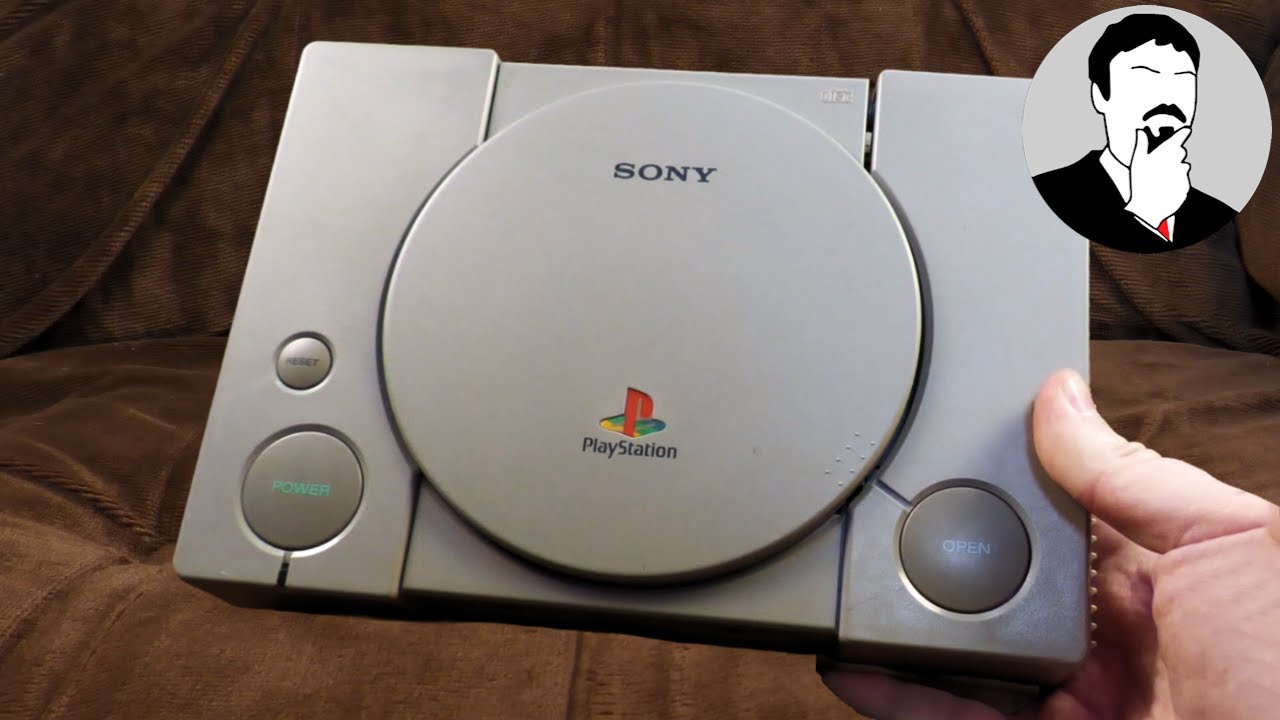
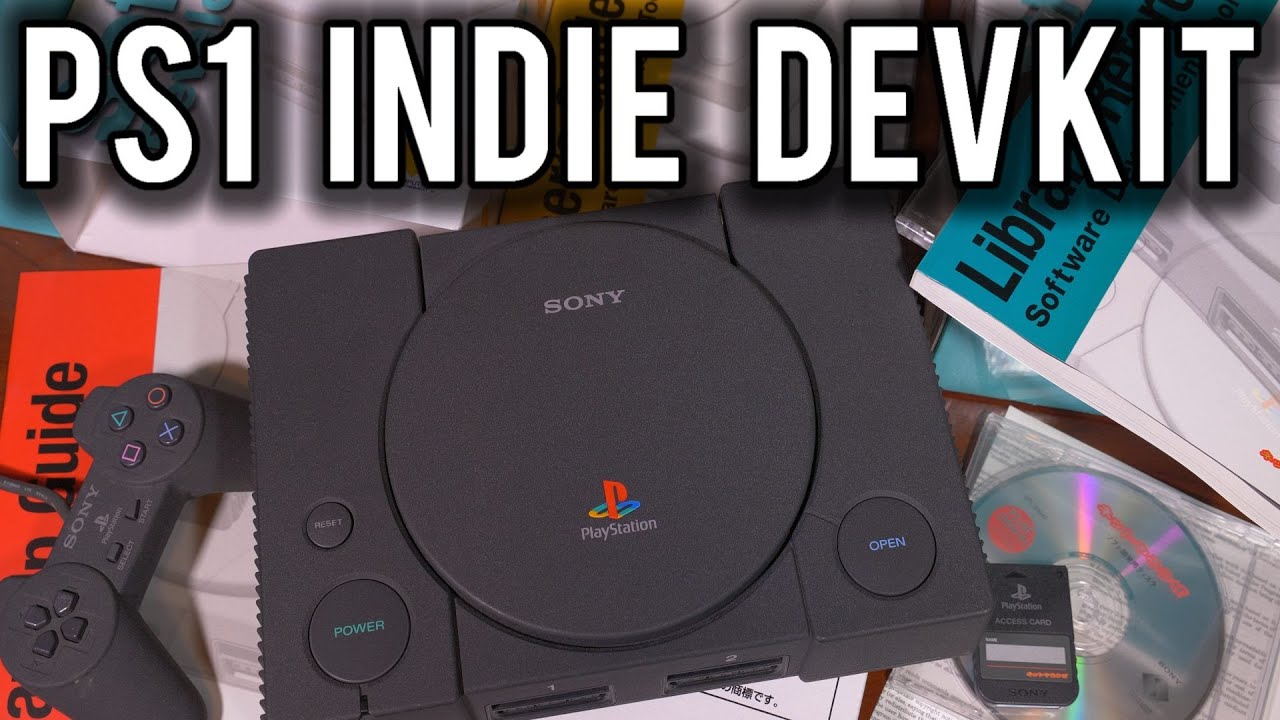
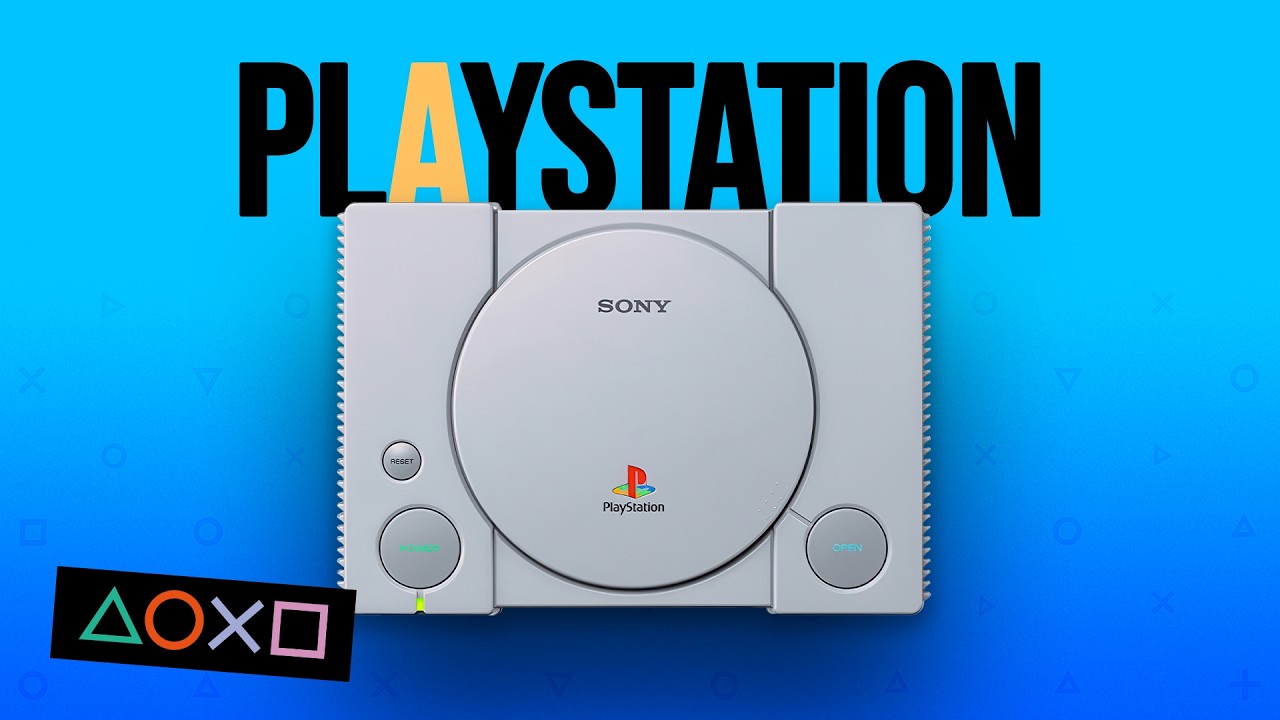
playstation was building and it seemed like the scrappy newcomer was about to give the old guard a run for their money however many were still wondering what this console and its games would actually look like the console itself was built with a minimalist design that didn't look out of place next to sony's premium consumer electronics it aimed for a more mature look as kudurogi's vision for the playstation was to break the stigma of consoles being toys for kids and wanted a console that could be enjoyed by all ages the controller was designed to be accessible
and familiar to players building on the standard conventions that players had become accustomed to whilst also having its own personality his primary influence was the snares controller the super nes was a huge hit at the time and naturally we wanted snazz gamers to upgrade to our system that's why the management department didn't want the controller to be a radical departure they said it had to be a standard type of design or gamers wouldn't accept it both have four face buttons start select and a d-pad however the playstation added two additional shoulder buttons also the design
team decided to change the lettered buttons popularized by nintendo and opted to instead use symbols that would more easily translate across languages and each symbol had an intended use we wanted something simple to remember which is why we went with icons or symbols i gave each symbol a meaning and a color the triangle refers to viewpoint i had it represent one's head or direction and made it green square refers to a piece of paper i had it to represent menus or documents and made it pink the circle and x represent yes or no decision making
i made them red and blue respectively when the playstation's capabilities were first shown to the public it wowed the industry with its live 3d rendering capabilities perhaps most famously its t-rex demo that featured a detailed model of a t-rex that could be rotated and controlled when developing the playstation kutaragi was aiming to balance the conflicting goals of high performance low cost and being easy to program for whilst the sega saturn was on paper the more powerful console and was capable of some impressive visuals the system's architecture was overly complex and hard to develop for so
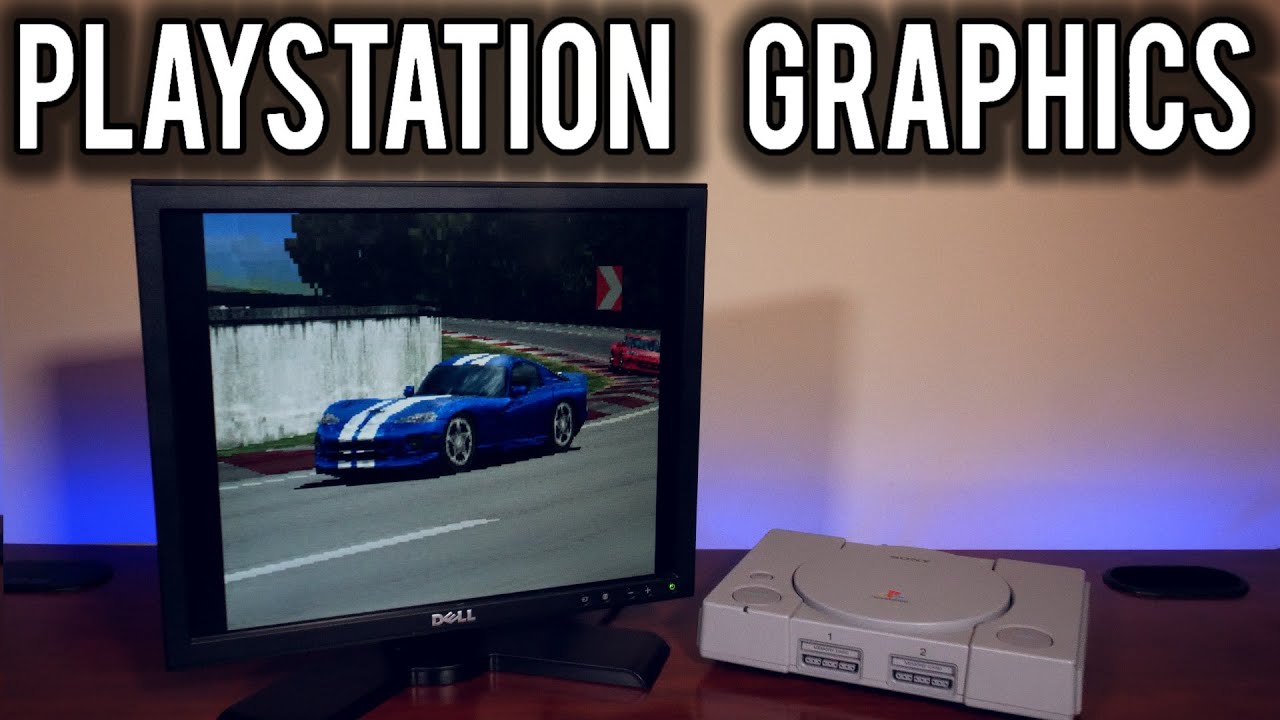
the playstation opted for simplicity making it easier for developers to optimize their games often resulting in the playstation version being superior the playstation 1 featured a 32-bit single core cpu running at 33 megahertz within the cpu there are additional co-processors such as the geometry transform engine that would handle vector maf instructions used for 3d graphics the motion decoder or mdec enables full screen high quality fmv playback and is responsible for decompressing images and video into vram and the system control coprocessor that controls memory management the system also had 2 megabytes of ram and a 32-bit
gpu with one megabyte of dedicated video ram which was capable of outputting a maximum resolution of 480i the console also featured a dedicated sound processing unit for processing high quality 16-bit audio that was capable of decompressing sound in real time it also featured an optical disk drive that was capable of playing audio cds as well as playstation game discs that could store up to 650 megabytes of data which was a massive upgrade over the typical cartridge size allowing more space for higher quality audio and full motion video the playstation game discs themselves featured a black
underside which sony claimed was a form of copy protection however the black plastic used was transparent to any infrared laser and did not itself pose an obstacle to duplicators or computer cd drives although it may have helped consumers to distinguish between unofficial copies and genuine official games in previous generations most game cartridges featured built-in memory for players to save their progress in game however with cds there was no way for a player to store their game save on the disc so sega had opted to use a dedicated game cartridge for storing game saves sony followed
soup but made this solution a bit more elegant with memory cards which were small proprietary cards that would be easier to transport so players could take their saves to their friend's house and even copy it to their friend's memory card nintendo and sega had a huge share of the gaming market and diehard fans were eagerly awaiting their 3d console debut so sony was doing their best to turn heads and win over consumers and developers but with the playstation set to launch alongside the saturn had they done enough to make the playstation a success the playstation
launched first in japan on december 3rd 1994 to much anticipation however there was still some concern internally about how the console might perform as it was releasing just one week after the highly anticipated sega saturn which was launching with the impressive console port of virtua fighter as an exclusive which had proved to be a massive success selling out of their stock of 200 000 consoles on its first day sony was still nervous about how their first game console would be received so in a bid to distance themselves from the console sony sent notices to the
marketing teams insisting that the console was referred to as playstation and not sony playstation a clear distancing of the two brands in case the launch was to fail however even after the successful launch of the saturn the playstation hype managed to endure as sony had made the decision to price the playstation incredibly competitively launching at a lower price of 39 800 yen in comparison to the saturn's 44 800 yen the playstation also boasted more games available at launch including the visually stunning ridge racer and when the playstation's launch came around it was a huge success
as there were queues of fans waiting for their chance to get their hands on sony's first console on day one and by the end of the day they had sold an impressive 100 000 playstations by the end of 1994 the saturn was leading in sales with half a million consoles sold however the playstation was managing to keep pace with 300 000 units sold and the race was far from over as both companies were now setting their size on the west and with no sign of nintendo launching their next generation console the market was wide open
for both playstation and saturn to establish a lead sony did not want to let this opportunity go to waste so they hired an industry veteran steve race a former sega and nintendo executive who was known for his aggressive business tactics to lead sony's western marketing push sega however was now wary of the success that sony had already seen in japan and wanted to move quickly to try and take the sales lead in the west so on may 11th e3 of 95 took place and sega announced that they had secretly shipped saturns to retailers across the
us and they would be available to buy that very same day at the price of 3.99 an incredibly aggressive price point as consoles generally have been sold for more premium prices in the west the pressure was now on for sony sega had done everything to try and steal the newcomers thunder and now many were unsure if sony would even be able to match sega's price in the us as in japan the playstation's lower cost meant that the system actually was sold at a loss to sony the next day all eyes were on sony as they
took to the stage they started with a video showing the company's various achievements and proudly announcing their entry into the games industry however things would quickly grind to a halt as it was followed up with a long-winded and uninspired slideshow presentation that didn't excite the audience too much for so many businesses that include sony computer entertainment of america sony computer entertainment of europe sony in the shop and sony's gnosis he also oversees sales and marketing operations for sony's cd-rom manufacturing business many wondered why after the saturn's impressive showing sony would be so content to seemingly
waste people's time however it would quickly become clear that sony had been planning something and they were about to play their hand as steve race took to the stage for an announcement that would change everything 299 sony have done it the price point was much lower than expected however the price wouldn't be the only thing to turn heads as the games on display during the show including ridge racer wipeout and tekken quickly excited gamers and also a surprise appearance from michael jackson ensured that sony left a huge impression with their us debut although many expected
sega to have an aggressive lead following their surprise early launch it ultimately left them at a massive disadvantage as the system only had six games at launch and virtual fighter was not very popular in the west retailers were also upset by the surprise launch as they were not informed ahead of time best buy walmart and kb toys were actually so angered they refused to sell any sega products sega had pushed forward too quickly and tripped themselves up and sony was aggressively heading for first place the lower price point and sony's forward-thinking advertising that targeted not
just teenagers but also young adults with sponsored events at nightclubs and licensed music in their adverts made consumers sure that the playstation was the console worth waiting for and when it launched on september 9th 1995 retailers reported that they didn't have enough stock to keep up with demand there were over 100 000 pre-orders placed for the playstation and 12 games available by the time of its american launch which was far more appealing in comparison to saturn's six launch titles within two days it had already sold more consoles than the saturn had in five months sony
had taken a strong lead that continued for their european and australian launch on the 29th of september and the 15th of november by november it had already outsold the saturn by a factor of three in the united kingdom and within its first year the playstation secured over 20 percent of the entire us video game market and by the end of 95 over 800 000 consoles have been sold in the us alone the playstation was on track to win this generation however nintendo were still absent and a substantial buzz was building for their new console the
nintendo 64 which was set to be the most powerful console of the generation with many innovative features such as 360 analog control four controller ports and controller rumble when the nintendo 64 finally launched in 1996 it sold well but was ultimately steamrolled by the playstation over time sony began to iterate upon their hardware to compete more with the n64's unique features in 1997 sony launched the dual analog controller which offered two analog sticks and rumble although this was only in the japanese version a few months later sony replaced this controller with the dualshock which updated
the thumbstick's design and added the ability for them to be clicked in adding two extra buttons r3 and l3 respectively and also controller rumble was included for the us and europe as well as japan the playstation multitap was also released which allowed for four player multiplayer unsupported games or even up to eight players with a second multitap later into the playstation's lifespan on july 7th 2000 sony released a slimmer more compact version of the playstation known as the ps1 that could also be bought bundled with a screen that would allow for more portable play the
playstation 1 had an impressively long life as a console as it saw support long after it was succeeded by the playstation 2 selling millions of units until it was discontinued in 2006. the playstation absolutely dominated the fifth generation of consoles shipping a mass of 102.49 million units and today the playstation 1 is the fifth best selling console of all time whilst the hardware and pricing was a huge part of the console's success ultimately a console is defined by its games and playstation offered up a massive lineup of diverse games some of which would go on
to become landmark titles in gaming history due to sony's forward-thinking licensing the console proved incredibly popular with developers so popular in fact that over 7918 games were released for the console during its lifespan with accumulative sales of 962 million units that's an incredibly high number when compared to the saturn's 1047 games and the n64 is poultry 393 games looking at the top selling games for the playstation you can see a diverse range of genres and many popular series which started or gained their popularity on the playstation 1 which are a staple in the industry even
to this day gran turismo was the highest selling game on the playstation and offered up an immensely realistic and expansive driving experience that raised the bar for the racing genre featuring impressive graphics realistic car handling and officially licensed music as well as 233 officially licensed cars that could all be tuned and upgraded on top of this the game also boasted an in-depth career mode which had the player racing to earn money to buy cars parts and pass different license tests to unlock higher class vehicles and events gran turismo also saw a sequel with gran turismo
2 which continued to add to the series and also sold incredibly well being the third highest selling game on the system squaresoft was also drawn to the playstation bringing the previously nintendo exclusive final fantasy to release on the playstation beginning with the massively acclaimed final fantasy vii which has been credited with popularizing the role-playing genre in the us and europe thanks to its impressive scale cinematic cutscenes immersive narrative and well-developed characters the impact of final fantasy vii was massive and many still to this day consider it to be one of if not the best games
ever released it went on to be the second highest selling title on the playstation and the next games in the series final fantasy 8 and 9 also sold incredibly well becoming the 4th and 15th best-selling games as well konami also opted to support the playstation and in doing so managed to bring one of the most forward-thinking and iconic games of the 90s to fruition with the third title in the metal gear series metal gear solid created by the visionary game director hideo kojima mgs is a stealth game heavily inspired by kojima's love of western cinema
the story tells a deep narrative which sees the player entangled in a web of military and political conspiracy involving unique and well-developed characters all shown with an incredibly cinematic flair that really hadn't been seen in gaming before the game also featured a number of unique mechanics and systems that were incredibly ahead of their time such as enemies in game reacting to sounds and environmental cues such as following the character's footprints although previous games in the series had sold well it was this third entry that would make the series popular in the west and would also
be credited with popularizing the stealth genre as the game received industry-wide acclaim with many stating it was one of the best games ever released metal gear solid went on to become the 12th best-selling game on the playstation and a landmark achievement in gaming early on in the playstation's development they attracted arcade giant namco who in turn brought impressive ports of their arcade hits such as ridge racer to the playstation which managed to turn heads at the console's launch and would ultimately sell incredibly well and go on to have four games released for the playstation also
namco reported their light gun shooters time crisis and point blank to the playstation as well as their 3d arcade fighter tekken which received a near flawless port to the playstation and would go on to see three games released on the ps1 each one adding more fighters and further refining its gameplay and style the home console versions of tekken would feature more content than its arcade counterparts with console exclusive characters and modes at the release of tekken 3 it was showered with praise receiving many near-perfect scores it went on to become the most popular fighting game
on the system and is still considered to be one of the best fighting games of all time overall the playstation had an incredible amount of varied titles that helped the console appeal to a wider demographic with fast-paced arcade racers like the wipeout series mascot platformers like crash bandicoot and spyro as well as games that were aimed at more mature audiences such as the wildly successful tomb raider series or even resident evil which popularized the survival horror genre the playstation truly offered something for everyone and in this list we've barely scratched the surface of some of
the best titles and cult classics for the system the playstation changed the gaming industry almost overnight after being passed over by both nintendo and sega sony managed to defy expectations and become the biggest company in gaming with just one console sega were on the ropes and nintendo had been dealt a huge blow 3d gaming had truly arrived on home consoles technology was improving quicker than ever before so now everyone was looking to see what was next for sony was the playstation just beginner's luck or could sony make lightning strike twice [Music] thank you so much
for watching and i hope you enjoyed this video i want to give a huge shout out to my friend chris ward who did the 3d models that you saw in this video he's a fantastic artist and it's been really fun working with 3d models and i think it's added an extra level to this video that i wouldn't have been able to do on my own so thanks so much to him and uh i want to say thank you to any of my subscribers who might have been waiting for this video i know it's been a
long time since i uploaded but this year has been a bit crazy and i stopped working freelance earlier this year and started a full-time position which meant i didn't have as much time to edit as i did before and for anyone who's been waiting for the next smash video i want to thank you for your patience but the next video is most definitely smash 4 and then possibly after that hopefully smash bros ultimate if all the dlc is out we'll see what state the game's in at that point but uh i want to thank you
so much once again for watching if you'd like to see more and you're not subscribed already please hit the subscribe button if you drop the video a like it really really does help this to get recommended to other people who might enjoy it once again thank you so much and i'll see you guys in the next video