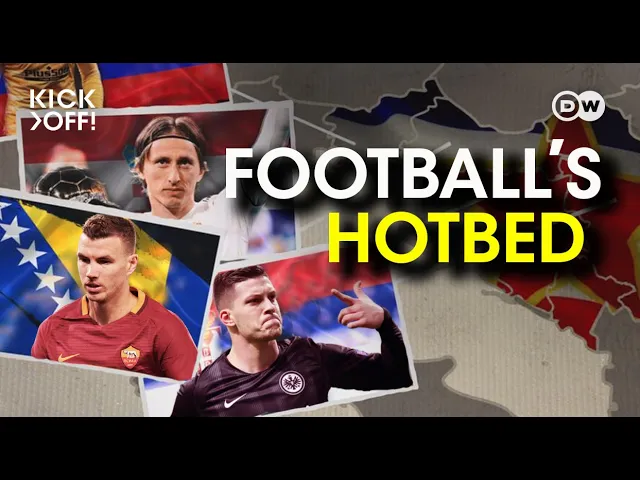
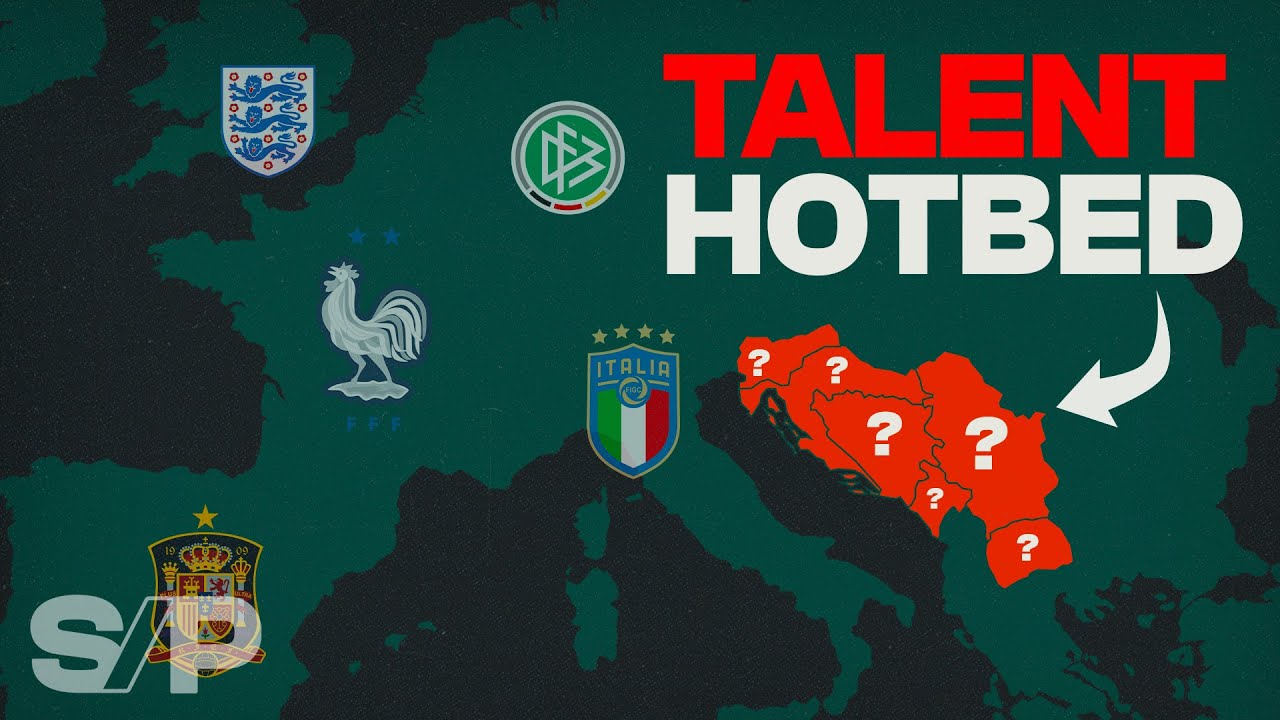
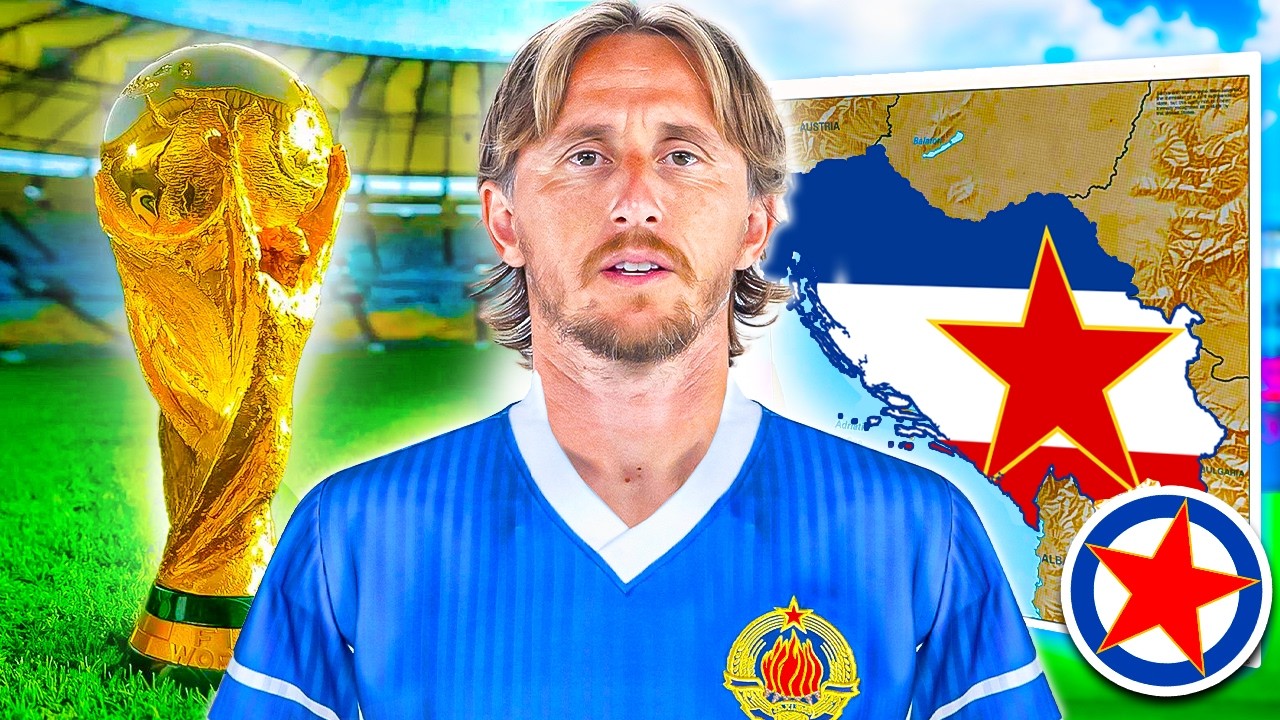
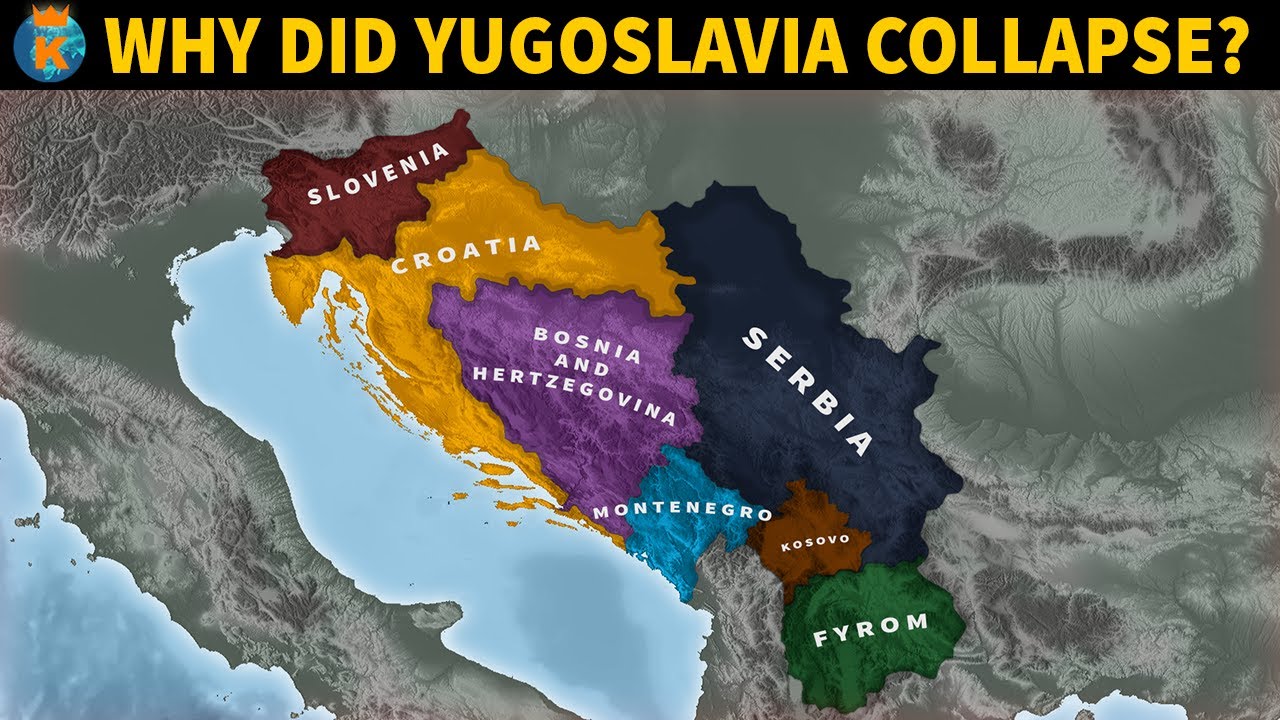
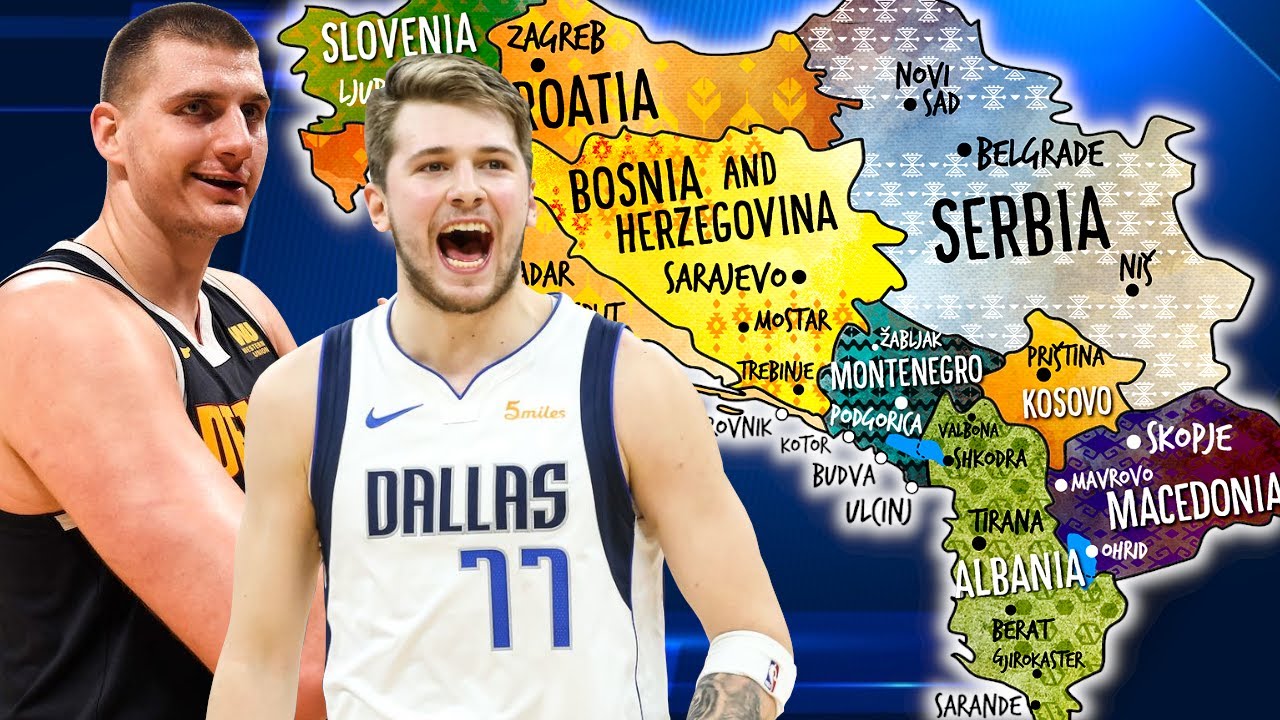
imagine a national team starring oblak from slovenia modric from croatia jaco from bosnia herzegovina and yovic from serbia [Music] well 30 years ago that would have been possible because they'd all have come from the same country yugoslavia the state which no longer exists but its footballers still impress the countries that used to make up yugoslavia produce talent after talent after talent why is that croatia even reached a world cup final a country of only four million people beating argentina england and russia in 1998 croatia finished third at their world cup debut debut why debut because until the early 90s crowds were part of yugoslavia along with slovenes bosnians serbs montenegrins and macedonians yugoslavia always had good footballers [Music] but war tore the country apart in 1991 did this mean the end of football there boy it did not sure none of the successor states national teams are as successful as croatia now compare serbia's population to those of other important export countries another former yugoslav republic bosnia herzegovina made it to the world cup in 2014 and northern macedonia to euro 2021 and they're not just damn good at football the region of former yugoslavia has produced over 80 nba players as of early 2021 compared to nigeria's 24. australia is 26 france is 36 and canada's 51. in handball the world player of the year award has been won by players from former yugoslavia five times only the french were awarded that title more often with nikola karabatic alone winning three well he was born in serbia but let's not go there back to football how many ex-yugoslavs are on the team you support probably plenty if it's in syria which boasts a record 47 of them why are people from this region so good well first of all former yugoslavia always was a true footballing nation the sport was already popular there before world war ii yugoslavia played it the first world cup in uruguay in 1930 they even reached the semi-final after world war ii the country became communist but soon fell out with the soviet union it shows a third way between communism and capitalism so yugoslavia also looked westward in many ways [Music] also when it came to football yugoslavia's unique cold war experience is really one of the key reasons why football is so successful another factor in that success in that period is the extent to which the regime invests in sport by the 50s and 60s yugoslavia really has cutting-edge sporting infrastructure this paid off yugoslavia reached a world cup quarterfinals in 1954 and 1958 they won the olympics in 1960 and came in fourth at the 1962 world cup they made the finals of euro 1960 and 68.
remarkable successes being a country of 20 million inhabitants only at club level yugoslavia's big four had established themselves as powerhouses dinamo zagreb kylok split and belgrade sides red star and partisan transfers start to happen on a fairly regular basis um teams such as hydex split for example become an import export company because this is so successful and so many players are going abroad the yugoslav football association brings in this rule that uh players aren't allowed to to leave the country until their late 20s not a very popular policy but it did ensure the domestic yugoslav league was of a high standard from the cadet level from the age of 14 basically these players played together on a very regular basis and got to know each other and as you know most football fans know chemistry is a very important aspect of a successful team resulting in a strong league with well-supported domestic players big clubs succeeding in europe and a formidable yugoslav national team at the 1974 world cup here in west germany it was seen as a squad that could maybe even win the title they started well nil-nil against reigning world champions brazil and a nine-nil blowout over the year but then things went south rumors and legends of unpaid bonuses and fights over sponsorship still swirl today not so communist right but hey third way remember still yugoslavia had become a force to be reckoned with in football and other sports and a source of major pride for the population hey in the 80s a new generation of footballers turned this to gold they won the 1987 youth world championship in chile players like boban shuker yarny miatowicz and prosinecique came to light they left their mark on 90s football at real barca sevilla milan and others but they didn't have time to make their mark as a national team hatred was being stirred up among yugoslavia's different ethnicities violence at a game between dinamo zagreb and red star belgrade heralded the war that would follow [Music] um [Music] in 1991 the war started yugoslavia fell apart how did this affect this very talented generation and football as a whole in the region most incredibly just weeks before the war began red star belgrade still won the equivalent of the champions league in may 1991 but shortly after just like thousands of civilians footballs were leaving the region omas red star belgrade lost nearly their entire team overnight after the 1991 triumph their players left for real milan inter roma and others it wasn't just red star other top clubs also struggled and have yet to fully recover what we see across the board is an exodus of talent anywhere where they can get a contract um where they don't have to stay in the in the conflict situation we're seeing players do that and we see the creation of multiple weak legs despite all this one of the new national teams managed to rise from the ashes of yugoslavia quite quickly after its independence croatia joined fifa initially they were ranked 125th in the world only two years later they had moved up to 62nd and another two years later they played it euro 1996 and made it to the quarterfinals why did they develop so fast sure they had players that had won the 87 youth world championship players like igor stimats and davor shuker were now in their prime but there was another critical factor triggered by the war identity they were not just considered ambassadors of identity or sort of this newly forming creation identity but they also saw themselves as ambassadors of identity they felt some particular and sort of extra special motivation for the role that they were in football played a very specific role as as a sacred center of society at the 1998 world cup croatia even came in third although they had to wait 20 years for a similar success second place at the 2018 world cup patriotic impetus is still considered a reason for croatia's outsized performance [Music] so but serbs and montenegrins came back now as federal republic of yugoslavia and made it to world cup 1998 and euro 2000. they too had their share of the golden generation like fredrik miatovic and players from european cup winning red star sinisha mikhailovic or diane savichowicz serbia's production of youth talent is so massive that the country is listed as the world's fourth largest export nation of footballers which is often a recipe for club survival japan thailand south korea colombia serbs can be found anywhere not just the top leagues talent abounds in serbia and the global football market is buying but talon is also imported to the region take croatia's national team ivan rakitic was born in switzerland former defender joe shimonich in australia the creation diaspora is significant it's a country that has experienced several waves of emigration and here the scouting system was very good in identifying potential players for the national team of croatian origin diaspora just to compare if other countries were to have a diaspora that big there'd be up to 200 million germans 400 million brazilians and well 3 billion indians kosovo ii builds its football on these pillars relying on patriotic impetus and recruiting from a large diaspora before corona in late 2019 i went to kosovo uefa's youngest member kosovo was once an autonomous province of serbia and declared independence in 2008.