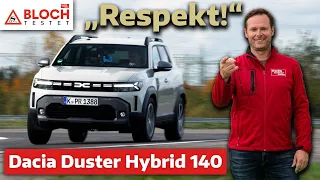
Today, we bring you an analysis of the New Dacia Duster 2025. This compact SUV enters its third generation while maintaining the brand's essence: offering a robust, functional, and affordable vehicle. But don’t be mistaken—this new version brings significant improvements in design, technology, and powertrain that deserve attention.
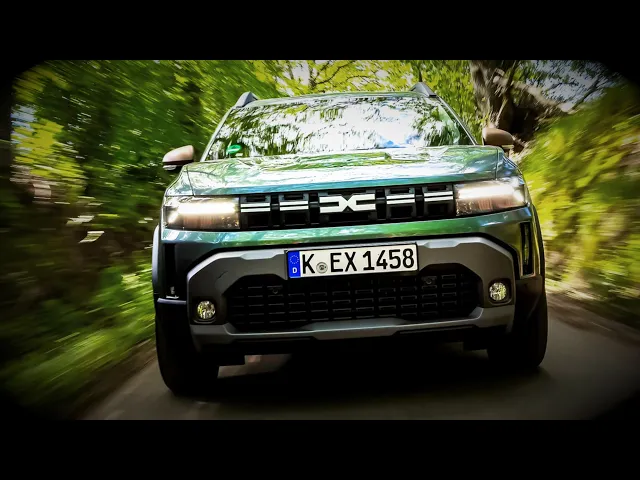
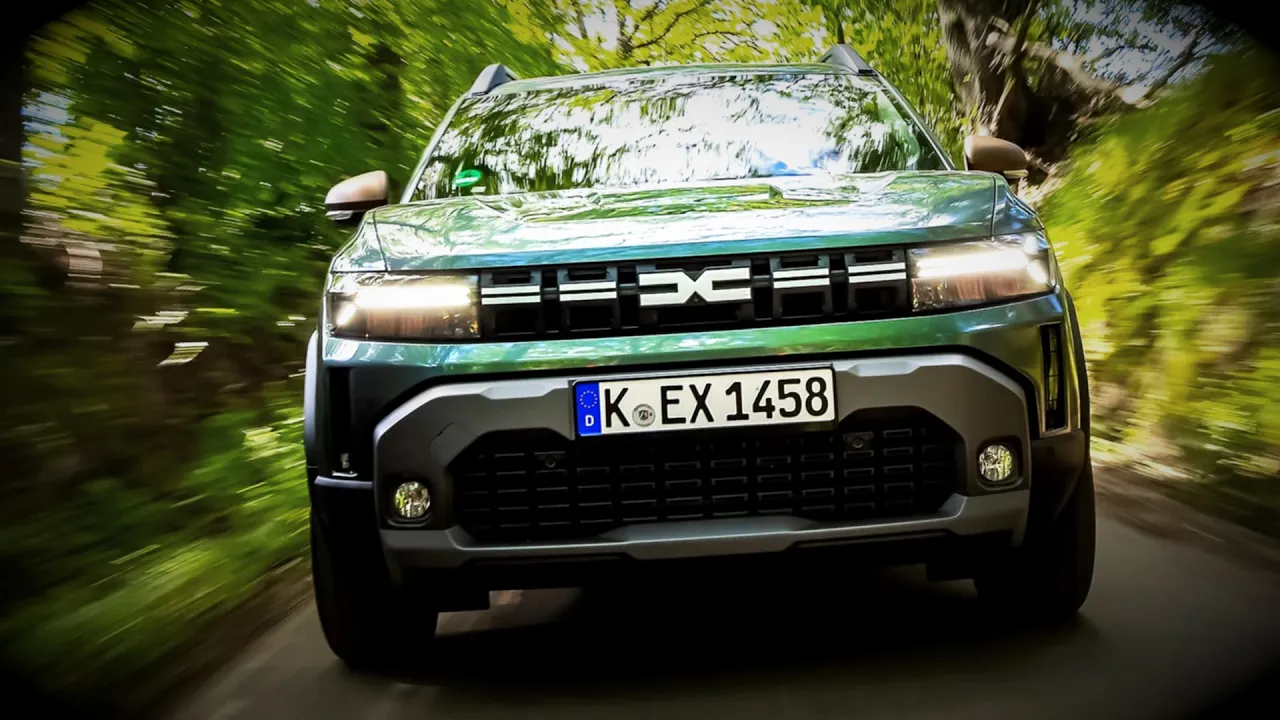
Visually, the Duster 2025 has gained a more refined touch without losing its practical identity. The plastic cladding along the body, known as 'Starkle,' is now recycled and present on both the front and sides. In addition to protecting against minor everyday damage, it also contributes to a more uniform look, minimizing visible scratches.
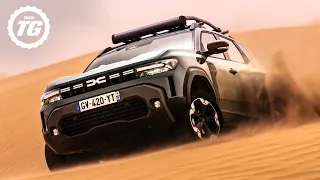
The model still retains its off-road capabilities, being one of the few options in the segment with available all-wheel drive. Inside, Dacia has invested in a more sophisticated environment while maintaining its cost-effective philosophy. Hard plastics are still present, but different textures add a modern feel.
Depending on the chosen version, the Duster can be equipped with a 10. 1-inch touchscreen infotainment system and a digital instrument cluster. For those looking for practicality, the interior space remains generous, offering ample room for passengers and a spacious, well-designed trunk.
When it comes to powertrains, the Duster 2025 expands its options. The highlight is the new hybrid engine, which promises greater efficiency in urban driving with a declared fuel consumption of around 55 mpg, equivalent to 5. 1 liters per 100 km.
Additionally, the model continues to offer gasoline engines and a bi-fuel (gasoline/LPG) version, catering to different consumer profiles. The suspension has been recalibrated, ensuring an interesting balance between comfort and firmness. The Duster 2025 will be available in various configurations, from the entry-level 'Essential' version, aimed at those seeking lower costs, to more equipped trims like 'Extreme' and 'Journey.
' Prices range from £18,850 to £26,850, positioning the model as a competitive alternative in the European market. It is worth noting that despite some limitations, such as rear seats that do not fold completely and the absence of a diesel engine, the Duster remains a solid choice for families and off-road adventure enthusiasts. Looking ahead, Dacia plans to introduce an all-wheel-drive hybrid version by the end of 2025, using an electric motor on the rear axle.
While a fully electric Duster is still far off—expected only in 2030 or 2031—the brand reaffirms its commitment to offering accessible technology without losing its essence. Combining value, practicality, and technical evolution, the Dacia Duster 2025 reinforces its position as a leader in the compact SUV segment. We hope you enjoyed this unbiased analysis of the New Dacia Duster 2025.
If you’d like to learn more about other releases or have suggestions for future videos, leave a comment below. See you next time!