The most popular neurochemical of all time is dopamine what a lot of people don't realize is that dopamine has been suggested to be able to predict your political affiliation and your personality I'm going to share with you what a lot of people get wrong and how dopamine actually works in the brain and then we're going to finish off with a number of different strategies that you can use to be able to both boost your Levels of dopamine but also to moderate the levels of dopamine as well this is going to have huge implications on how
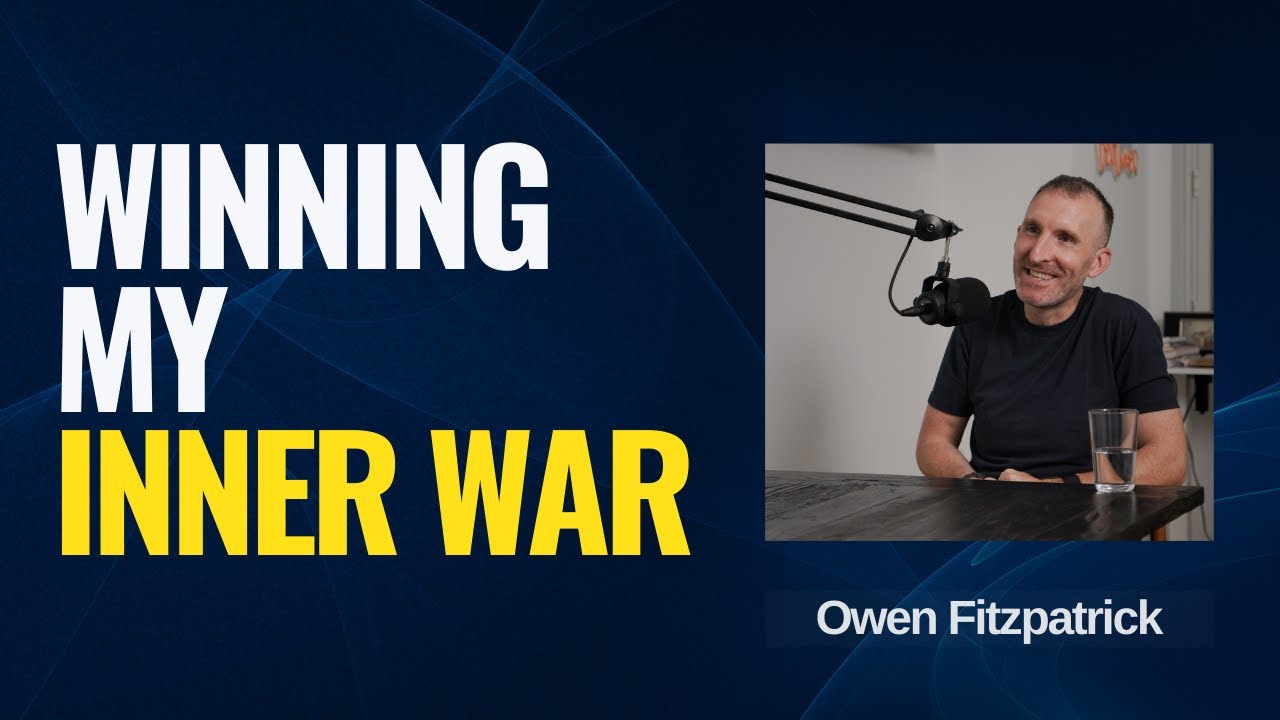
motivated you are how focused you are how effective you are at learning and remembering information this is going to be an epic session today an epic episode today and so in a way I could argue that I'm by this description here increasing levels of dopamine in your brain when you think about learning about dopamine so you've got dopamine that's driving You to learn more about dopamine which is pretty cool if you ask me well I think it's cool welcome to another episode of The Changing Minds podcast I'm onits Patrick and I am full of dopamine
and you know why I'm full of it cuz that's what I'm going to be speaking about today we're going to be looking at it as what it really does how it really works and we're going to walk you through over the course of the next few minutes first of All I'll talk to you about the history of dopamine when it was discovered some of the greatest research done in the area we'll be looking at how dopamine works we'll talk about how it's related to learning how it's related to belief change and we'll finish as we
always do with a set of strategies that you can use to increase levels of dopamine but also to moderate CU sometimes if you got too much of dopamine then you are too enthusiastic too motivated and also it's Like link to things like schizophrenia and addiction and all sorts of others but there are downsides to having too much so we're going to look at motivating yourself but we're also going to look at regulating your levels of dopamine as well so all of that is in store today and let's start by talking about what is dopamine so
dopamine is a neuromodulator and a neurotransmitter that drives our desires and motivations is the chemical of anticipation of Rewards and it helps us to plan for future rewards as well and so it's one of the most if not the most important chemical that we have in our systems in our brain and I want to walk you through a little bit more about the science behind dopamine how and why I suppose it matters so much but before I get into that I just want to give you a little bit of a caveat to start with and
that is to say this as soon as you hear people talk on a podcast about a Neurochemical they are by the very nature of the fact that they're talking about it simplifying it and so over the course of this episode I'm going to be describing exactly what's true no I'm going to be simplifying as well I'm going to be breaking things down into a way that is is easy for you to understand so that you can use it but today we're going to be drawing from the work of a number of different experts we're going
to be drawing from a number Of books books such as the molecule of more by Daniel Z liberman and Michael E long great book all about dopamine we're also going to talk about dopamine Nation finding balance in an age of indulgence by Dr Ana LM which is a a bestselling book at the moment we'll refer to overloaded by jinny Smith Lisa Feld marar the wonderful neuros scientist herself Camila Nord who wrote a book called the balanced brain and of course the work of Dr Andrew huberman and his Huberman Lab podcast we're going to be focusing
primarily on understanding what dopamine is all about so first of all dopamine is this neuromodulator neurotransmitter the difference really between neuromodulator and neurotransmitter is neurotransmitter is a lot more specific to specific neurons neuromodulator tends to be about General activity in the brain both of them you can use interchangeably when you describe the power and impact of Dopamine one tends to be much more about the ongoing uh impact so for example when you talk about it as a neuromodulator that's the I suppose the overall Baseline levels of dopamine and then if you talk about the specifics
it it is a neurotransmitter that's more about the actual increases significant increases in dopamine whenever you're motivating yourself to do something or whatever there's what we call reward prediction error all of this is going to Be easy to understand as we get into the material but a really good way to understand it is that the brain is two systems that are influenced by neurochemicals it has what is known as the Here and Now system uh which focuses on immediate experiences and enjoying what's going on in the moment and then the dopamine system which really focuses
on future goals so the Here and Now molecules would be things like serotonin endorphins endoc canbids would be those Kind of oxytocin would be those things that you're experiencing in the moment dopamine is more about the goal orientation so it's very much what you need to get and if you think about it I mean dopamine really has been something we've evolved with to be able to drive us to take action when we're hunting and Gathering something has to get us out there to hunt and gather and dopamine is that chemical it makes us want and
because it makes us want that's what Gets us to actually go out into the jungle to to wrestle the Bears to conquer the land to come home to our significant other and our family and say I just killed three bears today and then you eat bear I would I I think it's terrible eating eating Bears I really do I think um it's really unfair to the bear bear with me but uh sorry I I I got to pause for a second see all the see all the bear puns pause bear with Me I was barely
good enough to be uh kept into the podcast wasn't it oh I kill me sometimes Samir saying I wish you would uh so in terms of dopamine though dopamine back then in the hunter gather days it drove us to be able to go out there when we were going to do take our action and do what we needed to do but there's a few interesting things to know about dopamine and a few reasons why it matters and let's just talk about some Of the different phenomena of what we need to know about dopamine dopamine is
uh really important for our drive for novelty so whenever something new happens our brain is interested in it because this is potentially a reward or it's potentially a danger it is crucial for Innovation it's crucial uh for us being able to create new ideas however dopamine itself also leads us to feeling dissatisfied and in really high levels it can also make us addicted to Different things dopamine is connected to goal oriented behavior so it drops whenever we succeed so it pushes us all the way toward towards achieving it and once we've uh caught the lion
or once we've caught the tiger or whoever it is that we're hunting I'd be useless if we were evolv in right now like if I was evolving I wouldn't even know I'm talking about wrestling bears and chasing lions and tigers I'm pretty sure uh I'd be beaten by the bear and I'm Pretty sure that the lies and Target would be the ones chasing me so whatever it is whatever foods that we would have eaten back there that's what dopamine would be driving me to do dopamine in the Modern Age drives consumerism it gets us to
anticipate new products rewards experiences so whenever you find yourself buying anything that's dopamine whenever you find yourself wanting something that's dopamine it helps us adapt to new challenges in love you know That part the beginning of a relationship ship where you fall madly in love and you like can't wait to see the person and you're like craving them and you're like oh my goodness I hope they call me and you're like looking at your phone and waiting and you're going do you think they're going to call me that desire that you have that's DOP mean
at a height now there's a bunch of other stuff going on which literally makes you crazy like actually clinically Insane whenever you're falling in love but dopamine is a big piece to the puzzle there it's also as I mentioned to do with addiction it's being connected to creativity as well as mess and really high levels a lot of people don't realize is that people who tend to have high amounts of dopamine tend to be more likely to be Progressive now I know what you're going to say some of you who are not Progressive some of
you who are more conservative might turn around and go Well I got lots of dope mean too and you probably do and people are progressive might say no I don't have much dope me I'm pretty happy and content fine you're an outlier okay I don't want to get into it I'm just reading the research all right but it's also been associated with personality traits like extroversion impulse ity and openness to new experiences which kind of makes sense so if you find yourself as someone who's extroverted if youve I don't know why I Extroverted like that
but actually I do know because a lot of extroverts are quite loud and quite powerful impulsive and open to new experiences then dopamine is more likely to be a chemical that you've plenty of your Baseline in other words is quite High we'll talk about baselines in a bit social media addiction is also uh something that a lot of people find themselves experiencing and that's really as a result of dopamin So why does dopamine matter that's the question we want to start off with and we want to look at the fact that we have an addiction
epidemic at the moment there's so many people addicted to all sorts and we talked about social media but people are addicted to drugs people are addicted to food people are addicted to so many different things in the world and as a result of that it can ruin lives so alcoholism being addicted to drugs being Addicted to gambling these are things that can ruin lives so in order to understand them we need to understand how dopamine works because dopamine is largely responsible for these addictions there's also huge cultural influence there's a lot of glorification of more
more more and whenever you go on social media it's like everyone is living the life that you want and oh look at Living my best life hash blessed living my best life look at me on this beach look at me With this six-pack look at me with this perfect life look at me eating this BFI and I'm like 10 and I I I don't even have any weight you know like it's just so frustrating but it makes us want it right because we see it and we go oh and that that's dopamine driving our Systems
Technology is obviously affecting our dopamine levels quite significantly they're designed social media they gamified they're designed to be able to Maximize dopamine release making them highly addictive so our te technology companies out there know how to manipulate us and they do so leveraging their knowledge about dopamine so we need to understand that in order to be able to take control back dopamine is crucial for habit formation as well when you want to change habits you need to understand how dopamine works when you're trying to deal with craving you need to understand how dopamine Works How
the triggers work how the craving itself Works Why We crave and we'll answer all of these questions in a little bit it is also related to the sleep wake cycle it's related to the way in which we learn dopamine determines how much we learn so again it's crucial from that perspective and it's also imperative to understand it from a creative thinking perspective when we're creatively thinking when we're able to solve problems effectively a large Reason is as a result of this chemical so this chemical is responsible for so much so it's absolutely necessary that we
learn everything we can about it and let's start by understanding a little bit about the history of how dopamine was discovered so it was first synthesized around about 1910 or so by George Barger and James Yuans but it was not necessarily understood at the time exactly what it was for right so they were able to find it but they weren't Necessarily clear about everything that it was responsible for in 1950s Arvid Carlson saw that dopamine was actually a precursor to norepinephrine so norepinephrine was created from dopamine and it also acted by itself as a neurotransmitter
in 1960s they found a relationship between dopamine and Parkinson's disease in other words there was a significant decrease in activity of dopamine so they related since Parkinson's is often about your muscle Activity and your movement they found that low levels of dopamine have an impact upon the movement they developed L Doopa which was a a a drug that allowed them to help you to increase the levels of dopamine believe and they were able to discover the main dopamine Pathways at the time in the 1970s dopamine was found to be related to the brain's reward system
and connected to addiction and let me just walk you through a couple of very famous of Studies in the area famous research uh papers in the area there was a study by Kent barage and Terry Robinson and they looked at the role of dopamine in pleasure and they looked at the difference between wanting and liking now this was a fascinating experiment where they did it basically on rats and they had because rats have dopamine as well right and so they took some rats and moderated the dopamine levels of the rats to the point where they
were able To test two different rats one that was able to generate dop me and the other that wasn't and what they wanted to know was what would happen if they were providing both of them with a reward so we understand in terms of dopamine that what happens is is that whenever you get rewarded there's a massive burst of dopamine however whenever you know that reward is coming then the dopamine starts then so if I know that by 1:00 I'm going to get a surprise I'm going to Get a a present then before before 1:00
my dopamine already starts to rise so it doesn't just rise at 1:00 the first time it might but then once I learn oh this is 1:00 from there on in when I'm approaching one my dopam me levels rise more and more and more so they took the rats they provided this sort of sweet sugary solution the rats liked and they measured the amount that the rat liked it by their facial expression and they found that the rat makes the same facial Expression which is like I don't know it's probably I I'm trying to do a
rat looking happy but I think it's something like this I'm just doing that imagining rats are doing this let's just say that they're doing this I wasn't there when they did the experiment but let's imagine it was like this so they make that facial expression which shows that they like the sugary solution I know you're probably say to yourself oh and That looks like you're constipated that doesn't look like you're enjoying the sugary solution but I'm not a rat so there you go maybe rats like to be constipated I don't know where we we let's
start stop talking about rats and constipation for a bit so anyway they had this facial expression whereby they were looking like they were happy but they also were checking to see if the uh Rat was to press a trigger and get this sugary solution and they were to feel Really good would they then be motivated to be able to press the button again to get more of it and what they found was is that when both rats were able to know that by pressing the lever that they would get the sugary solution the ones that
had the dopamine in their system they were still able to generate dopamine those rats were motivated and not only liked the sugary solution but also were able to press the buzzer the other rats they were able to enjoy the Sugary solution but they weren't motivated to press the button so they did not press the lever to get more sugary solution and so that showed us that there's a difference between liking and wanting and it's important to notice that distinction because so often we think to ourselves well if I like it then I'm more likely to
pursue it but you can still like something and not necessarily pursue it and sometimes you can pursue something that you don't Necessarily like and so it's important for us to understand is that experiment wasn't just about torturing the poor rats because I just feel sorry for the rats imagine a rat that is no longer able to generate dopamine anymore but it's a very useful Insight that we've learned from that particular experiment Benjamin and Greenwood and Al in 2003 also showed that physical exercise increases not just dopamine but also what are known as bdnf levels this
is Brain derived neurotropic Factor so exercise is good for generating dopamine and also Al increasing what we call neuroplasticity this bdnf is a large part of how our brain becomes more neuroplastic how we're able to learn more how we're able to grow more connections and that kind of thing so physical exercise is shown to be a very powerful way to generate more dopamine and dopamine in motivational control reward ative and alerting by Wolf Ram Schultz is a very famous paper in 2016 where it revealed the dope meuron signal reward prediction errors adopting expectations based on
the outcome so it really connected the power of dopamine in terms of learning again something we're going to work with as we go through this but let's pull back the curtain and let's answer the question how does dopamine work and there's two types of dopamine that I want to sort of discuss with you first first of all we Have what we call tonic dopamine and phasic dopamine and tonic dopamine is like the base level of dopamine so in other words it's not just that you create dopamine or you don't have any our brain are constantly
releasing dopamine as you listen to me right now your brain has a level of dopamine that it's constantly releasing right the way through so you're constantly triggering the release of dopamine and what happens is is that your Baseline is the average Amount of dopamine the normal amount of dopamine that you're experiencing on an everyday basis this is known as the tonic level of dopamine or the base level of dopamine this affects your overall level of motivation your overall mood for the time your overall level of energy that's your Baseline that's your tonic the other one
is phasic dopamine release and this is whenever you get like a burst of a a burst of dopamine a sudden increase and this can happen with Unexpected rewards this can happen with something that's really challenging this can happen with something that's really exciting this can happen with a huge goal uh this is reinforcing behaviors that leads to those rewards so phasic is where a lot of the learning happens phasic is when we're like really driven by something phasic is like when we're surprised phasic is when we're like rewarded however the tonic stuff the Baseline is
our general levels of Overall motivation in that sense anticipation of rewards the important thing to realize is that dopamine is more about the anticipation of rewards than the rewards itself once again when they first gave rewards to to people they got a burst of dopamine but again that was something they weren't expecting from there on in whenever they were expecting the rewards as soon as they saw that they were going to get the rewards that's when the dopamine started To to rise so they get a boost of dopamine before they actually get the rewards because
it's again related to the anticipation of the reward as opposed to the reward itself and it's also linked to effortful activities meaning that the more effort we invest the more rewarding the outcome feels so the harder something is the more challenging something is the more it requires our effort the more lightly we are to get a stronger burst of dopamine Because again if you think of it it kind of makes sense if you need to accomplish something difficult well you need more motivation to accomplish something difficult therefore you need more dopamine in your system now
we have one of the most interesting things about the way in which dopamine works and it's what we call or what I'm going to call for the sake of this the pain pleasure Paradox or the pain pleasure effect and so think of it like this when we desire Something we've got lots of dopamine going on so I'm walking past a bakery and I look in the window and I see this BFI it's just look and it looks gorgeous right it's it's one like the one I get in greases like nuts in it and it's just
this beautiful BFI BFI is this beautiful dessert and I'm looking by and I'm seeing it and my brain releases a massive burst of dopamine so I said look dopamine wants me to have it I'm going to have it so I go in and I take it and I start eating my BFI and I'm like loving it loving it loving it loving it after I've had it my brain then will compensate to this burst this phasic burst of dopamine my brain brain which is always trying to maintain homostasis always trying to maintain balance the brain compensates
to try and balance this by elevating pain in the form of craving so what it does is is once I've got the enjoyment as my brain full of Doan that I enjoy it of course my Dopamine levels will will go further down but now there's a little bit more pain and this pain is really in the form of craving which means now I'm kind of craving aafi the next time so my brain now thinks of BF and goes oh I want it not only do I want it but if I don't have it I'll feel
bad so it's almost like if I'm like starting at a zero I'm okay then I see a dopamine and I'm like oh my goodness that would make me a five I might go to five but then when I go Back to my Baseline my Basel Line's no longer zero now my Baseline is minus one in other words in order for me to be okay I need a little bit of B I need a little bit of BFI so the craving is what now we're experiencing and so the next time I walk past the store the
bakery I look in I see the BFI pardon me wants it because I desire it but part of me also wants it I cuz I crave it because if I don't have it I feel bad so now as I continue to walk on my brain makes me Feel bad if I don't actually go in and eat the manafi that's the craving so your brain causes you to feel pain when you don't have it once you've experienced the pleasure of it so we desire and crave it one is for pleasure the for pain now chemicals like
cortisol the stress hormone whenever we're stressed this can make it worse so in other words whenever we're stressed out we're more likely to give into our Cravings the Cravings are worse whenever We're stressed and as a result of that that's why often when we're stressed we make poor decisions and that in turn then causes problems and that in turn causes more stress which in turn makes us make worse decisions so it's kind of like a terrible cycle that we can find ourselves getting into but what will happen is our brains can soon become tolerant so
that you need more of it to feel okay it'll eventually get to a point where when I eat that BFI on day Five for example if I've done it every day for 5 days on day five I now eat this BFI I don't get much pleasure out of it at all in fact I don't feel good at all I just feel will feel Dreadful if I don't have it and when you look at addiction you look at alcoholic addiction you look at drug addiction you look at gambling the addictions that we have to those things
works the same way initially we feel good then the next time we feel good but we also feel bad And then the bad feeling gets progressively worse to the point where you know you inject that heroin and it no longer gives you the same feeling as before but you can't deal with life without it or that's how people feel at least and then when they go through withdrawal it's really about resetting that sort of dopamine system as well but the tolerance means you cease to get as much pleasure out of that activity which once became
pleasurable so that's the Pain pleasure Paradox and this is something that is gone into more depth by Anna LM in her book dopamine Nation so definitely worth checking that out let's talk about dopamine versus serotonin dopamine tends to be much more about motivation we talked earlier about how there's the he in now molecules like serotonin and oxytocin and that sort of stuff serotonin is much more more about contentment and Security in the now and the moment an overall feeling of Well-being whereas dopamine is I'll feel good when I so much more about driving you towards
getting the result that you want years ago I would teach about two types of Happiness now I understand this was even more simplistic and inaccurate but I would talk about dopaminergic happiness and serotonin happiness and to me I was looking at dopamine more about the Western form of happiness is it's all about achievement if you do X Y and Z you'll achieve this result and that'll Make you happy whereas serotonin would would be stay in the present moment more of the Eastern philosophies really be in the moment being in the now and that kind of
makes sense now that's ridiculously simplistic but there's a little bit of it actually makes sense because when you think about it dopamine and serotonin can sometimes be at the opposite end of the Spectrum in other words sometimes dopamine can reduce the amount of Serotonin you're in a Relationship for the very beginning massive bursts of dopamine but there's an awful lot of ups and downs you're up and down like a yo-yo and you crave the person so you're in pain and so all of that volatility in your emotional state with all that doping up and down
well you can't have a feeling of stability and Safety and Security and contentment whenever you're up and down like a yo-yo how can you possibly be content when you're staring at your your phone Constantly wondering wishing wanting the person to call you if you're constantly needing it then of course you're not going to be so when there's high levels of dopamine often times that can mean that the serotonin levels are going to be reduced and vice versa when you're very very content you're not wanting too much so you're not as motivated it and once again
we're looking for a balance between the two if we can do that now Sometimes do mean levels and serotonin levels can actually affect each other positively uh but what's really important to understand is that none of them Works in a vacuum they relate to each other even dopamine and oxytocin relate to each other they interact in the in the case of social rewards because when you want to be around a person the oxytocin is the pleasure you get and the bonding you get the connection you get from being around Them but the dopamine is what
triggers the release of it so physical positive social interactions with people can trigger the release of both because you want to spend more time with them and you're enjoying the time that you spend with them as well one other thing is one of my favorite neuroscientists Lisa felma Barrett she doesn't really go into like the neurochemicals the same way everyone else does but she does talk about her metaphor of the body budget so Your brain basically runs a body budget where it regulates your nervous system and it regulates your body and gives your body the
chemicals and the hormones and the transmitters that it needs and gives it water and regulates your blood and all that sort of stuff and so one of the things that Lisa felma Barett talked about and I heard her say this on an interview and she talked about dopamine and serotonin she said so when we feel bad that's generally speaking a deficit In the body budget in other words overall we have a deficit in the body budget we don't have the metabolic energy that we need in order for us to feel good whenever we feel good
that's an excess of energy an excess of metabolic energy in our body budget so we've got a Sur a surplus if we are feeling good and that's like our body budget is killing it we got lots of extra energy or we've got a deficit and this could be physically but also Emotionally but what she says is is that dopamine is like you spend it in the now so you you use or spend your dopamine now to be able to get you to take the actions that you need to to get some reward so the good
feeling that you have drives movement and drives action that you you need to take but also serotonin is more about long-term budgeting so it's much more about regulating your own system whereas dopamine is about spending it now so one is about Investment one is spending both are necessary because when you're spending in the now you're actually investing in the external world try to get yourself to get the kind of resources that you need in order to survive but both dopamine and serotonin are interesting in the way in which they work together let's also talk about
what we call the control versus the desire pathway you know there's two kind of primary Pathways that dopamine uses in the brain The first is what we call the desire pathway this is also known as the mesolimbic pathway and this is primarily associated with the pursuit of reward so whenever you want something you're going after it the elevation of dopamine this goes down the mesal liic pathway this is to do with motivation G directed behavior and anticipation and craving and there's a number of areas that are involved in this we have what we call the
VTA or the ventral tegmental area And this is where the do mean sort of originates and then it goes down on this Pathway to the na the nucleus accumbent and this is really crucial towards our reward processing and our motivation and so when we're motivated the VTA sends the dopamine to the na there's also the involvement of the PFC the prefrontal cortex which evaluates the rewards and guides behaviors but the motivation itself kind of exists from the the VTA to the na And there's also some argument to say that the amydala also plays a part
in attaching emotional significance to rewards which it ises indeed but primarily evaluating the rewards is the job of the front of our brain which is the prefrontal cortex there's also the control pathway which is known as the mesocortical pathway and this is really responsible for our ability to plan make decisions and exert self-control it allows us to delay gratification helps Us with regards to long-term focus and valuation of things this also involves once again the VTA where the dopaminergic neurons lie where they create s of the dopamine and but instead of going to the nuclear
cumbent it mainly focuses go goes to the prefrontal cortex directly and two parts the dorsal lateral or the orbital frontal cortex of the prefrontal cortex and the dorsal lateral is responsible for cognitive control and executive functions whereas The orbital frontal is more about evaluating reward value and decision making in a nutshell there's an interaction between the desire pathway and the control pathway and the desire pathway pushes you towards rewards and experiences whereas the control pathway regulates the urges to ensure that actions are aligned with your long-term goals so if you think about it it's almost
like short-term long-term it's the cheesecake versus the six-pack it's Like I want this but I really ultimately want that and it's that constant battle that happens inside of us and now you got fancy words to describe what's going on you can go oh my goodness I'm so stressed and someone can say why are you so stressed well it's just that you know what's happening right now is I've got a lot of dopamine in my mesolimbic pathway at the moment and I've also got a lot of dopamine in my mesocortical pathway and both pathways are fighting
against each Other and I'm so stressed doesn't that make you sounds so much cooler because you got those fancy words okay no it doesn't it makes you sound like a total nerd and uh if someone's to punch you in the face you probably deserve it just saying you also have to balance exploration versus exploitation so on the one hand dopamine has to help you to balance the need for exploring new possibilities so seeking new rewards but also maximizing existing Rewards exploiting those rewards those resources as well now there are some challenges with regards to dopamine
we've talked about the pleasure pain Paradox or the pain pleasure Paradox that exists the tolerance and dependence and this is something we need to recognize is a struggle whenever we're generating dopamine we have to be able to figure out that it's not just about boosting levels of dopamine everywhere you go people are go I can help you Increase levels of dopamine all you got to do is do this get into this cold bath do this torture yourself like this do this do this and you will have lots of dopamine yeah well you might but you
don't want to be just full of dopamine all the time you need to balance right it's like the force if you want something too much it's a a bad thing because it means that Emperor Palpatine now can control you because you want Padme to survive and if you want it so Much if dopamine is overwhelming you in that way then it's easier to manipulate you know it's easier to be able to get you to go in and and to kill the Younglings you know I'm hoping all of you are getting these references and if not
shame on you shame on you these are important references to the first three uh movies especially the third movie in the Star Wars franchise which was way better than the first two the first two give me a break no disrespect if you're Watching George Lucas because I'm sure George Lucas in a Spare Time checks out the change of Minds podcast why wouldn't he anyway neuro adaptation is when the brain adapts to repeated dopamine stimulation by downregulating dopamine receptors what does this mean in a nutshell it means that not only do does your brain kind of
get used to the dopamine therefore you get tolerance but also it makes you overall potentially less motivated so if you're I suppose Creating too much dopamine too much of the time then your brain can adapt accordingly and as a result of that ultimately you're going to find yourself feeling less dopamine as a result because once again remember your brain is trying to compensate it's a form of dopamine depletion because you're over stimulating the dopamine system and that's not necessarily good so we need to think about do mean is something that we balance now let's pivot
and move over Towards learning dop cuz this is fascinating I talked about William Schulz in his wonderful study that looked at how we actually learn and the impact of dopamine in our learning but dopamine really plays a huge part in enhancing learning and memory and let me explain how it works based upon the principle known as reward prediction error now this is a really interesting one so dopamine is involved in making predictions with reward and error Signals when there's a mismatch between expectations in reality so if you think about it our brains are prediction machines
our brains are trying to figure out what do we expect to happen and as a result of that our brain sends signals and does the things it needs regulates the body budget all that sort of malchy so our brains are constantly trying to predict what happens next whenever what happens is different to what we expect that's a learning moment so in other Words you expect a to happen but B happens your brain has to have a way to let you know oh I got that wrong I need to remember that the next time so every
single time your expectations are different to what actually happens so your reality is different to your expectations your brain creates this reward prediction error right so I didn't get the same reward as I expected so if you get a better reward than you expected that's Sort of a positive difference right so that's a a positive prediction error but if you get a worse reward you don't get any reward than you were expecting that's a negative prediction error so if you get a positive pred diction ER that's a really good feeling in other words a phasic
amount of burst of dopamine occurs whenever you get a better reward and that makes you remember that and it makes you learn it and you're much more likely to remember Moving forward why because your brain is telling you you need to pay attention to this but also your brain might experience the reality which is different than the expectation and it's not as good as what you were expecting Therefore your brain will give you a quick burst of dopamine to let you know this is not what I was expecting and very very quickly what you find
is is that your brain is firing less dopamine whenever it thinks about that In the future and other words your brain will respond to the positive or the negative and the next time you experience it it'll already be lower or higher in terms of its firing rate depending on whether it was a positive or negative surprise so we learn lessons from the gap between what we expect to happen and what actually happens and that what actually happens could be a positive thing or it could be a negative thing but the brain makes these Predictions and
the predictions help us guide Behavior so whenever we're wrong our brain needs to let us know and dopamine neurons in particular in this uh VTA place that we talked about and the na are involved in making these predictions the signaling happens when dopamine neurons fire in response to these errors and this is allowing us to be able to remember that moving forward so the brain as a result of that because it's learned it then adjusts its Expectations and improves future predictions which is really really great motivation is also involved because once again we're motivated when
there's high levels of DOP mean in our system whenever we have go directed learning so we're trying to learn about something and we associate that particular goal with particular actions it's also related as we talked about before in terms of building habits and accessing new information so our brain constantly Is trying to help us to be able to make better predictions and so what it does is it looks for it fires off a lot of dopamin so that we seek out more information and then it helps us remember that information by allowing us to be
able to connect it with how it will help us achieve goals in the future so if you've ever noticed yourself really good at remembering stuff that you know you'll use in the future whereas a lot of other stuff that you Can't really figure out like a lot of times in school you might have done a subject and you're thinking to yourself what am I doing this for and it's far harder for you to remember that info than it is something that you know oh I'm going to be able to use this moving forward so if
you're teaching a great way to be able to enhance your students memory is to be able to help make sure that they can see contextually how they can use the information that they're Going to get from you in that case something else that's interesting is what we know is long-term potentiation or ltp this is how effectively you're able to build new synaptic Connections in the brain in other words how you're more effectively able to create more neural connections this is also something that are in enhanced and improved as a result of dopamine and this improves
our memory as well so dopamine is inherent in our ability and Capacity to learn to remember and to be able to build new connections to increase our neuroplasticity our ability for us to be able to learn new things on a constant basis so very very interesting as well now this reward prediction error also is responsible when we talk about the next topic which is beliefs and dopamine and how does belief change relate to dopamine well actually whenever we encounter new information or new experiences that Challenge your existing beliefs this is one big reward prediction error
this is dopamine at play letting us know hey Owen you were wrong now I'm not used to being wrong right but occasionally it happens and when it happens that's dopamine in my brain dopamine filling my brain going oh and oh and oh you need to pay attention to this you thought this but actually it's this now all of a sudden I go oh and if you ever want a example of a Belief change the sound a belief change would make it would be like oh also sounds like a a sound from a horror movie oh
I'm here it's like a ghost I'm going to get you see same kind of thing so maybe there's a relationship between ghosts and beliefs or maybe if you don't believe in a ghost maybe that's where it came from you didn't believe in a ghost and then you heard it from there on in That became associated with the belief change effect I'm totally going down rabbit holes that I don't even know where they lead to sorry for letting you into my imagination but let's bring it back to reality again let's get straight back to dopamine but
when it comes to belief change in dopamine we have to look at the fact that in order for us to be able to change beliefs we need to be able to recognize where our beliefs are erroneous so you have expectations You've got outcomes and then you've got the prediction error so you expect a to happen B happens instead and you could say well you learn then but when a is a belief when you expect a the believe I believe this will happen and it doesn't that allows you to open up and as a result of
dopamine as a result of neuroplasticity it allows you to build a new connection so it provides with you the opportunity to build what we call cognitive flexibility your ability to Start to be more flexible with you're thinking or as I call it developing what I call the belief growth mindset your belief that you can actually improve and update your beliefs you can change your beliefs and it will help you to change your life as well and social rewards can also help you to change your beliefs through dopamine if you get approval or acceptance as a
result of believing something new this can trigger dopamine release it makes you feel good gives you A nice little reward which makes you more likely to actually keep believing it and if you think about it in my scaled model of belief leadership I talk about the D is desire or drive this is really that we believe whatever we want to believe well so often the beliefs that we have are things that are driven by that so for instance a lot of the reason for polarization or the reason why people just choose to believe what their
size believes because they want to Still be part of that group so dope mean is triggered because we get a reward for choosing this new belief so it's not just the reward prediction era it's also that sometimes we can learn the lesson that this belief is better than the I had before cuz this Leaf allows me to be part of this group which is fascinating if you ask me and there's also surprise because when surprise occurs that generates or triggers neuroplasticity right there's a a plasticity in the Synapse is the connection between neurons and what
happens is is that these connections are strengthened or weakened by experience once again if our experience surprises us that's a huge reward prediction error and that not only helps us learn it not only can change your beliefs it also grabs your attention because very quickly the dopamine neurons change their rate of firing massively and create this phasic you know huge lift in dopamine or drop In dopamine as a result of the experience which then immediately gets our attention so this can update our beliefs and sometimes surprise is a great way of changing beliefs we get
something that surprises so much changes our beliefs whenever we experience this sort of wow moment that's a massive burst of dopamine that gets our attention and gets us to pay attention to whatever is going on in that moment and as a result we learn and so it's Really important for us to understand that belief change surprise learning all is connected to this incredible ability the dopamine has to help us to identify this reward signal error that's going on so let's move into finally how to boost dopamine and how to moderate levels of dopamine and what
the kinds of things we can do to enhance the levels of dopamine in our brains well first of all some factors to do with goal setting and whatnot that help us to Be able to stimulate dopamine release is if you have a big reward a bigger reward the bigger reward the more likely you are to increase levels of dopamine with just the pure possibility of the reward so the more possible it is the more you'll Elevate levels of dopamine the unpredictability of the reward in other words if you know it's definitely going to happen that
it's not as much dopamine is released that if it's I think it's going to be like this so you know 70 80% Is really a lot of dopamine that is being triggered because I know I need to remember it's connected to effort so I need to put in effort to make it more light to happen so that's why when you go gambling the dopamine works so well because you're not going to win every time and you're not going to necessarily lose every time if you play for long enough but you're going to lose but you
know that you have a shot at winning each time and that's what maximizes the Drive of dopamine there's also novelty which increases levels of dopamine there's progress whenever you notice yourself making progress and you've Milestones that you're completing that increases your levels of dopamine and finally whenever something's challenging your levels of dopamine are increased as well but I'm going to talk you through actual tactics you can use we'll talk about physical tactics we'll talk about social tactics and we'll talk about Psychological tactics so first of all these are the kinds of things that can increase
and regulate your levels of dopamine increasing we talked about the study increasing regular physical exercise when you exercise regularly that increases your overall Baseline levels of dopamine when you eat healthy and you eat certain foods foods that are rich in a chemical called tyrosine which is a precursor to dopamine that can help support healthy dopamine production Again make sure that you're adopting your nutrition with the support of a doctor you don't want to be transforming your diet just based on I want to create more dopamine there's other ways that you can increase dopamine just as
powerfully that won't affect other areas of your life as much creating a balanced lifestyle will help sort of balance the levels of dopamine because you want a mix of work and Leisure and rest in all three of those areas reducing stress is Also going to be good for you because it allows you to be able to be more clear about what you do want and the cortisol that's released whenever you're stressed is not going to make the craving worse for example in that context you want to reduce stress and include social interactions positive social interactions
with people that you like expose yourself more to Nature sleep better and sleep longer and sleep deeper drink lots of water these are you know The fundamentals of play obviously avoid substance abuse get yourself out and get some sunshine and vitamin D and uh cold exposure therapy if you do like cold showers or ice bats that can generate a massive burst of dopamine that can stay with you and again do it with regards to doctor's ORD and whatnot because cold exposure can be quite shocking to the system but if you do it it's been shown
to increase dopamine levels and also positively impact your mood and energy a Few things that you can do from a social perspective is healthy relationships that you have that's naturally going to help you to feel more motivated and as a result you'll start to be feeling a higher dose of dopamine in your system volunteering and helping other people elevates levels of dopamine as does spending time in the music and arts so when you're around music around Arts around movies all of those are are allowing you to boost levels of dopamine About things that work well
then finally psychological dopamine here's some ways to be able to get better from a psychological perspective you're setting goals set clear challenging exciting goals that really motivate you that will Elevate levels of dopamine and give you frequent dopamine hits positive reinforcement whenever you do something that you want to keep doing reward yourself in some way and not every time but the first first couple of times then Every now and then give yourself rewards experience or practice what's known as dopamine fasting this is really your ability to be able to try to put yourself in a
position each week where you're not surrounded by any technology you're not doing anything in particular that you really want that gives you an actual result sometimes you're just play you're just messing about you're doing something purely for the pleasure of doing it not with any huge goal in mind And just giving yourself a little bit of space like that means that you're less lightly to have sort of an overloaded dopaminergic system engag in mindfulness and meditation can also regulate it can it reduces stress and sort of balances dopamine levels being curious and learning is a
great way to enhance dopamine levels as our mental challenges challenging yourself mentally with puzzles or whatnot gratitude practicing so when you stop and spend time feeling What you're grateful for that can increase do mean levels and increase and improve your mood thinking about your purpose and meaning in life can also be positive again as you're working through the system self-binding strategies these are really strategies that set limits for yourself and make it so that you create barriers so in other words make it harder to get the kinds of things that are bad for you make
it easier to get the kind of things that are good for You that can helps you to regulate levels of dopamine so you're moving in the right direction and delay gratification if you learn to delay gratification you learn patience and you Leverage The Power of discipline this can help you to be able to regulate and modulate uh the levels of dopamine in your system as well so some really really great strategies that you can use from a dopamine nergic perspective so that is all we have on dopamine hasn't It been a fascinating fun ride I
know you're thinking to yourself Owen when I first started this episode I'm thinking to myself how can anyone s and make a neurochemical sound so much fun but you did it you did it you did it and now I'm hoping that your brain is full of dopamine and you want to check out more episodes at the end of this you'll see a recommendation for another episode of the change your minds podcast where you'll get to learn more which in turn Will enhance your dopamine levels and as you notice the some of the things you thought
were true actually aren't that will create a reward prediction error where dopamine will help you to pay attention to the lesson and as a result you just keep getting smarter and smarter and smarter and happier and happier until you live happy ever after and you thinking to yourself my life is wonderful why because you listen to the changing Minds Podcast anyway thanks very much for watching hope you found this useful I hope you feel super motivated and full of dopamine and with that in mind take care be well please do rate and review the podcast
let people know spread the word spread the word oh and if you're looking for a products by me uh if you go to change yourm minds.com you go to the store there you'll see you can get access to a bunch of different schools I one on motivation School habit School a Bunch of other things which you might like so I'm plugging the schools also have a membership monthly membership with 90 minutes with me every month where I walk you through a different topic of personal development and you get also get a access to all the
past sessions as well and all the the past schools as well that I've taught so instead of buying a school you can get access to all of them simply by being a member and it's a month-to-month Membership so that's all changing minds.com check it out I think you might like it and it'd be great to have you there so I also have taught leaders mentorship so if you're a coach or trainer or speaker or anything like that you're going to love that one that's again available if you got to change yourm minds.com but so much
so if you do fancy working with me a little bit more closely where you get the opportunity to hear from me regularly in terms of Actual training then check out change yourm minds.com that's the sponsor of the day but for now take care May the force as always be with you and thank you very much for tuning in peace out