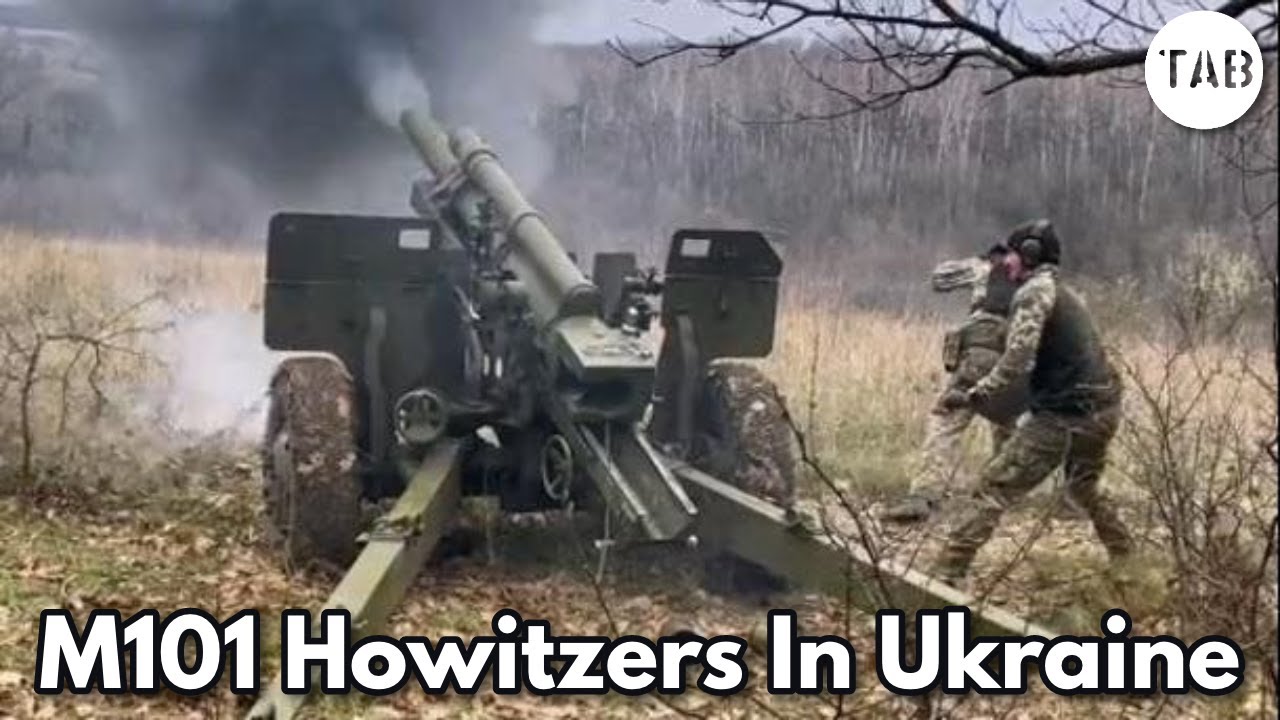
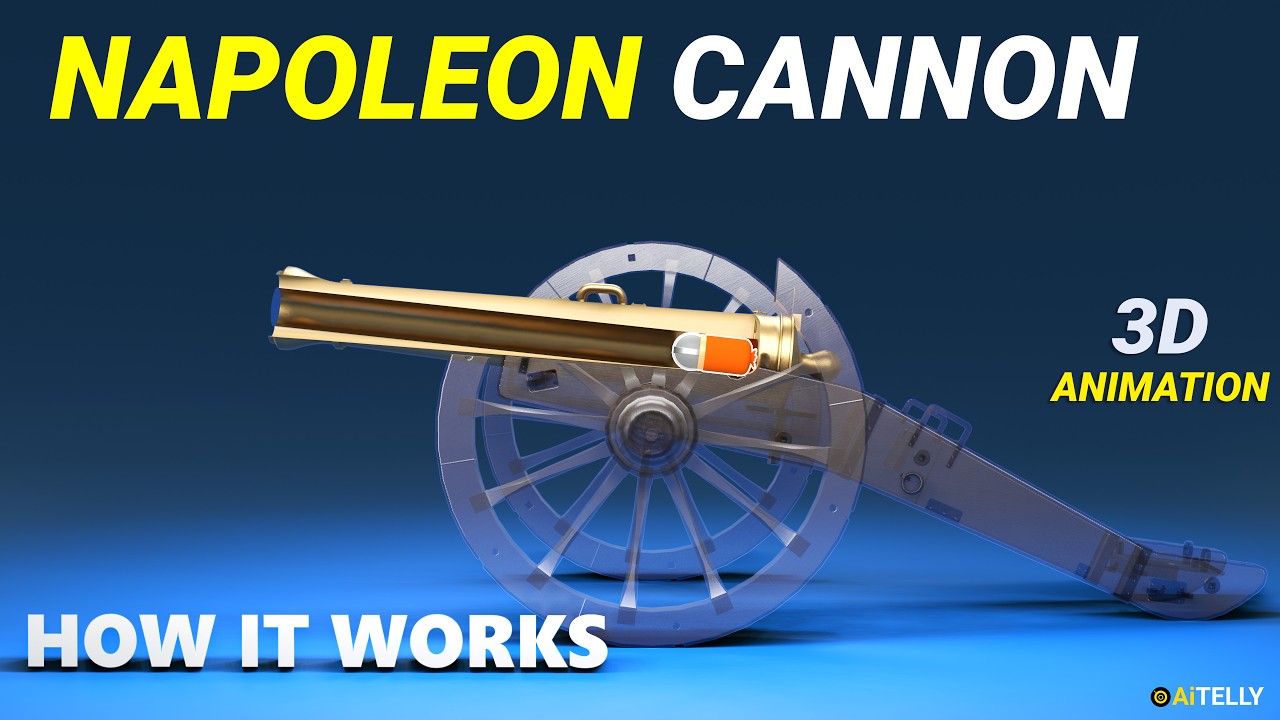
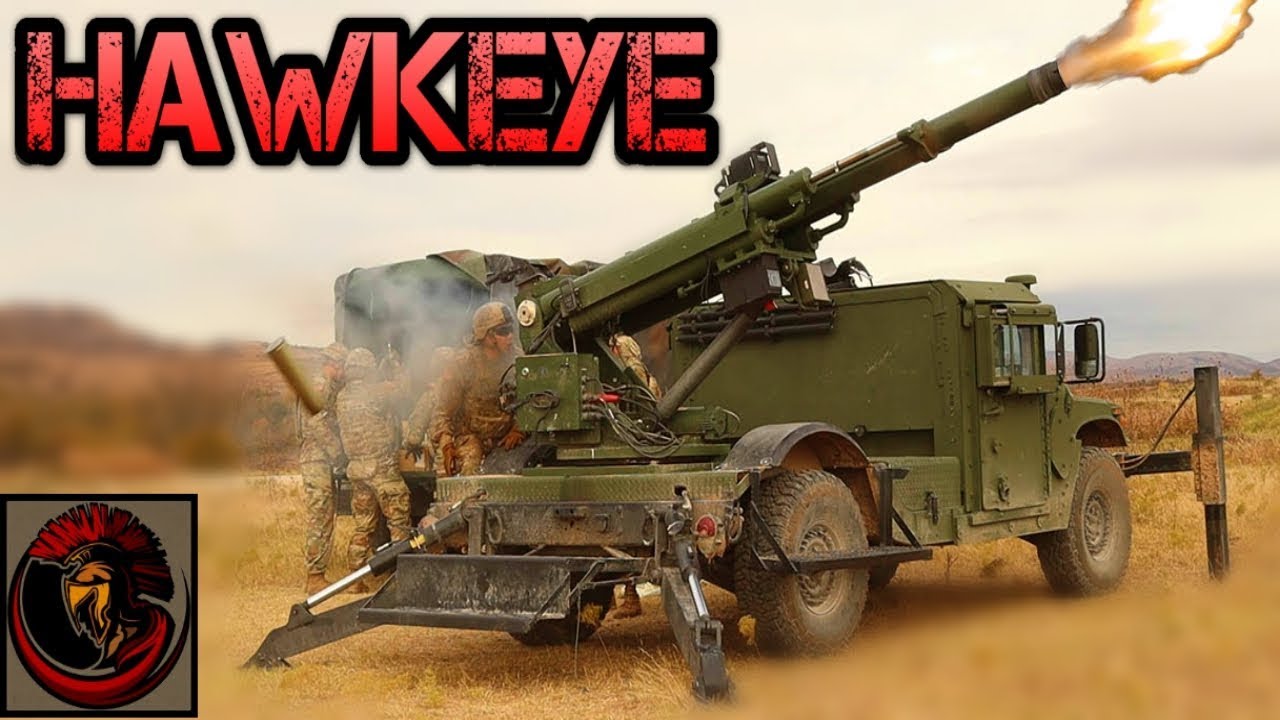
A howitzer is a type of cannon that is mobilized with the use of vehicles, for the cannon itself is immovable. Artilleries can be classified into a gun, a mortar, and a howitzer based on their firing formats. A gun is long-barrel than fires at low-angle.
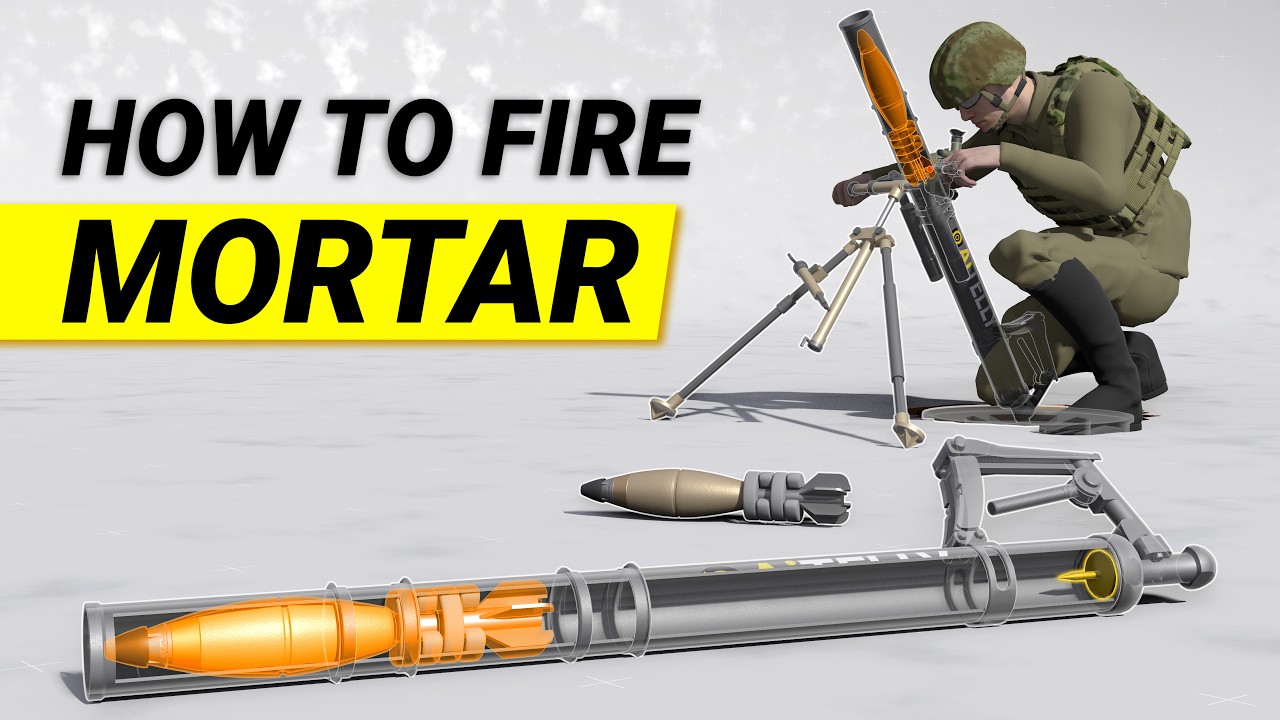
A mortar is short-barreled and fires at high-angle. A howitzer has a relatively shorter barrel than a gun, and fires at mid-angle within the angle range of a gun and a mortar. Artilleries can also be classified by their mobility: a fix cannon, a towed gun, and a self-propelled cannon.
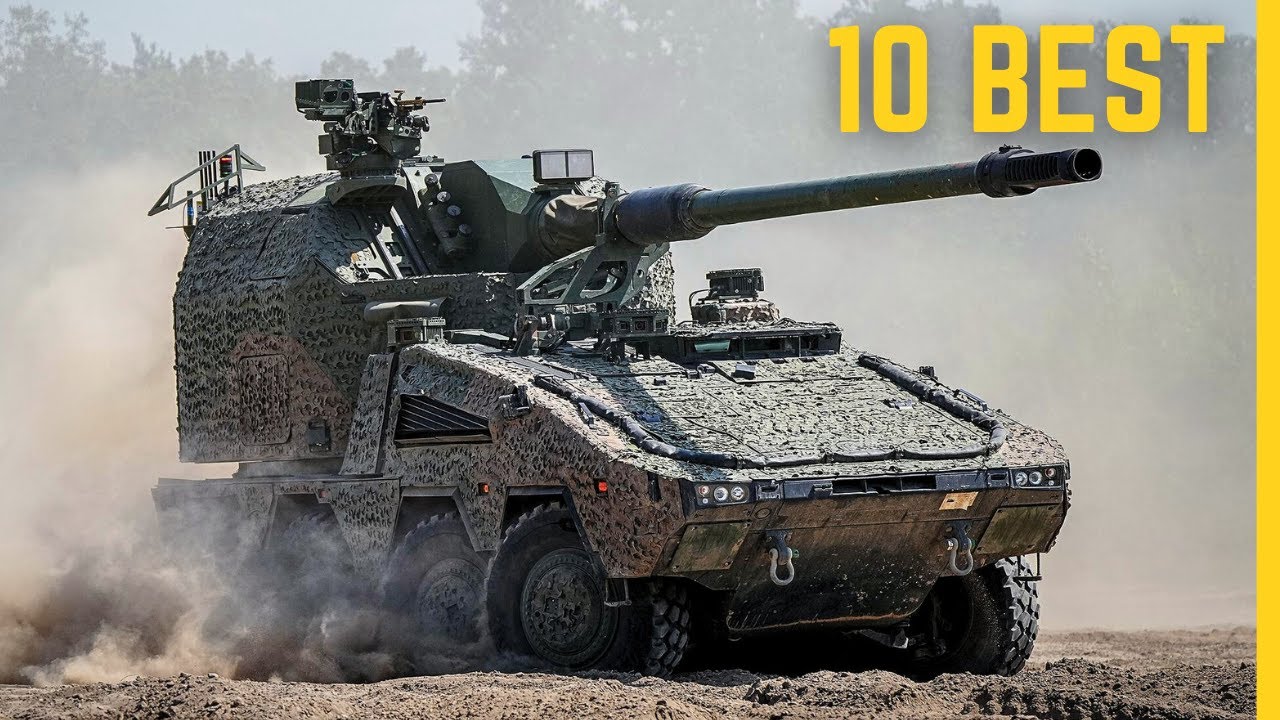
A fixed cannon is installed to protect important facilities with its unmoving weaponry. A towed gun is a type of cannon that can be dragged by vehicles. A self-propelled cannon has its own power source within the cannon itself, and can move on its own.
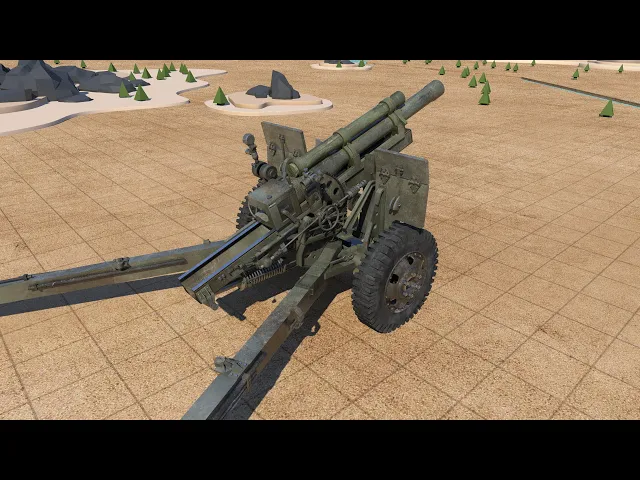
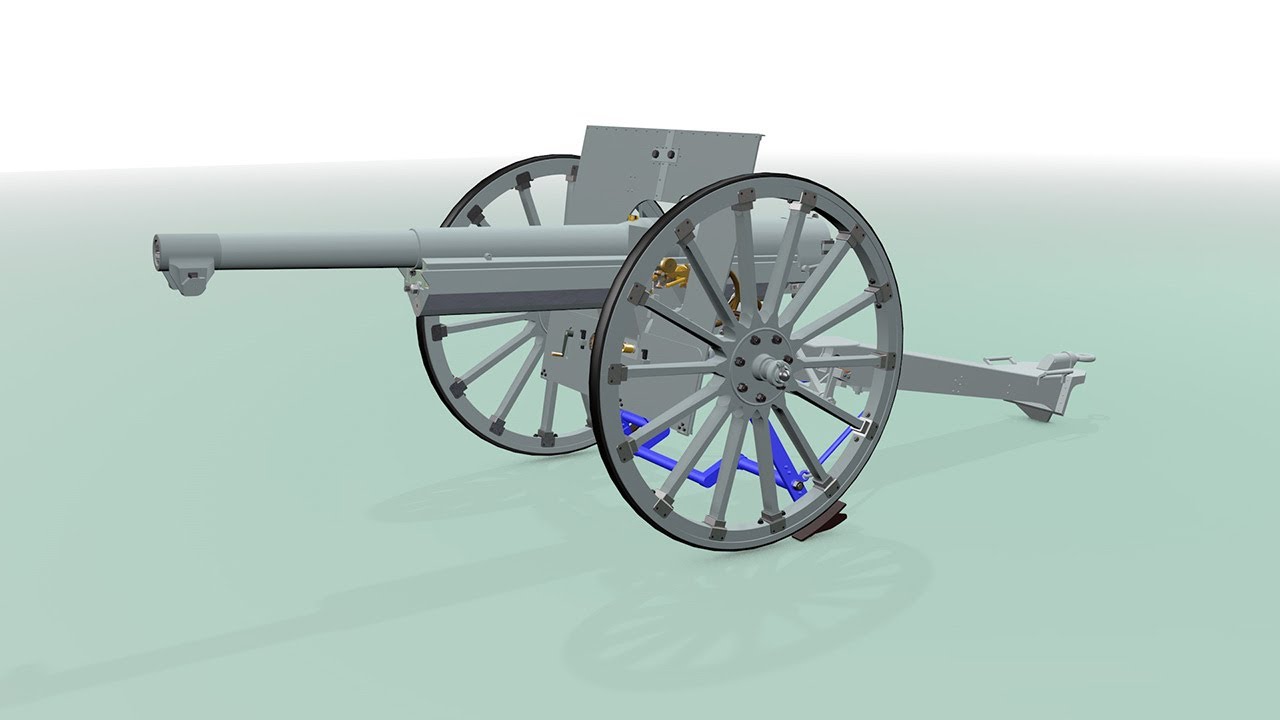
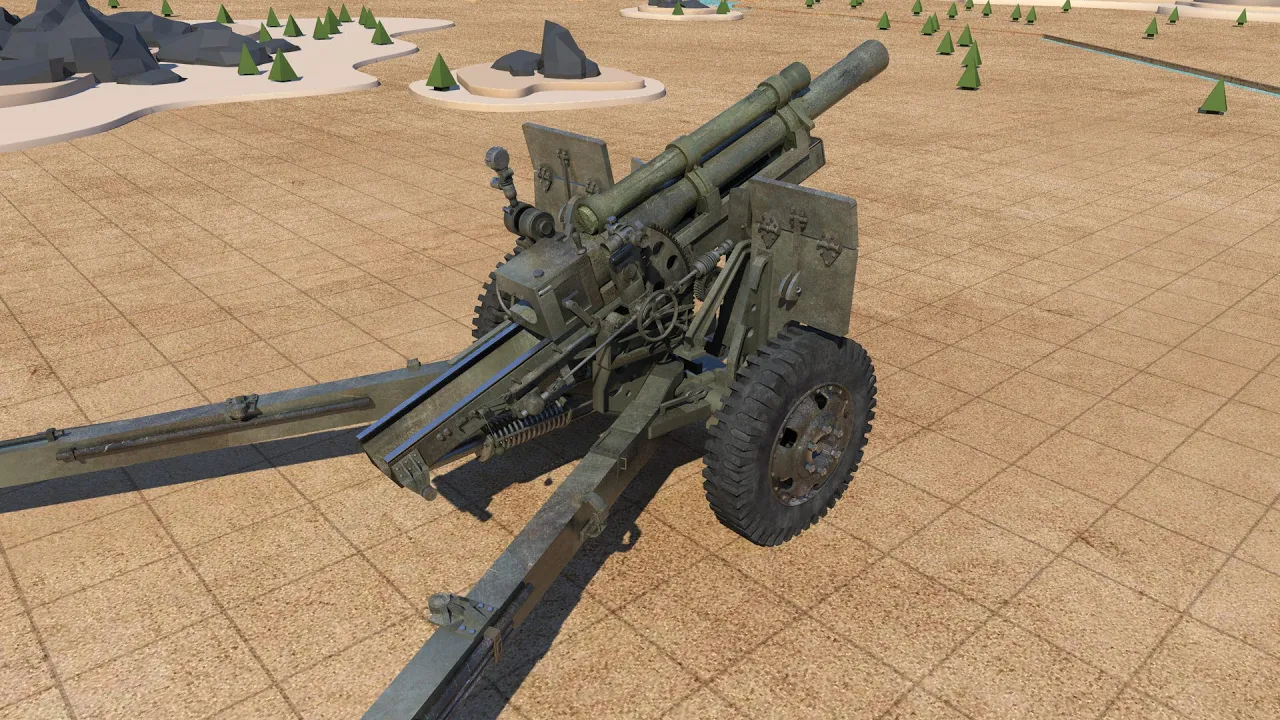
Of all howitzers, one that needs to be hauled in order to be mobilized is called a towed howitzer. In modern days, most howitzers in use are typically all towed howitzers. First, let us have a look at the structure of a 105mm howitzer.
The long cylinder-like part at the front has the cannon tube, through which cannon shells are fired. In many cases, a cannon tube consist of a barrel and a breech mechanism combined with accessories such as a muzzle brake. altogether, it is called a cannon assembly.
At the rear part of the canon tube is a square-shaped breech ring, in which an obturator and the firing mechanism lie in. A recoil mechanism and a counter recoil mechanism are attached to the cannon tube, on the top and the bottom, respectively. Situated below the recoil mechanism is the cradle which upholds the cannon tube and other parts.
A cradle also works as a rail for the cannon tube to slide on. Underneath the cradle is the top carriage, and this supports the equipment that are situated above, to firmly stay in place. Moreover, along the axis of the top carriage, the cannon can be rotated.
On the underside of the top carriage is the bottom carriage. A bottom carriage is the centerline of the cannon and upholds the weapon is a whole. The trail that is situated behind the cannon allows for steady firings, and is attached to vehicles when need to be mobilized.
Now, let us look at each equipment more in depth. The cannon tube consists of a powder chamber in which shells are loaded, and a bore which bears rifling. A rifling starts from the end of the powder chamber to the far opposite end of the barrel.
On the other side of the barrel is a breech ring. Inside the ring, there is a breech block, a horizontal sliding-wedge type, which moves horizontally. The block suppresses the shell casings inside the powder chamber from being pushed out.
In order to fire a shell, there needs to be an enormous explosion inside the powder chamber. The 105mm howitzer uses semi-fixed ammunitions which leaves shell casings behind. When a shell is fired, due to the pressure from the explosion gas, the shell casing is inflated, sealing up the powder chamber without gaps.
The casing shrinks back as the pressure drops. The breech block moves to the right when the catch in the operating handle is released and is rotated in rear direction. When the breech block opens, the shell casings are retrieved.
A new shell can now be pushed and loaded in the powder chamber, closing it off by rotating the operating handle in frontal direction. The beveled edge of the breech block will now slide the shell further inwards. After the breech block is closed, the operating handle will be locked by connecting itself to a latch in the corner of the breech ring.
The firing mechanism located within the breech block will ignite the primer of the shell. The firing mechanism uses the firing mechanism assembly. The firing mechanism assembly consists of a firing pin, a firing spring, a trigger etc.
The trigger is rotated when pulled with attached string, and this consecutively pushes out the trigger fork and the firing pin holder sleeve, applying strong pressure on the spring. The firing pin holder, which have been secured by the sea or spring, unlatches and rapidly moves out at high speed, and the firing pin Ignites the primer. The explosion gas that forms from firing a shell, holds substantial force.
This force allows for shells to fly forward, and the counteraction of the force puts pressure on the cannon in turn. If the pressure is not duly controlled, the cannon will severely be pushed backwards or bounced upwards. If so, it can be cumbersome as you need to reposition the cannon to the original position and as the cannon tube may suffer from mechanical failure due to gas pressure.
The equipment that mitigates this pressure is called recoil mechanism. When a shell is fired and the cannon assembly retreats, the oil inside the recoil cylinder absorbs the energy. As the recoil mechanism absorbes the created force, the cannon assembly slowly comes to a stop.
The cannon assembly, which has been moved backwards, has to be brought back to its original place and the part that serves this function is called counter recoil mechanism. As the cannon tube falls backwards, the oil inside the recoil mechanism runs towards the counter recoil mechanism through a connected tube. The gas inside the counter recoil cylinder becomes more and more compressed, and as the cannon tube halts recoiling, the compression rebounds the cannon tube forward.
This is the recoil mechanism and counter recoil mechanism of the 105mm howitzer. The recoil mechanism below is wrapped around the sleigh and is situated above the cradle. The recoil piston inside the recoil mechanism is pushed back when the cannon itself gets pushed back.
Since there is oil inside the cylinder, pressure is formed when piston retreats, and this allows for some absorbent of the energy from the explosion gas. As the Piston is pushed backwards, the oil runs through the tube into the recuperator. Inside the recuperator, the oil compresses the nitrogen gas, and when the recoil stops, the compressed nitrogen gas again expands.
Then the cannon comes back to its original position. The components that support the cannon are the sleigh, the top carriage, and the bottom carriage. The sleigh provides direct support to the cannon, and the recoil mechanism is included Inside.
The cradle holds up the sleigh, working as a rail for the cannon and the recoil mechanism to move around. The top carriage supports the cradle and can be rotated around a pintle. Finally, the bottom carriage bolsters the top carriage.
The cradle is U-shaped. Connected above it is the sleigh which allows the cannon tube to move around gently. Bordering the cradle is elevating mechanism that is integrated into the cradle.
The top carriage is linked on top of the equalizer and supports the cradle and other parts that are on the cradle. The equalizer is attached to the axle and works as a balancer of the cannon. Underneath it is the bottom carriage.
The bottom carriage also works as an axle, and therefore has wheels. Cannon is very hefty and extensive, and so maintaining the overall balance is important. If you pick up this long and heavy weapon vertically perpendicular to the ground, you can maintain the overall balance with little force only.
However, as the cannon tilts, more power and energy are required. That is why it is relatively easier to maintain balance with little power only at high-angle than at low-angle. Using a device called the equilibrator.
you can keep the balance of the cannon steady. The 105mm howitzer uses an equilibrator with a spring. The spring is connected to the end of the cradle, and when the cannon drops low, the spring is compressed and partly upholds the weight of the weapon.
As the cannon bounces back up, the spring expands and allows to keep the balance of the cannon with relatively little force. For howitzer's aiming precision, one can use a panoramic telescope and an elbow telescope. To change the direction of the cannon, you need to move it up-down-left-right.
The elevating mechanism allows for the up-down movement, and the traversing mechanism enables left and right movement. This is an elevating mechanism of a 105mm howitzer. By turning the handwheel, the force is delivered to the gear and turns the rack.
This rack is connected to the cradle and allows the cannon to move up and down. The traversing mechanism rotates the cannon. By turning the handwheel, the interlocking screw turns and allows the cannon to rotate left and right.
At the rear part of the howitzer, there is long device called a trail. It serves to send the shock from firing to the ground so that the cannon can remain in position stably. The spade at the tip of the trail firmly holds the weapon when firing The trail can also be used to mobilize a cannon when the end of it is connected to a vehicle for transportation.
The shields at both sides of the howitzer protect soldiers from enemy attack. The 105mm howitzer which was developed in the 1920s, has a long history ranging from World War II, the Korean War all the way to the Vietnam War. Although there have been considerable technological advancements with version that can be mounted on vehicles, the 105mm howitzer is still widely used today.