hi my name is David Keegan I'm an academic family doctor here at the University of Calgary today we're talking about how to write clinical patient notes the basics so first of all why write a note in the first place why are we writing notes when we see a patient and it's really important to think about these purposes because that's going to help us understand why we do things in the way we do when we write them down so one of the main reasons we write notes is so that we can actually document for ourselves what
we did with the patient what we discussed and so on so that later on we can go back and look at those notes and see what we did and what we heard from the patient great they're also there to help other people do the same thing one of our colleagues or another health professional or somebody else might have to be taking on the care of that patient and they need to be able to see what we did as well and there's also a documentation reason to do it for uh good medical legal quality reasons so
that we're tracking what we're doing so that if there's any questions later on then the answers are there what we actually discussed what we came up with so that there's actually like a source of Truth around these things so there's a variety of reasons and if you're a clinical learner and you probably are if you're watching this video there's another reason to do it is so that you can display that you can think about a patient in a clear way so that you can uh work with a patient talk to a patient examine the patient
and docent things in a way that shows you have a Clarity of thought and understanding about the patient and their issues so with all that said how do you actually write a patient note well there's a few things you got to do first you've got to think about is this the right patient record I'm looking at so if you've seen a John Smith are you looking at John Smith's paper chart or are you looking at John Smith's electronic chart and it's amazing that in the era of electronics how easy it is to be finding yourself
in the a different patient's clinical record and you're happily typing away an obstetrical history on a 92y old man and you just made a mistake so be careful about that and the very first thing you should do is check check to make sure you've got the right patient wow so that's going to save you a ton of time because if you ever don't if you ever do this incorrectly it's a real hassle to fix all that next if you're in a standard Clinic maybe it's St Family Medicine Clinic or gastrointestinal GI clinic and that clinic
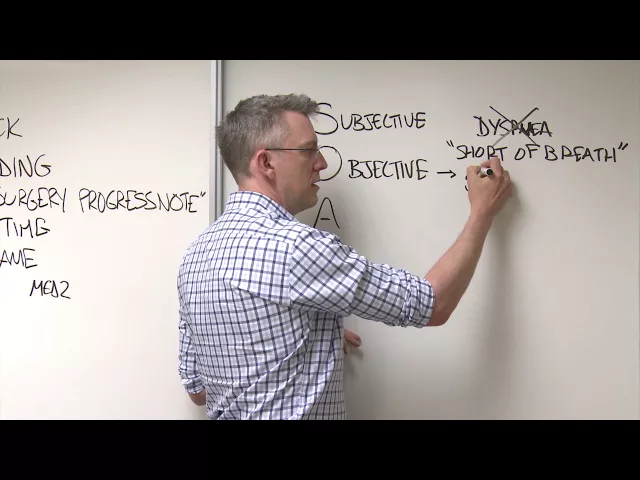
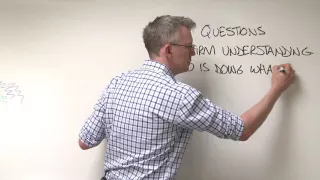
knows that they're the only things working there you might not need a title but if you're in the hospital or in a multi-disciplinary outpatient setting where you share files and so on you might actually have to put a bit of a title or heading so the heading would demonstrate or reveal who are you working with what kind of service or what kind of group are you with so it might be something like the heading might be uh surgery surgery progress notes or something like that and then that way it's really clear to everybody what your
Note is all about now some other things to help with the quality and safety aspects are making sure you've got the date and time correct so you've got the date the time may not be necessary but it often is particularly an impatient or particularly an emergency or ICU settings the time is also going to be very important and you want to make sure as well that your name name who you are is clearly identified so your name is going to have to be there at the bottom uh typically where you're going to sign and print
your name and put your pager if you have one and your designation so if you're a seconde medical student find out what your designation at your local school might be but it could be something like you know Med two or something like that so that everybody knows what this note is about when it was written and conducted and then who wrote it was it a medical student was it a staff surgeon or somebody in between so if you have all these things down this is going to help with the the safety of the note itself
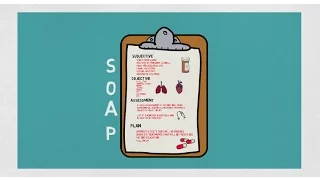
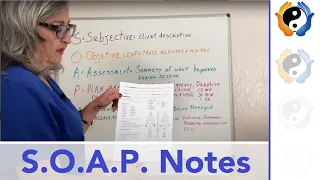
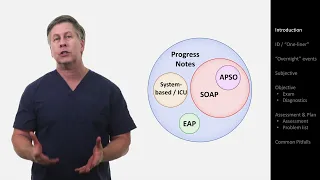
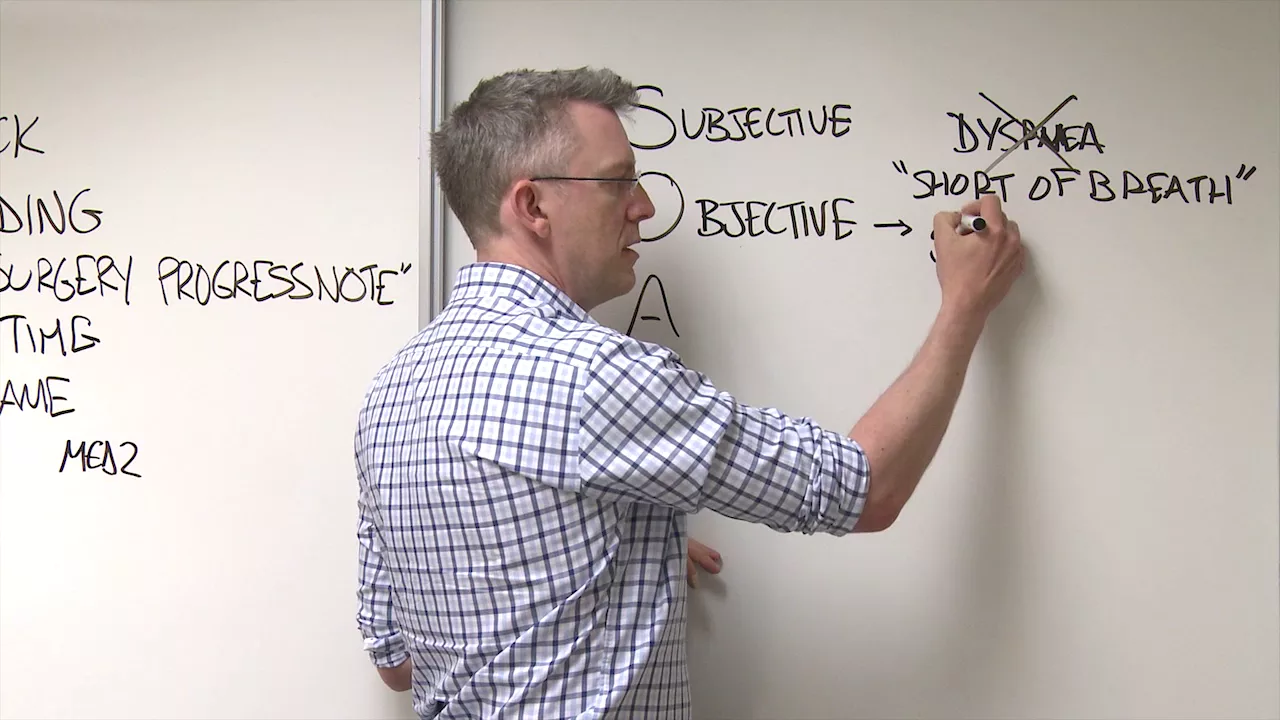
to make sure that's a strong clear note now then the content of the note is something different what goes on the insides are there's four key categories for any note and you'll you'll see them come up over and over again and they fall along a pneumonic called soap s o a m p and S is for subjective so in all notes you're going to be describing to some degree the story as you understand it often it's told by the patient or the patient's family themselves and where possible use their words so if somebody says I'm
short of breath don't say don't write down patient had dmia for 4 days no you don't say dmia you actually say patient describes being short of breath times 5 Days by using the patient's words it helps capture things better with in a more nuanced way and sometimes we might interpret a patient's words to mean a fancy medical word but maybe we've got that wrong so you almost never go wrong by quoting the patient's direct words so in the subjective you're going to be finding out from the patient and documenting from the patient stuff that relates
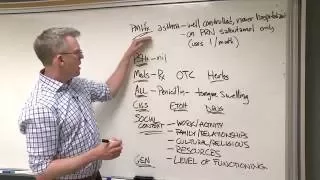
to the story why they're here today or what's the issue now that you're picking up from next is your objective suff and objective is what's objective what you are seeing or finding out through objective means so it's a combination of usually your the glance so you might glance at a patient and see how they're doing so if it's somebody in an emergency room who's here with asthma you might have glanced at them across the quter and if they're sitting up playing uh their mobile device then you might write you know uh five you know 5-year-old
child sitting up playing a mobile device or maybe they're reading a book or whatever or maybe they're quite ill and they're gasping for breath and leaning forward and you know and looking quite scared then you might say distressed looking child leaning forward struggling to breathe so those two descript or glance sentences are very different you'll also put an objective things that you find your this is where your examination will go and so the things that you find when you assess the patient or you're looking at the bedside you're looking at their uh their heart rate
or you're checking their heart rate you're listening to their lungs all those sorts of things go under here they're objective things that you are finding out you're not relying upon somebody's story no stuff you're finding out and then there's other objective things that will typically flow here as well Labs or reports or whatever you might have some other objective findings from tests will'll go here as well the a stands for assessment assessment is what you think is going on which is typically a diagnosis but sometimes it's a differential diagnosis and sometimes it might be a
an assessment of somebody's stability like if they're a longterm chronic type 2 diabetic your assessment might be stable diabetes control or unstable diabetes control needs more uh tighter control you know because everyone knows this patient's diabetic there's no surprise about that but the assessment today is their level of stability so assessment can be a diagnosis or a differential diagnosis if you have no understanding and you can't figure out what it might be it could be like uh like hypotension ND you don't know why yet and that's okay not nyd stands for not yet diagnosed and
if you think of a certain diagnosis like let's say you think it's hepatitis you put down query hepatitis because you're not sure yet you think it might be and so there's different ways to make your assessment that uh that that it sort of varies by the patient but it's basically your judgment of what's going on and finally P stands for plan so this is what's happening now as a result of you seeing the patient or you being involved in the patient's care so it could be things like uh things that the patient's going to do
uh so the patient might you know you might have been talking to the patient and they're going to be uh increasing their high-intensity interval training as part of their exercise and going from you know two days a week to 5 days a week you might have something like that uh there might be some investigations you're going to do and so the investigations might particularly help out with some areas of confusion that we already talked about under assessment if you are going to give any therapies they would go here and therapies could be uh medicines or
otherwise you know maybe you're giving them oxygen maybe you're going to be given a medication and then if you're doing any consultations so if you're going to be getting the patient engaged with anybody else uh so like a dietitian a surgeon or whoever so the content of the note is subjective objective assessment and plan and these are the these are the main features of every single clinical note you're ever going to write and retrace in order to make sure it's a good note that it's actually worthwhile that hits all the issues of safety and quality
and so on check to make sure it's the correct patient that you're writing a note on make sure you've got some sort of heading if you're in a multidisiplinary or hospital- based environment so that people know who is writing this note and what it's for make sure you have the date and time entered if it's electronic that will probably come up automatically but if you're on a paper record make sure you record that and finally make sure it's very clear who you you are so you print your name you sign your name and then you
have some sort of designation so people know who you are whether it's a pgy3 a med student or whomever so that's how to write patient notes the basics thanks very much