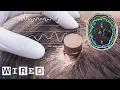
neuralink elon musk's brain chip company recently pushed back on claims that it violated animal welfare laws a few years ago while testing on monkeys this year the company plans to test on human subjects but when it does what would this major step mean for brain implant science academics like me have conducted clinical trials in people with brain implants dr paul niujukian is a professor of bioengineering and neurosurgery he directs the brain interfacing laboratory at stanford for about 20 years now academic research brain implants up until this point more or less have almost exclusively been with
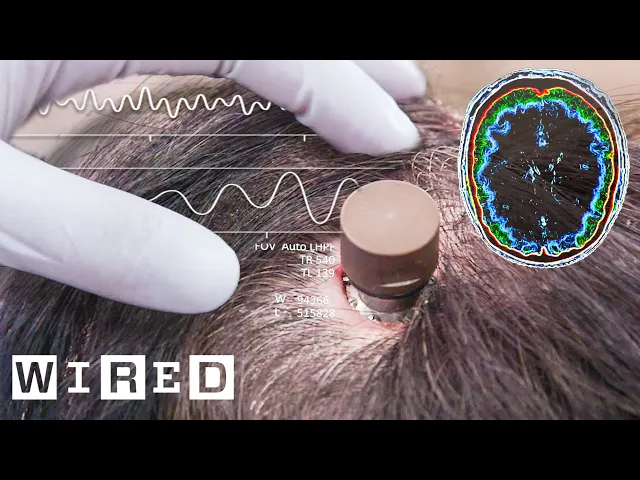
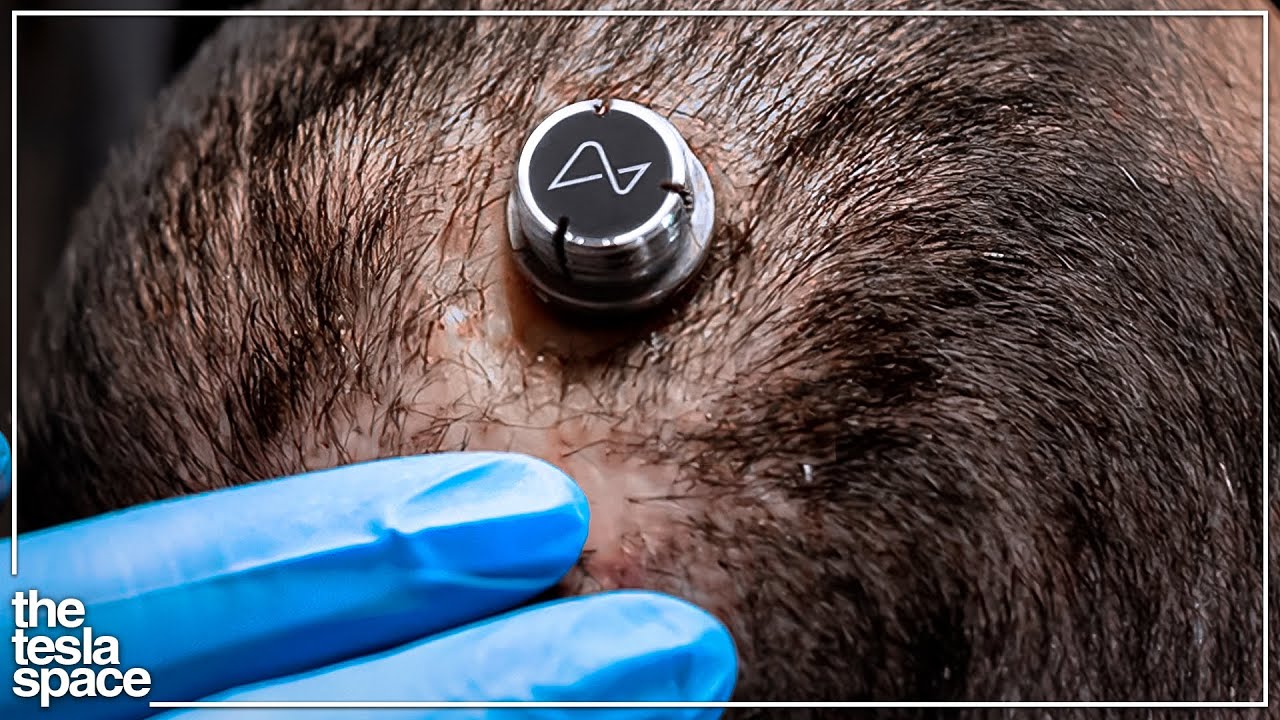
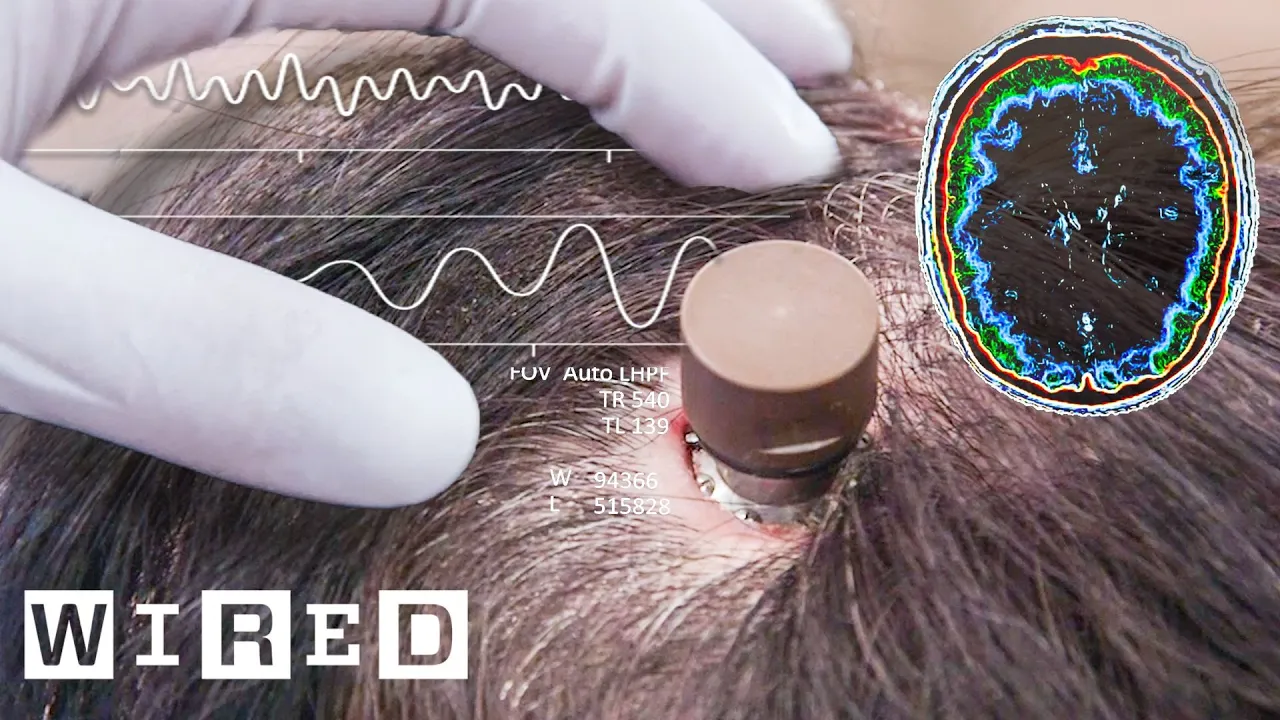
wires the difference that the n1 has the neural it's fully implantable it is battery powered it is wireless all of this is being done over bluetooth protocol let's dive into the science behind knurling to understand how exactly human brain chips work [Music] the science behind how these implants work is not that different from how you would go about trying to measure the energy from a double a battery it's the same principle that we're doing with these brain implants this is called neuroelectrophysiological recording when you move your arm to the right certain sets of neurons are
activated in a certain pattern listening in to that activity and that pattern you can predict very quickly which direction the arm is going to move these are the neurons that are directly wired to your muscle unless that pathway from the brain to the spinal cord to the muscle is damaged the way it is in patients with paralysis that pathway is damaged then the neural signals those signals from the brain aren't going to get down to move the muscles but in many cases the signals are still present in the brain they're just not getting out so
if you reach in and put something that listens in to those neurons and you know what's happening to the muscle and that's the goal of a brain implant now let's look at a timeline of brain interface breakthroughs over the years scholars have long been interested in how the brain works so it's important to view these new developments at neuralink as a culmination of breakthroughs by brain machine interface researchers especially in the last few decades for example in 2002 the first demonstration of real-time cursor control in monkeys took place 2008 a monkey controlling a robotic arm
in three dimensions fed itself 2012 the first brain-controlled robotic arm by a human 2017 a human controlled a cursor mentally to type out words and sentences dr niyozukian was part of the study as well as the one in 2018 where a human subject mentally controlled a tablet to do things like browse the web send emails and play games or music all that's been done with a couple hundred electrodes but in 2019 neuralink a private company changed the game when it unveiled a pig named gertrude with a wireless implant that monitored about a thousand neurons [Music]
the neurons are like wiring and you kind of need an electronic thing to solve an electronic problem that was a very interesting moment because it signaled to the community that they're serious they're investing they're building hardware from scratch and they're putting it in large animals for the pig the electrodes were implanted in somatosensory cortex allowing them to measure sensory activity like that of taking a step every time that that particular neuron they were listening to fired you would hear this little pop or click from the audio channel and so the moment i heard it right
it's like oh yeah hold they got neurons you just recognize it instantly you know what neurons sound like if you've been listening to them for decades and that's what they were communicating right they were they were telling the field we've got neurons pay attention and overnight it seemed the industry took notice then in april of 2021 neurolink released the so-called mind pong video pager was the name it's a rhesus macaque which is you know the type of monkey that is very commonly used in this field implanted with two of the n1 devices the neural link
devices performing brain control of cursor onscreen that's extremely significant because here neurolink is showing their new hardware their new device in their hands works in a monkey that's the level that's necessary to convince the scientific community to convince the fda that you're ready to go into human clinical trials that's the evidence the fda is looking for the recording power of the n1 device in pager was eye opening because of the sheer number of individual electrodes that had been implanted there was definitely a lot of clever engineering that went in to that to build a device
that can transmit 2048 electrodes worth of spiking information right of digital ones and zeros of spikes over a radio wirelessly and when you have that many channels the performance that you should be able to get should eclipse what we've been able to do in the academic field you know the maximum number of electrodes i've ever recorded from is two to three hundred so with all those electrodes how does a device like the n1 get implanted in a subject's brain make no mistake this is neurosurgery it is not a joke this requires cutting the skin getting
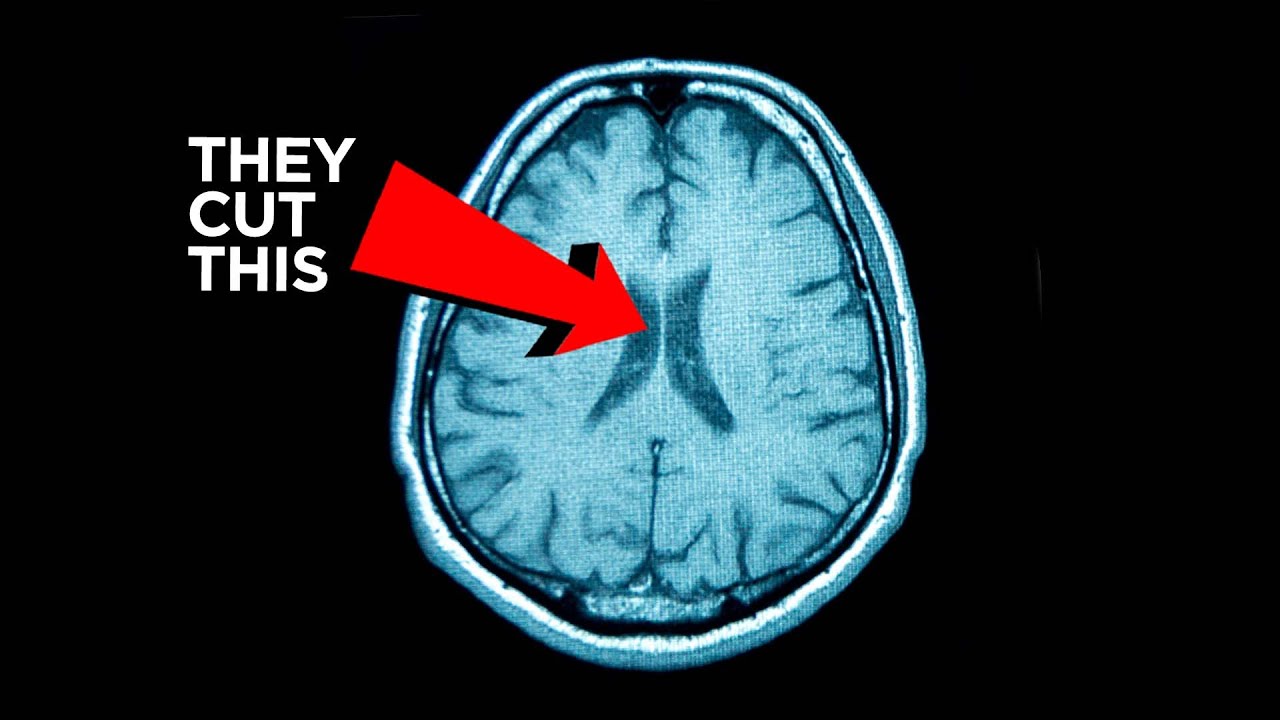
down to skull drilling a hole in the skull exposing what's called the dura which is this protective layer of tissue that surrounds the brain cutting the dura folding it back to expose the brain and then you get to the surface of the brain where you can implant the electrodes the biggest risks with these types of techniques are infection bleeding and tissue damage so what would it take for the fda to approve clinical trials in humans the neurolink device are called class 3 medical devices they are implantable and they're going into very sensitive body cavities that
is the highest level of scrutiny that the fda assigns to medical devices they don't have a predecessor there's no previous example that's approved and so very appropriately they got a high bar they have to cross in order to get it approved so what neurolink has to do next is prepare a very long and technical document with all the evidence from animal studies that their device is safe and effective this document is submitted to the fda who has 90 days to review and give them an answer if the fda says yes then their clinical trial is
approved and neurolink can enroll and recruit human participants we're on the cusp of a complete paradigm shift this type of technology has the potential to transform our treatments not just for stroke and paralysis and degenerative disease motor degenerative diseases but also for pretty much every other type of brain disease from parkinson's to epilepsy to dementias alzheimer's and even psychiatric disease seeing neuralink and the other companies in this space start an industry around neuroengineering brain machine interfaces neuroprosthetics has been a tremendous amount of validation for neuroscientists and engineers who have been working in this space for
decades how much happier could the scientific community be than to give birth to an industry so will this industry someday lead to the creation of cyborg humans with superhuman intelligence there's all sorts of wild speculation in our field i think science fiction is wonderful at telling very creative and captivating stories about all sorts of things including including brain machine interfaces the reality is we are in such early stages of this space right where we are just barely able to record from neurons that control muscles and try to interpret something meaningful information out of that we're
going to be in that space for decades uh that's where i will focus much of my career is understanding what's going on with these neurons and the circuits that they are working on that's where the last 15 years of my work has been and the coming several decades of my work will focus in on this space because that's going to be the forefront of neuroscience the rest i think is fun to think about but i don't see how that's going to be in the foreseeable future [Music]