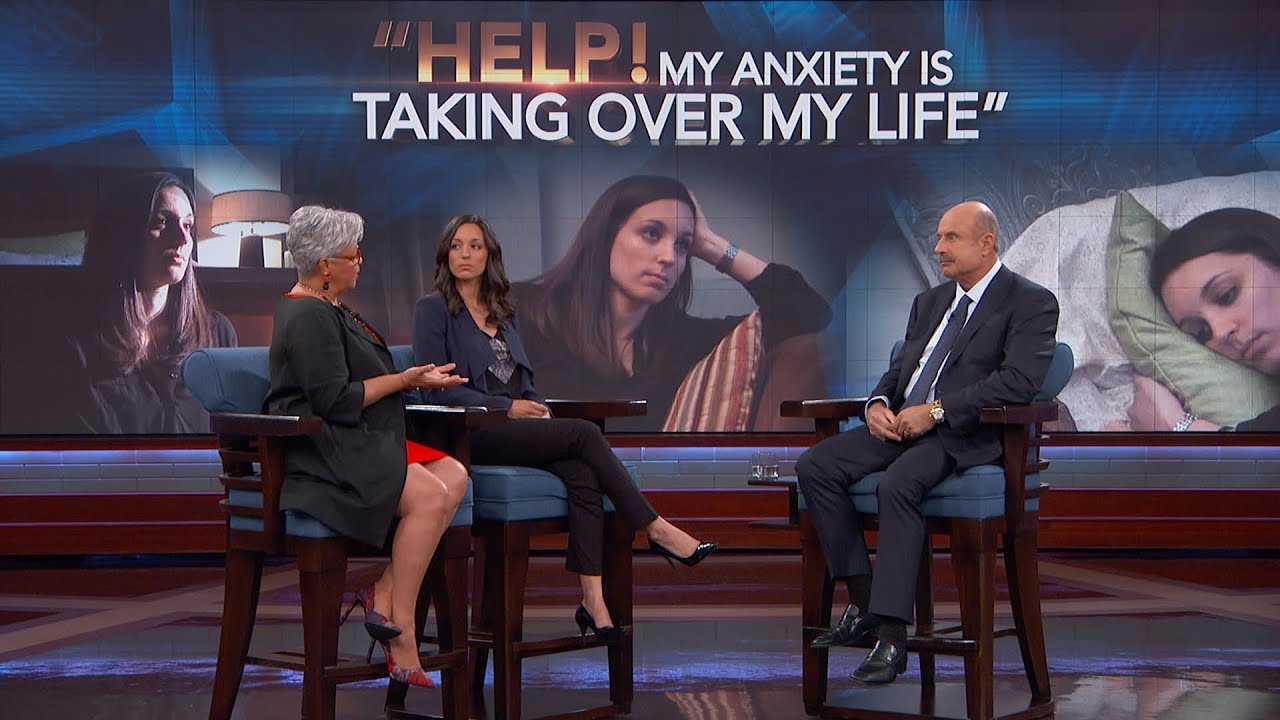
- Imagine you're in the seventh grade and life is good until you start getting nasty texts and Instagram posts from people you thought were your friends. Well that's what happened to my next guest, 16 year old Caitlyn. She says this went on for two years as she suffered in silence.
Here's Caitlyn's story. - When I was little, I could make friends easily, but things change once you get into junior high. The people who I thought were my friends really turned out not to be.
The bullying started in the classrooms, in the hallways. They wouldn't invite me to hang out anymore. - I had no idea what was going on inside that phone of hers.
- My so called friends took it to a completely different level. It started with text messages. They said that I was an ugly bitch and to kill yourself.
And you start thinking maybe they are right. Maybe this is my fault. - I wanna know why you didn't tell me what all was going all.
- It's just a hard thing to talk about, you know. - It's really hard to know that it was that bad and I didn't know about it. Oh, and I get so angry.
But do you feel like you've grown through it? - Absolutely. - I hate that Caitlyn went through what she did, but she wouldn't be where she's at today if she hadn't experienced that horribleness.
- Getting through cyber bullying was the hardest thing I've ever had to go through. - Well Caitlyn and her mother April are joining me along with my dear friend Dr Freda Lewis-Hall from Pfizer. Thank you guys all for being here.
(applauding) So Caitlyn, how bad did this get for you? - Well Dr Phil, it was pretty terrible. I ended up with anxiety, depression, I had panic attacks all the time.
- April, could you tell that something was wrong? - I could tell something was going on just because of some small different behavioral changes. I didn't realize how bad it was, though.
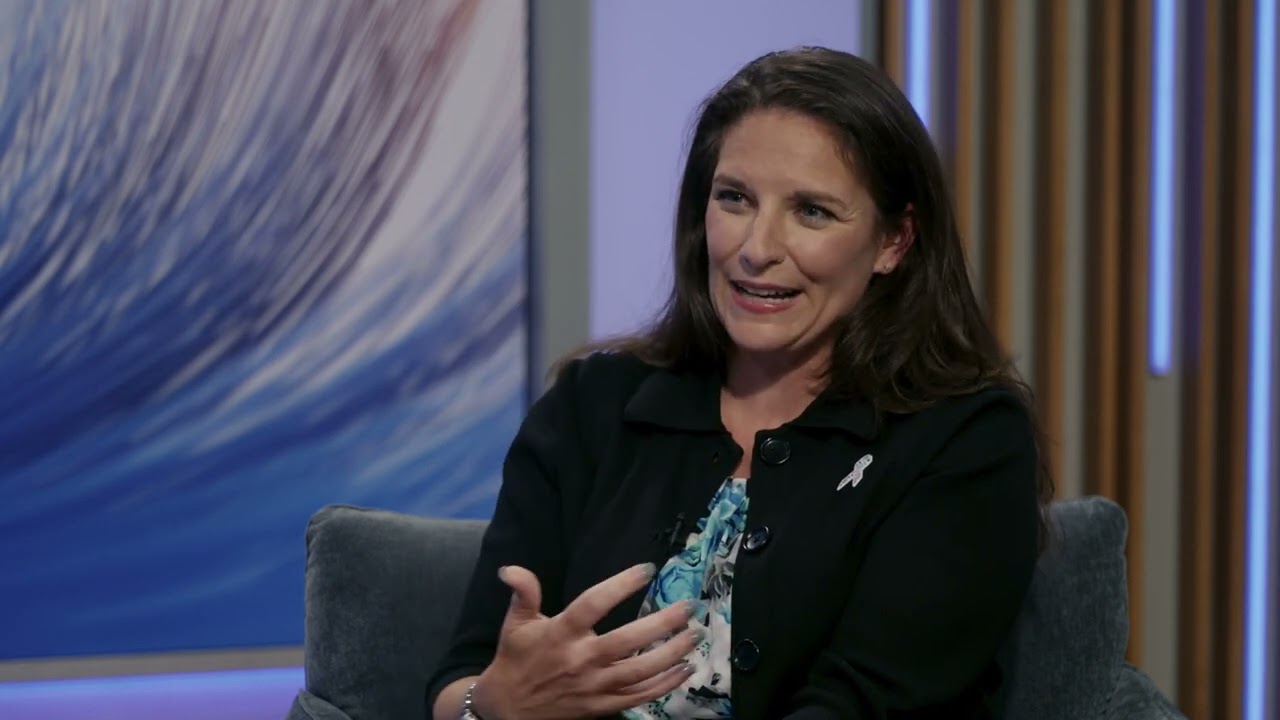
- I'm so passionate about the dangers of cyber bullying that I've ever been asked to testify before Congress calling for a federal crackdown on cyber bullying and dedicating money when they did a reauthorization of the Elementary and Secondary Education Act. And today, the expansion of the internet has taken things to a whole new and potentially dangerous level, has it not Dr Freda? - It absolutely has and there are a couple of really key differences between bullying and cyber bullying.
First of all, face to face bullying often happened at school, in the school yard and during the day time. Cyber bullying can happen at any time and in any place. This leaves the victim of that bullying feeling like there may not be an escape.
The second things is cyber bullying can be anonymous. You may not know who's messaging you or texting you or posting these things. You literally may not know who you're being bullied by.
- How common is teen cyber bullying now? - Well a 2017 study by the US Centers for Disease Control and Prevention, the CDC showed that about one in seven high school students were electronically bullied in the 12 months prior to the survey. - That's unbelievable.
What are the effects that the research is showing? - Some of the negative effects include things like trouble concentrating, academic struggles, even avoiding or quitting school or other activities. Bullying also puts you at risk for an increase in anxiety, depression, sleep disturbances, substance use, and even suicidal thoughts.
And Caitlyn told us, you know, teens, people who are being bullied may not wanna talk about this to their parents or teachers. In some cases, they're ashamed. In other cases, they may be concerned that their internet or device privileges might be reduced or it may could be taken away completely.
- Yeah, so Caitlyn, once you told your parents what was happening, they got you into therapy. Did it help? - As soon as I told someone what was actually going on, everything changed and now I'm able to help other people going through cyber bullying as well.
- You've compiled a list of what parents should look for to spot that this is going on with their children. - April mentioned some of them, but some of the signs include being disturbed, distressed, upset during or after using the internet. Another sign is avoiding.
Avoiding school, avoiding other social activities and especially secretive digital life is a potential indication and then in the moment, being nervous, upset, or jumpy when receiving a text or a message. Then also if you think you're seeing signs of it, be proactive. Talk to your teen or your child, ask them questions about their digital world and you may wanna consider setting parameters about when and where they're able to use some of the devices.
And if you suspect that they're being bullied, you might want to seek the advice of a health care professional, a school counselor. Also I think it's important if you think your child is witnessing or knows someone who is being bullied, ask them to speak up, maybe show you some examples of the bullying that's going on and last but not least, if you think that your child or suspect that your child is actually cyber bullying someone, take action right away. Parents, you are role models for your children.
Please make sure that you are demonstrating positive interactions online. - Now to learn more about cyber bullying and what to do if your child or loved one is experiencing it, make sure to check out gethealthystayhealthy. com, which is a great resource for families.
- And of course while you're there, you can sign up for our monthly newsletter. - I wanna thank all of my guests today, especially our friend Dr Freda Lewis-Hall.