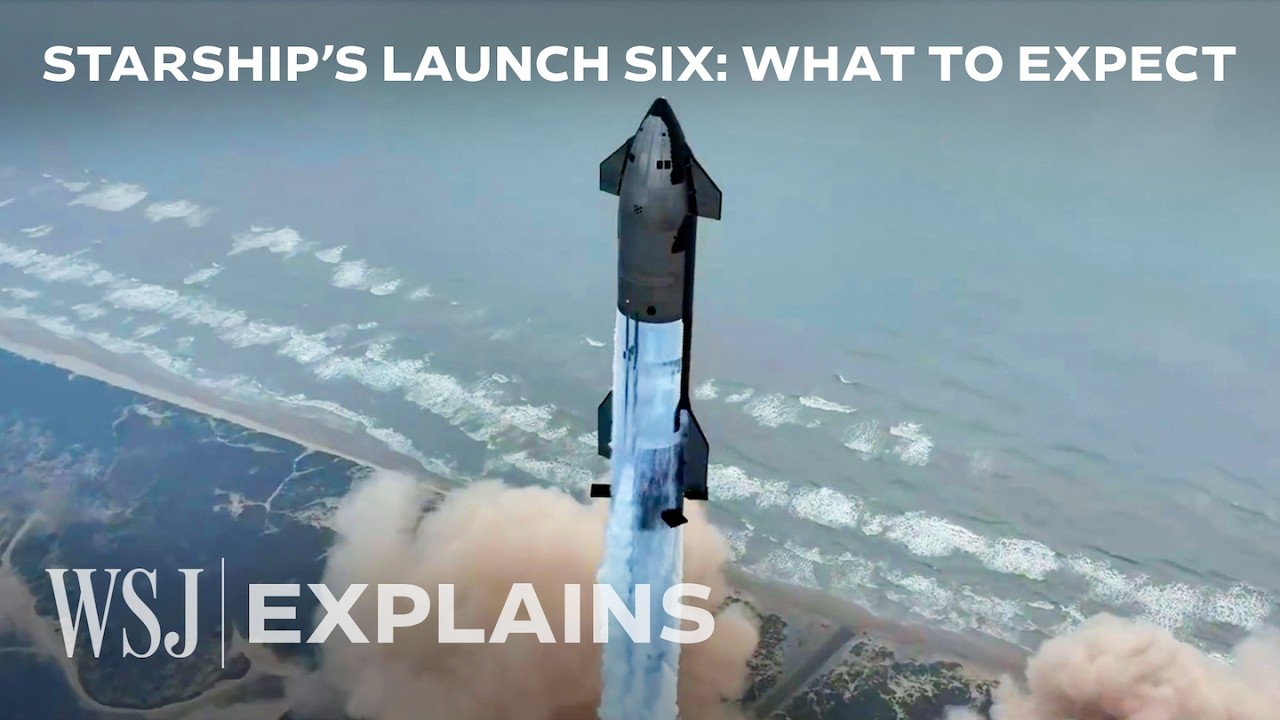
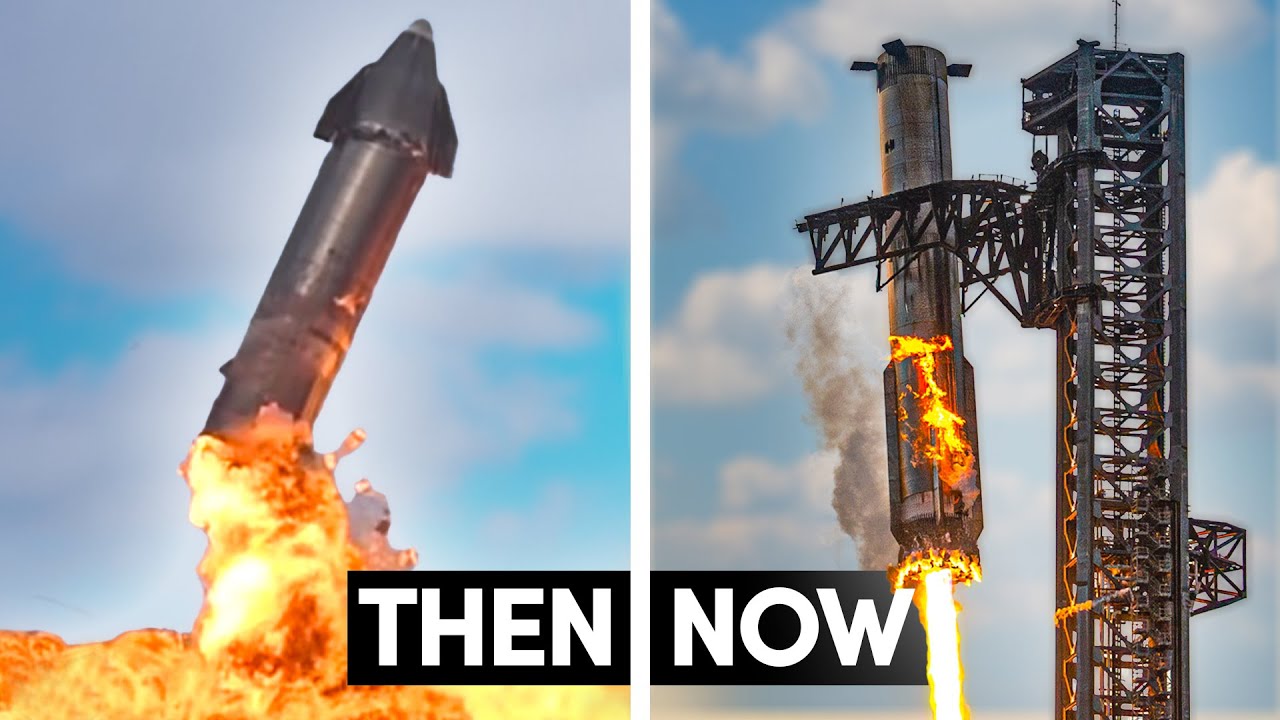
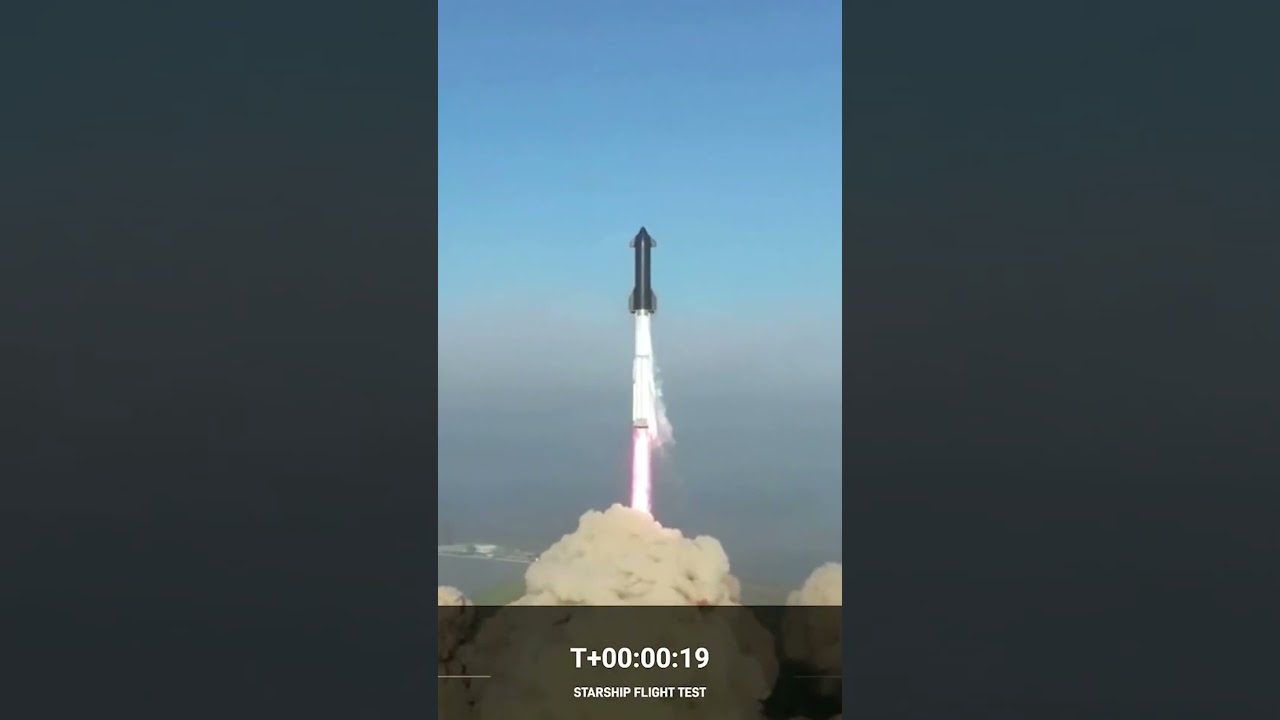
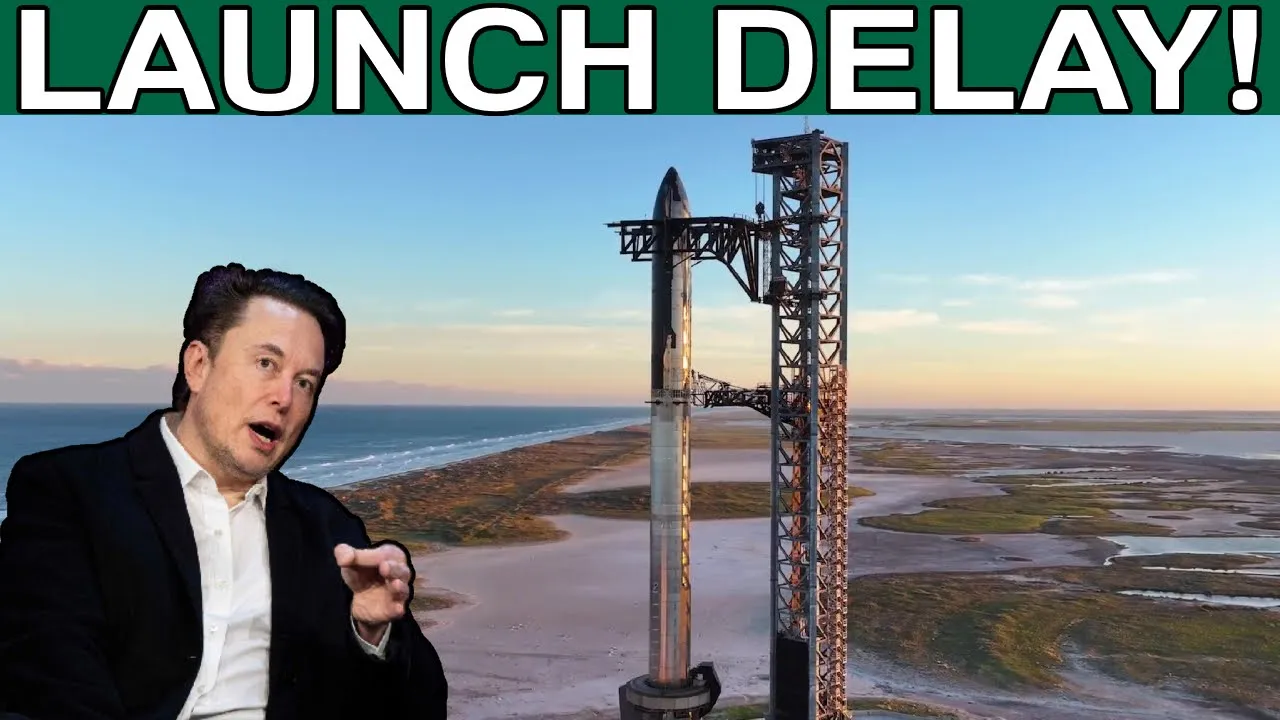
in rocket launches many things are involved there are tens of tests that need to be conducted countless systems that must work perfectly and numerous variables that have to align if even a single test result doesn't go according to plan the launch has to be delayed the problem must be fixed and everything rechecked before moving forward that's exactly what just happened with Starship while we were all excited to see this incredible rocket lift off for its sixth flight the launch has been delayed in this video we'll dive into why the delay happened and what it means
for the mission before we delve any deeper make sure to subscribe to our channel for future updates about Starship and spacex's other groundbreaking achievements in the Aerospace industry launch delays are a regular occurrence often taking months as companies resolve technical issues regulatory requirements or scheduling conflicts however SpaceX operates differently consistently achieving faster turn around times for their launches instead of months their delays typically last only a few days for example the first Starship test flight was initially scheduled for April 17th 2023 but was delayed by one day due to a pressurization issue it successfully launched
on April 18th 2023 similarly the second Starship test flight planned for November 17th 2023 experienced a 1-day delay to November 18th 2023 to allow additional pre-launch checks the third Starship flight initially set for March 15 2024 was rescheduled for March 17th 2024 due to minor technical adjustments these short delays are in stark contrast to the month-long postponements often seen in the space industry it is important to note that many of spacex's previous Starship delays were caused by the time it took to obtain regulatory approvals from the Federal Aviation Administration for instance the fourth Starship test
flight faced a 2-month delay in 20124 because SpaceX had to wait for the FAA to complete its licensing process similarly the fifth Starship flight was postponed for 3 months for the same reason in the case of Starship flight 6 initially scheduled for November 18th 2024 the delay is much shorter only one day rescheduling the launch to November 19th 2024 with a 30-minute window opening at 400 p.m. central Time SpaceX president Gwyn Shotwell confirmed this change unlike previous delays caused by FAA licensing this postponement is due to Spa C's internal decision to conduct a wet dress
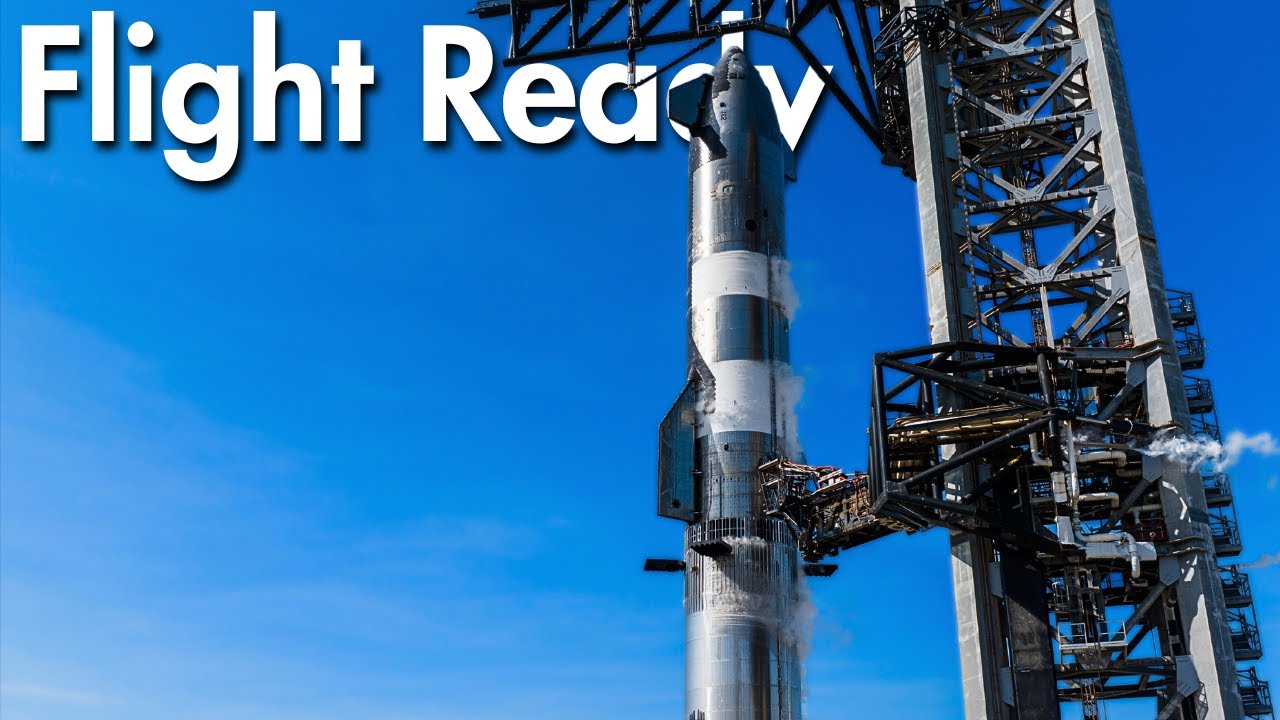
rehearsal on November 177 2024 a wet dress rehearsal is a key pre-launch test where the rocket is fully fueled and the countdown process is run without igniting the engines this test is crucial for identifying any issues with the rocket or ground systems and ensuring everything is functioning as expected by adding this step SpaceX is prioritizing Mission success and safety this thorough preparation allows the team to address any potential issues before the actual launch minimizing risks flight 6 represents a pivotal milestone in spacex's Starship program the mission plans to land the super heavy booster on the
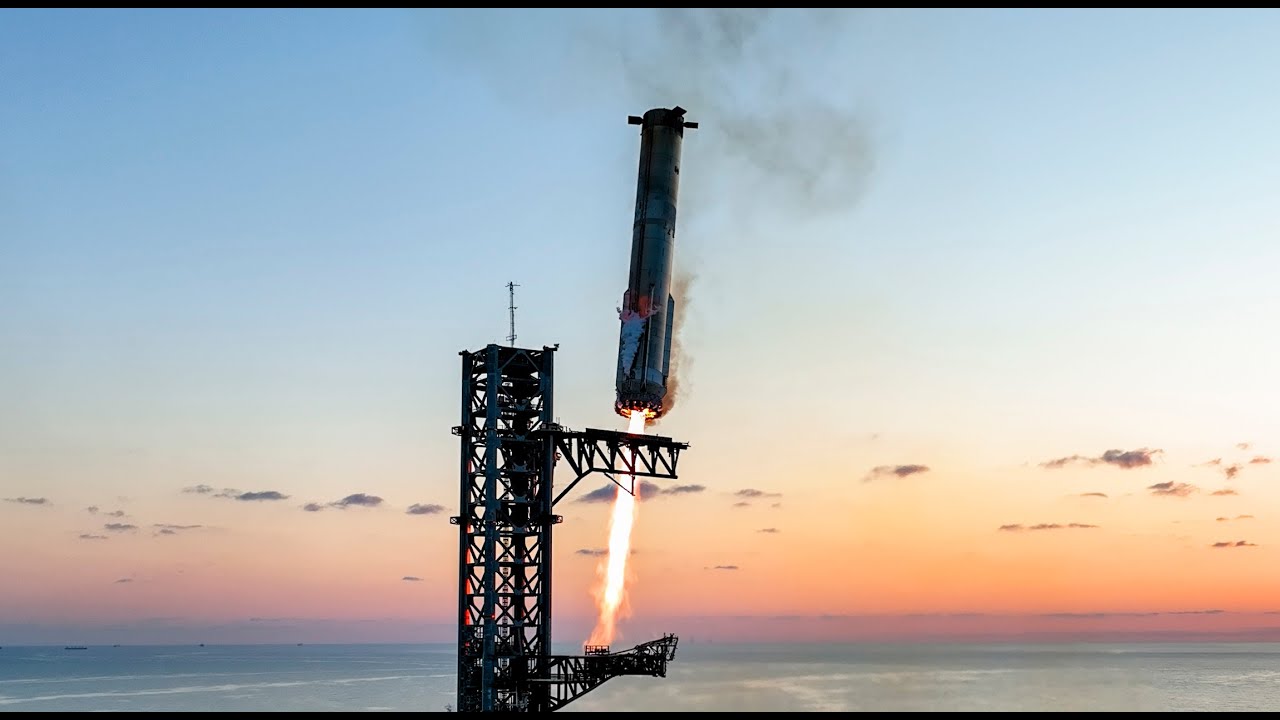
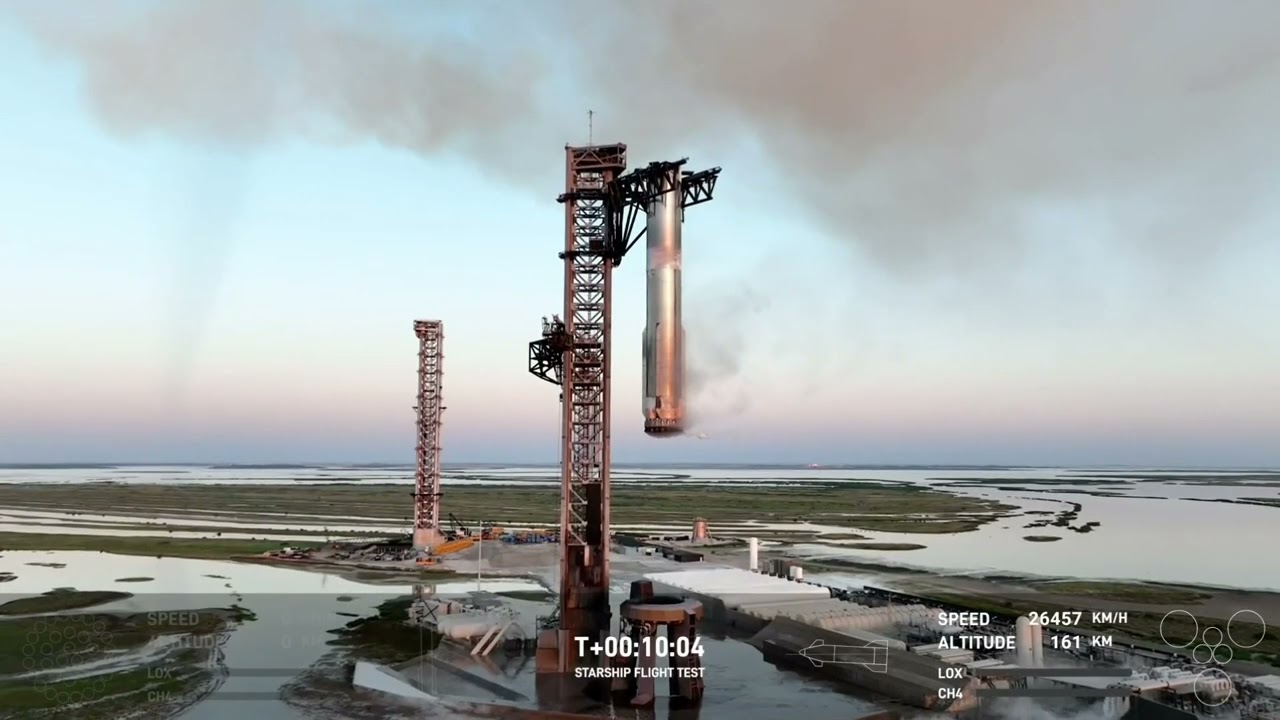
mechazilla launch and catch tower for the second time Additionally the Starship vehicle is expected to perform a controlled vertical Landing advancing spacex's goal of developing a fully reusable spacecraft another key objective is relighting the starship's engine in space and enduring re-entry conditions testing the vehicle's heat shield including areas with intentional gaps to assess thermal protection performance in preparation for flight 6 space XX has conducted several tests on November 15th 2024 a grid fin test was completed with booster 13 to assess the aerodynamic control surfaces used during descent igniter tests were performed on both booster 13
and ship 31 to ensure reliable engine ignition sequences tests of the detonation suppression system were conducted to mitigate risks associated with unplanned detonations during fueling and launch operations these tests underscore spacex's commitment to safety and Mission success addressing potential issues before the actual flight while SpaceX continues to make history with groundbreaking Technologies like the Starship program it seems China is closely watching and mimicking their Innovations recently China unveiled a new rocket concept strikingly similar to spacex's Starship sparking discussions and raising eyebrows in the Aerospace Community the design showcased at the Zai air show in Guangdong
Province which opened on November 12th features key elements that bear a strong resemblance to spacex's reusable rocket technology the New Concept for the oft revised Long March 9 heavy lift rocket includes a reusable first stage equipped with grid fins and a mechanism for controlled re-entry and landing in an animated video displayed at the air show the Rocket's first stage performs a re-entry burn followed by a landing burn it targets an offshore platform where rails close around the stage capturing it just below the grid fins an approach reminiscent of spacex's recent super heavy booster recovery in
October SpaceX demonstrated a similar catch using arms on the Launchpad to secure the booster marking a major milestone in reusable rocketry the resemblance doesn't stop there another segment of the video shows a Starship likee upper stage executing a belly flop maneuver during during re-entry it then transitions to a vertical orientation and completes a powered descent for a safe landing this sequence mirrors spacex's iconic Starship Landing tests according to Chen zuu a designer at the China Academy of launch vehicle technology under the China Aerospace Science and Technology Corporation the Long March 9 is designed to carry
up to 100 tons to low earth orbit and 50 tons to lunar transfer orbit Chen explained that this capacity would enable a variety of space missions ranging from low earth orbit deployments to deep space exploration Chen further outlined a phased approach to the Rocket's development the first stage involves creating a heavy lift model to enhance access to space while the second phase focuses on evolving the rocket into a fully reusable configuration this two-stage reusable design aims to reduce costs and increase launch frequency following a path similar to spacex's vision for Starship China's journey toward developing
a super heavy lift rocket has been ongoing for years with the Long March 9 design undergoing multiple revisions earlier iterations included an Expendable kerosene fueled model with a 10 m diameter core and side boosters however recent designs have shifted toward incorporating methane as fuel emphasizing reusability to keep costs down and enhance performance the Long March 9 is a critical component of China's long-term space Ambitions one of its key objectives is supporting the construction of the international lunar research station planned for the 2030s Additionally the rocket could play a vital role in other major projects such
as deploying a space-based solar power station in geostationary orbit the ability to reuse the rocket could make these missions far more economically feasible China is also preparing to Launch at least two Mega constellations of low earth orbit satellites each consisting of around 13,000 satellites a fully reusable Long March 9 with a high payload capacity would be advantageous for deploying these constellations just as SpaceX plans to use Starship for its starlink satellites the unveiling of the Long March 9 concept highlights China's determination to compete in the space industry and its willingness to adapt proven Technologies for
its program s while Innovation is often inspired by existing ideas the similarities between the Long March 9 and spacex's Designs underscore the competitive nature of the global Space Race two decades ago China's Aerospace technology lagged far behind the us but today they are one of America's strongest competitors in space this shift is largely because of strong government support and fewer regulatory delays in China aerospace companies there benefit from streamlined approval processes which allow them to move quickly from development to launch without extensive paperwork or lengthy reviews in the US however companies like SpaceX often face
long delays due to regulatory requirements especially for launch licenses and environmental approvals for SpaceX securing the necessary licenses can sometimes take longer than building the rocket itself this bureaucratic process can slow down their progress and put the us at a disadvantage in the global Space Race for instance during multiple Starship test launches SpaceX had to wait several months to receive FAA approval both the second and fifth Starship test flights were delayed by these regulatory requirements pushing back important testing milestones for the Starship program some believe that these regulatory obstacles might improve under the incoming Administration
with Donald Trump winning the 2024 election and set to take office again in 2025 there is speculation that the US regulatory environment could become more supportive of Rapid Innovation musk has publicly supported Trump's campaign actively engaging with Trump and even donating to his campaign efforts that's all for today make sure to subscribe to our channel for future updates thanks for watching and we hope to see you in the next video