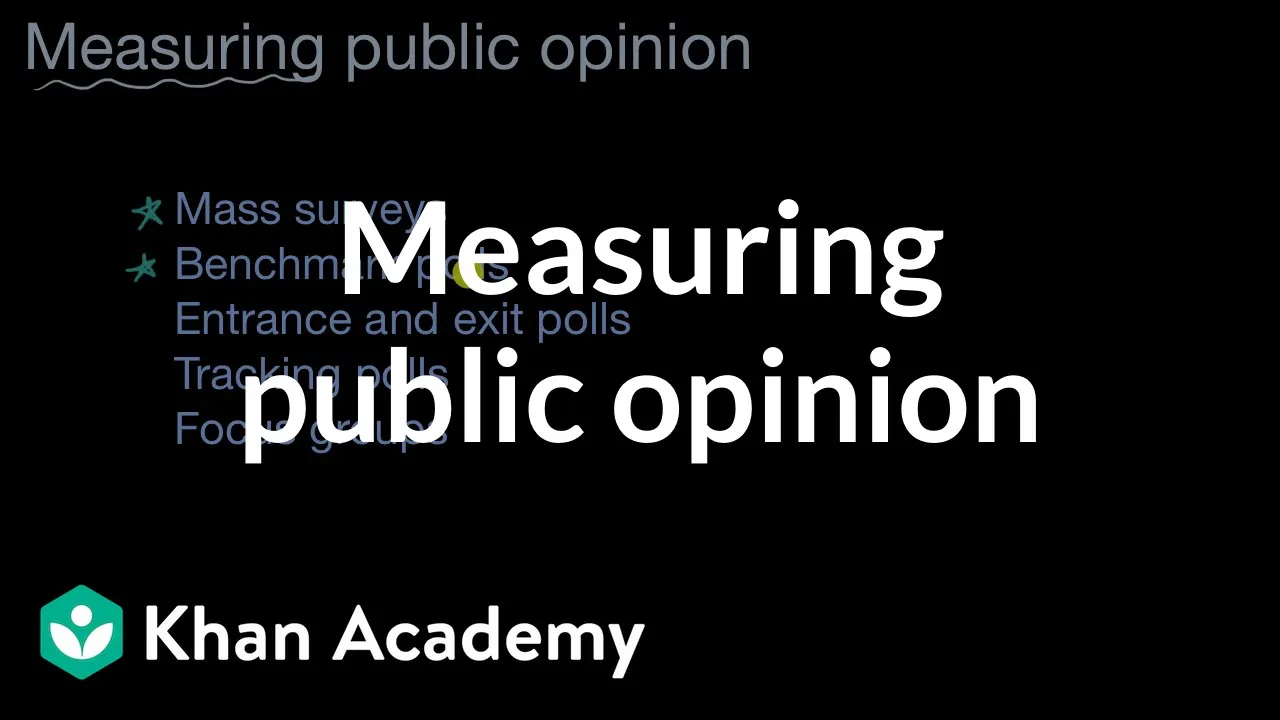
in this video we're going to talk about measuring public opinion and the first question to ask yourself is why would we even want to measure public opinion well if we live in a democracy where a public has a huge influence on our government well you want to know what they think and you can think about the major institutions in our democracy you could think about people who are in office and they when they're making a decision they would love to know what the public actually thinks one they want to act on behalf of the public
and if they want to get re-elected by the public it might be in their interest to know what the public thinks if you're in the midst of an election and you want to get elected well you might want to know what does the public think about you you might want to know what are your chances of winning the election how are your competitors doing or maybe what positions should you highlight or maybe which positions should you listen to the public on similarly if you're an interest group where is the public sit on different things or
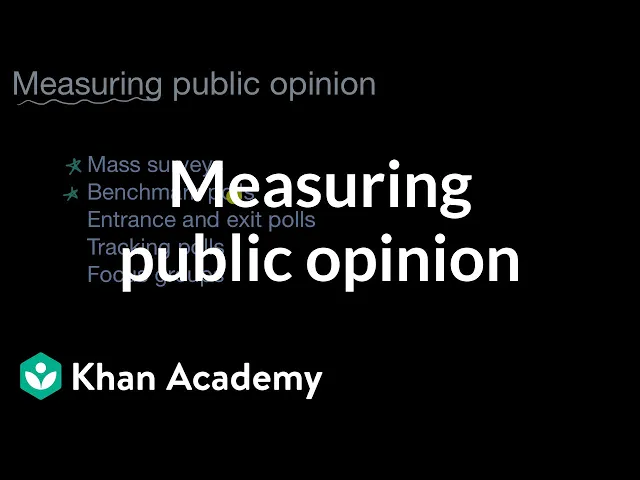
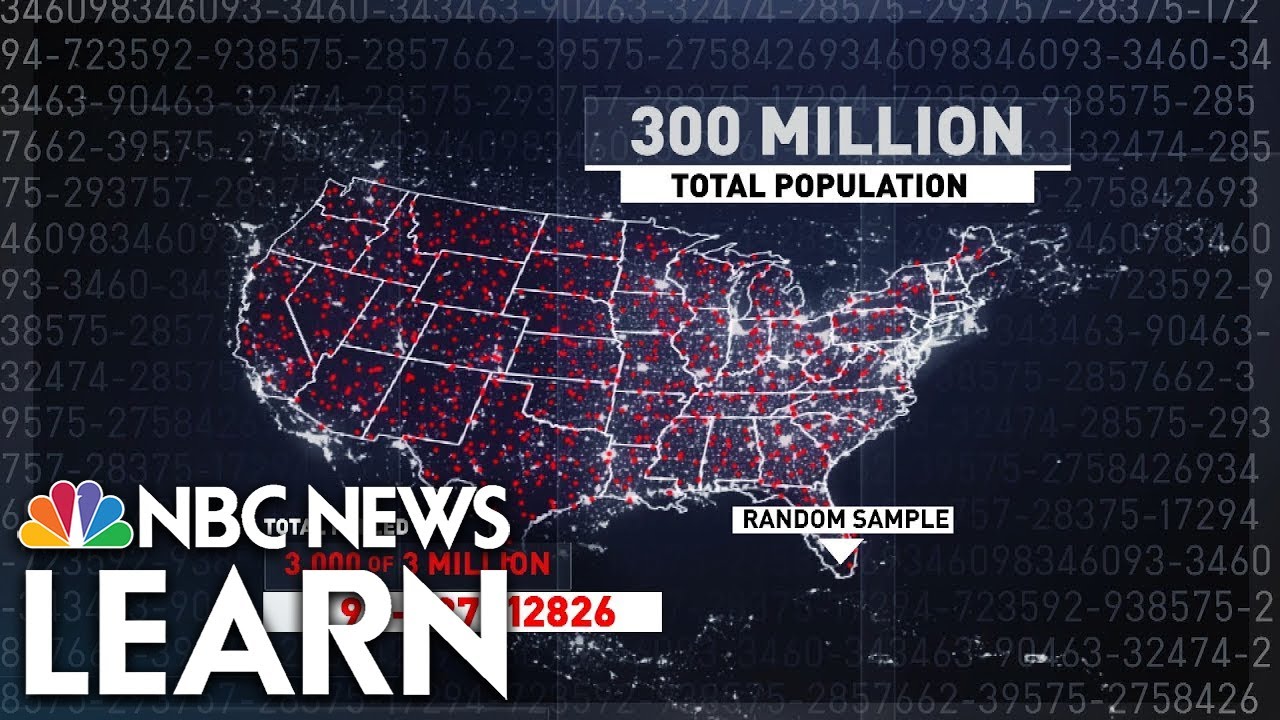
how does their opinion change over time and a lot of what the media does is help communicate to the people what is going on broadly in our society and that includes what the people themselves are thinking so now that we know that we want to measure public opinion what are the typical ways of doing so you have the idea of a mass survey so this is a way of just asking a lot of people you want to randomly sample and say what do you think about some position what do you think about some social issue
what do you think about some law that is up for being passed what do you think about some type of candidate now the next three kinds of polls we have listed here you could view as related in a lot of ways to math surveys or even a more specialized type of math surveys you have the idea of a benchmark poll and this is where at the beginning of say a campaign you see how people feel about a certain issue or a certain candidate and then all future polls you can compare to that benchmark entrance and
exit polls this is when people actually go to vote when they're about to enter into the voting booth you ask them hey how are you going to vote or right when they exit the voting booth they ask you how or did you vote and people aren't obliged to tell exactly what they did but this will give an indication of what is likely to be the outcome of that election related to both of these is the idea of a tracking poll this is a situation where you might ask people at the beginning of some type of
a campaign it could be a campaign for candidate it could be a campaign for a proposition where this time you see okay what percentage of people are in favor of something so this would be the percentage in favor and this is time and then you periodically keep asking the same group of people how they feel about that candidate or that issue and so you're going to be able to figure out how people's opinions about that candidate or issue change over time you're going to be able to track that and then a more i guess you
could say focused way of understanding public opinion which might not be as representative of the population as a whole but allows you to get more maybe more nuance than and more conversation than these other four methods would be a focus group this is where you try to bring in a representative sample of 5 10 15 20 folks and have a discussion with them about what what they care about and why they care about these things so i will leave you there in the next video we'll talk about what makes for a robust measure of public
opinion