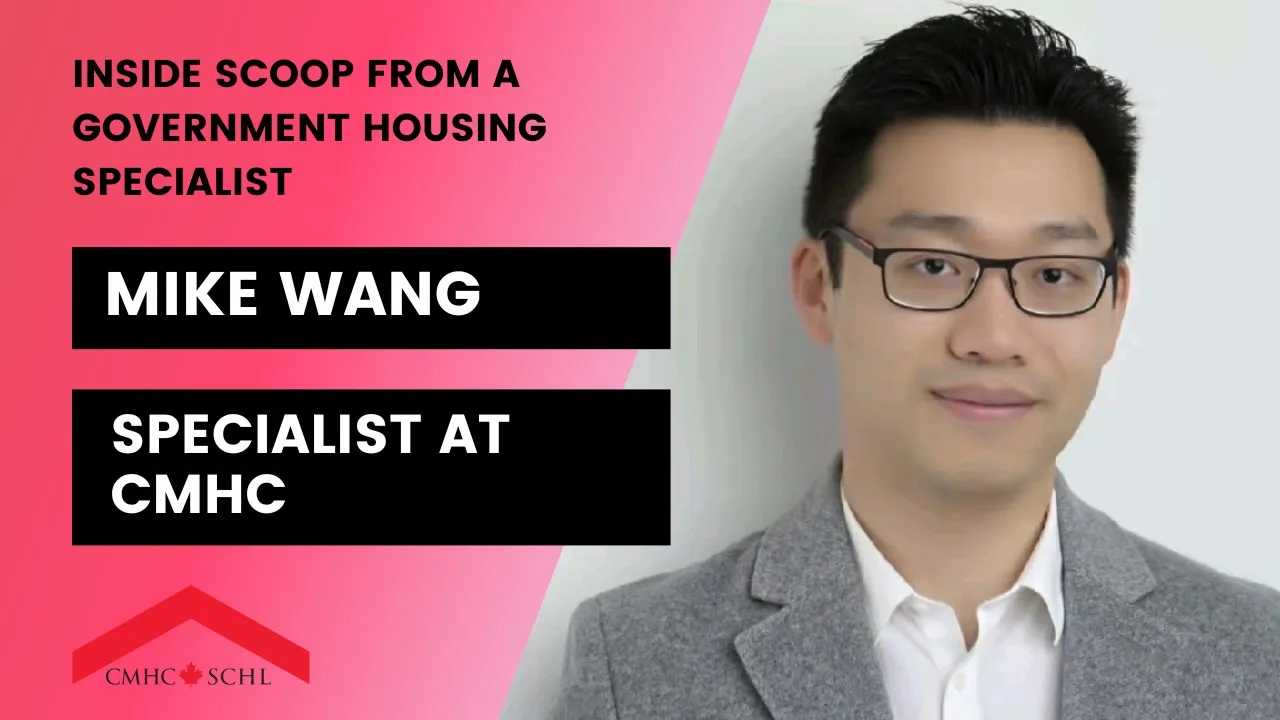
Hi Mike how are you doing today thank you for the invite and appreciate the chance to speak more thoroughly about the canis housing crisis and perhaps give uh the listeners more detail and some in-depth information um rather than what you see on the headlines because you know the the news these days they tend to just go for the eye-catchers rather than perhaps some deeper thought analysis into the Situation so thank you for the opportunity and look forward to your questions awesome thank you all right so we'll start off with the first question can you start
by giving us a brief introduction of yourself tell us a bit about your career journey and how you ended up working as a government housing specialist uh yeah of course I so my name is is Mike Wang I went to Western University in 2011 graduating in 2015 with a double major in Psychology And finance I think Psychology was a pet pet project of mine I really liked it but then after studying it I realized that to go into a career you you need a lot more extensive education but it was good to study and after
that I learned real estate so I got my realtor's license in 2016 it was about four months after and then this was due to a to a roommate of my University he was saying that real estate's you know you can make A lot of money so I think that's one of the primary motivators for a lot of people when they choose their professions um but my passion was always finance and anything related to finance and so after doing the real estate license I kind of just got dragged into real estate so I guess what's different
from me was it wasn't an active choice on my part to go into real estate it was just that my roommate said Hey look look it's a great psychic to try if you want To see and it wasn't too much commitment so after that I found my first professional job at M&P so it's a accounting firm it's not the top four but it is rather large in Canada I would say it's top five so after the big four mmps up there I started in property tax accounting so this is rather interesting role so it entailed
valuations of like commercial and large retail properties in downtown Calgary so essentially the City of Calgary would value the property Say at we'll do a easier math example of $10 million and let's say the tax rate on this property was 5% so every year the tax you would get from this property would be F $50,000 right but if I said okay but you overvalued this property because your metrics use are outd or maybe the economic Times don't reflect this valuation say I say this property is worth $7 million and right away the tax of that
would go down to 35,000 and then MMP would take that premium and that's how we generate the profit I shouldn't say we anymore I don't work there anymore but I was there for a year but ultimately this was more of an accounting introductory role and it wasn't really what I was looking for it also didn't qualify for my CFA hours I to do was which was portfolio management and stuff related to investing so after this I made a transition to TD uh so Toronto Dominion Bank their National Real estates group and here I began managing
a portfolio of up to about $2 billion dollar in construction financing so it be anywhere from developers who are developing land so that's type of financing when entail taking the the land as kind of the security because every time you make a loan at the bank you need something to secure the the loan right you can't just give money out to people and have nothing to secure it Against and then it also come up to after they finish up the land so this entails putting on the roads you're Plumbing just digging a big hole in
the land to make sure it can support the house you're actually going to put on top of so the house doesn't sink right foundations all that stuff and then you go into building the actual houses and from this you would drop the security on the land and take security on the actual finished houses up to the point that They make the final transactions so until some buyer with an eligible mortgage they buy the house and then they register mortgage okay now the Builder full like loan with us is paid out I think I'll just try
to keep it as simple as possible the process is is kind of long and involv several different types of loans and parties I also constructed you know multi residential so these are your rental Towers the type you will see in Toronto Downtown so those will be multi million projects and sometimes they be syndicated deals so what this means is that they're partner with a few Banks because no Bank really wants to take the risk of like a $300 million loan going sideways right so you always want to partner with a few institutions so that everyone's
risk is manageable so this role was really what I studied University and got my CFA for it was risk management it was management of Capital with the bank because you want to put your Capital towards the projects that give you the highest return R so this role is very like GE towards driving a profit for the bank it's basically what you think of when you think of Bankers I guess I think the biggest shift for me that made me go into my current role was coid you know two years isolation is a long time to
think about your career choice and whether this was what you want to do for The rest of your life and so as I was looking around a role came up with CC so cc is a little different than other Federal governments in that we are a crown Corporation so it has both the private side of business which is more like the bank so cmhc is ultimately the insurer of real estate projects for rental properties so we call it multif family segment and also we have the more Federal arm of the business which is um the
nonprofit side so basically this is Closely tied to the federal government every time they announce new initiatives uh new programs new funding I think sometimes perhaps the listeners you've stumbled upon like a news articles the federal governments has allocated $1 billion do towards um affordable housing initiatives but they never go into detail how this money is actually spent so CMC has the role of getting this budget and then figuring out a way on how to allocate this as best as possible And and a wise use of taxpayer dollars because this money is ultimately you know
the federal taxes right so we have to spend this money wisely and of course do our due diligence similar to what any bank or financial intermet would do so I think that was rather long but hope that kind of gives an opening in into my history and my background how I got into my current role today yeah thank you so much that was quite a Journey indeed yeah going from profit driven to kind of working for a crown Corporation and learning about your passion and finance was really cool to hear yeah so my next question
for you is what is a housing specialist and can you explain the key responsibilities of a housing specialist and how they differ from a construction financing or mortgage broker or Banker in Canada of course so my current role as a housing special IST is that I haven't quite Escaped from The Profit side so I I do both sides now I do our profit driven side of the business which is our insurance products and of course the nonprofits so to really delve into the question is that the nonprofit side is was good it was what what
I was originally looking for to make the transition because I thought it'd be it'd be really cool to not just be focused on generating the highest profit right to underwrite every appc that Comes in as long as it was financially feasible um so what differentiates my role from construction financing from a mortgage broker um is that construction financing what I did was basically financing to make sure the project is complete I don't handle any others types of financing after the project is complete so let's say a project takes two years to complete I will only
be responsible for the financing that Tak stage between Beginning to end but but they still have a loan to pay out after the financing right so then you step into the secondary longer term you can think of it as a mortgage but in Industry terms we call it a takeout um financing option so you're basically taking out the original construction financing and rolling it into a longer term advertising mortgage but instead of for an individ individual home buyer this will be for the company For the developer or Construction Company who undertook the loan so it
looks very similar to a mortgage it's a little bit more complex but for all intents and purposes this would be a mortgage just for a company rather than an individual so my role currently is that I do construction financing similar to ID ATD but plus the takeout financing mortgage because cmhc we have a few programs Beforehand CMC would only ensure the takeout mortgage section they wouldn't have anything to do with the construction financing so when you're actually building the building the building is not insured the the full risk of this is on the lending institution
whoever it is be it's RBC be it bimo whoever is in on the inter Reginal deal and then afterwards the they would apply for insurance with CMC now why would they get this insurance Because it lowers interest rates for the developer or construction company so it makes their project more financially feasible if that clarifies things up so currently that's one side of my business the other side is the more interesting and funner side of business is to work with nonprofits to build housing for the people that are very in need so these are for people
who um are suffering from mental health issues alcohol addiction issues drug Issues so these are the people you often see you know on the news headlines that are freezing to death um because they they lack housing and shelter space um um in the winter so this this side I think the business is much more um emotional for myself because every time you you get a successful project built you know that it's maybe 90 less people you know every little bit helps in the grand scheme of things this side is not profit tropen at all it's
all about Meeting the social outcomes because nonprofits it's in their name they're not supposed to generate a profit so this was a huge learning curve for me when I first joined cm and so people would nonprofits would be bringing projects in and then I would be pushing for the project it's like we should give financing this we should give you know a contribution CMC calls contribution but for everyone else you can think of as as grant money so it's Basically money we just give them you don't really expect any payouts on this it's just like
a donation so to say and I was advocating I was like well they're doing great things like just giving the the donations and the loan because they're profitable and then you know the my senior manager like we don't care about if they're profit or not they they just need to be viable like maintain their operations so profit is not the main thing you look at that was the Biggest difference between what you see at a bank and administering Federal initiatives is that it's not profit it's about how much Social outcomes we're meeting so how affordable
is this housing right so for a project that comes in that's renting out a one bedroom say in let's just say Toronto because I think a lot of people are from Toronto and you know the rents are crazy high in Toronto right now if a company nonprofit comes to me okay I'm going to Rent out try to build a project 50 units at $1,500 per rent for a one bed so you know a typical Bachelors of what you see and another nonprofit can see I can get 70 units done with with a little bit more
money but I'm going to rent these out a thousand conventional sense if you were at working for profit you pick the one that generates higher Revenue but in this case you would pick the one that delivers more units for a lower rent Even if they don't make any money or if they need more contribution or donations from the federal government we would Place higher value on the second project rather than the first one so the first outcome we look for is affordability how long are you maintaining the affordable units for we look up for towards
20 years it's an agreement you sign with the federal government you have to maintain the the rent levels for 20 years so you can't just qualify as Program and then two years later you're pushing the rent up to 3,000 the depth of affordability so how much lower are you from the median Market rent of the market you're trying to build and then the second one we're looking for criteria is accessibility so you want your units to be accessible projects that have higher accessibility will score higher with the federal government because oftentimes the clientele these nonprofits
are servicing they need Accessibility requirements right so sometimes they have not just mental health issues they actually have physical disabilities which if you're trying to build housing then you should probably score higher on accessibility and the last one we're looking for is Energy Efficiency and Energy Efficiency has gained a lot of traction in recent years because of you know the climate crisis and Canada's focus on the climate issues facing us so Energy Efficiency is the another big factor we look for so new construction you need 25% reductions compared to older buildings to do just to
qualify and then ultimately we're slowly trying to get Net Zero buildings built but I think that can be a topic on another there's a lot of issues and points but I think one of the main factors that you're not seeing a lot of Net Zero buildings is cost so they're very pricey to build and Both the nonprofits and for-profit Builders can't make it work just because they're so expensive to build but I hope that kind of clarifies some some rules I've been trying to condense it but there's a lot of factors and I hope that
I'm speaking the language that a lot of The Listener can understand I hope I'm not getting too technical but uh please let me know if I amks awesome I think that was a good level of death and you also highlighted The shift in perspectives from how much money will this building create for us instead of that to how much impact will it make so that was a really cool uh learning so next I would like to hear what motivated you to pursue a career in real estate construction and lending and how has your experience prepared
you for this role uh like I think by motivations it's not too Grand I think I'll be perfectly transparent here it Was just kind of what job I found outside of first job I found out of University I always tell my parents I blame the economic times for my career choice but they think I'm just joking I am kidding um so in 2015 I graduated after I graduate from Western I wanted to go back home I I just thought four years out I just like the City of Calgary I I ski a lot and B
is here so close to the mountains and I think after I graduated I just wanted to shift from Ontario so I came back to Calgary and then 2015 was the oil downturn it was the worst Economic Times I graduated in for for Canada so there was very few opening entry level jobs because a lot of experienced Personnel um were looking for jobs and they were competing for level jobs positions with new grats I think it's just typically how um Economics work um when you have economic downturn because experienced people are fighting for the same rules
you are There's not that many job openings so took the first kind of position that gave me a job offer which is the MMP job I alluded to before and then this basically gave me real estate experience on top of my realtor experience so right away I had a whole bunch of real estate experience and it was out of my hands so it was either to transition to more in-depth roles in financing related to real estate or kind of start fresh but after doing the job at MMP for a year I Quite enjoyed real estate
it was cool to look at a tower and he says oh I I took a part in that like a huge new project you're like okay I was responsible for actually financing that so I think that was really when my passion for Real Estate picked up so it was my chance that I got into it but after I got into it I found that yeah I really enjoyed like financing projects in real estate and prior to I think this year my role was quite lowkey like not many people Really asked me about housing and stuff
because we never had this affordability issue during my time in Canada like this year really blew up and I've been getting a lot of questions like the RS been really gaining attraction so I think it's been a new experience for me you know I came from people just oh you build like that Tower oh that's cool like it's it's something finest to this year is like how is the government doing why is like housing still going up like Crazy how come nothing's getting built I'm getting a lot of questions so I think this has been
the transition how I gained my passion like which just looking at new projects looking at new different ways to construct housing for people I think recently because of the housing prices going up and up you're seeing a lot of more speculation in the housing markets but ultimately I believe that you know housing is a basic human necessity so you do want to ensure that A lot of housing is built so that yes you don't need to live in a penthouse but if you have a budget you can have a pretty decent place to stay and
not just sharing with like 10 people and just to make sure you have somewhere to stay right so I think that's another type of my think my love for Real Estate is that you ultimately at the end of the day doesn't matter if you're making profit or if you're doing nonprofit you're offering housing units to the market and Ultimately that helps then user okay so you kind of briefly talked about this earlier but in Canada what are some initiatives that cmhc has been tasked with by the federal government to address the housing issues in Canada
so oftentimes this is the federal Canada which is kind of carve out some budget and then they would introduce some overarching policies for the program but the actual delivery of these programs falls upon CMC and our interpretation of The overarching federal plans and initiatives so the first initiatives they would have would be say okay we want to spend $2 billion we want to build 2,000 housing units but so then the second type is like okay what type of markets are you targeting is it only for the big cities is it for rural areas is it
for like specific type of building you're looking for like is a high-rise like you know your large towers is it tow houses So I think a lot of common misconception is that the government needs to spend more money but often times it's yes the money is allocated but there's a lot of planning and processes you need to handle before the money actually gets spent from the budget so that's the first one the second one is demographics is this is this money for women and children fling domestic violence so that's a huge demographic cc is currently
targeting women children are Feeling domestic violence is it for uh people suffering from mental disabilities is it for people who just need a place to rent like is it for new immigrants refugees who just need a place to stay like this is all program design even before any money stld out a lot lot of time is thinking of program design and then what if you have your special cases so one of the cases I encountered was it was a nonprofit their goal was Amazing it was spaces for children whose parents couldn't take care of them
be it from family issues personal issues you know oftentimes it was substance abuse issues they basically did not have the capacity to take care of these children they didn't qualify for a program because they had too high of nonresidential space so because CAC is in the business of funding housing units it was a very tough look on us because we couldn't Fund this project because a lot of their spaces were targeted towards children so it was gyms it was activity space it was like story time and it was like a playground right there you can
see the push back you would get from the public because like why aren't you D out money for this type of space versus just straight up residential space so so when you have a lot of um parties uh involved interested parties we call them stakeholders that want C certain Objectives met how do you satisfy everyone so there's no one siiz fits all and even within programs where the parameters have been set there's been discrepancies between the types of market so if you have a national program the needs of for example like Regina Saskatchewan are drastically
different than the needs of Vancouver and Toronto right what makes a project viable in one city will be nonviable in Another city because you can you can charge $2,000 a month and it would be deeply affordable in Toronto and Vancouver that's a steal but you charged that in Emmon in um Calgary although Calgary rents have been going up or in Halifax you are trying to milk every penny out of your renter right so even just those two cities there's a huge discrepancy in what is Affordable and what is not so there's just so much that
Goes into program design and then that's the first part and then the second part of handing out the actual money oftentimes there's delays with projects right this isn't specifically my role but some factors which clients I talk to is that to get a project done built in um British Columbia just the permanent process can take up outwards to five years so you know I don't know if there's um people interested in finance that will be listening to this later you Can tell how crazy that is to try to project um financial statements and just profit
or even nonprofit with five years on of uncertainty and that just takes up to five years but doesn't mean you're going to get approved for the permit to actually build the project you want after five years so maybe after three years they say okay we have a new Council they got a new elected this is this is done we're not going to look at This anymore so that's the another part of uncertainty what the federal government is trying to do is basically to design our program and get the municipalities and the provinces to work together
with us because ultimately the permitting process is up to the municipality itself the federal government has no power to xite or just push projects through because of how the Canadian political system is set up right so the federal government manages Policies on a federal level but housing and permitting is a municipal level so at the city level at the Town level and then the province they can also have a say in the type of projects being built by giving ascentives so basically giving some tax breaks or providing their own contribution or funding towards hopeful projects
trying to get built so it's basically a three collaboration between three levels of government which I think a lot of comments and news Don't shed a light to how difficult because if the municipality is not willing to build projects doesn't matter how much money um CM gives if they're not going to give a building permit to a nonprofit or hopefully help them out with a land acquisition because if they don't have the perming process doesn't matter how much money you spend right so a large part is to design the federal programs um to entice More
Home Building at the municipal level and get provinces on board because ultimately I think a lot of what gets done is up to the the voters because if the voters are putting in pressure at the municipal um provincial and federal level ultimately that's when it gets done but but I think one of the biggest hurdles um I've encountered was just um trying to work elaborately with three levels of government because this comes back to my point on the Stakeholders everyone wants to see different goals and initiatives accomplished by a project right it's just trying to
find a middle path which satisfies the most people as possible so that the project goes through the second part would be our initiatives we have initiatives for both private developers companies who are looking to make profits or your large real estate income trust these are um called REITs so if people interested in the stock market You can invest in them and they give you payout every year like a dividend from the profits they generate from them um real estate portfolio to manage so we work from very large owners of housing all the way to our
nonprofit spectrums this would be um organizations who manage shelters for women and children organizations who provide very supportive housing for people people who need meals prepared them three times a day they need Counselors on site in case they relapse in case they need help because they're having a mental breakdown so you can see the two spectrums cmhc kind of offers so on the nonprofit side of spectrum it's called the nhcf National Housing co-investment fund that's one of our biggest funds to do administered money and funds on the nonprofit side and then on the for-profit side
um I'll get a little technical here it's called the mortgage loan insurance which is our Standard conventional and now to spur on more housing units it it's called mortgage loan Insurance select so basically we give you preferred interest rates lower payments to make projects more viable it's what um similar to a mortgage it's called the amortization period a conventional mortgage right now you're seeing 25 years it can go up to 30 years because of the rising interest rates um if you qualify for our select program the mortgage amortization go to 50 years so that makes
projects viable because there's less payment right to support that that is for the private side I think these are the two main branches there's some more finer like smaller programs currently right now caner is running the um caner Greener homes initiative both on the public side you know for homeowners if you do some window replacement replacing new boilers federal government will give you money for that um but we're also doing this on The BS like company side of things so not for individual for company so if company can improve their buildings that they rent for
a certain amount so we're looking for 25% Energy Efficiency currently to qualify for a program then the federal government will also hand we also have programs targeted towards repair of existing housing units because we want people to stay in not run down really you know you see cockro just running around the hallways like type of Units you want these units to be maintained and kept up to standards right because it doesn't mean if someone's in affordable housing you throw them in the worst possible living conditions that's just not Humane and I think it's not fair
just because they they in help doesn't mean they have to stay at the worst run place you ever seen your life right we don't want people staying in slums and stuff so we have funds for repair of units that are In urgent need of repair you need new flooring you need new cabinets new washrooms windows um because of the type of H um tennis nonprofits house they oftentimes you know they they throw stuff at the walls they break doors they they scratch the flooring so a lot of Maintenance and money goes into repairing these units
after in the great cases that the tenants don't need these units anymore they they get better and then they move To Affordable or Market housing but after they leave the the unit it needs a lot of work to just get it back to what it looked like before because you know there was a lot of damage done like you have broken sinks for sure has get broken so I think hopefully gives you a good overview of the type of business cmhc and and we're doing for for the housing situation in Canada yeah it was a
good overview it sounds like really meaningful work and Definitely some difficult decisions like you mentioned with the the program that provided gyms for children but they didn't qualify for the program you mentioned this earlier but what makes one project viable in one city might not be viable in another city this could be in term terms of affordability but this could also be due to regulations so how do you stay up to date with real estate information and regulations in Canada as well as ensuring Compliance I think policies thing of today is basically the region you
work in so because of every day I work with clients trying to get housing built in Alberta I keep very up to date because might sound bad but you don't need to kind of keep up to date your clients will just tell you because if they have hurdles and stuff you hear first hand for of them and then they basically queue in on the first things CAC internally we also have bulletin boards Of updates to both from the housing minister so we work closely with Canada's Federal housing minister so we get updates on the federal
level provincial level we always get the latest news that comes up so that's basically key way to keep up to date one you'll hear it from your clients even if you don't check your email first thing in the morning you'll hear from them I get a phone call they will be like hey what's going on With with this new new policy like how does it affect me and then um we also have um training sessions um at cmhc so there's monthly meetings there's urgent sessions of new policy new announcements in terms of um Housing Initiative
so for example I think recently you just saw our prime minister announce funding for London Ontario about the partnership about how London Ontario got 70 I think it was $80 million just just don't take this number As accurate just trying to pull this off the top of my head but it was because London Ontario they agreed to expedite their their perming process so so right away you hear about that and then and then you're just kind of getting in the scoop of things just from the sessions from the work um I do every day is
you're forced to keep up to date like you can't afford not to keep up the date because it affects everything um in other provinces you just can of hear From other teams we have collaboration sessions at thec so every region talks about the key changes the key um policies that are affecting um the process of getting housing built in those types of jurisdictions so we have a huge portal which all the intelligence feedback We Gather and then that gets kind of collected and then it gets shared with our stakeholders we release it in our housing
report So CM releases annual housing reports on jurisdictions or Outlook and everything so it's a lot of data a lot of information gathering and a lot of I think collaborative work between CMU and the Housing Industry so I think it's a lot of collaboration which is what you want to see it's complicated because our government structured in a way that not like perhaps certain other countries where the federal national government can just say okay I sign off this this Is going to get built in two days in Calgary without any um input from stakeholders without
any consultation you know Canada is a democratic system so it needs a lot of collaborative work and the upsid is that you know everyone gets heard projects that get built are are highly competitive but you know perhaps some downsides is that it is more timec consuming than perhaps other ways of doing things so I I think there's pros And cons with many ways of doing things and we're trying to be more efficient at it so instead of giving out loans and money to nonprofits we're trying to now to Target the municipalities and trying to get
them to update their policies so the hous gets built and that's how the funding is allocated I think the the overview provides pretty good picture of where we're at and where we're trying to work towards yeah thank you so much for the overview Mike so what does the Process of a company applying to build housing look like and can you share some key steps yeah so the first step of any company will be buying a piece of land that you want to build on so the first step is figuring out where you want to build
your project right which cities which uh neighborhood which area so first step is securing the the land you want to build on and second step is the the permanent process right you need your land Zone appropriately for the Concentration of people you can't just put up a like a 400 unit highrise Tower in the middle of a of a residential area say Markham right it's all like housing there you can't just just throw like a big tower suddenly because because the zoning bylaw just doesn't work for that so second is to identify a piece of
L and then see what types of zoning can be on that lens so whether it's like AOW lowrise like four unit fourplex like a town home so that's the second part and Then oftentimes this part of the process takes depending on the jurisdiction this is one of the key parts that a lot of projects fall through like they don't go toward success because of the timing and people kind of maybe petitioning to their to their municipalities like why is this daycare getting built so close to me it's going to affect traffic in my area I
don't want this built this consultation process can take upwards to a year or two years because you have the First hearing the second hearing the third hearing I won't go into spefic specifics because um I'm not highly specialized to talk about this um I only know some of the issues that plague the pering process the zoning process and then once you get your zoning done then you apply for the construction permit that basically allows you to build housings so you think you can build after zoning no you need a construction permit because there's noises you're
Hammering Nails into wood you're linging Foundation you're digging a big hole maybe across from someone's backyard right so then you need to apply for a construction permit but your land will already be bought so the company's been sitting on a piece of land potentially for for two to three years they're carrying the cost because there's there's taxes on this land right you got to maintain the land you got to put kind of fencing so right away they've already Incurred a lot of these costs and now they're finally in the process of being able to build
and now the is where I come in they apply for for financing they show me that the Project's viable financially viable and then they will apply for financing once that's approved they start construction right after you get approved financing we don't just give you a lumps on payment there's monthly progress reports that are done by certified professionals they're Called quantity survey reports so these are the people who go onto the work site they study it and then they say okay I sign off on this they they're telling the truth they told the the bank or
cmhc they spent 2 million I verifi that based on the progress I see on the construction site they spent $2 million you can now Advance 2 million out of this $10 million loan to this construction company or developer and then those reports take place every Month or every three months depending on how fast or how slow they want to be and then once they get to perhaps 80 to 90% completion we call this maybe I think framing or drywalling when the frame goes up you can see the out shape the paint's been applying on the
outer side but internally the final steps of maybe putting in the washer dryer you know your oven stuff like that so after 80 90% done the company will usually have spec units so this is when I think uh End users like myself you can go in and check out the model and then here they do the pre-leasing right you you sign the contract they say okay this unit will be ready by say December 31st of 2023 they'll start pre-release about four to five months before that because you want to get your cash flow to support
the the loan and the costs they've done as soon as possible right and then once the pre-leasing happens to about 80% of all units so say if you Have 100 units 80 units or leased for about six months then the project is called stabilized so it basically means their rental income is stabilized because yes it looks great on paper if you say okay I can make this much money but if no one's renting these units then then that's not necessarily true is it so lending institutions and CC mitigates this risk by having terms of at
least maybe I think usually it's 70 to 80% of the building being fully rented out Before they're eligible for takeout financing which is when this construction loan gets converted to a longer term mortgage so here is where their interest rates can go down with CC's um Insurance product like I mentioned before to make the project more feasible and then finally you know after all these leased out you have a new building and then operations so that's the process for how like a Rental U building would get built I think those would be the main steps
thank you for walking us through that so regarding the housing crisis but also the economic situation right now with interest rates yeah can you please delve a little bit into the current interest rate environment and how that affects housing yeah so interest rates affect both sides of the spectrum affects home buyers you know just average Canadian citizens if You want to buy a property the interestes are high so you might be qualified for a lower mortgage than what you did previously right this is in part the bank of Canada's goal to combat inflation is to
make borrowing costs higher so that you have less available money or ability to take higher Mort mortgages if you don't have the ability to take on a higher mortgage you can't buy houses are at some high prices so in concept it should put um downwards Pressure on housing prices right but what this has also caus this rent levels to go up because previously home buyers who qualify to purchase house when they're no longer eligible you have only basically another option right it's to move back home with your parents or rents because you you can no
longer afford to buy a place or you have to downgrade buy a smaller place than what you originally plann but that's a short-term solution because if You're trying to start a family before you qualify for a two-bedroom condo now you only qualify for a one-bedroom it's not enough space to start a new family right so that's a short-term solution what happened was a lot of potential home buyers because of this higher uh interest rates they're now renting and because everyone's renting it's driv trim up our rental rates because there's a huge increase in in rental
demand so that's on the private side on the Construction side higher interest rates basically drive up the costs of financing for projects right it was even buying the land first step if you don't use your own cash and Equity if you take out loan you're paying interest on that land right so if if it takes up two to three years previously maybe okay 2% doesn't sound bad how about 7% now or how about 9% right so think about like we just make a mortgage so I think on the headlines you see people's mortgages Okay I
used to pay 1,500 two years ago now it's gone up to 3,700 now imagine that's up to scale of say a $5 million piece of land how much you forx that those costs and then you have the uncertainty of two to three years before you can even start to generate any profit from this land you purchased then it it puts a lot of plants on hold because a lot of projects that are previously viable they're not viable anymore because you're putting up so Much upfront Equity capital and money and you're not even guaranteed a certain
outcome and for jurisdictions that have a relatively faster permitting process so I think Calgary has a relatively faster process even then you need to charge more for the rents just to make the project viable right so this is another Factor that's pushing up rents because new projects because of these higher interest rates you need to make more money from the project you're You're constructing to make it financially feasible right because it's kind of like a lemonade stand so if the cost of your lemonade to make goes from 50 cents to a dollar then you can't
charge a dollar for that lemonade anymore you're you need to charge a125 here in that example the lemonator selling is the rent and the cost would be your financing cost your acquisition costs and everything and because I think another factor it's there's so many Factors that go into this would be um just even the prices of buying the land because real estate has increased dramatically in Vancouver and Toronto land is valuable right because if you can get a land and you construct on it that's what the the land is valuable so even the cost of
buying land has has gone up because of housing costs increases right not just from rents even if you want to buy a a single family home or a townhouse or duplex this has All gone up so even buying land the cost that's gone up the interest rate's gone up so hopefully this kind of gives you an idea of of why High interest rates decrease demand but also decreases Supply so it's not kind of an in all V all solution hopefully that kind of gives some more clarity on the issue at hand here yeah for sure
sure one small action does have a bigger impact in the long run yeah so what do you think are the most pressing housing challenges Facing Canada today and how can cmhc address these challenges housing I think the biggest housing challenges would be getting enough units built supply side because we can't really affect demand site right so recently there's been a lot of articles about our immigration targets and you know that's out of our control like cmhc does not control our immigration targets so the biggest challenges that we have to accommodate All these new people coming
into the country will be to build more right because if you can't affect the man then build more stuff so the biggest challenge is is um alluding to getting enough funding and getting enough willpower from all parties municipalities prent Al and federally to really expedite the building processes fast and of course to continually introduce new financing programs that incentivizes more home building right so Basically allocating more funds but in ways that achieve our end social outcome so we don't just want more housing units you want high quality units right that are energy efficient that are
accessible that are built in high densification areas right so some examples would be in Toronto where a lot of um land only allows for low density areas so the most you can build would be a a townhouse but now think about if I can Get a medium rise for the units right so that's transition is that I know Canada's dream the Canadian dream has always been home ownership that is still a big focus is to make home ownership achievable but a second f Focus it's just to get rental housing units built so that people have
a place to stay so that you can comfortably live in a rental unit for maybe 20 30 years the choice falls back on the end user is that yes home ownership can still be a Goal of a lot of young Canadians to this day right even for me that's a goal right for home ownership but right now what we're seeing a challenge is that not only is home ownership steadily Getting Out Of Reach from both young and I think older Canadians the rental market is getting out of reach for a lot of people right like
you can't move out at 18 anymore like 30 years ago right you know have people I work with are like oh yeah why don't you move out You're 18 go get a normal job and move out and then you look at the the rental market in Toronto you make what 20 $20 $17 an hour and the and your rent is 2,800 for just a one bedroom so how can you move out if you know you can't support yourself so a big goal is is to get the rent levels lower so that you can afford to
move out you can afford to rent even if you perhaps need to save a few years to buy but at least you can rent and you don't have to share with Four people just to have a place you can afford even though you just Graduate University and you're making the the big bucks now according to my parents that's the main challenges it's just to get enough housing units be be it through ownership be it through rental I think CMC were primarily in the business business of rentals so basically getting places to rent but there's other
um institutions that are trying to get more housing units for home ownership as well To incentivize that you can buy something and and potentially own it but you know right now it's an imbalance of supply and demand we just don't build enough units for all the people um to accommodate I think fundamentally that's the the issue we have to address that is definitely a lot of the key Challen challenges that I'm sure a lot of our young listeners might have especially if they're in that age where they're supposedly ready to move Out yes they cannot
either you um decrease demand or increase Supply and increasing supply alludes to the previous points mentioned just faster pering processes get a zoning in place to allow Builders to build more so I think what I'm trying to get at here is that it's not just only a financial issue there's a lot of other perhaps um permitting and just procedures that we can expedite to get housing built Faster yeah you briefly talked about this when I asked you in a previous question but what factors do you consider when evaluating a borrower's eligibility for a new housing
project and how do you determine the appropriate product for their needs the first step is um your experience right so first step we look at is your experience how long have you been in business business for um you never built housing before you came to me you said I want to build A 100 unit Tower going to probably not going to pick up your phone call so right so it's a experience how long have you been doing it for like what type of products are you building if a single family home builder comes to me
says Okay I want to build a tower and I'm also going to tell you no because you don't have experience building Towers right I would tell them to okay you build single family let's try a lowrise duplex first show me you can do this Then we'll slowly upgrade you right so I think some of it is just the first step is kind of common sense it's like you look at them and where they're telling you doesn't make sense for them but this also works F in other ways if they have a lot of experience building
large you know hundreds of units highrise Towers but they want to tell me they're like okay Mike I want to build just for fun I want to build 10 single family units I'm not going to tell them no because they Have so much experience right so upscaling is harder but down scaling or moving parallel is easier so if you want to build from selling a lot of units to lower units that's more digestible than saying you're for the past 10 years your company's only Built 10 unit projects year on year and suddenly you want to
jump up to 200 units that's an issue but if you want to do 200 to a smaller project that's more okay so to say hope that makes Sense first experience second comes with financials here is where the finance Finance background takes place do your analysis on their balance sheet on their income on their leverage like how much how much assets they have compared to you know their loans so so how much is sitting on their balance sheet that's being financed by loans or versus their own Equity right so if they're already overleveraged like let's say
they're out of their total worth 80% is from loan 20% is from Equity so be it St stuff they own that they fully paid out for or just cash then they're going to have trouble getting more loan because they're already so highly leveraged right because they already have to pay off so much loan but versus a company who has you know 70% Equity so all their real estate assets on their balance sheet they own outright they don't have loan only 30% loan then of course they're eligible for a much higher loan And then the third
last aspect well not last but important would be the project itself does the project itself make sense is it losing money how sustainable is a project can it operate in a non if we're working with nonprofits I'm not looking for them to generate a profit but can they sustain this building for 50 years right with the loan if I give them if they can't sustain this building for 20 years then then sorry I can't do the project so you don't have to make a Profit you just have to show me you can operate it for
20 years so break even that's what we're looking for break even and then on the profit side of business it's just okay they're telling me this property can generate 5% profits do their numbers make sense on this their rent levels they they're saying they can obtain maybe $3,000 per month on this unit is that feasible based on their competitor based on the market analysis so here's where we get into the Nitty-gritty of stuff which is market analysis of the rental market the overall economic uh situation for example right now affecting Canada is high interest rates
so if interest rates go higher will this project still be feasible and then what about rents if suddenly we have a downturn that they have 10% vacancy can they still operate at a um break even so they're not going under so this would be the third step and then once you do all This you do a quick Google search of their reputation industry because you take more PR cautions if someone has a worse reputation than some company who has a really good reputation so there's a lot of analysis that goes in before any loan is
originated but it gets easier the more work experience you have the higher compensated you are it's kind of similar in the construction industry the more you do the easier it is to secure financing the easier it is to Build because just the experience is there yeah so you kind of already answered my next question which was how do you assess a client's creditworthiness and financial stability when reviewing mortgage applications was there anything else you wanted to add to that just don't default on loans yeah that's the main one so similar to if you take out
mortgage if you default your credit score takes a hit if a company defaults or has any Kind of bad history that that greatly affects your credit worth un so what's applicable to your personal life is applicable to construction companies right so you know you always want to make sure you pay off your credit card on on time to get your credit score up same thing for companies to account you know multi-million dollar loans yep yeah I can imagine that to be the case yeah can you explain the Differences between fix rate and variable rate mortgages
and when would you recommend one over the other to apply it I think it depends on your investment characteristics or your personal characteristics because what might make sense for one party doesn't make sense for another when you first get into like the CFA the first section they teach you about it's not the quantitative it's like the qualitative stuff about Investors right so number One is your ability to take risk and number two is your willingness to take risk someone has a a million bucks sit in your bank account versus someone who's living paycheck to paycheck
your ability to take risk on the first individual is is way higher right it's it's night and day right and then the second question is willingness but even if the person who's living paycheck to paycheck he doesn't have the ability but he could say yeah Throw my whole paycheck on this investment product that he has a high willingness to take risk versus the first person even if he has a million bucks in his bank account he's you know or she or whoever they're 65 they're retiring in they're retiring maybe next year they're not willing to
take risk they say I just want my investments in some maybe cash products right like a GIC or something like that pays me a care guaranteed 3 5% every year with no Downside I just want to do this right so that kind of alludes to variable and fixed rates so variable first you have to look at your ability which is what we're seeing a lot now in Canada Prim real world example right now is people's ability to take risk you're seeing a lot of news articles about people not being willing to pay the increased mortgages
month over month because their interest rates have gone up from 2% from 2020 to maybe like 6.5% Right here you're seeing like a real world example of people's ability so you're seeing a mismatch a lot of people who's struggling right now they didn't correctly identify their ability to take on the additional payments if interest rates went higher right but you're also seeing a lot of people who's locking fixed interest rates even at this High environments because they don't want their race to go higher so here you can see some examples of willingness people Are like
okay I I don't feel comfortable I want to be able to sleep at night lock me in this I can still handle this right so let's go fix 5.5% next 5 years just don't want to think about this so here is the two factors that kind of affects it's a personal preference right of whether to go variable or fixed so if you're someone that has a high ability to take risk and willingness then by all means go variable because even if it goes up by 5% you're still fine but on The upside is that when
interest are are low you're variable you save money compared compared to fixed right because you're taking that risk that your variable M go higher but the downside is that when race to go up you you pay more than people I fixed but historically everyone said that variable save more money in the long run than fixed because historically we were in low interest rate environments right so the bank of Canada's uh interest rate Was fairly stable since the the the 2008 banking crisis uh the US experience so we had historically low interest rates for the past
12 what 15 years now so I think because of this a lot of people were going variable because this said well interest rates aren't Rising they're just constant so why would I get a fixed rate and often times the spread between a fixed and variable would be about 1% so if today if you get a fixed it' be at about five Or six 6.5% variable still at like 6% depends on the you locking in for because you can do fix for three years for five years for even two years right the longer you go fix
for the lower your fix rate is so there's a it's basically accounting for the risk how much risk you're willing to take because a variable you're taking the higher risk you get compensated by a lower upfront rate but if it does go up then you're paying more right so ultimately I think The decision is your own economic Outlook I don't advise listening to people online I think it's to do some research and see what works for you right because if you want the peace of mind then then by all means go fixed you're paying low
premum for that piece of mind but at the end of the night you don't care you're not you know waking up at 7 am. every time the bank cter makes an interest rates decision because you're worried that um your costs going To go higher but if you are more risk tolerant person you say no I I think interest rat is going to either go down or stay the same next 5 years I want that that discount then then variable works for you right but I wouldn't recommend the worst is a mismatch is that you want
the savings from the variable but you don't have the ability to handle rate increases that's the worst type of mismatch you can do because yes you're getting discounts but Once it goes up you can't handle it and that's when you see the distress sales you're selling this new house or condo or whatever real estate you just bought because you can't handle it so that's the worst case scenario it all depends on everyone's personal factors but those are just some factors to consider when choosing for yourself and yeah yeah always depends yeah so next question for
you is what tools and software are you familiar with for Mortgage processing and client management and how do you use them to streamline your workflow so every bank I think this is at my previous job at at TD I think every financial institution has their own programs so TD would have something called karma which is credit Asset Management evaluation something blah blah blah you know it stands for those letters so it basically uses program to uh do your analysis on you put the Numbers in it spits out some ratings and stuff like that and um
it just to substantiate um why you're giving out a certain group um a financial product um here at CMC we have similar steps we have Excel spreadsheets so we also use d365 which is another I think technological so we keep track of our information data on d365 so it's a kind of I think it's a cloud product but I'm not too familiar With the technical side of things I should be but I just kind of use it and then there's specific real State databases that we used to sub subscribe to so some main ones would
be alus has one CB these are I think in the industry and to provide data so you use data from certain databases and of course cmhc we don't use this as much anymore but TD you use the internal uh TD security so this would be on the money markets to check the the bond rates the mortgage Rates everything to see what offering and then of course there's more complex but use a combination of I think stock market I think we'll call it Financial Market systems and you know internal analysis uh programs and software so variety
of stuff cool and one last question for you can you provide an example of a successful housing project or program that you have been involved in what was your role and what were the outcomes Yes actually I have oh several Comes to mind I think one of my most recent ones was getting a very deeply affordable project built targeted towards uh women Children built in the city of ay so for for people not from Alberta ay is about 15 minutes north of Calgary so this project I began with start to finish I basically you know
I did all the business development myself and then once the program came out I reached out to them to discuss programs and then three months of you Know structuring their financial structuring of the type attendance they wanted to offer I'm getting all the necessary documents getting support from the municipality as well as the Providence for contributions so helping them through that and then submissions once they submitted I was also had to speak on their behalf in um several meetings about why they deserve to receive this this money over other competing projects why they were great
And now I'm in management so I have to I have to um make sure they're checking out their timelines I have to go take pictures when maybe the housing Minister want to go take a picture of a successful project or the City of Calgary wants to take a picture it's all management stuff so start to finish this project was 92 units the rents are very affordable they're $550 for a bed plus den and this was a Conversion from an old hotel so everything got revamped Energy Efficiency is much improved like it's a cool project so
I think that's the most recent ones but then there's a few other ones that I've brought through but this will be a really great highlight so yeah it kind of just sheds on some of the work that can be accomplished when everyone's on the same page and working together towards a common goal and yeah I think the rents achieved on that is is Crazy like I think even not out of Calgary if you hear about U rental units for maybe like 800 bucks in Toronto you be like oh wow can I get in on those
so so yeah yeah that's truly inspiring and really really impressive so Props to you and props everyone who was involved in that Mike thank you so much for joining us today on our podcast the cast I'm sure our listeners will really appreciate your expertise and Insights on the housing crisis and the real estate and this concludes the end of our questions so thank you again Mike for your time and sharing your journey with us and our listeners thank you





![Visual Calculations in Power BI - DAX Made Easy! [Full Course]](https://img.youtube.com/vi/JITM2iW2uLQ/maxresdefault.jpg)





![Wolfram Physics Project: Working Session Wednesday, May 6, 2020 [Finding Black Hole Structures]](https://img.youtube.com/vi/qdVSOLL1mls/maxresdefault.jpg)
![Power Automate Beginner to Pro Tutorial [Full Course]](https://img.youtube.com/vi/1p5kI7SYz4Q/maxresdefault.jpg)