think all engine oils are the same think again you know using the right motor oil can give you an added 25 MP gallon while using the wrong one leads to overheating sludge buildup and even complete engine failure so what are the right engine oils today I'll expose the biggest engine oil myths with the real facts stick around as I'll help you pick the right engine oil in the end number one Milky or foamy oil ever check your oil dipstick and notice the oil looks dark and thought uh-oh that must mean it's dirty and needs changing
not so fast here is the fact black oil doesn't mean bad oil it actually means it's doing its job lubricating and cleaning your engine by picking up tiny dirt particles and leftover fuel burn that's what keeps your engine running smoothly now if the oil is thick like syrup feels gritty or smells burnt that's a real problem but just the color that doesn't tell you much modern motor oils have special additives that help them last longer even when they turn dark instead of guessing follow your car's oil change schedule it's there for a reason want to
be extra sure an oil test can tell you exactly how healthy your oil is we recommend changing your engine oil every 5,000 mil otherwise changing it too soon is just wasting money for no reason number two low grade oils in older engines ever heard that synthetic oil causes leaks in older engines this is false here's the fact some people think switching to synthetic oil will wash away dirt that Sealing small leaks in an old engine but modern synthetic oils are made to work with all engines old or new the time has passed when early synthetic
oils could shrink engine seals further causing leaks but today's oils are designed to protect seals not damage them plus they clean your engine better helping it run smoothly if an old engine starts leaking after switching to synthetic the leaks were probably already there the oil just made them easier to spot no matter what oil you use checking your engine and fixing leaks early is important so don't blame synthetic oil it's actually one of the best ways to keep your engine healthy number three thicker motor oil sounds logical right but here's the fact that's not how
it works some people believe thicker oil creates a stronger barrier against friction and wear especially in older cars or noisy engines but oil viscosity isn't about thick or thin it's about what's right for your engine using oil that's too thick can slow down flow making it harder to reach important engine parts especially in colda weather on the other hand oil that's too thin might not protect well at high temperatures modern engines are built with precise gaps and tight spaces so using the wrong Oil Can Hurt fuel economy reduce efficiency and even cause damage if you
think your engine needs a different oil check your owner's manual or ask a mechanic the best oil isn't the thickest it's the one your engine was designed for number four mix of synthetic and conventional oils that's just a myth some people believe that once you start using synthetic or conventional oil you're stuck with it forever they worry that switching or mixing them will harm the engine or make the oil less effective here's the fact you can switch between synthetic and conventional oil anytime as long as the oil meets your car's required viscosity and performance standards
modern oils are made to be compatible and many Brands even sell Blended oils that mix both types the key is choosing the right oil for your engine not whether it's synthetic or conventional not sure which one to use check your owner's manual or ask them mechanic but don't stress switching won't hurt your engine engine oil with additives many drivers believe pouring in extra additives will boost performance improve fuel economy or extend engine life but here's the fact modern motor oils already come with the right blend of detergents anti-wear agents and stabilizers adding more can actually
throw off the balance and reduce oil Effectiveness some additives can thicken the oil too much making it harder to flow While others can break down essential compounds in high quality synthetic oil whe s instead of improving performance they might cause more sludge buildup increase engine wear or clog vital engine parts now in some cases like older engines burning oil or extreme driving conditions certain additives may help but they should only be used if recommended by a professional want the best protection for your engine stick with highquality oil that meets your car specifications it already has
everything your engine needs ever wondered what the different types of motor oils are let's break it down in simple terms motor oils come in four main types and each one works differently one conventional oil this is the basic type of motor oil made from natural crude oil with a few added chemicals to help keep your engine clean it's the cheapest option but it doesn't last as long and needs to be changed more often it's best for older cars or light driving two synthetic oil this oil is made in a lab to be cleaner and perform
better it protects your engine from heat cold and wear much better than regular oil that's why it's used in newer and high performance cars it's more expensive but it helps your engine last longer three synthetic blend oil think of this as a mix of regular and synthetic oil it gives you better protection than conventional oil but costs less than full synthetic it's a great middle option for drivers who want Extra Protection without spending too much four high mileage oil if your car has over 75,000 M this is the oil for you it has special additives
that help stop leaks reduce engine wear and keep older engines running smoothly you can find it in regular synthetic or Blended versions now if you are struggling to understand those numbers on a motor oil bottle let me help you but before that if you are enjoying this video then be sure to give it a thumbs up and subscribe to my channel this helps me bring you more honest car advice getting back those numbers written on the motor oil bottles tell you about viscosity which is just a fancy way of saying how thick or thin the
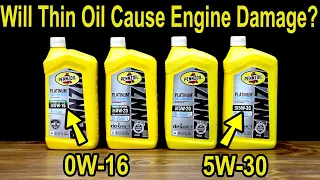
oil is and how easily it flows think about it like this water flows fast but honey moves slowly that's because water has low viscosity while honey has high viscosity and just like honey gets thicker in the fridge motor oil thickens in cold weather too that's why oil is designed to be thin enough to flow when your engine is cold but still thick enough to protect it once it heats up the Society of Automotive Engineers SAE created a special grading system to measure this here's how it works the the first number like 0w or 5w tells
you how well the oil flows in cold weather the lower the number the better it performs in Winter the second number 30 40 or 50 shows how thick the oil stays when the engine is hot the higher the number the better it protects at high temperatures so an oil labeled 5W30 flows well in the cold but still protects your engine when it heats up your car's manual will tell you which oil grade is best for your engine using the right one keeps it running smoother and longer still not sure which oil your car needs with
so many options out there it can feel overwhelming but finding the right oil is easier than you think here are four simple ways to figure it out check the oil cap pop the hood and take a look at the oil cap many cars have the recommended oil printed right on top read the owner's manual your car's manual has everything you need the correct oil type how much to use and even extra tips for keeping your engine running smoothly ask the expert experts not sure where to look dealerships and auto part stores can pull up your
car's exact oil specs in seconds just tell them your make model and year and they'll give you the right answer use a trusted repair guide if you like to DIY service manuals like Hanes all data or Identifix have all the details not just for oil but for brakes spark plugs and other repairs too so before you guess check one of these sources following these car maintenance tips won't take much of your time but using the right oil keeps your engine running longer and saves you from costly repairs down the road if you found these tips
helpful be sure to watch this next video as we're sharing Insider tips to help you cut repair costs and keep your car running like new