hello and welcome to commodity culture where our goal is to make you a better investor in the commodi space my name is Jesse day and before we dive in standard disclaimer nothing here is investment advice do your own due diligence and today's episode is brought to you by money metals.com the most trusted online buling dealer and depository in the United States use money medals for purchasing selling or storing physical gold and silver hit the link in the description below to learn more and use coupon code Jesse day to get a $10 discount on your first
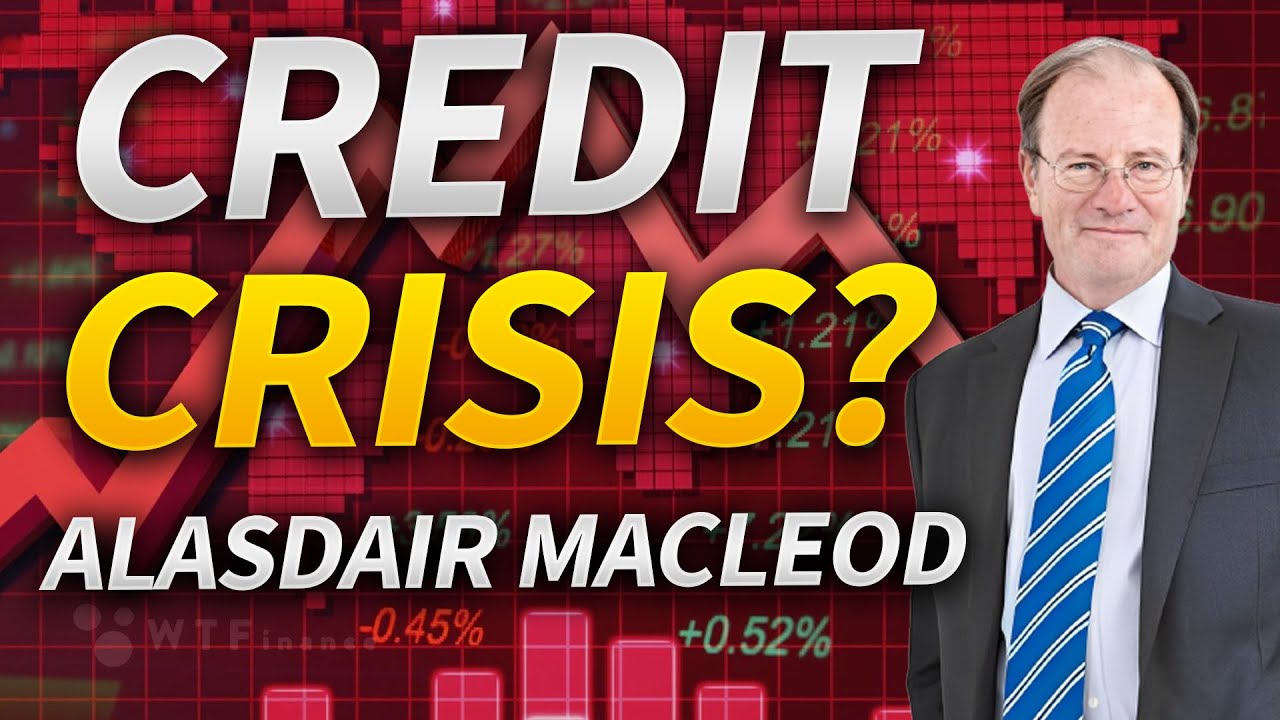
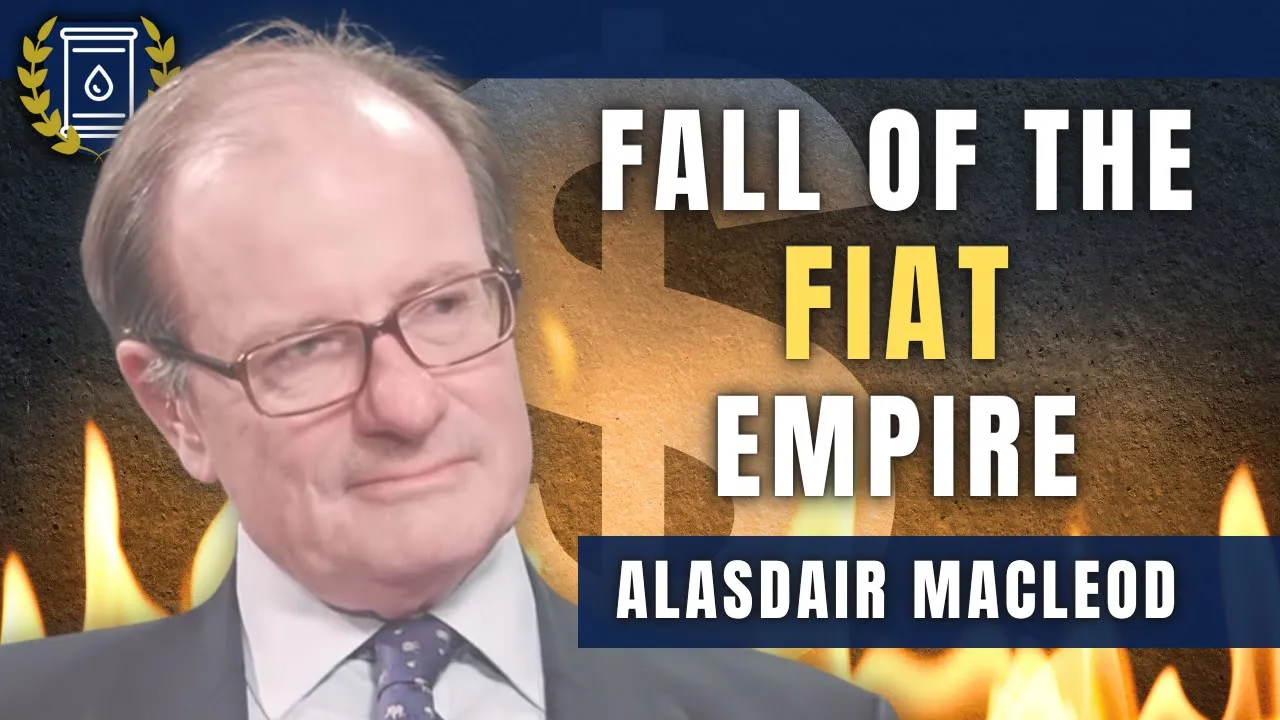
purchase and today's guest is head of research for gold money and shift gold and an educator on sound money and demystifying finance and economics we're going to be talking about the difference between money and credit and the fall of the Fiat Empire is it at hand Alistair McLoud welcome to the show thank you for asking me can I just say one thing that um uh we have sold uh shift gold back to um Peter Schiff and his uh colleagues so I'm no longer associated with shiff gold um I wish them I wish them well I
mean they do a different business really from gold money they're they're in the sort of coins and small bar delivery business whereas we're you know we're in the vault Vault Storage dealing and Vault Storage business as it were right well I had Peter shiff on the show recently so um interesting to know and I do want to kick things off with a tweet you made recently that I found very interesting you said I will redouble my efforts to promote understanding of the distinction between money and credit gold and Fiat anyone who fails to understand the
difference fails to protect their wealth so here we are could you break that down for us and um Let The View explain to the viewers why gold is in fact money and the difference between Fiat and precious metals but I'll come to that in a second um the basic problem is that very very few people understand money if you like and this was something which KES uh said in in in one of his earlier books back in 21 I think I can't quite remember which one it was but I think he was quoting Stalin who
said something similar um and um the fact of the matter is that everything we do is actually credit one way or the other we never use money I mean money basically is um a medium of exchange with no counterparty risk gone to the days when we even use silver coins or copper coins which are money go on of the days when we used gold sovereigns which are money everything else is credit and this is something that um John Pont Morgan the founder of the um of various banking dynasties um pointed out to Congress in 1912
gold his money and the rest is credit and he's absolutely right so that's the starting point and uh what we've got to do is to break down the barriers um from over 50 years of uh US Treasury propaganda that the dollar is now money having replaced gold and gold is now no more than pet rock whatever whatever so um that is my basic task now the reason I think it is very important to do it is that there is this misconception that the gold price is rising when in fact it is the purchasing power the
values if you like of currencies which are declining and that is the most single most important point for people to understand in the relationship between gold and currencies the relationship between gold and credit F credit has no anchor in value whatsoever and um you know while um under normal circumstances you can say that the quantity of um f money in circulation Fier Credit in circulation um will determine its value in other words if you expand the um amount of dollars in circulation then um its purchasing power goes down yeah that's true but there's another far
more important overriding point and that is that um the value of any Fier currency depends on the faith in it if you lose faith in a f currency then it goes it becomes valueless I mean it's as simple as that and that's why it is so important in this time these times of huge change to um do everything possible uh to help people understand actually what's going on it's not gold price Rising it's um it's the purchasing power of fit dollars fit Euros fit yen um declining that's the important point so in order to achieve
this what I've done is I've set up a substack channel called McLoud Finance which is the same as my Twitter handle McLoud Finance um I'm setting up a video channel as well that'll come along in in um you know the coming weeks um and also I've got a website McLoud finance.com so what I want to do is I want to lever up so social media to spread this message now I would add at this stage that my commitment to Gold money remains as firm as as as ever I um I'm head of research at Gold
money um and I will continue to write for them as well as for the my new substack so that basically is my plan for 2024 and I think at a time of enormous change which we face on the geopolitical scene um on the economic scene um and also so with um governments and particularly uh the US government entering into a debt trap from which it seems There Is No Escape certainly No Escape without massive Cuts in public spending which in an election year good luck to that idea so um you know one way and another
I think that 2024 is the year when we're really going to discover the value of these F currencies well talk to us about that debt trap that the US government and in fact many governments around the world find themselves in the ECB as well um obviously these central banks are between IR rock and a hard place based on their own misguided policies and their understanding of the economy I'm wondering where you think this all ends and also you know those who are maybe more conspiratorial minded think that this could be being done on purpose that
these Bankers aren't incompetent they are actually malignant and and it's a it's a conspiracy if you want to call it that to to crush the middle class and and um consolidate power uh what are your thoughts on that and um where this whole debt situation leads us well I think the first thing um I must do is dismiss any idea of a conspiracy theory uh the reality of the situation is that uh the situation is getting Beyond anyone's control and um you know the officials in uh any Central Bank are are having I mean they
must be having sleepless nights as to how to deal with this upcoming situation just imagine that you are J Powell in the FED what do you see you know forget the statistics and forget the propaganda that you put out and all the rest of it but the truth of the matter is that you're seeing um debt getting out of control government debt getting out of control you can see um the economy tanking I I mean you know they have you know the FED through its Regional Offices has a pretty good grasp of what's going on
on the ground around the country though it doesn't necessarily tell you what it knows I mean you know this is this is the information which it needs to inform itself um it can see that the whole thing is going down it knows the situation with the banks which is why it had to rush in and um rescue the regional Banks from the losses on their Bond positions I mean what bank actually um in the old days would would would buy bonds with a maturity of more than one year I mean this is just complete lunacy
but you had you know with with with zero interest rates everybody was misled including the FED itself incidentally because I mean one point I would agree with you on is their grasp of economics and grasp of the difference between money and credit is perhaps sadly lacking the grasp of the role of Interest rates is definitely lacking um so uh you know these guys are in in in in real difficulty um as to the debt trap well I mean you're um uh holding this interview in Japan from Japan while I'm in in in in Britain um
the Japanese government uh has got something like I don't know 260 um percent debt to GDP and um the central bank is um underwater big time with its positions in um not just short-term government debt but also long-term government debt 10year jgbs and even 30-year jgbs I mean I calculated at one stage um you know I I think when when the 10year yield was up about sort of 7.75% that um the uh negative equity on the bank of Japan's uh balance sheet was something like 4,000 times it's it's it's capital I you know this is
so the whole system is actually in enormous difficulties and if you look at the Japanese um commercial Banks um you know many many years of trying to create profits out of um a situation of negative interest rates means that they have increased their leverage in order to um generate a reasonable bottom line so that leaves them over you know with a debt to to equity ratio of over 20 times you know this has never been seen before um it is that serious so um you know the debt trap basically I mean it's one thing you
know if you've got say 260% debt to GDP and you you can keep interest rates at zero which incidentally is why they're at zero but anyway we'll just gloss over that point that that's not a problem but as soon as they start Rising Houston you got a problem and we're seeing this not just in Japan not just in the Euro Zone but also in the United States um I mean the United States is a peculiar situation because uh the you know the the proportion of um government spending out of the total economy isn't nearly as
great as it is in in in other major economies but nevertheless they've got themselves into a debt situation I mean we've we've got um uh uh the gross government debt across the 34 trillion line um literally I think on the 30th of December 31st of December whatever I mean you know like we've just gone over it um and uh in this current fiscal year I estimate that the combination of Interest Cost Plus the budget deficit in terms of actual spending um compared with Revenue the total is going to be over $3 trillion now um you
know that's going to push the debt to GDP uh by the end of September up to um you know something in the region of 37 trillion maybe even more than that so by the end of the year and given given also that this is um um an election year um and the fascinating thing is they put off the debt ceiling to the the first of J January uh 2025 well what does that do I mean any um incumbent president um you know will will start spending try to buy votes basically that's what'll happen I I
wouldn't be surprised to see um uh us treasury debt approaching the 40 trillion level at the end of this calendar year because I mean if you put a debt stop back you know put in a debt stop at um uh you know in the early months of of 2025 then as a spending politician you want to get that level as high as possible so you got to spend as much as you can before you know it's clamped down so um you know and the problem really with all this is that the dollar is so over
owned by uh foreigners I mean under the US Treasury tick figures of something like 32 33 trillion um of foreign ownership of financial assets and on top of that you've got the uh derivative position in the foreign foreign exchange markets which you know whereby short-term debt actually should be regarded as bank finance bank finance in this uh um uh uh case we're talking about uh uh if you like dollars dollar credit which is created outside the US Financial system and that dollar credit according to the bank of international settlements over a year ago was 85
trillion you got that as well and then of course you've got the euro dollar markets which are bonds which are um uh financed if you like outside America and held outside America that's another 10 trillion according to the bank of international settlements so we're looking at the thick end of $130 trillion doar overhanging the foreign exchange markets now that is 4 and a half times US GDP P so what can go wrong well you know unless um uh uh interest rates reward the foreigners for their expectations of the risk credit risk if you like of
the Dollar Plus what they think the dollar might have in terms of its purchasing power say in a year's time if you're you know buying a a one-year T bill um you know that's what interest rates got to compensate the foreigners for and if you don't compensate the foreigners they're going to sell the dollar and we've already seen I mean Powell's pivot as you know as they're calling it uh which was the last fomc meeting his statement there it became quite clear to the markets that the priorities in the FED had changed from controlling inflation
using interest rates to control inflation two fears of the debt problem they need to get interest rates down in order that the government debt you know government's debt position in 2024 can be financed and we're talking about three trillion of new debt and on top of that there's about um some some I think it's around about $7.6 trillion doar of maturing debt that needs to be rolled over what is going to be the level of interest from foreigners to support that I don't think it's really there I mean at the moment they've got a sweet
spot because um money market funds uh which um have been for under Basel 3 uh which is slightly complex but under Basel 3 it doesn't actually suit the large Banks to have large deposits it's an inefficient means of funding the asset side of their of their balance sheet so um this is why the FED opened up a channel for the money market funds to um go into reverse repos and they drove reverse repos up um in December 22 to a high of about 2 and a half trillion um that fell this year and at one
stage it was down to around about 700 billion um and so where did it all go well the answer is it went into t- bills T bills which were paying 5.3 5.4% and um uh I think that therefore there is this sweet spot plus of course commercial Banks they realize the risks the mounting risks in the economy so they are no longer longer lending to businesses they are moving their balance sheet into a government debt which according to um Everybody um is the risk-free alternative if you like of course if you understand credit it is
certainly not risk-free but anyway it is believed to be risk-free that is the way the system accounts for it so you move you know you stop lending to you know Joe's sha out in the Midwest somewhere and you lend it to the government in t- bills this is a sweet spot which will stop and I think it'll stop in the coming months so um then we are likely to have a funding crisis this is what I mean by a debt trap the amount of debt that and the ex the cost of that debt um that
needs to be rolled over is becoming the dominant problem in America not many people seem to realize it yet but that is definitely the case they think that in interest rates are going to go lower that is wrong they may ease slightly temporarily but the effects the consequences of having to fund this debt are highly inflationary in the sense that it will undermine the purchasing power of the dollar I mean it's it's if debt is used constructively if credit is used constructively credit debt you know the same thing effectively then it's not inflationary um but
when a government um steps into the arena and starts funding its deficit this is not uh the application of debt for um constructive or productive means it is it is um destructive of um the purchasing power of the currency uh in space and I mean I've I've I've looked at the the um statistics going way back and I mean in in in this country back in the 19th century we saw between 1844 and 19 I don't know 1910 or thereabouts um that there was very little expansion in uh the uh coins in circulation I'm talking
about coins and notes actually in circulation coins being being sovereigns um where the expansion was uh was multiple times in um uh Commercial Bank credit and um the reason it wasn't inflationary is quite simple the expansion of Commercial Bank credit while it is cyclical you know due to psychological factors um is actually credit deployed for productive purposes and the result was there was no increase in prices over the whole of of the the um 19th century that is where we need to get but coming back to this debt trap problem if they try and resolve
it by uh expanding the amount of of Central Bank Credit Credit you know expanding let's say base money at the FED then it's just going to Simply undermine the purchasing power of the dollar which basically means that the FED has lost control of interest rates the market will set them the market will determine that they should be higher why because the foreigners will be selling down the dollar so it's a long explanation but I think it is important to understand the Dynamics there absolutely and and a very thorough explanation so very much appreciate that you
recently made a post on your substack called an insight into Russia's view on gold where you included the English translation of a Russian article on the importance of gold for the Russian economy could you break that down for us and explain um how Russia views gold and and Fiat and is the Russian economy in a different position than that which you've just described in America it's very very different um I mean the the Russian economy is sort of more or less um it goes along I suppose with with with what the Austrian School of economists
would call the desirable situation income tax is 133% up to I think 5 million Rubles and then the highest rate of income tax is 15% oh this is dream dreamland it really is now there are other taxes admittedly but you can see that there is not the disincentive that we have in the West towards running out and actually producing something because the state takes most of your money so that's the first thing the second thing is that Russia's debt to GDP despite all the war spending in Ukraine is only 22% and she's got a surplus
on the balance of trade okay certainly due to um her export of Commodities particularly oil and gas um it is underlying a very very strong economy the thing that's wrong with it is the international credibility for the ruble now um I mean an interesting thing is is is is is that you know while the underlying economic situation is so strong the ruble basically has been incredibly weak I mean it's it's backed off from its lows but it was um you know one rule one cent at one point us Cent um which I think goes to
um reinforce the point I was making that when you got a f currency it is The credibility in the markets which will determine its purchasing power that's what the Russians are finding now there is within um uh Russia um uh you know sort of various schools of economic thought I suppose but one of the um most important Economist is a guy called Sergey Glazier now um he was appointed by uh Putin to oversee uh the um means by which the Eurasian uh economic Union would um manage to do without the dollar the Eurasian economic Union
was basically a collection of countries um which are to the south of Russia um and to the north of I suppose Tibet and Afghanistan and so on um Plus bellus um and of course um including Russia herself uh and uh you know these these uh countries um don't really rely very much on um imports from the Western world yet in their transactions they have to use dollars and the reason they have to use dollars is if you let's say um you're an importer in country a um you've got your own currency um but as an
importer you got to pay you know the person you're buying goods from abroad from so um what you have to do is you have to sell your currency by dollars and if he won't take dollars which is usually the case then you have to sell dollars to buy his own currency to credit his bank account so the dollar is always in there it's the piggy in the middle as it were in these transactions I mean obviously when it's state to state this isn't the case so you know the arrange the arrangements that Russia has directly
with China at a at a state level um you know that doesn't involve the dollar at all but for ordinary trade you have this extra step and this means two things is expensive unnecessarily and the second thing which is more important is that every transaction in dollar credit um if it is done through an American Bank which is usually the case in the foreign exchange markets or very often the case then uh that deal uh is reflected back in New York in that bank's account so that U the American intelligence Services if you like to
put it that way uh do have a pretty good handle on everything that you're doing you know back on the Silk Road so that was that that was the whole thing now um Sergey Glazier has moved I think very much from the original concept and that was you know there would be a basket of Commodities which are common to the you know the the Eur countries and and also would incorporate their currencies now that was just unworkable I mean you could have told that right from the start but I think that was the hook basically
to get him in to to you know get him politically accepted by the participants uh as as someone who could do this and he's quite clearly moved towards gold why because gold is if you like the de facto representative of Commodities and if you look at the values of Commodities expressed in gold over long periods of time I mean you know some go up some go down but basically there's not all that much change and in the case of oil um I mean it's uh you know we we we we we've seen in dollars that
the price of oil uh since the 1950s has gone from what $250 a barrel up to one a high uh in 20078 of around about $140 a barrel um and at one stage it even went negative if you remember I think that was April 2020 due to technical factors in the market um so you know pricing oil in paper currencies is is is very very very volatile um yet if you look at the price in Gold the worst of it I think was up two and a half times and the least of it was down
about 50% now that's considerably less volatile than anything that a f currency can do and for the record at the moment I think we're about 20% a drift from 20 25% a drift I think from that 1950 price you know so um this is something which uh has not gone unnoticed in the largest exporter of energy in the world I.E Russia now glv um uh he I would say that if he was in the West in the west he would be um uh you know very much uh an advocate of um of Austrian economics uh
sound money um anyway he wrote this paper for fosti which is a Russian business paper based in Moscow um and in that he advocated that Russia should go onto a gold standard he gave us a bit of a history um because Stalin uh um you know he signed off on on on the Breton Woods agreement he he ratified that agreement but he went on to his own own goal standard not through the dollar and that gold standard uh basically was abandoned by krof now when the gold standard was abandoned uh was it of any value
to to to uh Russia did it achieve anything I mean you know Keynesian would say that the rapid depreciation of the rubble would have stimulated the economy no I mean the economy just slid down into ever an Ever deepening mess so that well we know what happened under gorbachov um so um you know this is all understood by Glazier and he was making the points in his article and he was effectively saying that um we need go the golden Ruble Mark I that was actually the title of his of of his paper for foros and
as you say um I mean I think it's very important to to to understand uh Which Way um this debate is going in Russia I wouldn't say that everybody in Russia is you know in the economic sphere is is is um you know agrees with with glev but I think President Putin is certainly sympathetic to it and bearing in mind that um uh Putin sees the dollar as the currency of his of Russia's principal enemy then I think that makes him even more keen if you like uh to have a sustainable currency because apart from
anything else look at it from from Russia's point of view at the moment uh the central bank has interest rates of 16% in order to try and stabilize I mean you know uh rarely stabilize the ruble I mean you know um the uh you know money supply broad money has been increasing at something like 20 odd per Which is far too high um yeah but I mean the real reason you need interest rates up is to protect the ruble protect the Fe Ruble so if you did did away with a theat Ruble what would the
interest rate level be well it would gravitate down towards 2 or 3% and so long as the uh Central Bank the Russian Central Bank doesn't actually rush out and expand its balance sheet by printing currency if it becomes basically uh not a central bank but an issue of rubles in return for gold it would rapidly get its gold Reserve and not only that but the inflation implications um throughout Russia inflation would die I mean it just wouldn't happen and um think of uh how that that would stimulate um entrepreneurial uh production and on top of
that as I said earlier the maximum in income tax is 15% I mean you know actually we should all be moving to Russia if you want this is assuming you can turn a blind eye to the politics I mean there are other problems you know and I mustn't gloss over those but you know we're just looking at the economic effects and I think the point which has to be understood is that Russia is probably got the best economy to introduce a gold standard it won't have to cut government spending it won't have to you know
raise taxes in order to close the the deficit or anything like that but what it does need to do is it needs to evolve from a pure dependency on exporting energy oil and gas which can be sanctioned whatever whatever into if you like organic um uh uh uh progress within the Russian economy itself and that way the Russian people will become wealthy now Putin um and I I hear this from various sources that Putin sees himself if you like as a Latter-Day Peter the the great in other words he wants to go down in history
as the man who is most important or one of the most important men in in in in Russian history now if he's going to achieve that it's not just a question of booting America out of the Eurasian continent it's also going to be the condition if you like of the domestic economy and the wealth which is created for the Russian people so that's why and this is the basic Point behind glazier's article and as you say I mean I I got the translation I put the translation onto my substack you'll need a subscription but it's
free subscription to read it so you know go and have a look at it it's um I think it's absolutely fascinating in the context of the current um uh monetary and credit debate and do you think we could see other countries potentially make a similar move towards considering a gold standard obviously we've seen central banks accumulating gold at a very rapid Pace both in 22 and 23 a lot of people point to the fact that it was the US seizing Russian FX reserves that led a lot of these countries to realize okay maybe we need
a store of wealth that is outside of the power of confiscation of the powers that be because this time it's Russia who knows who they want to sanction next who the next political opponent is going to be do you think part of the impetus was potentially to move towards more towards gold in in the monetary system as potentially a way to counteract the dominant of the US dollar do you see any other countries potentially heading in that direction and as a as a followup as well how would such a gold standard be implemented do you
think we could actually see coins returning into circulation or would it be a blockchain technology how would that actually work in practice in your view the two big issues that you're raising there I think the first is uh why are central banks accumulating gold I mean the answer basically is as you rightly pointed out um they have woken up to the fact that there are problems with the dollar and one of those problems is that they can confiscate your reserves you know if they if they if they decide they want to what this does actually
is it it um rather than making countries thinking they should um consider a goal standard I think for most of them it's a it's a question of protecting themselves against um the changing conditions which are obviously happening I mean we're moving away from uh you know the sort of the post brettonwoods era into what zult and posar called bretonwood 3 in other words there's a there's a new era coming which at the very least is going to look like the 1970s um with instability in terms of purchasing power for feir currencies um and I would
agree with that and I would say that um there is a an increasing likelihood that uh this leads to the collapse of the fear currency regime entirely um but let's not go there for the moment um as to your question as to whether other countries are um considering um a gold standard uh I have no doubt that China is considering this as well um but China does not it it takes a sort of evolutionary approach to to matters she doesn't um sort of rush out and suddenly do things as it were her strategy basically is
to let others make mistakes and um America has been making all the mistakes and China just sort of sits there you know nothing to do with us you know we're just running our own Affairs and that's a sort of confucious um approach if you like confusion approach which actually is very much in the in the government psyche um so I mean I reckon that since 1983 when they first started accumulating gold because they appointed the people's banks speci specifically to do that and I've got the original uh um articles which I I'll put on my
substack actually a good idea um you know the original legislation appointing them now what they did basically was um they controlled the foreign exchange flows because uh no one in China could buy foreign currency so everything had to go through the People's Bank they siphoned off some of that you had capital inflows in the in in the 80s and in the early '90s and then you had and then you had um increasing exports so you had a balance of payments bringing in foreign currencies so between um 1983 and 2002 I reckon looking at the at
those flows and all the rest of it and contemporary prices and remember we had a massive bare Market in gold which took it down to under $300 in 20 uh in in 2002 I reckon that uh China could have accumulated by then something like 25,000 tons of gold now there are various other indicators that she had been doing this such as her policy towards gold none was allowed to leave the country and it's still the case incidentally and furthermore she invested very heavily in uh mining capacity and refining capacity so much so that China rapidly
became the largest Nation by mine output gold mine out put um and has held that position ever since now in 2002 uh for the first time she permitted her own citizens to buy gold and this was why the Shanghai gold exchange was established and that is under the control guess what of the People's Bank um and uh there have been times when uh they have deemed it sensible to even advertise own by gold you know you know it does it good or whatever the the byy line was um the result is that not only has
the state continued to accumulate gold and I would think at the moment she's got well over three 30,000 tons I mean it could be 35,000 tons for all I know but also her people have taken delivery of around about 23,000 tons out of the Shanghai gold exchange this is another Point incidentally that Glazier made in his fomos article now um this tells me that they they do understand that gold is money and the rest is credit they understand this at the highest levels I mean don't ask president she ask his advisors if you like um
the point behind that is that they understand they need to protect their currency against the event which they were always taught in the Marxist schools Marxist um un unities you know the economics courses always said that um uh you know the capitalist system would eventually collapse and take their currencies with it yeah well here we see you know I mean for those guys who are old enough to to remember those courses they're seeing this actually happening now so we're going to get a situation I think where uh instead of um you know trying to protect
uh export trade by ensuring that the yuan is you know sort of some sort of comparative level to the dollar in the foreign exchanges uh she's going to at some stage turn around and have to protect the Yuan from a collapsing dollar so that's the first thing um other countries which could go that way I think Saudi Arabia will um I think Saudi Arabia would probably um uh begin to go that way by um taking more and more payments in in go gold I mean not totally in Gold I mean she'll you know run some
sort of balance um I mean this is you know this this this fits in with the end if you like of the exclusivity uh which the Saudis gave and and OPEC gave to the dollar as the exchange medium for for oil and gas so um you know that's now happened um which is interesting and as a side point I you know I was talking to um a director of one of the Swiss gold refineries back in 2014 so you this was some time ago what nine years ago now um and he told me that they
were taking in 400 oun lbma Bars from Middle Eastern sources with instructions to re-refine them into the new Chinese 49 standard and then ship them back to the owners now that's interesting because it tells me that this idea that um you know suddenly the Saudi booting out the Americans and embracing the Chinese I think that the strategists um uh you know in in Saudi Arabia and elsewhere the um businessmen with real wealth to protect um understand or understood even that long ago that the future for saudi's um oil exports was very much bound up with
uh um the Dynamics of China and India which at that stage were beginning to really sort of take off so um I can see the Saudis doing it now as far as bricks are concerned I think that bricks and the Shanghai cooperation organization uh will move towards um replacing the dollar as that you know that sort of stepping stone between currency transactions from currency a to currency B with credit um backed by gold uh in whose value is entirely tied to gold um Russia has taken on the presidency of bricks um as of January the
1st she plans and this is according to Putin's uh speech on New Year's Day about bricks um she plans 200 meetings which is five a week over the course of this year held in Russia educating um bricks and also potential applicants of bricks as to where Russia sees this going and I would bet worthless dollars if you like against gold that uh the you know the the bricks gold trade settlement currency which you know for lack of actually defining it will be back on the agenda and this time it will pass the um the meeting
the you know the big meeting the big final meeting is actually in um uh October whereas it was in August in in Johannesburg so that's going to give that's going to give them 10 months basically to achieve this and I think I think they will because by then I would see I would fully expect the dollar to be in a serious decline um because of all the debt trap and you know and all the other factors we mentioned earlier um other than that I think that I think that countries I mean it's amazing how countries
like even Kenya uh the the um president of Kenya seems to understand the benefits of sound money um as opposed to Credit Now I mean he's preside not well not him but his predecessors have um presided over a collapsing Shilling you know this is this is the big big lesson look it's confidence in your fit currency and you know if you're a tinpo country somewhere in the middle of Africa nobody's going to value your currency you know it doesn't matter how you run things so this was the great thing this is a great lesson and
this was really um the reason that Russia must get onto a gold standard and I think she will be the first and she could well do it ahead of that October meeting so it's it's going to be very interesting you and just to followup there how do you think that will be executed in practice will it require some sort of digital currency backed by gold do you think we could actually see gold coins themselves silver perhaps be transacted will it be a gold back paper currency what what do you think is the most feasible way
for them to actually execute that everybody wants to talk about blockchains and all the rest of it I mean it's a load of rubbish actually it's very very simple this is why it's important to understand how credit Works um the answer basically is that um you know any bank I mean I actually wrote about this some time ago um is is quite a complex or a long long you know it would take me some time it' take me another hour and a half to explain exactly how the whole thing works and why it works but
believe you me it is not difficult to set up if you like a sort of central agency which will hold gold bullion against which it will issue the new currency commercial banks in terms of trade settlement tra trade finance and all the rest of it will be able to create credit their credit denominated in this new currency and that is where the expansion of it will be you don't need blockchain you don't need you know all this this sort of stuff about digital currencies I mean it's a load of hogwash really so so it I
mean the answer Jesse is it is it's actually extremely simple to do what you have to do is to ensure that the issuer of the currency has only got one function and that is to issue the currency and manage the reserves it must not be involved with banking leave that to the Commercial Banking Network that will create the credit on the back of it for trade settlements incidentally a lot of which is self-extinguishing because you know that's the point about trade Finance you know it's the temporary Finance if you like of goods from point A
to point B once that's delivered uh you know the credit sort of you know it's it disappears so you know this is this is something that is actually very very easy to implement the implications of it are that um uh you know not only the issue the central issuing entity uh will need to acquire the reserves which he can do out of let's say the member states that are involved but also um this it's going to lead to um uh greater demand for bullying generally which is an important Point uh and it's going to lead
to um if you like uh less demand for dollars so you know that balance is is is is going to be very very much anti-d dollar and I think this is why the Chinese and the Indians were reluctant to to endorse uh this move um in in in Johannesburg they didn't want to talk about it you know they were the guys who basically said no well Alistair it's been an incredibly enlightening conversation thank you so much for joining us today before I do let you go uh could you tell us about gold money and your
new substack where people can find that as well yeah sure um gold money basically um buys and sells metal on behalf of its customers and stores it um on a custodial basis so uh and we offer I think something like 10 or 11 uh vaulting options around the world um so our customers can pick where they want to put it I mean I you know um our American customers very often um want it stored outside America because um you know they they know that the president can turn around by executive order and confiscate your gold
but they can only do that within America um others take the view they'd like to Vault it somewhere not too far away from them so that you know they feel more comfortable so you know but so you know the choice is there I think that's the important point the most important point is that it is not our property it is the property of the individuals and it is recorded as such and as A continuing audit uh which which shows this so that's basically what what gold money does um my substack as I said earlier um
you know I want to use social media as much as possible to uh increase awareness of the issues that we've talked about today and so I set up this substack channel um the in order to receive substack and I there are very many very very interesting uh writers on substack now so you should get the app because it'll it'll um Enlighten you I think to quite a lot of it give you access to quite a lot of um writers who who uh are very very good well informed uh so substack is um you know you
can get an app which you put on your phone and you you know you get the alerts and it you know it just reads away you read it easily so and 68% apparently of people read articles on their phone nowadays rather than on a computer which is an interesting statistic and I I I really do think that um you know with the help of a few of my friends I can probably get that um uh uh you know subscription level up there's there two levels of subscription you got free you know Free level which um
will have um you know some summaries some videos which um uh will you know link into my um uh YouTube um slot as it were and um but the you know the longer form articles which at the moment I write for gold money uh will go to the paid subscription facility on my substack uh from the beginning of February I will still continue to write obviously for gold money as I remain head of research there but the long form articles I think where I try and explain things you know these issues that we've been discussing
uh will be you know will be available to subscribers and it's it's not a lot of money and I think the important point about subscribing um paid subscriptions is that if you pay for a subscription you tend to read things whereas if you don't you know it's just another bit of information so I think it focuses the minds at very very little cost so anyway that's my advert over great well I'll put links to both gold money and your substack in the description below so people can check that out thank you once again Alistair for
coming on and sharing your knowledge with the audience that's very much my pleasure Jesse thank you for having me on and thank you for joining us today as a reminder this episode is sponsored by money medals.com use coupon code Jesse day to get a $10 discount on your first purchase link is in the description below and I'll see you guys in the next episode commodity culture is a series on Commodities and natural resources if you would like to see more be sure to subscribe and hit the Bell notification so you're always up to date with
the latest episodes