[Music] well I'm going to talk about the price of inequality uh I grew up in Gary Indiana uh which is uh a steel town and the was a steel town uh on the southern shore of uh Lake Michigan and the history of Gary really reflects uh the history of industrialization in the United States it was founded in 1906 uh it was named after Judge Gary who was the chairman of the board of us steel it was the largest integrated steel mill uh in the world uh it grew uh during the mid 19 20th century and
then went into decline as I was growing up I saw so vividly uh problems of inequality poverty discrimination I saw workers fighting to get a decent wage a decent income to live on after uh I left Gary uh things got worse uh I went back a couple years ago to do a a film uh and what I saw really reflected uh how much worse things were have gotten since what uh the period where I I was growing up and I want to talk a little bit about uh the way things have evolved in the United
States in the last especially 30 years uh these concerns about inequality about poverty about discrimination were among the reasons that uh things that motivated me to to uh study economics uh but the consequences of this inequality uh now affect not just our economy is not just a moral issue it affects our politics it affects our society what I've written in my book the price of inequality is that we are paying in all these dimensions in the dimension of politics Society economy a very high price for this inequality so let me describe uh first a little
bit about the way things have changed uh how inequality has been growing now first let me emphasize that there's no single way of measuring inequality no single uh feature what so striking about the United States is that every aspect has gotten worse uh the fraction of the income that goes to the very top uh the top 1% get around 20 25% of the total national income the top on10th of 1% getting even more disproportionate share of the national income pi and things have gotten much worse as I said the share that goes to the top
1% has doubled since 1980 the share that goes to the top oneth 1% has tripled we can also talk about the howling out of the middle the fact that those in the middle are not doing very well and we could also talk about the increase of poverty the larger numbers of people of poverty the miseration of those uh at the bottom of the income distribution so all these are are ways in which things have been uh in many ways getting worse in the United States in in the last uh especially 30 years but since the
onset of the Great Recession in 2008 things have gotten much much worse to give you a little picture uh of what's Happening some data that just came out uh very recently shows that in the last two years more than 100% of all the gain in the United States has gone to the top 1% that means while the 1% is doing very well the rest of us are actually doing worse most Americans major asset is their home and the result of the crash of the housing prices is that the median wealth in the United States wealth
half of the people are above half of below has fallen to the level that it was in the early 1990s what does that mean that means that all the gain in the wealth in the United States over the last two decades has essentially gone to the top of our income distribution well there are a number of of myths uh that have been uh per that have uh persisted uh about this inequality some people have said for instance that uh inequality is just to even discuss it is the politics of envy that you should only talk
about it in quiet rooms in hush voices one of the presidential candidates actually said that uh I disagree I think it's fundamental to an understanding of what is going on in our politics in our economy and our society today so one of the important uh myths is that everybody benefits uh this is an old idea called trickle down economics I wish it were true because we thrown so much money at the top if it were true we would all be doing very well but in fact while the top has been doing very well those in
the middle of the median has not median income today in the United States is lower than it was a decade and a half ago median income of a full-time male worker and that's a large part of our population uh a median income of a full-time male worker is lower than it was in 1968 45 years ago so if you understand why if you want if you want to understand why there's a kind of frustration in the United States it really reflects a reality of this kind of stagnation another myth that's been very very uh pervasive
is the notion that those at the those at the top deserve uh their higher income they contributed more they made it on their own and a lot of people who who become very wealthy like to convince themselves that they did it on their own but nobody makes it on their own everybody has helped along the way in one way or another we all depend on on a functioning Society there are people in in poor countries that I've seen over and over again who worked extraordinarily hard and in spite of working so hard the level of
income that they have is very moderate uh many of them are very poor if you look at the people at the top it's not the people who really transformed our society who really transformed our knowledge it's not the people who who invented D who discovered DNA who invented the laser or the transistor it's disproportionately a group of people that I refer to as rank Seekers people who've been very good of seizing a larger share of the pie rather than making the P bigger people like monopolis PE people in the financial sector who who really perfected
skills of predatory lending abusive credit card practices um so a whole variety of ways in which uh people can grab a bigger share of the piie we used to thinking of people in oil rich countries as rank SE seeking and unbeknownst and unwittingly we have become to a large extent a country in which those who are rewarded the most are rank Seekers a third important myth concerns opportunity we would like to believe America is a land of opportunity that's the notion of the American dream and it's very much in part of our psyche we stories
of htio eler people who did make it uh by Dent of their own hard work from the bottom to the middle the bottom to the top uh really are part of American uh uh uh psyche but if you look at the numbers they don't support this view if you look at the numbers yes some people people do make it from the bottom to the middle or the bottom to the top but what matters is what is the chance and President Obama in his inaugural address talk about the fact that somebody born to a poor family
should have an equal chance of making at the top it's not true today but what's even more striking is not only is the United States the country the advanced industrial country with the most inequality of any of the other countries but it's also the country with among the worst equality of opportunity that means the chances of somebody going from the bottom to the middle the bottom to the top are lower in the United States than even in Old Europe it means that the life prospects of a young person in the United States is more dependent
on the income and education of his parents than in other advanced countries for which there's data and this course goes very much against our own uh self-image the fact that there are such different outcomes really in different countries itself destroys another myth that myth is that uh this is inevitable this is just Market forces just learn to live with it but the same Market forces are operating are operating on both sides of the Atlantic both sides of the Pacific those are Global forces and why is it with the same Global forces the same laws of
demand and Supply the same economic forces America has wound up as the country with the most inequality and among the worst in terms of equality of opportunity of any of the advanced countries the answer is it's the way we shape those Market forces it's our laws regulations how we enforce them just to give you one example something that reflects uh one of the uh most heartrending stories that I I encountered as I went around the country talking about uh my book and that is um take something an Arcane thing like bankruptcy law in the United
States uh bankrupcy means who gets money when the credit when the when the debtor can't pay back all the money he owes United States it's the banks and their derivatives those risky products that brought AIG down and required $150 billion bailout from the United States government those have the first claim and when you have something like a first claim of that kind you are in effect encouraging speculation you're encouraging not only those individuals to get more money they get claims before workers and most other civilized countries it is the workers who had the first claim
but not only is that true at the other end students cannot discharge their debt even in bankruptcy when I was as I say going around the country I heard over and over again stories of young students graduating from college with debts the average debt in the United States now is over $25,000 but saying they can't get a good job they know that to get a good job they need a graduate education but their friends who have Rich parents can't afford to send them to graduate school their friends who have Rich parents can take an unpaid
internship they couldn't do that and that meant uh that their life prospects were diminished particularly in a period in which jobs are so short and that brings me to the final myth that I want to talk about and that is the notion that yes in equality may be bad but to do anything about it we would have to pay a very big price we'd have to trade there there's a trade-off we'd have to give up we'd have to give up growth we'd have to give up on economic efficiency main message in my book is that's
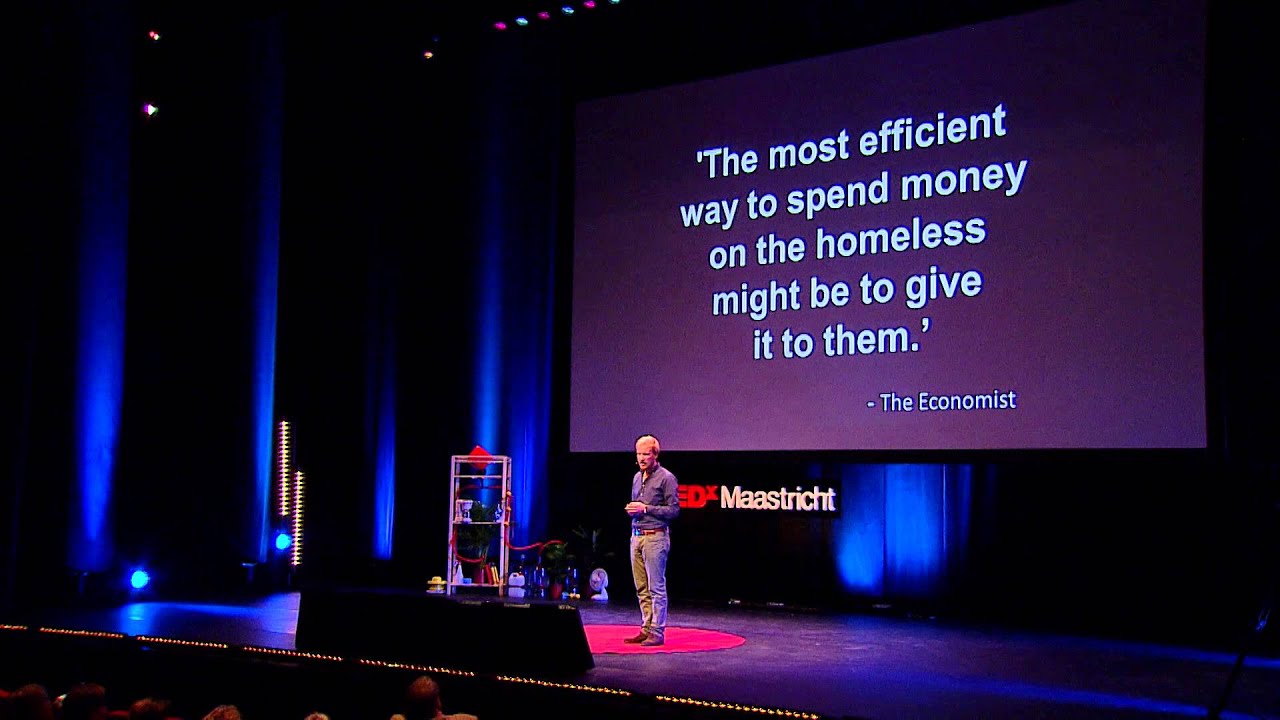
wrong it's very wrong that the level of inequality and the way inequality is created in the United States has resulted in our economy performing more poorly than it would if we had less inequality if we began to attack uh these uh forms of rank seeking if we work to try to create a more equal Society once you know that there has to be something in what I'm saying saying when uh a magazine like The Economist not normally known as a a a liberal magazine left leaning magazine agrees with me on almost every aspect of what
I've just said it should be a source of concern final question is is there hope INE equality has been at the level that it h is now in the United States at two previous periods the guilded age n The Roaring 20s in both of those instincts Americans looked over the brink they decided they didn't like the direction in which we were going and both of those instincts we pull back from the brink The Guild age was followed by the Progressive Era The Roaring 20s was followed by important social legislation in the 30s the question today
is as we understand the enormous cost that our society is paying by this high level of inequality will we once again pull back from the brink thank you [Applause]