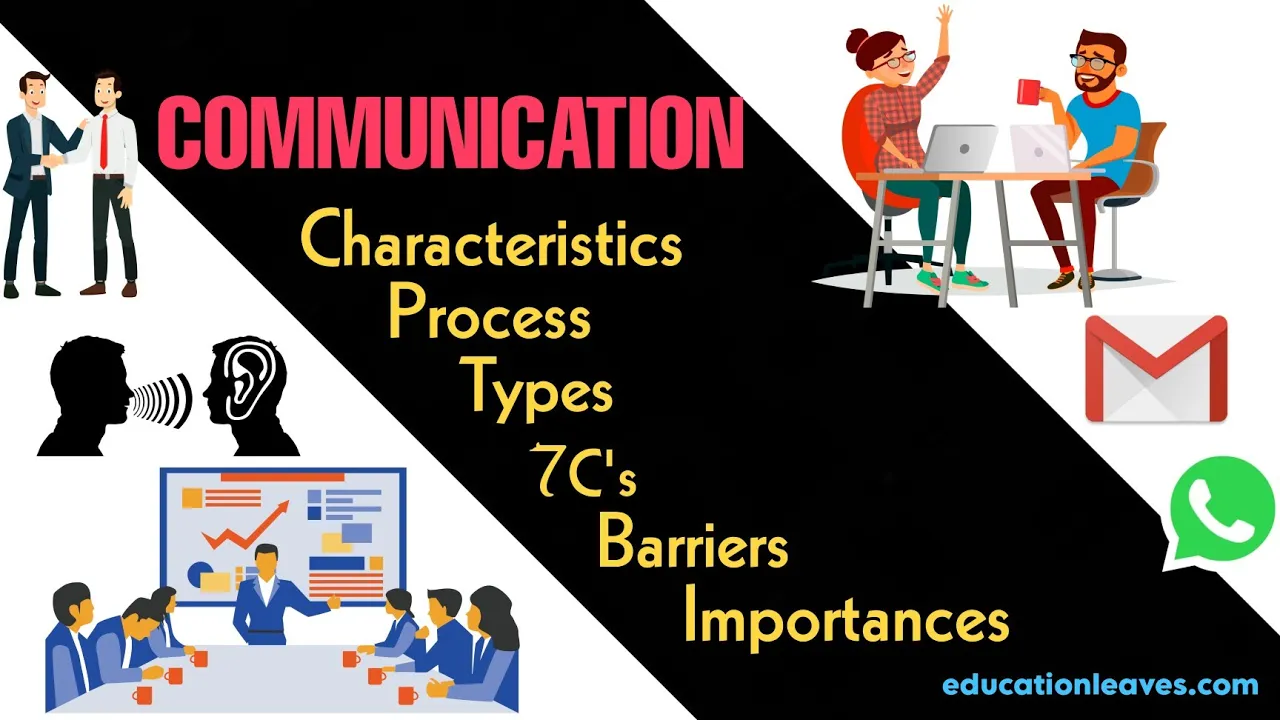
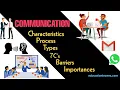
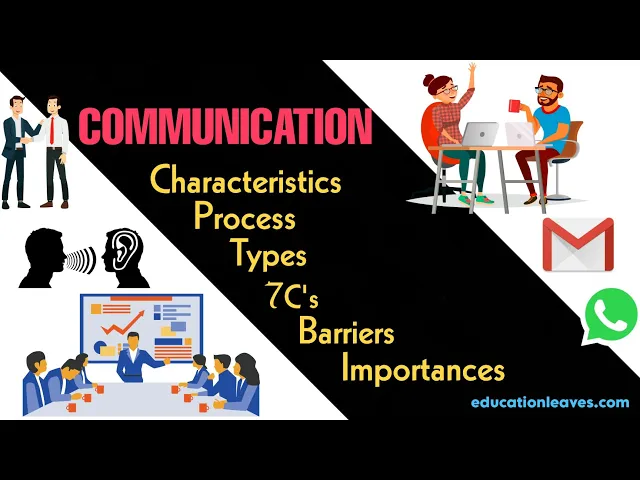
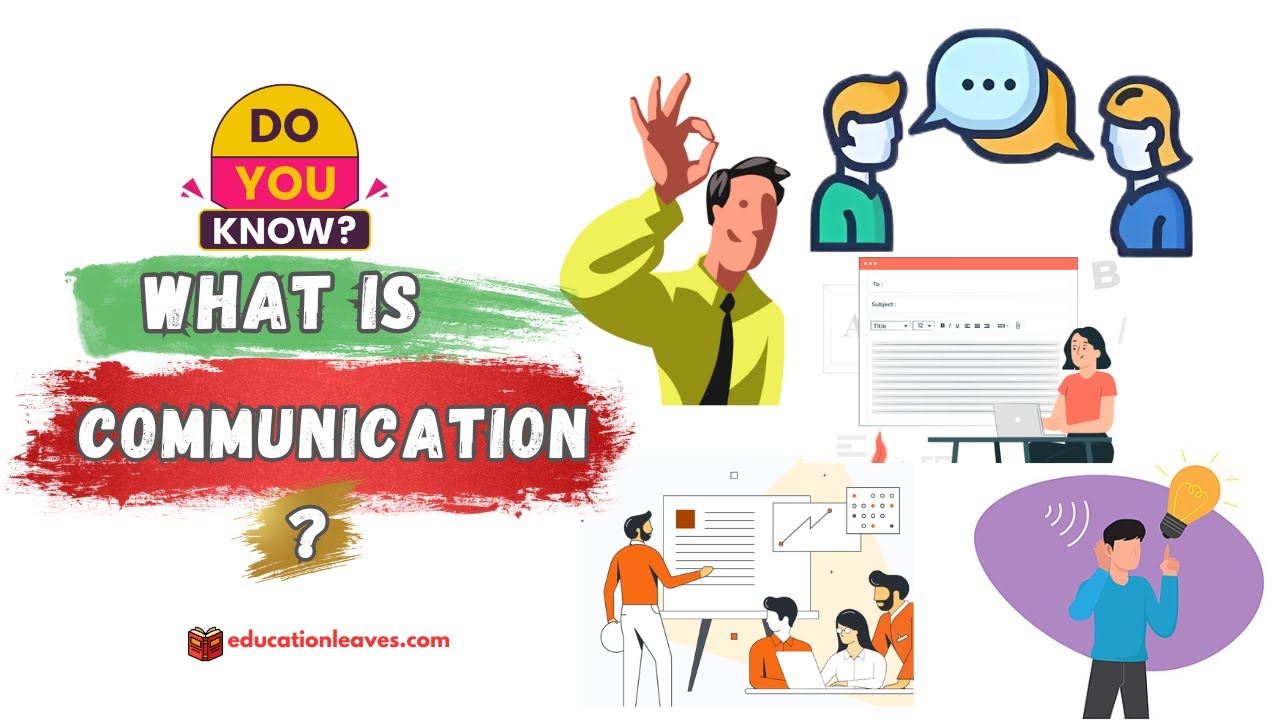
hi guys welcome to education leaves talking is an integral part of our life we talk to our friends family members co-worker and with strangers but do we really communicate let's see how communication is different from talking talking refers to speaking words and sentences sometimes the message was clearly understood sometimes not but communication is sharing information between two or more people to reach a common understanding before you start communicating with others make sure your message is clear and easy to understand here are some examples so MrJohn tell me how you found about our company and this position we need to fill actually I found it while I was sitting in the toilet and browsing the internet with my smartphone MrJohn you can leave now happy Journey hey dude why haven't you answered my email your message was so poorly written that I didn't dare to start a dialogue maybe I should talk with your boss maybe you should email him from these two examples you can clearly see how poor communication affects our life and career also now let's discuss some important characteristics of communication one communication involves a minimum of two persons the sender and the receiver 2. it is basically a two-way process and it is incomplete until the message has been understood by the receiver in the same sense 3. the forms of communication are order report instruction queries etc for it is influenced by the mood of thinking of both the sender and the receiver 5.
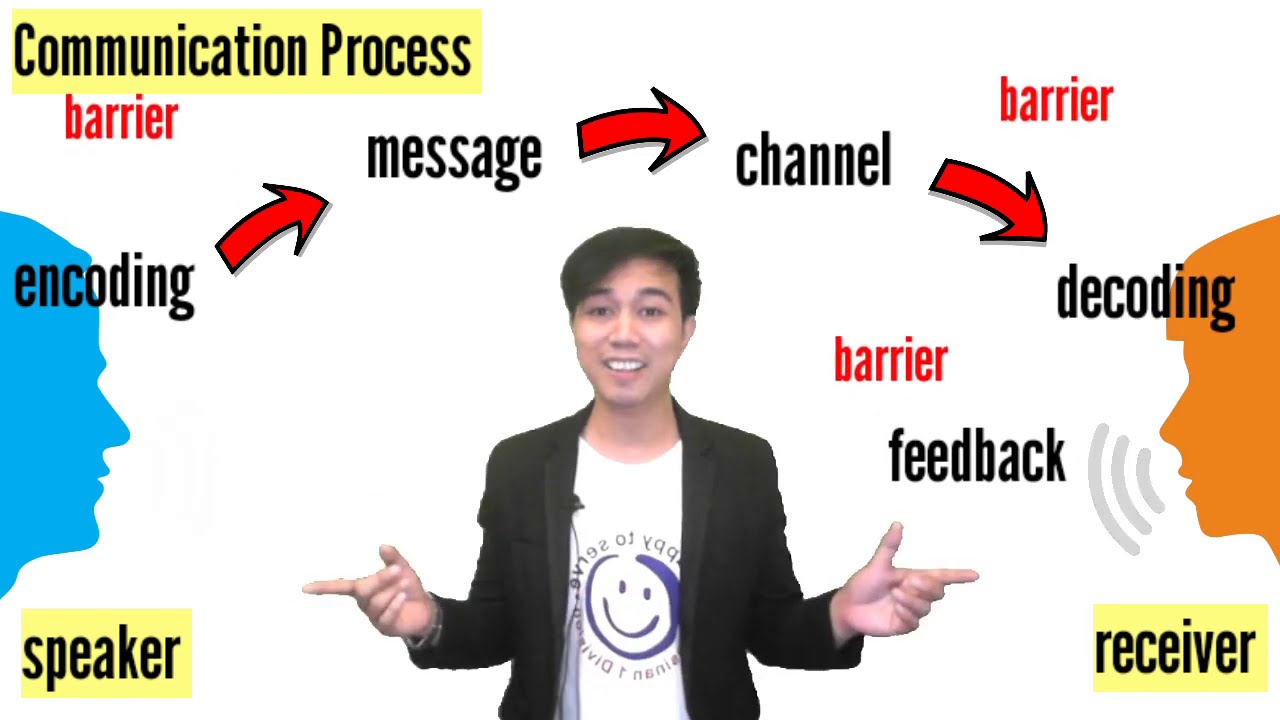
the main objectives of communication are to build interpersonal relationships and enhance human behavior 6. communication is a circular process that starts and ends with the sender now let's discuss the process of communication as we learned before that communication is a cyclic process that starts with the sender and ends with the sender in the form of feedback it consists of some steps where each step constitutes the essence of effective communication one sender the sender is the initiator of the message that needs to be transmitted after having created the information idea Etc the sender encodes it in such a manner that can be easy to understand by the receiver 2. message the message is the main subject of communication it is also called the heart of communication a message contains a thought idea picture symbol report or order to gestures and posts serial uses a message can be verbal or non-verbal three encoding putting the targeted message into an appropriate medium is called encoding encoding is very important because a wrong or inappropriate encoding may change the true intent of the communication 4.
Channel it refers to the mode the message flows or is transmitted through the message is transmitted over a channel that links the receiver with the sender the message may be written or oral and it can be transmitted through a computer a cell phone telephone television or a memorandum 5. receiver the receiver is the person group or Community for who the message is meant as the sender the receiver is also an important factor in the communication process as it is the other end of the process the receiver should be in a fit condition when receiving the message because any negligence on the behalf of the receiver may make the communication useless 6. decoding generally it means comprehending the message after receiving the message the receiver interprets it and tries to understand it in the best possible manner 7.
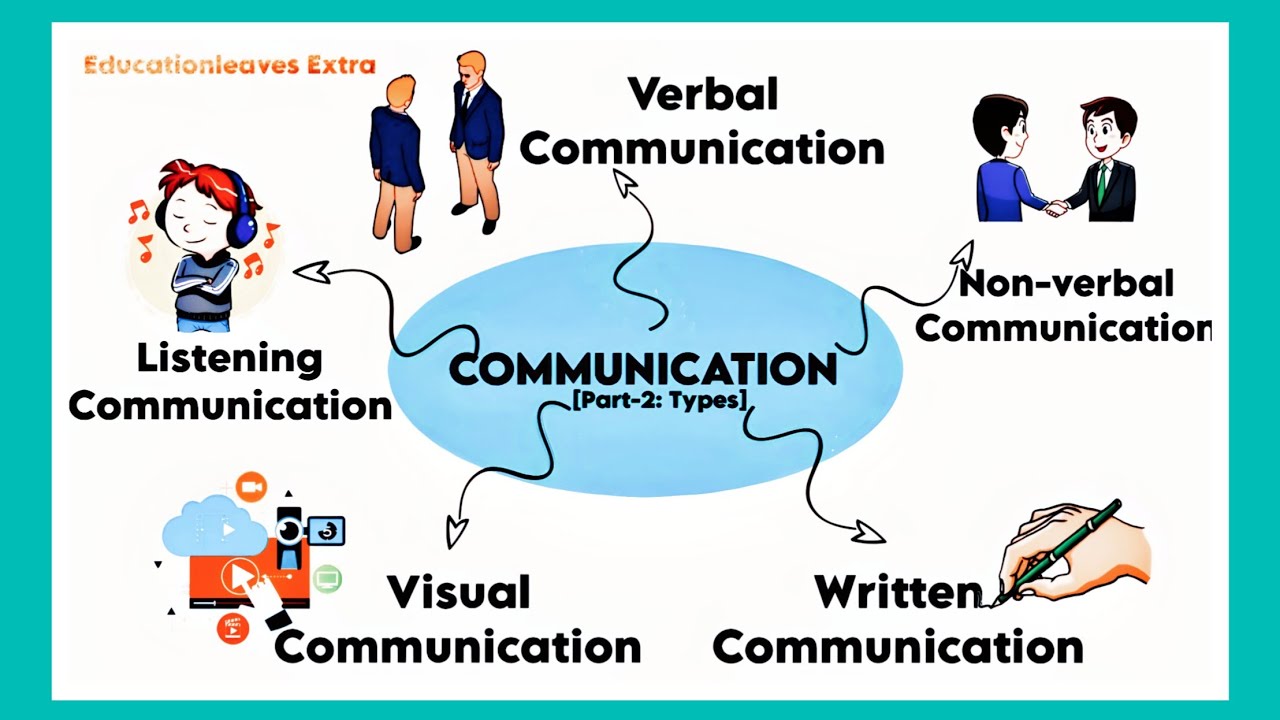
feedback it is the response of the receiver to get the message sent by the sender feedback is necessary to ensure that the message has been successfully encoded sent and decoded now let's discuss the types first verbal communication it is the most General type of communication that involves the use of language and words to convey a message verbal communication can be subdivided again into four categories one interpersonal communication interpersonal communication is the communication within us through self-analysis self-thinking reflection solo talking self-awareness assessment Etc 2. interpersonal communication interpersonal communication takes place directly between two individuals using or not using any technological device it includes face-to-face conversation online modes of communication telephonic conversation and so on three oral communication the communication that employs spoken words voice and sound to share messages is called oral communication this type of communication uses only one channel that is sound to transfer information 4. Public Communication in this type of communication one sender sends a message to a massive people or an audience face to face or using technological devices such as radio television Etc the chances of receiving verbal feedback are limited in Public Communication here are some examples of verbal communication face-to-face conversation giving a speech telephonic conversation sending voice note taking interviews group discussion in the workplace now let's discuss some advantages and disadvantages of verbal communication advantages one it saves a lot of time money and energy 2.
there are fewer chances of confusion because of the clarity of the method three the information conveyed in verbal communication is easy to understand as the doubts are cleared immediately 4. feedback has got quickly once a message is delivered 5. it is a very reliable form of communication and thus people prefer it worldwide over other types of communication disadvantages one if the receiver is unaware of the sender's language then communication cannot be carried out 2.
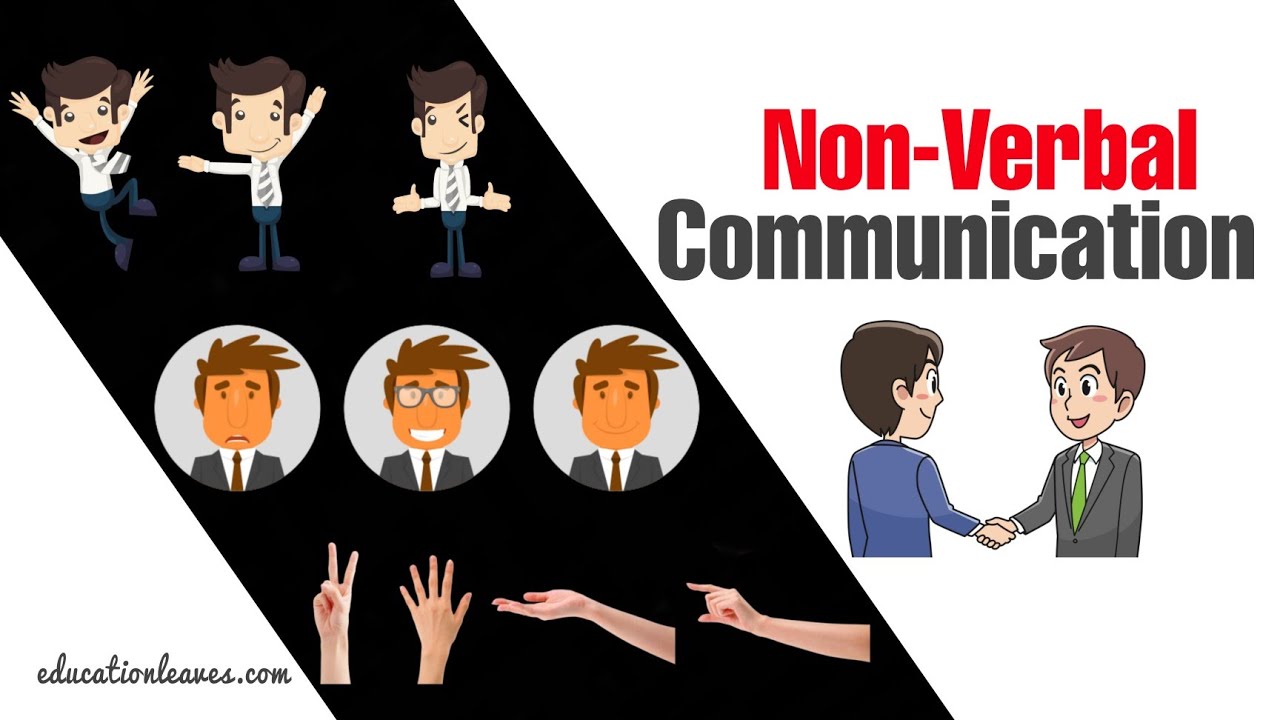
this form of communication is not at all suitable for a lengthy message 3. while conveying messages orally several irrelevant and unnecessary information may get included 4. in verbal communication there is no place for rectification or correction once a message is sent second non-verbal communication it is a passive form of communication where information thoughts and feelings are conveyed through gestures body language tone of voice facial expressions signals and symbols nonverbal communication is subdivided mainly into three different types one kinesics or body movements interpreting non-verbal Behavior associated with any part of our body or the whole body such as facial expressions hand gestures nodding of the head Etc two paralanguage it includes non-verbal elements of communication such as pitch and intonation of the voice rate of speech and stress on words to impart the meaning of the information and the related emotion the same message can convey different meanings according to the difference in the tone and pitch of The Voice three haptics interacting or exchanging information through the sense of touch is known as haptics it is very impactful and can convey the feelings and intentions of a person for example handshakes give a sign of a positive attitude and confidence while hugging gives a friendly and warm feeling here are some examples of non-verbal communication nodding head in approval showing a thumbs up signed to express positive feelings smiling at someone a confident handshake is a welcoming gesture giving a hug to show affection to talk in a raised voice while in anger now let's discuss some advantages and disadvantages of non-verbal communication advantages one it complements verbal communication by adding Clues and additional information for a better understanding of the message 2.
the use of gestures facial expressions and signs makes the presentation very easy three usage of gestures signs and facial Expressions touch Etc help illiterate people communicate properly 4. the physically impaired people can communicate successfully by using signs touches and sounds disadvantages one many people find non-verbal communication to be unreliable because of its lack of precision 2. many people find it difficult to understand non-verbal elements 3.
long conversations cannot be possible using kinesics proxemics signs and symbols as lengthy explanations and discussions cannot be done 4. lack of formality as like written and oral Communications third written communication the act of transferring and exchanging information through written letters symbols and words is called written communication it is the most common and effective form of business communication let's have a look at some examples of written communication letters and applications emails memos and reports bulletins and advertisements brochures hand bills and leaflets instant online messages forms and questionnaires now let's discuss some advantages and disadvantages of written communication advantages 1. the written documents can be recorded and stored permanently as proofs and evidence for future reference 2.
written documents are most likely to be accurate as there is a wide scope of repeated checking three long messages can be conveyed very easily through written communication 4. the written form of information is accepted widely 5. the availability of more time enables the sender to employ creativity in their writing disadvantages one compared to speaking writing takes a lot of time 2.
illiterate people can neither read nor write so written communication is totally fruitless for them 3. a written form of communication cannot display facial expressions sentiments emotions and tone of voice this may cause miscommunication 4. unlike verbal communication written communication lacks immediate feedback fourth visual communication a picture is worth a thousand words the act of transmitting information using visual elements such as drawings signs topography colors shapes graphic design illustration animation Etc is known as visual communication examples of visual communication advertisements PowerPoint presentations posters charts and graphs road maps visual reports manuals now let's talk about some advantages and disadvantages of visual communication advantages one in the case of some complex information such as statistics conveying through pictures is much easier and faster than verbal or written explanations 2.
visual communication is much more flexible as it has the power to break all the cultural geographical ethnic and language barriers 3. pictures and signs make more sense to the illiterate receivers 4. it saves a lot of time as encoding and decoding happen quickly 5.
visual elements grab attention instantly and generate interest among the audience disadvantages one the entire process of visual communication becomes quite expensive 2. there is a chance that the receiver may even misjudge the prime significance of the message convey 3. the process behind the images and then their preparation takes a lot of time it also requires the implementation of creativity which again is time consuming 4.
the images or Graphics are not sufficient to convey a compelling message if not backed by Oral or written information fifth listening communication the ability to receive sounds and information attentively and accurately in a communication process and also interpret the same as called listening we can say that listening is the key to any effective communication here are some examples of listening communication face-to-face conversation noting down class lectures listening to the news on the radio demonstrating concern using brief affirmations to messages paraphrasing to show understanding now let's discuss some advantages and disadvantages of listening communication advantages one there is less chance of missing information with active listening 2. careful listening provides better understanding hence offering an opportunity to avoid confusion misunderstanding and potential conflict three active listening to others creates connection respect and Goodwill in the relationship 4. it provides a better understanding of our surroundings and other people disadvantages one it consumes a lot of time and energy 2.
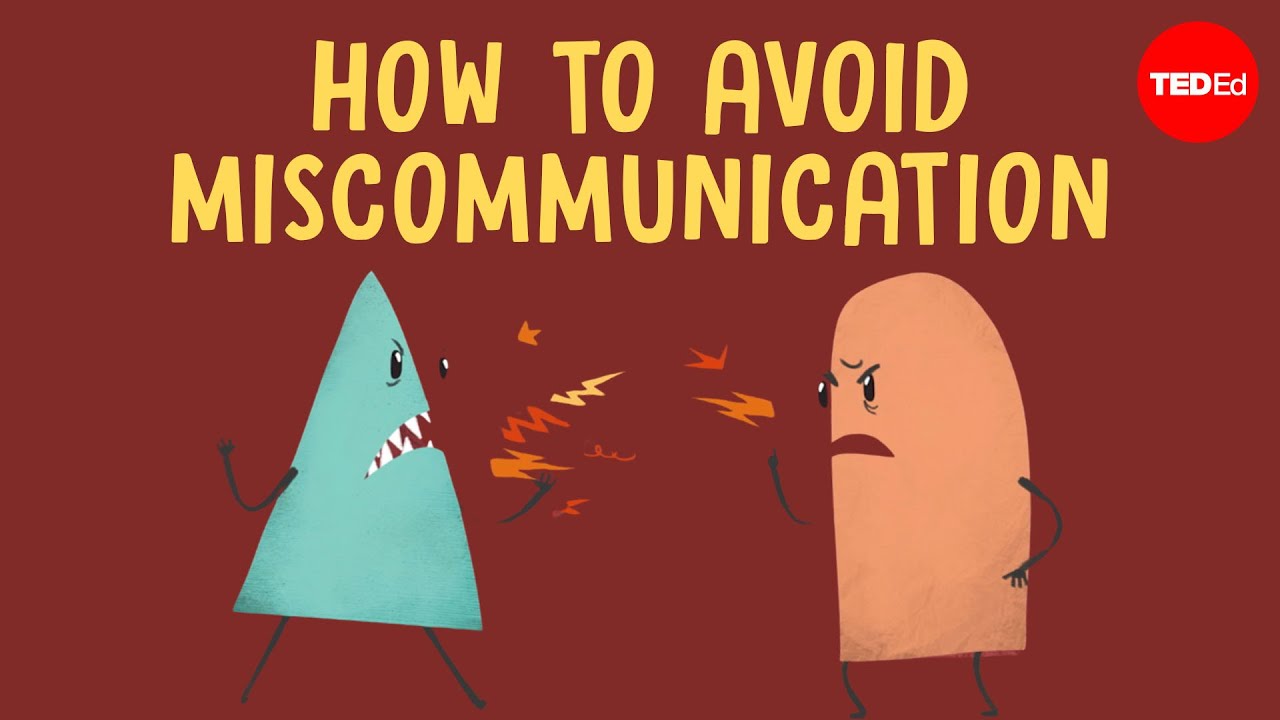
it needs greater effort three weak listeners May interrupt the speaker quite often this disruption of speech is a major drawback to listening communication 4. all people are not good at listening so they cannot get a clear picture through listening usually employees spend 30 percent of their time on emails meetings presentations conference calls reporting and several other activities at the workplace that involve communicating with colleagues and superiors in this field you have to be sure that your communication is the most efficient and engaging it will increase your productivity at work for this follow the seven C's of effective communication that is clear correct complete concise concrete coherent and courteous now let's discuss the seven C's in details first clear it should be effortless for the receiver to understand your message any message needs to come out clearly from your communication this will consume your time wasted on emails don't communicate so many things in one message because it will dilute the attention of the reader or the receiver second correct when you write too many emails in a day it increases the chances of spelling mistakes in your messages sometimes spell checker cannot find out your mistakes you need to be sure that you address people in the right Manner and their names correctly you also need to make sure that the viewer or reader of your messages has sufficient knowledge and skill to understand the technical terms that you use in your message third complete for effective communication provide a complete message it will help the reader understand and take action incomplete messages lead to a lot of back and forths iterations and a waste of time and effort for both ends if you want the reader to take action immediately ensure that you have a call to action in your mail or any other type of message and also communicate the urgency of the task in question fourth concise you should not write four sentences in a message when you can finish the message in just two sentences it will waste the time of both the sender and receiver and decrease their productivity too you shouldn't add fillers such as basically sort of I mean actually Etc remember your message needs to be accurate crisp and to the point fifth concrete you need to accept what you want to convey to the audience concreteness is an important quality of communication that needs to come to the fore especially during the marketing or advertising campaigns your confidence should capture the attention of the audience and of course not bore them sixth coherent your message should have proper logic all sentences in your mail or report should be connected to the previous one and also stick to the main topic without coherence the reader must lose track easily of what you have conveyed and seventh C of the communication is courteous being courteous is of serious importance in a corporate setting individuals who work together are not friends and therefore to maintain a healthy working relationship you need to be courteous insulting an aggressive tones will cause trouble among individuals and result in reduced productivity in this video I am going to discuss the barriers to communication a person wants to communicate one thing at a time but he communicates something else that he never wanted this type of behavior in communication is called The Arc of distortion Distortion Could Happen due to some defect in the mechanism of communication these obstacles in communication are known as barriers to communication now let's discuss some barriers one psychological barriers there are many types of psychological and mental problems that may affect our communication some people have stage fear phobia depression speech disorder Etc these conditions are hard to manage sometimes and will most certainly limit the ease of our communication 2. linguistic barriers the language barrier is one of the main barriers that limit effective communication the most commonly employed tool of communication is language and the fact is every major region has its own language that's why it is difficult for maximum people to communicate with people from different regions three physical barriers physical barriers are the most obvious barriers to effective communication some of the physical barriers are noise closed door faulty equipment used in the communication process Etc most of these barriers can be removed 4.
emotional barriers an absolute mixture of emotions and facts is necessary for effective communication some emotions like anger frustration and humor which are imperfect according to the situation can blur the decision-making capabilities of a person and limit the effectiveness of their communication a person who is mature emotionally will be able to communicate effectively on the other hand people with less mature emotionally will face various difficulties when they communicate with others 5. cultural barriers due to globalization any large organization has people from several parts of the world with different cultures religion dressing scents drinks food pets and behavior will change drastically from one culture to another sometimes it is hard to communicate with each other in such situations 6. attitude barriers some people are introverted and they like to be left alone others like to be social or sometimes extra clingy both of these cases could be a barrier to communication some people also have some attitude issues like huge ego and inconsiderable behavior this type of attitude could be the cause of demotion in organizational positions however sometimes problems like selfishness and egocentric Behavior cannot be correctable 7.
physiological barriers some physiological limitations like certain disorders or diseases or other could also prevent effective communication between the various channels of an organization some example of physiological barriers to effective communication is shrillness of voice dyslexia Etc these are not crucial and can be easily removed 8. technological barriers technology is developing fast and as a result it is difficult to adapt to new technologies in business organizations encounter several technological barriers in communication some are obvious like poor internet or obsolete Hardware technological barriers of communication can hamper the business if not addressed on time a technological barrier can be overcome if the right training is given now let's discuss how we can overcome the barriers to communication one checking whether it is a good time and place to communicate with a person two being clear and using language that the person understands three communicating one thing at a time four respecting a person's desire to not communicate 5. checking that the person has understood you correctly 6.
communicating in a location that is free of distractions 7. acknowledging any emotional responses the person has to what you have said in this video I am going to discuss the importance of effective communication communication enables a group of people to think and act together without communication there will be no organization poor communication leads to poor coordination and similarly cooperation depends on communication now let's discuss some importance of communication one connection connection is the most important factor between the sender and receiver without connection no one can build any relationship with others and most importantly communication helps one to connect with others two the basis of coordination the manager explains the private goals achievement interpersonal relationships and organizational goals to the employees this provides coordination between departments and employees here communication acts as a basis for coordination 3. fluent working a manager coordinates an organization's physical elements and humans to run it efficiently this coordination is impossible without proper communication 4.
increase in size to handle a large scale of operation in a business firm effective communication has been largely felt 5. growing specialization an increase in departments has headed to the requirement of specialization inside the organization sound communication is essential for ensuring Mutual understanding between different departments for the smooth functioning of the organization 6. competition due to globalization and liberalization intense competition has resulted between public private and foreign Banks now communicating through the newspaper mass media social media advertisements Etc has become the most important survival factor in the rat race 7.
decision making proper communication provides information that is necessary for decision making for the managers the decision shouldn't be taken in the absence of information so communication is the basis for making the correct decisions 8. Trade union movement basically trade unions are very powerful and strong Consulting and regular exchange of information helps to maintain a healthy relationship between them in this case communication is considered the most necessary Factor nine human relations to develop confidence and mutual trust it is important for both employees and management to communicate with each other in the management process the participation of employees has bought in a sense of belonging and loyalty toward the organization 10. public relations every organization wants to keep its stakeholders government customers and the other section of society informed about its products and contribution to society it helps to build Goodwill for the organization 11.
personal good communication skills are required for every successful job the ability to communicate in an effective manner is equally important for promotion in a career a manager should be a good public speaker and every employee should have the proper sense of communication to maintain their interpersonal relationships this is why communication is so important in every field and every moment in our life 12.




![Barriers to communication | Communication [Part- 4] | #educationleaves](https://img.youtube.com/vi/lzoug1e4jxw/maxresdefault.jpg)