Laura: From computers to car batteries, minerals extracted from the Earth help power many of our devices. What about the communities whose land is at the center of acquiring these minerals? Just this week the Arizona governor halted plans to transport uranium through navajo nation after the tribe raised concerns about how it could affect the reservation.
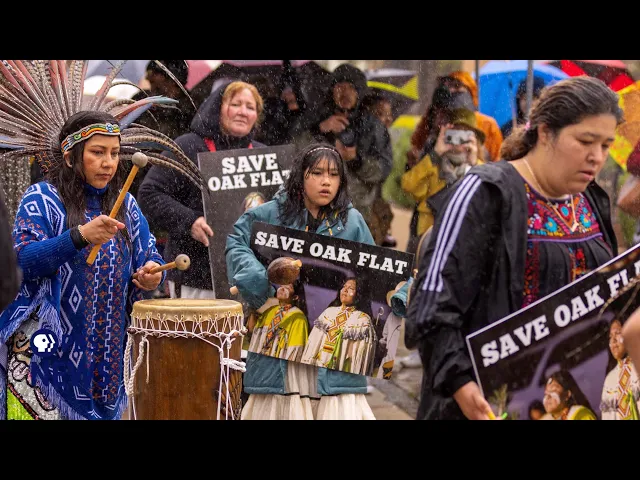
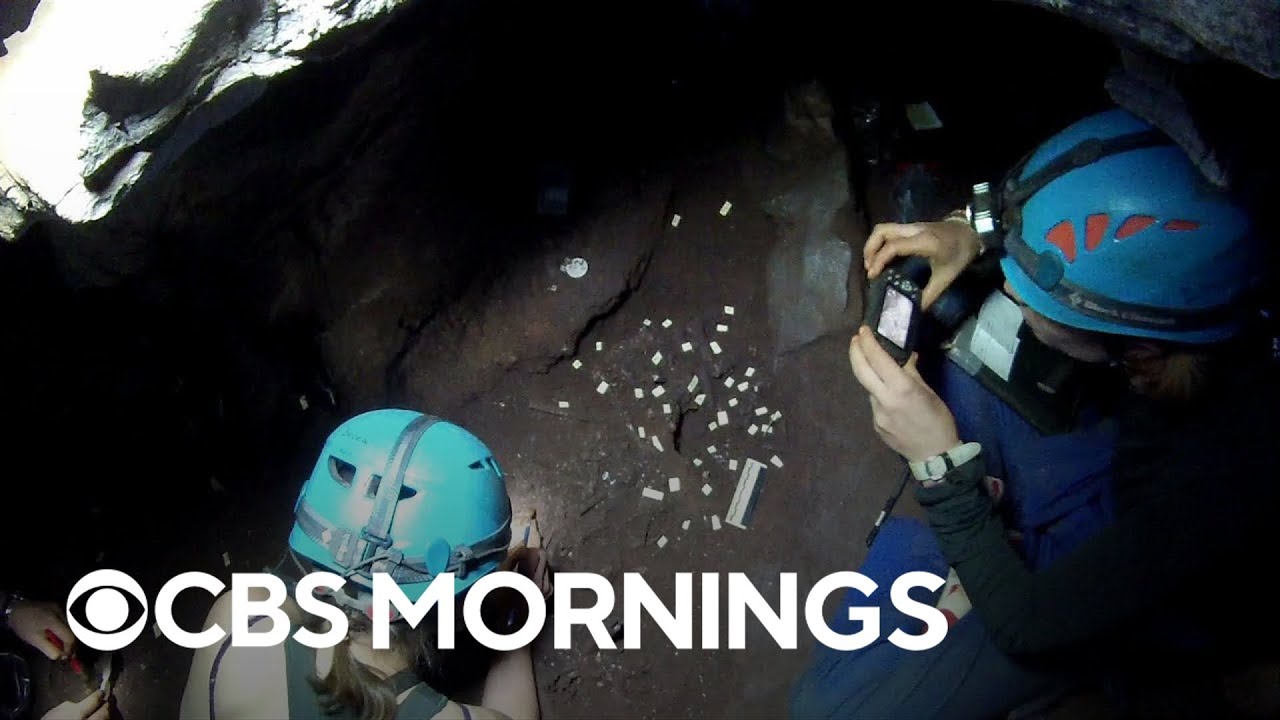
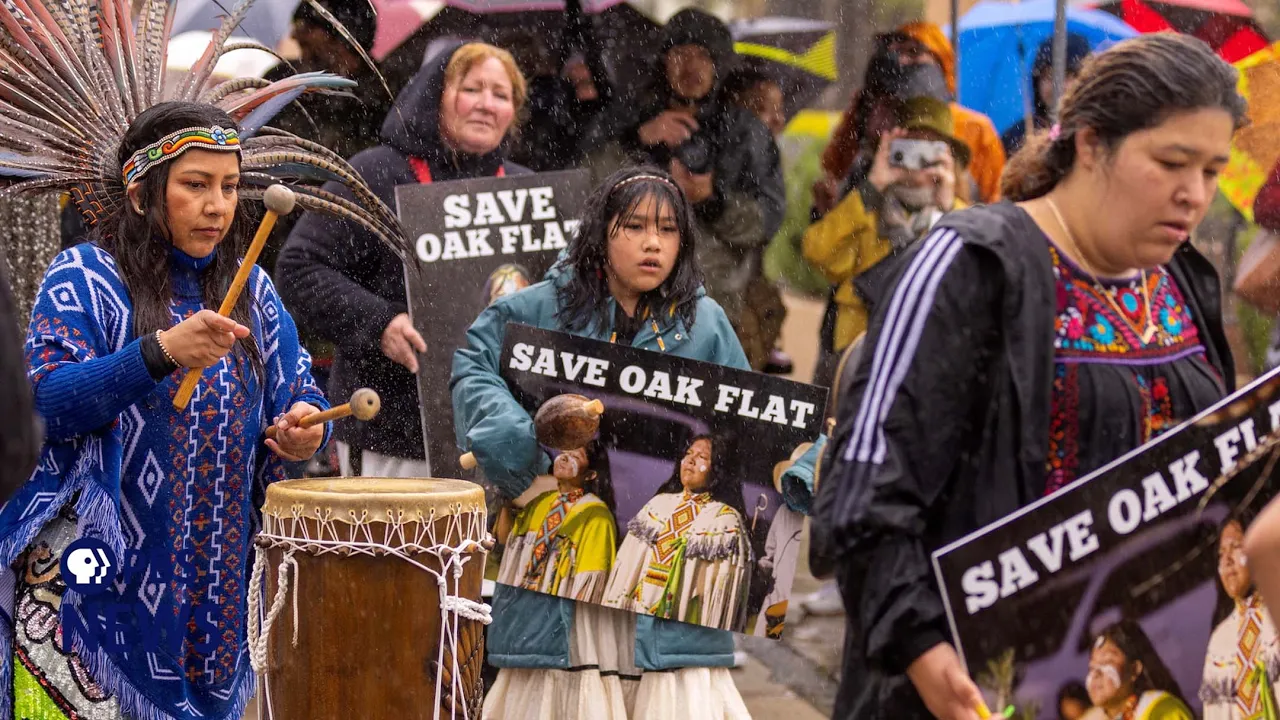
Our reporter reports on the fight between companies seeking minerals from the lands and the indigenous tribes fighting to preserve them. >> For members of the apaches tribes, the campground outside Phoenix is the site of sacred ceremonies and the resting place for many ancestors. >> This is the home of our deities.
>> It is also home to billions of pounds of copper, making it valuable to mining companies. Earlier this year in federal court ruled in favor of developers looking to extract copper from deep underground. >> They have to think this through.
There will not be copper here forever. Once it is all gone, then it is contaminated forever. >> Mineral mining has become a booming industry across the country and the world.
As the demand for electric vehicles and batteries -- rises so does the need to ramp up the supply of minerals needed to make them. In recent years demand for nickel, lithium and copper has grown exponentially. Between 2021 and 2023 the price from one ton of lithium in U.
S. Markets nearly tripled, reaching a high of $46,000 per ton last year. >> Everything we see, touch and feel in our modern life comes from minerals.
That is everything from the computers we are talking on to the chairs we are sitting in. Even everything down to our smartphones comes from minerals. >> Rick is a senior advisor to the pain institute for public policy at the Colorado school of mines.
>> Minerals are necessary for the energy transition. The one people talk about the most, they are most focused on our lithium and graphite. The demand is soaring primarily because of electric vehicles.
>> He said more than 300 new lithium mines worldwide are necessary to keep pace with the demand for electric vehicles. The Biden administration has prioritized a transition to renewable energy, setting a goal for half of new cars to be hybrid -- >> Some say the green future is coming at the expense of indigenous communities whose historic plan surround many of the reservoirs where the minerals come from. >> Companies plowing ahead with mining projects without consulting with those communities.
>> She is the executive director of the surge coalition, an organization that advocates for indigenous peoples environmental rights. She said mineral mining can risk endangering the communities. >> It introduces pollution, surge of various diseases, respiratory issues, cardiovascular problems, cancer.
It also leaves behind profound social impacts, including drug use, alcoholism. >> One study found a connection between the 2006 oil boom in Montana and North Dakota and a tax against native Americans. The rate of violent victimization which includes rape, assault and robbery increased 23% among native people in the six years after it started.
In the surrounding counties that did not produce oil, such violence decreased by 11%. Today U. S.
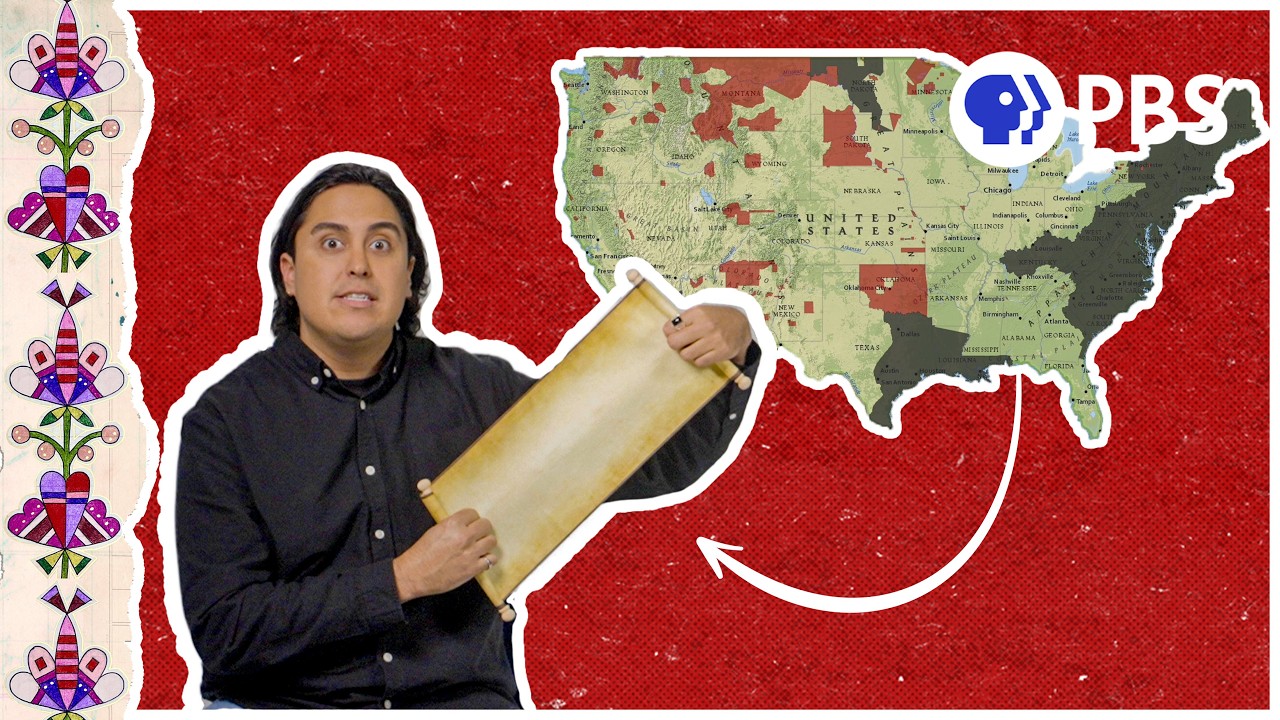
Mining is regulated but a 19th-century law encouraged by the federal government displacing indigenous people. In 2011 the U. S.
Adopted they dented nations declaration of the rights of indigenous peoples which requires consent before starting a project on native lands. Some legal experts say it does not go far enough. >> There is a need to reassess the procedures so that are updated in light of current international standards.
>> He is a senior attorney in the Indian lot resource center. >> We are starting to see measures for the purpose of underlining rights -- for the purpose of paving the way with mining activities. >> It is a trend he said is happening around the globe.
In the so-called lithium triangle, Argentina, Chile and Bolivia, indigenous communities sit on 60% of the world's lithium supply. P announced his plan to take control of the lithium supply and partnering with mining companies. >> Our challenge is to make sure our country transforms into the number 1 producer of lithium in the world, increasing wealth, development and distributing it justly.
>> Some native leaders are skeptical about his approach. >> What he proposes is a responsible. He is not asking the indigenous people.
This tone from the Chilean state to the indigenous people is constant. It is not happening only now. >> He represents tribes in the lithium triangle and says mining companies employ tactics to bypass laws and access the white gold below.
Companies are required to perform tests to determine prefectural -- potential environment a harm. >> They are not able to realize what is going on. They are not informed.
They have no access to information. As a result the permit is granted to a company. >> Some indigenous communities are fighting back.
Last summer hundreds of tribal members took to the streets in Argentina to protest mining in their territories. >> It is looting. It is plundering.
An irreversible damage to the mother Earth. >> Some argue mineral mining will help address the climate crisis by moving away from fossil fuels, Rick said it also creates an ethical dilemma with major consequences. >> Indigenous people are going to be the most impacted by sourcing these critical minerals needed for a successful energy transition.
If we do not mine the minerals they will be the most impacted by climate change. >> They believe there are more sustainable alternatives. The U.
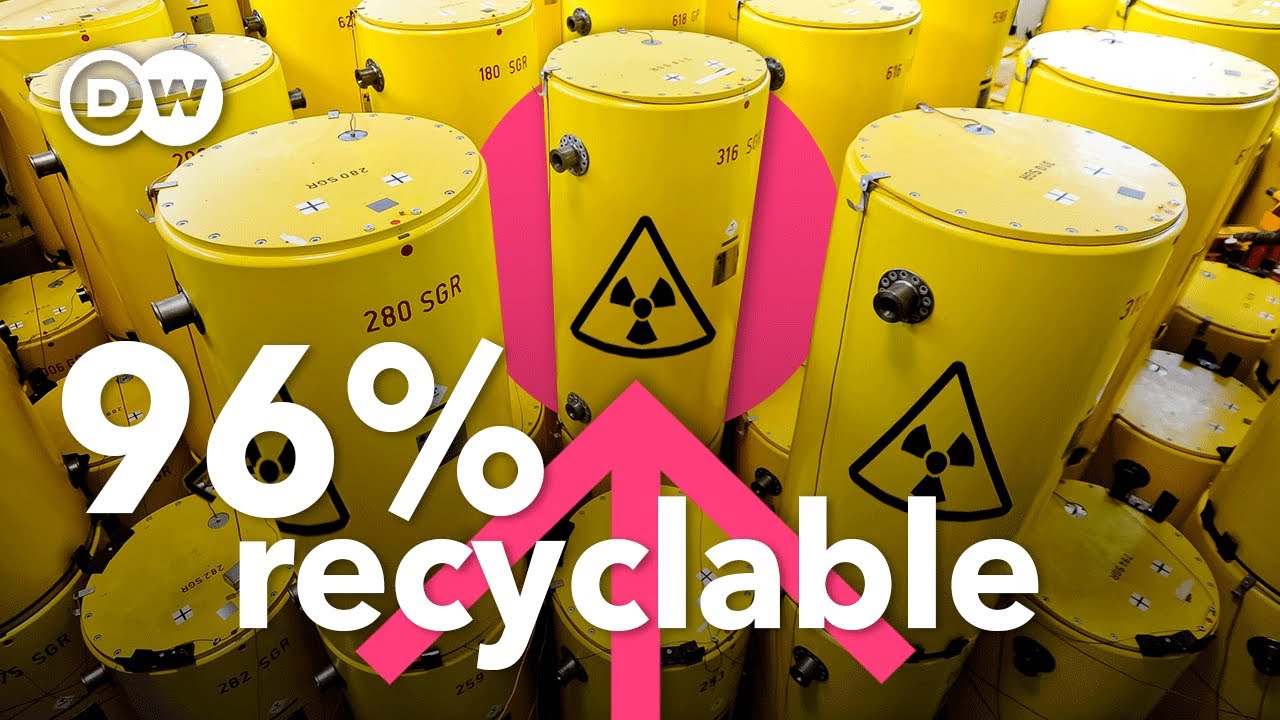
S. Could avoid producing new mines by making use of the thousand abandoned uranium mines across Indian country were energy resources he says already best. None of that work can be done without buy in from out indigenous communities.
>> There is no possible pathway without the support and partnership and hopefully leadership from tribal communities and tribal nations. >> That collaboration is nonnegotiable. >> Indigenous peoples are not necessarily opposed to the transition or the outlook in general.
Indigenous peoples are opposed to violating rights. Destroying their way of life and harming their prices landscapes that define who we are as people's. >> In Arizona, they continue the traditions of their ancestors while he is still able.
>> These places should not be lost. If it gets lost, it is lost forever and will never come back. >> For future generations of a patchy tribes, the fear could soon become a reality -- apache tribes, the fear could soon become a reality.