[Music] at agf we have one point for a strong submission attack there should be no gray area for what an actual strong submission attack is there should be no more needed steps to be applied in order for the submission to happen so I don't have to break a grip I don't have to pass an arm across I don't have to do anything extra in order to finish the submission I'm already at the point to where I'm either stretching a limb uh uh applying a strangle applying a a wrist lock a foot lock anything like this
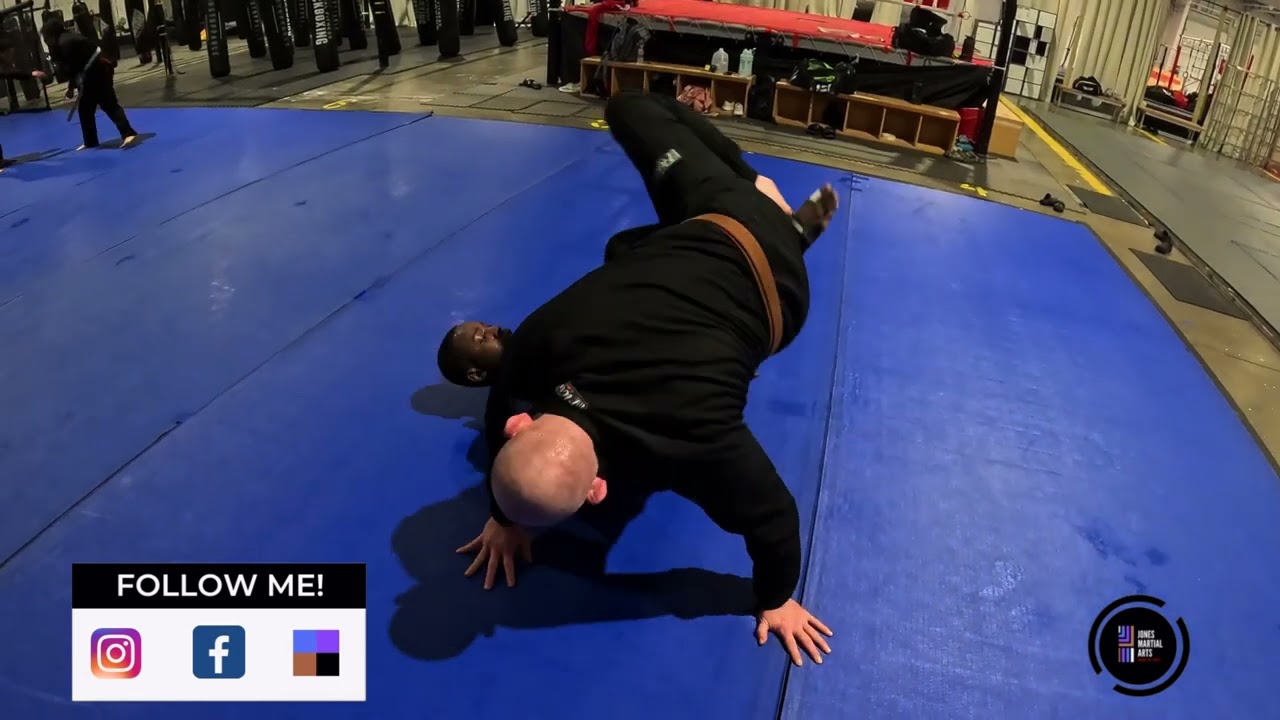
um so now I'm applying the submission so that's when we start to look for giving one point for the person who's attacking I'll give some common scenarios okay Jiu-Jitsu is far too large to give every possible type of scenario to give a point for a submission so I will show a few and I'll show some of the most common ones okay so we'll start with the armar so when I have the arm and uh let's turn a little bit buddy so in the arm bar position it and his hands are still connected we won't give
a point here we only give a point once the grip is broken okay it doesn't matter how that grip is broken or how his arm got uh uh free of the grip but once we're here there's no more needed steps to be applied for me to get the point so I'm just stretching his arm at this point I don't have to be sitting here and hold his arm straight stened for any length of time in order to get a point okay just know that soon as I'm able to go back that's where the advantage is
going to start to happen same thing if I'm in the guard right so if he's in my guard and I have a regular arm lock and I'm here and he has his arms defended that's that's one thing but once I have his arm being straightened like this this is now where I would give a point for the strong submission attack another scenario that happens a lot is the triangle okay okay agf kids can actually pull the head on a triangle and uh I'll also want to show you where it's going to definitely be worth one
point for adults as well so if I had my opponent in a threatening stage here of a triangle this is not going to be worth a point I will have to have my legs completely triangled and his arm passed across that's when I can start at earning a point for a submission attack once I start strangling him this way there are several other variations of different types of triangles that you can do but this is the max potential having the arm pass across and pulling the head over here he's under a major threat but he's
not quite going to get a point for the strong submission attack I still got to pass his arm across and I still want to be pulling on his head okay so that will let you know this is what I have to do to even pull the head as a kid at agf but also for me to get my point I have to have the arm passed across and my legs completely triangled I'm not like this okay another position is the PL so the omap Plata is a tricky type of uh sweep combined with a submission
so we have to draw a line as to where it's the actual submission attack so if I were to throw an Oma Plata and he were to accept the sweep or come up or whatever the case may be right I didn't quite fully attack the submission I used the submission in joint with a reversal with a sweep uh so when it gets to the point where I'm over his back with my arm now I'm fully attacking the sub this is where we would give one point for the attacker so once I go for the omo
right I don't get anything here but once I cover his back once my arm goes over his spine right so this isn't this isn't a submission Point here this isn't like this I sit up and once my hand covers over his spine I start going over his hips I start going over here I start searching for his collars once my hand crosses over his spine this is where you're going to start to give the a point for an plot cuz at this point he's really got to escape all I have to do is start to
lean forward of course and and he's getting tapped so if my arm's over connected connected collar gripped or anything like that and I'm coming up this is where the referee should give a point for the submission now if I got all the way up to here and he rolled I would get three points two for the reversal and one for the strong submission attack if I hold it for 3 seconds so some of those positions are just like they were previously where you're able to score while attacking a submission a guillotine is another spot where
it can be difficult for a referee to really tell if somebody's choking or if they're perfectly fine breathing can't always see how some people's hands are underneath someone's chin but what we can see by someone choking is their defenses right if they start jumping to the other side of the head to go for a Von flu or type movement if they start hand fighting really hard if they start raising their butt up in the air and they start doing all those technical things in order to get a a guillotine Escape going we know now that
they're choking and they're actively defending the submission right uh also something they could do from a standing Guillotine or a front headlock type position is they can spin upside down right spin belly up some guys will do that as a last ditch effort right and that's definitely going to be a point because that was the max that dude was so caught he flipped upside down to escape okay so um case in point so I'm here I have my arm wrapped all the way around right maybe the ref can't see everything that's going on with the
hands I go for a guillotine but if you know I might not give the advantage or the uh the the point to my to the person who's on bottom if I'm a ref I wouldn't give the point to me just yet but if Orlando jumped to the other side well now I know he's actively defending once he escapes that it could have been a point for me if I had a strong attack underneath his neck and I was attacking his neck and he actively escaped then it would be a point for me okay you got
to be careful it could be a guard pass as well too another thing is when you see a full guillotine in the guard and then he puts his arm over my neck right raises it up to his feet and he starts doing these types of movements and fighting my hands right now this is this is him full-blown actively defending and over the toop head grabing Guillotine so once you see that movement in Clos guard or you say see a major jump over to the other side with a clean neck grab with both hands then it's
going to be one point for the guillotine all right same thing with ankle locks okay we're going to give one point for ankle locks heel hooks any of that right it depends on your division of course but if I go belly down doesn't matter my position of my legs like if I'm here if I'm 50/50 if I'm Ashi whatever the case may be and I go to stretch someone out belly down this way this is the max potential in which we can stretch someone's foot uh is belly down so if you as a referee if
you see someone go belly down on an ankle lock you should be giving a point once that plays out because that's the max potential i belly down down arm bar Guillotine re Naka choke everything belly down is the worst in Jiu-Jitsu right so when they go belly down with the ankle lock is the same thing as well be careful with the uh I like to call them flash Subs but they are hardcore legit attacks so I may be here like this and it's legal for me to heel hook and he starts to turn a little
bit and I switched to a heel hook I went from an ankle lock right to a heel hook now I'm starting to rotate and then I turn it into a knee bar right so now I'm starting to attack a KN bar you can if you have a legit heel hook or legit ankle lock that makes them defend and they get caught right into another sub maybe he escapes whatnot I could have got I could have easily have gotten two points for attacking an ankle lock and then a heel hook just because the submissions sometimes can
go bang bang bang doesn't mean there wasn't a full scary limb threat let me give another example uh butterfly guard right he goes to like get an underhook over here right and I can get this arm like these are nasty right that can happen fast boom yeah then he does that so that could be a that could be a a fast armar that's not necessarily stretched out for three seconds it's like and turn and then that guy's he had to turn his arm and go give up the YO in order to escape the arm bar
right so sometimes there will be legitimate I call him flash Subs like they're they're happening real fast but they are hardcore legitimate if that person did not defend and turn their body or arm a certain way they would have tapped to the first submission that's when you know that's when you know it was worth one point okay if it was just put on not quite caught you know not not quite ankle locked or one arm or you know different scenarios where it looks like it's kind of iffy make sure that it looks 100% like they
are attacking if you think that it's 100% that they are attacking as a referee then you can give them the point if they're still sloppy then obviously it's not quite time to give the point for the submission attack okay so watch watch out for quick submissions also watch out for submissions in combination and uh also like rolling from the mount you know like if I had him in a triangle we talked about this in another video but for example if I had him in a triangle and I was here and then he rolled me over
to Escape right but somehow some way he he escaped yes uh he would get his two points for a reversal but I would also get my one point for the attack once he freed his head okay so those are some funky situations uh but we're kind of used to that already as referees just trying to put it out there for all of the coaches and competitors as well too the Americana is probably or the key loock whatever your school calls it it's probably one of the most common Subs that you're going to see at the
beginner level have more lower rank competitors than you do upper rank competitors so as referees really need to watch this okay because am Americana is very common we're looking for as a ref for my near elbow to be next to his head to give the point for a submission attack as long as I'm up here and attacking even if this arm's down this is not a submission attack but once I drop my elbow on the ground this arm doesn't matter if it's on the ground it can be up it could be down but that's when
the Americana really starts to happen is when this one's on the ground if it's up if it's around like this this is super common too no point for the submission attack but once I go here now it's time right this is just crank time at that point all right so that's definitely a a spot that's super common for kids and for beginners uh you're going to see it a lot as a referee so just make sure the near side arm again touches the mat boom and whatever happens after that there's very variations of different ways
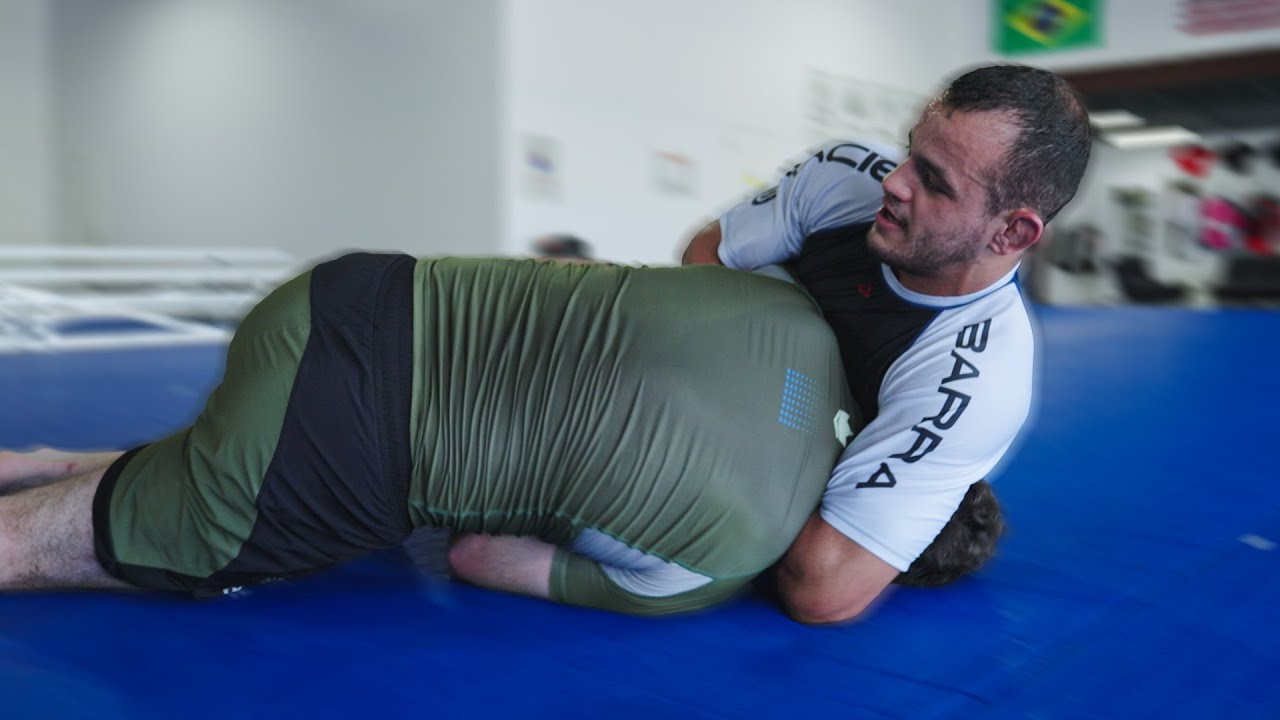
to finish so that's really up to that person there but all of them finish with the near side arm of next to their head is down so that's when you know it's an attack for an Americana when it comes to a Kimura stay there buddy when it comes to a Kimura you got three different koras typically closed guard or a guard top side control and north south Okay so three different ones I'll show you the three different positions in which you get points when I'm ins side control and I have a Kimura I'm not necessarily
going to get a point while I'm in this position until I stop his body from moving and his head from moving so once my leg gets over his head and I start pushing this is now when I get my hand my opponent's hand behind his back that's the key once the opponent's hand is behind the back that's when we give the point for the strong submission attack see how his hands here if his hands not behind his back it can grab in the ghee he can grab his belt his Rashard his hands all that kind
of stuff can happen there but once I'm down and now I'm I'm going to step over his head some people just put a knee some people put a whole leg some right and his hand now look is behind his back technically so that's where I would be able to give the the strong submission attack when he's in north south and I go for the kimor this way again it's not till I break the grip whether he's up you're up like this and you like to Kimora here or here once I break the opponent's grip and
the Hand starts to cross over to the back it doesn't have to be behind the back let's turn Orlando but it has to break the plane of his back you see this so like I can bring it up or I can bring it right over but either way the hand will pass his spine and that's where the tap starts to happen right so once the hand goes towards the back from North South or from side control that's where we're going to give the point for the strong submission attack same thing with the closed guard okay
super common and and and kids and white belts are very weak in their positions so once that hand gets to their back there's usually no returning from that so I prefer to stop it most times when it's kids excuse me kids or white belt adults or what not even blue belts so there's a cumora that happens and this person gets their hand put behind their back usually there's no coming home from that these guys are going to get humored or injured U it's not a real strong place to be so north south side control and
guard once that hand goes past their ribs and onto their back that's when you give the strong submission attack