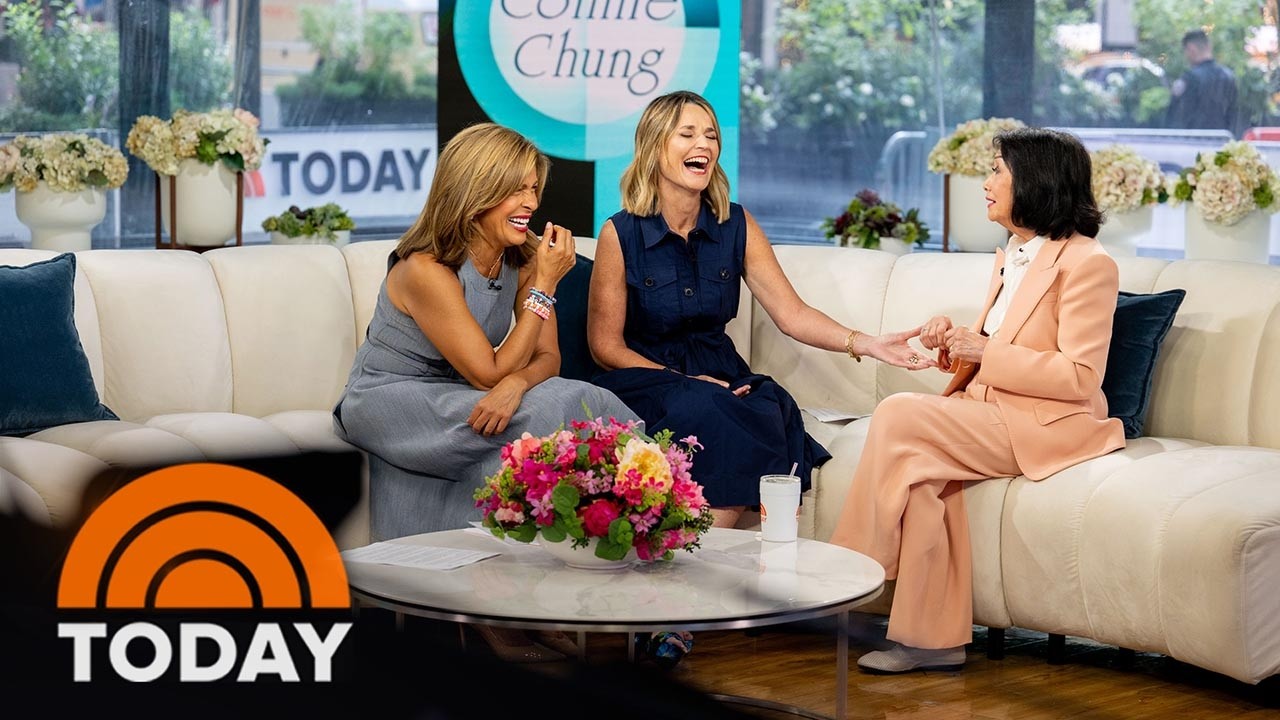
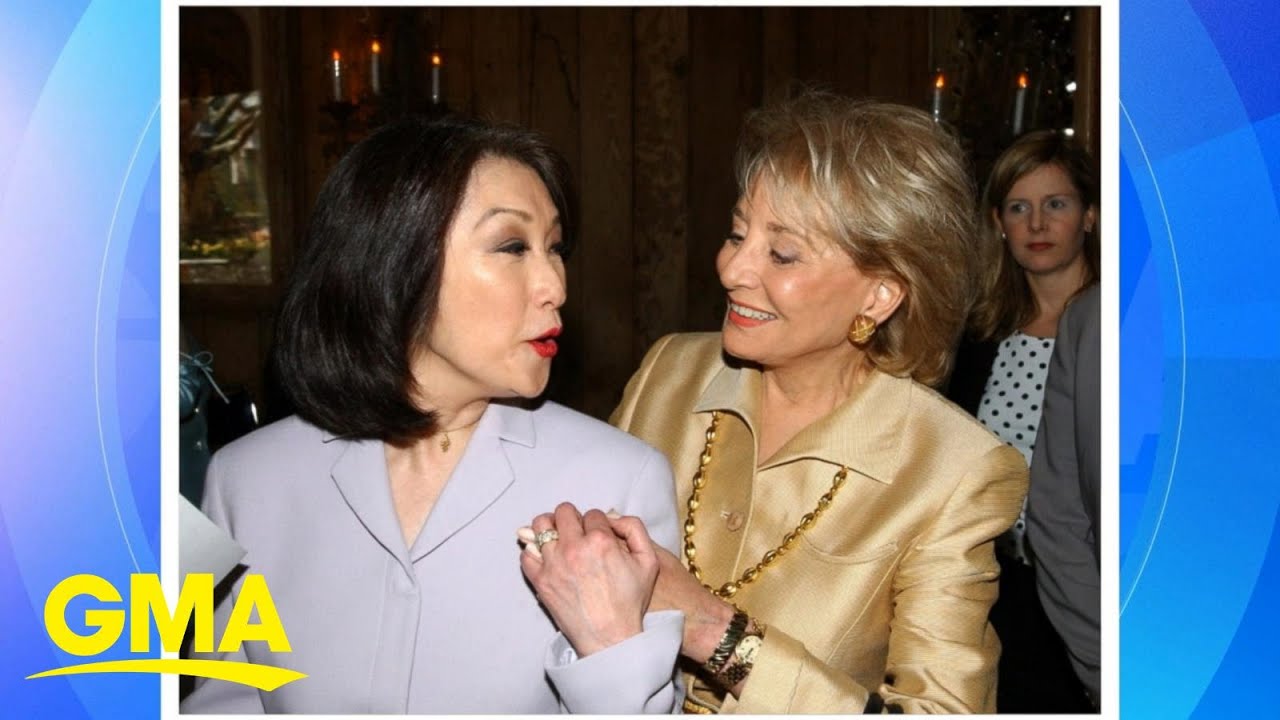
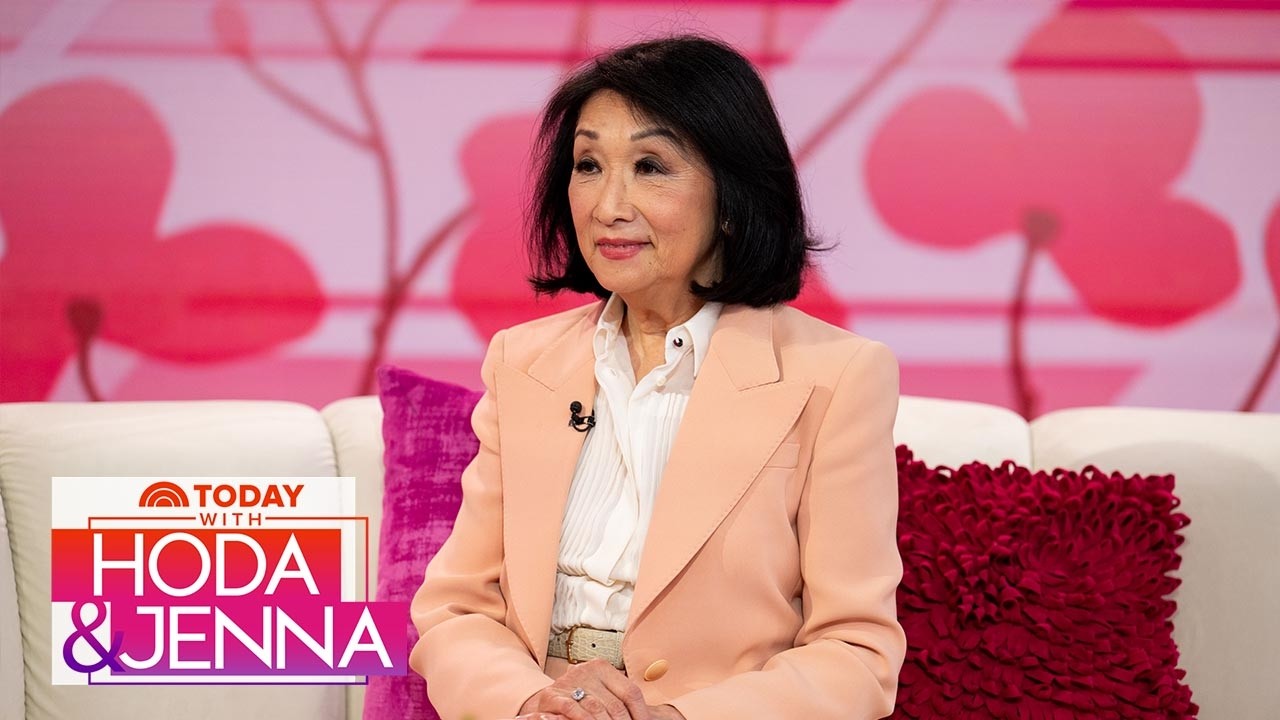
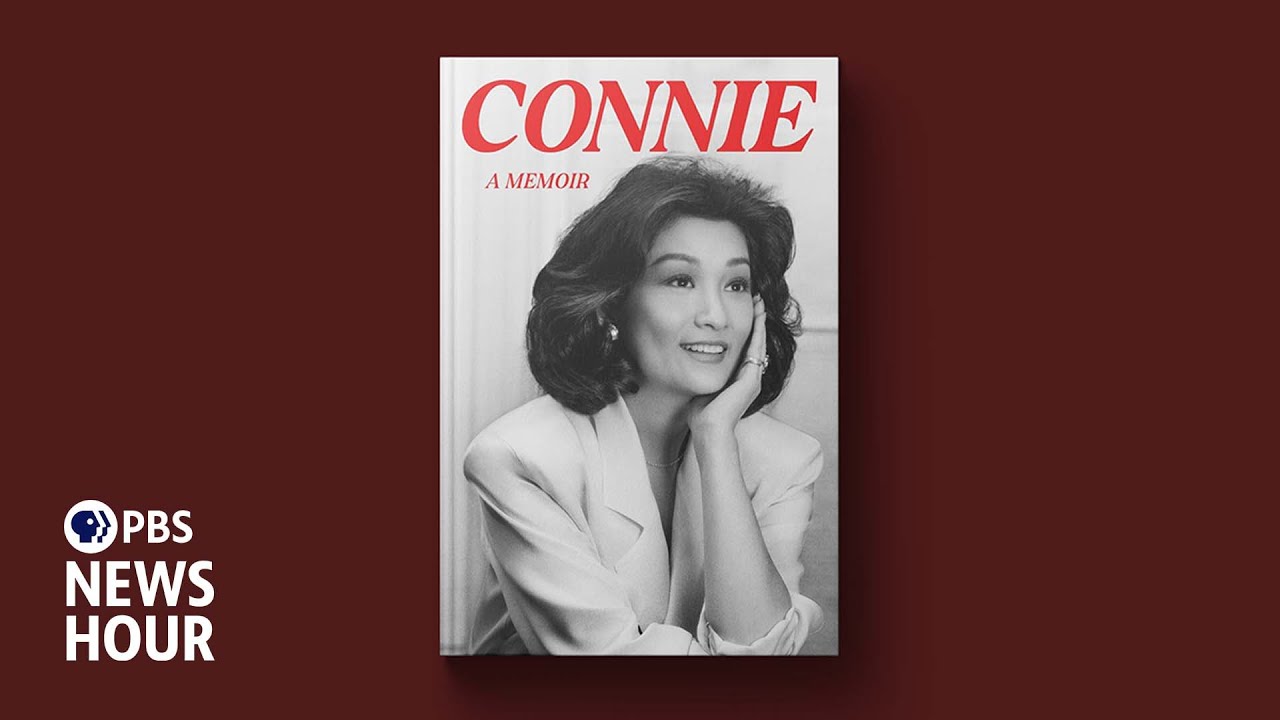
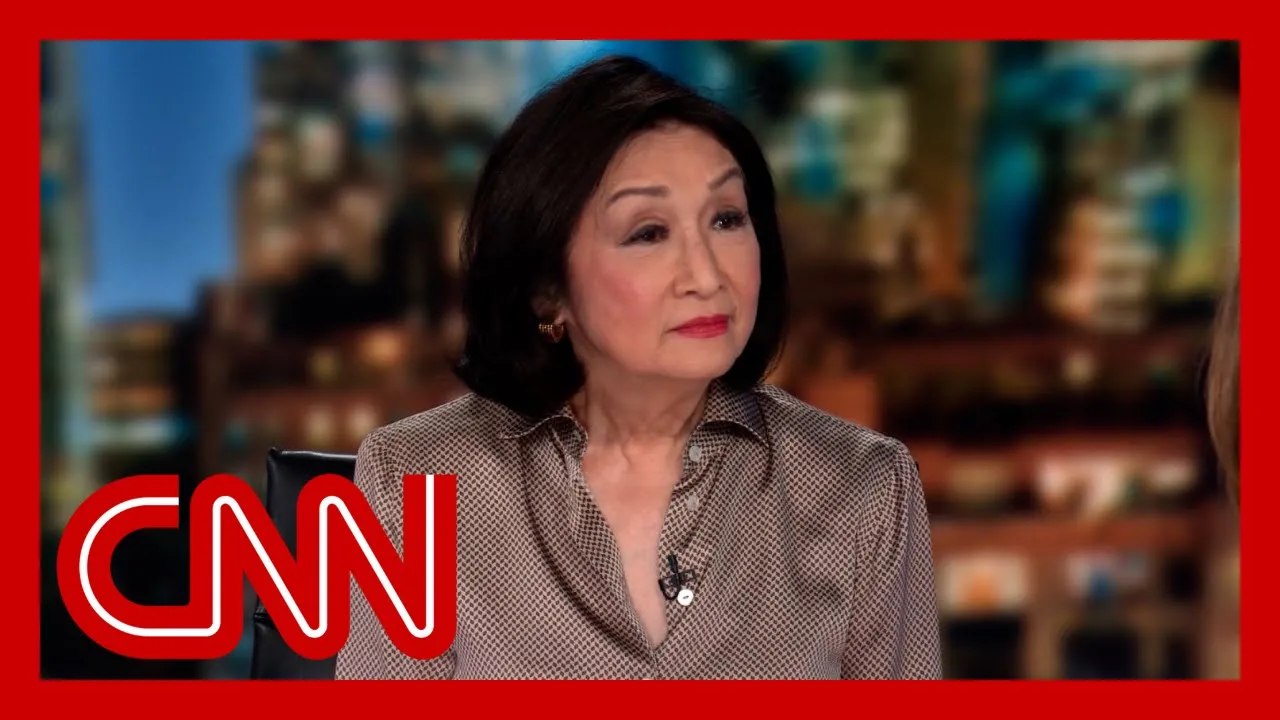
Tonight. Connie Chung, the legendary reporter and news anchor, has reported the news for more than four decades, shattering glass ceilings, making history when she became the first woman to co-anchor the CBS Evening News and the first Asian to anchor any news program in the country. She is my guest tonight here to talk about her new book, Connie a memoir reflecting on her barrier breaking broadcast career.
This is the CBS Evening News. With Dan Rather and Connie Chung. Good evening.
It is apparently the single deadliest terror attack on U. S. soil ever.
There were thorns today in China that a major purges ahead in the Communist Party. Was Chandra Levy in love with you? Why didn't you go to the authorities immediately?
Because I was afraid. Well, you probably don't know. Connie and I go way back to when she was with channel two back in LA, and I used to have a big crush on her.
There's no no. Why you do it? Well, I don't love the publicity.
Oh, I hate the book. Oh. Come on.
Not even telling you I hate the book. Lee. And that's our news.
We'll keep you informed throughout the night here on CBS with any late developments. I'm Connie Chung in New York. I'll see you again next Sunday night.
And award winning journalist Connie Chung joins me now. And it's such an honor. And this book is incredible.
So we look at all those moments that you had and and obviously you're a trailblazer. First woman to co-anchor CBS Evening News. As I said, first Asian to anchor a major news broadcast and it is today, 2024, where we are for the first time, seeing the first black, the first Asian woman to be on the top of a ticket for president in the United States.
Are you thinking that are you surprised that it took this long? Or is this what you thought it would be? I always am surprised when when women make it up the ladder.
It's always a big shock to me because we have not reached the level of parity, and we'll see what happens. I don't you know, I, I don't you and I don't know sitting here what will happen. and, and it is fraught with danger for me to go there, you know that I know I'm not trying to force you to a point of, you know.
Okay. She's such a good news person. Can I just say, Erin, I watch you every night, and.
And I think you're just rocking good. You're a good journalist, and you're a very good broadcaster, and you're so freaking smart that you ask the right questions. Connie, when I and your works are incredibly kind.
But this is about you and all these moments that you had that have inspired me and so many others. And there's another incredible moment I want to play for you. The cameras are chasing you like they chased, O.
J. Simpson with the famous Bronco on CNN. The cameras are chasing you, and an anchor literally tracks your moves.
You, Connie Chung, let me play. The moment we found. Oh, I think I know what this looks.
As we continue here, you're looking at a live shot of a ranch outside Modesto, California, where the interview with Congressman Condit and ABC's Connie Chung is, taking place. All right, so that they're not tracking you, it's amazing. So this is Gary Condit.
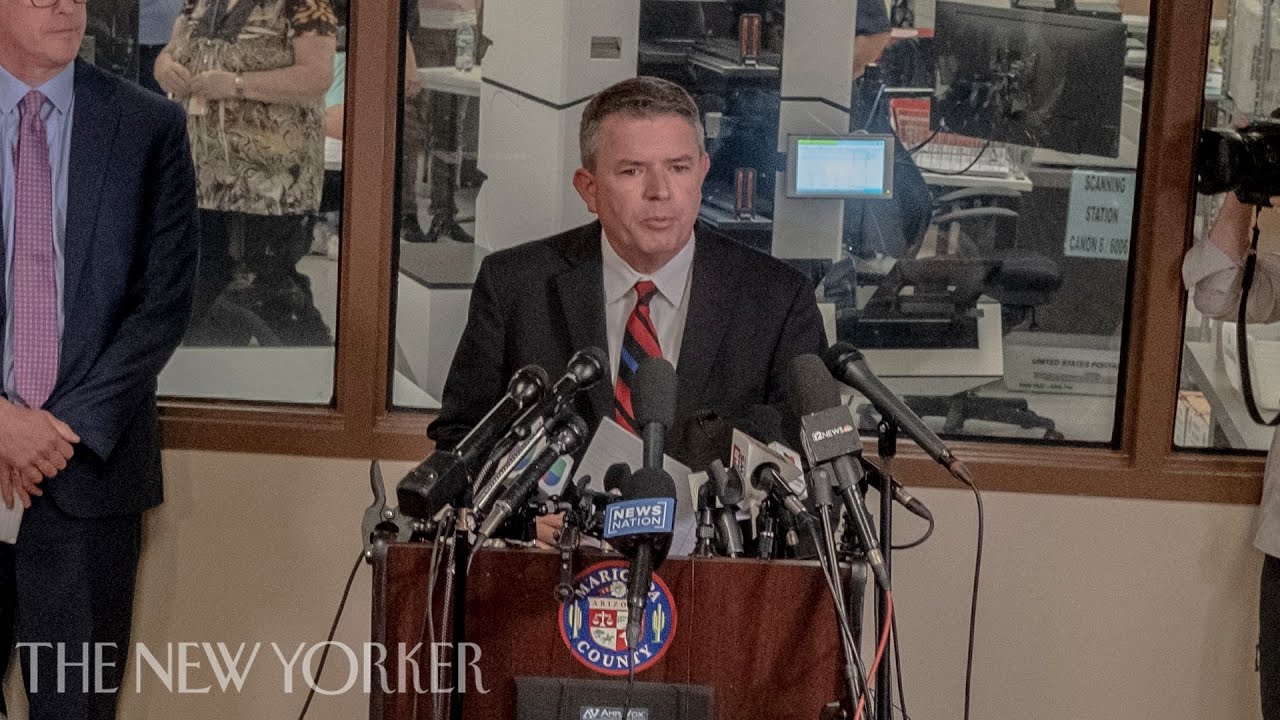
I mean, that was the get he's speaking out about. It was affair with the intern. Chandra Levy, who went missing eventually is found dead.
And this was a huge moment for you. I want to play one of the most important moments that interview. Can you describe your relationship?
What exactly was your relationship with Chandra Levy? Well, I met Chandra last October, and, we became very close. I met her in Washington, D.
C. very close, meaning we had a close relationship. I liked her very much.
May I ask you, was it a sexual relationship? Well, kind of. I've been married for 34 years, and I've not been a perfect man.
How how important was that, that interview in that moment in your career? Well, it was it was a, it was a period which I had been at ABC news. And frankly, I wasn't allowed to go after big Chance because, there were two, women who happen to be women, strong women.
Barbara Walters. Yeah. And, and they were battling each other for the big interviews, and I had to stand down.
so this one was a big one. but I was told that if any interview went to Gary Condit, it would be Barbara. And so I said, okay.
And then when, I called Condit lawyer and said, take me off the list. I'm, I'm I was a good, good girl when it came to Barbara because I think she created a niche in her career that I should not touch her. She earned her defeat.
I mean, she she could push me off the plank and I'd be fine. So, But the lawyer said, if you don't do the interview for ABC, I'm going to give it to somebody else. So I marched up to the president of ABC news and said, me or nobody?
And he went, okay, and you got it now. All right. So, Barbara Walters, I just want to ask you about her because you write about her.
And of course, as you know, a journalist and, you know, watching all of this as I was growing up, I was eating that part up. But you write about always, quote unquote, being under her. Those were the words that you use.
You're talking about it here. How did that affect you? it was okay with me because I really believe that she paved the path, paved the driveway for all of us, and I, I respected her tremendously.
I did not want to try to take her off her throne. If she didn't, if she wanted to do something, I was okay. I, I for the millennial coverage I was supposed to I was assigned to go to Paris and I was like, whoa, rocket Park, not Paris.
Yeah, yeah, the Eiffel Tower. And, my whole family, Marie and my daughters and our son, we were all going and their husbands and their children. And then, a vice president came down to see me and said, Connie, Barbara wants to go to Paris.
And I said, so where am I going? And he said, Las Vegas. Okay.
You know, there's a mini Eiffel Tower in Las Vegas. There is. You need to settle for that.
Yeah. but incredible how gracious you could be that you could see that is something that was not something that you resented. She also didn't have a lot of things in her life, as she talked about later, that she would have liked to have had.
And she made those sacrifices. And you talk about that in your own life, you know, that you almost didn't have a child because I forgot to get married. Then I forgot to have a baby.
And I mean, you did it right. You know, I don't know how you did it. And I you.
But you had babies and you had a career. How do you do that? I know, you know, but I remember, before I had either a husband or children and this show was launching.
I was engaged, and you came to the launch party, you and Maury? Yeah, I sure did. And you came.
And I remember that moment, a Connie, I think about it often because when you wrote about your decision to get married, your struggles to have a child, when you finally made that decision and you wrote of Maury, he has been my foundation, my support, being my partner, my love in every way. And I actually loved this part. I love Maury with all my heart.
But sometimes, you know, I don't necessarily like him. But I do remember that launch party, and that was the part of you that stood out the most to me that I said, I want that. It wasn't just that I admired you.
Of course, but it was, you know, you want the whole thing. Yes. What is the most important achievement in your life so far?
I have to say, it's it's my son. He's a good guy. Matthew.
Yes. Matthew. It happened.
a serendipity. It was serendipity. I was dumped from the CBS Evening News, and I felt like my life was left on the desk.
You know, that I had to walk away. they offered me as something else, but I. I had to figure out whether or not I wanted to stay, and, So two days after I was stumped, we got the call that our adoption was going to go through, and I was right.
And my sister uttered the cliche, one door closes, another door opens. She was so right. he was in my arms, when he was less than a day old, like 16, 18 months.
And, you know, he became a part of my arm forever. Well, so when you talk about the the firing from CBS and what that meant, that that opened up the greatest thing in your life is at the moment. It didn't feel that way.
No. you were sitting there with Dan Rather? Yeah.
For two years. daily tension so that it all came to a head in Oklahoma City. Yeah.
When you went to cover, you were the first one there. 168 people were killed, that horrific attack. and then you were fired?
Yeah. Soon after that. You.
Right. My very Chinese reaction was to feel I had lost face. Yes.
All the joy of reaching my ultimate goal had evaporated in one instant. And in that moment, I also recognized that my entire life had been wrapped up in my work and how much it was a part of me. Now, obviously, then you opened up the greatest thing in your life, but at that moment it was clear to you that it was about your race and your gender.
How did it change you when you were confronted with that right in the face? You think it was? I mean, it's hard for me to, wrap it up and say it was because I was a woman or was because I was Chinese.
I think, I think the truth of the matter is, is that if if Dan Rather, he had owned that seat, you know, he had been in Walter Cronkite seat by himself for that long, and he had to move over a few inches to give me half of the chair. And, well, that would be hard, regardless of who you exact. Yes.
I mean, you know, and that to that point about gender, I think it would be unfair to say that's all it was. Exactly. Yeah.
I think that if I were, a man or a plant, he still would have not wanted that thing there.