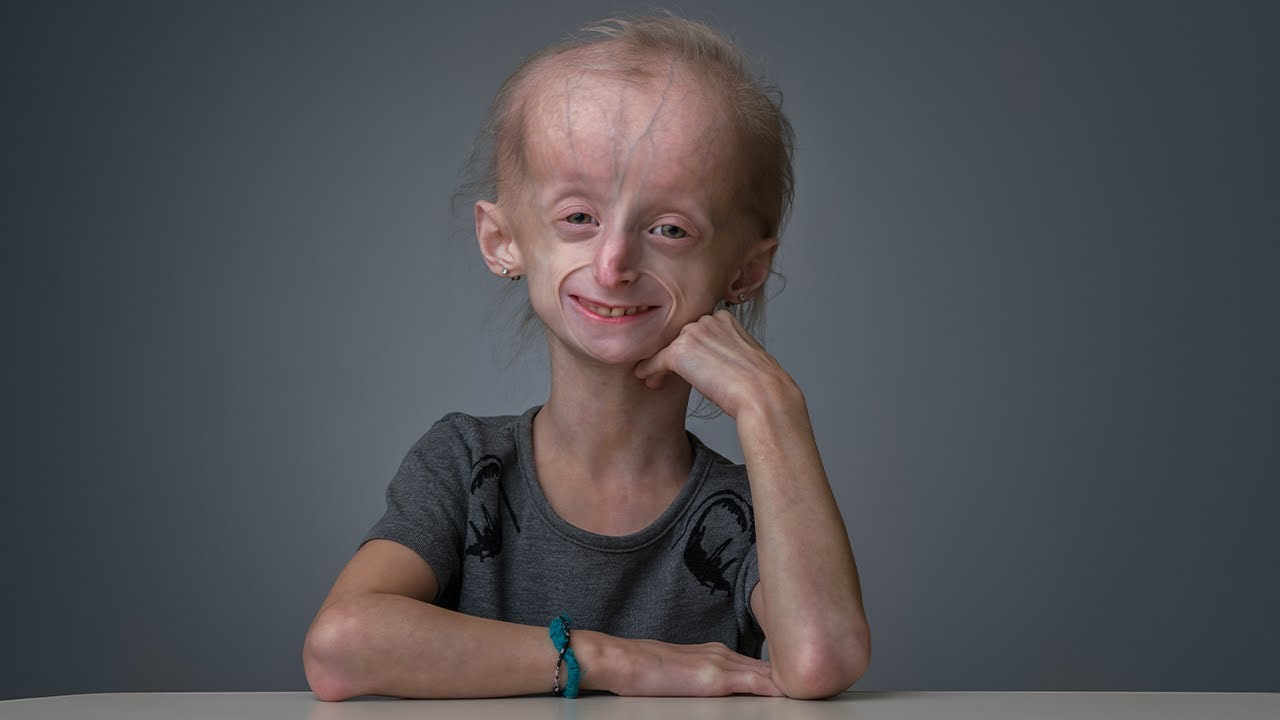
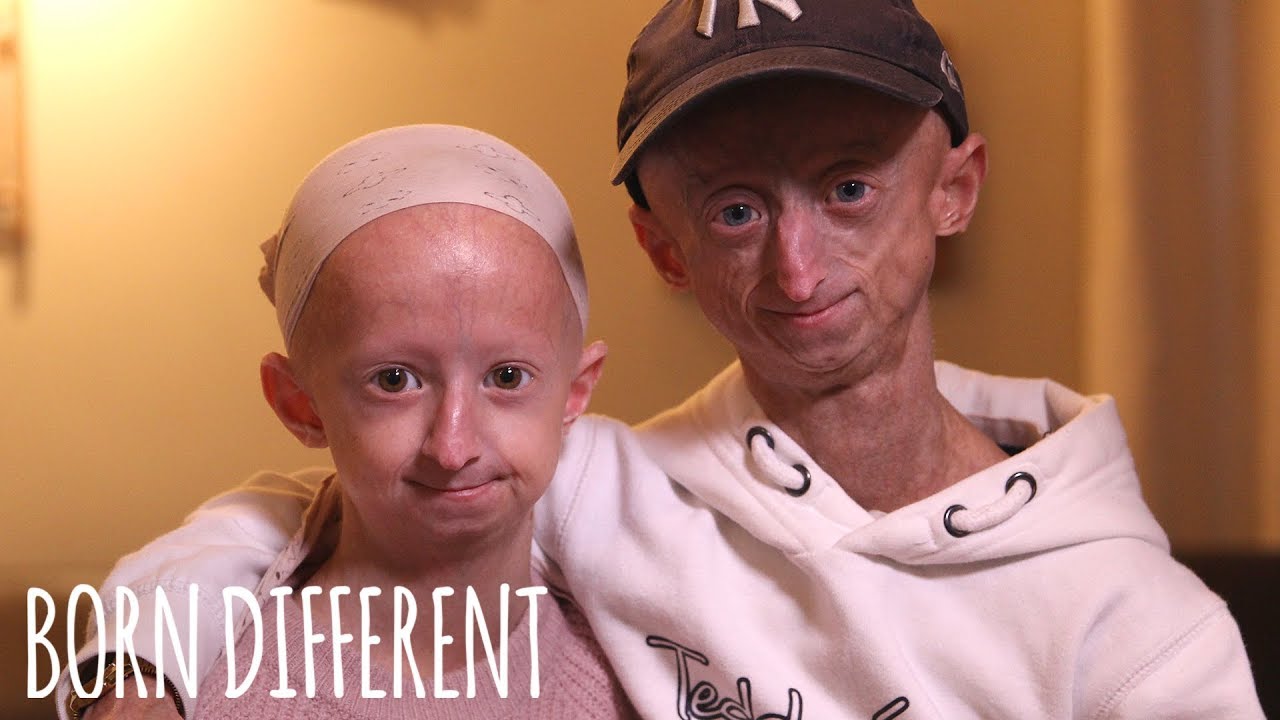
36 years ago as a genetics fellow i was assigned a patient with progeria a disease about which almost nothing was known and i thought boy we really ought to figure this out what is the cause and what could we do for it because i didn't have a whole lot to offer my young patients algeria as a genetic disease poses some unique challenges in terms of therapeutic options because it's diagnosed later after birth the disease has already had time to accumulate pathology and have toxic effects progeria is a progressive and fatal genetic disorder that's caused by
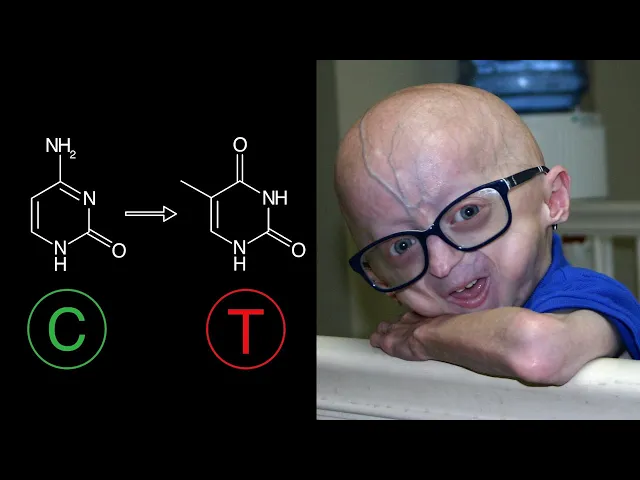
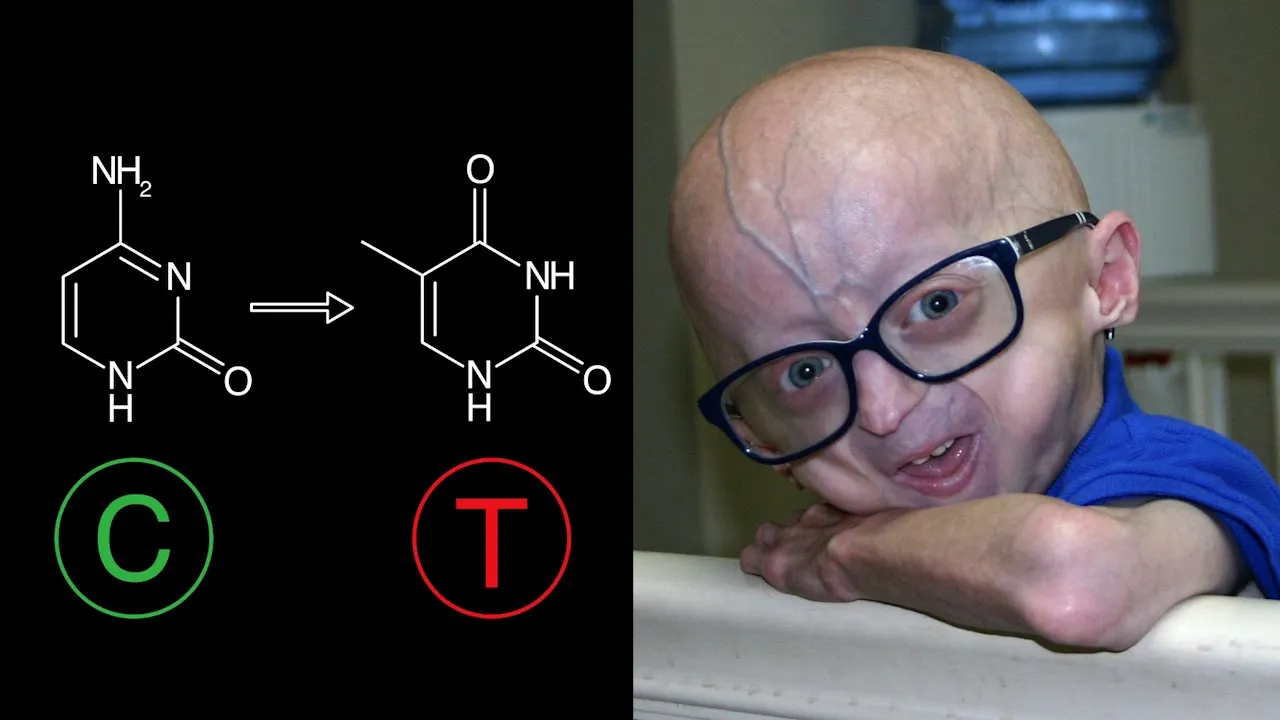
a single letter swap a point mutation in just one copy of a gene called laminae this mutation results in a poisonous protein that has the potential to damage nearly all of the cells in the body almost every child with this condition had this one single letter it should have been a c but it was a t in a vulnerable place in the lamin a gene and that led to the production of this toxic protein that caused this terrible [Music] disease [Music] there are at least two primary goals of the study first we sought to test
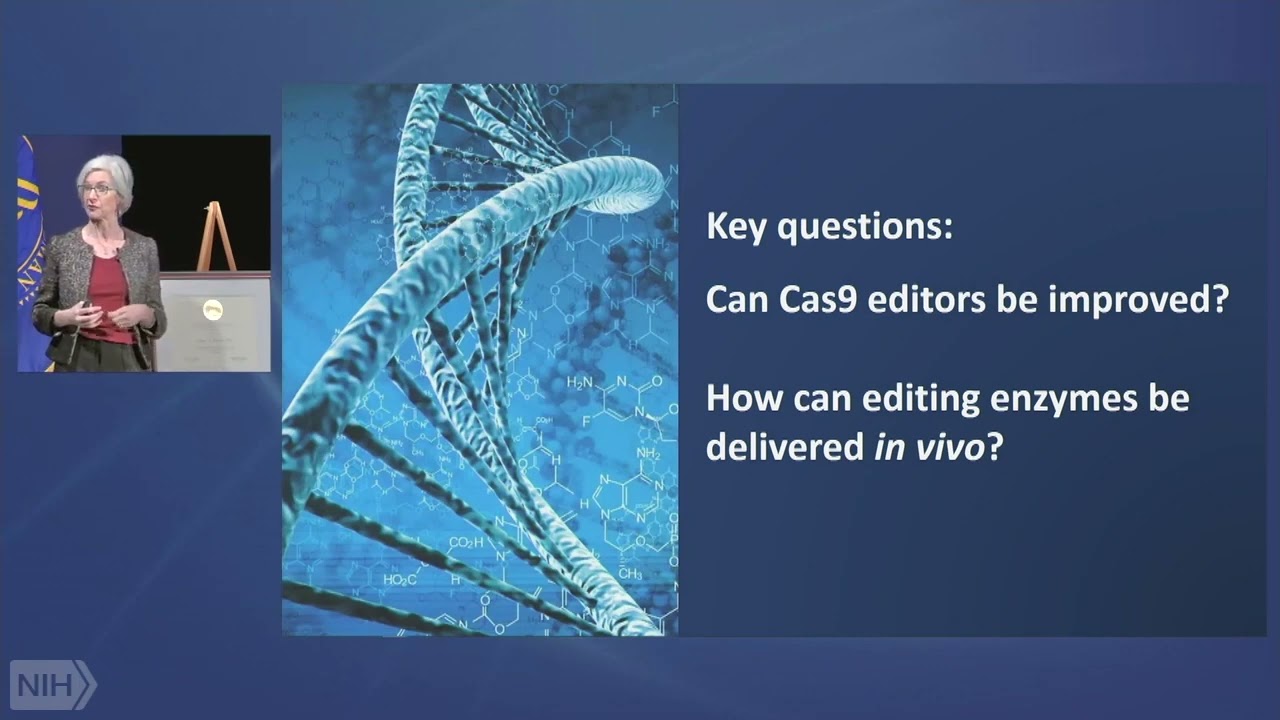
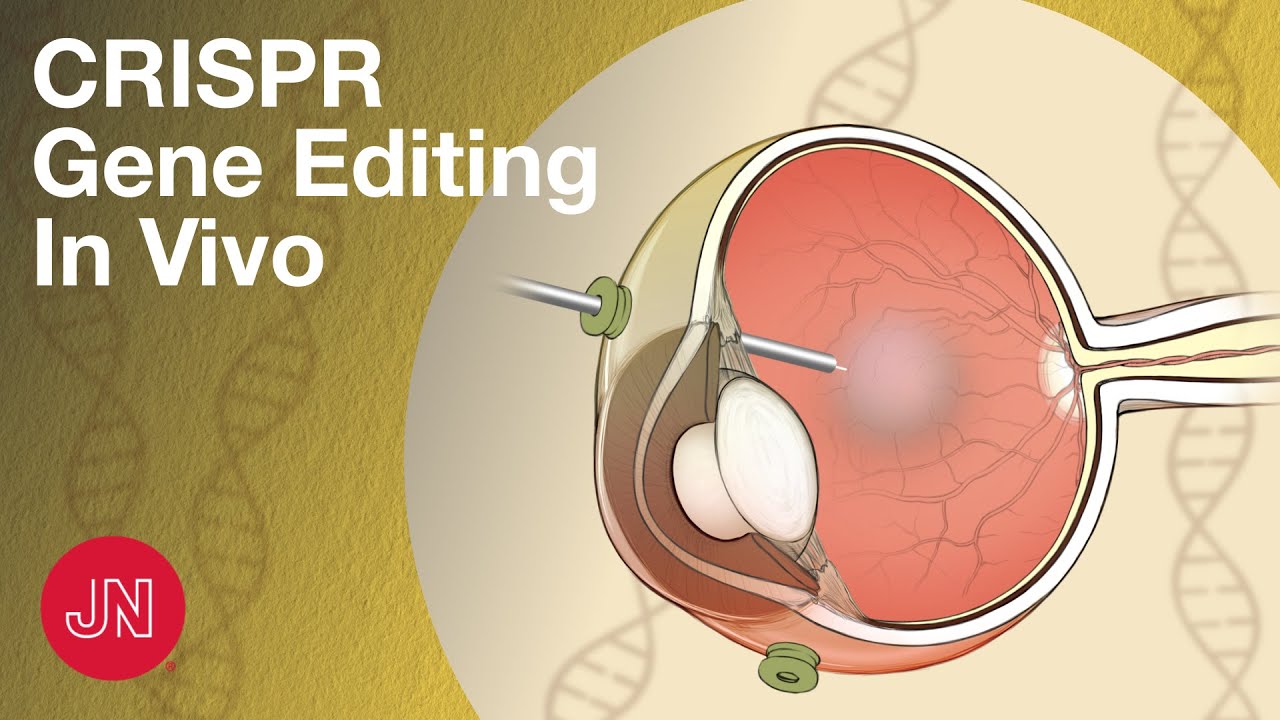
the possibility that directly correcting the mutation that causes progeria in an animal after birth might rescue the animal from some of the most devastating symptoms of this disease and second in a broader sense we also sought to test the ability of base editors to correct a systemic genetic disease in vivo long term this is one of the first times it's been possible to show in an animal model that you could deliver the gene editing apparatus systemically just by a single intravenous infusion and it would find its way to the right tissue and find its way
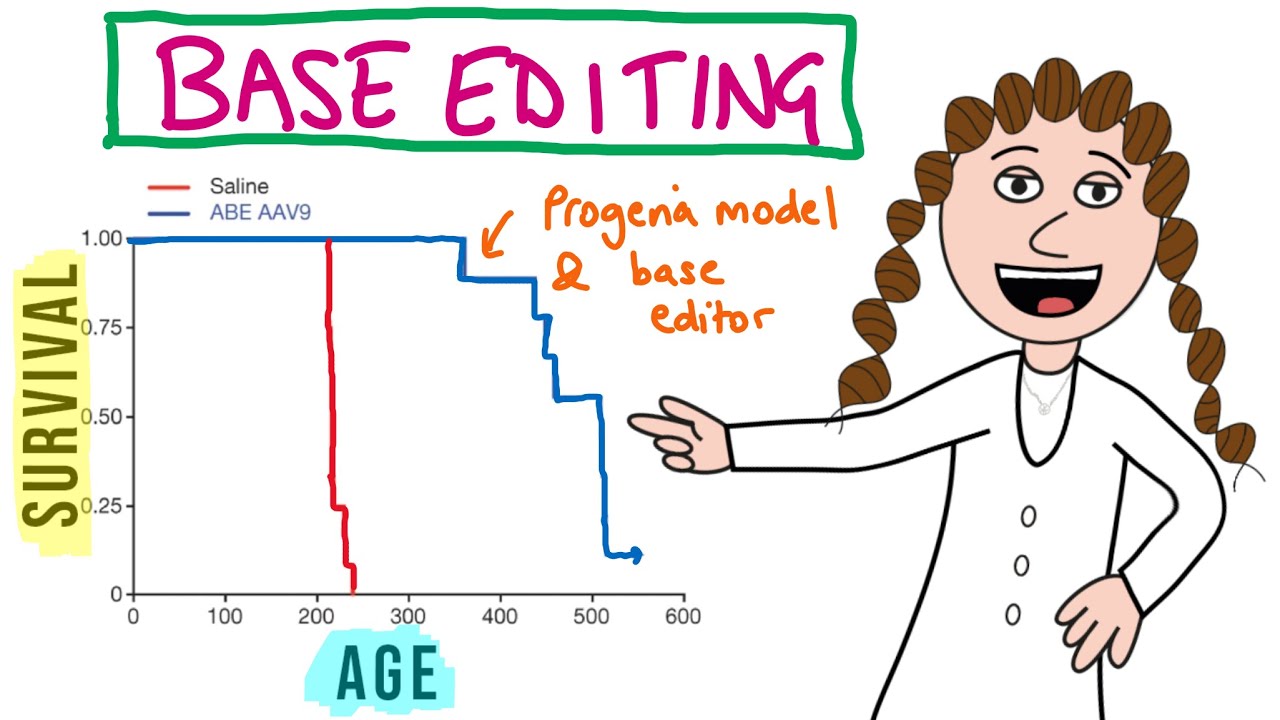
to that single letter of the dna code that needs to be fixed and do that and that opens up the window of opportunity for thousands of genetic diseases before we took the study into mice we observed surprisingly efficient and very clean correction of the mutation that causes progeria back to the sequence of normal laminae in cells from children with progeria these results were pretty exciting but once our mouse studies began and as the base editor treated mice grew older and older passing the point at which the control mice and the untreated progeria mice die we
observed that the base editor treated mice were still going strong showing no apparent signs of decline that was probably the first hint that something special was happening as these mice passed 200 days then 300 days then 400 days then 500 days we realized that the extent of disease rescue was far beyond what had been achieved before the idea that we could correct a point mutation in dna in an animal to a degree where we could block pathology and actually extend lifespan more than twofold would have been unthinkable to me five years ago i care deeply
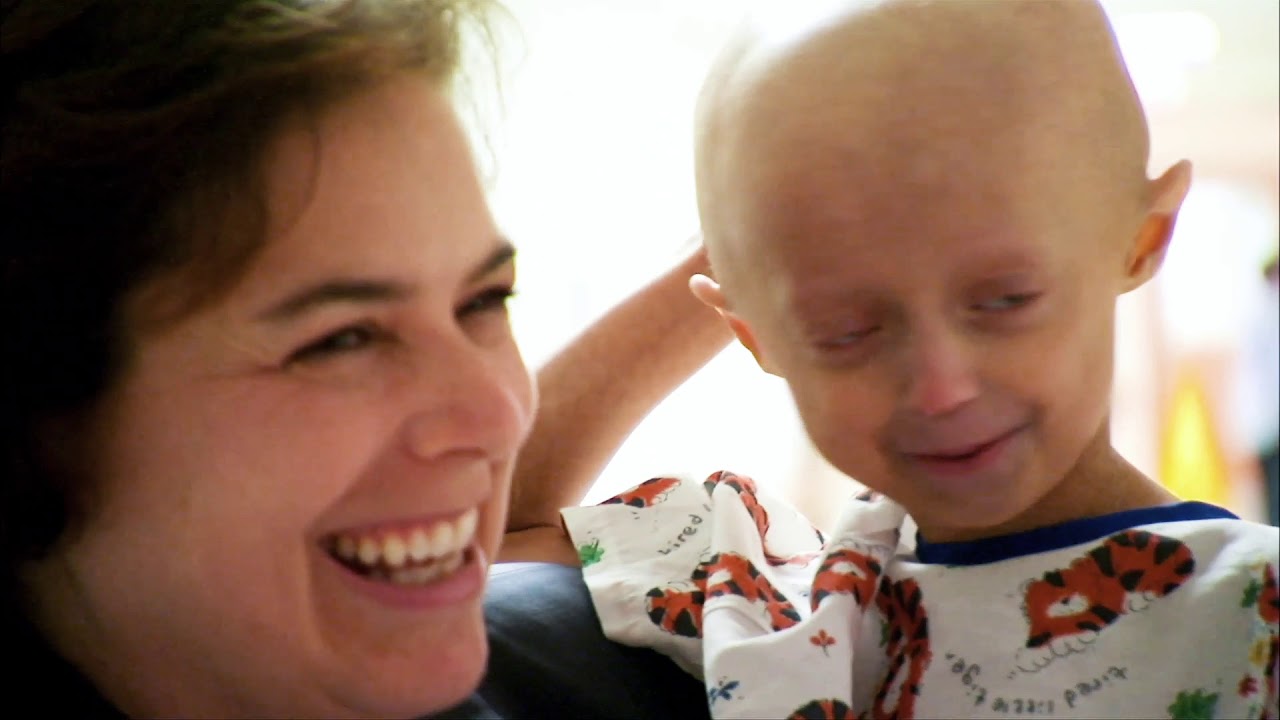
about kids with this condition having worked to try to find answers now for almost 20 years and now to be at this place we're in the most direct elegant way you can imagine to actually go and fix that specific mutation it looks like this could work it did work in the mouse model and now we need to get ready to see how to bring that forward to treat kids with progeria you