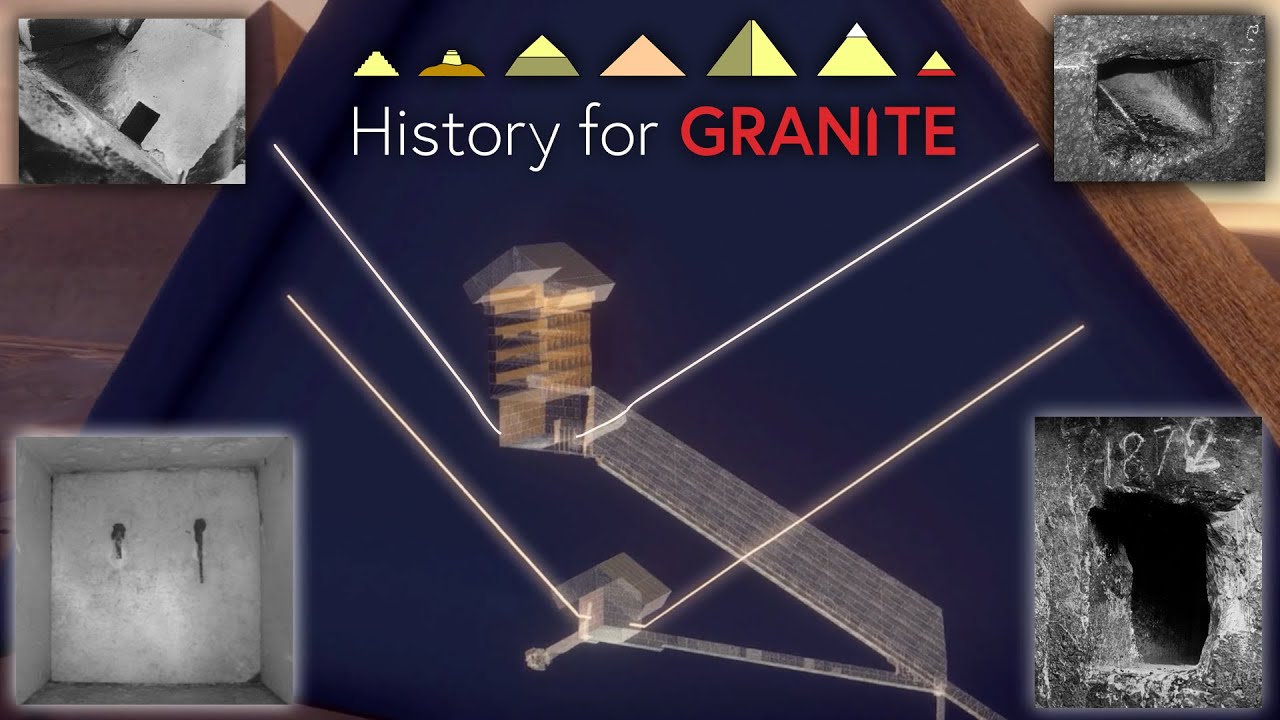
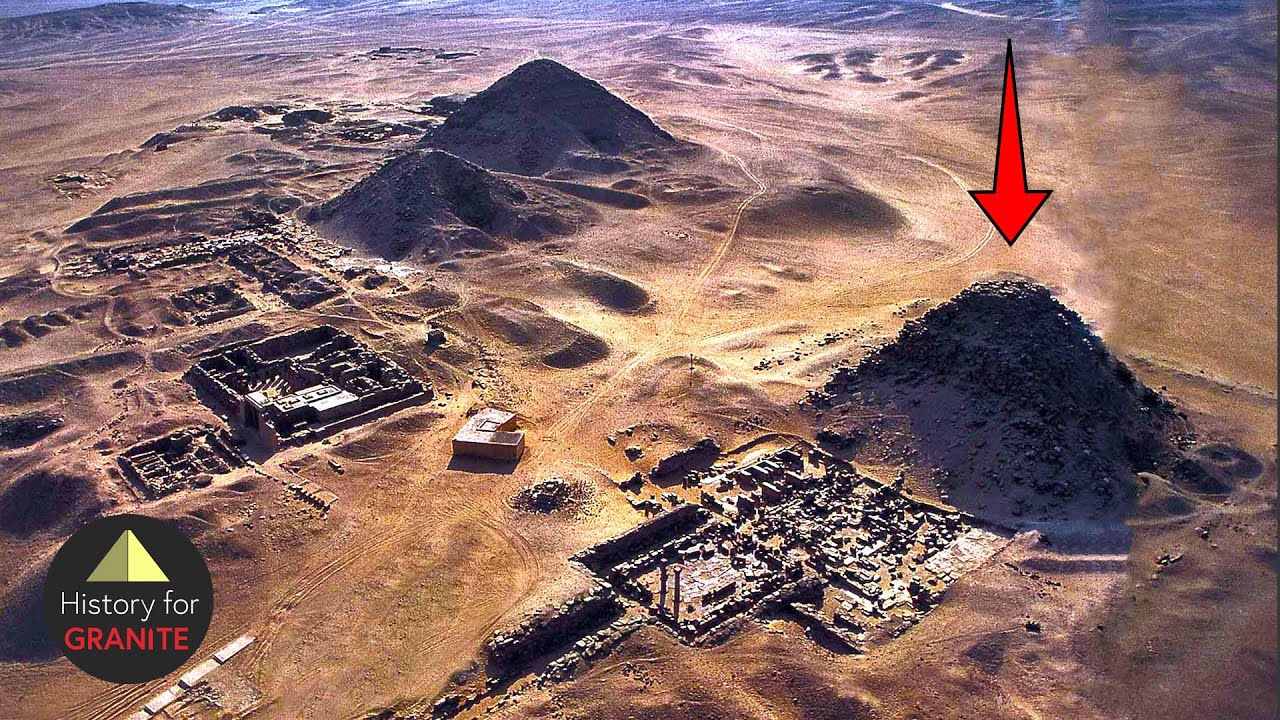
[Music] welcome to history for granite join me to explore ancient Egypt Please Subscribe and together we'll uncover Secrets From the Past written in stone the unique shape of the bent Pyramid has always made it an easy target for modern explanations that the structure must have been a failure one way or or another as potentially the first enormous pyramid constructed with smooth faces rather than stepped Terraces criticism of the two- angled slope could normally be dismissed as a historian's fallacy this fallacy is the assumption that decision makers of the past had the same information that we
do in the present the relevant context is that the Builders of the bent pyramid were the first to make a smooth-faced pyramid and so later pyramids without a change in slope were not a factor in its design just because the straight version of a pyramid became popular afterwards doesn't mean the bent pyramid was a compromise or failure in its time however the pharaoh snefru who commissioned the bent pyramid also had other pyramids constructed including the Red Pyramid located nearby Egypt's limited framework assumes building the Colossal Red Pyramid required the intent of bearing a king inside
and so the earlier bent pyramid must have been inadequate in the eyes of pharaoh nephu the logic then follows that if the bent pyramid was an inadequate burial place any aspect of its design can be interpreted through the lens of failure The Narrative of a failed pyramid is useful to academics who enjoy taunting people with superstitious or fanciful beliefs about ancient Egypt archaeologist Kenneth feder calls the bent pyramid a monstrosity claiming the builders had trouble piling up rocks and even egyptologists can't resist a bit of mockery as seen by Chris nton in a recent TV
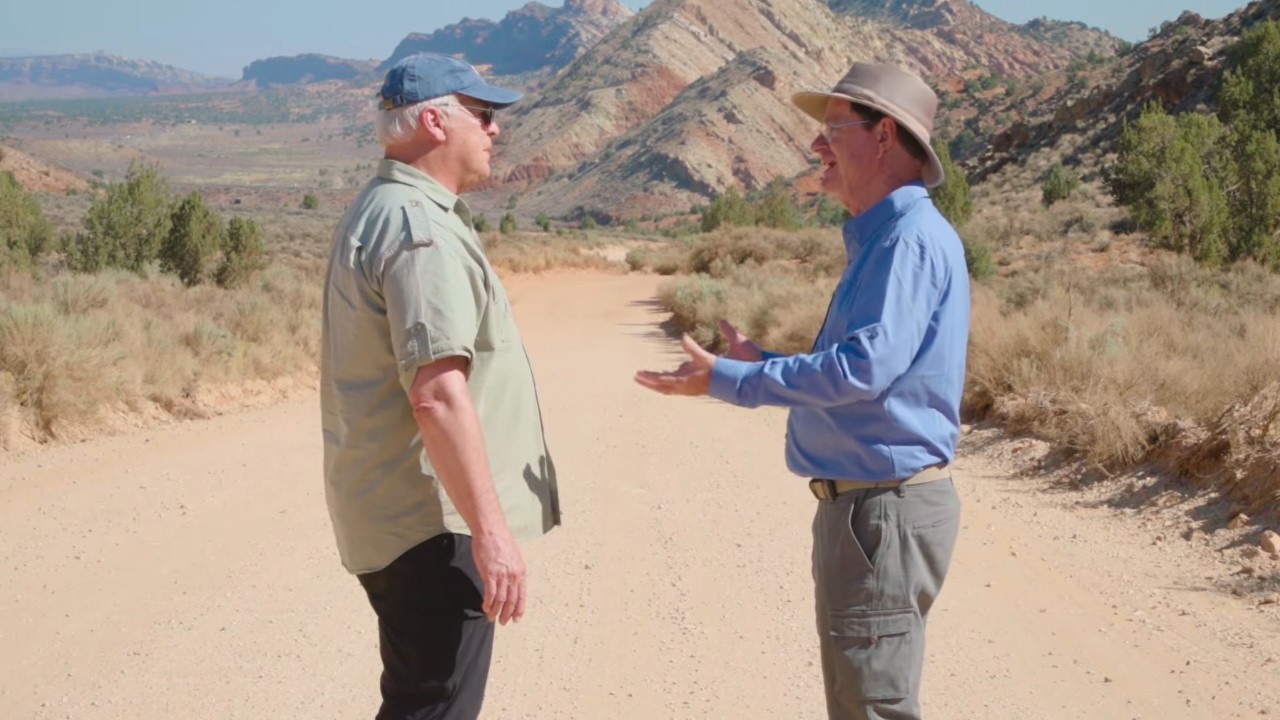
show yeah I I think it's fair to say that this probably wasn't how the pyramid designers originally intended this pyramid to look if you've watched this channel before you already know such statements will look rather foolish by the end of this video but In fairness to Chris and Ken they probably haven't studied Old Kingdom pyramids and are simply repeating conventional wisdom from over half a century ago last year I began a detailed study of the bent pyramid's casing stones and this work remains in progress however I've seen enough to say there's no evidence the bent
pyramid experienced structural failure as it was built in this video we're going to see the bent pyramid like it's never been seen before only by getting up close and personal with the physical evidence can we reveal Secrets hidden in plain sight for thousands of years this structure was not an experiment gone wrong it was a crowning achievement of pharaoh snefru yet even if we prove this is the case how can the Red Pyramid following afterwards not be interpreted as some inadequacy of the bent pyramid as you'll find out there's a lot more mystery at darur
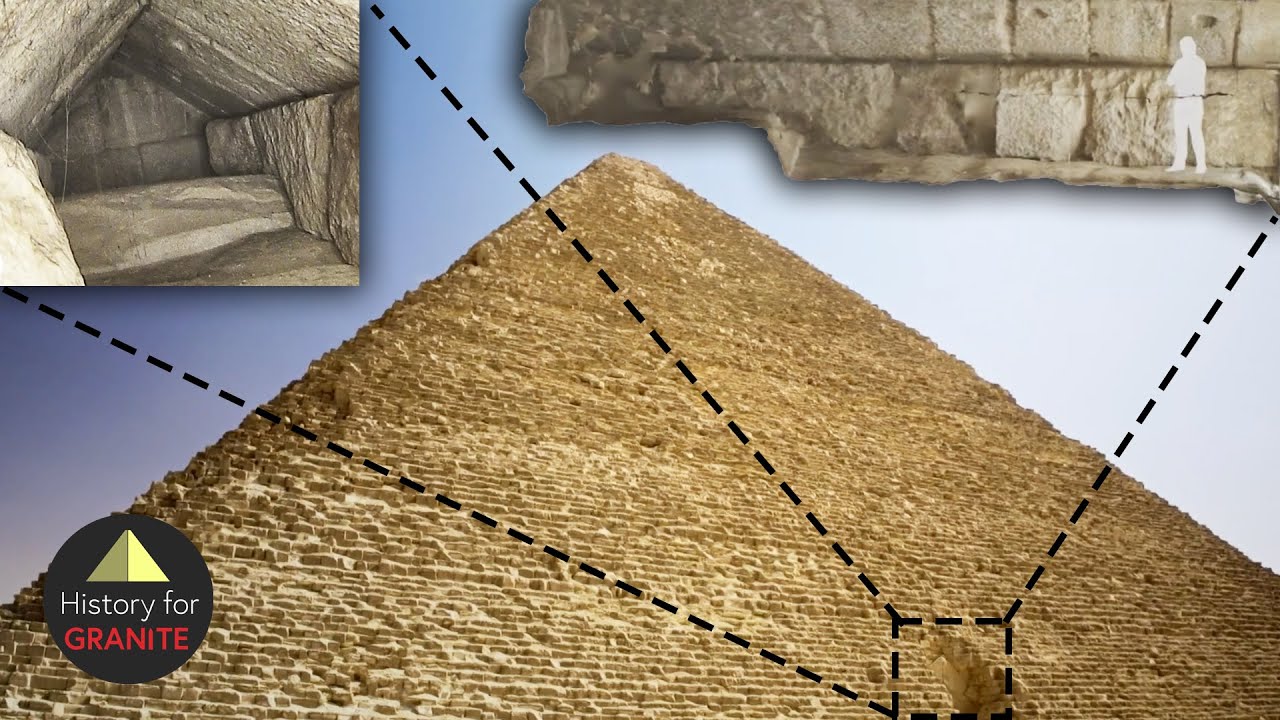
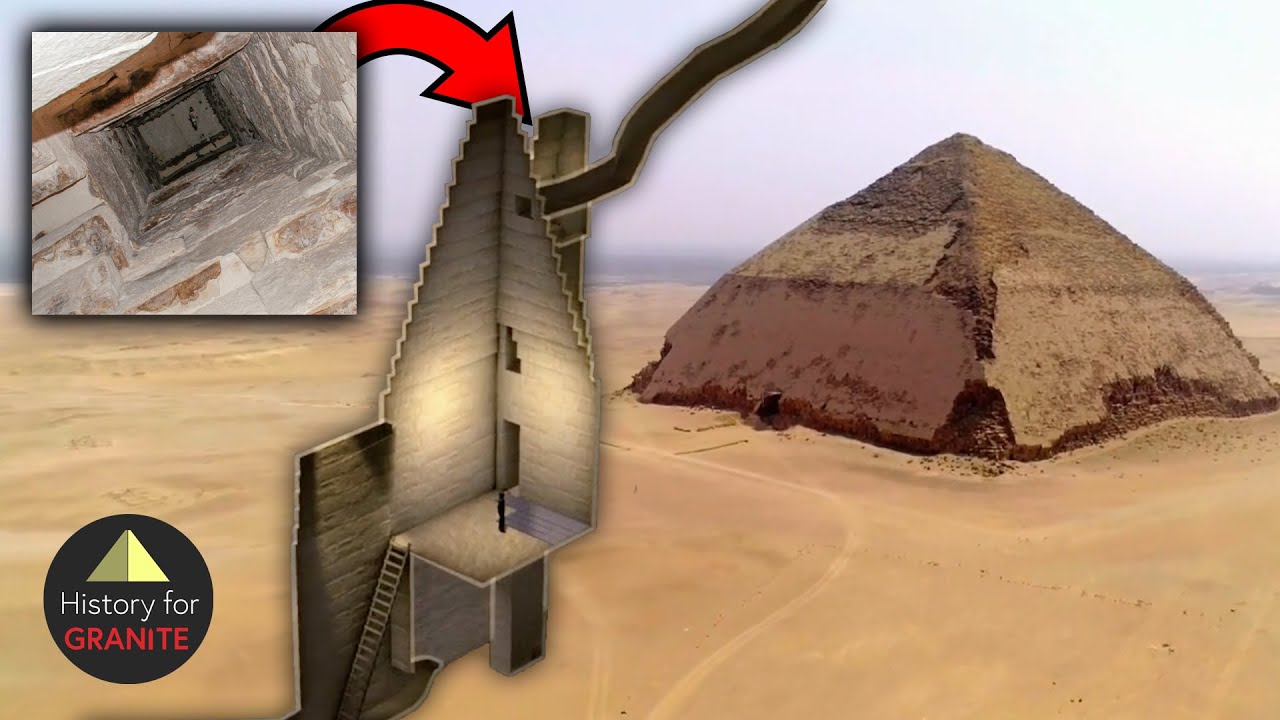
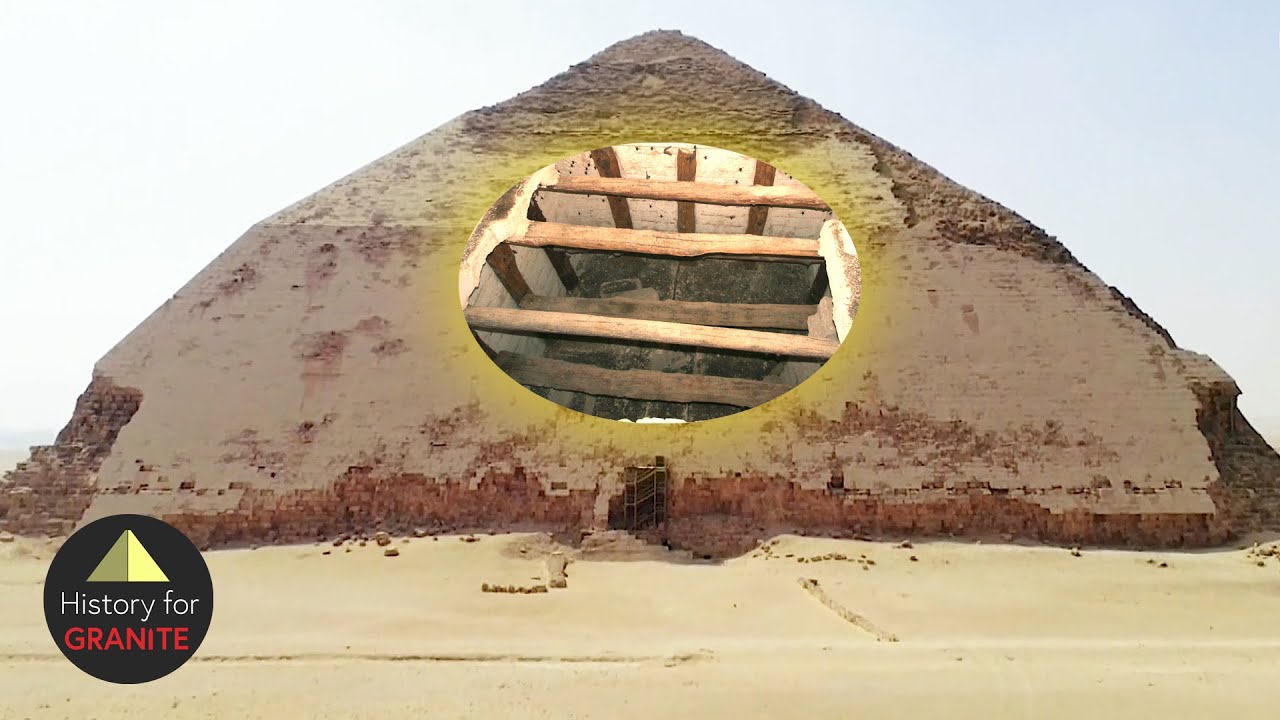
than ancient Egyptians learning how to pile up rocks first let's start with the easy stuff regarding the interior of the bent pyramid the upper chamber appears frightfully eroded and so one might assume a failure occurred there this basic observation is often transformed into poor assumptions as Chris nton will now demonstrate that a certain point in the construction cracks start to appear in the burial chamber it's important to emphasize we simply don't know when cracks occur inside or outside of pyramids in almost every circumstance unless ancient Egyptians made repairs or some extraordinary situation offers Insight there's
4 and 1 half thousand years for damage to have occurred furthermore while the upper chamber of the bent pyramid is in ruin there are no substantial cracks which could be interpreted as serious compromise certainly nothing like the enormous cracks we see in the passages of The Red Pyramid where almost every lentil is split in two nor like the king's chamber of the Great Pyramid where a single fracture crossed every beam in the ceiling in contrast the upper chamber of the bent pyramid contains no large fractures but rather the flaking of individual corales which make up
the ceiling if you compare the present condition of the corales to The Red Pyramid it's easy to see why one might call the bent pyramid's chamber ceiling inferior however contrasting T Limestone blocks inside pyramids is never an Apples to Apples comparison the white Limestone which makes up pyramid casing and Chambers looks homogeneous as it is quarried but thousands of years of weathering reveals that the durability varies significantly here you can see how specific casing stones on the bent pyramid all greatly eroded in the same way stones with this erosion pattern only occur on a few
lower courses of the pyramid and they were probably quarried together other nearby blocks remain almost as perfect as the day they were set into place the variability in Limestone quality and Atmospheric agents inside two different pyramids is more than enough to explain why some blocks have weathered more than others furthermore some damage to the upper chamber of the bent pyramid is due to quaring as seen by chisel mark in numerous places reshaping corales compromises them structurally and precipitates further erosion why the ceiling of the upper chamber was recut and why the floor was elevated with
a false work of wooden logs remains unclear but even egyptology has given up on the idea that these specific alterations were made with the intent of increasing structural stability Peter James is an engineer who conducted repairs on Old Kingdom pyramids and he claimed the corbal overhangs in the bent pyramid and Mum pyramid were too aggressive but the red pyramid's coral are only 2 to 3 cm shorter on average and it's unclear if this is sufficient to diagnose a problem based upon the observable information the Great Pyramid further shrank its Coral overhangs despite the Red Pyramid
corales holding up perfectly what is clear is that while the upper chamber has suffered from the ravages of time it remains as structurally sound as it was thousands of years ago with tourists entering daily now let's move on to the next misconception about the bent pyramid which is that the superstructure has subsided on its foundation this idea was first proposed by Italian researchers Maraj jogo and ronaldi in 1964 they were searching for an explanation as to why there would be a 30 cm dislocation in the descending Corridor next to an anomalous joint this joint is
continuous around the entire passage which is not typical for pyramids they proposed the bent pyramid was enlarged from The Continuous joint to the casing and that this girdle of stone subsided into the ground causing the dislocation this explanation is still presented today in modern Publications and documentaries and here's egyptologist Mark laner to give us an example nephro starts with a pyramid of 60° it's slipping and sliding CU he's building on the natural desert surface and so he puts a casing or a girdle around it at 50 4° but now the pyramid's getting really huge as
he's going up at 54° they're still having problems these failures are then used to justify the bent pyramid requiring a change of angle to reduce weight and lower the risk of collapse egyptologist Peter brand elaborates this would have reduced the number uh and and weight of the stones at the top of the pyramid and therefore put less stress on these cracks that had already begun Dev develop this simple explanation faces is an enormous problem again there is insufficient evidence for when any crack or flaw may have developed in a building that is over 4 1/2
thousand years old the descending passage failure probably happened at least twice because there's 3 cm of stone dressed smooth on the protruding ceiling who knows when or why the subsequent slippage occurred but while the bent pyramid may have had a short passage section which slipped a little the outside of the pyramid shows no signs of subsidence engineer Peter James who studied and repaired the pyramids of Egypt a decade ago writes of the bent pyramid quote the pyramid did not appear to have any foundation movement end quote having looked closely at the casing stones on all
sides of the bent pyramid I can confirm there's no Visual Evidence that the structure has subsided for the story of a slipping mantle to be true it would require the outer section of the pyramid to have moved exactly the same amount on all four sides far more likely is that the story of an unstable foundation for the bent pyramid was simply fabricated without evidence there's never even been a scientific study of the foundation under this pyramid the idea the bent pyramid was constructed with an outer mantle is also purely speculation it hinges entirely upon a
continuous joint in the lower and upper passages it's all too easy to invent explanations about the pyramid which rely upon evidence that cannot be observed so rather than imagining what happened inside the bent pyramid let's look outside and see what stands before us this is the exciting part the miracle of a jigsaw puzzle that has survived the entire length of History it offers a window into the past like nothing else on Earth there's too much to see for one video so we'll focus on Parts which have been suggested as construction flaws first let's look at
the horizontal courses of casing stones as they rise up the pyramid the lowest courses are nice and straight but course 21 deviates substantially above the entrance what can be mistaken for slippage as I did years ago is actually the lentil above the entrance shaped taller than its adjacent course this course is already the tallest on the pyramid but the builders wanted a little extra size above the passage they had no qualms about breaking the horizontal plane of joints to do so here we have the first principle to hold in your mind the Builders of the
bent pyramid would allow blocks to become uneven in localized areas for various reasons here above the Western entrance on course 50 you can see a similar phenomenon the lentil above the entrance is a huge Stone but the builders cheated a bit to make it shorter than the rest of its course did the builders reach a size limit for a stone so large or is it mirroring the northern entrance in a more profound way whatever the case having courses deviate from horizontal was not a problem high above the pyramid's bend on the Northern face you can
see this taken to the extreme entire courses become wavy and even deviate their height to separate and recombine this phenomenon has been presented as evidence the pyramid is inferior and rushed in the upper slope however courses don't suddenly start appearing wavy in the upper section of the bent pyramid there are many examples of courses deviating in the lower section this is not caused by masonry slipping because the unevenness is localized by course Stones above and below uneven course work remain quite straight the only vague pattern to this phenomenon is that the courses become less straight
on average as you get higher up the pyramid it has nothing to do with the bend itself and it's what you might expect for a decreasing need for visual symmetry furthermore you see courses deviate at the bottom of the Red Pyramid casing and courses combining or separating at the bottom of the mom pyramid half a century later at the top of cfr's pyramid the courses are straight at the top but course deviation was part of all three large pyramids of snefru the obvious framework is that such imperfections were not a big deal because nobody would
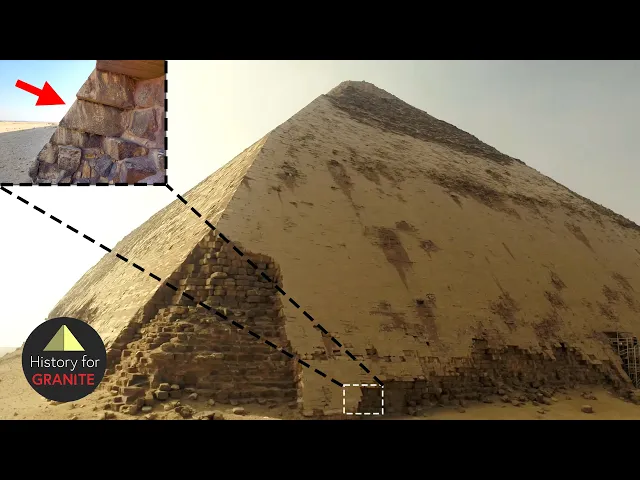
ever see them the pyramid was originally blindingly white in the Sun and you couldn't see the straightness of courses especially up high here is a glimpse of the past on the Northern face where a casing Stone has recently flaked the freshly exposed limestone is so bright by comparison that it's unbelievable the entire pyramid was once this color the visual effect of the sun reflecting the pyramid's surface is the second key principle to understand about its design a year ago I showed that on the Northern face the change in the pyramid's angle was cut directly into
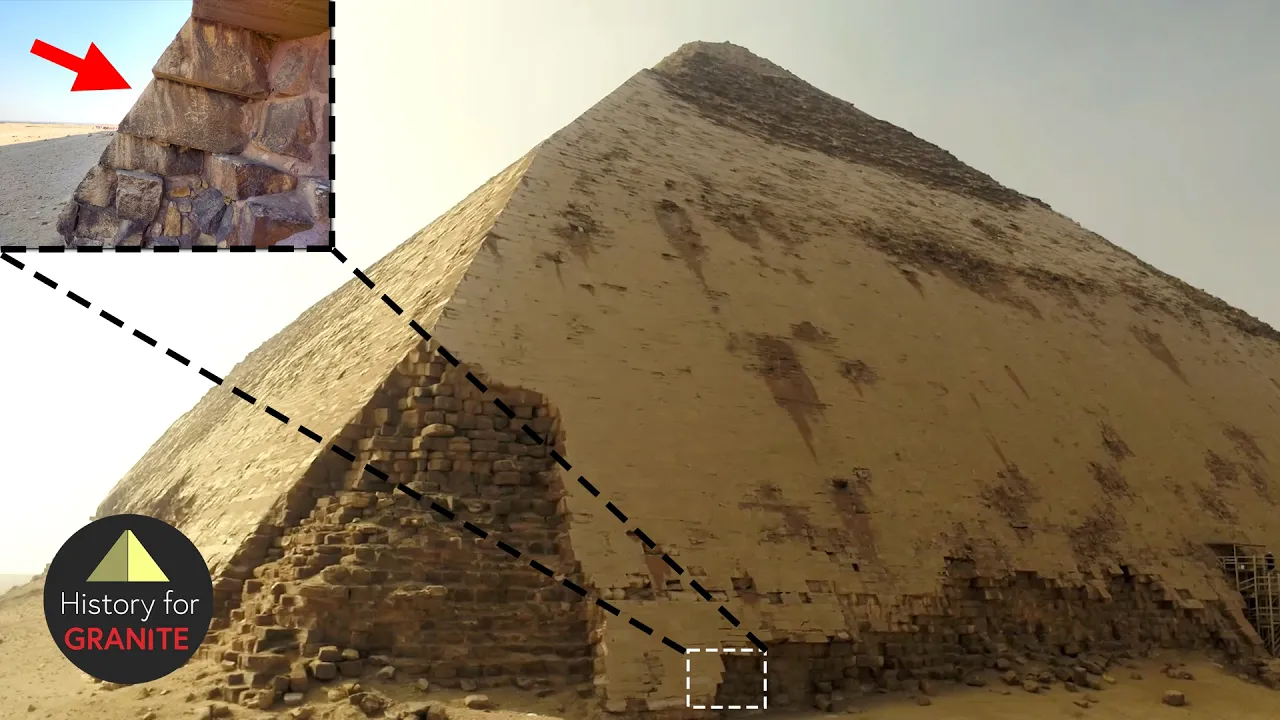
the casing Stones themselves the bend was therefore not a structural transition but an aesthetic one it didn't matter if the change in slope occurred between courses or in the middle of one because the Egyptians understood that nobody would notice and they were entirely correct for over 4 and 1/2 Thousand Years nobody did notice it wasn't seen until the year 2023 in which I made this observation for the first time at first I thought cutting the bend into the casing Stones might have been done for expediency in the center of the pyramid where they weren't as
concerned with keeping the courses straight and level the best building prac practice is to align the pyramid from the corners and work inwards but here on the Eastern face the bend is cut into the casing Stones starting from a corner block itself the design wasn't the builders losing their alignment over long distances the bend was shaped independently into the casing stones from the very beginning all that mattered was that the bend itself was straight and the casing Stone courses could deviate as they did Elsewhere on the pyramid Far Below on the ground all anyone would
ever see is how light reflected differently on the two angles of the pyramid's face the visual effect created an illusion of straight courses even as the pyramid later fell into ruin this brings us to the most important observation about the bent pyramid the many patches found inserted into the surviving casing Stones the patches are also presented as evidence the pyramid was cracking as it was built researcher Frank Monier writes quote there is no doubt that the stone layers moved during construction causing the splitting of many blocks some of which are still in place with their
cracks visible the builders were apparently forced to recut some of them and to fill the holes in with smaller blocks end quote I hate to repeat myself but how again can anyone know when cracking occurred everyone is assuming the bent pyramid cracked during construction because that's the only way the story of a failed Monument with a compromised upper half makes any sense examining the patches themselves revealed many surprises there are thousands of them on each pyramid face and it was no small job mapping them out the biggest difficulty with the task is that the patched
sections of the pyramid are also the most eroded I believe this is due to runoff from rain becoming more frequently caught underneath the patches you can see on the North Face how erosion follows a large hole in the stones even when the blocks remain intact the casing stones are inclined slightly into the pyramid and so rainwater entering a hole becomes trapped within gaps behind the blocks these casing stones are thus surrounded by moisture for prolonged periods of time and this permeates and damages the Limestone for casing stones that were never patched this phenomenon is somewhat
random it depends upon a weak block opening a cavity into hidden gaps behind the casing stones that happened to trap water in a localized area however patched casing Stones were particularly vulnerable to trapping water not only does every patch add more joints for water to seep in but the patches don't have any Outlets behind them for the water to escape therefore the inclined casing Stones cause water to seep behind the patches and become stuck between the casing Stone and the patch consequently in some areas of the pyramid you can no longer distinguish the patching from
original casing stones in eroded sections fortunately the bent pyramid is huge with plenty of of intact masonry to make a comprehensive study the casing Stone patches roughly fall into two categories first are small shallow patches that are mostly found in the corners or edges of casing Stones they are usually shaped as thin rectangles or triangles with a tapered Corner corners and edges are the most vulnerable and this is where you would expect more patching to occur occasionally you see a small patch in the middle of a stone where perhaps a weak spot existed but this
is much less common the other type of patching is a large repair that seems unrelated to a fragile Edge these patches go significantly deeper into the casing stones and tend to be more squared in shape large patches are typically Limited in size as two rows per course of casing Stone they can overlap multiple courses and obscure the horizontal plane of a row of casing Stones large patches will also have small patches affixed to their edges and corners from time to time notably large patches are often inserted into natural bedding planes within the Limestone of the
casing these bedding planes are not perfectly flat and so the patches also drift a bit with them observe casing Stones where patches have fallen out and the block behind remains in good shape it reveals how the Egyptians carved two levels for large patches to rest upon with thousands of patches there are of course weird outliers but this is enough to understand most of what is happening looking at the West face here is a full distribution of the patches that I can see my ability to spot small patches is diminished above the bend but the total
surface area highlighted is a good representation strikingly the distribution of large patches shows something of a pattern the patches are overwhelmingly concentrated between courses 20 and 45 and are located away from the corners of the pyramid The North Face of the pyramid is where my survey began and I was slightly too aggressive in interpreting damage as patching this is more of a rough draft but you can clearly see how large patches concentrate in the center between courses 15 and 45 this was very similar to the Distribution on the west face continuing work on the East
face showed the same distribution of large patches there must have been a common cause to create the same pattern on each face I floated many ideas from it being a byproduct of how the pyramid was constructed to perhaps the source of limestone being lower quality during a middle stage of building the pyramid my one certainty was that the large patches are not covering cracks caused by a shifting or Sinking pyramid the large patches are found in clusters but this damage is not aligned in vertical fissures caused by the linear force of gravity you can see
heavily patched sections of the pyramid one or two courses tall with perfectly intact masonry above and below the East face is where we find the only two sub substantial vertical cracks in the casing Stones one starts at course 35 and the other perhaps as high as course 40 the tallest crack continues into a rarely preserved section of the casing at the bottom of the pyramid it's next to the Altar and so everyone has seen it and drawn conclusions based on this outlier what's interesting about this crack however is that the alignment of casing Stones is
not displaced if there was any vertical subsidence of blocks It could only be measured in millimet the crack is notably patched all the way from the bottom to the top and so it's a good contrast to other patching we've seen at the very least some large patches must have been inserted after most of the pyramid was built because a crack of that length wouldn't appear until very late but are we really to think that one or two cracks with almost no displacement would cause the Egyptians to redesign the bent pyramid if these cracks were inspected
and patched it doesn't seem like there was cause for alarm remember how the joints between casing Stones were allowed to drift because nobody would really see such imperfections a non-displaced crack with a patch isn't visually different from afar but don't worry we won't need to guess how the Egyptians would have felt about patching it up the large patches are unrelated to the construction process of the bent pyramid up high on the Eastern face an unmistakable clue leads us to the solution near the northeastern Corner an anomaly cluster of large patches is seen the stones are
well preserved around them so we can make out the unique distribution of this patch group despite connecting in a line these patches are not aligned vertically they follow the tapered angle of the pyramid's corner and there is no vertical crack reaching towards the ground the trail of patches simply disappears below course 40 this is not damage caused by downward pressure the stress on the stones is directed outwards towards the corner of the pyramid remember Peter James the engineer task with assessing the structural Integrity of the pyramids his conclusion on why a pyramid's casing Stones would
fall apart is that thermal expansion would eventually force them outwards and towards the corners this is why on the bent pyramid we can see that the corners are the most damaged even up high above where any quaring by lutters would have been practical thermal expansion occurs when the Limestone fluctuates in temperature between day and night but if the stones are tightly joined there is more expansion than contraction the stones thus slowly move in a direction of least resistance and this is outward from the pyramid and towards the corners Peter James writes quote multiply this endless
Movement by the number of days that the pyramid has been erected and you have the reason why all the outer casing has moved to the extremities where it it has buckled end quote as Peter points out this movement is a very slow and gradual process the damage does not occur suddenly during construction like a growing pyramid slipping from a steep angle or weak Foundation the cumulative effect of thermal expansion takes decades centuries and even Millennia to damage the casing stones have another look at the distinct pattern of large patches on the bent pyramid in 2014
a documentary team for Pb s conducted a full lar scan of the bent pyramid trying to determine if it was structurally compromised to visualize the pyramid's movement they placed a flat blue plane over each face to highlight displacement and here is what they found and what we can see here in this Center section these stones are actually pushed out from that plane so the bent pyramid is bulging on this face in that Central section the distribution of large patches matches extremely well with the bulging of the pyramid on each face notably the preserved Northeastern Corner
also has the casing Stones moving outward above the large patches in the corner you can see another damaged section with the exact same pattern from thermal expansion this damage must have come later and was not patched and it gives a good visualization as to what the ancient Egyptians were fixing thermal expansion could barely have started during pyramid construction and it proves that the patching has nothing to do with compromise or structural instability in fact the large patches proved the bent pyramid was an enormous success which was revered for the ages it was repaired over time
to maintain a perfect reflective surface for the sun wavy joints and superficial cracks were not a concern and the patches were not covering damage caused by subsidence there was no subsidence there is no reason remaining to think the bent pyramid was in trouble during its construction having eliminated physical damage as a cause for concern when constructing the bent pyramid what of the remaining argument that the Red Pyramid is proof of its inadequacy this argument hinges on enormous assumptions about the construction timeline for these two pyramids the only hard data we have is the graffiti left
on a few casing Stones which indicate the year of rain for Pharaoh snefru for the bent pyramid we actually have zero dates only its Valley Temple is dated with count 15 The Red Pyramid was found with counts 15 and 16 near its foundation the mum Pyramid has a much larger sample of counts mostly 13 through 17 near the bottom as well finally an outlier of count 24 was found in the rubble on the east side of The Red Pyramid this is not nearly enough information to draw conclusions especially since we don't know if all the
snefru pyramids were built using a stepped core first and perhaps the outer casing placed at a final stage the only substantial argument in favor of The Red Pyramid being an evolution from the bent Pyramid has to do with the alignment of their respective casing Stones the essence of this analysis involves how the earliest pyramids of the third Dynasty were designed originally all blocks making up a stepped pyramid leaned inward perhaps as a stability enhancement these inclined blocks were set up as accretion layers as the pyramid was expanded out and up the core stepped structure of
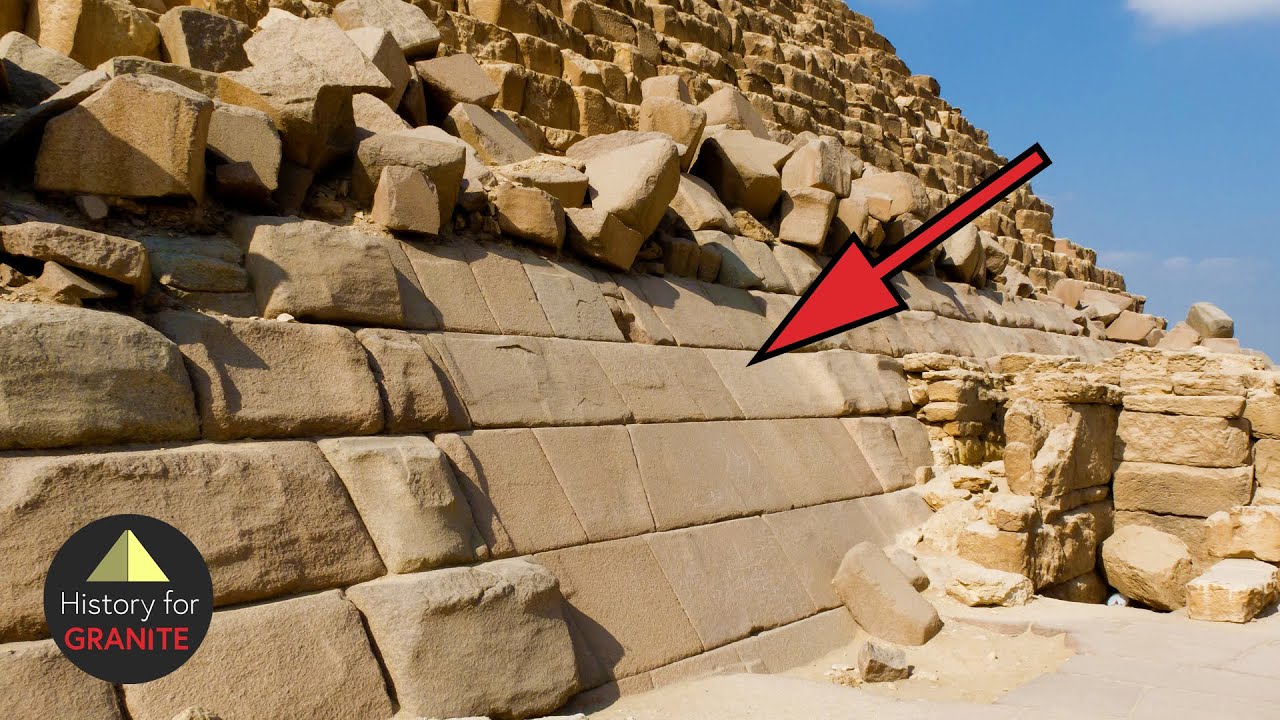
the mom pyramid is also built this way according to a single study from over a century ago neither The Red Pyramid nor the bent pyramid are made with inclining layers inside their super structure as far as we can see the core blocks in both pyramids are laid in flat horizontal layers for the backing stones and we can't see see any deeper than that the difference between them is the casing stones of the bent pyramid are inclined inwards whereas the few surviving casing stones at the bottom of the Red Pyramid are laid perfectly horizontal a common
mistake is to believe the inner stones of the bent pyramid are also inclined and indeed this is how it is misrepresented in mainstream documentaries the casing stones of the bent pyramid are so large that often when one is broken you're still looking at the remainder of it stuck on the structure structure it's difficult to get the right angle to see the change in inclination but here is one that should do the trick if only the casing stones are inclined this has a negligible effect on the inward pressure or overall stability of the structure only the
casing Stones themselves would be affected by this slightly different design fortunately the casing stones are the one thing we can see and they don't appear to be suffering anything other than thermal expansion in fact Peter James States the in W inclination of the casing at the bent pyramid would make it more resistant to thermal expansion than later pyramids let me emphasize that we don't know why the casing stones at the bent pyramid are inclined it could be a legacy tactic for stability it could be related to how they're cut or installed it could be spiritual
the answer is unclear the inclination of the bent pyramid casing is rather halfhazard varying from 5 to 13° inward from course to course in the lower section above the bend however the casing of the bent pyramid becomes less tilted and is closer to 3° of inclination according to measurements in 1839 amazingly that's the most recent data on this subject it is the flattening of the casing stones that underpins the theory of architecture Evolution from the bent pyramid to The Red Pyramid the pyramids built for Kings after snefru also keep the casing Stones flat and horizontal
where we can still find them there's no arguing against the fact that leaning Stones inward was the old way and level pyramid courses is the new way egyptology then extrapolates this as the bent pyramid used the old way in the lower section and the new way in the upper section the few casing stones at the bottom of the Red Pyramid being level is then offered as evidence that the Red Pyramid design was further evolved but if there's one lesson of the bent pyramid it's that you can't judge an entire pyramid by only looking at a
small section if almost all the casing Stones were missing from the bent pyramid what kind of crazy assumptions might be made about it would we even know that the pyramid was bent in the first place as it turns out once again explorers from the past will upend egyptology poor assumptions The Red Pyramid had more of its casing intact as recently as the 19th century John pering writes in 1839 quote in some places particularly on the western side the casing Still Remains end quote paing missed the opportunity to provide more detail but fortunately another forgotten Explorer
managed to do so James Dawkins was an explorer who traveled to Egypt in 1750 along with Robert Wood Robert Wood was known to Nathaniel Davidson who attributed a lad in the Great Pyramids well shafted to him a copy of James Dawkins travel diary survived with Robert Wood's daughter and I want to thank Channel member Stefan kist for finding this resource Dawkins proved to be thorough in his observations even measuring each block at the top of the Great Pyramid before it was destroyed Dawkins also climbed to the top of the Red Pyramid and he writes quote
I observed on the West Side in two or three places where the sheathing or covering of the pyramid was entire that it was quite smooth and particularly in one place for the space of 20 ft which indisputably proves that this Pyramid has been finished the stones were laid on this manner sloping and their surface quite smooth and even but of unequal Dimensions particularly the part which rested upon the second range of stones some lying a foot and others more or less upon them end quote Dawkins is describing casing Stones high on the red pyramid's Western
face as leaning inwards just like the low section of the bent pyramid and if his words weren't clear enough there's even a helpful sketch drawn to remove any shred of Doubt suddenly the foundational argument for the red pyramid's evolved design has slipped and cracked Beyond repair there's no reason to think that one of these darer pyramids needed to come after the other a major headache for egyptology has been giving snfu a long enough lifespan to build three colossal pyramids consecutively based upon this new evidence it seems more likely that two or even all three pyramids
were Simply Built simultaneously the bent pyramid's steeper angle perhaps required more caution and this is why the casing Stones there are twice as large as the casing stones found at the bottom of the Red Pyramid the red pyramid's casing goes about half as deep into the structure and has a separate Tura backing Stone in contrast the bent pyramid uses single blocks to span the entire distance James Dawkins in 1750 makes this observation writing quote the stones are laid in a different manner here they are laid as on a wall length ways one upon another a
much stronger way of building end quote the bent pyramid having larger casing stones may be providing more support for a steeper angle of inclination it suggests the builders knew exactly what they were doing a companion of James Dawkins named Giovani Bora sketches The Red Pyramid casing as seen in 1750 it looks as if the casing was not quarried off The Red Pyramid but simply fell off instead perhaps due to thermal expansion the bent pyramids Superior casing Stones were more resistant to such degradation now let's cap off our comparison of these two pyramids with One Last
Detail that has greatly annoyed me in 1982 rineer stelman found fragments of what he thought was the original pyramidan from the top of the Red Pyramid located 20 M from the pyramid's base the pieces reconstructed a Capstone 3 cubits wide with an angle of about 54° this is the same angle as the lower section of the bent pyramid and not the 43° angle of The Red Pyramid looking at the Capstone as it exists today I first thought stelman was making unsupportable assumptions there's hardly anything original here and none of it appears to fit together however
the evidence today is essentially destroyed a previous reconstruction of the Capstone had more original pieces that somebody must have vandalized but even the earlier reconstruction was a mangled job compared to how stelman found the fragments this is an example of how reconstruction efforts can destroy critical evidence the original pieces give more confidence in Stan's analysis of the capstone's angle following a time-honored tradition of egyptology stelman proposes the pyramidan different angle is due to the Builder compensating for other Mistakes One More pyramid the ancient Egyptians couldn't manage to finish off properly however I do wonder if
there was something else going on at the top of the Red Pyramid that has been lost to time could it have been a second bent pyramid one with a change in slope much closer to the summit a common theme is that you can't judge the top of these two pyramids by looking at stones from the bottom with so much of Egypt's Narrative of these pyramids in ruin you might wonder how they got it all so wrong the simplest answer I can offer is that egyptologists just don't like pyramids very much I realized I had to
turn my back to the pyramids to properly understand them this opinion is echoed by egyptologist John RoR who writes in 2007 quote modern egyptologists have largely given up on the pyramids and quote with so much New Age religion and crank science focused on pyramids in modern times professional study of them has fallen into disrepute interest in pyramids is something to be mocked exemplified by a recent punchline on Saturday Night Live the most useful story of the bent pyramid was that of failure to disparage those who couldn't imagine how or why people might have built them
see the funny looking pyramid those poor Egyptians couldn't get it right the first time around how very human I don't expect professional discourse about the Ben pyramid to change much even after the mountain of evidence I have presented after all egyptology didn't listen to the engineer who repaired the pyramids it didn't listen to the engineer who assessed its structural stability this was designed like this it hasn't failed this is actually a great success egyptology may not listen to me either don't let it bother you don't ever be ashamed to search where curiosity takes you no
matter if others think it's a joke or a failure in the long run physical evidence always triumphs over narratives favored by Scholars of a given era the embarrassment is for those who thought they understood the bent pyramid without even looking at it there is however a price to such arrogance that must be recognized if there's one thing egyptology didn't want it's for snu to have constructed enormous pyramids without the intention of being buried inside each one building multiple pyramids at the same time suggest that some were not designed for burial but once you crack that
door open that some Old Kingdom pyramids weren't designed as tombs well suddenly anything is possible now all the people you were making fun of had a bit of a point to make no matter how far-fetched their own theories might have been the greater price however is the opportunity cost of ignoring evidence that will someday be lost to time the Red Pyramid still had many casing stones on its face a few hundred years ago and almost nothing remains today casing stones will continue to fail on the bent pyramid a large portion fell from the southwest corner
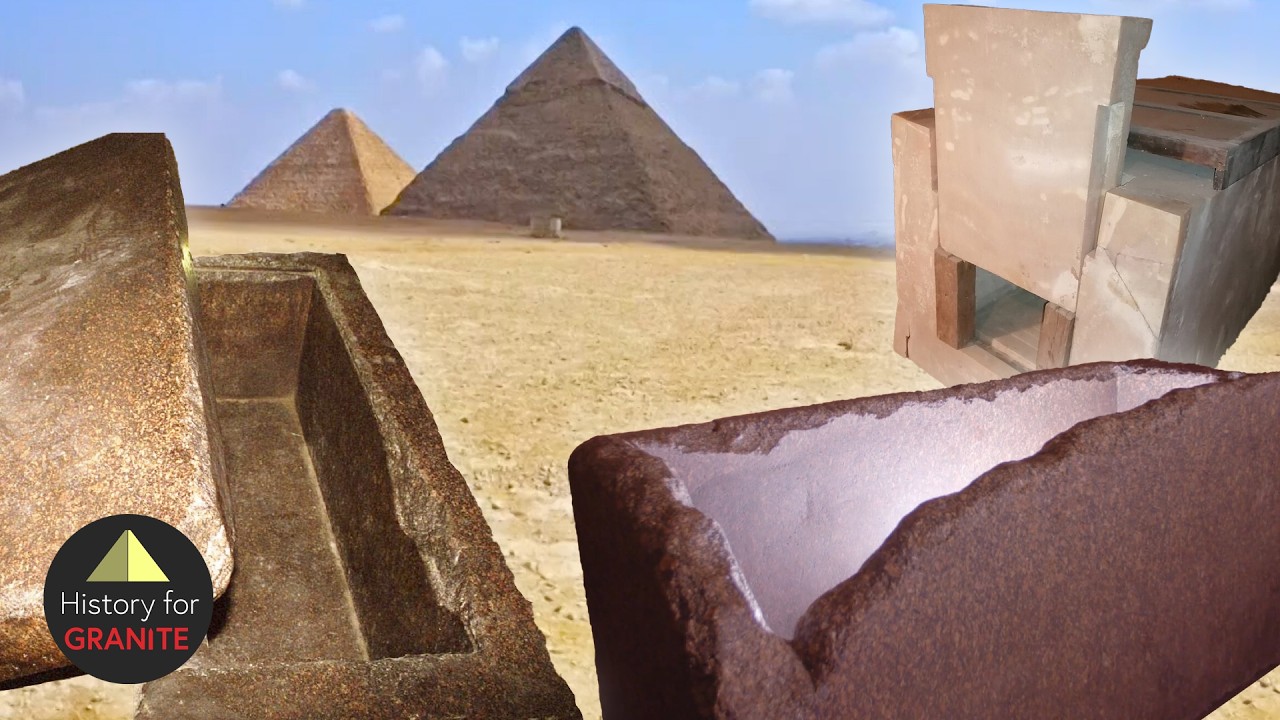
in the past Century the preservation of a monument is largely dependent upon the value Society imparts upon it and if the bent pyramid is nothing more than a monument of failure what hope is there for it in the long run there's a structure at zet L Aran which is called a failed pyramid PID and that most of it was never constructed at the bottom of this trench was a granite oval Basin often ascribed the role of a sarcophagus I don't know if this structure was supposed to be a pyramid I don't know if this Granite
tub was supposed to be a sarcophagus what I do know is that this structure is now a garbage dump such as the fate of things for which history deems unsuccessful if some fourth Dynasty pyramids weren't designed as tombs suddenly the pit at zat Aran becomes more interesting if egyptology had realized this half a century ago I don't think this Monument would have been treated so poorly the Revenge of the bent pyramid is to lay be the failures of those who took their history for granted the people who never imagined a design or purpose for a
pyramid beyond what they read in a textbook they assumed the funnyl looking pyramid was the flawed one when it may have been the most revered pyramid in all of ancient Egypt perhaps someday the exact sequence of the snefru pyramids will be discovered and maybe the Red Pyramid will still end up as the last one finished however there is no remaining cause to think that it was constructed because of any problem with the bent pyramid nor as a replacement for it it's time to put that idea in the graveyard of bad ideas and look forward to
new possibilities there may be a long and fascinating story of Egypt written into the patches on the casing stones how many are mortared with carbon that can be dated what about luminesence dating the patches themselves what might this crowning achievement teach about the history of Egypt there remains so much more for the pyramids to reveal all it really takes is the courage to go looking thanks to everyone who watched this video to the end please subscribe to the channel to see more of this content give a like or comment as you see fit and above
all remember to ask your friends if they take their history for granted [Music]