I believe there's hardly anyone who doesn't know about Brazil. Even if you haven't been to this country, you've probably heard its name, especially due to its football successes. Brazil is a massive country located in South America, and it's widely known.
Together with Argentina, it's one of the most visited and prominent countries on the continent. People come here to enjoy affordable food, experience the never ending nightlife, and explore unique cultures. In particular, there are two cities in Brazil that capture the essence of the country, and despite the fact that Brazil covers an enormous 8.
5 million square kilometers, most visitors gravitate to these two cities. Let's take a journey through these two beautiful cities to better understand Brazil. First, we have São Paulo!
With a population of 214 million, it's the city of this densely populated country with 22 million people. In this respect, it's not only one of South America's largest but also among the top 5 most populous cities globally. For context, among cities with even larger populations, you have Shanghai in China, New Delhi in India, and Tokyo with 38 million people in Japan.
Therefore, with a population this large, São Paulo offers a multitude of topics to discuss. It encompasses everything, from the most dangerous streets to the hottest parties in Brazil. If you're wondering about the exact location of the city, it's situated in the easternmost parts of the country.
Brazil, being an extremely large country, is divided into states, much like the United States. São Paulo is the capital of the São Paulo state, located in the southeastern hilly regions. It's the heart of finance, trade, and industry in South America.
As a state, it even has its own flag. While the city itself isn't directly on the coast, it's very close to the sea. It might not be as famous as Rio de Janeiro, but it's one of the most talked about cities in the country after Rio.
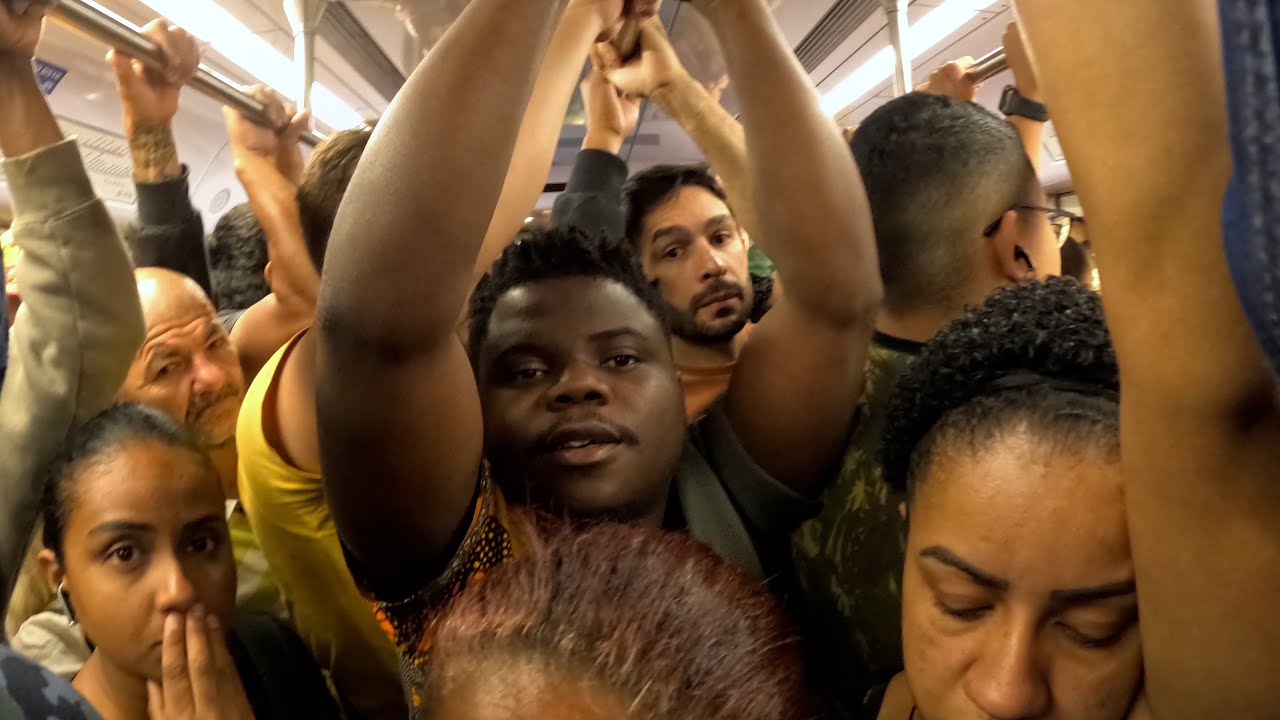
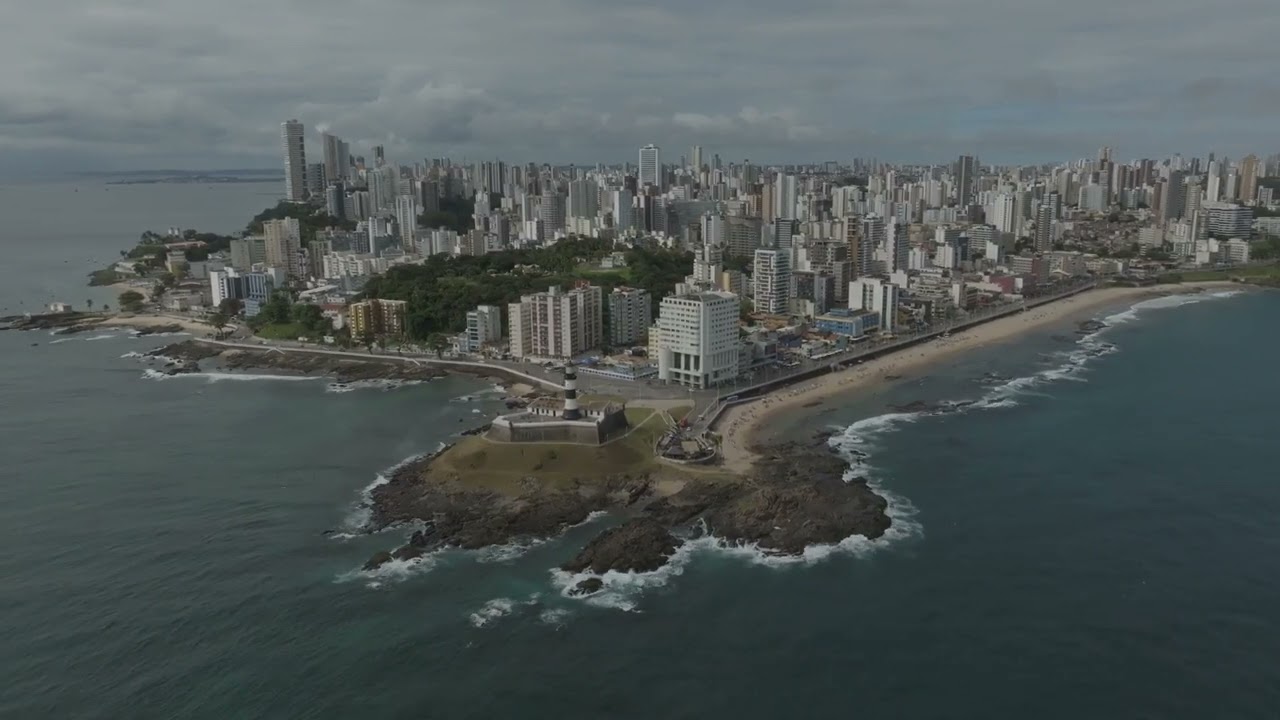
In fact, when you view the city from above, it's truly dazzling. It has rivers running through it and plenty of high rise office buildings. Traffic, especially during midday, can be busy, and people are constantly on the move.
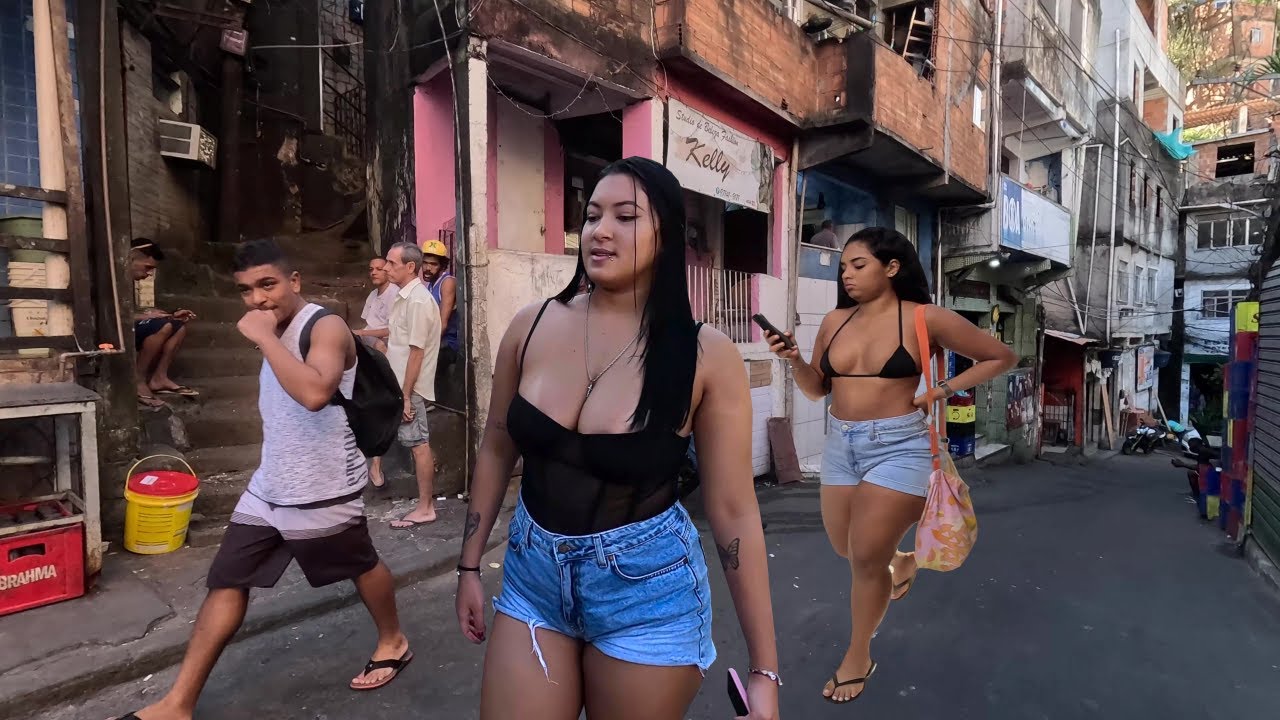
The architecture bears resemblance to Spanish and Portuguese styles. The weather here is warm all year round, which is why you might see people in São Paulo squares dressed quite casually, and this is entirely normal there. Brazil doesn't place many restrictions on people in this regard, and people can freely stroll the streets.
The city's streets are always filled with music and a lively atmosphere of dancing. Even if the weather is overcast, people in São Paulo don't give up on having a good time. The country's economy might not be at its best, but people in São Paulo continue to find happiness.
Even when the weather isn't great, you'll see people participating in various activities and seeking out a good time. If you go there alone and have some money in your pocket, you might easily find companions in places like these. In São Paulo, people genuinely have a relaxed mindset, and they live life according to their own pleasures.
People here have high self esteem, and they are at peace with their bodies. If you look at Brazilians' faces, you'll notice that many of them have light complexions. Actually, this place has received significant immigration from Europe, mainly from Italians, Portuguese, and Spaniards, and the genetic makeup of the people has been heavily influenced by these migrations.
So in a way, we can say that Brazilians bear a striking resemblance to European individuals. The streets are impeccably clean, and despite the crowds, this city is not all about football; it truly exudes life. The walls of the buildings are adorned with plenty of graffiti, often consisting of messages protesting the high cost of living.
People here truly despise staying at home and fill the streets even late into the night. Especially if São Paulo's team is playing on a given night, you might find tens of thousands of Brazilians watching the game in local venues. The average monthly earnings for people here range between 600 to 700 dollars.
If you're thinking about going to Brazil to make money, even a large city like São Paulo might leave you disappointed. In contrast, the city's rents can reach around 5,000 Brazilian Reals, which is roughly 1,000 dollars. In such favorable housing conditions, it's often European and United States immigrants who reside.
Similarly, due to the low purchasing power in the country, citizens of countries like the United States can enjoy luxuries in São Paulo and Rio de Janeiro that are not accessible to the local population. Notably, state hospitals in the country provide free healthcare for those with permanent residency, so this is a fantastic benefit considering that in many countries, healthcare services are extremely expensive. Furthermore, it's important to mention that in Brazil, people have a heavy preference for red meat.
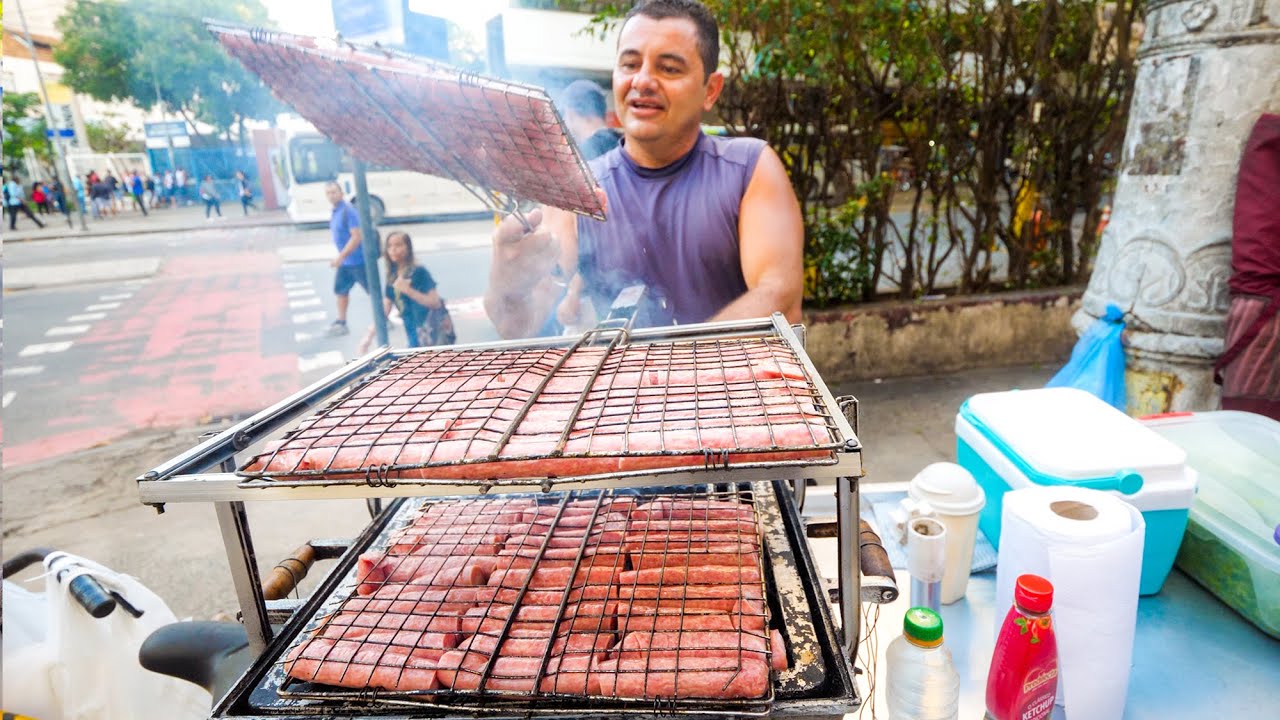
The ASADO frenzy in Argentina has its equivalents here, and despite the cost of living, their love for red meat remains steadfast. English is not widely spoken, so in these major Brazilian cities, you'd need to learn Portuguese. The most enjoyable aspect of São Paulo and Rio cities in Brazil is undoubtedly the warm, friendly, and honest approach you'll experience from most people you encounter.
While their economy might not be doing great, the general attitude of the people towards foreigners is largely positive. To understand the city, let's start with its drawbacks. It's widely known that Brazil's economy and monthly salaries are not generally impressive.
Sao Paulo, therefore, feels the impact of this situation significantly. The country's minimum monthly wage is around 250 dollars, and the unemployment rate has risen to around 8. 5 percent after July.
In cities like Sao Paulo, people struggle with high taxes, and their purchasing power isn't quite robust. For example, if you want to buy an iPhone 15 Pro Max, which costs 1100 dollars in the United States, in this country, due to taxes, it's sold for over 1800 dollars. In fact, Brazil holds the title of being the most expensive country in the world to buy this phone.
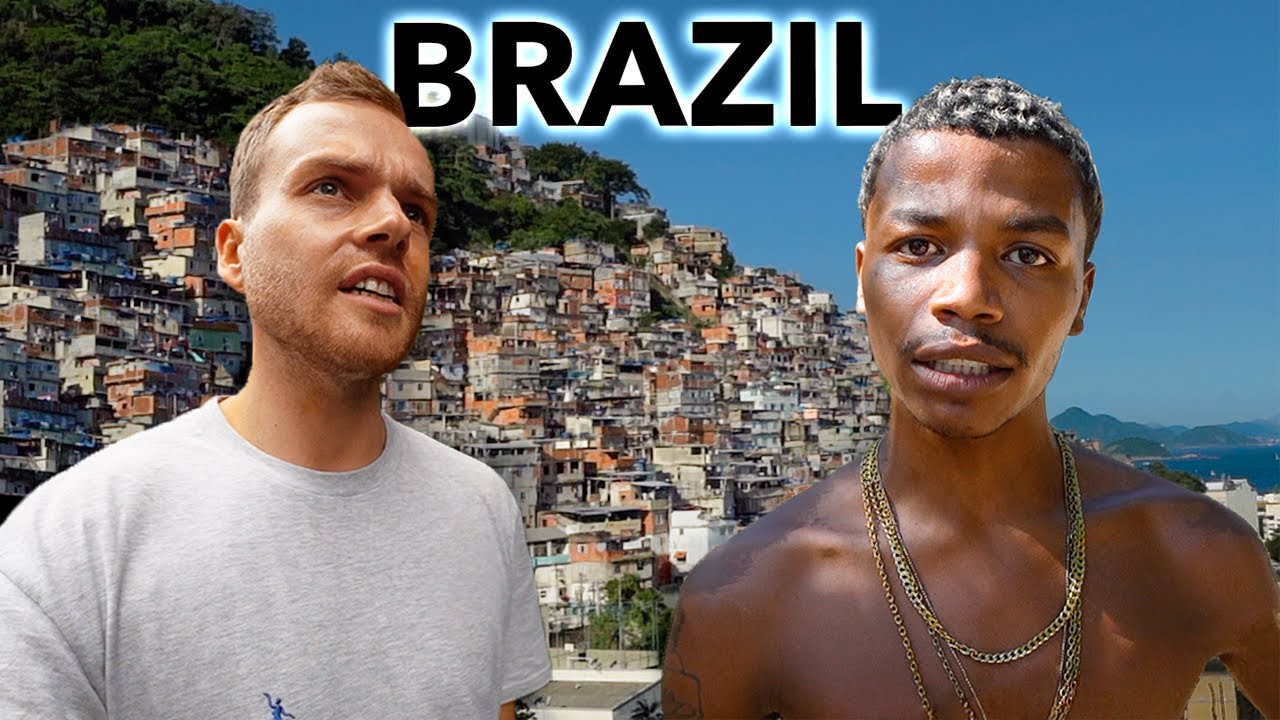
For this reason, when you go to Sao Paulo, you'll encounter plenty of favelas and homeless people on the streets. They host some of the world's largest favela neighborhoods. One of the most well known is the Heliopolis neighborhood.
In Brazil, those living in Heliopolis often receive rejection during job interviews. This bias against residents of these neighborhoods exists not only abroad but also within the country. This is because neighborhoods like Heliopolis are considered dangerous by many, and it's advised not to enter them.
To take a closer look at one of them, you'll notice plenty of tangled cables in the favelas around the city. In many of the country's shantytowns, the nights can be pitch black. However, in Heliopolis in Sao Paulo, when evening falls, the streets are lit with LED lights.
Thanks to the determined efforts of the women here, they've managed to install streetlights. Those living in these favelas in Sao Paulo often resort to illegal electricity connections, using power clandestinely, or tapping into national grids through a web of underground dealings often controlled by various gangs. These neighborhoods receive little to no support from the government, as they are chronically underfunded.
Consequently, people here often find themselves in desperate situations and, if left with no alternative, may unfortunately fall under the influence of local gangs. The favelas in the neighborhood are typically two story structures, lacking the paint that adorns more prosperous areas. The bricks are visible from the outside, and the roads are often neglected, lined with aging cars.
The sanitation systems are usually rudimentary, and some areas have unpleasant odors. However, the most beautiful aspect of these neighborhoods is the hopeful, smiling faces of the people, especially the children, who cling tightly to life. In these neighborhoods, kids aspire to become one of the world's greatest football stars in a country where the heart of football beats fervently.
This is not a mere dream for them, as both in Argentina and Brazil, there are numerous examples of people who have risen from these shantytowns to become some of the world's most famous footballers. Another beautiful aspect is that everyone in the neighborhood watches out for each other and is tightly knit, ready to unite against any external interference in their neighborhood. Not too long ago, about 30 years ago, hardly anyone lived in such neighborhoods.
They were unnoticed, distant areas where only a few families eked out their existence away from the city. Nowadays, in the shantytowns of Sao Paulo alone, more than 200,000 people reside. These neighborhoods are the most underdeveloped parts of the city, lacking adequate infrastructure.
In the past 30 years, people migrated from the rural areas of Brazil to cities like Sao Paulo and Rio de Janeiro in the hope of finding work. Their intentions were innocent, aiming for a better quality of life and seeking good jobs to secure their livelihoods in these major cities. However, living in these mega cities was not easy, and they couldn't cope with the rents of the houses here.
Therefore, they didn't completely abandon the city but instead filled these vacant lands in hilly areas with self built shanty houses, gradually turning them into large neighborhoods. If they hadn't migrated to these major cities, they might have had to live the life of people in the rural areas of the country. Livelihood challenges in the rural parts of Brazil are more severe, and some families are figuratively, in dire straits similar to those in Africa.
Returning to the shantytowns in the city, in many cities including Sao Paulo, there's a marginalized and dangerous area today. Those who visit the country avoid these neighborhoods as soon as they hear their bad reputation. If you enter these neighborhoods as a foreigner today, you will definitely witness people looking at you with curiosity because they aren't accustomed to seeing outsiders and they will want to know your purpose for going there.
By the way, the term "favela" means a LARGE COMMUNITY for the locals. The favela residents know that they live in difficult conditions, and they are not eager for you to film and show it to the world. Families there are in such poverty that some of them send their children for adoption to families in developed European countries through long term adoption programs led by Italy and others so their children can have a better life.
The true heartbeat of life in Brazil is Rio de Janeiro. This city is Brazil's second largest after Sao Paulo. It's also the capital of its own state, with a population of 7 million.
What sets Rio apart from Sao Paulo is its direct access to the sea. People here don't have to travel from the city center to the coast by car to go to the beach on weekends. If you want to travel between the two cities in Brazil, it takes about 6 hours by car or 1 hour by plane.
Although they might seem close on the map, Brazil is a much larger country than we think, and the distance between the two cities is approximately 500 kilometers, my friends. If you have a chance to visit only one of these two cities, it's more logical to choose Rio de Janeiro. That's because this place is where you'll find Brazil's entertainment sector and warm hearted people the most.
Especially Leblon Beach is one of the busiest spots in the country. No matter how far you walk along the beach, the crowds never seem to end. What's interesting is that people don't come to the beach for swimming but more for sunbathing or chatting with friends.
Therefore, you can see adults playing games or just gazing at the sea on the sandy shores. I don't know which country you're from or what culture you're used to, but if you're going to the beaches in Rio De Janeiro, you should be prepared to see more nudity than usual. Brazilian women already like to be glamorous and revealing, and they take this to another level on the beaches.
You can see women of almost all ages flaunting this style. This might either appeal to your taste or, on the contrary, make you uncomfortable. But if you're visiting those areas as a couple, be ready for some jealousy crises, most likely.
The city is not just about beaches, of course. For instance, there's an area called SUGARLOAF, and if you go up there, you can observe Rio de Janeiro beautifully from above. If you're not afraid of cable cars, you can take a cable car ride to even higher places and have the city at your feet.
Additionally, the city is home to one of the Seven Wonders of the World closely associated with Brazil, the iconic CHRIST THE REDEEMER statue. This statue of the Savior stands right here in this city. On the other hand, every year in February or March, the world famous Rio Carnival, synonymous with the city's name, takes place right here.
This event is one of the country's largest celebrations and is considered the world's biggest festival. People flock to this country from all over the world just to witness this carnival, where the samba focused dance performances in Rio de Janeiro come to life before their eyes. The origin of the carnival is based on the celebration of the day when Jesus ascended to God.
Therefore, the country's Christians actively participate in this carnival, which begins before Easter, celebrating Jesus's ascent to God through dance. See you in the next video! Goodbye.