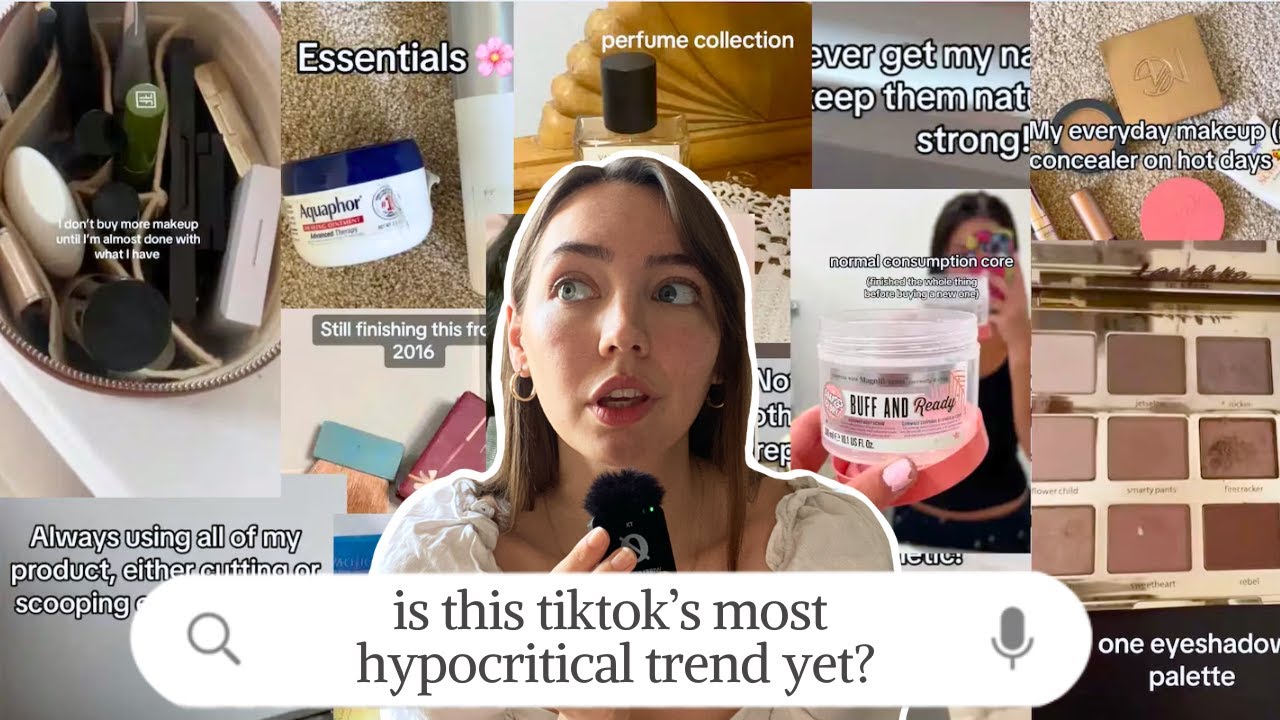
do you ever find yourself mindlessly scrolling through Tick Tock and suddenly you have this urge to buy something that you didn't even know existed five minutes ago are you exhausted at constantly feeling like there's this new trend that you have to keep up with rest assured you are not alone in fact Tick Tock is fueling a dangerous cycle of over consumption that's affecting us all from Fashion to home decor the apps viral videos and lightning fast Trend Cycles have completely changed the way that we shop which is cool but what's the cost in this video
we're going to dive deep into the dark side of tick tock in the way that this app is essentially transforming us all into hoarders so buckle up get ready for a wake-up call because you're not going to want to miss this and if you want to see more videos about over consumption you might like my video how consumerism is ruining our planet and our wallets and you might also like how designer Brands keep you poor but don't jump over there just yet because we have got to talk Tick Tock so why Tick Tock specifically the
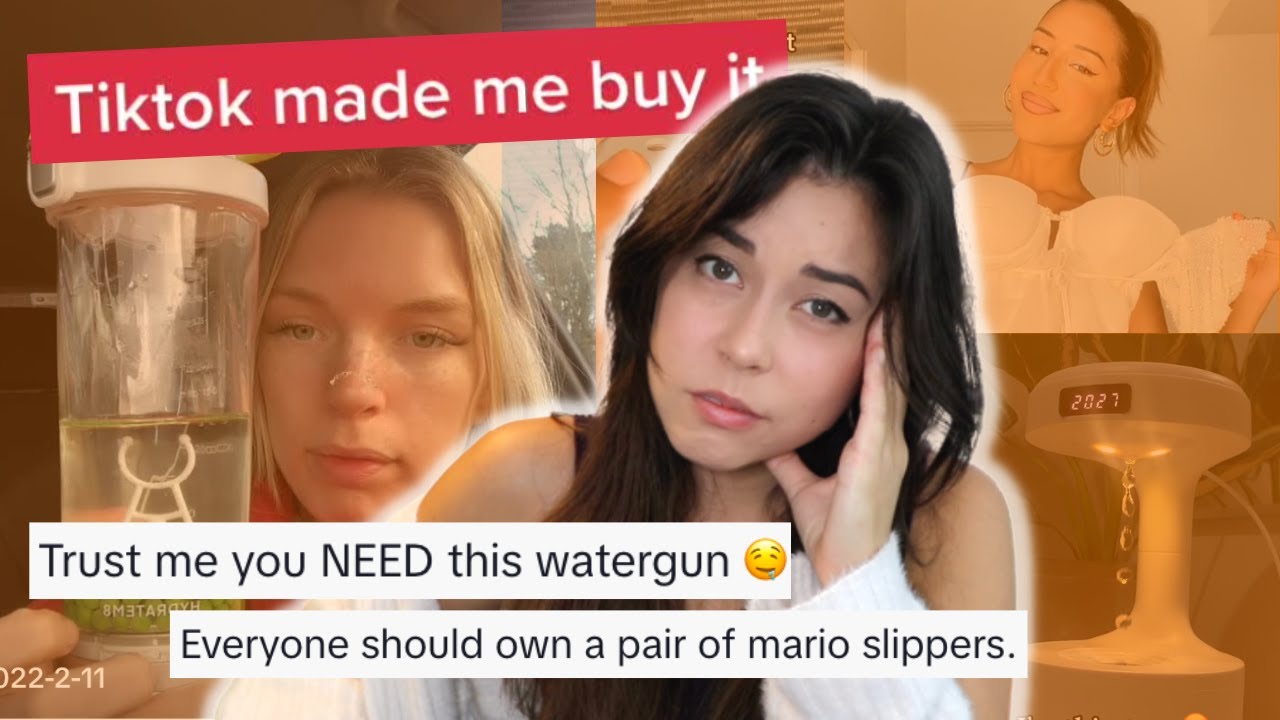
app has become a major player in the world of social media with over a billion active users and according to an ad week survey on consumer Behavior nearly half of tick tock users buy products they see advertised on Tick Tock half that's one out of two fifty percent you didn't know I knew so much math huh but there's a reason that Tick Tock made me buy it has become such a part of our lexicon these days if you've ever scrolled on Tick Tock before it's not hard to see why this is happening the algorithm's incredible
ability to tailor content to you makes it somewhat irresistible sometimes it's honestly a bit creepy like sometimes I'll be on my office chair thinking about how it kind of hurts my butt and then boom tick tock's viral chair for office girlies shows up on my feed add in how easy it is to pull the trigger on Amazon and know that next morning you'll have a gift from Jeff Bezos himself and it's a no-brainer when people are buying like crazy and that is not an exaggeration American specifically are buying more than ever before according to heal
the planet sustaining the lifestyle of the average American requires nine and a half hectares of energy while the worldwide average is 2.7 the spending habits that Tick Tock cultivates is fuel over consumption which refers to the excessive and often unnecessary consumption of goods and services before I jump into examples like the fashion Industries pivot to micro Trends and our obsession with dupes and must-haves I want to make it clear who is profiting from all of this obviously the big picture is that none of us are buying stuff drives climate change which impacts all of us
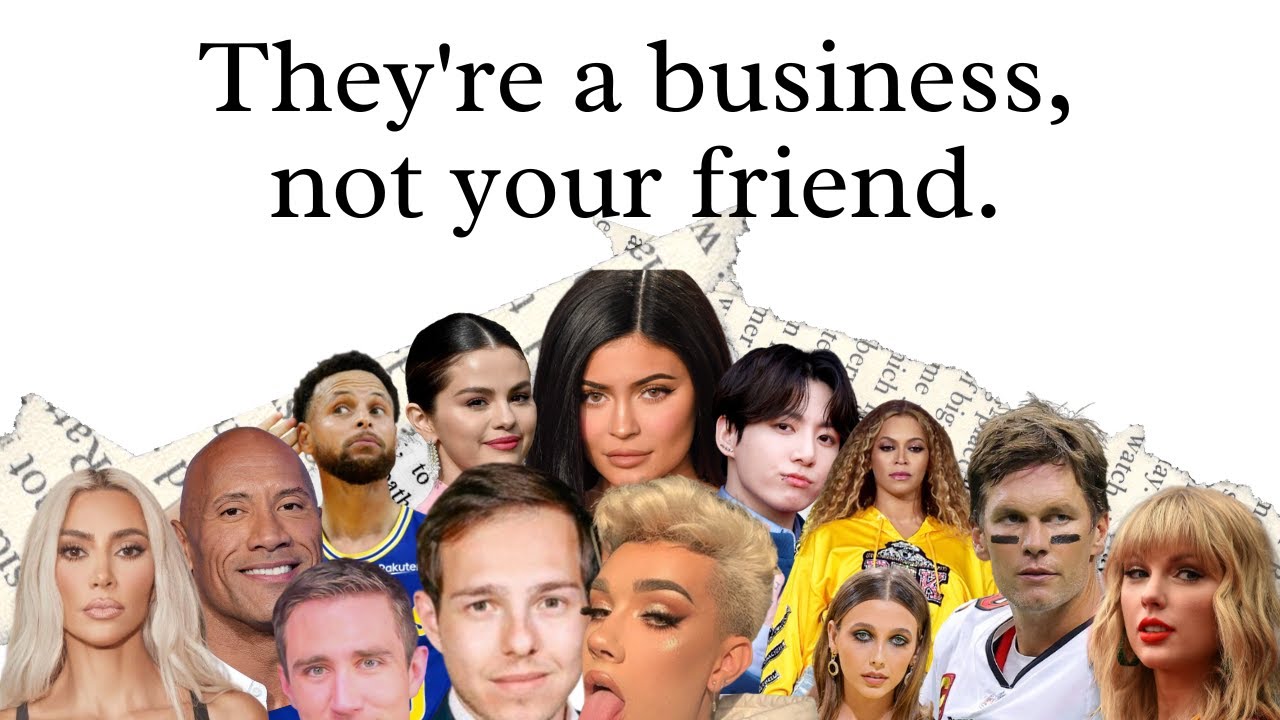
earthlings whether we like it or not but in the day-to-day influencers and Tick Tock as a platform make money by shoving products down our throat think about it is every influencer's World literally Rock to the core every time they find out about the new trendy water bottle no it's giving I'm an alien in a human skin suit who's never seen a cup before but for every time an influencer can show you the next hot item or must-have that's another product they can put in their Amazon storefront and make a six percent commission off of or
another product they get a brand deal for or just simply more views they can get for hopping on a trend similarly Tick Tock wants Trends to come and go fast because it means more engagement and users are more likely to feel like they're gonna miss out on something if they're not on Tick Tock and look I am not hating on the hustle of either party's there and absolutely there are some products that might be really helpful for your life and not overly wasteful that being said I think it's important for us as viewers and consumers
especially as Tick Tock continues to grow in popularity to be mindful of the motivations of those who are trying to influence us especially when there's money involved it's important to ask ourselves who is truly benefiting okay shifting gears here now that we know who's actually profiting by promoting over consumption let's talk Tick Tock fashion because I feel like Tick Tock fashion brings out the absolute best and worst of that industry the best being that people are so creative and expressive with their clothing and Tick Tock has kind of democratized an industry that has historically been
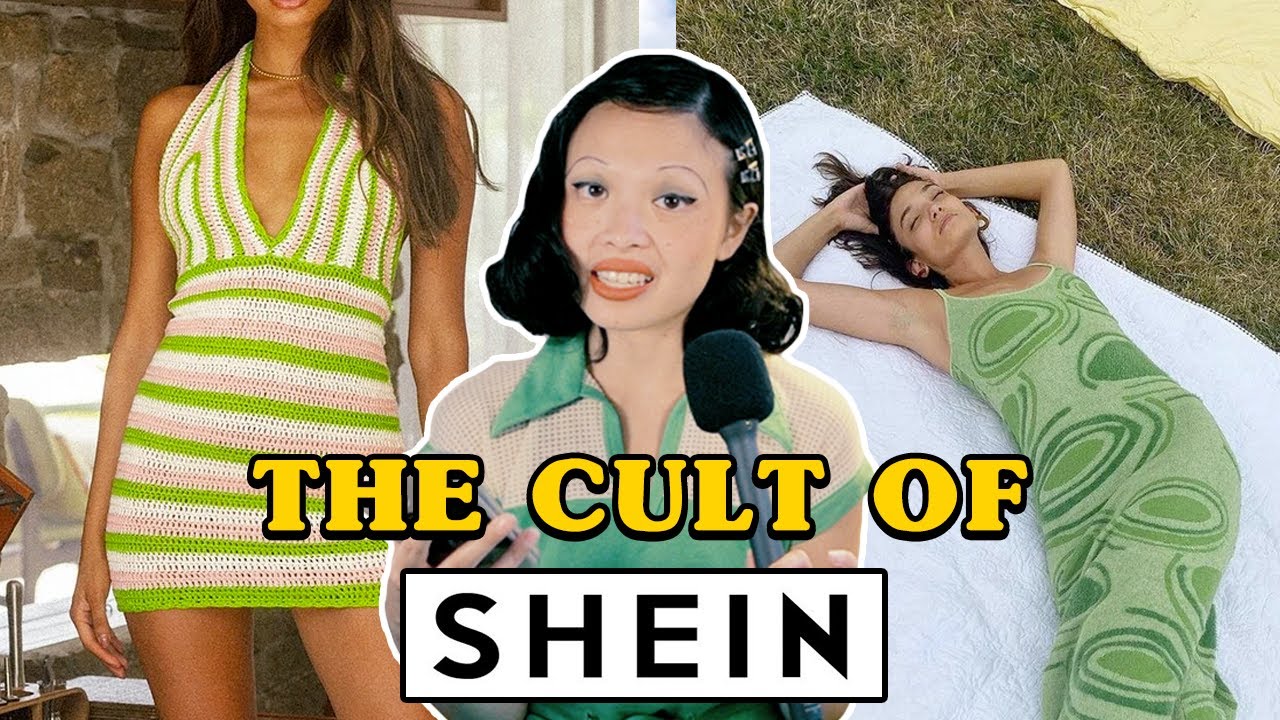
dominated by big corporations where before Trends were dictated by the elites of Mega conglomerates now you can literally have a trend start in a teenager's bedroom and blow up overnight but Tick Tock fashion also brings out the worst in that the fashion industry is the number two biggest polluter in the world with fast fashion driving most of that and let me tell you Tick Tock loves fast fashion from Sheen to Uniqlo to Topshop and Zara to most of those found on Amazon outfits that are on your feed these are companies that are focused on rapidly
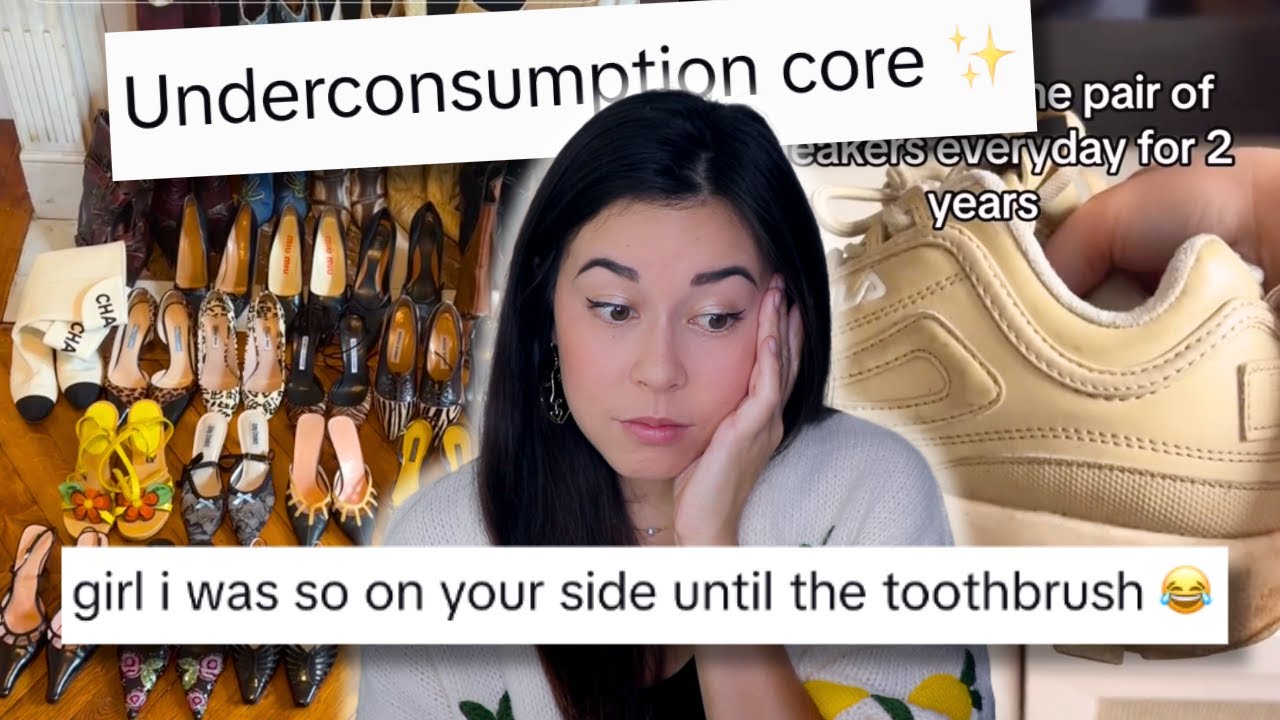
producing High volumes of clothes to keep up with Trends often at the expense of worker safety quality and environmental impact fast fashion and therefore Tick-Tock fashion Thrive off of the algorithm's ever-changing trend cycle micro Trends is the word for this phenomenon just think about how many you've probably seen in the last year the viral Kendall Jenner green dress the viral Amazon set one of many those viral workout leggings that were very wedgy Chic not to mention that Tick Tock has an interesting way of developing subcultures that are predicated upon consumption identity like clean girl aesthetic
and cottage core I've been thinking about making a whole separate video about that topic so if that's something you want to see let me know in the comments below so in the past fashion brands historically had two seasons a year that informed the fashion trend now there are 52 micro collections released by fast fashion brands per year according to sustainyourstyle.org that's a new micro collection every single week but it's also more content for tick tock and more views for the content creators who prop up these Trends and more money for the fast fashion companies the
micro Trend and fast fashion Obsession now has us at 100 billion garments produced per year four hundred percent more clothes produced Now versus 20 years ago and clothes being worn at average of only seven times before they're thrown away it's not good so why do we keep buying into these Trends well for one thing it's fun there's something exciting about discovering a new trend or feeling like you're part of a community that surrounds a shared style but there's also so much pressure to keep up with what's popular especially on social media which brings us to
our next point which is Tick Tock made me buy it culture this is a phrase that has become a bit of a joke on the app but it's also a reflection of reality Tick Tock users are often influenced by what they see on the app whether it's sponsored content or organic posts and I suspect it's only going to get a lot worse with the rise of tick tock live shopping see Tick Tock introduced live shopping to the US late last year but it's been going strong in China for a while now experts predict 45 of
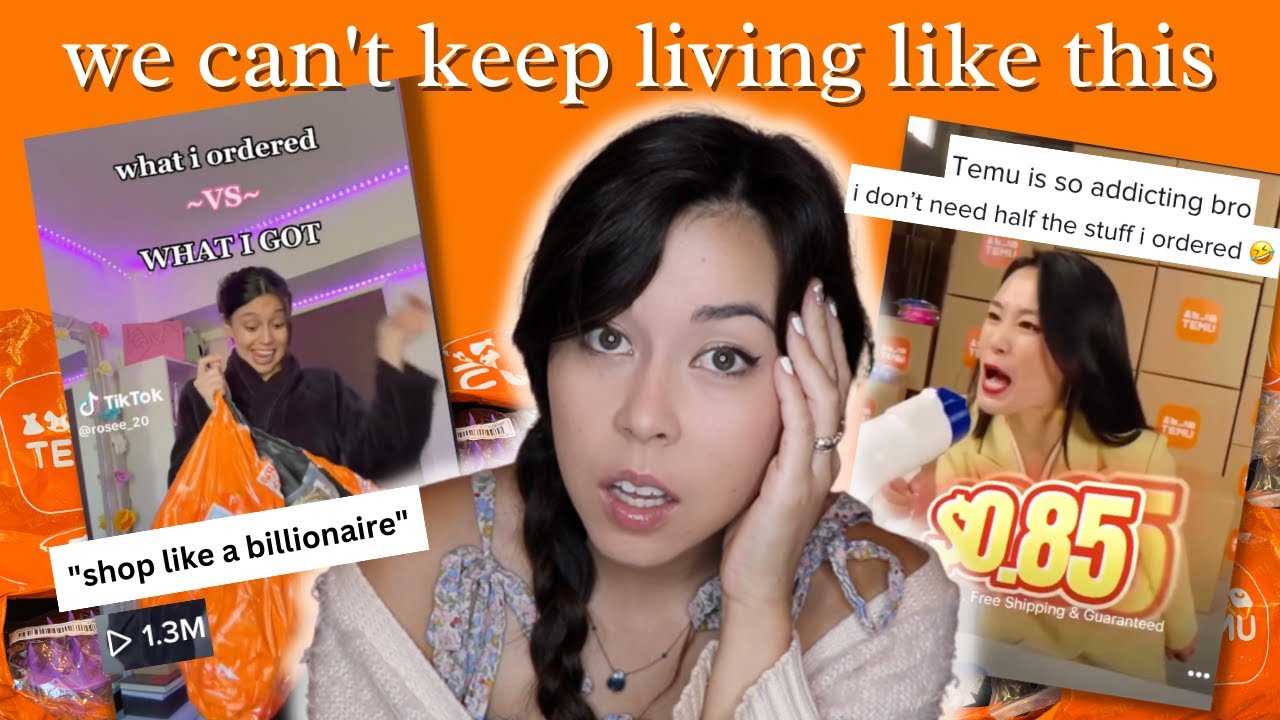
China's online Shoppers will purchase via live stream in 2023 and live shopping is predicted to be worth 35 billion dollars in the US by 2024. while it's an obvious step from a money-making perspective it also serves as more evidence of how Tick Tock is fueling over consumption it is so easy to see a product on Tick Tock and think I need that maybe it's a skincare product that promises to clear your acne or a kitchen gadget that's going to make cooking so much easier whatever it is the pressure to buy is often intense but the
next time you come across a product on Tick Tock that you feel like you just have to have I encourage you to pause for a second and think about whether you really need it or you just want it consider alternatives that you might already own or more sustainable and ethical options like Facebook Mark Marketplace or borrowing from friends and family I also highly highly recommend just waiting 24 hours before you buy something that you see online because it is deceptively easy to fall into the Trap of impulse buying in a survey on impulse spending it
was found that 64 percent of Americans increased their impulse spending habits in 2022 compared to 2021. the average person spends 314 dollars a month on impulse purchases and 7 out of 10 were likely to impulsively spend while laying in bed and staring at their phone sound familiar it does for me which is why just giving yourself 24 hours allows you this distance away from the Allure of instant gratification and hopefully lets you make a more rational decision so the next time you're scrolling through Tick Tock and you see the latest fashion micro Trend or a
celebrity Dube or must-have Home Appliance zoom out for a second and think about the bigger picture by being more Mindful and intentional with our purchases we can reduce over consumption and improve our financial situations I our dollars represent hours of our working lives that we can never get back so being intentional about our spending is not only about caring for the planet it's about caring for ourselves if you've gotten this far thank you so much for watching I really appreciate it and let me know what you think in the comments below and if you like
videos that cover Tick Tock Trends my lucky girl syndrome video and my stay-at-home girlfriend video both cover Tick Tock Trends but from a financial education perspective so go check those out thanks for watching