Um also joining us online is Fior Garcia miramon who is the director of cze check in Mexico and here in the room we have Maria iano from IDI based here in Brazil and Armando manua Peña who joins us from the Dominican Republic Ministry of Economic Development so at this point um we've seen in many instances around the world the enormous impact that DPI can have on financial Inclusion hello okay sorry I cut out um but at the same time we know that that if it is not designed deployed and governed with consumer interests at the
heart that it can actually leave to further disenfranchisement of the very people that it seeks to serve DPI has been great for industry its lowered transaction costs making them almost negligible this has fostered competition and choice it's lowered barriers to entry for small and medium Enterprises this in turn has been great for consumers however at the same time if consumer interests like digital and financial literacy power supplies internet access data protection cyber security Etc aren't taken into consideration um it can DPI can in fact have a delerious effect we've also seen um the rise of
scams and fraud related to DPI which is absolutely skyrocketed for example in India so I'm really pleased to have the opportunity to Discuss further some of these elements with my colleagues now and on that note I will hand over to Armando who will share some learnings and challenges that he's observed uh from his experiences in the public sector thank you Armando thanks so much Hannah um first of all I would like to thank you for the invitation to join this panel today uh this uh this public digital public this this topic digital public Infrastructures especially
aimed at the financial markets is is a topic that I have people too hard because I being involved with the with both the ftech ecosystem uh and the and the payments ecosystem INR for a for a very long time I actually work at the central bank at some point uh defining regulations for for cyber security and un payments and of course within this uh uh within this uh scope where we can allow uh more people to be included using these Technologies around another so H I think uh we all know here that the digital payments
are key uh to drive Financial inclusion and uh if we have uh the proper platforms for uh for payments in in countries we can even uh add at least 3% of the GDP in in Emerging Markets uh just by just having uh different means to pay using digital uh using digital Technologies um since covid uh all all related to the payments ecosystem has been increasing tfold in all nations Because uh it because it highlighted the need need to have a means uh have means to to transact in the in cases where where emergency happens and
um and because of it uh many governments uh have the taken the the initiative to build uh not just uh not just to have like the core Financial Market infrastructure infrastructures which mostly uh rtgs but also to build systems upon this uh to that uh that that attends the last mile consumers uh People in general uh to do these transactions in most cases we have example for example Brazil that implemented pix which is uh A system that is embed in the within the the bank accounts of each person that allows them to pay to do
peerto peer payments one way or another in the case of the in the case of uh of India which is like uh one of the most famous you have you have UPI which is uh a bit more advanced they set up even a company to handle this and uh Basically they they they constructed this whole system that goes even Beyond PX that does not just beer to beer payments but also handles all kind of all kinds of transactions across the digital uh across the digital world and also inter intersecting with the physical world as well
so in that regard uh what we have done in the Dominican Republic is that um of course we have this uh course system which is an rtgs but um we decided to have a kind of Middleof the road approach because uh we have this infr sector which is open at some extent uh all the all the uh authorized uh Payment Systems can connect to this platform and must connect to this platform and do all the transactions that done they should they should be through this platform and um and what we do is uh we allow
uh to certain regulations to to have key other operators that comes mostly from the private sector to handle uh the Transactions that goes to retail payments from the consumers to Enterprises or from the government to other companies then uh in the case of uh government to Citizens payments what we done is basically an alliance with uh key with key commercial Banks especially the the one that is actually run by the government and uh with in Alliance with the with the major consumer uh credit card Brands we we created uh uh this uh it's not an
application per set but Rather we have a a physical card that uh all subsidies are handed to the card uh to the persons that actually need it uh we've been however uh at at some point dur during the pandemic uh we tried uh to build uh another kind of DPI which is uh something similar to what pix is where we generated an when we generated an an a bank account to each person using uh using their their own ID number plus four more plus four Extra characters for them uh in order in order for them
to receive the subsidies that the government were giving out for the people that uh were affected by by the suspension of jobs and uh and of course the whole pandemic thing in order to sustain the the consumer market and um but that doesn't uh that doesn't wasn't the most efficient way so what we're doing now is uh we are of course analyzing ways where we can uh create a again this s another sort of middle road Infrastructure for people to be to be able to use digital payments not just for the government but also for
from the private sector as well and then start doing um I start doing the the kind of things they should do I mean we can ferment more in financial inclusion and also uh find ways to for them to have access to more financial services through that way another thing that we're also that of course we're considering is uh a new some changes to The payment uh to the payment system uh byw in order to have a stronger consumer consumer rights protections right now we have uh some guard Trails on that front uh for example um
all contracts are are revised before they become into full force uh between the payment aggregators and the payment operators and the and the consumers especially the ones that uh comes from the digital from digital money wallets and Other sort of applications um in this case in particular in order to prevent uh predatory practices from them to Consumers uh we also we also have an agreement with the banking supervision Authority uh because they already have a a very strong consumer protection framework in place so we basically uh Lan on them to handle most of the cases
that comes from from the from people with the with payment operators uh in the country and uh including the that Comes from the the the the subsidies that comes from from the from the agency that runs the subsidies from the government as well and then uh they consult they permanently consult with the Central Bank regarding uh what things can go right and what things can go wrong and um and then what we what we're trying to do is like uh to strengthen the framework that actually exist in order for consumers to have uh a more
clear Set of rights regarding regarding this and of course this will be tied as well with the payment infrastructure that that will succeed the current that we that that we are planning to integrate into the rtgs in the near future for uh for citizens to use on that front on the other side on the on the government subsidies uh there's also been talks regarding the the implementation of some sort of wallet that will consolidate all kinds of uh subsidies that people might Receive from the government and this of course will come with some sort of
digital onboarding using uh some Biometrics and digital ID platforms as well and uh and of course uh the idea is to have like a a clear framework on how this data can should should be used when people get on boarded on that and of course uh uh we have like clear uh mandates regarding data governance for that platform as well so uh we currently have a strong Data protection rules uh for social subsidies but again this necessarily AR transparent to Citizens so basically we know that we're doing this but most people doesn't necessarily know how
we're using their data so the idea with this is like uh to also provide them with the with this information more transparency on how we use the information to for to give the to handle social subsidies but as well give them some options uh to in order for them to To have a better use of the subsidies that they give then they have more control on the on that money as well so they basically can can have access to their to their balance they can have access to the places that they can actually use the
subsidies because it's restricted right now and of course uh to find uh a more um friendly and private way to control this and of course uh cyber security part is uh is an integral part of all of this and because uh Basically it's one of the it's one of the pain points that we are trying to address uh uh because the system itself uh has been that has been some in some uh cyber attacks inant in the past some of them may have subed a certain extent so what we're trying to do is like the
to increase the cyber security that it's around the system as well and this is the the whole idea with with this of course putting always the people in the front of these efforts Amando thank you so much um for your really rich and interesting comments I think there's going to be a lot of um followup and discussion I'd love to learn more um but in the interest of time at the moment I'm going to pass over to my colleague Fior um I think you have a presentation to share might just take a moment to set
up but please feel free to kick off whenever you're ready thank you thank you Hannah and thank you for The people that it's in the room and online I'm going to share the presentation with me let me know if you can see it we can see it now you might want to make full screen yeah I'm just trying perfect so first of all H my name is fendina I am the cofounder as already and I said ER of tech Che Tech Che is the first civil Association in Mexico we are the first consumer ER organization
that is focused on the digital economy We are a Mexican German team and we something to very important to highlight is that we dedicate ourselves to take check as a social commitment during our free time ER we have three er areas of work the first one is that the transparence of e-commerce and social networks H we for example monitor Instagram or Tik Tok for influencers marketing and the transparency on that we enforce consumer rights through the facilitation of Collective complaints and we also request accountability from the authorities profco condev kof PR inai that are the
authorities in charge of the consumer protection the consumer ER financial protection and also data protection and privacy so how are it's important to highlight how are we in Mexico in terms of financial inclusion and the first point to uh remember is that here in Mexico we have a big Challenge in terms of financial inclusion why because according to the last Global Financial index 49% of the Mexicans adult population have a savings account and er in terms of made or receive a digital payment we are talking about 44% those are levels very low if you if
we compare for example with Brazil or other countries in Latin America that have a a lower size of Economy who are the most excluded in the financial sector in Mexico women ER and even with the pandemic H with the covid this bridge between men and women in the financial sector is bigger than it was the digital payments are mainly made made by young people between 15 and 24 years old and that increase after covid so we are also having a big challenge in terms of user user ability and the age or the generation that are
you using the Digital payments which is the digital public infrastructure that we have for payments its name is espay is an infrastructure developed inhouse by the central government which um it's a something very curious but it's made for consumers without traditional ER traditional bank accounts what I mean for that is that you always need a bank account if you want to use spay ER so we don't spay don't work with Digital wallets for example even though the vision of espay when Central Bank announce it is that for all Mexicans have the possibility of sending and
receiving secure immediate efficient and commission free electronic payments in the reality in the Mexican reality that it's not happening based on the characteristics of the infrastructure what are the main characteristics all all users need a bank account to make the transfer via the app or the platform Um so we need to identify ourselves with our account number bank account number in comparison with pigs that you can give your name your email or other data personal data that you have in Mexico is only the clab that is the the the number account that the bank provide
you when you are a client the second main characteristic is that it's not free for users H actually it's around $10 per Transfer ER and other main Char characteristic of Spain that change the game for the market is the participation by by B big account H big Banks sorry is not mandatory so there are some banks that are already Inay but they are not using other um technologies that the spay has developed for example to facilitate the transfer using your cell phone number what are what are one of the opportunities that we identify with the
Spay is that it can serve as an effective measure to enhance H payment security uh that it's a big issue here in Mexico if we consider the complaints that we have H for no non-recognized operations or transactions in Mexico 49% of the complaints are related to ER cash or charges or transfers that the clients don't recognize as them as they were doing that H 25% of the complaints are related to Non recognizing transfers and chargers and as we can see here ER the app and the platforms like the digital transfer are I mean more secure
than other typical H payment infrastructure such as the debit cards or the credit cards as check we identify consumer protections ER protection opportunities in spay ER mainly two the first one is the digital wallets uh we think that is necessary to discuss H how digital wallets can support more consumers to Use the space system ER as we said it will be very important for the big Banks to be mandatory but also for fintech ER that they can develop and other ways of other infrastructure that consumer can access to a spay even if they don't have
a traditional bank account and the second big opportunity for Consumer Protection is the fees that consumer H H need to pay ER for example how we can improve the information that they receive when they do the transfer And especially how we can include more provid ERS in the system to ER make this space infrastructure more competitive and finally H we want to do an announcement for the people that are watching us and listen us ER we the last month we publish a report ER if you want to understand more how the financial sector is working
in Mexico where are the rights and complaints that consu consumers face in In this market with the B of this report and thank you very much Hannah for the time in this presentation it's an absolute pleasure thank you so much Fior for your presentation um we're ready to move over now to our colleague in India s Roa over to you whenever you're ready thank you uh I'm am Sara from the citizen consumer and Civic Action Group CAG uh India uh we are based in uh State called Tamil Nadu south of India and uh so we
are a 38 year old nonprofit organization working on consumer and Environmental Protection issues here uh in India so um uh we recently worked on a project supported by the uh fdfa Grant uh by consumers International and I would like to share our experience it was on digital Financial Service and the objective uh of the study was to understand the perspectives of and experiences and challenges faced by Various stakeholders from select rural areas uh from India from the state that I come from like Farmers students women and small businesses uh who uh are into digital Financial
who are using the digital financial services so we wanted to speak to them and get their uh perspective and uh the next objective was to educate consumers on Safe digital Finance so through I materials and some capacity building programs and the third was Basically to uh guide in case they had some problems to guide them on whom to approach and uh how to get their issues resolved so we wanted to have some uh run some consumer guidance clinics to guide these consumers and and uh also to S based on our interactions with the consumers rural
consumers we wanted to submit a uh a charter of Demands to the regulator for further action so this was the these these were the objectives uh under the project and uh so so within The what we did was we did a we did a survey of around 2,000 uh consumers uh of which 500 were farmers 500 for where women uh who were from selfhelp groups and finded small businesses and finded youth all from rural areas so uh so the and then we actually developed some I IEC materials we developed some videos and uh uh we
printed some awareness materials on being digitally safe and uh we also uh conducted some programs uh awareness programs in the in those uh Districts where we went to to do the surveys and uh organize these consumer Guidance Clinic that that I mentioned earlier so what we uh from the interactions what we found was one of the major issues that we found was this digital lending which was which is happening rapidly rampantly and which is not regulated at all so many especially women from the districts we saw were uh falling prey to this because very easily
without any papers They were offered a loan and small amounts actually so without knowing informing the family there were a few who came to us with a complaint actually or Who had who shared their experience actually where in Indian money they had taken uh for example 10,000 INR as a loan um which was offered digitally so they took the loan and then they were threatened they were actually made to repay around 50,000 Rupees in um INR um uh the repayment was that Much actually like uh several times more and they couldn't do anything since they
were forced they were compelled to actually otherwise they were threatened with like saying like we will post something on social media about you we will inform your family so things like this were used words like this were used and they were actually compelled they didn't have an option they had to pay much much more than what they had uh taken as a loan so This happens to be then this particular lady who shared with us her experience like she had to then after paying more than 50,000 he was the the person who had given her
the money was insisting for more then she had to inform her family go to the police and all that happened so these this is one area which we found that consumers were really uh like especially from the rural areas they are facing issues similarly uh Network connect AC ity is another major Problem uh because when we talk about digital transaction in India especially the central government is actively promoting uh digital transaction uh and they are um saying digital India and so it's being actively promoted but the one major issue is uh connectivity very poor internet
um data uh connectivity in the rural areas especially which seems to be a major obstacle for uh digital transactions so this is another issue that we noticed because of which what is Happening is even people having these uh who are using digital Financial Services they face problems because transactions don't happen immediately say when they make a payment they don't know if the payment has reached and at times it like the situation so happens that they will have they end up paying uh twice for the save for one service or for one purchase so these this
is another major issue that we observed another uh another issue that we uh noticed was that um is The language so India is a country of multiple languages so when that transaction like any the communication is in English like many people from rural areas the area the the state that I come from we speak a language called K so people from the rural area know only Tamil and very rarely they understand English actually so language appears to be a major uh problem so they expect uh the expectation is that it should be in vernacular language
so that They understand the what the communication uh when it comes to digital transactions so this was one issue that um many people raised where people whom we were talking to and uh another um uh another issue that uh came up was about um uh uh grievance redress grievance redress actually uh they don't know whom to approach how to get an issue resolved that is one one issue the other issue is even if they represent there is no response there is no action They don't very often they don't get a resolution for the complaint so
this is another problem that we noticed another another important issue that we noticed was that people using these uh more than 25% of them actually depend on other people because they don't know the language or they don't know how to use how to digitally transact so they take the help of other people to transact digitally so this is another an area of concern I would say because if they even Within family students we don't know how your account or your money could be misused so here they take the help of friends they take the help
of Outsiders to actually transact for example if the they go to an ATM uh to withdraw money so like they just ask the person standing outside to help them with getting the money from the ATM machine so these this was another issue that uh came to our notice uh and um uh so and the other major thing is about Literacy so many of them but we saw that they lack knowledge enough they don't have enough knowledge about the space how to be safe while transacting and um and also grievance letters whom to approach and what
to do and those things so several of these actually where we we need to continuously engage with them to educate them on how to transact safely online so this was also another U uh another issue that we identified we uh when we did the Survey and we were uh talking to the people from the rural areas So based on all this actually so of course we did all our awareness programs and all that but uh like our chter of Demands basically uh where based on what we found from the ground actually so based on that
we submitted our demands to the regulator um and uh that were around 12 or 13 demands whatever I listed now every it was mostly that actually and of course we are we included need for Transparency uh in uh the the way the financial products were um um actually made available to the consumer we said that should be transparency that terms and conditions should be clear to the consumer so that they are able to make informed decisions so this was one of the uh one of our demands other than what I had mentioned earlier and uh
um yeah so basically the these were sent as um our as demands based the report and the demands were submitted to the Regulator and we are following up with them on um action for on the so that consumers stand to benefit so yeah uh I would like to thank Hannah and team for this wonderful opportunity to present our study uh here thank you very much thank you so much s Roa I assure you the pleasure is ours um and finally I would like to hand over to Maria here in the room with us representing IDI
thank you thank you so much for having me Hannah uh I would like to start by thanking Hannah for for putting this P together and all her um consumer international team so thank you so much for having me um so yeah I have prepared a presentation let me see if I can e e okay thank you H for trying yeah we we have some technical issues here uh but yeah I'll happy to start my presentation uh I'm currently working for uh the Brazilian Institute for uh consumer defense on the DPI project uh we're mainly focusing
on uh looking into uh pic the P system and the gov.pr I think it's a very interesting opportunity for us to tell the stories behind those systems if like everyone is talking about the India case and and it's starting to talk about bigs uh but there there's a lot of uh stories behind uh What uh came to be and and ended up being piced so we're very keen to to to Tell those stories and and give voice to some of the actors behind the scenes um I'm also part of the DPI safeguards uh initiative run
by the UN for the uh organization working group uh so again another opportunity for us to think about how to make uh DPI systems safe and inclusive uh uh as a representative of EC I'm also part of the PX Forum which is the governance for Forum of the pig system uh within the Brazilian Central Bank Uh and finally I'm also one of the co- facilitators for the C20 uh group on uh government and digitalization and again another opportunity for us to talk about uh DPI with an amazing uh group of um activists and NOS around
the world uh I think I like to I like to start with you know talking about uh when we're talking about financial inclusion in Brazil and especially concerning DPI we think a lot about pigs uh and it is a very successful story and we're very proud of It of course but you know when you're in Brazil when you're like bombed with all these um uh stories about you know fraud and all the issues behind it it's kind of easy to lose a bit of track of how successful it is so I I I like to
start by you know um sharing a few uh a few numbers uh you know uh presented by the Brazilian Central Bank uh so I think the first one will be uh I'm sorry E e thank you so much yeah I think we can move on without it uh but thank you for for trying and have it here a few uh information that I like to share uh in terms of numbers but I think you know just to uh for the sake of you know um setting the debate uh I think it's important to explain you
know our pck system is an instant digital payment system uh between uh Brazilian Banks and H which allows uh a money transfer Within seconds and 247 uh but again uh to be able to make Pig transactions you must have a Brazilian bank account uh and you know within the app uh of your bank you'll find um a special area for pig transactions and PX information um uh so the PX was launched in uh 20120 uh in February by the Brazilian Central Bank um and you know it was an alternative to make transactions without the the
fees that we have for you know um transactions within different bank Accounts as if as if uh as of October 2023 there were uh 146 over 146 million individual users and uh over uh 14 million uh companies um you know as a company having a a bank account and therefore using PS to make uh transactions uh Ians uh have done nearly uh 42 billion transactions via pics in 20223 uh last year uh which was an increase of 75% in comparison to the year before 2022 uh and we recently early this month On the 5th of
July we had a a a new uh record of 20 220 million transactions in only 24 hours in Brazil and you know that's um that idea aidea of setting different records is something that we is always on the news like every single day there's a new record in terms of pck transactions so it's very interesting to uh see and explore that uh I think you know drawing for uh s's Point as well I think it's worth mentioning that language is also very important for us And I think you know within the DPI discussion I think
it's always important to have that in mind uh the very um expression in the name digital uh public infrastructure was you know created for a different purpose and then you know some uh somewhere along the way uh we start using for something that already existed in different uh regions uh mostly led by the global South uh and you know the term has been more used from people from the north so there's Definitely uh an example there about how language matters within those discussions and how uh actors play uh along this process um but also in
ter for us in terms of language also uh we are concerned at deck of you know reclaiming The Narrative about PX um when pix first started it was a big H hit I mean we had a lot of memes on Twitter and stuff and people you know so excited to be able to make those transactions we H without having to pay Fees uh there's even jokes about you know I I barely have money but I'm doing pics just to test it because it's super uh effective and and and and new um and but also uh
PX has been used as a form of communication because once you um schedule a transaction you can also add a message uh and then you know there are people making big transactions of only one cent of RA just to you know start a conversation as a formal communication uh but of course you know with all the The novelty uh some problems uh uh start to uh appear for us I think you know obviously we I think the cases of Fraud and schemes being created every day like new schemes being implemented and socially designed uh it's
also a big um thing and and has created a few know issues of trust and how people have been perceiving in using pics um and also uh in terms again as a mentioned people using uh pics as a form of communication and again that also has been a form of Use for abusers to stock ex-girlfriends or to arrest or for hate speech so it's interesting to see how you know um when we're talking about this kind of systems that are so you know broadly uh used and adopted new problems arise every day uh which leave
us to um a concern of us in terms of governance right uh these problems are being created every day because of the way people use it and because of the way people perceive those systems so it's really uh interesting to Uh notice in the pig's case how people have been excluded of the conversations around design and regulation uh even though they are the ones at the end uh uh you know dealing with all the issues and using and thinking about it uh and then again when we go back back to the the what I was
talking about language um even when we were talking about within the central bank about pics and conversations about governance there's always reference to participants of the Pck systems but the thing is participants uh refers to the banks uh within uh the the final Brazilian system so it's really interesting to see that you know uh participants in the pics are perceived only uh as Banks so users are not included in that group again another issue of uh language and how it kind of uh reflects the the the rationale uh behind it uh so yeah and then
you know just to uh go to my the last part of my presentation uh I would like to point You know a few shortcomings about the P systems that we've been thinking about and seeing uh reflecting on it at EC but uh and I love to to to bring others to the conversation for sure uh I think the first uh has been already talked about discussions around both financial and digital literacy uh again a lot of the the schemes that we've been seeing uh are you know based on how people uh don't trust the systems
or don't understand even the language or how uh Uh the media and and the social and online space work uh so there's a lot to explore over there uh but also in terms of understanding about finance and how to manage your money and how to you know make best better transactions and and also things like people giving uh discounts when you pay with using p transaction uh but the thing is it's not really uh that much of a discount they only uh taking out uh the fees they they won't be able they won't have to
pay uh Because P transactions don't have fees um and the second uh following financial and digital literacy I think the section the second uh point that I like to uh bring to discussion is the matter of inclusion and and with that I mean a bunch of different things and different um inequality markers we have you know discussions around internet access uh in Brazil people in the north uh in the Northeast in rural areas or women are behind uh in terms of um connectivity uh Or even using uh mobile apps and most of uh internet access
in Brazil happens through mobile phones and you know when women usually when they were know within the household uh women don't have their own cell phones they use know the family cell phones and with that come different you know obviously aspects uh within those uh interactions um there's a matter of uh a difference in uh in terms of region uh people in the North in the Northeast uh making Less bck transactions according to uh the Brazilian Central Bank uh numbers uh and and also people um uh with um lower uh socio economic status also are
amongst those making less big transactions so again a conversation around you know uh financial literacy and also how to make the pig system useful uh and efficient uh for those people that are you know dealing with different uh aspects of uh economic and financial um correspondence And also uh another important aspect to to bring is about you know uh people in death in Brazil uh there's a very we say here that you know death in Brazil has a very specific phase it's usually uh women uh under 35 uh without uh high school education living in
the South and the southern regions uh with family uh earns up to 10 uh minimal agage salaries so it's Zing again we're talking about you know gender and GPI there's a difference there again how to make uh The those uh DPI systems more efficient and more um better equipped uh to deal with people who need them the most uh a third problem uh shortcoming that we like to bring uh it's about security uh I think again every day in the news we see different um cases of data Bridges happening uh within the central bank and
within pic I think if you mention you know how we need a clav or a PIX key to um uh use and transfer uh through pics Uh and you know those keys usually are uh social uh sorry uh personal data so email uh or national ID uh number or phone number so having those that type of data you know out there uh uh in such a large amount I mean so many people using it and that type of data breach obviously has a lot of you know uh impactful uh consequences and um and uh the
security problem also brings me to uh another one which is redress uh again we're talking about all this socially Designed schemes to trick people to you know make mistakes and and and fraud transactions uh and that brings shame so on one hand you have people not knowing to do when something goes wrong with PX they don't know um where to ask for help or you know all the the systems that are in place to help with that uh but there's also uh the social aspect of Shame like people don't feel comfortable acknowledging that they you
know were victim of those type of systems so again Again my my point about uh language and starting a conversation uh to address uh these issues um and also in terms of how you know different schemes are being created every single day we have uh uh the pig system and the Brazilian Central Bank has a process called Med uh hoping uh to help people you know uh get reimbursed in case of fraudulent transactions but nobody really knows about the systems in terms of you know and users and consumers uh uh and and Now they are
uh talking about a med 2.0 uh you know to make um better improvements uh within the the PX Forum uh but again uh people barely knew about the first one and now we're starting to talk about the second one without much of inclusion without a broader conversation uh even de as part of the PS Forum we w't accepted in the specific uh Med uh discussion group right now that is happening right now so again how to bring you know how to keep um Consumers away of the discussions in a way so yeah we're hoping to
have uh say uh in no for the discussions uh and then my last and and final uh shortcoming that I like to bring uh also relates to that it's governance uh and again our main concern in deck right now it's uh shedding light to those different stories behind pics they are different from the the official ones that we've been hearing so much uh and uh and even again my point of language we're talking About consumers uh but that doesn't necessarily mean the two ends of a transaction and a relationship and then when when we talk
about data obviously other people's data impact us and impact how you know companies perceive Us and how company offers service to us so we're talking about you know including uh consumers within the conversation and talking about you know more transparent and participatory governance we're talking about this broader idea uh of Consumers and how we can uh impact uh different uh these different conversations and make those systems more uh efficient uh to all and then again I think that this is very clear when when we see a F numbers when it comes to elderly use how
elderly people uh trust the system less than uh than uh younger users uh or even when you're talking about you know people in poverty not using a pigs as much there's also a data from the central uh the Brazilian Central Bank uh stating that those they are part of the kaj uniku which is the Brazilian um database for people living in Pro poverty and hoping to get um welfare a uh people within kaj yuniku and also people uh who are uh getting benefits from the Bosa famia program they are using p less and again how
to uh include these people in the conversation if we're talking about uh interoperability and how to you know make everything as a Whole and and facilitating communication is it is it weird to say to see that people that are receiving and needing those Fair uh welfare help and and Aid are as included as they should be uh within the the financial uh inclusion uh conversation uh but yeah I think those are my main points for today thank you so much Hannah and I'm always available to continue this conversation because obviously there's a lot to uh
think about so thank you so Much thank you so much okay so wow um lots of different points there that I think demonstrate that despite the the rapid and Broad uptake of DPI um with the goal of financial inclusion uh that there are still a lot of issues that are really important uh for consumers to be involved in at the Forefront in addressing so um some of the the elements to consider um from the presentations today include consumer safety literacy connectivity and also Access to devices security interoperability inclusive meaningful language transparency fit for purpose regulation
and enforcement um also the development of new Services being offered to Consumers via DPI such as loans and their implications for example to debt fee structures for transactions like f are talked about in Mexico um and the necessity to already meet a certain degree of finan excuse me of social Inclusion to be included in in DPI for example you have to have a account and meet the requirements that um are necessary to to have that um we talked about governance gender quality me meaningful mechanisms for redress um and also unexpected and unintended uses of these
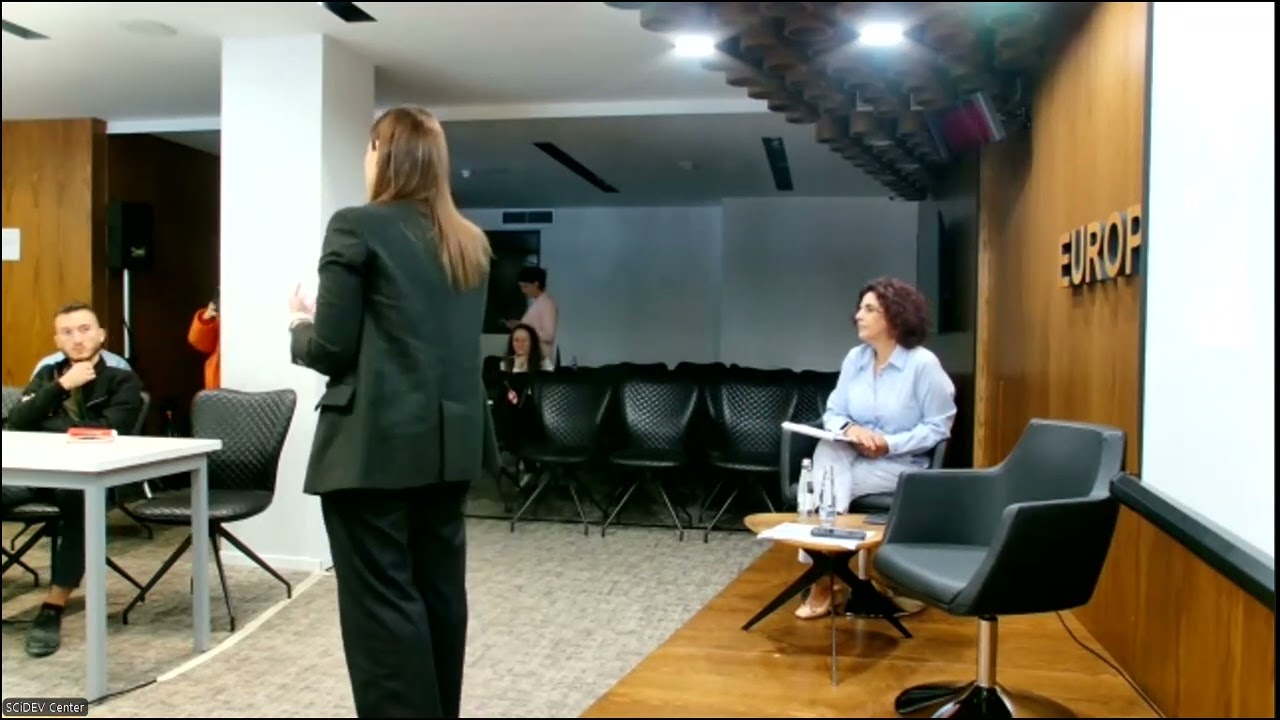
Technologies so I'd like to I have some questions of my own but I'd like to first open to the floor in case um there's any questions from audience Members great thank you um there in the back oh I see our our person's okay one second excuse me thank you very much thank you very much for your very uh insightful presentations um I have a more general question actually um wouldn't wouldn't cash be more inclusive and safe for these people um I mean why do these structures need to be digital in the first place okay great
we'll start with Armando thank you well um digital why digital well mostly because uh it allows to more people to be actually included into the system it allows for uh for the governments to have a a proper way not to not to track people but how to but to Dimension the impact of payments in the economy it also helps uh for the people as well to to have access to a more broad uh more set of products and services that can be acquired throughout Electronic channels for digital Commerce for example to happen it also allows
the government to facilitate the transfer of social subsidies for for poverty mitigation or to give some sort of assistance in case of disaster of of what happened with covid where when most people cannot cannot go to work so one way or another they had to have some some money for them to subside throughout the pandemic and uh and those are like one of the main reasons for to Have uh digital payments because it simplifies uh the lives of so many people at so many fronts but of course that doesn't necessarily translate that it will generate
inclusion so there are some certain gues that need to be procured in order the in order for payment system to fulfill the mission of financial inclusion and that goes with digital literacy it goes with uh uh the construction of uh complimentary systems and norms and standards that allows uh Them for them to to succeed in that front but yeah uh going digital is one of the best things uh that most economies can do because uh it it opens up so many possibilities uh to have a greater reach when it comes to payments and other services
as well if you if you think about it you can send money basically as easily as sending a text message you don't have to like go to an ATM and take out cash and find an ATM that takes your card or um There's also safety issues in many parts of the world about accessing um Bank machines also you know if you make a purchase you don't have to faf around with change and whatnot so um thank you for your question I think it's a really good one um there's also a lot of points in the
favor of cash I think too uh Tom I see that you've got a question over there I'll hand it to you thank you can you hear me yes thank you thank you for the great discussion I have um Two questions um one in particular maybe for um about the Indian and Brazilian system meaningful redress is something that was mentioned several times something that really has to work in practice particularly for systems that have scaled how does this look like everybody talks about this being a requirement but uh are there good best cases that you could
point to how to actually deliver this in practice to particularly the Marginal P of society and then the second question would be um when we talk about DPI in the payment layer we have inherent arguments against privacy like double spend anti-money laundering terrorist financing what is the approach to privacy like are there any legal guarantees or technical privacy by Design features inherent to the DPI that you you find relevant from a users perspective thank you very Much thanks really great questions and yes I think um redress for money loss is on it's on the top
of everybody's mind when it comes to financial DPI um in short in our research so far we don't see any really strong models but this is a priority of um consumers International to research in order to make um you know consumer Centric recommendations uh one model that's recently come out in the UK you may have seen is actually um asking industry to Cover the money loss um and one thing that's really interesting about that is previously they had no interest industry in in in resolving these issues but now you know they're much more concerned so
I guess that's a really good incentive um for them to you know be more secure and thoughtful in the design and deployment of Technologies in the first place um that model needs to be scrutinized though especially in the majority world where you know we want to See um small and medium Enterprises like flourish so we don't want it to be you know particularly burdensome to them I don't know if um any of um the panelists had anything to add on on that point about redress good oh great thank you yeah thank you so much Hannah
thank you for your question Tom I feel like uh one example of what not to do in Brazil uh happened during the the pandemic where you know we had a uh emergency Financial aid and that had to be accessed through uh mobile phone uh and their um automatic uh automated decision making uh involved so a lot of people had uh qu started to question some of the decisions but they didn't know where to go and then ultimately it was up to public defenders to uh you know uh question those decisions but then again that on
top of other limited capacity and resources already um and I think also if I may I think it it also allows Us to um reinforce our our our demand to have more uh consumers organizations within the discussions I mean in Brazil UHC has been leading all the conversations around uh consent and and data protection even before we had a general uh law about it uh and also we had a big case uh this week uh concerning uh um WhatsApp and and and and uh Facebook and meta uh so yeah again I think uh Tom uh
Tom's question also brings uh sheds light to that we Need to have more of these people you know thinking about this within the conversation because we we don't have what we are yet to have a good and strong models for a meaningful Rance for sure thank you thank you so much it looks like we may have lost croia it's always so nice when the issues that we're talking about for example with regards to connectivity you know show up live during a presentation um but I see that fewer Might also have comments so please I'll pass
over to you thank you sorry can you hear me yes sorry thank you H Tom I think your it was a really great question uh related to the redress and it's something that in Tech Che we put a lot of attention especially via these Collective complaints um I maybe maybe we should focus the question about around what are you thinking H in terms of redress ER and what what is the source Of the complaint if it's a data bridge for example I mean privacy and data protection and if we are talking about payment systems in
specifically for DPI ER or it's for example that the transfer was not made in the terms that the final user ask H in terms and we are talking in that case we are talking about in terms of money ER in the first case we we identify that free dress for data breaches at least in Mexico is very bad Like what are the main Enterprises are doing when they suffer a Cyber attack and they sent an email saying to different consumers to the consumers affected that okay sorry we have a Cyber attack maybe your data to
personal data included ER for example the number of your credit card is in the Deep Web and that's the only measure of redress that we are identifying from the big tech companies for example this weekend in Mexico ticket man Ticket Master sent an Email to thousand of consumers saying that they suffer a Cyber attack and that was the only measure of redress so we in Tech Che we identified that we need to discuss more how we can compensate consumers when their personal data has been attack has been put in Risk ER are we going to
monitor the Financial Banks that consumers has as a for example it will be free of charge it's a service for how many years H who will pay to the consumers to change for Example the debit card that they the the credit card that they need to do because their number is already in in Risk um what other measures we can think for the consumers that have been affected by these data Brides adding case of the financial problems ER I think also we need to think about measures to compensate the Lost of money and time that
consumers suffer thank you thanks so much F and um yes I think It's a good point to delineate you know there's we need redress mechanisms for several things including misuse of personal data and money loss um I think in the interest of time we have eight minutes left um I'm going to ask the the panelists just to comment on Tom's second question if they're interested and then to share any other final or closing remarks so just to remind you um Tom was asking about privacy in in DPI payments um and in Particular you know what
legal guarantees are there and what um you know privacy guarantees can be built into the Technologies itself to the the payment layer um like a privacy by Design approach so um Maria I think you had a few final comments about um both redress and then I'll if you want to answer the question about privacy from Tom and anything else and then I'll pass it over to you Fior and then you here Amando so you can PR Thanks thank you so much Hannah no I just wanted to add to uh F's amazing comment uh that we
have been ATC we have been uh noticed that some FX are starting to offer services uh to help people feel more safe when it comes to pigs so it is an interesting uh and scary development to see that all those you know a shortcomings that we've been sitting pcks or starting to be an exploited uh for uh you know by FX by uh the private sector as a way to see you Know to to to to make profit out of all these issues and out of you know people's V vulnerabilities and their lack of information
of where to find redress and and how to uh to manage into seek reimbursement uh but again that also speaks uh when it comes to communication and language as I mentioned and governance issu system thank you did you have any other comments before we close the Session great okay thanks uh few are over to you if you had any comments about privacy and and any other outstanding comments no thank you Hannah I think um we need to discuss more about the redress in terms of DPI and as you say lot of money privacy but I
can imagine that there are other issues that consumers are already facing as for example Maria mentioned the case of f with ER the conversations that sometimes the X can have with via The pigs so we are talking in that case of harassment and other PR thank you thank you f and thanks so much for joining us remotely today um Armando any closing comments or a response to Tom's question about privacy oh well um what to say about privacy I I I mean it's uh it's one of the most important principles that we have to take
into consideration while building a DPI because I think uh especially when it comes to payments uh Because it's a I think it's a matter of even principle for institutions because um if we don't have like this proper privacy by Design architectures and within architected within the payment systems within the dpis that handles retail payments uh from especially from a government perspective we might grown a risk especially in in countries that have very authorative regines that this data can be used against certain people and generate harm so uh it's important To to think about that and
uh to find ways to protect that specific set of information and of course try to limit uh who can access that information because it should be private only between the bank and the and the person that it's doing the transaction or the pensions that are involved within that transaction and um because uh because uh of that same principle that I said it before um so yeah and so yeah definitely we should take into that into Consideration when building these systems and uh and yes and Foster to Foster more trust and accountability to the to the
people that are equol I think that's a a huge point that you make about trust and accountability and how that goes directly to consumer confidence and you know without consumer confidence we don't have functioning economies so great um so Roa we're really glad that you were able to reconnect um we're just closing the Session and and we wanted to offer you the opportunity to share any closing or final remarks yeah um with regard to uh data breach and uh privacy I think consumer awareness also there is a long way to go actually because consumers don't
even know that their uh information is being shared outside and it's being misused especially consumers from um uh rural areas which is like in a country like India like almost 70% of the people Are from uh uh rural areas with limited uh uh literacy levels and they don't even know that their information is being uh shared and it's being misused so this on the one hand we need to raise consumer awareness like for consumers to raise their voice to demand that their uh information is not shared r romly and there is no breach of uh
uh data privacy and all so that also has to be uh considered and so now it I think all the more the uh the role of the government And the regulator is even more to ensure that the consumer interests are protected in this uh scenario and consumer awareness is also much needed yeah thanks so much s Roa thank you thank you very much thanks everyone for for joining us here today I think um we're we're ending right on the nose um so thank you um I hope you enjoy the rest of the conference thanks again
to the organizers thank You thank you