stock markets function in a very similar way when a company first begins trading publicly it typically picks a value for its stock based on certain company metrics like revenue profits assets etc but from that point on its stock price is almost entirely driven by how much demand exists for its stock but how do you quantify demand think about it demand is nothing but how many people want to own some stock or how much money they are willing to pay for it in market speak you want to see how many orders people are placing for it
and at what price modern markets keep an electronic record of all orders that have been submitted people who want to buy a stock can specify how much or the limit that they're willing to pay for it people who want to sell can specify the least amount again the limit they're willing to sell it for whenever a suitable match is found between a buyer and a seller a trade is executed it's important to understand how orders are matched let's say I submit a limit by order for two shares of Netflix at a hundred and eighty dollars
each think of this as an offer or commitment to buy it is also known as placing a bid where hundred and eighty is my bid price this order gets added to the markets queue where all the different buy orders for Netflix are listed sorted by price someone else submits a limit sell order for four shares at $179.90 this is a commitment to sell an hundred and seventy nine ninety is their asking price since that is less than the topmost buy order the one with the highest bid price a transaction can now take place if there
are enough stocks to fulfill that order then the next bid could also be fulfilled with that same seller in this case the top two buy orders are executed and three out of the four shares offered by the seller are sold the remaining one share can be used to partially fulfill my buy order and the rest of it can be satisfied by the next seller who offers a suitable price say someone else offers to sell three shares at 179 ad this order rises to the top of the cell queue due to its low price and since
this is less than my bed price my remaining one share can come from the seller so in the end with my limit order of mine to Netflix shares at a hundred and eighty dollars I got one share at one hundred and seventy nine ninety and one at a hundred and seventy nine eighty for an average price of one hundred and seventy nine dollars and 85 cents per share this sounds a lot like an auction doesn't it in fact multiple auctions going on simultaneously orchestrated by some authority that ensures every buyer and seller gets the best
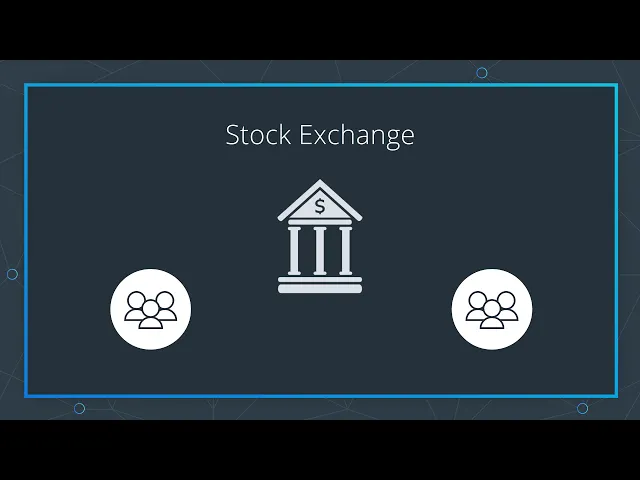
available price for the stock they want to trade this authority is the stock exchange one problem with this model is that trading can take a lot of effort if everyone has to participate in an auction each time they want to buy or sell a stock what if you wanted to purchase some right away how do you make sure you're getting the best price well if you're at a farmers market you might go around asking every vendor but that's very inefficient fortunately since stock market transactions are carried out electronically we have better ways of dealing with
this the stock exchange keeps track of the last price at which a stock was traded this is publicly posted as the current price of the stock and if you wish to buy or sell shares around that price you should be able to do that immediately this is known as placing a market order but it does introduce one complication someone has to be willing to sell or buy that stock on the other end at all times that's where a market maker comes into the picture a market maker is a financial forum usually a brokerage that continuously
offers to buy and sell stocks at publicly advertised prices for example the New York Stock Exchange has designated market makers such as Citadel Securities and Jay Stryker & Co who are obligated to make large volumes of shares available for trading you might think why would someone want to do that what if a market maker buys a bunch of shares and then the price starts falling and that's right they do take a risk by continuously buying and selling but they are usually compensated for that risk by commissions and fees that they earn on those trades they
also maintain a small difference between their bid and ask prices for each stock say you want to sell some Microsoft shares at market price a market maker is bidding seventy four dollars per stock which happens to be the best bit price available so the market executes your order with that market maker later another investor comes in and wants to buy some Microsoft shares at market price the same market maker may be asking for a slightly higher price to sell say 74 dollars 10 cents assuming that's the best price available they just made 10 cents on
each share that might not seem much but over the course of a day a market maker typically trades thousands or millions of shares that easily adds up the difference between these prices is known as the bed ask spread this is a very important concept to understand and trading and comes into play in other situations as well