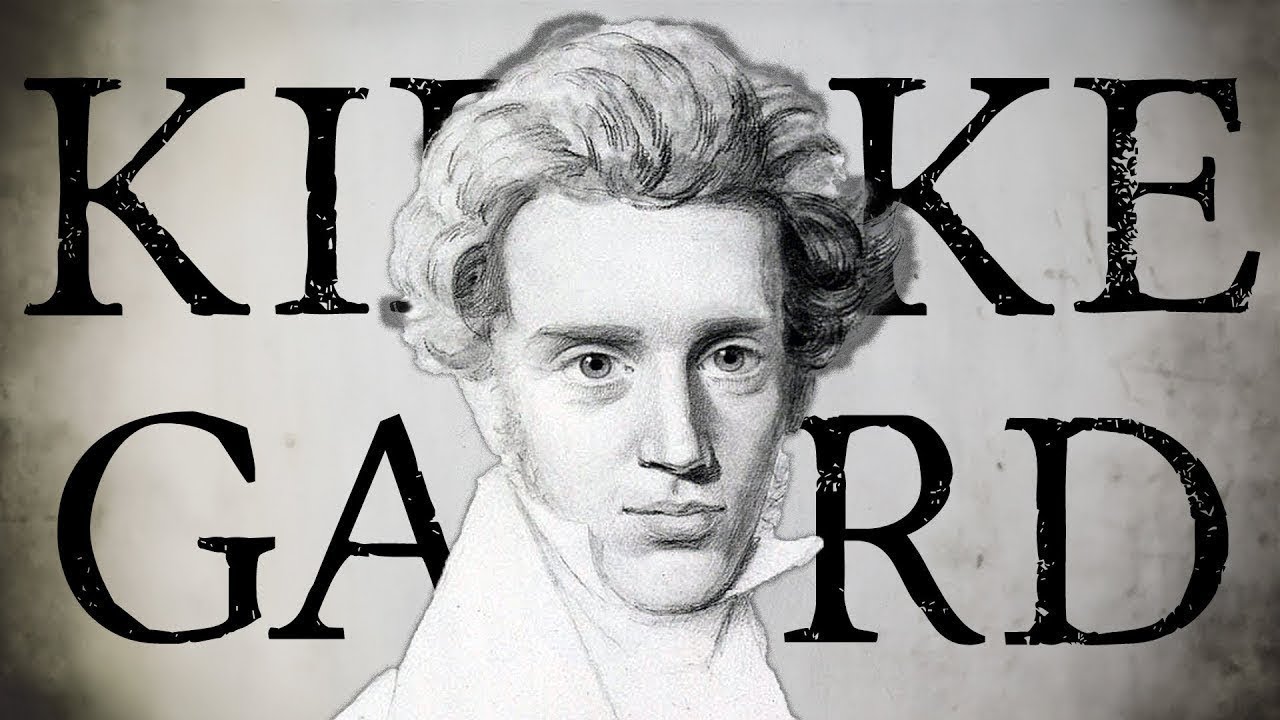
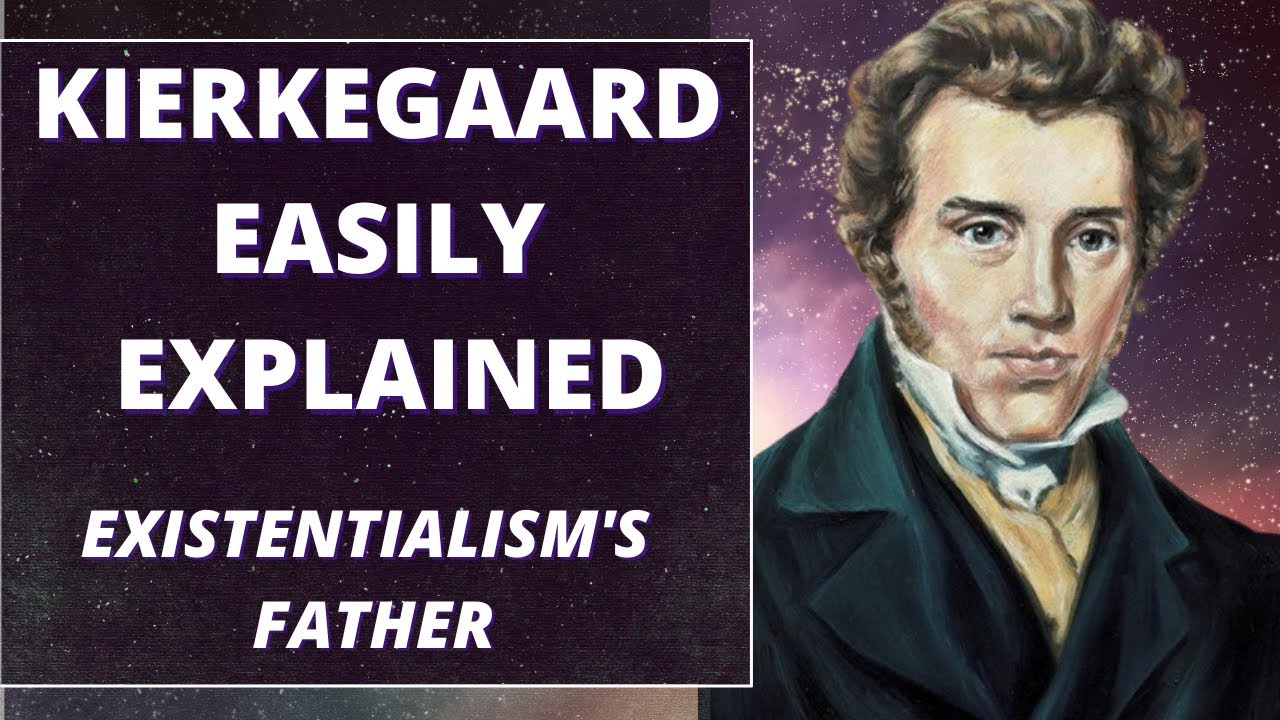
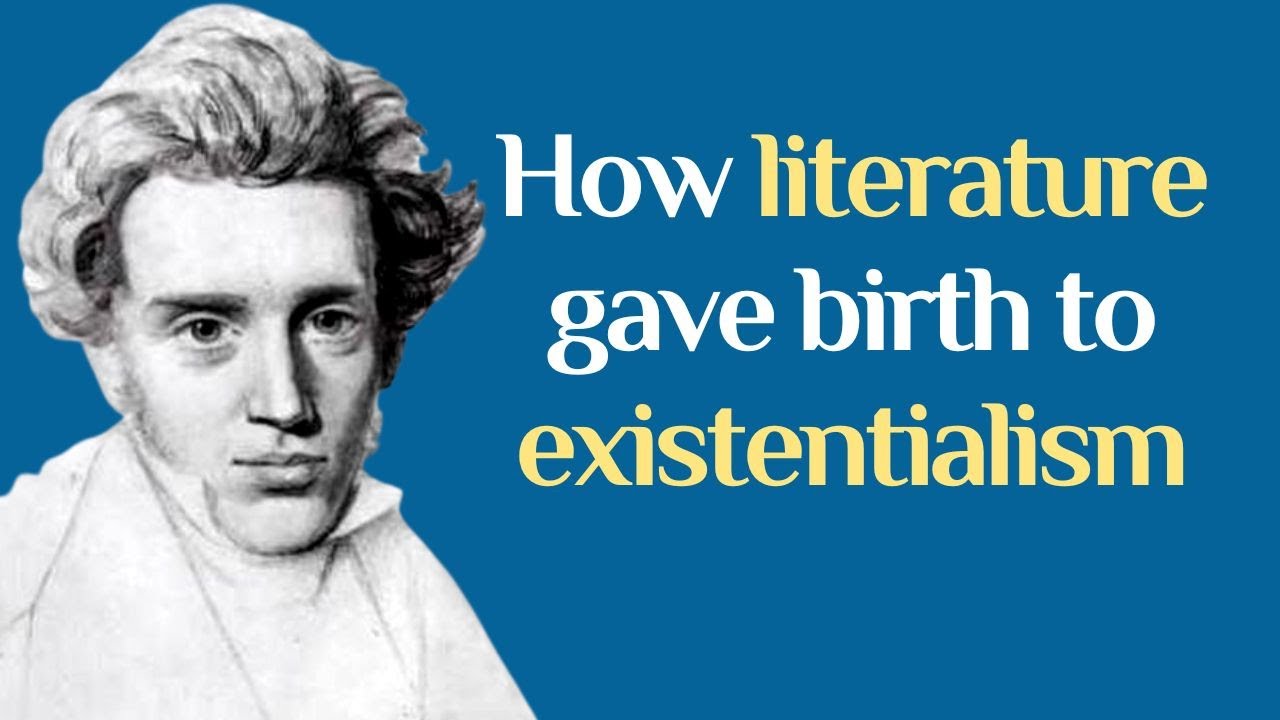
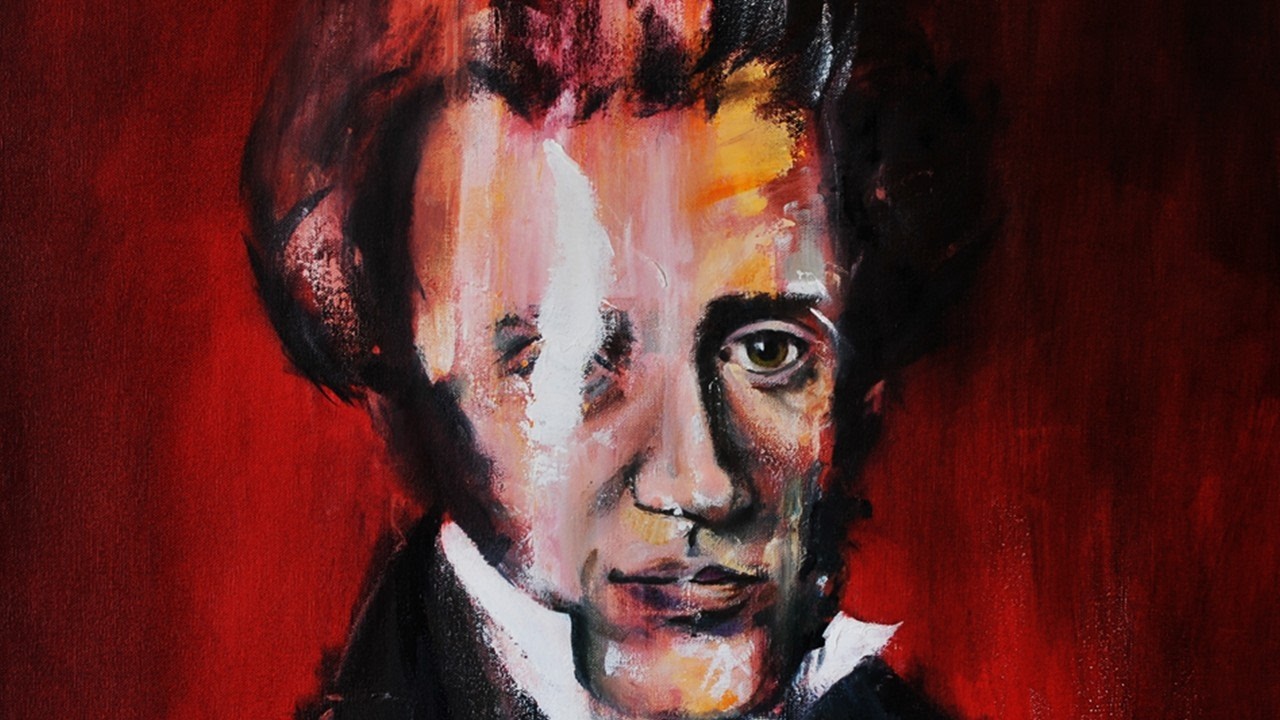
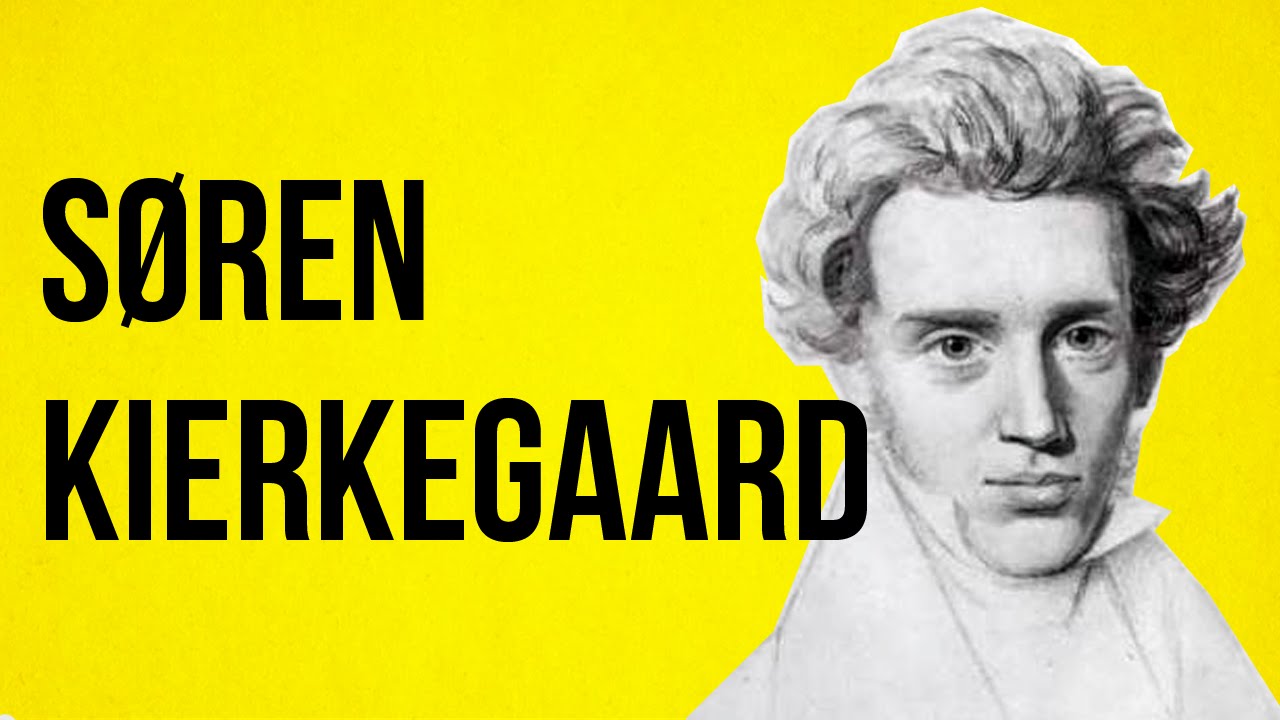
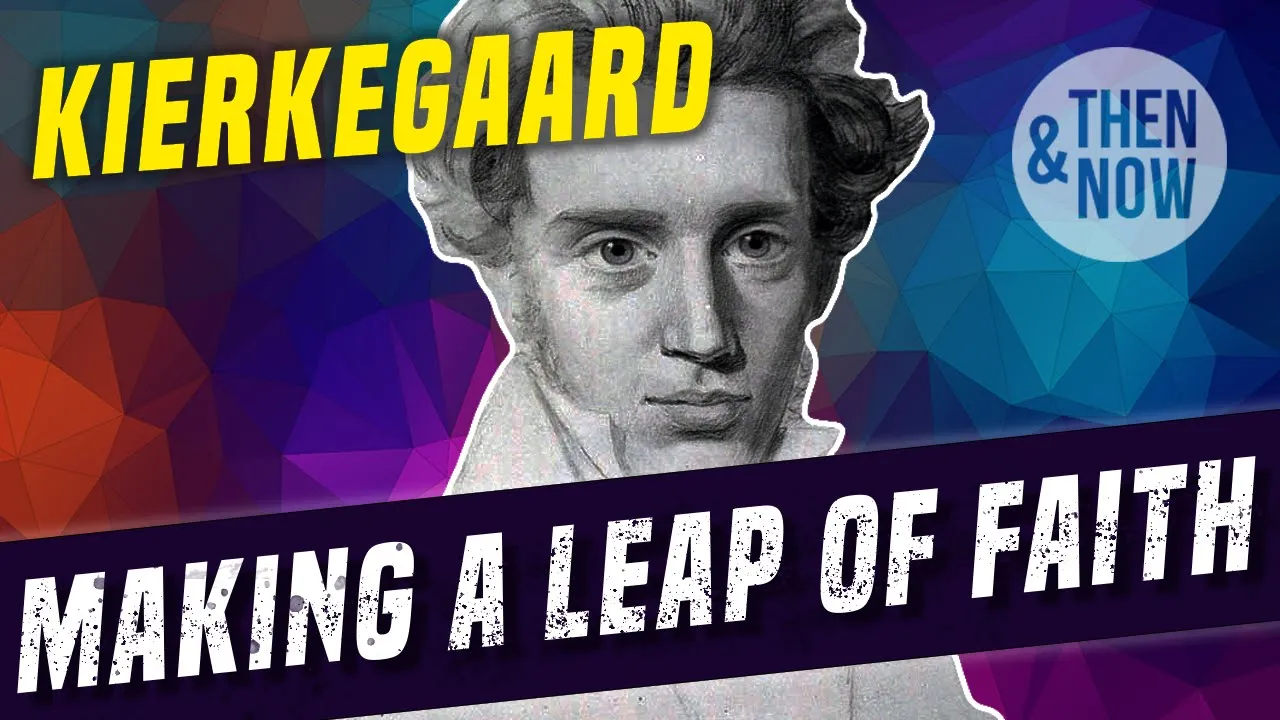
will the tongue ligament of my spirits never be loosened will i always jabber what i need is a voice as piercing as the glance of valencia's as terrifying as the groan of the giants the sustained as a sound of nature was mocking as an icy gust of wind as malicious as echo's heartless taunting extending in range from the deepest base to the most melting high notes and modulated from a solemn silent whisper to the energy of rage the 19th century danish philosopher sauron kierkegaard is best known for giving us the concept of a leap of
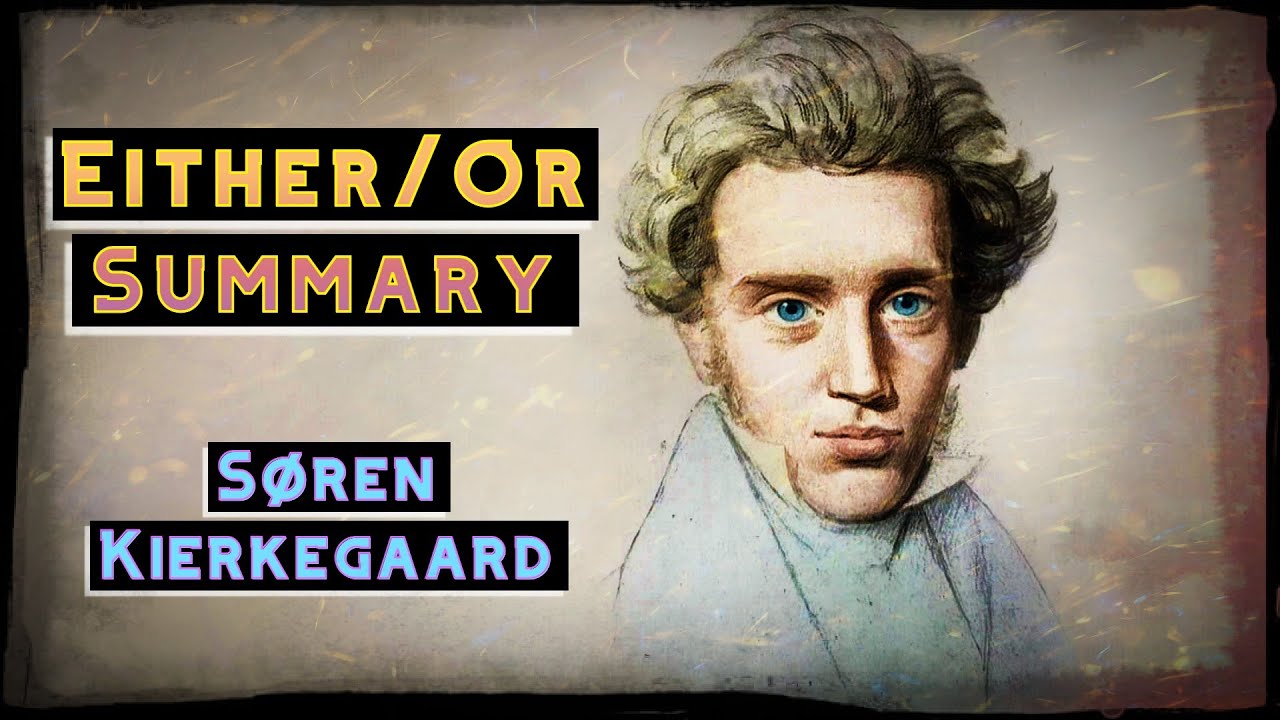
faith he was a deeply religious thinker but his ideas have as much relevance for secular lives as christian ones he was the grandfather of existentialism a purveyor of authenticity and of discovering amid conflicting beliefs and the demand to conform to the rules of society who you really are although he was born in 1813 his works were not widely read in english until the middle of the 20th century he published either or his most famous work in 1843 and in it through an array of pseudonyms and fictional characters he discusses competing and often contradictory ways one
might live their lives should you live for the moment should you seek pleasure or should you live for the interesting should you explore should you live dutifully ethically should you conform to the rules of society he suggests that ultimately there are three stages of life three spheres of existence the aesthetic the ethical and the religious kierkegaard argues that most of our choices at least at first are made instinctively justified by what feels right in the moment we have urges and we act upon them we might think of hedonism maximizing pleasure but kierkegaard means aestheticism in
a broader sense today we talk more about aesthetics as theories of art and beauty but what we mean when we say something is aesthetically pleasing that we find it pleasurable to look at to listen to to taste aestheticism then it's about the immediate sensation the perception being in the moment this is deeper though than just maximizing base pleasures kierkegaard says if i had in my service a submissive spirit two when i asked for a glass of water would bring me the world's costliest wines deliciously blended in a goblet i would dismiss him until he learned
that enjoyment does not consist in what i enjoy but in getting my own way so aestheticism can be complicated the sadist enjoys pain for example and then there's the reflective asset the hedonist the pleasure seeker can always plan to maximize their aesthetic enjoyment in either or johannes is a seducer whose pleasure is derived not from the act of seduction but from the planning the act of seduction or there's the idea of cultivating a taste in more sophisticated music than wine but the pursuit of aesthetic pleasure and enjoyment inevitably becomes boring repetitive living in the moment
becomes dull one solution he says he likens to the rotation of crops one is tired of living in the country and moves to the city one is tired of one's native land and goes abroad one is weary of europe and goes to america one indulges in the fanatical hope of an endless journey from star to start or he suggests one does not enjoy in a straightforward manner but enjoys something completely different that one arbitrarily introduces one sees the middle of a play one reads the third section of a book the character of the first half
of either or recommends never getting married never taking an official post recommends delaying gratification to find the interesting but ultimately it's a guidebook to aesthetic life that slowly begins to unravel are you really free if you submit yourself to the whims of unreliable pleasures do you ever find out who you really are what you're capable of are you really in control ever do the guilty gut feelings inevitably creep in when you act only for yourself the ass that becomes uncomfortable when they see someone else doing something for another person there's a feeling of guilt maybe
ultimately the ethical is unavoidable no matter what you try you cannot avoid being confronted by questions about what's forbidden encouraged popular unpopular wise or misguided and it's these questions kierkegaard argues that contribute towards creating an identity that isn't made up of arbitrary enjoyments in the moment an identity exists through time it endures it has values and ideas take chess you might pick it up initially because you enjoy it but then it might frustrate you you might get bored but if you're wise you might persevere because it's good for you good for your attention span and
logic and strategy in the long run and enjoyment we know comes in ebbs and flows there are different levels of enjoyment and this has a moral dimension too being a good neighbor might not be something you always want to do all of the time but you know in the long run it's right in the second volume of either or a character called the judge makes the same argument about marriage it may not always be easy but it's good in the long term but more than this the judge argues that marriage has an aesthetic dimension too
that aesthetics and ethics are the same while the hedonist argues that marriage becomes boring the judge says that on the contrary it creates new passions inaccessible to the base as that marriage and ethics more broadly are like works of art they reveal new passions new ideas new pleasures and new ways of being [Music] but here's the problem whether you follow your base desires as an asset or you fulfill your ethical duties as a partner a father a neighbor a good worker whatever it is you're being pushed and pulled around by either those desires or by
society at large how do you know what to do which identities which ethical identities to adopt are you a liberal a marxist an existentialist a christian a taoist a parent a mountain climber these identities seem to come from outside of us from society and so how can they ever really be you without you following your own aesthetic desires and it's not even as simple as doing what you're good at one of his characters tells us that he gave up his position as a school teacher a role he was ideally suited for and so had nothing
to gain from and joined a traveling theater company something he had no such talent for and therefore everything to gain the answer kick god says lies in the idea of subjective truth imagine two types of knowledge one is propositional objective you're taught that two plus two is four but if i tell you that being a good neighbor is fulfilling in the long term or that burgers are delicious is that a different type of knowledge some knowledge has to be assimilated into your own life you have to relate it to other things you know work out
what it means for you but even mathematics is like this you can understand the sun but to reflect on what that means for your life how you'd use it is well subjective a kind of subjective truth he says to understand and to understand the two different things and he calls this double reflection learn assimilate the most important thing he writes is that a person should grow in the soil to which he really belongs now socrates compared himself to a midwife his role as a teacher was not to pass on knowledge directly but to help students
give birth to knowledge to help them recollect what was already within them but how does this help us choose how to live whether we choose an aesthetic or an ethical life and which ethical life how we choose whether to be a good neighbor or a mountain climber kierkegaard's great challenge to his enlightenment contemporaries was that reason people giving you reasons could only take you so far you might be given reasons why you should become a good neighbour or a mountain climber or a husband but there's no reason that can help you make that final decision
that comes from a subjective second reflection some force within and you can only do that with a leap of faith [Music] now kierkegaard was a deeply christian thinker but i won't stick as much as possible to the philosophy some would argue that's not possible but here goes anyway to take a leap of faith to pick an identity is to choose what feels best for you but that feeling is a combination of what you've been told and what might be true and what you feel and that's a subjective truth learning algebra is not particularly important what's
more important is how you use it how you apply it to the world and that's a very personal thing so there's a sense in which what's important is how you feel and act and not what the objective truth is and so action for kierkegaard is extremely important take global warming you might believe that it is true and that it's caused by humans and also believe that we should reduce our carbon emissions but you can genuinely and committedly believe that and still not act still not recycle or drive less you can still be apathetic for kierkegaard
then what's crucial is how we embody our beliefs truth is subjectivity and when choosing to embody knowledge about the world and choosing our identities tastes and beliefs we might always find reasons for abandoning the course we're on we have to persevere despite those reasons he says marry and you'll regret it don't marry you will also regret it laugh at the world's foolishness you will regret it weep over it you will regret that too he was criticizing hegel's idea that knowledge is synthesis that there's a middle road between bachelorhood and marriage between salad and ice cream
that combines the best of both and that over time things balance out kierkegaard says no it's either or and what's important is the choice and what matters aren't the reasons really but your choice based on passion to commit to a certain path and to have a kind of faith that it's the right path through the easy times on the difficult ones he says existing cannot be done without passion for a subjective thinker imagination feeling and dialectics in impassioned existence in wordness are required but first and last passion because for an existing person it's impossible to
think about existence without becoming passionate so how is this religious the kierkegaard discusses this at length in many complicated books but i think there's one sense that might be relatable even to the most atheistic of us when we're working out how we should live we want to find out what's the best thing to do across time the asset lives in the moment for the moment but the ethical and the religious person thinks more long-term we're looking for rules about life that will be timeless we'll be successful on the good days and the bad tomorrow and
in 10 years time there's a continuum from the finite and immediate fleeting moment through to the infinitely true and eternally valid so this desire to know the infinite the perfect the all-knowing is analogous with an infinite perfect and all-knowing god we're searching for the highest good the absolute telos kierkegaard scholar stephen evans puts it like this his attitude about eternal life parallels his attitude with respect to god's existence in either case do we have objective proof that sufficient to ground belief however in both cases the individual who is gripped by the proper kind of passion
will naturally believe in god and seek eternal life the proper worry is not whether there is such a thing as eternal life but whether i am the kind of person who will gain eternal life personally i'm agnostic but i think there's a profound linking kick card between subjective belief eternally good actions and the pursuit of them and as evans puts it being the kind of person who would gain eternal life he shows us a path from living in the moment to living for something bigger something more difficult but hopefully something more fulfilling that's one of
the key messages you get from reading kick guard that the big life questions questions about who you are and how you should live they can't really be taught they can't be communicated directly to you they simply have to be done you have to make at some point a leap of faith well i'd highly highly recommend reading kierkegaard he's an incredibly unique and inspiring thinker i'd suggest starting with the essential kick guard which takes some of the best bits from his very long esoteric complicated works and just draws out the bits that you'll probably find most
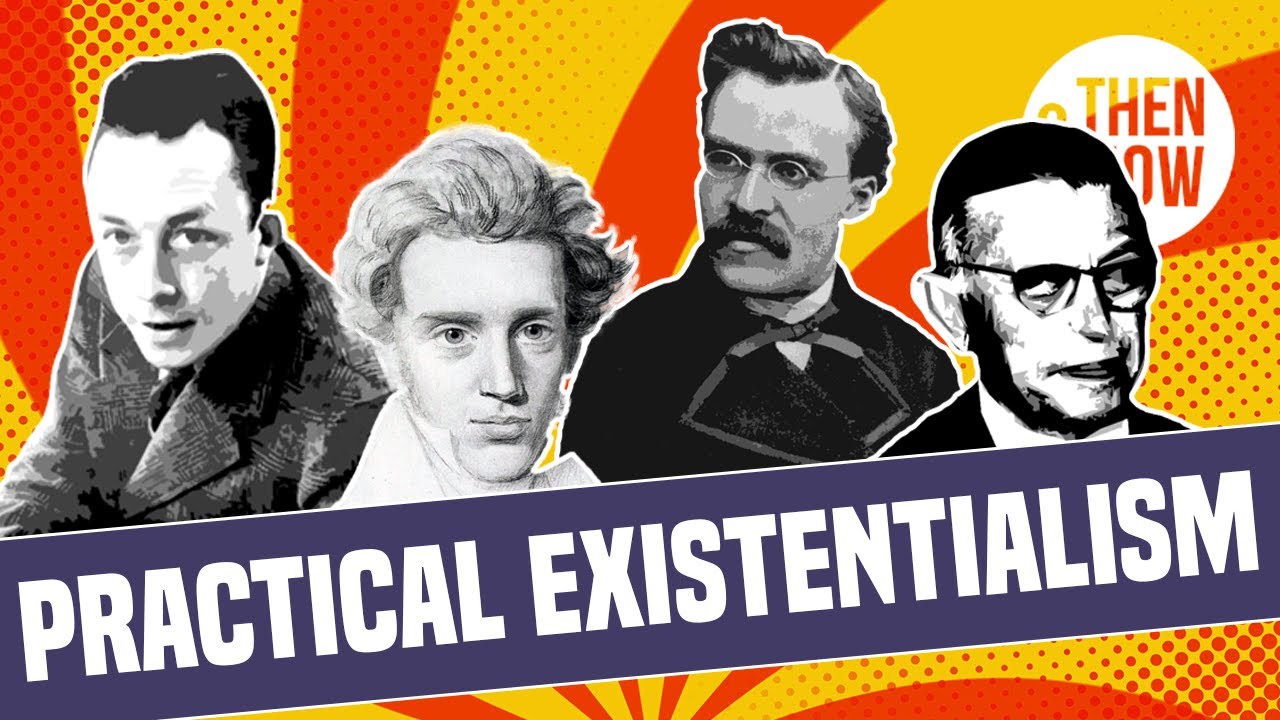
relevant today i've been reading kierkegaard uh for a longer video on authenticity that i'm working on looking at the history from nietzsche to heidegger camus and seeing what we can learn from that so if you're looking forward to that make sure you've hit that subscribe button make sure you've hit that bell which only a few of you have somewhat disappointingly so hit that now go on give it a little tickle and if you want to be amongst these incredible incredible people scrolling up the screen right now you can support the channel over on patreon for
as little as a dollar per month and get extras like scripts and your name in the credits by going to patreon.com forward slash then and now see you next week