hi my name is Michelle LaRue and I did my graduate work at the University of Washington in Seattle and I'm gonna tell you today about work I did in graduate school studying how bacteria interact with one another and how they survive out in the environment and in our bodies so I'm gonna start out by telling you that I really love yogurt it's one of my favorite foods I eat it almost every day I even make my own you agree now but early on in graduate school I was looking at one of those little yogurt containers
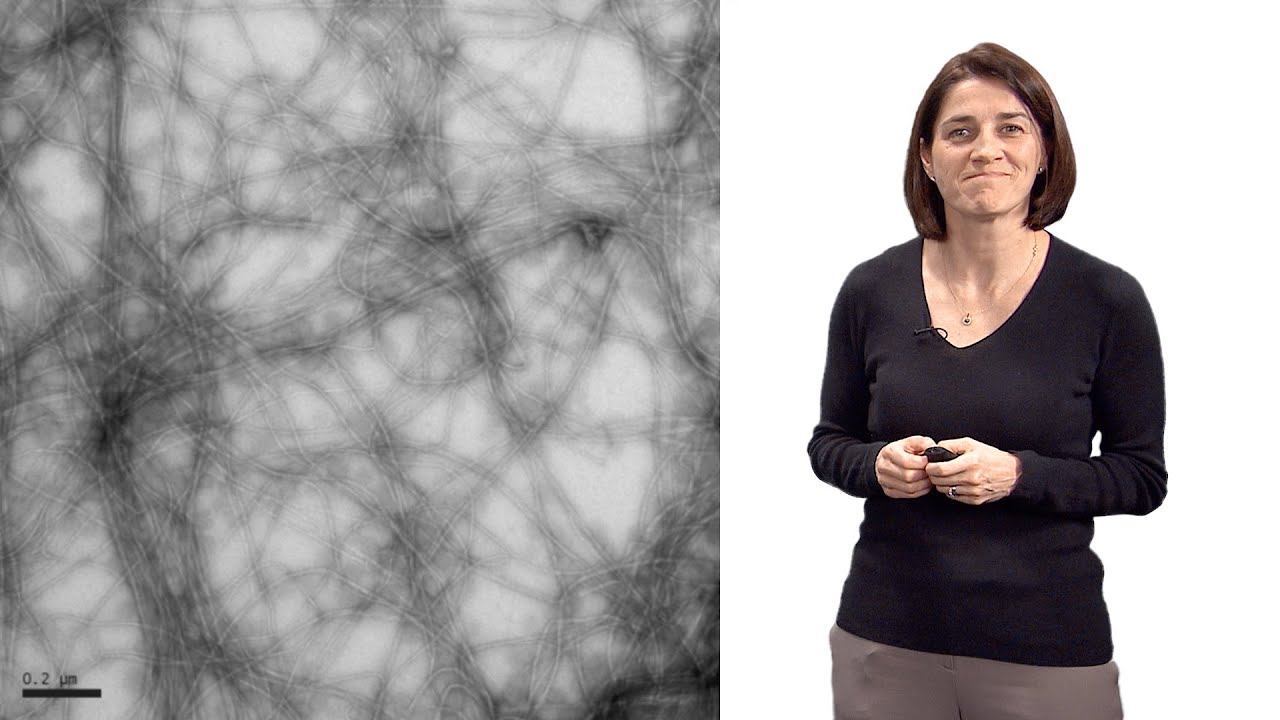
where it says contains live and active cultures and I wondered if that was really true would I really see bacteria in there so I took a little bit of yogurt I put it on a slide and I went and looked at it under the microscope and this is the picture I took look at all those bacteria there's there's long rods they're short rods there's these little bacteria that are forming these chains and actually different yogurts these different types of yogurt had slightly different bacterial groups in them that gave them different tastes so this was really
my first exciting glimpse into this invisible world of bacteria that are all around us they live in these communities and they make delicious things for us to eat so this got me really excited about the idea of studying how bacteria live in these communities together so of course bacteria are not just in our yogurt they're out in the environment everywhere you look basically associated with plants in the soil in the water there's bacteria in the ocean every every teaspoon of seawater has about five million bacteria in it so think about that the next time you
accidentally swallow a little ocean water it's a lot of bacteria you've just taken into your body and then as I mentioned before there's bacteria in our foods cheese is another type of food that we require bacteria to make for us and of course there's bacteria in our bodies in our guts there's there's billions of bacteria there's bacteria in our mouths and our skin and a lot of them perform really important functions for us they help us digest our food and they help our immune systems work properly as well but of course bacteria can also cause
really really devastating infections and that's that's actually usually what we've been studying studying them for in the past so the organism that I'm going to tell you about today is this organism called pseudomonas aeruginosa and this is an organism that's actually mostly found out in the environment it lives in the soil lives in the water and we come into contact with it all the time it lives all over the place so mostly it doesn't really cause us a lot of problems but occasionally Pseudomonas can get into a particular human environment and it can really wreak
havoc so this is a little bit like a termite you know a termite mostly it lives out in nature it can build some really cool mounds it will digest cellulose and wood and it plays a really important role in the ecosystem but if a termite gets into someone's home into the wooden framework and starts chewing up that wood it can be really hard to get rid of and it can it can bring the house down so it's the same with Pseudomonas you know mostly we don't worry about it but if Pseudomonas gets into the wrong
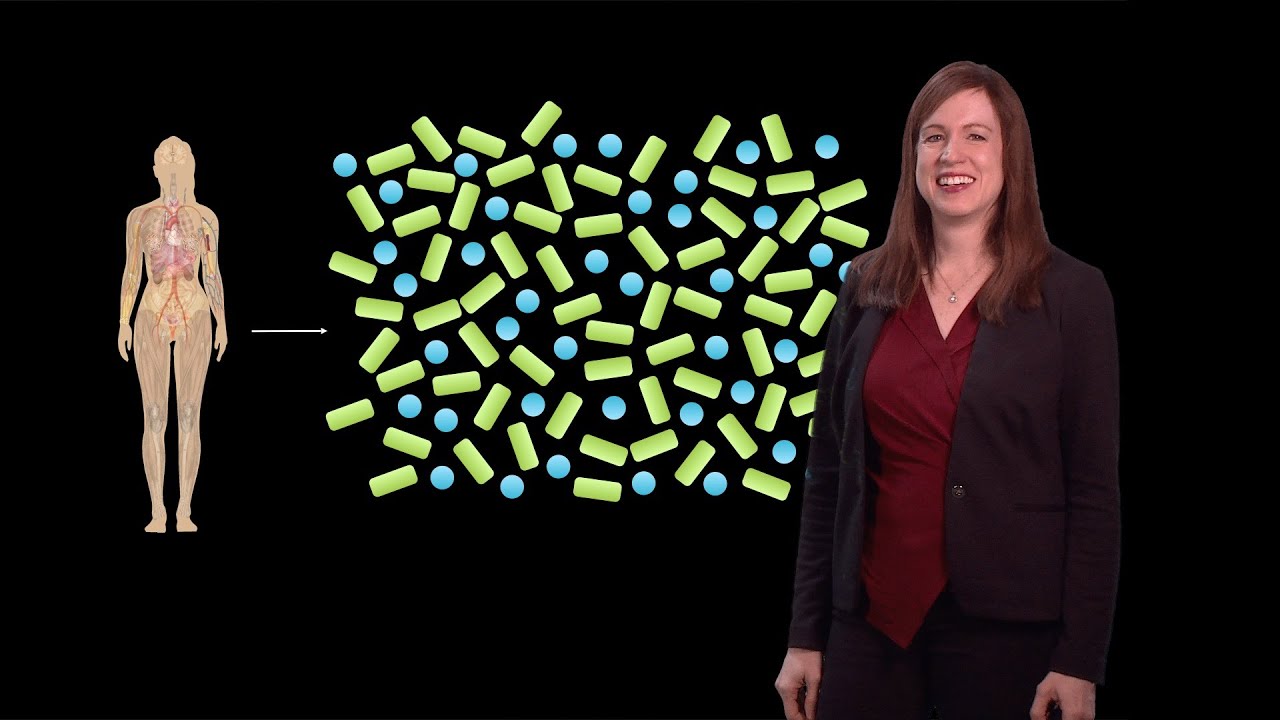
human environment it can be really devastating so what environments are those a lot of us might have loved ones family members that are in nursing homes or confined to wheelchairs and people like this are often prone to getting bed sores or chronic wounds these are also common in people with type 2 diabetes and these are wounds that just cannot heal they just stay open wounds for for sometimes years and they can get infected with bacteria so especially if Pseudomonas gets in there it can be really really bad for these people can get deep into the
tissues and it can be impossible to eradicate and sometimes leads to amputations or even death and we don't quite understand why it's so difficult to treat Pseudomonas infections when they get into these chronic wound environments another environment that Pseudomonas really thrives in are the lungs of patients with a genetic disease cystic fibrosis so these people have a mutation that causes them to have really thick mucus in their lungs and this makes an ideal environment for this bacterium in fact 80% or more of people with cystic fibrosis will acquire Pseudomonas at some point in their lifetimes
and once they do it's impossible to eradicate it most of the time and it will go on to lead to the decline of their lung function and ultimately their deaths so we really really need to understand better how Pseudomonas is causing these problems how we can how we can treat these infections with Pseudomonas so what I decided to do was to kind of step back from thinking about Pseudomonas interacting with humans directly and think more about what a Pseudomonas need to survive what is what is motivating a lot of its behavior how has it evolved
over the years so what I decided to do was think about putting myself in the shoes of this bacterium well of course not exactly in to choose because it's a bacterium it's a single-cell organism it doesn't wear shoes but thinking about what it needs to survive so Pseudomonas needs just like us food to eat it needs a place to live and needs a home and it will fight to the death to be able to make sure it maintains these resources and actually usually what it's fighting our other bacteria that it's competing with for for its
food and it's in its home so this is where it's really helpful to think about how long bacteria have been around and what's really been driving their evolution so the earth first evolved around four and a half give or take million years ago and not too long after that in evolutionary terms there's evidence of the first bacterial fossils sometime later we have evidence of the first bacterial ecosystems so these are where groups of bacteria live together and interact with one another so this is where bacterial interactions would have first started evolving now eukaryotes didn't show
up on the scene and told much much later and of course humans have really only been around for the blink of an eye in terms of evolutionary time so this green bar represents the amount of time that bacteria have been interacting with other bacteria that green bar that you can barely almost see over there they and I'm showing you down here is how long bacteria have had to interact with humans so it's a much much smaller amount of time and yet that's what we usually end up studying in the lab so I thought well there's
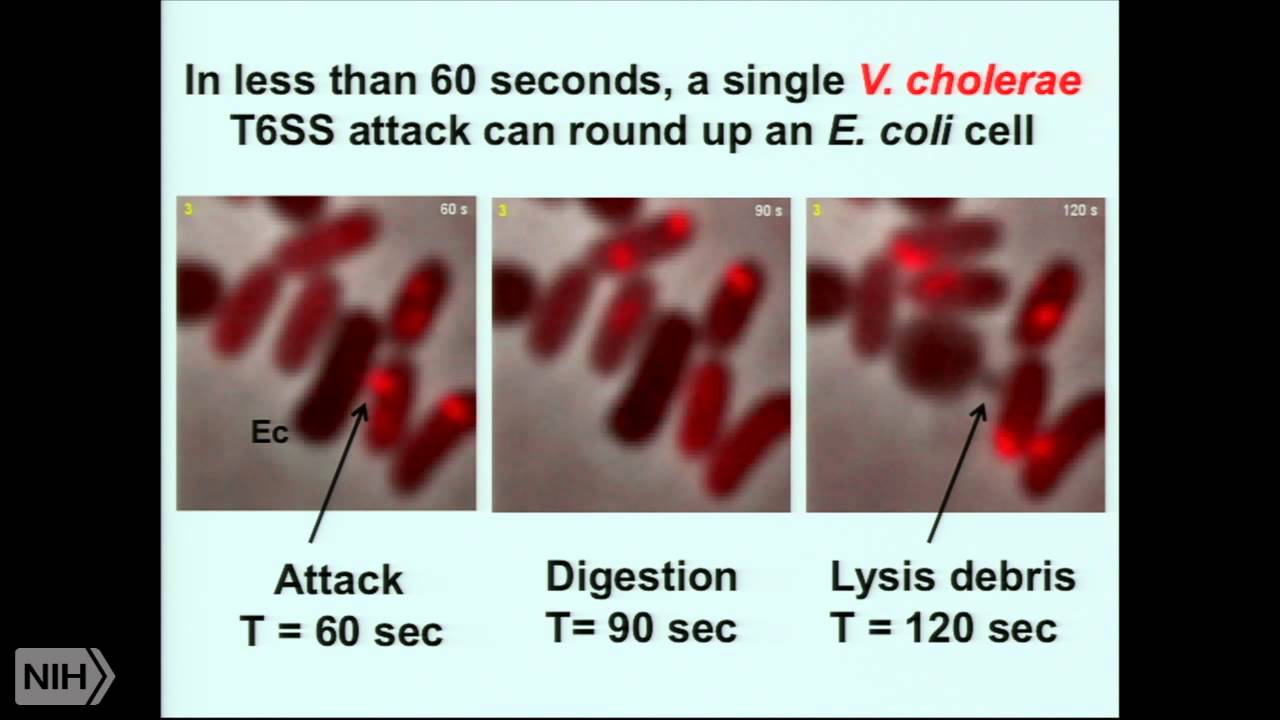
probably a lot to be learned about bacterial behavior if we focus a little bit more on bacterial interactions with one another and that might even inform how we think about their interactions with humans so what I just decided to do was to start by focusing on one particular bacterial weapon that it uses to compete with other organisms and that is the a secretion system called the type six accretion system you can think of it as a syringe that injects toxins from one cell into another and this this pathway was actually not discovered too long ago
and the lab that I did my graduate work in the Mojo lab were one of the first to show that this this this pathway actually injects toxins from bacteria into other bacteria so this is kind of what this might look like if you have this green cell let's say this is the Pseudomonas cell it has these little red dots that are representing toxins it will literally inject them into the cell next to it which will cause this time these toxins will cause this other cell to die and if we zoom in on this a little
bit you can see the syringe here I'm depicting as kind of a tube but it's it's actually a molecular machine made up of a bunch of different proteins that are able to push proteins toxins from one cell into another cell and these toxins have all kinds of different functions we're still discovering new ones all the time but for example they might degrade the cell wall if there was simply a bacterium which would cause it to burst they might attack the membrane of the cell and some of them even go after molecules that are required for
survival such as RNA or DNA or energy molecules and all of these things will cause the cell to die so the next thing I want to do is show you what type 6 looks like in action but before I can do that I have to explain to you what to look for so how do we watch cells dying in the lab well what I like to do is I have cells that are expressing a colored protein such as green fluorescent protein they're making a lot of it so they appear green when you look at them
but if that cell were to get a rupture in its membrane or in its cell wall what will happen is that the green protein will flood out of the cell and then after just a second or two that cell will appear dark so you're literally just gonna see a green cell disappear but really what's happening is that cell is bursting open and spewing out its guts into the surrounding area and so just keep that in mind when you see a cell go dark really it's exploding in a pretty actually pretty violent way so let me
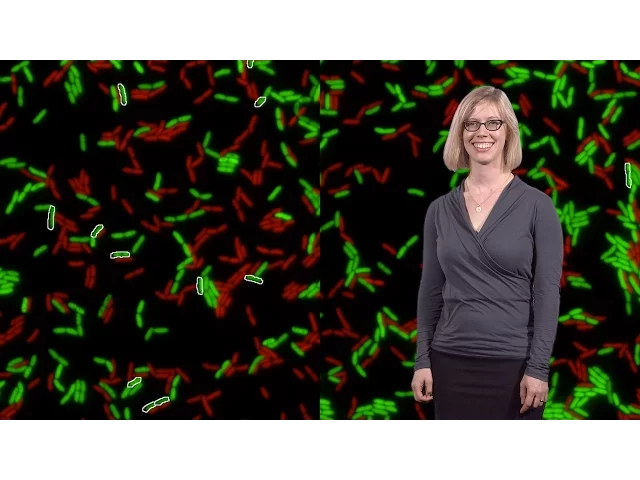
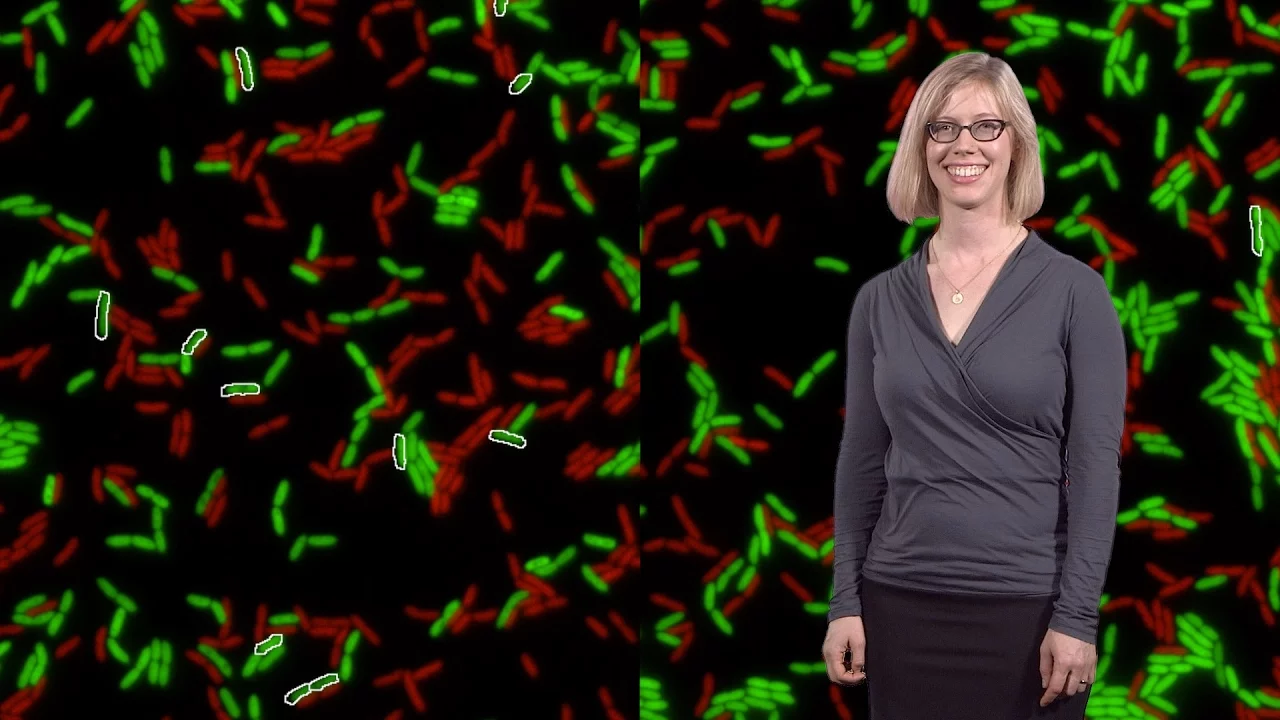
show you what I'm talking about so here we have Pseudomonas aeruginosa and it's labeled in a red color and we have a competitor organ that's labeled green so you're gonna be looking for these green cells to just disappear so to make it a little easier to identify those I had the software that I used to analyze this data outline them in white outlines so you can find them more easily with your eye so just one note about this competitor organism this is an organism that's called Merkel dairy at Thailand Ensis this is another bacterium that
lives in the soil that would potentially interact with Pseudomonas in the environment you don't have to remember the name from now and I'm just going to refer to it as the competitor but one thing you should know about it is that it also has a type 6 secretion system and that will become relevant later on in my talk so these systems are actually found in a lot of different bacteria about 30% of bacteria that we've looked at so far have these secretion systems so this is a common weapon that bacteria employ to fight with fight
with one another with all right so let's see what the system can do I'm gonna play you this movie of these two populations growing together and hopefully what you can see is these green cells the ones that are outlined in white are just disappearing from from view and they're just popping as the cells die so how do we know that this is because of the type 6 system well what I would I did next is I took the same competitor cells but then I grew them with a Pseudomonas strain that did not have this type
6 secretion system anymore and activated it by deleting one of the key proteins and now what you can see is the Pseudomonas cells are growing with this competitor and I'm playing both movies at the same time see and appreciate the difference so now you see that there's actually not a lot of these green cells that are popping anymore because the Pseudomonas has lost its weapon and so especially by the end of the movie you can really appreciate how many more green cells there are in this movie where the Pseudomonas doesn't have its weapon compared to
the one where it does so this is what Pseudomonas can do it can basically wipe out most of these competitor cells but the question that I really had going into this was what is the system itself doing when does it get turned on when does Pseudomonas know that it's time to mount this weapon and fight against a competitor so let me show you one of the ways we can we can look at that and that's by labeling one component the system itself with a green fluorescent protein so now we're not labeling a whole cell but
you can see these little dots forming in these cells and each time you see one of those dots that's actually the system coming together and we think it's corresponds to when it fires these toxins out of the cell so what I've shown you here are just Pseudomonas growing by themselves so they don't really have anyone to attack and I've activated the system artificially so we have something to look at to study in the lab because when you just look at the cells normally there's not much going on this kind of makes sense these cells don't
want to just be making all of this protein and firing it all out of the cell for no reason that uses up a lot of their resources and remember I told you you know bacteria are trying to survive they don't have that many resources so how do they know when is a good time to turn the system on so they can fight and actually have it mean something to them so what I decided to do was take kind of a similar approach I labeled one of the proteins of the type six apparatus and then what
I did is I mixed Pseudomonas with this competitor and look to see what happened to the system so the first movie here that you can see over there is Pseudomonas just growing by itself the movie on the other side is Pseudomonas that's growing with this competitor now in this case I've labeled the competitor with red I'm gonna switch colors back and forth a little bit we had to do that for some technical reasons but I'll always make sure to tell you which population is which and so I'm gonna play these two movies simultaneously so you
can appreciate the differences and and look to see what happens with a green protein so you see some dots forming and then you see the cells get green and hopefully what you can appreciate is that the cells growing with the competitor are a lot greener than the cells that didn't have that we're just growing by themselves and what so what does this mean what this means is that the student Mona cells in the presence of a competitor are actually making more type six protein and not only that they're actually assembling it more frequently into those
foci those dots that you see which means that they're firing it more frequently so this makes kind of make it makes a lot of sense actually when you think about it Pseudomonas somehow realizes that it's near a competitor and it makes more of this weapon to fight fight fight it with the next thing the next experiment I did there was it was a little bit more puzzling so the first two movies I'm showing you here are the same ones I just showed you so you know monas by itself suna monas with a competitor but this
last movie it's pseudomonas growing with the same competitor but now remember I told you that competitor also has a type 6 secretion system I've deleted the type 6 secretion system from the competitor so now let's look to see what happens so the first two movies you see the same thing you see the cells with a competitor get really bright but what you see here is the cells growing with a competitor that doesn't have its own type 6 system they don't turn on they look just like Pseudomonas growing by itself I mean ok we can see
this in a graph form as well so we quantified this data and what we're looking here at the levels of type 6 protein over time and you can see that when Pseudomonas grows by itself you know you see a little bit of an increase but when it grows with a competitor that increase is much more it's making more of this type 6 protein now when the competitor doesn't have its own type 6 secretion system Pseudomonas doesn't turn its on either so this is really puzzling how is this working how does Pseudomonas know the competitor is
there first of all then how does it know that it has this pathway as well so this is a little bit of a silly example but let's just imagine for a second that Pseudomonas is kind of like if these Pseudomonas cells are kind of like a fleet of spaceships so they're out in space they're trying to figure out which other spaceships are attacking them which ones are just kind of flying around and not bothering them so so let's say so what I've just told you is that if it detects another spaceship that also has this
weapon it's going to activate its weapon and fire at it so you can kind of thing if you think about you know a cell how is it detecting that this other thing is there these are single-celled organisms they don't have eyes or ears or the senses that we have that we can see what's going on around us so we wondered well maybe it's somehow sensing this syringe puncturing it on the outside of its cell or maybe there's some other way it has of sensing some things going on around when only when this these other cells
have a type 6 secretion system so to distinguish between those two possibilities what it is what it next decided to do was to look to see the Pseudomonas needs to be touching this other organism so the syringe can only attack Pseudomonas if the cells are directly contacting each other so this is data from that same movie I showed you before where we looked at the type six secretion system turning on but now we're just looking at a one of the fields at the very end of the movie instead of looking at it in green I've
colored it so you can appreciate the differences in expression a little bit better so if it's red that means that there's more of the type 6 protein and the blue writ is the meat the less there is of it and what I've also done is I've highlighted which cells are contacting the competitor and which are not contacting competitor so you can't see the competitor and the way I'm displaying it here you'll just have to take my word for it but the cells up at the top that marked with the C those are cells that are
directly touching this competitor organism whereas the NC cells are not touching they're just only touching other Pseudomonas cells and what you can see is that there's really not a huge difference they're all able to turn on their type 6 secretion system and in this particular image it looks like maybe maybe the ones not touching it or even turning on a little higher but let me show you what this looks in a graph form so here we're again looking at type 6 levels on the y axis and we're looking at time over time how they turn
on so when the competitor doesn't have a type 6 secretion system you don't see that much going on when it has a type 6 system now you see Pseudomonas is turning on this is exactly what I showed you before but the cells I'm showing you right here on this graph are the cells that were directly touching the competitor now let's graph the cells that aren't touching competitor you can see they look pretty much the same so it doesn't seem to matter if it's contacting this other organism or not so this was a little puzzling how
how does it detect this at a distance if it's not membrane isn't getting punctured it's not somehow feeling this other organism they're directly this was one of those moments where I had to really kind of step back from all of this and and think hard about what is going on with Pseudomonas what is it experiencing in these interactions where this competitor has a type 6 accretion system up to this point in my PhD actually I had really only been thinking about Pseudomonas attacking other cells I hadn't really stopped to think about well what if the
other cells are maybe also attacking Pseudomonas it wasn't happening so much that it was really striking because I would have noticed all my cells dying if that was the case but I decided to take a look and see if there was a difference in cell death of Pseudomonas when the competitor had or did not have its type 6 secretion system so that's what this experiment is showing and so you can see here that that's exactly what I saw there was more Pseudomonas cells dying when the competitor has its type 6 secretion system compared with when
it doesn't then we basically don't see any cells dying so that's kind of interesting this competitor is also killing Pseudomonas so the next the next clue in solving this puzzle actually came in looking at how the timing of all of these events unfolded so here we're looking at three parameters the first one I'm showing you is the cell death of Pseudomonas so the same thing I just showed you but now you can see how it happens over time and what you can see is that the Pseudomonas cells start dying almost immediately after you put them
in contact with the pirkled area cells you saw see it even at 15 minutes there's already been some cell death the next parameter I looked at was the increase in type 6 secretion system levels so that's just you know plotted on top of the other one so you can see that type 6 levels start to go up but only after some of the Pseudomonas cells have already started dying there's a little bit of a delay there now the last parameter we looked at with the death of the competitor organism and that's shown here in these
white white squares so here this also kind of makes sense because you only see I start to see competitor dying after some of the Pseudomonas cells have turned on their type 6 accretion systems and so you know this all kind of fit together and it led me to wonder if maybe somehow Pseudomonas could tell when its siblings were getting killed and somehow that was sending a message that maybe it's time to start mobilizing this this defensive weapon and fight back so before I show you the outcome of that experiment I'm gonna step back a little
bit and tell you a little bit more about what we know about how the system gets turned on so I told you we don't know what signal turns it on or when it gets turned on but we do actually know already a little bit about the proteins that are involved in the turning on so bacteria of course as I said before don't have ears and eyes but they do you have these proteins on the outside of their cells that can detect changes in their environment such as specific molecules it's almost like smelling a little bit
and so that's this little cup that's pictured here so a protein like this has to interact with a molecule outside of the cell and then what it does is it sends a signal into the cell and in this case this particular one will then turn on the type six accretion system however we didn't know what the signal was for this particular sensor we didn't know what molecule it detected out in the environment so I started wondering what if there was something in a dead cell that was released that this sensor could then detect and send
a signal into the surviving cells and tell them to turn on their type six secretion systems so this was something I could test directly just to remind you you know when a cell dies it spews out all of this stuff that's normally inside of the cell that can't get to the outside of the cell because of the cell membrane but when it dies all that gets outside it's kind of like its guts are getting spewed out and we call this process lysis so this is a cell icing so I could take a bunch of Pseudomonas
cells and I could lyse them I could you know grind them up and take all of their guts and then I could add that to happy living Pseudomonas cells and see if the sensor protein could detect this so that's what I did in this next experiment so here we're looking at the activation of this sensor protein and you can see that when you just have cells you don't add anything to them it doesn't get turned on now when I took these Pseudomonas guts this lysate and added it to these cells you can see they get
turn on really quickly immediately you start to see the sensor get activated and importantly when we took the guts of the competitor organism the one that it's killing normally you don't see any difference so this makes sense it doesn't really care if it's killing the competitor that's the goal right but if it's getting killed if some of its siblings are getting killed that's when it knows okay now it's time to make type six so we can fight back so this was really exciting I mean we finally figured out this signal an environmental cue that's turning
on the system and is triggering the activation of the type six secretion system and we could basically think of these cell guts as a type of danger signal you know when something terrible is happening in the rest of the colony the Pseudomonas cells say okay this is dangerous it's time it's time to do something about it so let's put this together and look at it how it would look in a population of cells well I'm just showing you four cells here for simplicity but the green cells represent the Pseudomonas so a few of them get
killed by this competitor organism they spew out their guts there's some dangerous signal in there that activates the rest of the population that's then able to defend itself by turning on its type 6 secretion system so there's one more exciting twist to the story that I want to share with you so I told you that the sensor protein we know it turns on the type 6 secretion system but the other thing that it does is actually turns on a bunch of other proteins in the cell it turns on about 300 other proteins and actually a
lot of them we have no idea what they do and we never really knew why this group of proteins was all getting turned on together about this particular sensor but now we know that the sensor is responding to a danger signal so we thought well it would make sense for the cell to want to turn on other things that are helping it protect itself so what would happen if we inactivated the sensor and Pseudomonas no longer had the ability to sense danger would there be other ramifications of this so that's what I did so I'm
going to show you three movies now so in this case we're looking at Pseudomonas cells dying so these are the red cells and they're going to be outlined in white as they die so remember that's just when they disappear from from view so the first movie on on the left side of the screen you can see are just normal Pseudomonas cells growing with this competitor in the middle we have Pseudomonas cells where I've inactivated their type six secretion system so they've lost that ability to fight with a type 6 system and over here our cells
where I've taken away their ability to sense danger so they no longer have this the sensor doesn't work anymore so let's see what happens so you can see the normal cells are just doing fine they're growing the cells in the middle they're not doing quite so well but over here when they don't have the ability to sense danger they are just getting decimated by this other organism pretty much every Pseudomonas cell that touches this competitor is getting wiped out and remember before it was the one that was winning so now it's just lost ability to
defend itself and to fight back in a much more dramatic way than just when it's lost type six so what this tells us that this pathway is more general it's it's mobilizing a bunch of different things in the cell beyond the type six secretion system that are helping Pseudomonas defend itself so let's just think back to the spaceships for a second so what I've basically told you is that if Pseudomonas if one of its spaceships in its fleet gets destroyed by a competitor and it blows apart the other spaceships can detect that debris flying through
the air and they know that it's time to not only get type six going but also to put up their defenses and we don't know what those other things are yet that's ongoing work but potentially they're changing the outsides of the cells their membranes making them more resistant to things like toxins or antibiotics and so this is a really exciting new area there's a lot of new pathways that we can probably discover here so how does what does this look like on the cellular level this is similar to what I showed you before Pseudomonas if
it gets killed by a competitor and I'll just point out this killing doesn't have to be from type six from a competitor we showed that any cut any kind of killing where the cells explode where they lyse will activate this pathway they will then turn on the type six system as well as a bunch of other factors that are also unknown and then they're able to defend themselves so this opens up a lot of new fun exciting research possibilities there's all these new things that we now have an idea of maybe what they're doing but
we don't know how they work at all so let's come back to what I started with with yogurt so this was my first glimpse into this invisible world of these alien creatures that are living all around us so now hopefully I've convinced you that these bacteria even though they're kind of primitive we might call them or and then there's single cellular they actually exhibit some really sophisticated behaviors almost like an immune system where they can detect danger and then they know to fight back which is something that our cells in our body do they also
have this interesting ability to work together it's not just each cell for itself when they detect that something bad has happened in the colony they're all ready to mobilize and get it together so they can survive as a whole so this is sort of an interesting way that these single-cell organisms can almost behave a little bit like a multi cell group but now finally of course what does this mean for disease so I started by telling you that Pseudomonas causes really really devastating infections for both patients with cystic fibrosis as well as people who have
chronic wounds and and what can we learn from what I've just told you are these interactions with other bacteria what why does that matter for humans well actually a lot of these infections are what you call polymicrobial which means that there's a lot of different bacteria that make up these infections it's not always just Pseudomonas by itself and it's actually usually not so maybe Pseudomonas is really good at fighting with other bacteria in our bodies and that gives it a little bit of an edge that's something that would be really exciting to explore another thing
is that now we know that when Pseudomonas is exposed to this danger signal when some of the cells die it goes into this other program of a fighting back so maybe our immune cells are killing a few of the Pseudomonas cells or some of the other bacteria in our bodies and then that activates the cells to go into this danger mode and maybe that protects them against antibiotics for example so most antibiotics actually are derived from other bacteria we've just kind of stolen their molecules and use them to fight bacteria ourselves so it would make
sense for Pseudomonas to have the ability to fight back against some of these other antibiotics so I mean a lot of these things are kind of years in the future you know it's going to take a lot of work to figure out if these things are actually happening but I think that by thinking a little bit more about it from the perspective of the bacterium and from its interactions with other bacteria we've learned a really important component of its behavior and this can help us think more carefully about how we attack these organisms when they
get into our bodies so I just want to acknowledge a bunch of other people that were really involved in this project I did not do all of this work by myself first and foremost is my graduate advisor Josef mu Jo whose lab I worked in to when I did all of this work um and then I've listed some of the lab members that were directly involved in this project and I also need to acknowledge our a longtime collaborator Paul Wiggins who was very involved with helping us get that microscopy set up as well as analyzing
a lot of that data thank you very much for listening you