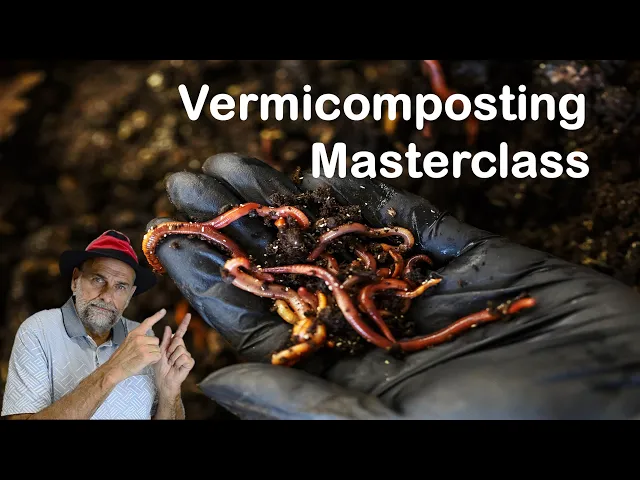
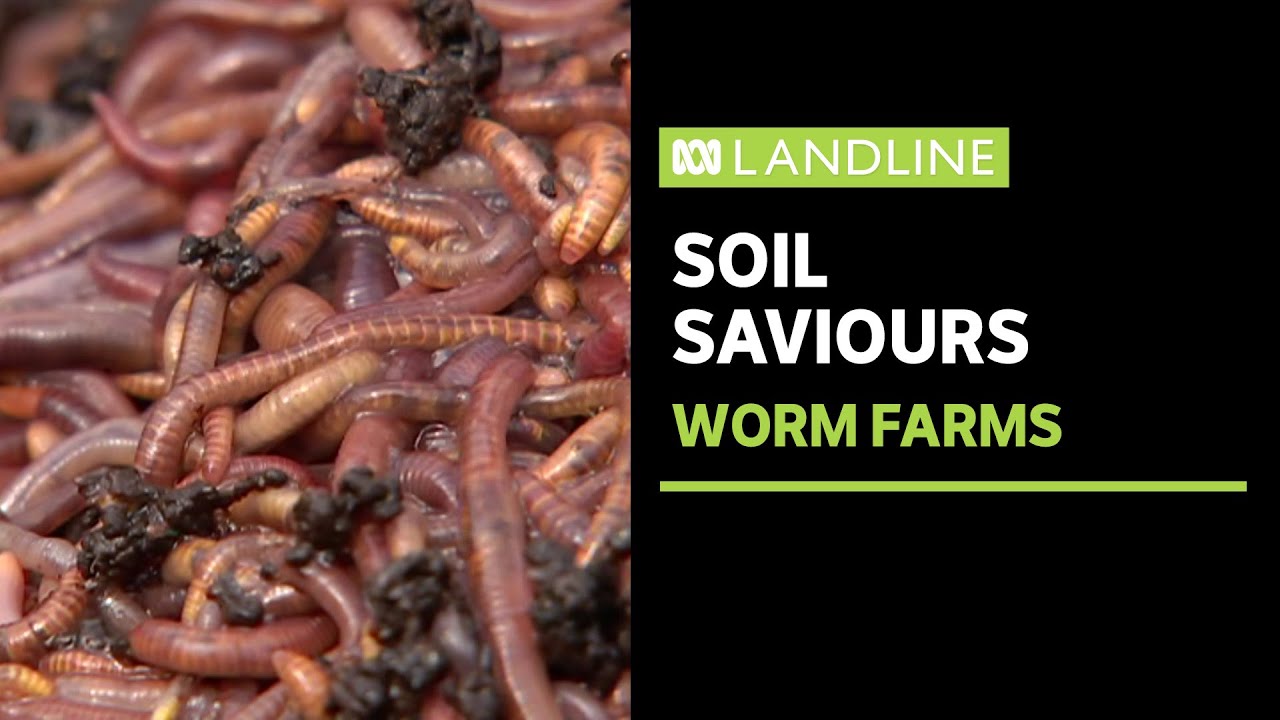
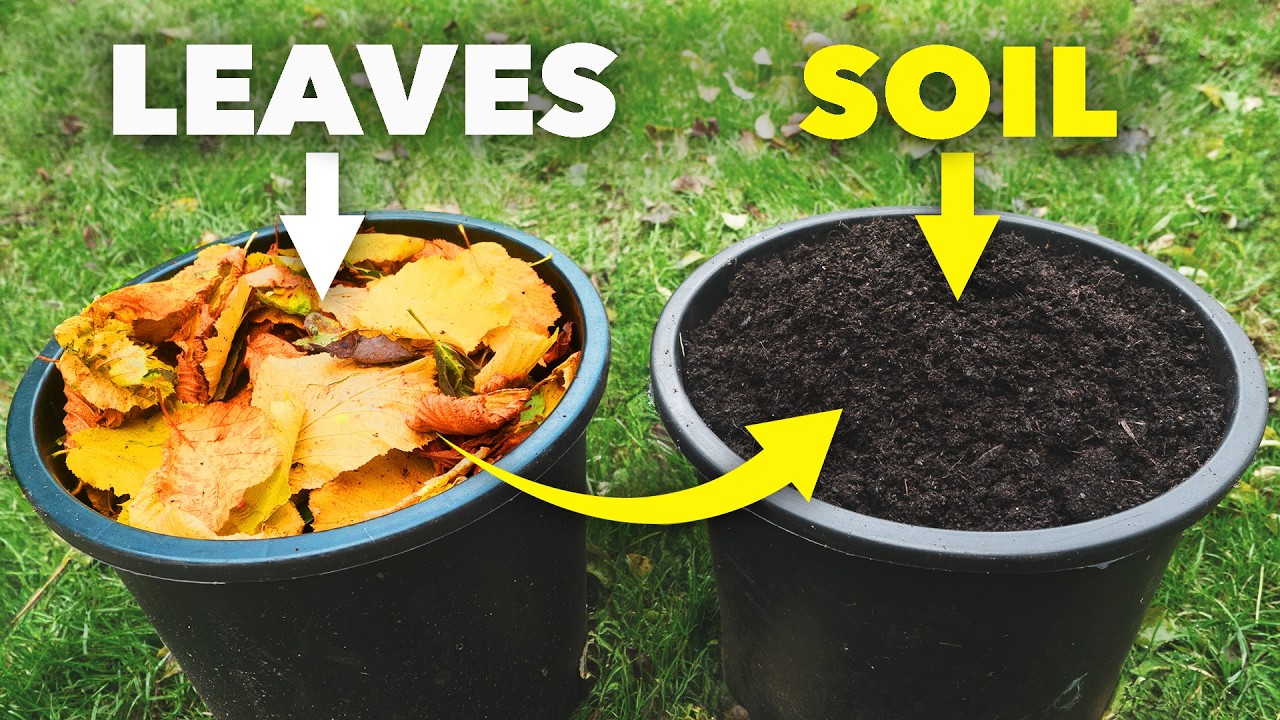
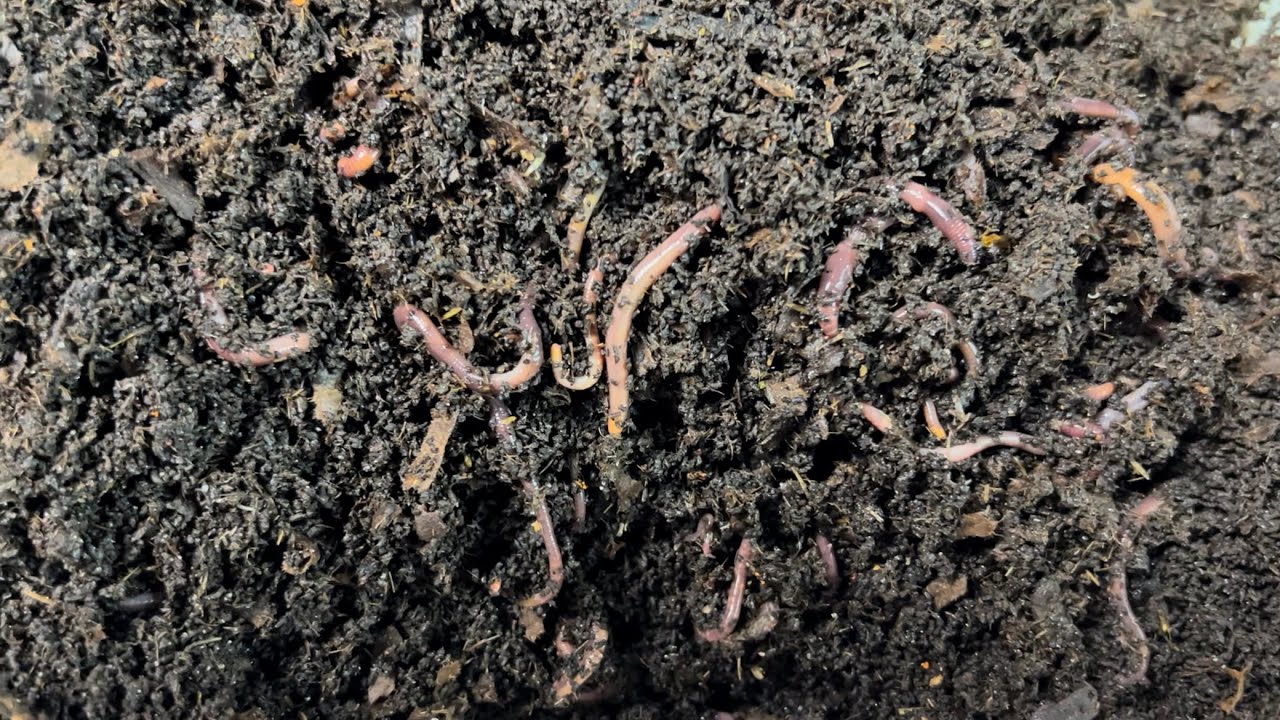
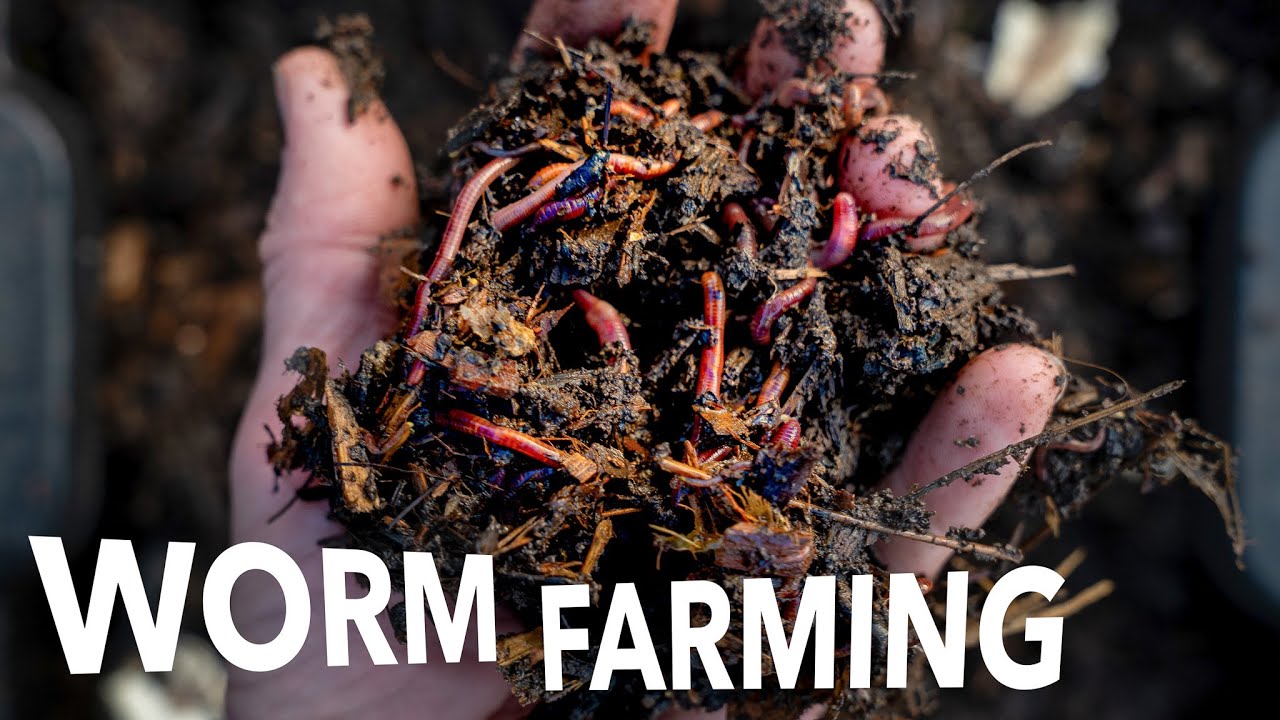
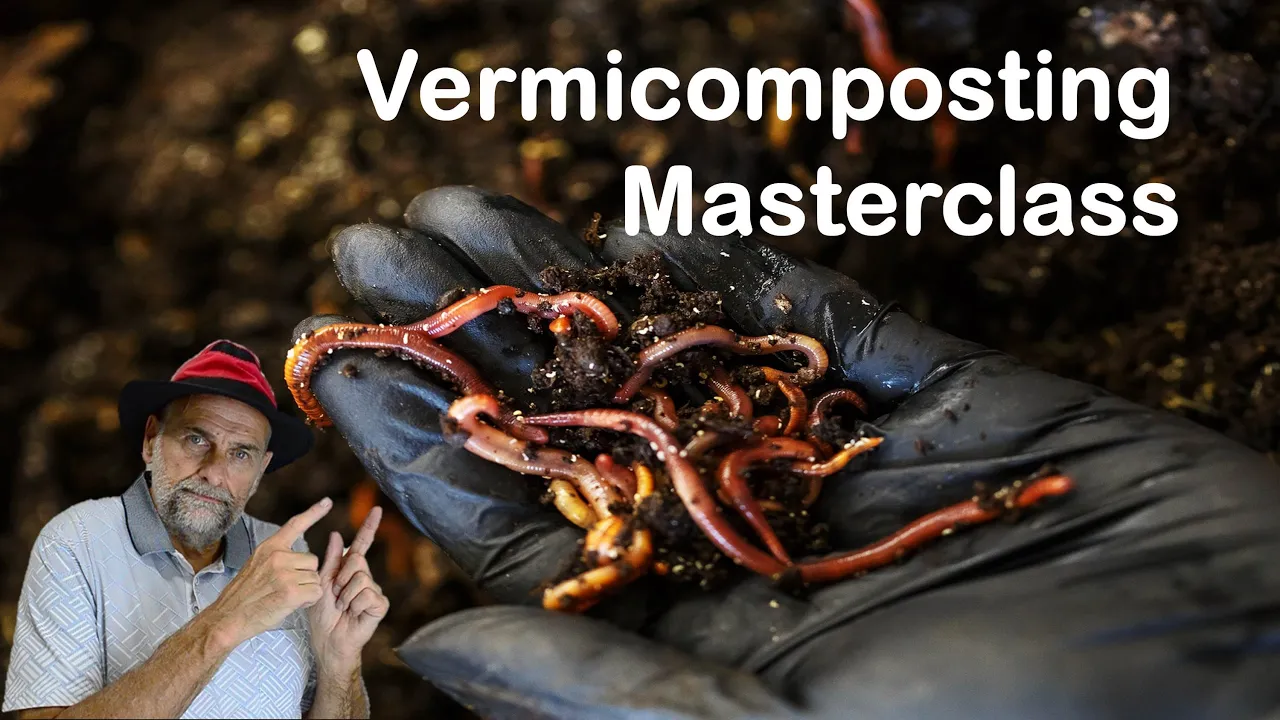
all right tonight's all about wormy composting well in general terms it's this here it's some sort of a container some worms some kitchen scraps and your hands and that's Burmy composting and then we just take care of this pale until the worms turn the kitchen scraps into something we call compost and we're going to have a closer look at what that means that's the gist of it now the nice thing about wormy composting is that it's the one process that you can do in the home you can do it all year long pretty easy and
you do usually do it in the basement somewhere and it's relatively easy and tonight we're going to go through and talk about what it really is and have a closer look at it and then I'm going to give you the Kohl's notes version of how to do it everything from finding your worms different containers how to take care of it problems and so on all the way through but we're only going to touch on a lot of those as you know I do have a book on composting and there is more information available on this
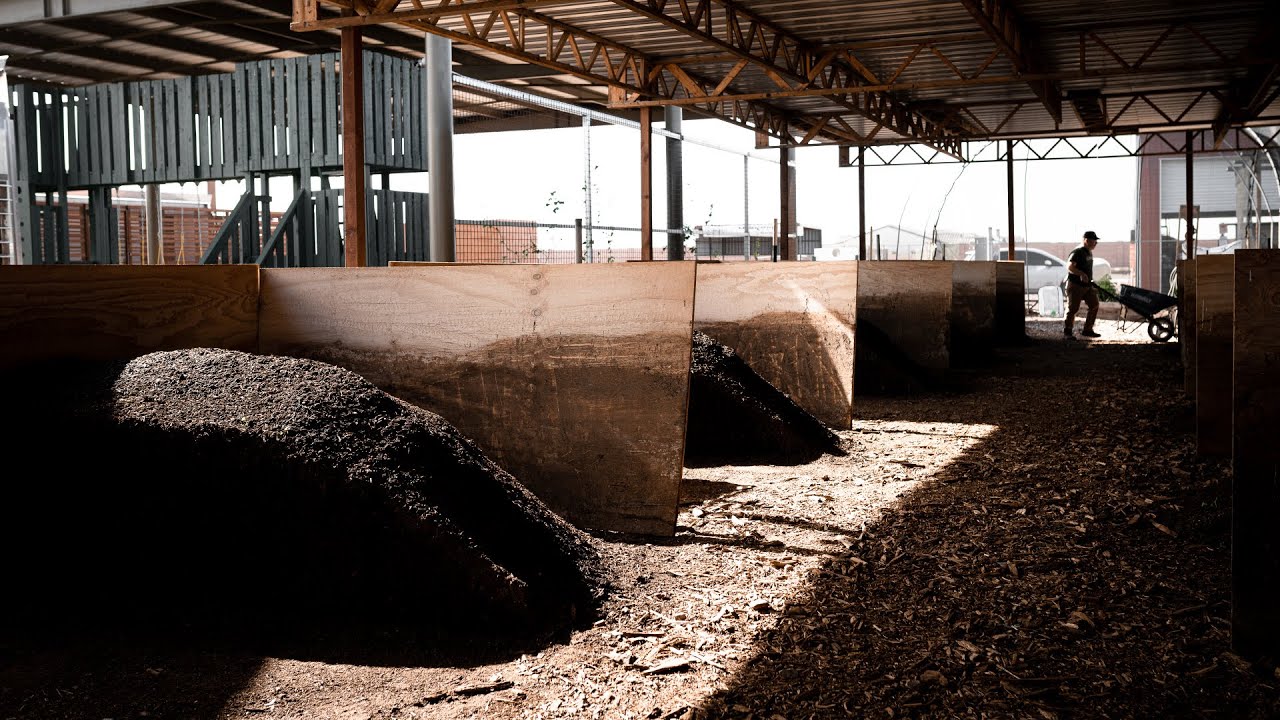
but if you go through tonight's program it'll give you everything you need to know to get started now we think of vermic composting as something we do in the home and most of my comments tonight will be in that direction because I know most of you are interested in that but verby composting is actually growing for outside and on farms and in larger situations ations so you can do this big time and you could have huge piles particularly in Asia not so much in the US but in Asia it's very common to do this outside
you basically had a big pile of manure get your worms do the verm composting outside you produce a lot of compost that way it's also a commercial operation and commercial facilities will use other types of containers that are quite large and they basically run these all year long producing their product it is of TR for those groups but we're going to focus on home Burmy composting so you get some sort of a container you put in some kitchen scraps you put in some what we call bedding and uh shreddit newspaper works perfect for that throw
in the worms and that's it feed them every once in a while after a few months you harvest the compost and Away you go so it's a relatively simple thing it doesn't need a lot of equipment to get started you can use one of these Tupperware typee things now you can build your own you can buy fancy systems lots of variations there now I might mention that the the lid at the bottom here is to catch dripping so this pale will have some holes in the bottom and if liquid is created that will catch that
a lot of people make these composts without creating that liquid and in fact some people say if you get the Liquid you're not doing it right that's not really true true but it can be on the drier side so the liquid isn't even a problem so what is it well quite honestly it's pet care and I think if you're thinking about this you really need to think about this as taking care of worms not so much the composting part if you like to take care of worms or you're willing to do that to get the
compost it is all about the worms you have to learn how to take care of them you're going to feed them you're going to keep them uh happy with the right temperature keep with the right humidity and so on uh you know take care of when you're on holidays all those sort of things now the good thing about them is that you don't have to take them for a walk though so here's some pros and cons for vermic composting so the pros is that we can do this in any size of container it can be
as small as one cubic foot or it can be as large as a whole barn outside uh there's no turning you don't have to worry about all these CN ratios that we talked about last week right we don't care about that sort of stuff there is some evidence that vermic composting retains more of the nitrogen than other types of composting that's maybe not a a big Pro but I I think it's one that's rarely mentioned and I think it is important because one of the reasons we're making this compost is to feed plants and nitrogen
is the nutrient they need the most so keeping more in the compost is good for that reason the second second reason is that if nitrogen escapes from composting it usually escapes as a gas as nitrous oxide and that's a greenhouse gas that's 20 or 30 times worse than CO2 so we want that nitrogen in the soil we don't want it escaping as a gas you can do it indoors but there are some downsides so it does require a bit more time than other types of composting there is some expense here you have to buy the
worms you have to make some sort of a container uh seeds are generally left alone by the worms so they will be in the the mix you do have to go through a a harvesting process which is maybe the worst part I mean most people don't mind taking care of this thing and then you get to the point where you have to harvest your casts oh and by the way casts that's just a fancy name for a worm poop it's more politically correct so we call them casts but you do have to harvest that and
then you have to do something with it this is a good process for the stuff you create in the kitchen your kitchen scraps it's great for the plant material you get from your house plants and so on but for most home use it's not really great for large amounts of stuff that you might create in your garden if you have a larger garden and you got lots of leaves and things in the fall you either have to go and build very large vermic compost containers or you have to do that a different way so the
quantity of material here is relatively small compared to say the large bins that we talked about last week all right so I'm going to come back to this question of what is this because this is very confusing to people and a lot of what you'll read about vermic composting in other places and particularly online is actually wrong so most people think that what we end up with here is a whole bunch of Worm poop a whole bunch of casts or wor verm casts and that's not really really true it may surprise you to know that
we're not really sure what you end up with here and I I'll come back to that in a second but here's the general process so Day Zero we start the bin we put some worms in we put some food in this goes on for four to six months and then we harvest the casts we can use that immediately if we do it outside and use it in the garden or if we're going to use this for house plants we probably want to age it for another two months remember all this composting process is slow and
we do want that compost process to continue until it's aged enough so it's not going to harm our plants and that's why for indoor uses is aged a little longer but you can see we're looking at you know half a year for one of these batches to take place so it's a reasonable amount of time let's ask a few basic questions it's called vermic compost is it compost and the answer is not really this is not compost like you get out of a compost bin what you have here is the veric casts are produced and
they are partially decomposed but they're not fully decomposed in this process there's no such thing as complete compost finished compost those terms are used somewhere else in this case we don't have that and and here's why think about been on Day Zero I put my worms in they take a little nibble of something and they poop out a little few casts here those sit in that bucket now for four to 6 months so they're old but the day before you harvest you get some fresh stuff I mean these things are only a day old so
they've had haven't had time to compost yet so we get a mixture of things we get a mixture of very fresh stuff and older composted stuff now a lot of people think that the worms are doing the comp composting and that's not true there's very little composting actually takes place inside the worm now if you want to know more about this process uh my book's on the left there compost signs for gardeners the other book you might look at is this one by Ronda Sherman the worm Farmers handbook this book is more designed for larger
operations it's not really a homeuse book but I wanted to put that up there because Ronda Sherman is North America and maybe the world's leader in verm compost research and we actually had her as a guest speaker last year as part of the walf uh seminars and I had a chance to talk to her about some questions I had that I couldn't get answered anywhere else and so some of the information I'm presenting comes from her and she actually researches worms and Worm poop that's her work and she has a university faster and she does
some some really good work so that's another book you certainly could consider so let's look at some of this information that's floating around I see all kinds of people thinking that vermi compost is somewhat Superior to all other kinds of compost and it really isn't I haven't been able to find any reason why vermic compost is better than any other types of compost it's just a a way of taking organic material and turning it into something that plants can use I see a lot of claims that say Burmy compost is full of beneficial microbes and
we add these to the soil when we add the vermi compost to soil that's not really true I mean it's not even true for regular compost both of those have microbes in them but when we add it to soil we're not really adding a lot to soil because soil already is full of these what we are adding to soil is is decomposed organic matter and that's food for microbes and so the microbes that are naturally in soil they start to grow this business of beneficial we have to be careful with that word okay The Gardener
has no idea whether these microbes are beneficial or not and yet I see that all the time that you know option A gives you beneficial ones and option b doesn't and we don't know we don't even know what microbes are in there we just know there's microbes and some are beneficial and some are not some are pathogen vermic compost stimulates root growth that's not true either unless your soil is deficient in phosphate and we're going to have a look at that later I'm going to look at the mpk a vermic compost and compare it to
regular compost the last one on the list there I I added because it's just come up in the last week or two in something that we've been discussing on our Facebook group so there are lots of claims out there that vermic compost is very rich in something called K k a this is an enzyme that dissolves kiten and kiten is the material that makes up the hard shell of some insects so things like beetles for instance right so the enzyme digests the outer layer of the Beetles and people are claiming well vermi compost has high
amounts of this and when we put it on soil plants absorb it and because they absorb it the when the the beel comes and eats the leaves they die from this stuff well I did some research on this and it turns out that that some of this is sort of true but this enzyme is found everywhere plants make it themselves they don't need to get it from soil there's no evidence that worms or ver vermic compost has high amounts of this and there's certainly no evidence that plants actually absorb it from the soil so most
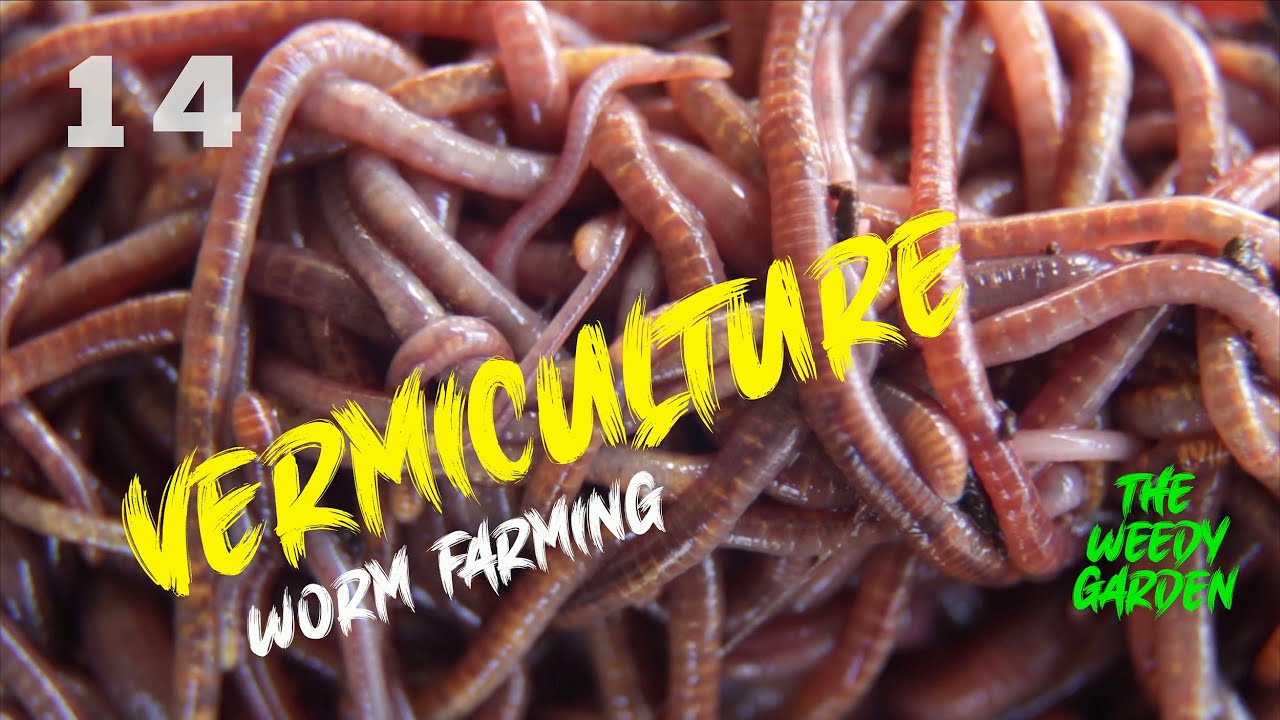
of this is all made up stuff but I find lots of myths about ver compost it is good compost but it's not magical compost all right as I said before this whole process is all about worms these are our pets so let's understand them a little bit uh this is a cross-section of an a worm um an earthworm they're pretty simple animals it's basically a long tube stuff goes in the mouth and it passes along until it comes out the other end and there's a crop in there and a gizard where a lot of the
digesting happens and then there's an intestine where nutrients are absorbed but the digestive system of worms is pretty basic there's very little that actually happens so food comes in in the front end and they actually have little Stones little bits of sand in their crop and Gizzard and they help grind up this material so the worm pulverizes the material and makes it into small pieces the other thing that you find in the worm is a very high concentration of bacteria and other microbes as well but mostly bacteria and so the worm is actually taking care
of these bacteria and this also happens in animals for instance in in our intestine system we have lots of bacteria in there and they're helping with the digestion process but before that we have a stomach that adds acids and digests the food worms don't have that so what actually happens is that there's very little digestion that takes place the worms grind up the material there's a bit of digestion caused by the bacteria and then it comes out the worm so when the worm makes these casts basically starting the composting process almost no composting takes place
inside the worm it all happens afterwards what the worm does it grinds up the material adds a lot of bacteria to it and then spits it out the back end and it's ready to start composting and that's one of the reason why saying this is a composting process isn't actually true well let's talk about worm sex so worms are her maites and what that means is that they have both sexes they're both male and female and all worms at least the ones we're talking about here are hermaphrodites but they can't have sex by themselves they
need a partner so two worms will come together and you might have noticed on earthw worms and dorms they have this area that's a little rounder and bigger and that's called the clitellum and you might guess what that's for that's part of this process so both worms produce sperm and they exchange sperm with each other and then they separate and then they go off their merry way and each worm creates babies but first it actually makes eggs it doesn't have live babies and a lot of people see this in soil they're they're reasonably large and
you can see them even in the garden and they say oh these are these are worm eggs and that's not really true they're actually more like cocoons so inside this structure is a whole bunch of eggs and the worm lays this adds sperm to it they get fertilized and if conditions are really good the baby worms hatch out in about two weeks but if conditions aren't right this can take much longer so if uh it's too dry there isn't enough moisture the temperature isn't correct and so on these things could sit for weeks and weeks
and weeks and nothing happens and then when the conditions are right the worms come out so this is one way you can actually tell that your worm bins working really well if you if you started it say let's say four weeks ago you should start seeing baby worms and you should start seeing these cocoons and that's saying hey everything's going well these worms are happy they're eating they're growing they're reproducing and that's what you really want to see uh these worms will be adults about 6 weeks after they hatch out and then they start the
whole process over again Theory you could make these worm bins with any worms that you happen to find but it works best if we select certain types of worms and the reason is that different types of worms like different temperature conditions and they like to burrow different depths in the soil so a lot of our garden worms like to be cooler and would find our home too warm they wouldn't be happy there the second problem is our garden worms like to dig deep in the soil and we don't want that in a worm bin we're
only going to give them a couple inches and we want them to kind of stay around the food and when they're finished eating we want them to go down two or three inches we don't want them trying to dig 4T deep there are certain worms that are perfect for this and the most common one is is sometimes called the manure worm or the red worm but when you go to get your worms particularly if you're going to buy them look for that scien spe ific name okay because red worm is used for all kinds of
different worms uh you want to know that you're getting the right species there now there are two or three other species that you could use but I'd say 80% of the people doing vermic composting uh use this species so I would stick with it all right well where do you get these worms well you can buy them and in fact as I Was preparing this a couple days ago I did a a Kajiji check to see what Kajiji had available locally and I couldn't find any any homeowner selling worms but I did find some commercial
people that sell them in the area and certainly in the US and online you'll find other vendors of this this is actually a fairly good Market I think when you go to buy these you want about a pound of worms which works out to about a thousand actual worms and those are good for a bin that's about one square foot in size now remember your worms are going to start reproducing and growing and in no time at all you'll have a lot more than a thousand so ideally your bin starts out a little bigger than
that or they're going to get too crowded the best place to get these is really from another person who already has some if someone's had this been going for six months to a year they have too many worms they don't know what to do with them and they'll sell you some or give you some and that's probably the easiest and best way to get them that way you can drive across town have a look at them get them from your friend bring them home and away you go shipping them is always a bit of a
problem because if it takes too long or gets too hot or it's too cold and they arrive dead so that's no good either so try and find them locally all right you've got some worms now you got to put them somewhere so they need a home lots of choices here and I think if this is your first try at this stay small use something simple you can get one of these totes uh drill some holes in it for air exchange and Away you go and you can give it a try if decide in six months
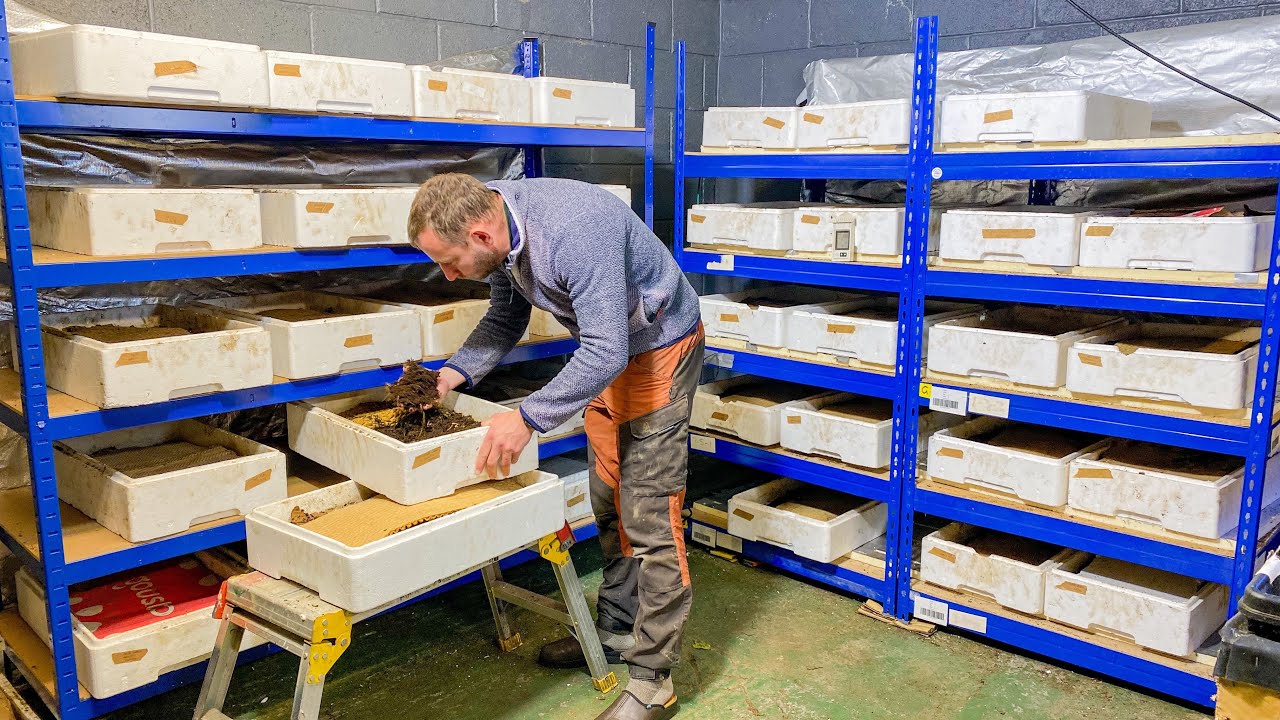
you're not interested no problem you haven't spent a lot of money on the other hand if you get really involved in this there are better op uh here's another one I found online and these are different types of tubs and someone's put holes in the bottom and they're stacked and you'll notice a little tap there and we'll talk about late what why you want these things later uh here's a commercial one that's really nice and again you see that Happ the bottom and then it's stacked you have several layers in here that will make harvesting
easier later on here's a beautiful homebuilt one again it's stacked and has different layers and it has a tray at the bottom in case to get some drippings and this is a good idea it's a long box and again when we talk about harvesting this they'll make a lot of sense why this is a good choice anyways the worms don't really care what they want is a place in your home that's a little on the cool side so basements work better than upstairs because they're usually cooler they also want it dark and that's why basement
work better too worms don't really like the light You' got worms you got a place for them to live you're now a farmer and it's time to farm these worms first thing we need is some bedding so we want something in there for them to live in and here's the things we want to look for it should hold moisture one thing about worm terms is that they need to stay moist or they dry out and they also breathe through their skin and in order for them to breathe through their skin the skin always has to
be wet that's one of the reasons uh worms out in the garden make slime they need to keep moisture on them all the time and if they're crawling along something that's drier that slime protects them we have the same situation here but we want their bedding to be moist so we're looking for something that holds that water we want quite bit of air in there this isn't a pond that we're making so more air than anything else and we want something that has a high CM ratio and we'll look at a few examples here lots
of people use shreddit newspaper it may be the best option here of course fewer and fewer people are getting newspapers so they can actually be hard to find some people use cardboard and they rip up cardboard into little pieces and that works just as well as the newspaper some other options are fall leaves which work really great so you could collect them in the fall and then store them somewhere outside bring some in every few months and use that for your bedding core is available and core is shredded coconut husks it's rather expensive around here
uh so it may not be the best option but it it works well it's just kind of an expensive option uh Pete Moss is much less expensive around here because Canada has lots of uh Pete Moss available naturally and they're companies that are harvesting it and you can buy it in larger Bales Pete Moss works well you can use almost anything that meets the requirements that we set right so some people use sawdust some people use wood chips some people mix all these things together so a little of this and a little of that what's
important for the worms is that they have lots of air in there they have a reasonable amount of moisture in there and they can eat the material you put in there okay this is like a safety food so if they've eaten all the good stuff you give them they will eat this paper and they will eat cardboard and they'll Eat Pete Moss and so on and that will keep them alive until you get back to feeding them so it has a dual purpose there here's how you start the worm bend you get your container ready
you put in about 4 in of your selected bedding material you dump your worms in and then keep the lid off and put a light above them so when they're first introduced into your container you have a couple issues uh one is that they've just been shipped or moved and they're not very happy and the first thing they want to do is crawl all over the place and they'll try to crawl out of this container but they don't like light so if we put a light above it then they'll go down into the material they
won't crawl out and lots of people will leave the light on for two or three days until the worms get accustomed to their new home once you've done that then we make it darker because they're going to stay there they're not crawling out of this container unless there's a problem in the container okay if it gets too dry then they'll crawl out looking for another home uh there's not enough food they might come out looking for but as long as you take care of them they'll stay in the container and having worms crawl all over
the basement isn't really an issue for the first week don't feed them because these worms are sensitive and they just need to get accustomed to their new home once you start feeding them put in a very small amount and it should disappear in a day and if it's gone in a day well you give them twice as much tomorrow but start feeding slowly the worms don't have to eat all the time and if they're really hungry they'll start eating the bedding that's why it's there that's their emergency food so don't overfeed them in fact when
you go on holidays if it's two or three weeks just leave them put in a bit of food they'll take them for about a week and then they'll eat bedding for the next week or two there'll be fine like that right how often do you feed them well that's kind of up to you there are people that feed every day there's other people that do it once a week probably every two or three days works out quite well and when you feed what you want to do is put in only enough food that's going to
be eaten in a couple days you generally do is go in find the food you put in last time and see if it's still there if it's still there then maybe don't add anymore because they haven't finished their meal if it's gone well maybe put in a a little bit extra because you're not feeding them enough now that's not entirely true because worms like certain foods more than others and they don't like them too Fresh So if you put in for instance cucumber rindes they're kind of tough so the worms will ignore them for a
few days and they'll let the microbes and the bacteria slowly digest them and mush them up a bit and then the worms will come and eat them so if things are hard to digest for them they'll just leave them for a bit so just because they didn't they don't come rushing out they eat it doesn't mean they don't like it once you put a bit of food in uh cover it with a little bit of bedding they prefer to eat in the dark and they don't want to be sitting on top of the bedding really
they prefer to be down a little bit and uh that's it close it back up come back in two or three days and feed them some more so how do you know your worms are happy well if you open the lid and shine a light on them they should dive okay they should be pretty active if they're not eating then they're not very happy either and then then you have to figure out what the problem there is so what do we feed these well you can feed them pretty much anything that's organic now a lot
of people will stay away from eggs meat and dairy just because they start to smell after a couple days and people prefer not to have that but the worms will eat those things so you might put in just enough dairy or egg so that it's gone by the end of the day then smelling isn't a problem they typically don't like seeds the seeds inside Tomatoes or inside a melon they'll just leave those they don't like spicy food so stay away from things that you've cooked that is very spicy stay away from things like hot peppers
they will pretty much ignore those salty food they probably will eat but it's not necessarily good for them so don't throw in a whole jar of pickles at one time but a little bit of salt that you had on your plate and you have some scraps from that that's okay that's not going to harm them a lot of people say don't give them citr and that's not really true they don't like citrus usually but they will learn to love it so if you want to feed them Citrus give them a little bit and watch what
they do once they get accustomed to it they actually seem to like it the other problem with Citrus is that we generally eat the good stuff that's inside so we eat the inside of the orange and we give them the shell right the skin on the outside and that's pretty tough so a lot of people put in uh some uh orange skin and leave them in there for a couple days and say oh the worms aren't eating them they don't like them the worms aren't eating them because they're too tough if they're in there for
a week and they get all moldy and mushy then the worms love them so you have to give some of that stuff time to compost in there uh cornmeal is a really good inexpensive food that you can buy so if there are times you think you're not going to have any food for them or you're not generating enough kitchen scraps for them you can always feed them cornmeal some general care things whenever you open the container uh do the sniff test okay this should smell pretty nice like uh you know a wet Forest after a
rain like a good smelling soil if it doesn't smell like that you have a problem if it if it smells rotten then either you put food in there that's rotting and they're not eating it or the worms are dying and they're rotting so do a sniff test if it doesn't smell good then you got to figure out what you're doing wrong uh you can shine a light in there and again they should move fairly quickly make sure the moisture level's right so if you take a handful of this stuff and squeeze it it should feel
wet but should not have any dripping water out of it that's the right moisture level leachate we can talk about depending on the moisture level in this container and how it's built and how many air holes you have and so on it can get on the wet side and when that happens the moisture runs to the bottom and runs down to the bottom of the container and out that spout and that's why the spouts there you don't want liquid in the bottom of these containers and if you start having that you want to drain that
every couple days because that luche will start to smell and you want to get it out of there now you can use that Leed in the garden or you can use it for watering your house plants it's uh got nutrients in there there's nothing wrong with using it but you don't want the beds too wet and that's why it's nice to have one of these with a tap at the bottom so that that's easy to do however most people that do vermic composting say you shouldn't get lee8 anyways if you have that then you're putting
in too much moisture or you're feeding food that's too wet and so on so most people don't even have an issue with that if they're a little more careful in how they're taking care of their bins and if it gets too wet the other thing you can do is throw in some more bedding remember the bedding absorbs that liquid and will tend to lower the moisture level at all times you want about 50% bedding in this mixture and if the worms start eating the bedding and they start making a lot of vermic casts then you
throw in some more bedding so kind of have a look at it and it's hard to judge really but kind of figure okay about half of it is still bedding uh so that's okay if it starts getting less that throw it in a little extra and you want to keep adding some fresh bedding into this mixture all right so we've been doing this for four 6 months it's time to do some harvesting how do we do this and there's many different ways this is the easiest way but some of you are going to think this
is really cruel so we now have this bin it's half full of worm cast and has some bedding in there and about a week ago we stopped feeding them so we don't have any old food in there but we have lots of worms they're reproducing and we got more and more of them one way to do is just take half of the material and dump it in the garden somewhere worms casts food bedding whatever throw it in the garden now those worms will survive for a little while outside uh they can't take the winter cold
we have in zone five so unless you're in a warm climate they will get killed in the winter time but that just adds more nutrients to the soil some people will think that's cruel and they don't want to do that but consider this worms reproduce fairly rapidly and if you're doing a good job you're going to have so many worms you got to do something with them so unless you have a lot of friends who want to do Burmy composting or you're going to go in the business of selling worms you got to get rid
of them somehow and one way is just to let I'm going in the garden or or start uh fishing hobby too that would work so this is the easiest way uh this is another way and it works really well we talked about this long bed so the way you use this bed is that you keep all your bedding and all the food and everything on one side so let's say we put it in on the left side and it's in there for two or three months and and then what we do is we stop feeding
the left side and by the way that middle divider has some wire on it with holes that where the worms can CRA crawl through so then we put bedding on the right side and we put the food on the right side and what happens well the worms are pretty smart they'll find the food so they all crawl from the left side to the right side and after 3 or 4 days the left side has no worms and you can just take all that material out and use it somehow right now you've got them separated you've
got the worm separated from the casts and then four to 6 months later you do it the opposite way and moving back to the left and that's one of the beauties of of this container in fact what commercial businesses do they have long beds and they start them at one end of the bed and they make a big pile of worms and throw on a bunch of food and and Commercial places usually use manure um worms love manure but of course manure is not so great food for the house and then what they do is
the next time they feed them they instead of putting it on top of the worms they put it next to the worms and the worms crawl into the manure and then the next feeding goes next to them and and so on so they slowly move the worms down this long banch because of where they place the food and then the beginning part is now just clean vermi compost with no worms in it uh this sort of system works well too you can see the tap at the bottom to take out any leee in case you
get some and the reason we have stacks like this is you you start with the lower stack and you put your worms and your bedding in there and you feed them for a while in there and then once that section gets pretty full of worm casts what you do is you stop feeding that section you then put some bedding in the upper one and you put the food in the upper one and the worms will crawl up to find the food and then we go to the third one and to the fourth one so after
a period of time we have all the the worms in the top layer and all the other layers are aged vermic composts and again very simple to separate them out some people don't bother with any of that and they sift it and pull out all the worms and start a new bin and that works too but it's it's a lot more work here's another simple way uh put a light above them and leave that for 15 20 minutes all the worms will go to the bottom of the bin and then you scrape away the top
2 or 3 in of vermic casts take that away leave the light for another 15 minutes to make sure the worms go even deeper and then you scrape away another few inches and take that away and once you're down to the bottom 3 4 inches you put in a whole bunch of new bedding and start all over again all right well what about this aging process so what people recommend is that uh you can use the material as soon as you harvest it if you put it in the garden because you generally will either dig
it in and then plant later or you use it as a mulch and you just put it on top and so even if this compost material is a bit on the Fresh side it won't hurt hurt the plant roots there isn't enough nutrients in this to really damage them if you're using it for house plants or inside containers then it's good to take this and just age it for a couple months just like other types of compost we want this compost to be well aged before we get it in contact with with the plant roots
and so people will simply put it in containers or jars or something and just let it sit for several months some people will dry it out and once it's dry they store it for for years that's probably not necessary and when you dry it out you'll also lose a lot of the microbes in there so it probably isn't the best way to do it unless you're just generating so much you don't know what to do with it or maybe you're doing this in Winter and you're creating Lots in the winter and you don't want to
use it right away but you want to save it for your garden in the spring then you can just dry it out and once it's dry it has no odor uh it doesn't mold up or anything you can just put it in pretty much any kind of container so what is the nutrient value of vermic compost this data is actually pretty hard to find but I did find someone who studied this in Holland I believe and they went around and collected kitchen scraps from schools and I think some factories they took it divided it up
and then treated it two different ways either hot composting or vermic composting and then they did a chemical analysis to compare the two and they came out with these numbers now the actual numbers do depend on what you put in the bin right depends on what you feed them so it's going to vary but this gives you a rough idea of what the numbers will look like and you can see the nitrogen there is pretty much the same in the two systems 1.4 1.8 if we look at the third number that's the potassium uh they're
actually identical where it's different is in the middle number and vermic compost has more phosphate than regular compost that doesn't seem make a lot of sense but it turns out that the biology of the worms is such that they don't like a lot of phosphate and they actually excrete the excess phosphate into their intestine system so what comes out of the worm has more phosphate than you'd expect because the worms are trying to get rid of it they get too much of this typically you have three to four times as much phosphate in vermic compost
and that's why I said earlier that if you put this in soil that has a phosphate deficiency vermi compost would be good thing to add because it adds that extra phosphate and then you might see more root growth for instance however soil in North America has enough phosphate and we don't have to worry about it so this extra phosphate isn't really a benefit in that case uh even in uh house plants and so on when we're fertilizing they don't need a high level of phosphate typically plants need a ratio of 312 vermic compost actually has
too much phosphate for most plants it's actually not a great thing unless you're very deficient in your soil another thing that's uh becomes very popular is making vermic compost tea and what you do is you take your casts and you put it in a bucket uh and compost tea and vermic compost tea and weed tea they're all essentially the same thing there there really isn't any difference although other people will disagree with that and claim one is much better than the other what you're doing in all three cases is you're taking some organic matter and
you're putting it in water and you're Brew Brewing now you can Brew it with oxygen or without oxygen people make big claims about which one's better but the reality is that it really doesn't make a lot of difference what we're doing here is we're adding nutrients to the water and we're adding a lot of microbes to the water and then we use that to water plants or to even spray the leaves and so on lots of people think this is a great idea but it turns out that the science disagrees you're not going going to
create nutrients this way whatever nutrients we're in the compost are in the water and the compost together and in fact most of the nutrients are actually in the bottom of the pale where the solid stuff is you cannot create nutrients by this kind of a process now you might speed up the decomposition a little bit but usually these are only brewed for a couple days so you're really not speeding much up so you're not getting more nutrients the other argument is that you're creating more microbes and you you do see an increase in microbes in
this pale the problem is that when science looks at taking these extra microbes and putting it on your soil it doesn't result in higher microbes in the soil the problem with a lot of research that shows positive results they compare this to water and sure if I take this stuff and water my plants and beside it I have a similar plant and I use water the water is not going to work as well because this has nutrients in it but when you find studies that compare compost to compost tea or vermic compost vermic compost tea
you don't really see much of an improvement so don't bother making tea save yourself some time so if you want to get in touch with me I can be found with the handle Garden fundamentals I have a YouTube channel a Blog and a Facebook group and if you come to our Facebook group to ask questions uh we'll make sure that you get the right answer unlike a lot of Facebook Facebook groups now if you're interested in vermic compost there are some Facebook groups that are dedicated to vermic composting you get lots of information there difficul
is knowing if the information you're getting is hype or whether it's real uh but there are certainly groups out there that specialize in this type of composting and that's tonight's program and i' be happy to answer any questions you have on this or any other gardening questions all right what do you do if you have too many worms in the winter well that's a bit of a problem lasagna is good and you can always use them for that if you're successful with this you will have more and more worms uh you have to get rid
of them somehow so you then go on Kajiji and start giving them away or you start a little business and start selling them uh they're not inexpensive so they're like $40 I think for for a th000 worms so you can probably sell them to people for 20 and and make some money uh or give them away to friends or worst case scenario you put them outside if you do that in the winter they will die but they will be added to the Garden I don't know what else you would do with them you have to
find someone who wants them uh are these native to Canada I'm not certain of that I think so and the other thing that's kind of interesting is that they're called manure worms because they're uh readily found in manure that's sitting around so in theory you don't have to go and buy them you just find a farmer with a pile of manure and dig away until you find enough but it seems like most people actually just go and buy them I mean finding a thousand of these guys to start a a little farm is is a
lot of work but I think they are and I think they're actually native to a to a great part of the world they're a very common worm uh someone said I read they are native to Europe well um well let let me let me you may be you may be correct uh let's back up a little bit here when you say are they native to Canada it sort of depends how you ask the question there are no earthworms native to Canada all right so all the worms that were here before the last glacial Ice Age
were killed off and when the ice receded we had no earthworms in Canada but they have come back from the southern states where they survived and they've traveled North and people move them around so all the earthworms that we have in Canada in fact are not native when you asked the question I was thinking are you know do they do they exist in the woods around here and I think the answer is yes but you're absolutely correct they're not native to Canada so how can they be common to Canada if they don't survive the winters
uh what these worms will do is not burrow very deep so if they find a place that's where they're warm enough then they'll survive if you take your bin and try to do it in the garden so we've been out there they will freeze because above ground they get too cold and if you take them out in the winter and sort of dump them somewhere they'll die because they haven't got a home so what our earthworm do in the fall is they start burrowing deeper and deeper and some of them go down 3 or 4
feet and they spend the winter down there where it's warm enough this particular type of worm will will only go down maybe 6 in to a foot but provided they're in a protected area that stays a little warmer they will survive that winter so the one downside to verm me composting in in zone five is is that it's as a gardener at least it's very hard to do outside over the winter some people actually take their bins outside in the summer and run them out there but it's very hard to keep them over Winter you'd
have to build a shelter for them you may have to provide a little bit of heat on the coldest nights they will survive pretty close to freezing but it's it's a difficult way to do it you're better off just leaving them in the house now if you're doing this on a larger scale then people will build little little Huts for them they'll make sure in the fall they put in a lot of fresh manure and that fresh manure produces heat so it keeps the area warmer they can live outside in our climate if if you
have larger containers and larger piles or provide some supplemental Heating