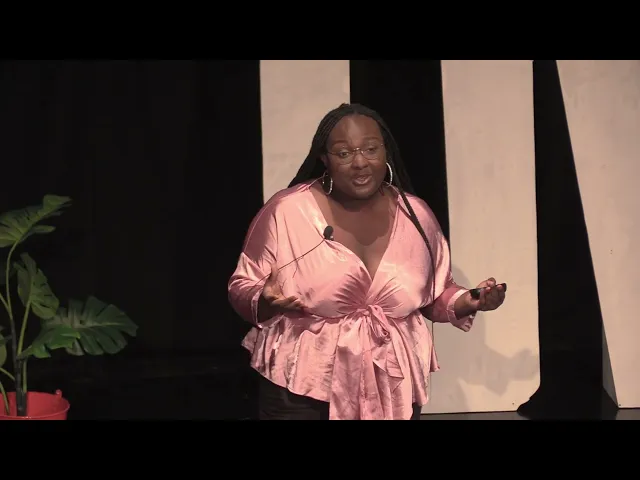
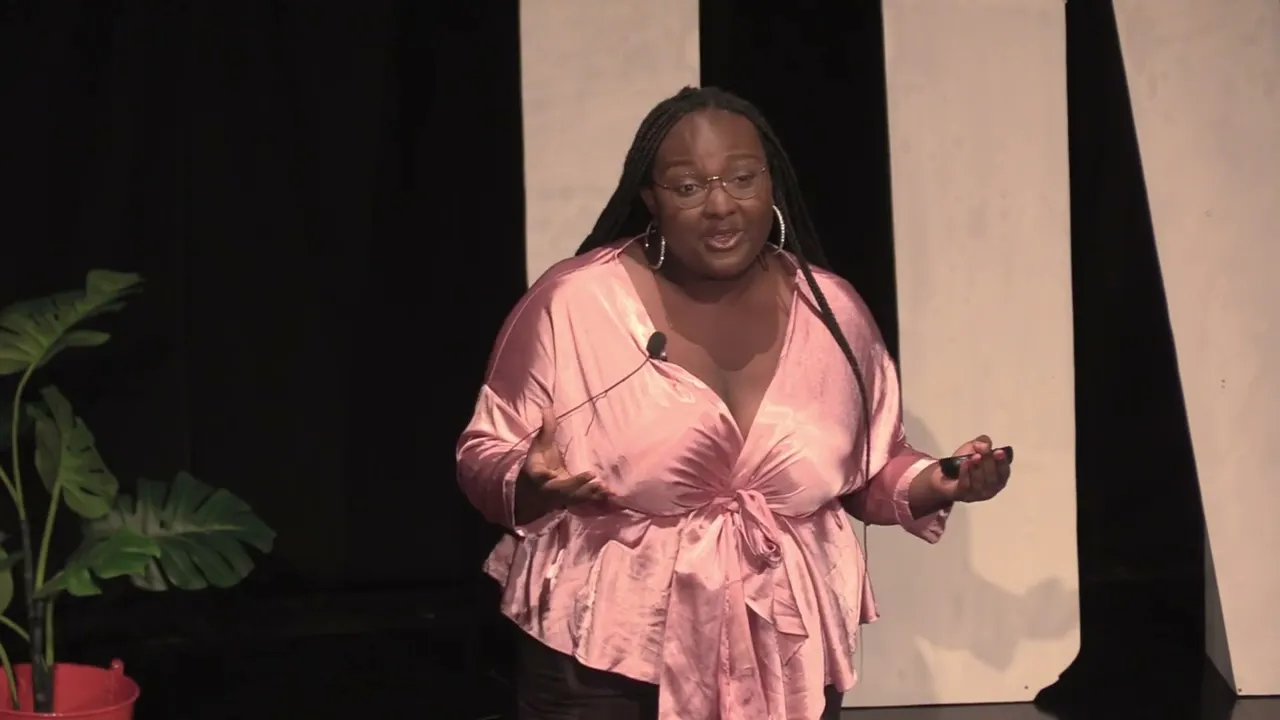
hello everyone my name is so today i'm going to just talk about the intersectionality between racism and mental health so we can't talk about you know issues like this without talking about equity and every time this topic comes to my head i don't think about equality i think about equity i don't know if anyone does the same thing and that's because i just think that equality doesn't cover everything that you know this whole topic is trying to encompass and obviously we know what we call equity and equality we know what that address is and obviously
that is inequalities and this can come in different shapes and forms it can be oh yeah it's obvious it could be social it can be economic it's all types of marginalization and the role of equity is to address marginalization and to be fair when i think about marginalization i think it's the like the worst thing that anybody can do to another person so i really don't want to give you my own definition of what i think it is i'm just going to put just say what's up there on the screen so racism um it's quite
interesting that we still have to define what it is and i'm not going to define it because i feel like it's you know everyone should know what it is and i just feel like it's something that is a part of so many people's lives like the the wrong side of people's lives so i don't think anyone should be racist or should show racism to people but it's something that a lot of people go through daily and i'm not going to define it and mental health so most times people think when you have a a mental
health issue they say oh i have bad mental health and that's right but the same way you have physical health is the same way you have mental health and same way you take care of yourself when you're sick you go to the hospital it's the same way you have to take care of yourself when you have mental health issues and there is an intersectionality between racism and mental health issues because nothing is distinguishable because when you experience racism it affects your mental health and it's going to be really really wrong for us to try to
put that separately so there is a massive intersect between racism and mental health so there's so many things that can happen when you experience racism i'm nigerian and i've been in the uk for a couple of years now and when you first experience racism it might hit you like a ton of breaks because you don't expect it most especially because i come from somewhere that was colonized by britain so i think oh is this racism is it not racism is this what i experience typically or is this different there's a lot of things that come
to your mind when you experience um you know different types of discriminate discrimination and sometimes people say oh it might be a microaggression but i think it's full on aggression i think there's nothing as oh it's micro or you shouldn't react to it but the fact that it's happened and the fact that it's a behavioral response to something it is full on aggression to me so when we internalize racism it's it's cuts across it it takes over your whole life i know how to explain that so when you have someone be treating you differently to
how you would typically experience or to what you are typically you internalize some things and for example um how you present yourself so it can be subconscious it can be conscious by us for example um growing up there's this saying in my language i'm eurobaby tribe and growing up my aunts used to say oh omapuppa tutti domodo i would i would translate it basically means a fair child that's become dark and i used to wonder is it because i'm dark skinned but it was a massive problem because apparently if you are dark skinned it means
you are not as beautiful or as pleasing to what society standards are so imagine growing up and you know you think you look all good you're all dressed up and someone's just like uh you know you're too dark or you're darker than what you typically should be it makes you become very very conscious of who you are and like what you can give society another thing is you try to assimilate you try to fit into what the stereotype is for example you have people relaxing their hair i came here with my braids today for a
reason and you have people you know trying to change how they are how they should present themselves because they want to be appealing to what is the norm so those are some of the things that happen when you experience racism and when you internalize the trauma that comes as a result of that another thing is you know code switching so code switching is a part of my life and i'm going to use myself as an example so this is how i sound normally but then when i'm with my nigerian friends i was speaking pidgin pigeon
is like a west african form of kriyov that we speak because it's a mixture of different languages as a result of colonization but let's not go into that so um when i'm thinking um pj or my friends i sound differently so i'm like oh hey my guy how are you how far if i'm speaking my language which is yoga i sound totally different and i'm here i sound totally different but then you see like in some spaces they think oh you should probably sound more british than you probably are and sound oh hi hello everyone
my name is but that's not me and i'm not going to sound that like that person because that just sounds very freaking imagine i come up here and i'm trying to sound british when i'm not british so this is something that happens to a lot of people where you try to just you know you don't want to you don't want your authentic self to come out because you think you might be judged or you might be ridiculed or some might laugh at you because of the way you sound or the way you pronounce certain words
and it is because of internalized racism one other thing is most times people are cut off from their culture and from their own identity and sometimes people are embarrassed about what they are and where they come from it might be that or it might be because you don't actually know where you come from so for example and nigerians were colonized for over what 500 years were taught british history in school so you go to school and you're being taught what's happening in britain and then you come to britain it's totally different but let's not even
go into that so um you know taught about your history your sense of identity your sense of belonging was tripped and taken away from you so you you don't even know who you are as a person so how can you if you don't know where you're coming from how do you know where you're going and that is a saying i just translated in europe to english right now and it basically means that if you don't know what your history is you have no idea where you're going to go to and how you're going to get
there so it is something that happens to a lot of people it happens to me as well because so many times like in nigeria for example when you go to work you have to dress the british way the british standard you have to wear the suits and all of that and then you come to england and everyone is wearing whatever they want to wear and it's quite interesting that so many like the standard that has been put by people not even because of let's say colonization and all of that but the standard is still maintained
is as a result of the internalized like hatred we probably have for each other where if you wear your traditional wear they think oh you're not you don't fit the dress code you can get sent back home i remember in secondary school you are not allowed to speak your language in school because it's seen as taking vernacular so you always have to speak english if a teacher catches you speaking you're about if i'm speaking you about with someone else that is you but you get punished for speaking your language and this is something that is
normal like it is the way of life so excellent that you don't even know how to speak your language and then when you're when you then try to learn your language you're probably old and thinking is this the right time to actually even start learning this language so these are some of the issues that come about from internalized racism and the next thing is racial trauma so i put three different types of racial traumas up on the screen and the first one oh is you can feel depression or anger and this is something that i
have felt personally because i think the first one was rage not even anger i think anger is kind of minimalizing what i felt um it's rage and i think it's okay to be angry it's okay to be enraged because when i think about oh my goodness like there's so many things i have to learn and unlearn there is so much anger and depression that comes out of that you can also feel you know you can also be hyper vigilant so for example i mentioned you know when people say microaggression i call it full-on aggression right
sometimes people might say certain things or react a certain way and my head is just there like oh my god what exactly did i just experience what exactly is happening here and most times i'm right but then sometimes it might just be because this is your lived experience this is my experience every day i'm thinking oh is someone going to say something that is going to trigger me right now and how how best am i going to respond to it i have to start thinking of how to defend myself in my head even before i
get attacked so it's something that a lot of people like that come from marginalized backgrounds have to deal with so when you that's how we have to be very careful how we you know interact with people because you really don't know what's happening in their heads and you really don't know how they are going to react to certain things that are being said or you know different attitudes that they might perceive from different people the best one avoidance and this is something that i've i used to do because you really don't want to be oh
she's that person that always brings up issues or this is happening you want to just avoid certain situations because you don't want to upset people um well my own experience i realized that that doesn't work because if you avoid the issue you're just going to get you know more depressed and it's going to affect your mental health so it's something that you avoid because you don't want another person to feel bad and one thing that made this stand out to me was when i was doing my master's and i had this friend like there was
a whole experience that happened and i told her she's british and when i narrated what happened to her she literally sat down and was crying for like 30 minutes and i also said like why are you crying this hard because i didn't realize what had happened to me so it took her you know being so expressive and breaking it down me telling her and her experiencing like thinking about what i've been through for me to actually understand that what happened was a massive issue because for me i've avoided such things my whole life that i'm
just like oh okay it's happened i'm just going to ignore it and avoid it but that experience made me realize that okay this is something that should not be avoided it's something that we should not just brush aside because it's our experience and then the best one low self-esteem most times you try to just minimalize yourself or try to make yourself smaller so that you fit into whatever boxes that have been created for you because you don't want to occupy space you don't want to be that loud black woman but unfortunately i'm not going to
fit into such spaces um you you get all aggressive or you're talking about these issues too much you should don't you think you should calm down i hate that word like why would you tell me to calm down don't tell me to calm down if i want to be upset let me be upset if i want to be angry let me be angry let me express the emotions that i feel and you know don't try to make me think don't try to make me feel like me expressing how i feel is um not acceptable in
a certain space and all of that can make you feel you know low about yourself can make you have low self-esteem for example i'm growing up i gave you the analogy before what they say on on patreon to know what to do like fair child that become that child and um when i went to college and even when i was in secondary school back in nigeria i had this thing where if um like just say i'm standing with my friends and we're getting approached by guys i just take a step back and just try to
stay in the background because you're always called like the ugly black friend and because you're dark skinned people think oh you're not as pretty as your friends that are lighter than you or fairer first kind of you so it's something that i always had to deal with i'm like okay i'm just going to just fade into the background because i really don't want to have to deal with the mental stress that comes out of you know your friends being approached and you not being approached because your dark skin is something that's happened my whole life
so for me coming here to this country like like let's say nine years ago the same thing still happened like i started becoming you know just fading into the background because i really don't want to be up in people's faces just because they already like it because the the low self-esteem that i had and i see it as a lot of surfacing that i had because it might not necessarily translate to what those people are thinking but it's because of what i felt about myself so racism can traumatize you even if you don't go through
it for example i told her about my friend she was traumatized the whole semester and anytime she saw the person that was involved in the story of what happened to me she was so enraged and she would just be so upset and i'm like just relax because if you're this upset that i don't really know what reaction i should be having maybe i should full-on go you know let's fight this out something because at that point and that's the thing for example we have what happened to judge floyd a couple of years past and even
if i'm not in the united states i'm just thinking me being a black woman imagine i go to the states and someone decides oh okay i'm just going to you know grab a gun and because you look different or because you act different it is trauma that even if you don't experience it like if it's not your lived experience you can get affected by it as well and that's why i think it's a collective it's something that we all have to address as as as human beings like it's not one person's problem like it's our
collective issue so i've mentioned um judge floyd's um um what happened in america and that is a form of trauma another form of trauma can be because of what your um group has experienced for example i mentioned that i'm nigerian and we were colonized and for years different people tried colonizing those but then the british succeeded so hence why we speak english and most times when i think about or when i because i do a lot of reading and i try to learn about history a lot and i uncover the evil i call it evil
because it was evil that was done to my people it makes me so upset because i'm wondering like how would you treat another person this way some people might say oh it was years ago we should not but the fact that it happened is a massive issue for me the fact that people could actually think this is right to treat people this certain way is very upsetting to think what happened in congo what what happened in congo to the congolese people where your arms get chopped up if you don't bring in the quarter of cocoa
you're meant to bring in the fact that that can be done to another person really really traumatized me and sometimes a lot of people that i speak to because when you try to start to understand what happens to your tribe what your ancestors went through it makes you so upset because apart from the fact that you know thankfully i wasn't there but they had to survive that for me to be here and that is absolutely horrifying another form of trauma is intergenerational trauma and this has been this is passed down from generation to generation and
you know the most amazing thing as a person you can have all of the different types of trauma combined together in one person because when you think about you know for example i'm going to use my family because that's the only experience that i have as an example um the way that they like my my dad's experience like going to schools and all of that where you have to be stoic you have to say call your dad sir your momma all of that is trauma that was passed down to us as well and that's because
they had to call you know the masters or like we still don't call them masters in nigeria does that in schools but it's generational trauma that is passed on and when we talk about you know slavery in america as well like it's intergenerational trauma that is being passed on and interestingly it can be embedded in your dna so when people are talking about trauma or talking about issues like this is not because people just want to be funny or people are just trying to you know make some certain people feel uncomfortable because we all have
to feel uncomfortable it's not one person to feel uncomfortable so back to mental health how do you support your mental health i've mentioned earlier it's everyone's responsibility and we need to take care of each other like we should be our brother's keeper if anyone's experiencing anything that you see that you know this is not right you need to stand up for each other for me the major thing that i did was seek therapy because i realized that i was just like one angry person walking around so imagine me just like walking around any little thing
is just going to trigger me and i was very very upset so i had to seek therapy because even though there was marginalization in therapy as well when you try to access mental health as a person of color there's a lot of other barriers that you face but i'm not going to go into that it's very important to seek therapy and to just know that you have to contribute to the change that you want to see you have to make sure that the the anger that you feel is translated to something for example that's what
drives my passion of equity because of the anger that i have i study a company that makes cosmetic products so hair and body care products for dark skin because i'm like i don't want any other person to think their skin or their hair is not acceptable you know what i'm going to make products that you know can cater to that so your anger is okay to feel angry it's okay to have that anger but direct anger to something positive so that is the end of my talk and i'm going to say eshio a show in
my language means thank you and thanks for listening to me thank you