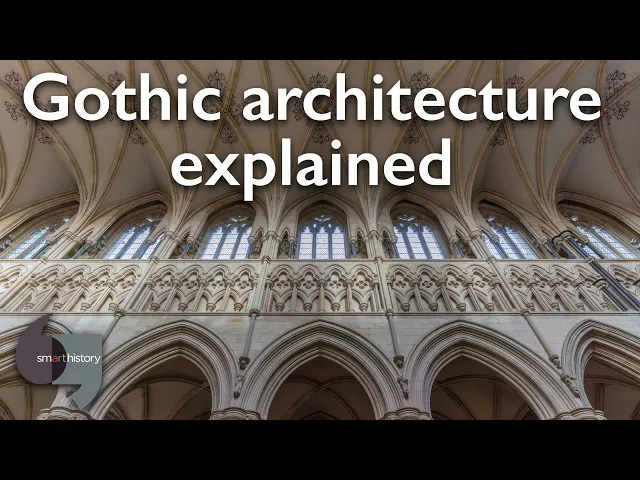
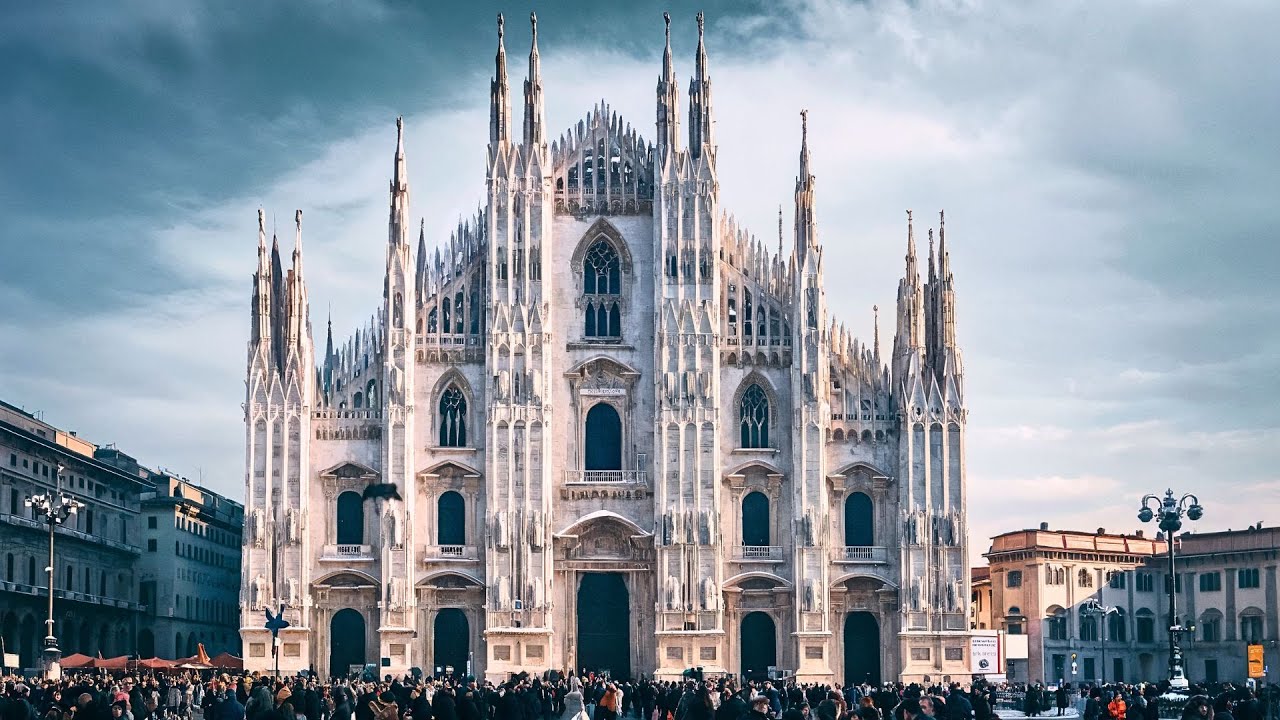
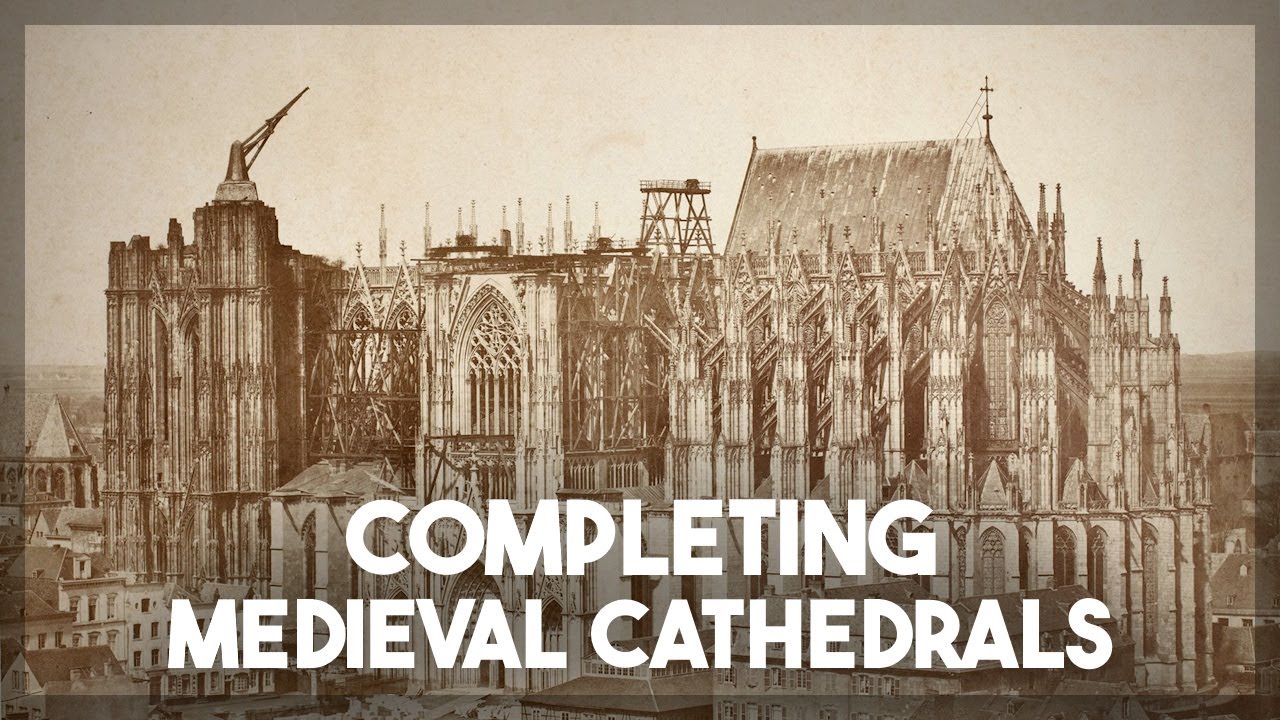
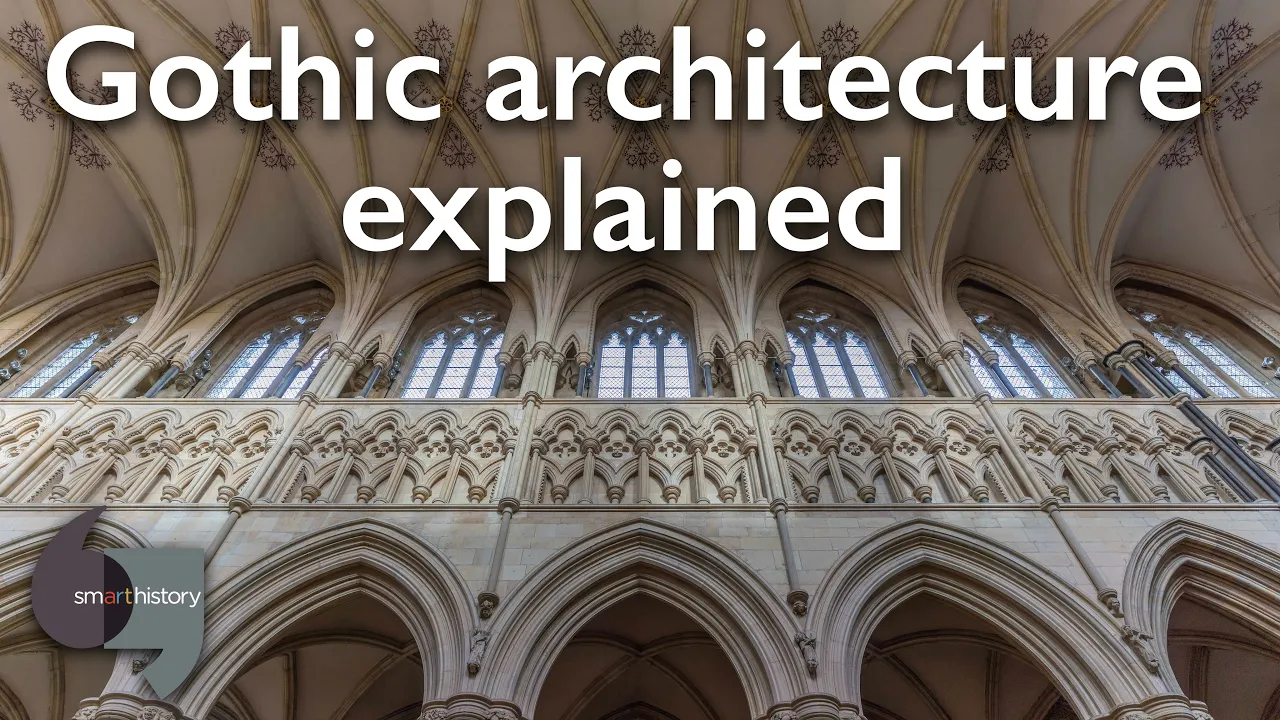
foreign Beverly Minster in Beverly England and we wanted to talk about the basic elements of a gothic church and probably the most basic element that identifies the gothic style is the use of appointed not around appointed Arch the pointed Arch was a Gothic Innovation that allowed Gothic Architects to do what they really wanted to do which was to build larger and brighter churches light was a associated with god with the Divine it's a perfect metaphor light has an almost magical quality in that it can pass through a solid it can pass through glass Romanesque churches
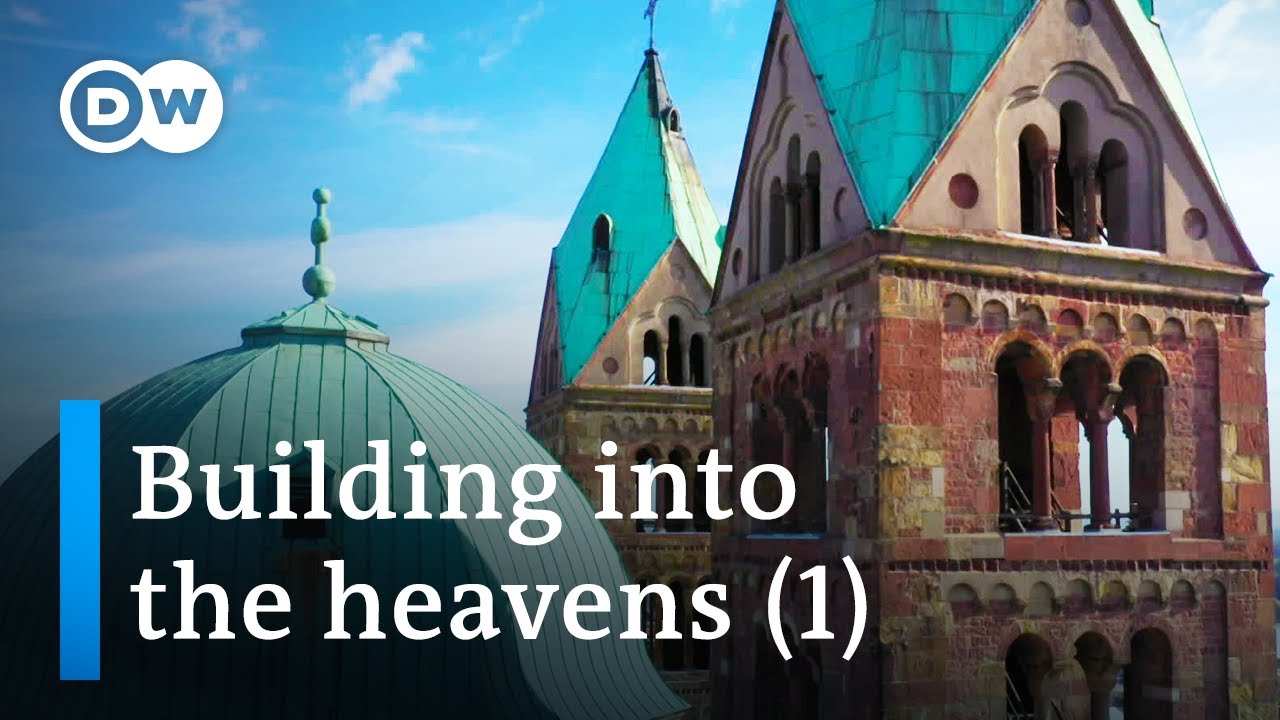
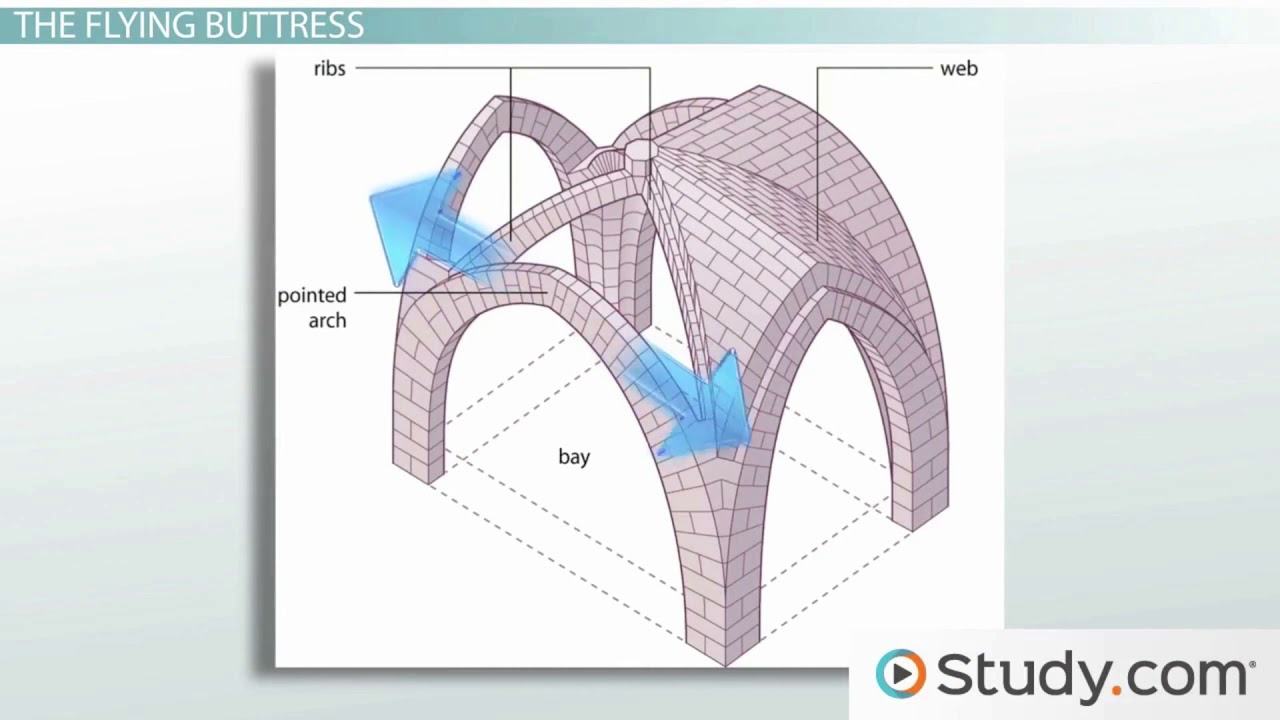
just before the gothic period required large thick expanses of wall to hold up the ceiling usually a barrel vaulted ceiling so from the rounded Barrel Vault The Architects moved on to the groin Vault the weight of a round Arch pushes outward and requires a lot of buttressing big solid wall underneath the pointed Arch redirects its weight more directly downward so that the supports can be thinner and can be more delicate and the gothic Architects brilliantly realized that that Innovation would allow them to be able to have less wall and more window the weight of the
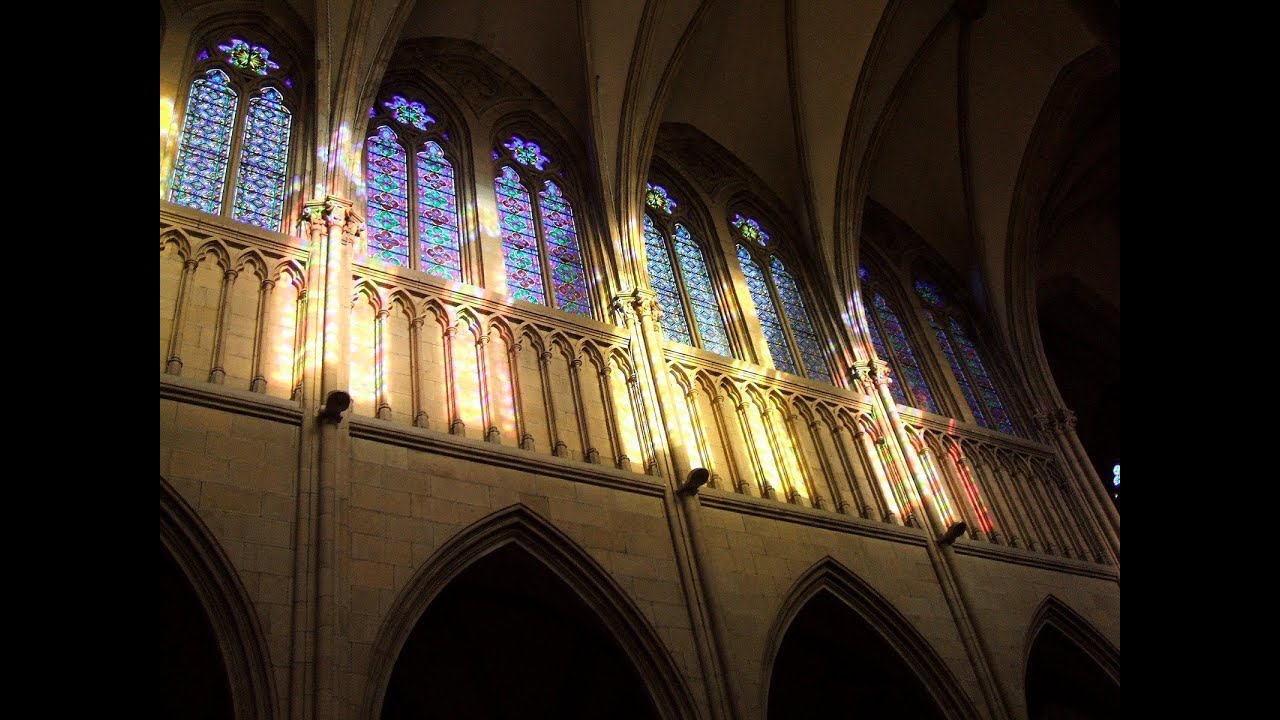
Vault didn't need to come down onto continuous walls could come down onto four columns opening up not just the walls to Windows but opening up the very space of the church itself we might ask then how is the stone vaulting held up and the answer can be found in two places first if you look in between the glass you can see a major structural element which comes down to the native level in the form of a pier now Gothic Architects camouflage the massiveness of their peers by ornamenting them with delicate thin colonnets but this was
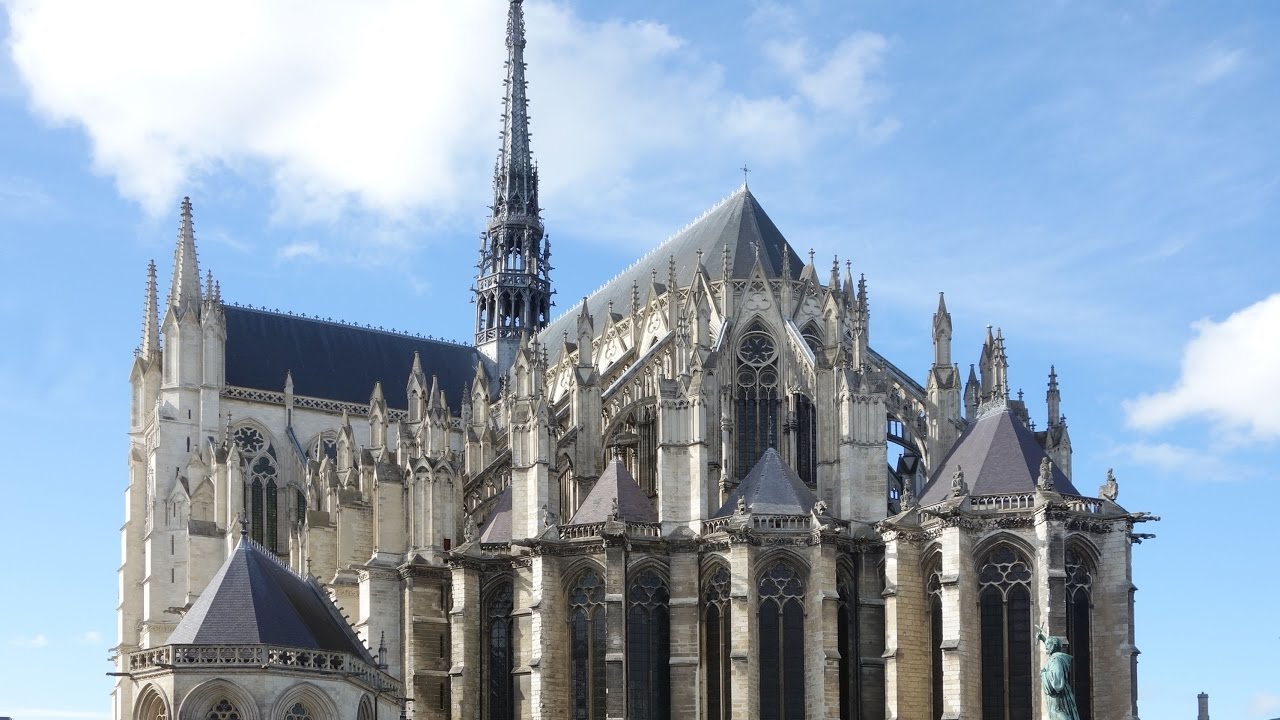
a massive object that helps to support the stone vaulting above but there's another structural system that's at work even with the pointed Arch the vaulting of these churches still created lateral thrust that pushed outward and so the building had to be contained it had to be supported from the outside it had to be buttressed and that's where we see one of the great features of Gothic architecture the flying buttress essentially a bracing in between the windows on the outside of the church and because they are relatively delicate and pierced they allow light to get to
the windows to flood the interior with brightness when we look up all of a gothic church we see the pointed arches that form the knave arcade we see above that the triforium and then above that the clear Story the level with Windows when we look at the triforium even there we see the wall is pierced here in Beverly Minster you see trefoil-shaped artist and within that trefoiled Arch we see a Quattro foil and then below that yet another level of opening of these short pointed arches that are separated by columns so this layering that allows
the wall to have a sense of depth all of this brings our eye upward it emphasizes the Heavenly the intent of the gothic church is to create a sense of the Heavenly on Earth if you imagine a typical a person's home in the 13th century we imagine something rather dark and without a lot of Windows and so coming into a space like this must have seemed truly miraculous it's even difficult I think for us in the 21st century to imagine the workmanship the Decades of Labor and the enormous costs that went into these buildings as
places of worship of places of connection to the divine foreign