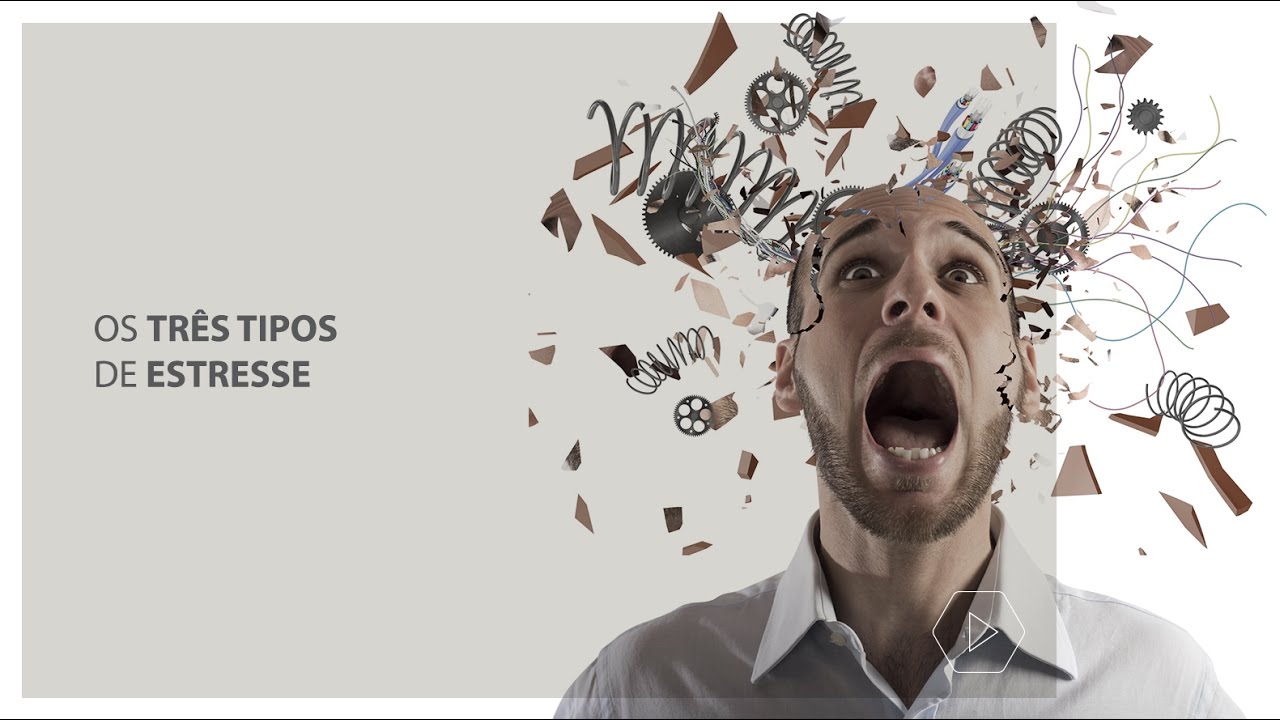
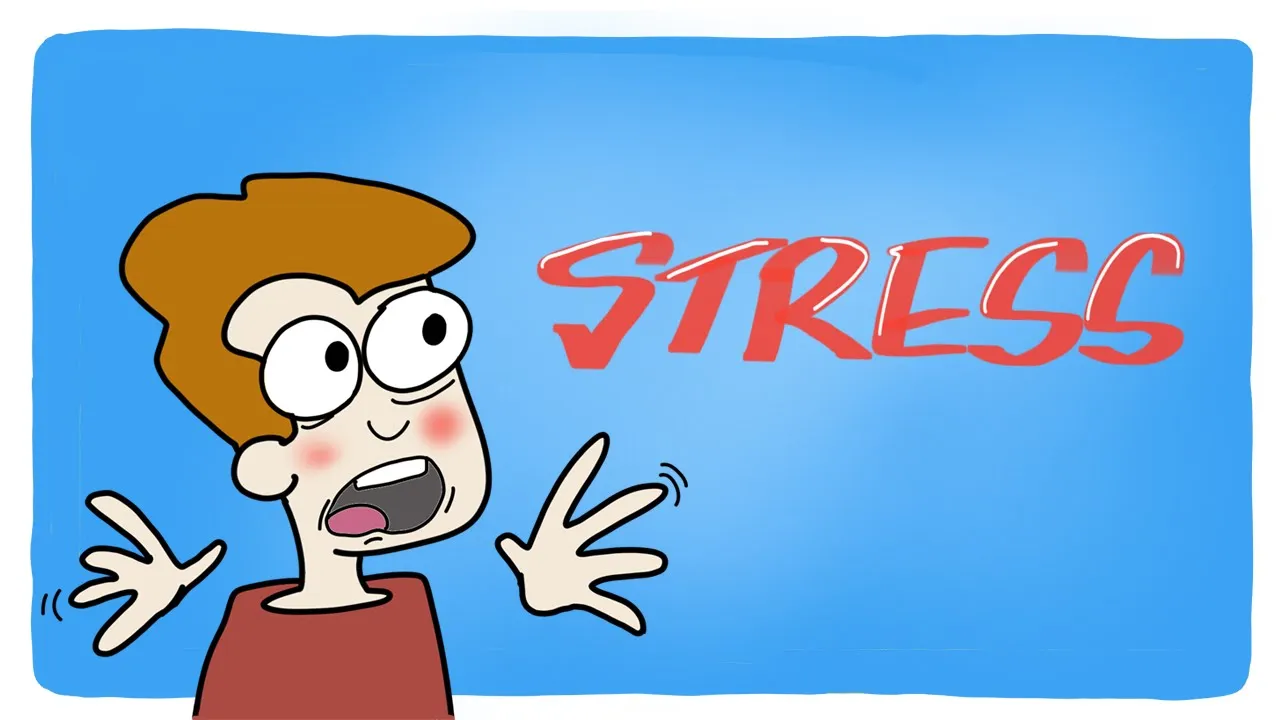
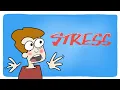
We are used to hearing about stress as detrimental to our health. But stress is not always bad. It is a defense mechanism and is essential to our survival.
Its function is to protect us against dangers. When we perceive a threat, the physiological reactions that occur, as well as the anxiety and fear generated, prepare us to act. This function allows us, for example, to briefly be like superheroes and be able to lift a heavy object when we see someone in danger or prepares us to flee if we see a snake toward us.
Problems with stress and anxiety are relate not to the mechanism itself, but to prolonged and repeated exposure to situations that trigger stress, anxiety, and fear. It is this constant activation that has serious effects on our physical and mental health. And that's exactly what Hans Selye studied, analyzing animals and people in situations of stress due to illness.
Selye described the stress process in three different phases or stages and called it the General Adaptation Syndrome. The first phase, the alarm reaction, can be viewed as positive. It occurs when we identify a situation as a threat or risk to us and our body prepares for attack or flight.
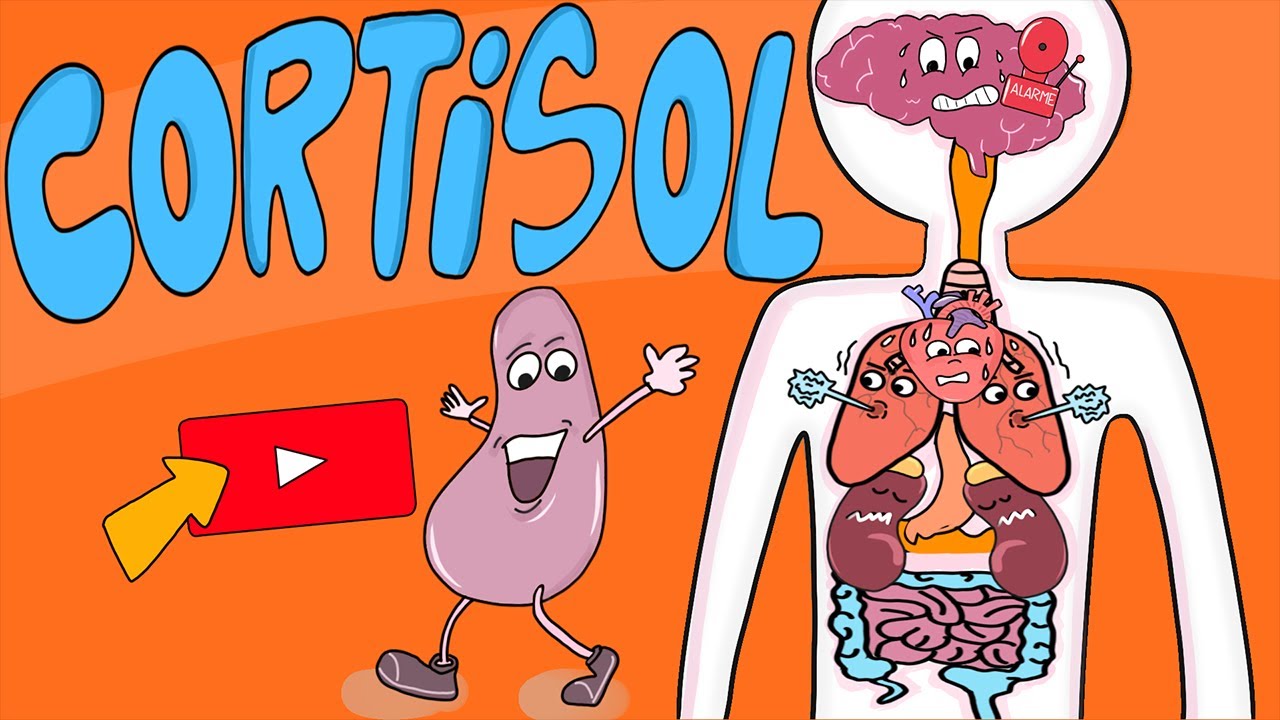
The fight or flight response was previously described by Cannon and this phase of Selye's General Adaptation Syndrome is exactly the same: the release of hormones such as cortisol, adrenaline and noradrenaline, among others, mobilizes us to react. They make us more alert and attentive, our heart beats faster, our blood pressure rises, our pupils dilate, and our muscles tense. We are now prepared to face threats.
The second phase, resistance, occurs when our body tries to return to normal after it has suffered this attrition. When threatening situations or stressors cease to exist and the person is resilient and has the energy to recover, it can return to his normal state. But if the factors that are causing stress persist, the physiological stimulation will continue.
In these cases the ability to resist may be compromised and we move to the third phase. That is exhaustion. This last phase is a very negative stress for us, the one that causes us illness.
This continuous detrition depletes our energy and weakens our immune system. Memory impairment is frequent, irritability, poor concentration, tiredness, depression, anxiety disorders, ulcers, high blood pressure, acute myocardial infarction and in certain cases, even death. It’s important to notice that, the emergence of pathologies is not only related to the stress mechanism itself or even to the situations that are causing stress.
Each person's sensitivity, resistance, and even latent conditions influence the onset of stress-related illnesses.
![[ Descubra ] A diferença entre o Estresse e a Síndrome de Burnout](https://img.youtube.com/vi/J_lHQgnfY4I/maxresdefault.jpg)