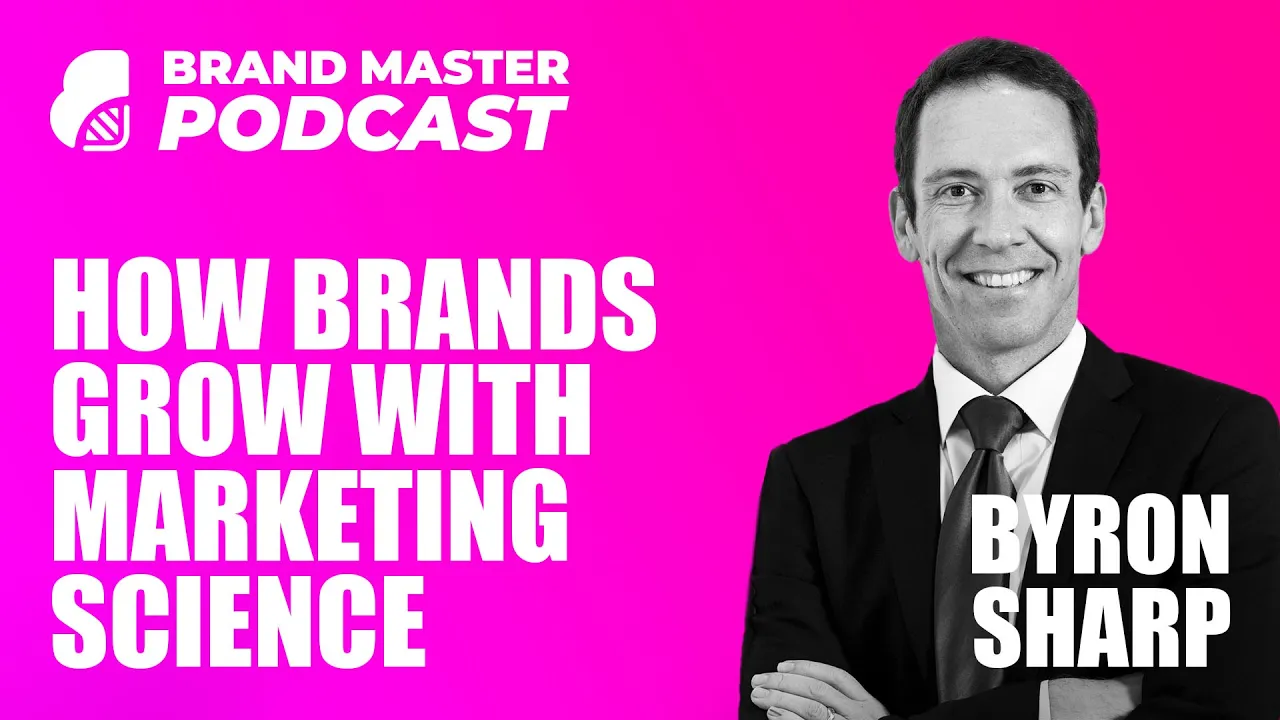
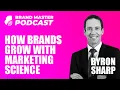
what's up brand Builder Steven huran here on the brand Master podcast and in this episode I'm speaking with Professor Byron sharp about how Brands grow and what marketers don't know now Professor Byron sharp is the director of the arenburg bass Institute for marketing science in South Australia and is renowned for his work on evidence-based marketing his book how Brands grow has made a significant contribution to the field of marketing with both academics and practitioners and in our chat today we dive into the importance of physical and mental availability to raise brand awareness the role of
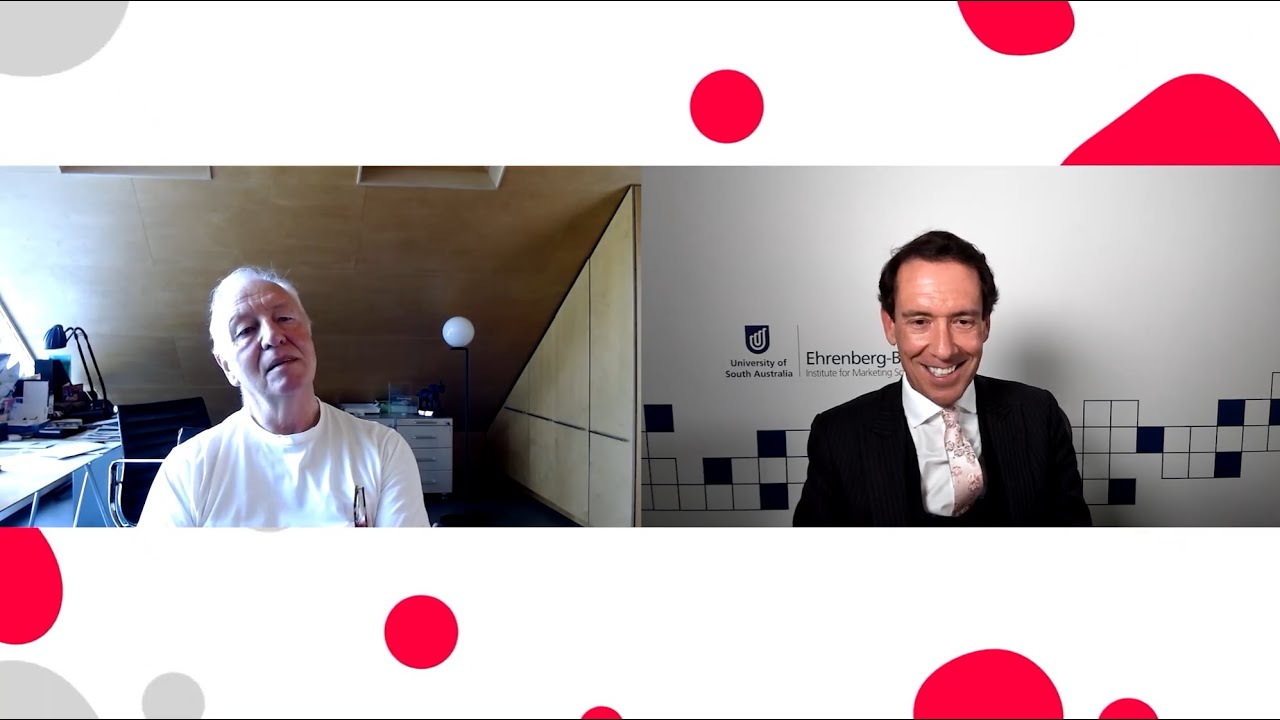
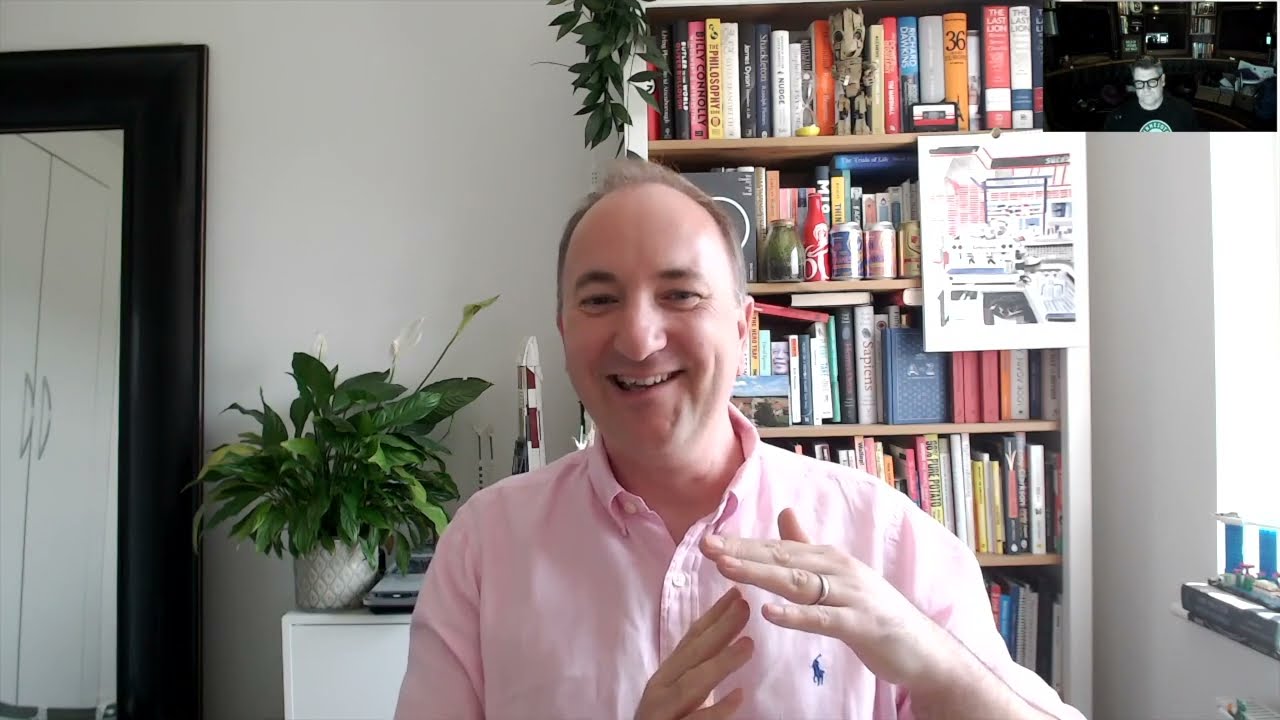
the Primitive brain in decision-making and how smaller Brands can compete in busy markets so if you want to learn from an influential marketing Professor who follows the science and the evidence for how Brands grow then don't miss this episode of the brown Master podcast welcome to the brown Master podcast show specialize in helping branding professionals and entrepreneurs to build Brands using strategy psychology and creative thinking hello everyone and welcome to the brand Master podcast and I'm absolutely delighted to have on the show with me today Mr Byron sharp Byron thank you so much for taking
the time out of your day to join us from South Australia today it's a pleasure it's I'm at home in Adela this is this is not too hard for me yes yeah well look I I I there's a lot that I want to to to talk to you about uh I mean your books are uh you know they're so unique in in the field they go against the grain they've got uh you know the evidence to back them up um so it it I remember reading how Brands grow probably I don't know maybe six years
ago or so and um at the time I'm very much uh I I speak about branding I speak about brand strategy and I'm very much uh focused on helping businesses to find their Competitive Edge you know their unique difference their positioning strategy differentiation whatever you like to to to call it and I remember reading how Brands grow and and uh I I thought to myself well you know how are we going to compete uh with all of these so I want to I want to dive into all of that through the lens specifically of small
businesses um but before we kind of get there can you give us a a a bit of a background as to how you ended up in such a unique field science based marketing how did you end up there um I think probably the [Music] pivotal long time ago for for a while for a short while I was uh the marketing manager for the University's commercialization company okay and so I had to find you know you you you start off and you think right right okay well where's our Revenue coming from you know which products are
selling things and it it it wasn't the business goal it was it was chemical technology satellite signal processing agricultural Machinery testing stuff you know so I went I went and saw all these people and uh that was quite a learning exercise for me because I okay so you the world out there needs knowledge there's lots of things people don't know and you do research and people pay you for that right we don't do that in the business school right okay well maybe we should so and so that's the start of what eventually turned into the
arur bass Institute which is um you know by business school stands is amazing I mean it's by business school stands it's huge as far as you know numbers of researchers and and corporate sponsorship from all around the world um but I suppose you you still call it fairly small small business yeah I'm a B2B small business owner sort of thing yeah your uh your work has uh you know because there there are so many different schools of thought when it comes to marketing so many vertical so many disciplines so many angles that people are coming
from even when you just talk about professionals before you even get into uh you know smaller individual solar preneurs Etc um and oh yeah the problem is that you know we all live in the world the real world where marketing is and and so people I look no it's no different it's no different from any other discipline humans just have this amazing ability to theorize something the story feels right remember every single culture for hundreds of thousands of years you know would explain things like you know why is this uh his AB original story of
uh the Murray river is uh supposed to have been a it was a giant Cod and it flapped its as it you know flapped along and that creates the bins in the river this you know they're wonderful stories and we love them and and they you know and we accept them of course it was only a few hundred years ago that we started developing an alternative way of finding out about the world and wow that really worked I mean but but it's mind-blowing right I mean science is just constantly comes up with weird findings that
that basically tell us you know those those thousands of stories you had there wrong yeah and and you know it it challenges convention and it uh you know people get uncomfortable I suppose because they're uh they feel safety in what they know and when that's pulled out from underneath them uh you know they kind of uh they lose their bearings and we there's a lot of story of a you know because Darwin was part of quite a religious family and things and there's um the wife of a pastor and she said oh gosh I hope
Mr dar's not correct and if he is I hope he doesn't tell too many people well that's it you know it's it's and and you know new evidence is coming up all the time and like we can we could have a completely different conversation about Evolution and trajectory and you know what's changed in the past uh really really since the the the availability of the internet now with AI and everything that's coming down the pipeline there um but to to kind of bring it back down and get more down into the nitty-gritty of the the
the marketing side of things um as I said before you know the the the idea of mass marketing um and and uh evidence-based based marketing when small business owners look at that uh it can be very overwhelming you know do I compete on that level when we talk about specifically mental availability uh how can startups you know kind of get their brand to to front and center and and then keep their brand top of mind with consumers in their target market specifically around mental availability well you've got to you've got to you've got to cut
through and [Music] um you know I think so many the great Brands were built on um you know doing something creative and inventive that that the world noticed you know you've got to you've got to have a good product you got to have talent but boy you've got to think of ways of reaching people and you got to work hard at it yeah yeah it it ain't easy it's Taylor Swift you know we forget she's very talented yeah but she's been doing this for a long time and she works really really really hard she doesn't
need to do well to her really she doesn't need to do this she earns enough money from her albums and would probably be better doing that but she knows she knows she has to do this you have to work hard and you've got to yeah you got to go out and meet your customers yes yeah it's their business got other things to do yep yeah that's it and and uh you know when you when you think about mental availability and you think about all the channels that we have today uh it's really about uh understanding
what's the most viable Channel that I can uh that I can that I can tap into yeah yeah for me which might be any you know who knows it might be you know direct selling TV you know those those sort of things it might be as simple as um putting brochures in people's letter boxes uh you know I every bass she say it's B2B because we we sld you corporations support our research um and now you know I do the plug for how Brands grow for executives you know individual executives can can can come and
learn from us but we've got to tell people about that so uh you know you see our researchers you know they they're not just sitting back in the lab they they you know they're out in the field but you also pretty much see you know hopefully fairly interesting post on on LinkedIn from almost every day from iro bass people yeah yeah and that's uh exactly the same if you're running a coffee shop or you know new startup for I don't know some new I was just reading one about one actually in adelay they built this
LED light that doesn't is very good for sports stadiums and things because it it doesn't emit so much blue light so it it's it's much more friendly to insects and and birds and stuff like that cool product yeah but 99.99% of the customers in the world have not heard of them yet that's it that's it so Innovation is the first thing coming up with something new but then getting the word out there uh it's it's you know that requires just as much creativity as The Innovation um you know Finding Channel probably being lucky I suppose
part of it but you know that that contract that uh Bill Gates signed with IBM that he would provide the was of dis operating system for them that that worked out as a good Channel yeah that wasn't too bad was it it worked out in the end that one um well you you talk you talk about the the the the difference were the focus I suppose on attracting new customers versus retaining current customers obviously it's it's you know one of the hardest things in business and in branding is is to acquire new customers to to
create the channels to create the funnels to bring people in I mean when you think about the stages that they have to go through to get to the point where they're even considering your brand then to pull the trigger and go through the other side and actually become a customer can you can you can you talk to me about uh the balance of investment for businesses when it comes to putting their their their efforts into attracting new customers versus putting their efforts into keeping new customers and what should the balance be there if we talk
about you know well the but the good news is you don't really have to worry about the balance right I mean this is this is what the science is that really you have to worry about increasing mental physical availability and reaching all people who could potentially buy from you and if you do that you'll get your acquisition and and your loyalty right um one of the great I think positive things is uh we see loyalty everywhere right it's sort of natural you'll get your level of a loyalty that you deserve if you get really big
and you have lots of mental and physical availability you get a little bit more loyalty because it's it's sort of a little bit harder for people to not buy you but you know so don't worry about that you'll get that will you get and win customers well that's going to decide whether you survive or die so that's that's wonderful Clarity we must if you can't write a plan that says we're going to grow without winning more customers I've heard some very o well well paid overly paid Executives say dumb things like we don't need any
more customers we'll just sell more to our existing and it's like okay well that sounds possible it does sound possible but unfortunately you know this is the weird thing science comes up with weird discoveries we've made this weird Discovery and no that does not happen yeah I mean uh you know every every every Booker uh emits some water and if you're not bringing on new customers you know over time you're going to see a dwindling there um yeah there a general article we wrote once called you even growing Brands lose customers that's it I mean
you know it's it's it's when you when you're talking about so many when you're talking about humans you know and how we're all different how we all change how our needs change not just from we even die yeah that's it that's it you know uh it's brands are this this and and this is this is very much my philosophy brands are living breathing entities you know you you you can't be stagnant you can't be standing still you have to be moving forward all the time and with that in mind I I I also believe that
because we're dealing with humans we're we're trying to acquire humans we're trying to you know appeal to humans emotions fears desires I really feel that that that brands do represent businesses as this kind of inanimate human entity what are your thoughts on that do you because you know when we talk about loyalty when we talk about you know I I don't okay we've just you and I have a a slight difference and that that's that's it and and because not just not just an opinion but you won't hear me do a little speech like that
that uses words like I believe I feel stuff I know the stuff I don't know I can point you to well the evidence suggests X but you know like who gives there's seven billion people on this planet who cares what I feel or believe you know that that's for religion so you want you want to know what the evidence is yes the evidence is the evidence is that people do not see Brands as people um and uh the evidence on this is quite interesting I mean it runs even from into Neuroscience stuff that just clearly
shows people do not process Brads and blue they do not process them in the way that our brain looks at like the parts of the brain that fire up when we see a brand are totally different than when we see a person right we absolutely can tell the difference between animate objects and inanimate objects and people are very special brands are not actually this is and it shows in people's behavior brands are not special to people they don't really care so so so so let me ask you Byron is there a brand in your life
that you use no see that's a see that's a it's a okay that's a misleading question because out of the thousands of brands that I use I might have some that is a favorite right it might have been I don't know the brand that my grandfather used or something okay but that's quite different if you look at it from the Brand's perspective you go right so we've got a million customers how many of them are like that and think we're special we go oh there's seven of them great so there's seven who love us seven
who have a special feeling of warmth and linked to their family coat of arms or whatever but you know it's basically there's 99.99% of people who don't have that so so even even if someone has let's say uh an affinity or an attraction towards a brand let's say let's say let's say there's a sentimentality okay there's a sentimentality there's a loyalty can you see the the you won't get many of these people and they will not give you lots of growth okay okay that's interesting Don gski just I use I mentioned in my book but
I think a thing came out he's just passed another Milestone of how many tens of thousands of Big Macs he's eaten right he is a McDonald's absolute like you know Super Fan um but the typical McDonald the most common McDonald's customer is someone who buys them like once a year yep there's hundred of millions of those people and only one gski on this planet yeah oh and by the way he is a bit um W say mad but he's obsessive compulsive he has yeah look um you know when when when you you break it down
into the numbers and we we we talk about uh the evidence uh behind it it paints a different picture to as you say the stories uh that we're used to to to hearing when we when physical evidence you know uh sorry not physical evidence physical availability is is also something uh that you that you talk a lot about um in your book and it's a it's a defining principle of of the book in this about being easy to buy or you know people won't go people will not Shuffle their lives around um you have to
be easy to buy I'm just thinking it's probably a little clue to this years ago when you like anyone who studied TV in the old days when uh you know when TV was linear even super big popular rated programs more than half of Their audience like are watching this week would not be there next week you know they'd still have the same sort of rating because a whole lot of people who weren't there last week would now be there you're like what I mean so I mean we know people are L to TV programs right
so people would say you know um you know I'm like thinking when I was a kid you know great we go yeah I watch mesh yeah you know and so does almost you know all the population yeah yeah but they don't watch every episode why not it's so because people have got lives they are not going to you know like if they're going out to sport that night or they're going out to sport you know they just they don't so it just shows you know because that was a problem with t it wasn't it wasn't
super easy to buy You' think what what do you mean it was free it's like yeah but I have to watch it at that only comes on one once a week at that time that's not super easy right and so people would go you know do do watch that oh yeah yeah I watch it all the time did you watch yesterday oh no not not yesterday what mean you watch it every time well I say I watch it all the time I mean I watch it all the time that it's on at the time that
I'm home and [Laughter] it's and so gez being easy to buy is incredibly important for us PE people as I say people don't really care that much about Brands they go into the store and your brand isn't there they buy another one 70% of the time it works every time yeah if the que to the coffee shop thing is you know like too long you know they they you know I do this you just yeah you just move on maybe I'll go somewhere else yeah that's it you know McDonald's recently has been really I mean
McDonald has always focused on speed and you know L are pushing people towards using the app ordering beforehand you know their loyalty program is really a thing in Disguise to just basically get people through faster so so when when it comes to uh when it comes to to loyalty how much of that would you put down to Habit so obviously as as as humans were creatures of habit we develop our habits how how much of loyalty would you say is more habit based than loyalty based so so your your example of the coffee shop for
example there's there's I think I think what I think you're asking is how much is it due to well that's easy for me versus I super super super love it is that you well no like you're the the question popped up because of your example of the the coffee shop so yeah there's there's a coffee shop there's a there's a there's a line there's a queue I like this this coffee shop I go to to this coffee shop um but I don't like the queue and I decide to probably and is there any person on
the planet who goes to only one coffee shop well look you know the the for me specifically and that's that's why why this came up you develop these habits and uh you know you like what you like um yes there is another coffee shop is the coffee in this shop that much better or have I developed a habit and and a a a psychological need for this particular coffee so if you gave me those two coffees from this coffee shop and a coffee shop down the road I can't taste the difference but I've developed a
habit is that loyalty is that habit well I don't you know this stist don't get too fussed about words um but we can see this Behavior we see this loyalty type behavior that people are um it's what we call polygamous loyal but they'll tend to go to multiple coffee shops but they don't go to that many [Music] we we always restrict our repertoire so you know this this dozens and dozens of coffee shops that we could go to but we keep going back to sort of two or three and so that's that's a that is
real loyalty right I mean they could be buying so much more but they don't um but it's not super exclusive loyalty yeah you know like okay there's a bit of a queue there let's go to the other one across the road you could be dropped you could be dropped relatively easily is what you're saying yeah but it's but it's not total dropping right it's like we've known one for ages but we see it that people have you know repertoire and it's like oh my God you were drinking Coke yesterday now you're drink drinking Pepsi it's
like yeah well sometimes I drink Pepsi it's not like I've switched from Coke I'll drink Coke again and I'll drink Pepsi again that is very normal behavior but but the really interesting thing is that people really do restrict their repertoire so I I I often ask people to do a like a little thought experiment like pretend you're looking at a supermarket shelf of uh I don't know cream yogurt no yogurt yogurt's going there's lots of Brands right so just just a shelf 10 by 10 100 brands looking at you how many of those do you
see crystal clear in your mind's eye one two three maybe yeah and if you're a heavy yogurt category buyer you might see six or seven but no one sees the 100 because yeah because there are just some Brands you just keep going back to right and we see this when we look at your behavior and a longitudinal thing you keep repeat buying you you it's like yeah I you're quite loyal yeah and see this fundamental thing we see this everywhere so so when it comes to to to visual identity because we talk about physical availability
and and just to use your your example of a 100 brands how impactful or influential is uh you know a unique visual identity in that context you know we we we there are 100 brands it's you you can't get loyalty unless people um you allow people to see you if uh if you're that blurry brand well you know uh and this is what kills a lot of really small Brands they put their money into physical availability you know which may be you know maybe digital right you know maybe like you know buying Google search or
something like this but they're doing something that is just catching people who are about to buy the category right and it gives you some sales but the danger is um you haven't gotten to their heads and so they don't buy again because they don't real have you ever ever I mean uh you know been like a big London train station you see people giving out stuff right have you ever like you know like pamplets pamphlets or something no no no freebies you know like yeah yes try try this new orange juice whatever Martin Martin place
in Sydney that that was where you you you just walk past every day you'd have free stuff yeah the the terrible you know so people think the marketer thinks you know they'll try it they'll like it and I'll you know add this to the repiar but the real danger is that the only memory structure it builds is oh yeah free orange juice I got a free orange juice in Martin Place yeah you're like did you like the orange juice yeah I like the orange juice and what was the brand it was orange juice from Martin
place so next time you're in the supermarket would you know what it looks like n well then it's very hard for you to go and repeat byy it so so how do you CL how do you close that guy right so so so so let's let's let's say let's throw out the idea of the freebie uh you know let's let's go back to the 100 yogurts on the Shelf you're a new yogurt brand you've got a a a a very unique brand identity that stands out completely from everybody else and the consumer the consumer sees
it and and decides all right it looks good let's try it how do you close that Gap that well that that is that I mean I'm not saying that doesn't happen but that that's actually not not a uh the the brands that we see are the ones that are already in our brain so how did they get there ah well this I mean this is why brands use things like advertising and publicity you have to do stuff outside the store right you have to do something so you know and when I say the store it
can be you know a computer screen or whatever but we see what we know and you've got to get that I I I often tell a story years ago I went to visit craft who on the outskirts of uh Chicago so you know landed at the airport car drive to the officers and when I got there I went there's a lot of McDonald's in uh there's a lot of McDonald's in America which of course there are but then there are a lot of McDonald's in Australia I think but then what I realized is because a
McDonald's in Chicago looks exactly like a McDonald's in Adelaide right I know I could I saw McDonald and then I saw lots of other stores and you'd say what were they buying I don't know I don't know what they were were they did you see other brands yeah I saw other brands and what but I don't I don't know can yeah I didn't see in a fact you sort of don't see them right so the idea that we do some amazing packaging that stands out and sells for us nah it doesn't really I mean it
might it sometimes well look it's it's it's not going to uh you know to make you a household brand overnight but you have to start somewhere right certainly it's going to help yeah yeah sure yeah uh when we talk about physical availability I I hope it would help I I I suddenly come to mind a whole lot of brands that failed because they they really looked different on shelf yeah look you know the the the examples of brands that have failed are far greater than the ones that have succeeded you know for every hundred brands
that that fail you might get one brand that that makes it you probably correct my my statistics there with something completely different but you get you get the picture but we have to start somewhere as brand builders and you got to do something you've got to get you've got to get into people's heads and and sometimes it's it's not um sometimes it's quite simple like Toyota is an extremely successful car brand um they're a pretty boring brand really let's be honest MH yeah but do you remember in Australia for a long time there are a
very consistent campaign Toyota Oh What a Feeling and people at the end of the head yeah very consistent very Toyota no one else did that yeah I mean not exactly you know could say it's a bit n and things whatever but it got into people's heads another thing they did that was utterly brilliant on the back of their pickup trucks you see a Toyota pickup truck it has big bold letters Toyota to yeah they built a billboard on every single truck they sold w wow there other some are just so stupid they put a tiny
tiny tiny little skewer logo thing and I'm pretty sure if you test for okay Mercedes one we all know right but lots of the others um I think Mitsubishi has stars that no that's Subaru that's Subaru right see like you know this is whereas the Toyota yeah it's unmistakable you did not miss that so it's it's thinking creative things like this but um you know the important thing is realizing you've got to do that when people go to buy a car right so here's some lovely scientific evidence the average number of Brands they look at
is two two there's like about 70 brands in most developed markets but people look at it about I mean there's a few people so so so so why why is that now when you say that the to me and you you will argue with me here to me that's a personality thing okay so if people I believe which you don't like people self-identify with particular uh Brands and the way they present themselves so for example Jeep you know it's a very rugged Outdoors brand and as someone who loves rugged Outdoors I'd love love to agree
with you but unfortunately this research was done decades ago and was a big surprise to everyone so so just just researchers went out looking for personality traits pered Personalities in cars and perceive and then personality tests on people and assum and we're sure that there would be a correlation and came back with h really it's well look I I can actually see evidence in that because have you ever have you ever seen like the most uh you know ordinary car like let's say a Toyota Camry or something like that and you see like a Rasta
guy in it like with dreadlocks and stuff like that and it's you just have to laugh because their personality is there but their circumstances have put it's amazing how conservative actually people are yeah yeah so so so look you know I remember saying this like you know your typical marketing lecture says you know cars are important big symbolic you know purchases of people their personality signal to others and then you look well you look on the road there gray is the most popular color yeah you know the biggest in Australia white for some reason I
don't know why white in Australia but um bigs of Toyota and Volkswagen and you're all right yeah so why why then why when we go to buy a car and there are 50 brands that we could choose from do we too because so this seems to be a fundamental thing of consumers buyers it's true of industrial buyers as well um we've got other things to do and we so we try to be efficient right I mean we do this we have genetic programming that says don't waste time and effort you know be you know because
you only like we' built You' only got one life and there are all sorts of other things you could be doing like you know eating and maing and you know important things passing your jeans on that's what we built for uh so we you know we we narrow the list very quickly to some that we think are are going to be pretty good and then then if you really grabbed us and said but there could be a better car be like yeah I absolutely I could have made a better purchase if I put a lot
of work into it yeah so why didn't you cuz I got a life and I made a purchase that probably got me 90% of the way there yeah yeah it it so the the the idea there of us having other things to do we're human beings we're trying to stay alive you know that primitive Reptilian Brain how much of that do you think is at play in our purchasing decisions oh huge I think it's it's a because we see because we see this loyalty you know we see the we see loyalty in every single Market
we look at right it's polygamous loyalty it's it's not the fall in love sort of loyalty but we do see loyalty restricting of repertoire not looking around you know I love I love using the example of like you go out to lunch with someone from marketing you know executive for a bank and they pull out their credit card to pay for lunch and you go and that's another bank oh yeah well you know I had this before I came here and then they like seriously you haven't got around to like helling a credit card from
a competitor oh well yeah we've got lives so we we're a bit okay so I suppose you could say you said habit but you could say loyalty is partly a bit of I was going to say laziness but it's it's all sort of lazy it's sort of efficiency too right if you're choosing between particularly nowadays you're choosing between most we talk about cars modern cars are they're very good they come with like you know six eighty year warranties now uh you can't really go terribly wrong yeah you can spend a little bit more than you
should have you know might but it's hard to go Char so so and we realize this and we also realize I wouldn't know how to evaluate like when I'm really getting down to choosing between seven or nine you know I I wouldn't I wouldn't even know how to do it so so so so just going back to the to the car let's talk about the restas man in the car you know the Toyota Camry he's buying a new car okay yeah car it's exciting it's a new car now he he he he listens to Bob
Marley you know he might smoke a doie on the weekend and he's going to buy a new car so like what what comes into play there there are 50 car brands yeah but but but only a few will pop into his head right why why those why those and well Toyota is a big car brand here in Australia it has lots of dealerships yeah Toyota is it's quite small in the UK isn't it yeah doesn't have many dealers I don't know I'm not in the UK I know I'm in France I know there's a lot
of so in France you have you have citon pers in which are really small Brands over here and it's not that they it's not that they're you know bad cars or anything it's just they have way less mental and physical availability here yes went to Australian consumer did you think of Renault they'd be like uh no why not do you think they B paid cars no I think yeah they're pretty popular in Europe aren't they yeah but why didn't you consider them I don't know I don't know where Rena dealer is I wouldn't even I
didn't even think of them well when I when I when I consider car purchases in Australia I I I have the car now it's a it's it's a pujo it's it's it's nothing nothing flashy but I remember seeing it in Australia and thinking that's a nice looking car but then knowing it's French brand and knowing the import the cost and the cost of parts and stuff like that so so going back to but it did but it did get into your head and so when you were in France you you the chance you can buy
f is substantially up yeah yeah yeah but the the physical and yeah it goes back to the physical availability I suppose I would have been more likely to buy a Toyota in Australia because it's physically available I'm more likely to buy a pujo in in France because it's physically available so shows up in their market shares that's it that's it so Ju Just to kind of bring it quickly back down to to to Earth and and give the smaller because look when when we as small businesses read Byron Sharp's work we're like how do we
compete you know how do we compete with Toyota how do we compete with cocacola you know how do we compete with all of these things you and and there's the idea of non-targeted marketing Mass marketing you know we don't have endless budgets you know let's say you're you're it does true but Mass marketing is more accessible to Coca-Cola than it is to uh you know your your your it is but they've got to sell a lot of bottles tomorrow sell a lot more bottles than you have to sell tomorrow so their sales targets are are
daunting so it isn't really that different I mean the the key thing is to if you're really small C options will get knocked out for you right so you go oh right TV is a fantastic Mass reach vehicle but to you know like I that's fine if I am a Coca-Cola that's already in every single you know supermarket and things I can I'm I'm physically available to pretty much everyone who watches TV so hey I'll put some money on TV it's great cheap way to reach lots of people but if you're a t if you're
like oh but I've only got distribution in surf shops in up in New South Wales then it's well then you you're not going to be using TV then are you no I have to find some way to reach people who are who find it convenient to go to surf shops in New South Wales and so you tailor your thing for that but it's the same it's the same principle every day as a small brand you should be thinking or a Big Brand how do I reach more people how do I make it easier for more
people who can buy my brand you know like it's it's something that you know they buy this category you know they they would buy me it's okay but I how do I make it easy for them to do that I love the way with with all the complexity of the scientific research the answers to the questions are like you know just they're so simplistic you know because you know at the end of the day we're we're trying to get in front of people where do they go how often it's not you could say it's simple
but it's not um well yeah utonium physics is simple but it certainly opens your opens your mind up to wow I can think of a thousand other ways it could have been ah but it's not okay wow that's a yeah okay and then and then creatively doing that is I think it was Andrew irber who said yeah you know the Newton's laws of physics don't don't tell Boeing engineers how to make the next plane I mean you can't make a plane without knowing them but it's going to require lots of creativity lots of testing lots
of you know it's going to require lots of different things and it's going to be different if you're building Rockets than if you're building planes or if you're firing you it's different things so that's where the creativity comes in but it but the science really helps us understand like right of this we were all into I'm sure I can cross- sell enormous amounts to my existing customers and I can get people to fall in love and you know if they buy the category eight times a year they'll give they'll they can buy me eight times
a year and you know all these things that sounded possible but turn out to be ma H yeah this huge emphasis uh in marking Communications are persuading people telling them I've got to convince them that my brand is bestas it's like no that's be nice but they'll find out what you like after they've tried you but you got to find a way to get them to try you yeah yeah but look to be honest I could sit here all day with you and just go back and forth um uh you know because the you you
got some very very interesting ideas they're they go against the grain like I I I read Marty numar Seth Goden uh you know I I I know these people ideas from have ever done any research or looked at any serious yeah and and and and that's it like you come at it from a science point of view and and and uh and I love that I I like taking um you know different pieces from from from everybody but yeah look at the end of the day and I and I sort of suggest those people have
probably never changed their minds in their life they've never come across actually substantial evidence and gone far out that's weird that really doesn't fit with my world viiew which is if you you ask anyone near best shoot they'll go oh yeah we see that you see stuff and you're just like that's really that's okay and you then have to work out well why okay why is the world like that seriously when people go to buy a new Financial Services product like really expensive thing like a mortgage or something they only look at about two Brands
really okay well that's what they do so you better get you better get used to it because that's what they do now you you've um because hell Brand's grow was what 20 how Brands grow and and your second edition of uh how Brands grow what year was that 16 201 we looked at luxury goods and um developing markets we looked at a lot of you know does this apply in and now you you've you've uh you've got hell Brands grow for executives how does this bring it kind of does this make it more accessible more
um uh tell me tell me what we do yeah yes yes so particularly for small businesses and people is this physically and mentally available now yeah yeah well availability is probably very low I doubt many people know that we're offering this now but well we're changing that now hey yes you're helping thank you thank you very much um but uh yeah it's the first time in an individual someone who goes well you know my organization can't sponsorship or you but uh oh but I can buy I can go along and and then I can sort
of try before the place so yeah I suppose it does increase but it's very much for people who is you know it's an advance it's pretty Advanced we' got some very senior people who've enroled in this so um it's people they' probably read how brain SC multiple times but they wanted but they want to come and talk to people like me and Jenny about the implementation and they want to they want to really understand it to the point where they can um where they can sort of teach it to you know other people in their
organizations or answer questions when people but but but you know wait on what does that mean for our sponsorship so wa on how should we be evaluating our sponsorship then you know or something you know or you know like we we sponsor sports events is that gets us you know how would we compare that to I don't know the money we're spending on influences or whatever and and to have that deep understanding that you can that you can make calls on that sort of stuff now you're I believe you're you're doing a tour with the
book are you where where can are you H go H gr for executives is in Singapore in six weeks time and in bordo France you'll be very pleased to hear in June I think okay and Boston and the states later in the year okay so so where can where can people go to find out more uh if they look me up on LinkedIn or look or just type okay we'll we'll drop we're pretty hard to find we're pretty easy to find if you want to physically Australia that's it that's it well look it's it's byon
it has been an an absolute pleasure and it's it's been a different conversation to the to to every other what you're no not from what I'm I I was 100% expecting this based on on on your books um but the the the uh the conversations they they they go the the conversation the questions they go in different directions on one hand it's you know heavy science-based evidence on another hand it's just simple logic and you know the the kind of dance between the two is uh was super interesting so thank you so much for taking
the time uh to to join us um if you do have uh something coming up that you want to chat about in the future I'd be more than happy to have you on the show again um as I said I could repeat Loy that's that's it mental and physical availability and uh you know know where I am now that's it that's it so uh so yeah as I said as I said uh thank you so much for taking the time to to to join us and I hope to speak to you again soon okay thank
you want to take a second to show some appreciation I appreciate every single one of our listeners but I have a soft spot for listeners who share the love a shout out to Hershey Kiss from the United States Dynamite content to build Powerhouse Brands I love the depth of insight and Industry leading perspective Steven shares on this podcast I really appreciate your review Hershey Kiss if you want to share the love and possibly get a share out on the podcast please take a couple of minutes to leave a review on your favorite platform we really
hope you enjoyed today's episode thanks so much for listening if you want to learn more brand strategy techniques to level up your skills make sure you check check out brandmaster academy.com there's plenty of free resources and premium content for you to download and get you going if you'd like to join our Facebook group full of like-minded brand strategist all learning from each other then find us by searching for the brand strategy Community where you can find exclusive content for members as well if you enjoy this content please be sure to give us an honest review
on iTunes Stitcher or wherever you listened and make sure you tune in for the next episode of the brown Master podcast