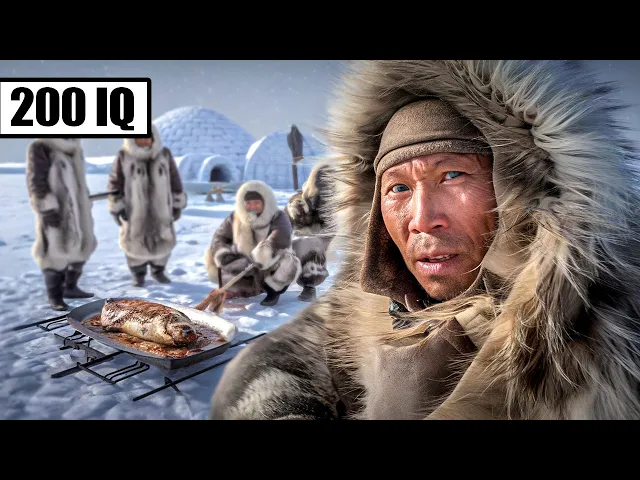
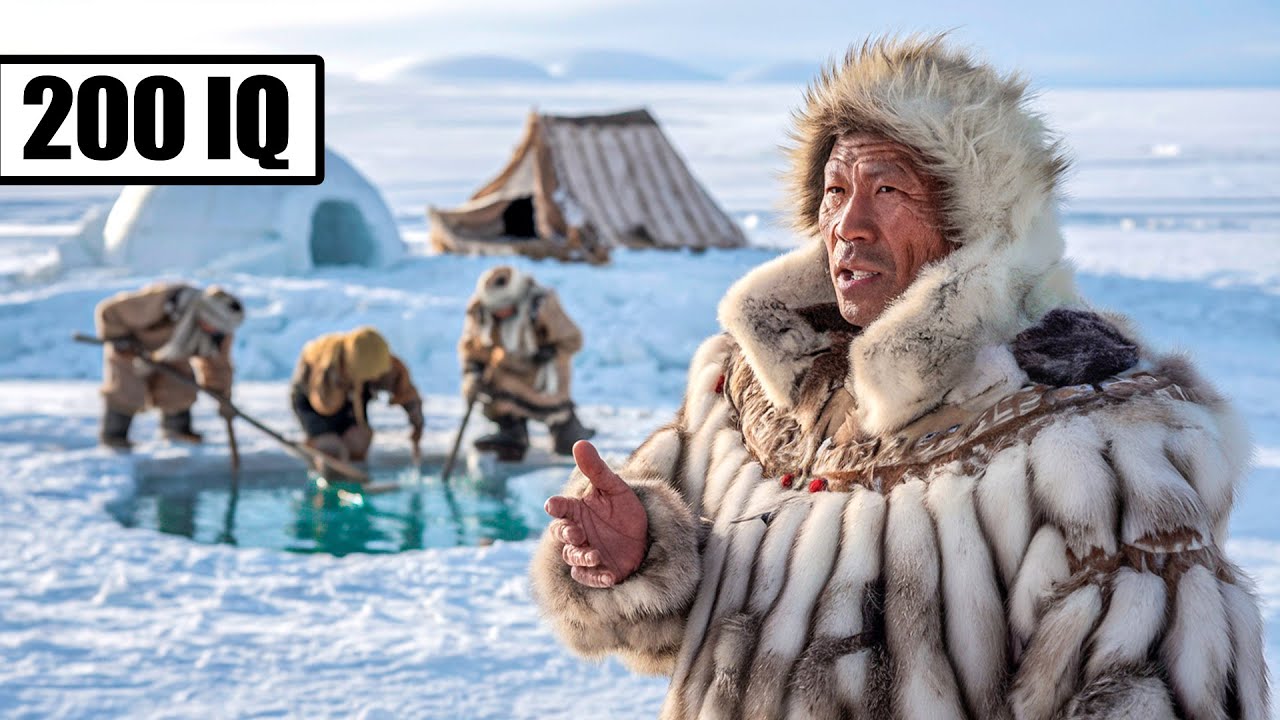
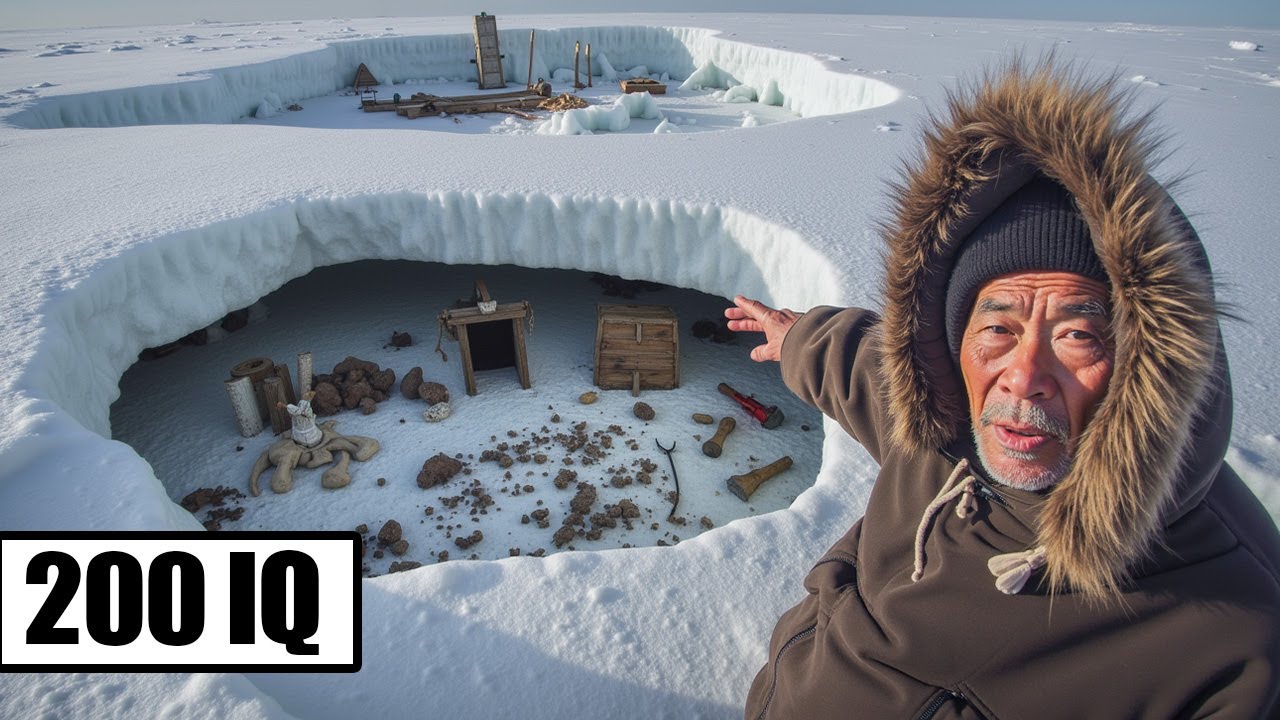
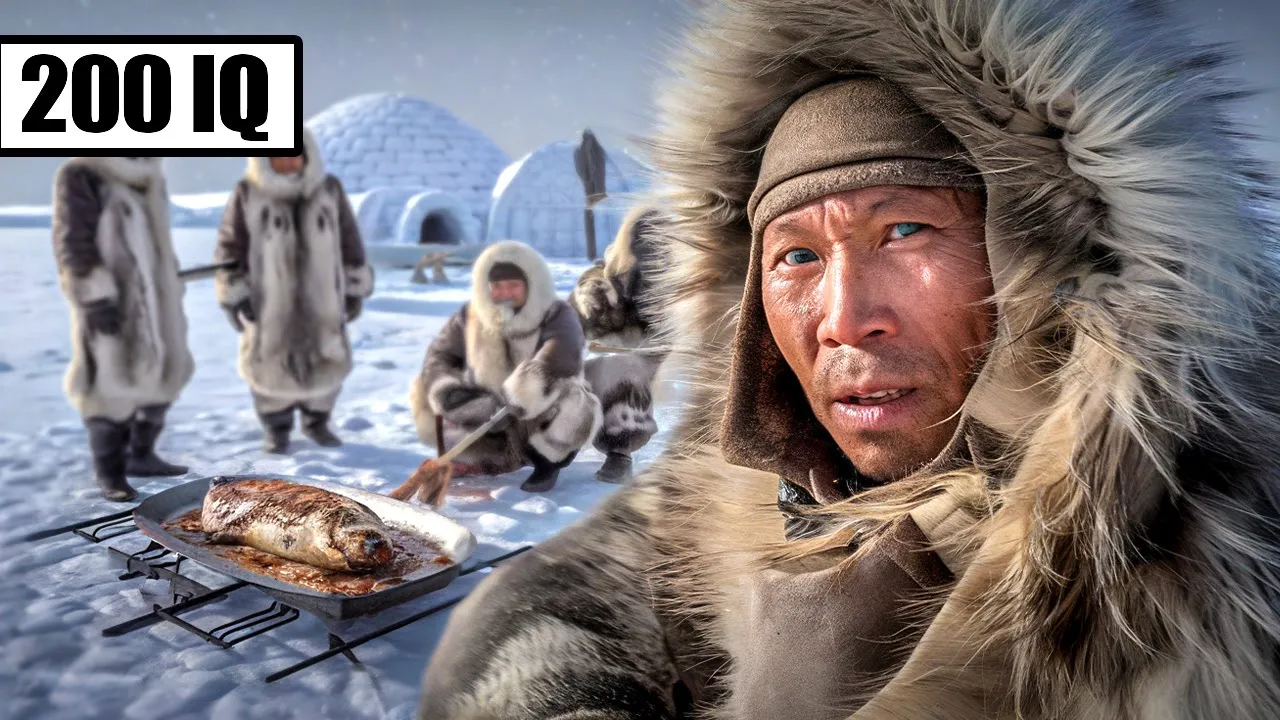
when winter took over the Arctic traditional Inuit faced extreme challenges with only a few hours of daylight and temperatures dropping to- 84° fah survival required extraordinary skill While most of us can't imagine functioning in such extremes the Inuit not only survived but mastered these conditions through ingenious hunting technique s fish proved to be a Lifeline during the harsh Arctic Winters and the Inuit mastered the art of ice fishing with remarkable Precision they did didn't just randomly drill holes in the ice their success relied on an intimate understanding of underwater lake and river geography carefully selecting
spots where fish naturally congregated near underwater shelves and deep pools before the modern ice or came along the Inuit used a fascinating tool called a toque a massive ice chisel that could punch through ice up to 6 fet thick but here's the clever part they didn't waste energy making huge holes instead they created openings just large enough to pull a fish through typically about 8 10 in wide this smart approach saved precious energy and kept the hole from freezing over too quickly what's particularly interesting is that fish remain quite active even in near freezing Waters
while we might assume everything slows to a standstill in Winter fish actually maintain about 80% of their normal activity level the Inuit understood this and used it to their advantage knowing the best times to fish based on tidal movements and Moon faas lases their ice fishing technique was incredibly efficient a single productive hole could yield enough fish to feed a family for a week Arctic char their primary catch provided around 1,000 calories per pound packed with essential omega-3 fatty acids and vitamin D crucial nutrients during the sunless winter months the tools they used were surprisingly
simple but effective a traditional Gorge hook carved from bone or Ivory was attached to a senu line when a fish swallowed the bait the hook would turn sideways in its throat securing the catch some Elders still joke that these traditional hooks worked better than modern metal ones at least these don't rust when you lose them in the ice the innuit would often fish in groups taking turns watching the holes While others stayed warm in nearby shelters a successful ice fishing spot became a closely guarded secret passed down through families like a precious inheritance after all
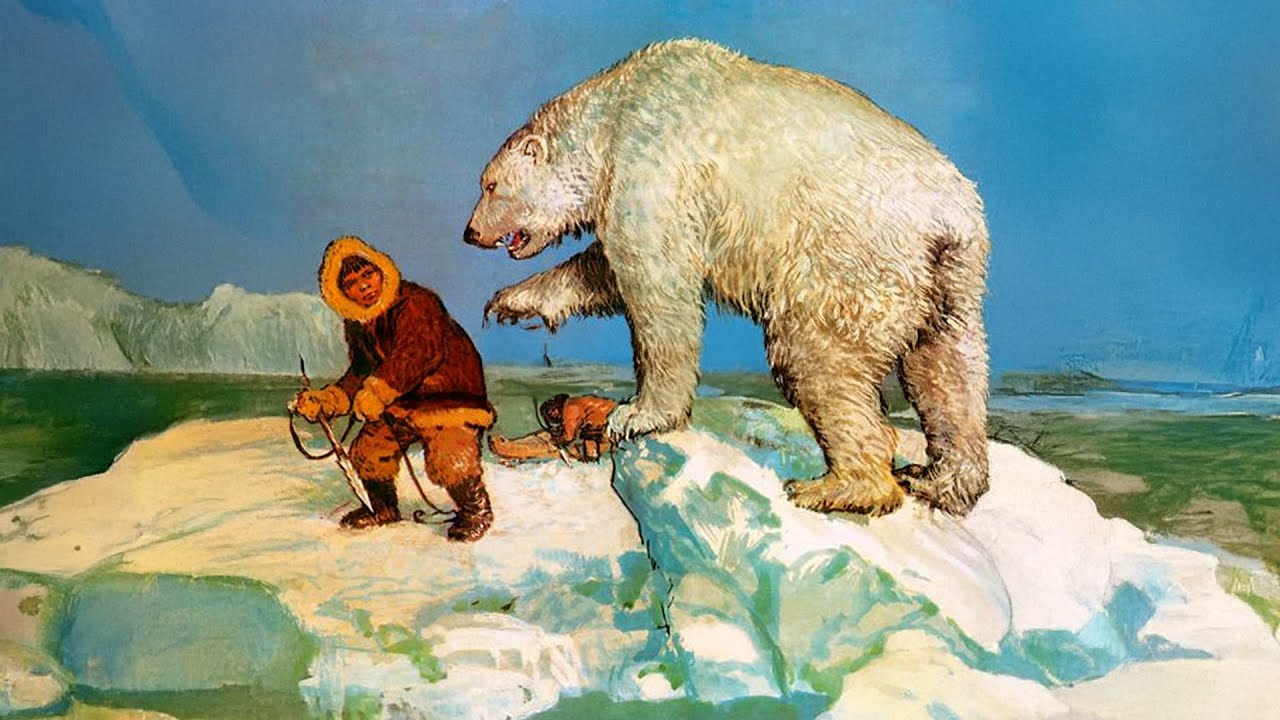
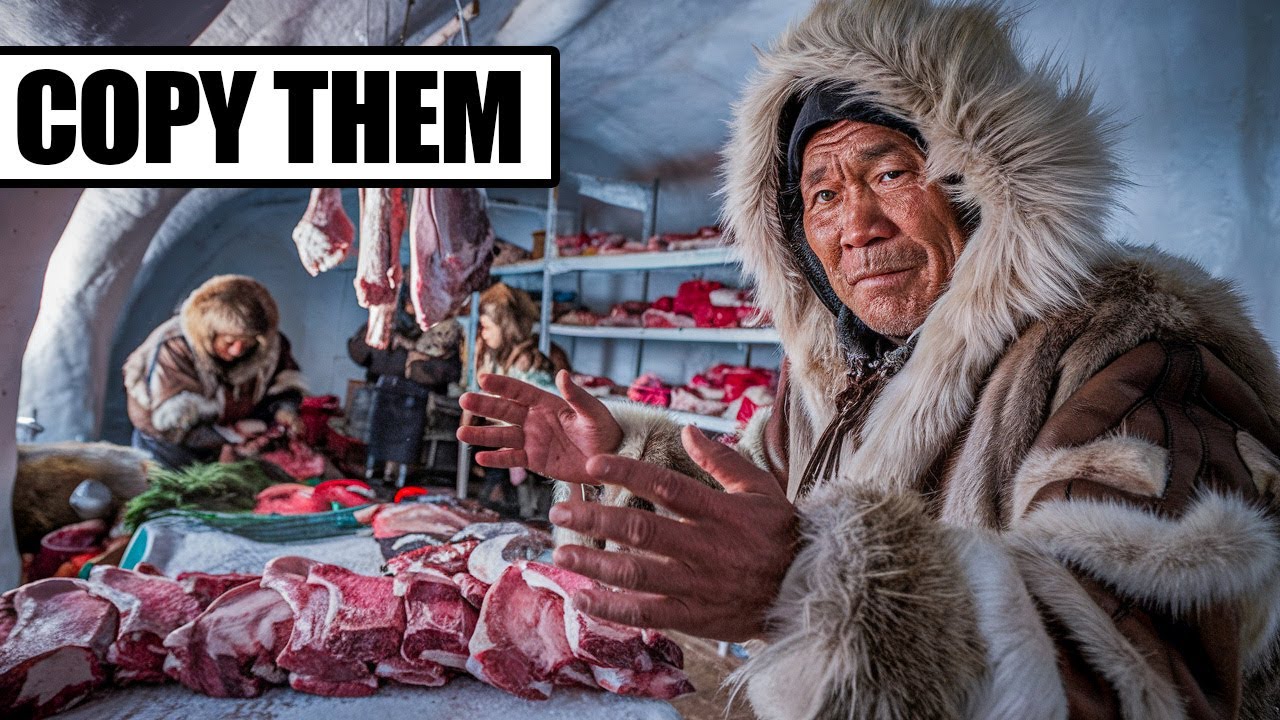
knowing where to find fish when temperatures hit minus 84° is the kind of knowledge worth protecting as crucial as hunting was during the Arctic winter the inu's ability to preserve their food was equally vital to their survival think of nature providing them with the world's largest freezer but this came with its own set of unique challenges while the frigid temperatures helped preserve meat they had to constantly guard their precious food stores from Hungry polar bears whose powerful sense of smell could detect food from miles away the innuit developed sophisticated preservation methods that went Far Beyond
Simple freezing one of their most remarkable techniques was the traditional preparation of iGun fermented walrus meat the process involved carefully burying walrus meat in seal skin bags under layers of stones and allowing it to ferment for months while this might not sound appetizing to Modern taste buds it provided essential nutrients during the darkest winter months when fresh food was scarce fish eggs collected during Autumn catches were another the winter staple these nutrient dense eggs were preserved through a careful drying process and provided crucial protein and omega-3 fatty acids they also gathered berries during warmer months
which were preserved through a combination of drying and natural freezing adding vital vitamins to their winter diet but perhaps most impressive was their meat drying expertise even in subzero temperatures they would cut meat into thin strips and use the dry Arctic air to create a form of jerky that could last for months this wasn't just about preventing spoilage the drying process concentrated the meats nutrients making it an incredibly efficient food source during winter Journeys the preservation process was a community effort with specific roles and responsibilities assigned to different family members knowledge of safe storage locations
away from predators but accessible during storms was passed down through generations One Elder once joked that they were the original inventors of the cold storage unit but theirs came with the added excitement of having to fend off off curious polar bears through these preservation techniques the Inuit transformed their Autumn harvests into a sustainable food supply that could sustain them through the harshest way months while preservation Techni hours provided a reliable food source the inu's true Winter survival Marvel came from their Mastery of hunting land animals Caribou in particular were a GameChanger one successful hunt could
yield up to 150 PBS of meat enough to feed a family for weeks but tracking these massive herds in the dark winter months required skills that would put modern GPS systems to shame the Inuit developed an uncanny ability to track Caribou by reading subtle signs in the snow from the age of hoofprints to the direction of broken lyen they knew that Caribou unlike other animals would dig through snow to reach the vegetation beneath leaving distinctive craters that could be spotted even in low light conditions but they didn't put all their survival eggs in one basket
Arctic box trapping became a crucial nighttime activity after all Darkness doesn't matter when your traps do the work while you sleep these crafty Hunters would set their fox traps along natural game Trails using chunks of Frozen seal meat as bait a skilled Trapper could maintain a line of 20 30 traps checking them every few days the success rate about one fox for every five traps not bad for a passive hunting method The Humble Tagan a chicken-sized Arctic bird also played a starring role in Winter survival Al these birds have a peculiar habit they burrow into
snow drifts at night for warmth leaving Telltale breathing holes the Inuit would spot these holes and use Nets or snares to catch the birds it might sound easy but try finding a white bird in a snowstorm when you can barely see your hand in front of your face their hunting tools were masterpieces of efficiency take the ktic sled designed to Glide over rough ice while carrying heavy loads of meat it could be quickly repaired with Matty her aisles at hand the art of seal hunting in Winter wasn't just about patience it was about becoming one
with the Frozen landscape seals were critical for survival providing not only meat rich in protein but also blubber that could be rendered into oil for heat and light when you consider that a single adult ring seal could provide up to 100 lb of meat and 50 lb of blubber you understand why Inuit Hunters would spend hours Waiting by a breathing hole speaking of breathing holes finding them was a skill that took years to Master Seals maintain multiple breathing holes throughout the winter each no bigger than a dinner plate the innuit would locate these holes by
carefully reading the subtle signs in the snow and ice a slightly raised area a barely visible crack or even the faintest swoosh of warm breath rising in the frigid air could give away a Seal's hidden Lifeline the waiting game at these holes was a test of endurance that would make modern marathon runners look like sprinters Hunters would stand motionless for 3 to 4 hours sometimes longer waiting for the distinctive sound of a seal coming up for air they'd place a thin piece of polar bear fur near the hole not for warmth but as an early
warning system when a seal approached its breath would make the fur tremble slightly alerting the hunter seconds before it surfaced their tools were ingeniously designed for this specialized hunt the traditional hunting Harpoon called a unar featured a detachable head connected to a line when the seal was struck the head would toggle under its skin while the shaft floated free preventing the precious catch from escaping under the ice as one Hunter put it missing isn't the worst part it's watching your Harpoon disappear down the hole that really hurts the nutritional payoff made all this effort worthwhile
seal meat provides about 1,200 calories per pound while the blubber packs a whopping 4,000 calories per pound these dense calories were essential for survival in temperatures where your body could burn through 6,000 calories a day just trying to stay warm the meat was also rich in iron and B vitamins while the liver contain more vitamin C than an orange crucial for preventing scurvy during The Long Winter months but perhaps most impressively nothing went to waste the skin became waterproof clothing the intestines were transformed into window material for igloos and even the flippers were preserved as
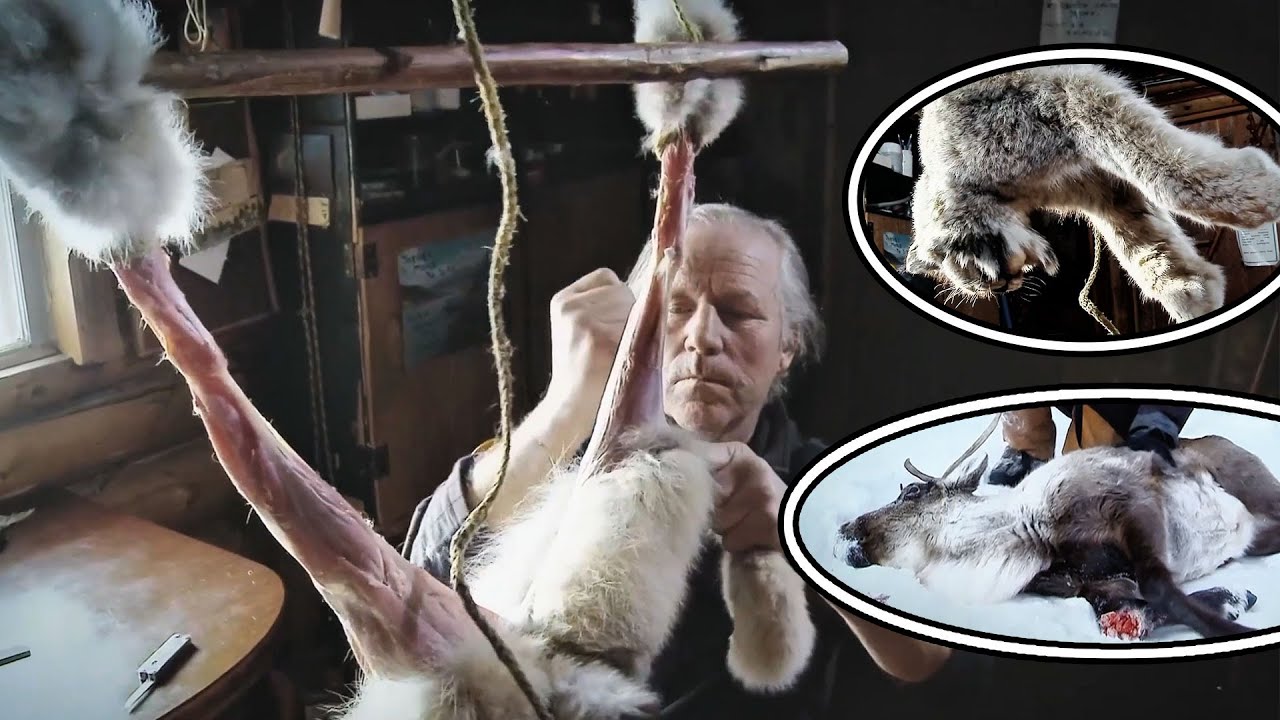
special treats for sea kill the ren when food resources became scarce during the depths of Winter the Inuit turned to one of Nature's Most concentrated sources of nutrition bone marrow while modern food waste is commonplace Americans throw away about 40% of their food the Inuit developed methods to utilize every part of their prey right down to the bones themselves in fact they discovered what modern nutritionists now preach bone marrow is basically Nature's multivitamin wrapped in a hard calcium shell the marrow came primarily from caribou and seal bones with each animal offering different benefits Caribou leg
bones being larger could provide up to 400 calories of marrow per bone that's equivalent to eating a whole chicken breast but in a much more concentrated form seal bones while smaller contained marrow that was particularly rich in iron and vitamin A crucial nutrients during the sunless winter months the process of extracting marrow was an art form in itself during winter hunts bones would freeze almost immediately after an animal was killed rather than seeing this as a problem the Inuit used it to their advantage they would carefully crack the Frozen bones usually by striking them at
specific points with stone tools which allowed the marrow to be removed in nearly solid pieces one Elder described it as Nature's popsicle though you probably won't see that flavor at your local ice cream shop anytime soon the nutritional benefits were staggering bone marrow is about 84% fat making it one of the most calorie-dense natural foods available but it's not just empty calories it's packed with collagen conjugated linolic acid and essential fatty acids modern science has confirmed what the Contin it knew through generations of experience marrow also contains compounds that boost immune function and reduce inflammation
particularly important in the harsh Arctic environment they developed clever storage techniques too bones would be cached in deep snow creating natural freezes that preserve the marrow for months these caches were carefully marked and became literal Lifesavers during periods when hunting was impossible due to severe weather as one Hunter noted when the storm kept us inside for days knowing where the bone caches Were Meant the difference between hunger and survival the Inuit even had special tools designed specifically for marrow extraction slender bone picks that could reach deep into the marrow cavity ensuring not a single calorie
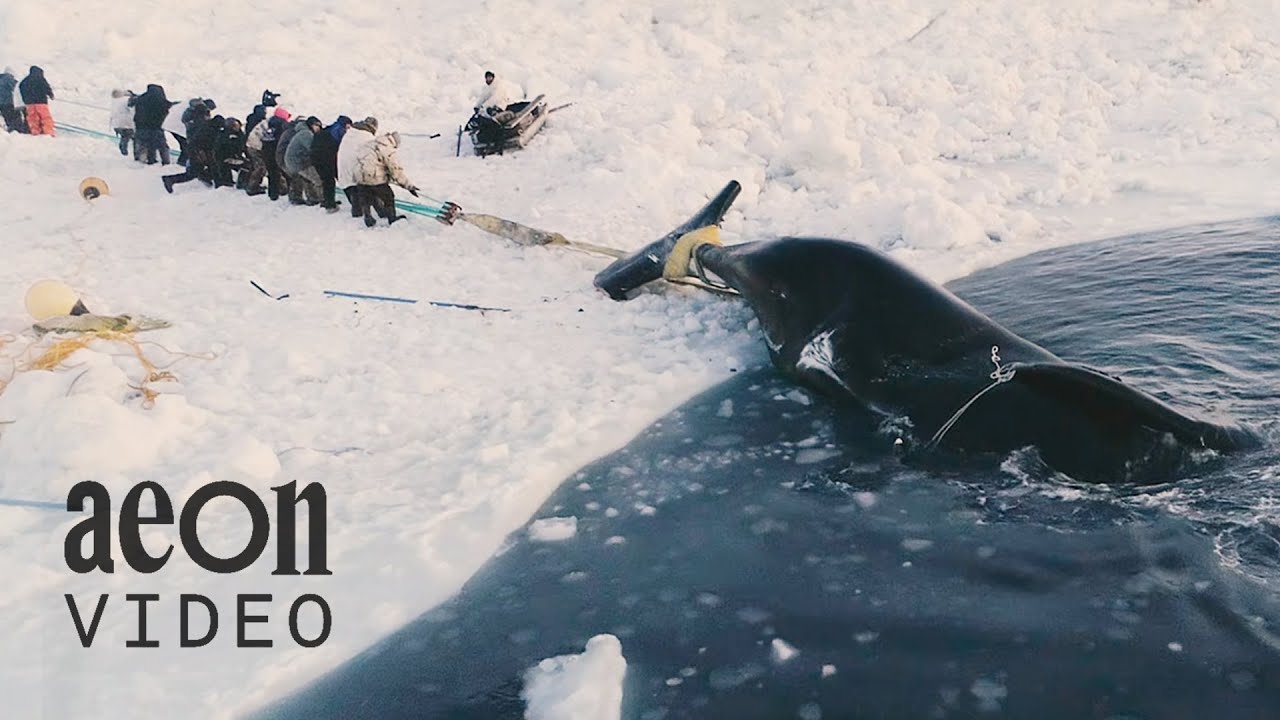
went to waste after all in an environment where every bit of energy counted leaving behind any source of nutrition wasn't just wasteful it could be e fatal in Arctic communities survival wasn't just about individual skill it was about mastering the art of sharing the concept of ningi Tuk the sharing of hunt wasn't just a nice gesture it was a sophisticated social system that ensured everyone's survival through the brutal winter months imagine going from having barely enough food to feed your family to suddenly Landing a 1 0000 PB walrus keeping it all to yourself wasn't just
socially frowned upon it went against generations of proven survival wisdom the distribution system was remarkably organized when a hunter made a significant catch specific parts of the animal were designated for different community members the system wasn't random it was based on a complex understanding of each family's needs their recent contributions to the community and their ability to hunt for instance the best cuts of meat often went to Elders first not just out of respect but because their knowledge and guidance were considered essential resources for the community's survival first catches held special significance when young HS
made their first successful hunt tradition dictated that the entire catch be distributed to others in the community this might seem counterintuitive shouldn't the proud Hunter keep their first prize but this practice served multiple purposes it taught young Hunters the value of generosity created social bonds and established their place in the community's reciprocal sharing Network the Practical benefits were significant by sharing widely community essentially created a living Insurance system against the unpredictable nature of Arctic hunting one family might have a successful hunt this week while another might struggle but through sharing everyone maintained access to fresh
food as one Elder put it in the store money buys food in our way sharing brings food the math was simple a hunter might give away 70% of a large catch but this generosity ensured they'd never go hungry when their own hunting luck ran dry this system also prevented food waste a critical consideration in an environment where food preservation was challenging when one family landed a large catch rapid distribution meant the meat could be quickly processed and stored by multiple families reducing the risk of spoilage the community essentially functioned as a distributed freezer system with
each family storing and preserving a portion of the shared catch the sharing system even extended to hunting spots while some locations were closely guarded family secrets others were communal knowledge and successful Hunters would often share information about animal movements or productive fishing spots after all a community with more successful Hunters meant more food for Eva Ryan the success of Inuit winter hunting relied heavily on their precisely crafted tools and deep understanding of Nature's signals their equipment wasn't just wellmade it was ingeniously designed to work in temperatures that would make modern metals brittle and useless take
the ULU knife for instance this curved blade often made from Slate or metal obtained through trade could process an entire seal in under an hour a task that would take significantly longer with conventional knives what's particularly fascinating is how their hunting gear compared to Modern equipment while today's winter Hunters often carry up to 75 lb of gear traditional Inuit Hunters managed with about 35b they achieved this through clever design choices tools served multiple purposes and every piece was carefully maintained their harpoons could be quickly disassembled for travel and reassembled for hunting while modern equipment often
requires separate tools for different purposes but perhaps even more impressive than their tools was their ability to read Nature's signs in complete darkness the Inuit developed over 50 distinct words for snow each describing specific conditions that affected hunting Mater ruti for instance describes wet snow perfect for making blocks while pinatto indicates snow that's good for driving Caribou toward Hunters these weren't just linguistic Curiosities they were crucial pieces of environmental intelligence their weather prediction systems were remarkably accurate by reading cloud formations wind patterns and animal behavior they could forecast conditions days in advance they knew that
certain Cloud patterns meant storms were approaching while particular wind directions indicated good hunting conditions even in absolute Darkness they could track Animals by feeling the direction of wind blown snow on their faces and listening for subtle sounds that carry differently in cold air this deep knowledge extended to understanding animal behavior in various weather conditions they knew for instance that certain wind patterns would drive seals to specific areas or that particular types of snow conditions would make Caribou move in predictable ways as the Inuit always say the land speaks to those who listen we just learned
its language over thousands of years