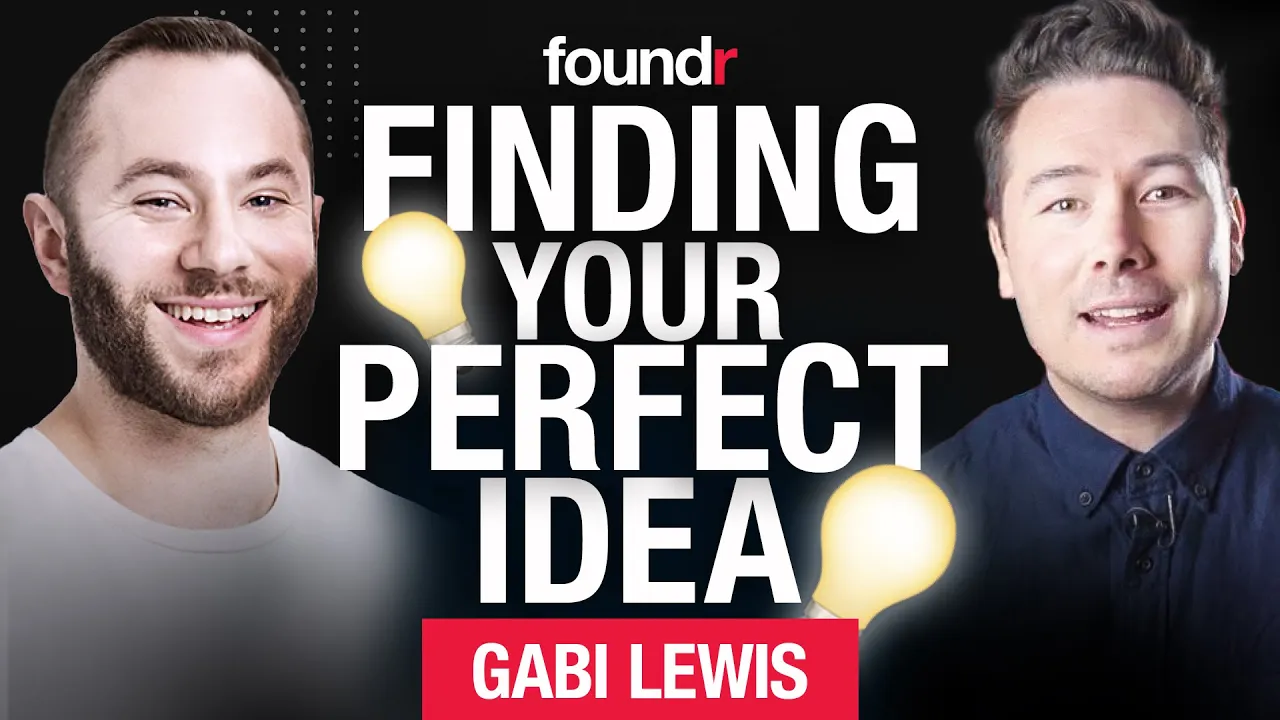
i never really appreciated the importance of product market fit i was sort of of this idea that if you're a smart founder if you're driven if you've got hustle and grit you can make anything work if you try hard enough and if you persist what's going on founder fam hope you are doing well nathan chan here cm publisher of founder magazine and today i'm speaking with gabby lewis he's the co-founder of a company called magic spoon and this is a direct-to-consumer cereal brand that's going absolutely gangbusters now before he started that company in 2013 he
launched a brand that sold crickets and we're going to find out more about that around you know these protein bars he had investors like tim ferriss and nars we're going to find out how he's built magic spoon and all the lessons that he learned from that qriket brand how he's taking it to magic spoon so if you guys are enjoying these interviews make sure you give us a thumbs up and also make sure you leave a comment below we'd love to hear your thoughts of this interview if you have any questions you respond to every
comment and make sure you subscribe if you don't want to miss out these incredible interviews with some of the greatest founders of our generation i go really deep on how the hell they're building these really fast growing companies so gabby thanks so much for taking the time to speak with me today man yeah the first uh question that i ask everyone that comes on is uh how did you get your job wow no one's ever really described it as a job in a while but i'm from scotland originally and came to the us where i
lived now for college graduated in 2013 and actually started a different food business than the one i'm currently running when i graduated from college that was called exoprotein and we were actually making protein bars with cricket protein which we were introducing as a sustainable alternative protein source and i then sold that business a couple years ago and wanted to stay in the food industry wanted to do something a little bit less niche than qriket protein and found my way to the cereal market and so launched magic spoon which is a line of high protein low
carb healthy breakfast cereals yeah wow interesting so when did i i was doing a bit of research and um yeah there's not that much to be honest that um can find about your your background online i don't know if that's on purpose and you're starting to do a bit of media and pr but um yeah i'd love to know kind of can you tell me a little more about exoprotein how it all started how long ago was that so that was launched in 2013 so about seven years ago and it started um you know it
started when i was my senior year of college and we sort of read a couple of articles there was a report actually that the united nations put out about how sustainable and nutritious insect protein is um you can grow it you can go insects basically indoors and vertical farms requires very little feed and water so very sustainable very healthy but nobody was doing anything with that knowledge mostly because obviously there's a bit of a marketing hurdle to get over there and so we thought it'd be cool if we could actually figure out a way to
get consumers over that hurdle and build a supply chain and create a line of products that introduced this new sustainable protein source to the western world really and so we teamed up with a three michelin star chef and we created a line of protein bars that incorporated a protein powder that we made from qrikets and launched that 2013 and built that business for about five years and then sold it a couple years ago yeah interesting so i'd love to delve a little bit deeper around how like that came about did you raise any funding um
how did you validate that idea um can you talk me through that yeah so we raised in total for that business probably around seven or eight million and that was from you know investors ranging from strategic angels and influencers like tim ferriss to some celebrities like nas and then some classic vc funds as well um and yeah we were mostly direct to consumer we sold in some retailers we sold those bars in whole foods and in equinox gyms which i'm not sure if they've got them in australia but they're sort of bougie fancy gyms here
in the us um and yeah we ran out for about five years before sailing off yeah i see and um did you like have to raise significant capital to get that business off the ground because of yeah teaming up with like you know supply chain like working all that side of the business out it was mostly we wanted to go big so we probably could have done it without raising the funds um but we wanted to really take a swing at this huge protein market and the vision was to see if we could make qriket
protein the next soy protein and to do that you you know you need to build up the supply chain to a pretty meaningful level you obviously need to invest a lot into marketing um and so we weren't really interested in just like bootstrapping a protein bar business that we were going to sell at farmers markets you know we wanted to make a splash get a lot of pr um get into major retailers and really try and do it right yeah i see and how did you get your first customer for that business like like how
did you like what was your go to market strategy mm-hmm so we actually launched for the kickstarter campaign back when um not many food brands really doing kickstarters back then so we you know we graduated college in 2013 did a kickstarter a month later and that really helped sort of put it on the map and validate it to investors and retailers and everyone else so from doing that kickstarter we were we were in the new york times we were in forbes twice that month um fast company you know all the sort of major media outlets
and then once that happened we were no longer just like two random 18 year olds trying to sell crickets we had a little more gravitas a little more legitimacy around it so it sort of snowballed from there got you i see and then how did you like get like uh you know angels like tim ferriss or nars to invest um i mean honestly the same as sort of any angel investor you know it's just um a warm introduction of course helps so um you know it's different in every case but um i think in the
case of tim we were introduced through a different investor angel investor and he he loved the product um this was back when paleo was very big and at the time you know we made the argument that there's nothing more paleo than qrikets because basically all these people were doing like the paleo diet and they were eating steak wrapped in bacon four times a day which is not not what cavemen ate you know so like cavemen like when people have really studied the paleolithic diet our you know our ancestors were foraging for berries and eating bugs
and very rarely did they even like you know smoke bacon obviously they weren't doing that so um a lot of the we got a lot of influencers on board who are very into the paleo diet or variants of that diet so not only tim ferriss but you know people like john durant and rob wolff who were sort of the people that mark susan all the guys who wrote the sort of first paleo primal diet books had the biggest blogs and so they they came on board as early investors and then they helped us get our
first customers um and so we sort of went after these niche diets deliberately and brought on board the sort of leading figureheads of those diets as investors in our business and then they spoke about us on their blogs their podcasts their email newsletters whatever it might be that was how we got our first customers yeah very smart okay interesting and then you ended up selling that company are you able to share kind of details around that or like uh you know what what revenue did you get it up to after five years or like anything
yeah i can't really show details around that but you know i can say um as you can see not retired on a private island i'm still living in brooklyn so it was you know you know still left us hungry enough to to go again yeah okay awesome um so i'm curious so you you sold exo protein and then how long did it take for you to kind of transition and go yep we're gonna go back into a different business um different problem you want to tackle how long did that take it's probably about a year
and maybe a little bit less we were you know thinking about a few different ideas we knew we wanted to stay in the food industry and we knew we wanted to create a product that had a very large addressable market we knew we wanted to go after um you know we had a few different criteria for how we wanted to to sell the product and so we knew we wanted to launch direct to consumer which meant we knew the product had to be light and easy to ship we knew it had to lend itself to
daily or habitual consumption so that we could ideally have a subscription model to get a lifetime revenue up um and we knew that we'd sort of learned last time around that you you really grow something quickly when you can target niche audiences um and if you can target sort of die-hard keto dieters or paleo dieters we find that's the easiest way to get the first million or whatever in sales rather than going after everybody at once and so the idea for magic spoon was it's you know it's a very mainstream and scalable idea to make
healthier cereal but we can sort of inch our way in through this this side door or back door by first going after people who are gluten-free keto you know low carb all these kinds of niche but very very passionate diets and audiences yeah that's really smart yeah um very very interesting around the total addressable mark total size addressable market because um it's a 40 billion dollar global industry like you wouldn't think that right i mean it depends where you are i mean here every single person i speak to has cereal in their cabinet so um
it's you know it's it's everywhere and if people aren't eating it now they were eating it as kids so it's you know it's a very at least here in the states it's a very sort of um the most classic meal i think that people can think of is a bowl of cereal um so i mean i'm from scotland obviously so i didn't quite appreciate the size of it until i came here either um but yeah it's it's enormous and people love love cereal in general when you said we uh are you working with your same
co-founder that you started for the protein brand uh with magic spoon i am yup exactly i'm curious as well before we move to kind of really delve deep on magic spoon um why did you decide to sell exo protein good question um honestly we were just ready you know we've been doing it for five years it's it was fun but it was it was hard and we you know we got into that because we wanted to transform the food industry and we wanted to create an entire new food category around insects starting with qrikets and
turned out that was harder than we thought and so what we realized was we wanted to change the whole food system in reality we had like a hipster protein bar company and that wasn't really what we got into it for so we sort of had to choose like do we want to keep on selling these bougie hipster protein bars or do we want to do something else and you know we wanted to do something else so we we sold the business and you know and i had this bigger vision to sort of transform the cereal
market which as we said is is enormous and it's going very well yeah awesome um so you launched magic spoon in 2018 right 19 actually yeah 1985 2019 okay 2019 and i find it very interesting like uh you guys have have chosen to go direct to consumer because typically cereal you you buy in supermarkets right so so it's it's yeah direct-to-consumer play not so much a retail play are you guys in retailers no it's 100 on magicspin.com yep okay so how long did it take to go from idea to you know working that uh you
know that first mold out or whatever that is that first run like what is like you know the minimum order quantity for something like cereal yeah so unlike unlike protein bars you can't just make cereal in your kitchen right so lots of food products you can buy the ingredients at the grocery store you can mix them together you can make a prototype yourself with cereal you need a giant extrusion machine which costs hundreds of thousands of dollars or maybe even into the millions of dollars so it's not the kind of thing you can just like
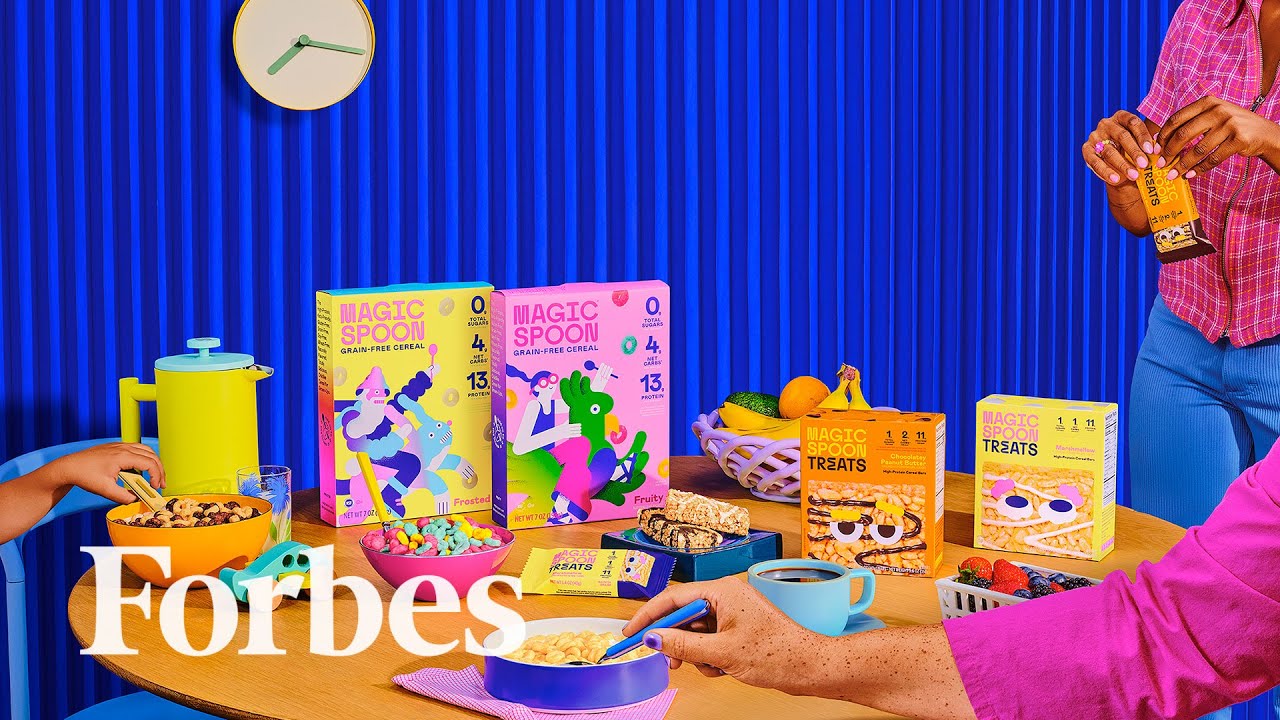
try easily at home um so for us we you know we had the criteria of with certain ingredients that we wanted to use certain ingredients we no we knew we didn't want to use and then we had certain macronutrient targets to hit so we basically we sourced some potential manufacturers and we went to them we said hey we want to create something that's got the taste and texture of classic cereal but it's got 10 or more grams of protein per serving it's got three grams of net carbs or less per serving it's got zero grams
of sugar and here's a list of ingredients we're okay using and you know that's high quality proteins it's you know natural fiber stuff like that and here's a list of ingredients that are definite nose and so that was you know artificial sweeteners high fructose corn syrup um grains stuff like that and then it took a few months of back and forth and r d and different food scientists and chefs and potential manufacturers and finally we got something we're pretty happy with um i don't recall the exact minimum order quantity but it's you know definitely in
the tens of thousands of units for sure i see and did you do any kind of testing with like random consumers around the taste and and things like that not as much as i would recommend to someone else honestly we i mean we've never been too much for sort of focus groups and like normal testing um i mean you know like you know if it you know if it tastes good or not and i think cereal it's not controversial you know we gave it to some friends we sent this to some investors and it's pretty
clear if people like her or not um maybe there's a middle ground where like you're not sure but you know we got good enough feedback they were confident enough that we wanted to just race towards launch you know we don't want to waste any more time from our perspective we spent like five years learning the ropes at exo protein and so that was like a warm up and so now that we've had that warm up we want to just like move as quickly as we possibly could and launch magic spin yeah got you so did
you raise capital um before you started speaking with manufacturers sort of in tandem we we raised about a million dollars before we launched magic spoon and then we raised an additional five and a half about two months after we launched um the the first million was all from the same investors that backed my last business so you know they knew me they knew they sort of trusted me at that point and my co-founder and so that was you know a lot quicker than it typically is to raise financing pre-launch um you know just a couple
of phone calls and sharing the idea and and then once we launched and we had an amazing first couple of months then we sort of took that uh traction and used that to raise a larger round so can you tell me like about that launch like what was the game plan the branding is really cool like what you guys have done with the branding very very cool very very impressive very very hip i can see how it could it could stand out in in on the shelves um but i'm curious how did you drum up
uh you know first bite very similar strategies to exoprotein actually so we the first round of financing that we raised from magic spoon half of it was from a fund half of it was from health and wellness influencers so we had at the time probably a couple dozen influencers who had anywhere from maybe 200 000 to a million followers on whatever platform they they focus on and they invested in the brand and then they promoted it at lunch so that enabled us to sort of catapult in the first month and have you know millions of
eyeballs on us very very early by leveraging these influencers and so that was that was how we launched since then we've continued to sort of double down on that strategy influencer marketing has been either our largest or our second largest channel basically the whole time and complementing that with some podcast advertising and just classic instagram facebook ads like every other brand does these days yep got you and um you said that launch went really well can you talk like any numbers or anything to kind of just share like traction yeah i mean can't share numbers
but you know i'd say we we probably did in our first month what people were thinking we'd do in the first year and you know honestly including myself not going to pretend that i thought it was going to be huge um you know i was obviously confident but the first month really blew everyone away and i think i this might sound silly but i i never really appreciated the importance of product market fit i was sort of of this idea that if you're a smart founder if you're driven if you've got hustle and grit you
can make anything work if you try hard enough and if you persist and i think that's a pretty classic at least like silicon valley prevailing wisdom where like you you know you bet on the jockey like you find a founder you think is really smart and you invest in that person and they'll figure it out they'll pivot whatever and i sort of bought into the idea and i think it's true to some degree but i think it doesn't sort of capture just how much the product matters and the product market fit matters and we really
saw that when we launched magic spoon you know we were no longer pushing like it was a pool that we felt immediately and and i think it's pretty rare and pretty special and so whenever i'm talking to founders now that's sort of like the one piece of advice i give which like sounds so simple and so trivial but i think a lot of people just underestimate how much product market fit matters um and how rare it is to like truly find it as well yeah and look i think that is a really good epiphany you've
had because when you're trying to push a product and you just have to get really good at marketing but then when you put but then when you've got a product that you're trying to sell and it just flies like selling is effortless there's something very very kind of awakening about that where you're just like wow and then you take all the marketing shops that you've you've built up and then you just like pour gasoline on the fire totally and it's it's it's crazy so yeah i think yeah i think for me part of this like
epiphany is because i've experienced both extremes i think i think with exo protein you know there was there was zero product market fit nobody wanted to eat crickets and so we had to we had to get really good at convincing people to do something they didn't want to do and so that was what we were used to we were used to like taking this product and working so hard to convince someone to click buy and you know it's almost like if you're like you know doing a hike with like a really heavy backpack on and
you take your backpack off and you're like whoa like now i can like sprint that's sort of how it felt launching magic spin yeah no that's awesome so yeah like yeah i i know exactly what you're talking about and that feeling where you just like wow that's crazy never seen anything like it obviously you sold out of did you sell out in the first couple of months or did you have supply chain issues or what happened yeah we saw that we had supply chain issues all of that um and yeah it's a good problem to
have but it's still a problem so we had lots of lots of frustrated customers um but you know ultimately we were able to scale up pretty quickly once we could make proper projections and so we've mostly been in stock since then knock on wood we're actually out of stock last week for a couple of days but by and large we've managed to manage to stay in stock and that's obviously impossible to predict demand before you launch anything and even harder once you have launched it yep so um you said you raised a further was it
five yeah five and a half or so um so we've raised about yeah like six or seven total for this business when it comes to i guess the split because it's a very interesting model direct to consumer product that's typically sold retailer but it's it's a perishable good to an extent doesn't feel like it it feels like it will last for a long time what is the life shelf yeah i mean it's like shelf life it lasts about a year i really like the idea of the subscription because you know it just kind of makes
sense you can work out like you know how often you have your cereal like you know like your porridge work when you need more and it like what can you share anything around the split subscription versus one off and like yeah for sure so we actually don't even push the subscription that hard i think the subscription makes sense for people that that want that reliability that have that habit and so you know if you want it you want it and you buy it but we're not the kind of company that if you buy our product
once we send you an email the next day being like hey please subscribe please subscribe like here's a discount um we sort of let people figure out the natural cadence of their consumption and i think there's a little bit of fatigue subscription fatigue here at least here in the u.s where you know people have signed up for like a toothbrush and they get like a new brush head delivered every month and like who cares and people would you know you see on your bank statement like why am i still paying five dollars a month for
this thing i've never even opened from the mail um so i think people are getting a little bit sick of that and so we don't push it too hard and it's you know it's very it's a minority of our business for sure um what we actually see which is very interesting is that the like the lifetime value of someone who is a subscriber versus just buying one off isn't actually that different so if you you know if you like magic spoon you're going to come back and buy x number of times whether you're coming back
at your own pace or whether you're on an automatic subscription and so we actually find that making automatic you know most companies you'd assume if you make automatic they're going to get more than they need they're going to buy more of it we actually don't find that's the case um you know people who like it they just come back regardless we don't need to put them on that sort of automatic autofill interesting a guy like are you just focusing on the serial market um i assume you you will not move to like do you plan
plans to moving into other breakfast kind of areas i don't think so not in the immediate future the cereal market as you said is it's enormous and so you know if we were playing in a different category that was only the couple hundred million in size maybe to reach our ambitions we'd have to we'd have to expand into other products but cereal is you know many many many billions in size and so if we want to get to 100 million in sales even 500 million in sales like it's possible to do that just with cereal
and so we're going to maniacally and sort of very single-mindedly focus on making healthy delicious cereal and i think we can reach our ambitions just doing that okay awesome so um like in regards like fast forward to now um can you give any kind of numbers if like revenue or like customers or anything to give an idea of traction yeah i mean can't share specific revenue numbers i mean you know hundreds of thousands of active customers to give you a sort of rough sense yup got you wow um and i'm curious were you guys affected
during uh covert or did you um you know was it was it adverse or no honestly sort of grappling with how to feel about this but we're very positively affected we're selling a mostly shelf-stable food product that's delivered right to your door so as far as businesses that are sort of designed to um work well in a situation where everyone's in lockdown and doesn't want to go to the grocery store and wants to stay healthy magic spoon's pretty perfect so very grateful that we happen to have an idea that is you know well situated to
do well um in the current in the current world and so we saw instant increase in demand and it's it's continued both from existing customers who because they're at home with their families they're having breakfast more often maybe previously they were just running to the office or grabbing a starbucks or whatever now they're at home they're eating breakfast more um and their kids are at home too so like they're putting their kids breakfast more so existing customers their um their frequency of consumption has gone up and then new customers also has gone up massively just
because people are shopping online more than ever um you know people that previously weren't sure about ordering cereal from the internet now they don't really have a choice if they don't want to risk going to the grocery store yeah no okay that makes sense so so it sounds like things are going well what about scaling scaling problems like i'm curious okay you guys have got an office in in new york or your distributed team or what what we have an office in manhattan it's it's empty right now unfortunately but we're still paying for it yeah
yeah like us as well yeah yeah we've got we've got an office in um in uh industry city in brooklyn oh cool yeah very cool still paying for it as well so uh yeah so i'm curious then how like if you if you've if you've grown rapidly um during this time period how have you been able to scale like how many team members have you hired that you haven't met like can you talk us around around that and the challenges there yeah so we were pre-pandemic we were five people now we're 10 people so we've
doubled in size since march two more starting next week actually so you know we'll have more than doubled in size and having many of them in person so it's definitely strange i think i think it's actually made us better at hiring because we we don't sort of fall into just hiring someone that we enjoyed getting coffee with right you know instead we we have to focus more on um the actual content of their work so we've we've become a lot better at making lengthy applications that we give to people as the first step we've become
a lot better at making sort of projects that people have to submit is the final stage of the hiring process and i think that's removed a lot of the hiring bias that is very easy to fall into um and so we're sort of less falling into the trap of just like hiring someone that's kind of smart and a good culture fit because they came to the office and everyone thought they were like cool and smart you know now we're actually really looking at the quality of their work and we're not distracted by anything else so
i actually think it's it's good ultimately for hiring for us interesting um yeah to be honest man i would have thought you would have had a much larger team with the with the scale you guys are talking yeah well well we have we have a lot of agencies you know so even even just talking about even if you just look look at i'm creative you know on the creative side we have we have um probably three two freelance graphic designers one freelance video videographer um a freelance email designer we have two different agencies no actually
three different agencies that only create different types of facebook ads for us we have a branding agency that does like miscellaneous creative workforce and retainer you know if we've got the wouldn't you add up all those part-time people and freelancers and agencies it's probably the equivalent of a five or six person creative team and then we've got an equivalent type set up for growth marketing ops you know everything so if we got if we got rid of our agencies and our freelancers tomorrow we'd probably need to triple our team size yeah yeah that yeah that's
what i'm saying yeah um okay interesting so why have you done why have you done that because it's faster you know i think it's it's very hard to scale as quickly as we have and hire the best people and so we've decided to like overpay and outsource a lot of it to have that flexibility um eventually we'll bring most of it back in-house but it's it's enabled us just to like turn things on quickly um you know rather than for like influencer marketing for example you know rather than having to hire someone who focuses on
instagram someone who focuses on youtube someone who focuses on tick tock influencers and like a coordinator to send the packages you know like rather than hiring a four-person team there we found an awesome agency we pay them probably more than we'd be paying a four-person team but they're they just switch on overnight and they do it all for us so um we sort of decided that speed is the most important thing for us right now but eventually we'll sort of restructure things probably for some of those areas anyway yeah look yeah eventually speed becomes if
you can bring it internally it takes time to train higher on board but yeah eventually if you bring it in house eventually um yeah you can get that that scale so i'm curious um that's actually a really smart move because you're right like to do you know facebook ads to work it out to to do the awesome creative then you've got to get a studio all the time you've got to be shooting like it there's a lot of operation stuff that you have to worry about then if you just get an agency to do you've
said you've got three different three different agencies to do your creative um you know you can just give them a brief and then they've got their targets and then off they go um and you can just work with your media buyer what's working what's working what's working and change it up so i'm curious though one challenge is finding good agencies knowing who to trust there's a lot of agencies that aren't good how have you navigated those like that those waters it's all about referrals so it's very hard to know if an agency is going to
be good until you've worked them for three months and every every agency or not every agency but most agencies can put together a fancy deck and they can sound impressive and they could be games yeah and they can tell you they've worked with coca-cola and you know all these big brands and you know it's easy to get impressed by an agency in the first meeting we only really work with people that have been referred to us by a brand we know and trust um so that's generally how we go about it um making sure we
do lots of referrals lots of references and you know we're lucky now that after the having the last business and this one we've got pretty good network of other founders um so we can you know we can send off an email or a text to dozens of founders and just say hey we're thinking about testing tick tock ads does anyone have an amazing partner or agency or freelancer they work with on that and we'll get a few texts back um so that's generally how we've approached it when it comes to i guess um me you
know ppc facebook ads instagram ads tick tock snapchat ads you know google adwords youtube display versus influencer marketing what have you found to be more effective for you guys it's a good question um influencer marketing is probably what i would say is more effective if i had to choose um and we use that term pretty broadly right so that's everything from um you know partnering with someone with a million followers for an instagram story and swipe up all the way to seeding um you know we'll seed 50 to 100 tiny influencers every week with product
and we won't pay them anything we'll just send them product for free and they'll post maybe but you know it depends so we sort of do big scale influencer partnerships are you know not not the biggest but some definitely sizeable ones in the in the millions of followers and then a lot of sort of smaller seeding some of it is upfront cash some of it is affiliate revenue share some of them actually are investors in our business so we do a lot of stuff on the influencer side i think with food it's especially important with
food because you you do an instagram ad you can take a mouth-watering video or photo but like ultimately it's very hard to tell if that thing's gonna taste good and so if we can partner with a reputable influencer who's you know either in the food space or wellness space or something and they can literally just be like eating a bowl of cereal on camera they're smiling like you can tell they're actually enjoying it and they actually are telling the truth when they say it tastes good we find that's much more effective and then of course
we can repurpose that content into an instagram ad as well so there's a little bit of um synergy between the two also yeah yeah that's smart um yeah look a big part of influencer marketing for sure the people don't talk about enough they want the immediate return they don't talk about the content the content is where it's at um so i'm curious like on average how many influences would you say you're sending product to per week or per month right now on the so on the smaller influencer just like seeding side we're probably sending to
maybe 50 a week on average to a couple hundred a month and then maybe maybe a quarter of that in like larger partnerships so maybe on average sort of one a day of partnering with an influencer that's sort of more in the many hundreds of thousands or into the millions of followers for like an actual collaboration and what does that mean when you say like partnering with an influencer an actual collaboration what does that mean exactly so it means as opposed to just sending someone some serial and saying like hey thought you'd like this like
share it if you want it's us saying hey um you know we ask for certain metrics we have certain amounts we're willing to pay per view or swipe or whatever and then we say you know we want you know if it's on youtube we want a 60 second integration where you talk about the protein the carbs the taste you have like a bowl of cereal in the frame you know fairly fairly strict things we need them to hit and you know we'll pay a certain price per you know average view on youtube or whatever or
per average story of you and instagram stories and it's you know it's either a flat fee up front based on that or we're giving them a percentage of revenue on the back end or sometimes a combination of the two and so i get the distinctions like larger paid partnerships versus just unpaid seeding of influencers got you and what do you find out of all the different platforms works better or what is working the most effectively for you from instagram stories to posting on the instagram feed to youtube tik tok snapchat posts so we actually find
that instagram stories works probably the best most brands that i talk to find that youtube influencers work better so maybe we just haven't found the right the right youtube influencers yet um but you know feed posts on instagram they work well but usually influencers want more money for them and they don't work well enough to justify them more money um we haven't tried instagram reels yet pretty curious to test that out um and there's definitely some like algorithm changes going on on instagram that's sort of screwing everything up a little bit right now so yeah
reels they boom man yeah yeah i know i know so it's super interesting um you know my guess is that instagram stories are going to start working so well and we're going to have to start doing some real sponsorship um but yeah and we find you know youtube's decent but instagram story is a little bit better and then podcasts work very well for us as well and we sort of view that as conceptually the same as influencer marketing you know it's you know whether the person's on audio or on instagram or youtube or whatever it
doesn't matter you know someone that people trust talking about a product so we sponsor a decent amount of podcasts too yeah someone's telling me about that for an econ brand um what do you use to find uh like like how do you do that um we work with an agency on that um some of us through an agency some of it's direct um there's a few different ways to go about i think one of the the easiest ways to go about it is to figure out what other brands are doing and so for us we
look at what brands in the direct consumer space especially in food are spending at large scales on podcasts and what podcasts have they sponsored multiple times and that's probably an indication that it's worked and we do the same thing on influencer you know if um if a brand we admire that's you know triple our size and a similar customer base has worked with some influencer or podcaster five times we assume they're getting a good return there and so we'll contact that influencer or that podcaster yeah got it awesome um and i'm curious when you talk
about kind of you've got your metrics and numbers would you be able to share what you're prepared to pay no i can't i can't really share share that unfortunately um that's okay look that would make our negotiation yeah look that's okay i i just know like you know like what what people would want to hear they're watching right now they've got oh i wonder how much it's like yeah yeah i mean you need to test it it's gonna be different for different brands so you know what we did and what i'd recommend others do is
work with you know let's say we're talking about youtube so um find five youtubers with different amounts of followers do a deal with them don't worry too much about price and then note down how many how many views each one did and the dollars in sales and sort of average it across the five and then you can figure out like for my product on average i'm probably gonna get you know 15 cents in sales for every view and based on that you know you can say okay so i can pay seven cents per view probably
if like this random youtuber behaves like these other ones and so you just sort of like work backwards from that and adjust it yeah okay awesome that that's awesome man thank you because that that's really helpful for people because i know like yeah that's what people want to know they just want to get straight to it how do you do this like because obviously you're doing something right man so um okay so talk to me around i guess what's next because it sounds like you guys got really good growth you're scaling as fast as you
possibly can you're using agencies to help manage that growth and spit and scale what's next so honestly we're trying not to make this thing too complicated you know i always have to try and think of a good answer when someone asks me what next because we just want to keep on doing more and more of the same and poor gasoline on the fire um you know what we're doing is working i think it's very easy to fall into the trap of over complicating things and it's very easy to say like okay we've nailed influencer and
we've nailed instagram ads so let's go figure out these like other 10 channels and then you get distracted and you stop being good at instagram ads and you stop being good influencer marketing so for us we've figured out some things that work we've got product market fit we're going to learn some new flavors you know we're going to hire some more people we're going to start bringing things in-house but ultimately we just want to keep on doing more of the same and do a lot more of it and step on the gas and scale it
up okay and are you guys on amazon nope we're not you plan to be one day um we i mean we know we're missing that opportunity you know we know there are tens of thousands of searches every month on amazon for magic spoon cereal branded searches um so we're definitely leaving money on the table and we're definitely making some of our competitors quite rich we're bidding on our search terms there um but at the same time we're a small team we don't get distracted what we're doing elsewhere is working very well and obviously launching on
amazon is going to cannibalize our owned website magicspin.com so we want to avoid that um and it just introduces some operational complexity into an otherwise very simple business so we'll do it at some point probably at some point next year but we're not in a rush and similar to how we approach brick and mortar retail if we can continue to grow as quickly as we want to grow just on magicspin.com there's no need for us to go to amazon there's no need for us to go to whole foods or target or costco wherever else but
eventually our online growth on our one website will slow down and so before that happens that's we want to make sure we can sort of jump on these other opportunities yeah because i know that would be a frustration because you've got all these other amazon people or companies or individuals that that's all they do they just look for trends and then they piggyback off those trends and then you know amazon customers they're very very loyal and they trust amazon like you wouldn't believe they're very bratty from my experience and they are problematic they like if
if there's a crack in the box straight away refund um but they buy um so it's it's a double edged sword because you've got all these competitors or people that are piggybacking off the back of your brand and it's kind of frustrating but then if you if you do the amazon play you lose margin you're competing against your store like like your own website so it's a tricky dance to play i have friends that big e-commerce businesses and it's yeah it's tough man yeah it's it's a tricky decision for sure um but you know eventually
you got to do it perhaps the lesson there is around brand loyalty how can you how can you scale the relationship with the customer and and build a relationship much more deeper than just transactional based so then people it doesn't matter if there's another product on amazon it doesn't matter like they want to go straight to the source yeah and there's ways we can do that for example you know we're only going to launch certain flavors on our own website even if we're on amazon and you know maybe we'll have a couple of our best
sellers not on amazon but the other 10 flavors you'll have to come to magicspoon.com to get and limited edition flavors will only drop on magicspin.com and maybe we do different serving sizes only on magicspin.com so you know there's ways to capture the existing demand on amazon from that customer without giving people a reason to leave our site for amazon and making sure it's a better experience all around better customer service best pricing so on and so forth i agree i love that and i'm curious what are you doing strategically because you do have competitors in
the space which you said you know you guys you have made doing very well made rich what are you doing to facilitate that growth trust and relationship with your existing customer base and new customers you're bringing to your world i think the most important thing is just having a really really good product and we have a lot of copycats none of their products were anywhere near as good as ours and so if someone tastes a couple of the competing brands they're gonna come back to us like hands down and we we can like see on
instagram it's kind of funny like people will comment on our ads saying oh my god i tried your competitor never again yours is a hundred times better like we get those comments every single day um and i think it's easy to fall into the trap of thinking like the way you the way you keep your customers loyal is like you know fostering community as much as you can that's important but what's more important is having the best possible product because ultimately you can only get so far with like cool social media that like makes people
feel like the private community that's helpful and you know we do that and we you know we're introducing sms and we we literally call up our customers and get to know them um we do lots of surveys we have customers vote for new flavors so we do try and build community with like all the standard tactics but ultimately the way we're going to keep people around is delivering a really really delicious healthy product and so that's the core focus yep love it awesome um okay so look we have to work towards wrapping up gabby but
this is agreeing a really great interview i've um drilled you pretty hard man uh a lot of gold oh it's been fun uh so i'm curious like working towards wrapping up like anything that uh you'd you would have liked me to ask you that i haven't asked you that you'd like to share or any work final words of wisdom and then uh where's the best place people can find out more about yourself and magic spoon yeah so i think we've caught we've covered a lot um you know we touched on this but i think my
my sort of single piece of advice i like to give that's most important is just not to get distracted for a founder and a founder's job is to say no to as much stuff as you possibly can and whether that's investors like i always recommend having like one or two investors you really trust rather than like a hundred investors you don't really know or whether it's acquisition channels like i think it's best to get really really good at facebook ads and influencers and not even bothering with snapchat and tick tock and pinterest and everything else
um whatever it is just like get really good at a couple of things and don't get distracted um i think it's sort of the most important thing that a lot of founders falter on awesome and uh where's the best place people can find out more about magic spoon yeah magicspoon.com and the instagram is at magic spoon cereal awesome well look thank you so much for your time man really appreciate it yeah thank you for having me you're welcome the founder mission is to help you create an ass kicking business and help you learn straight from
the mouths of world-class founders get your free printed edition of founder magazine featuring sir richard branson just cover shipping and handling at founder.com forward slash branson