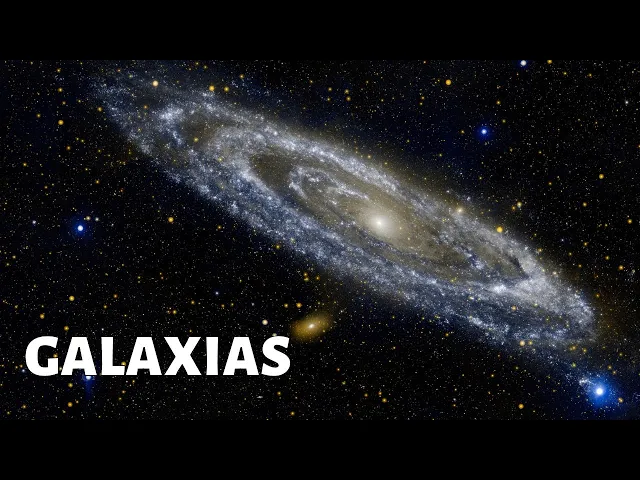
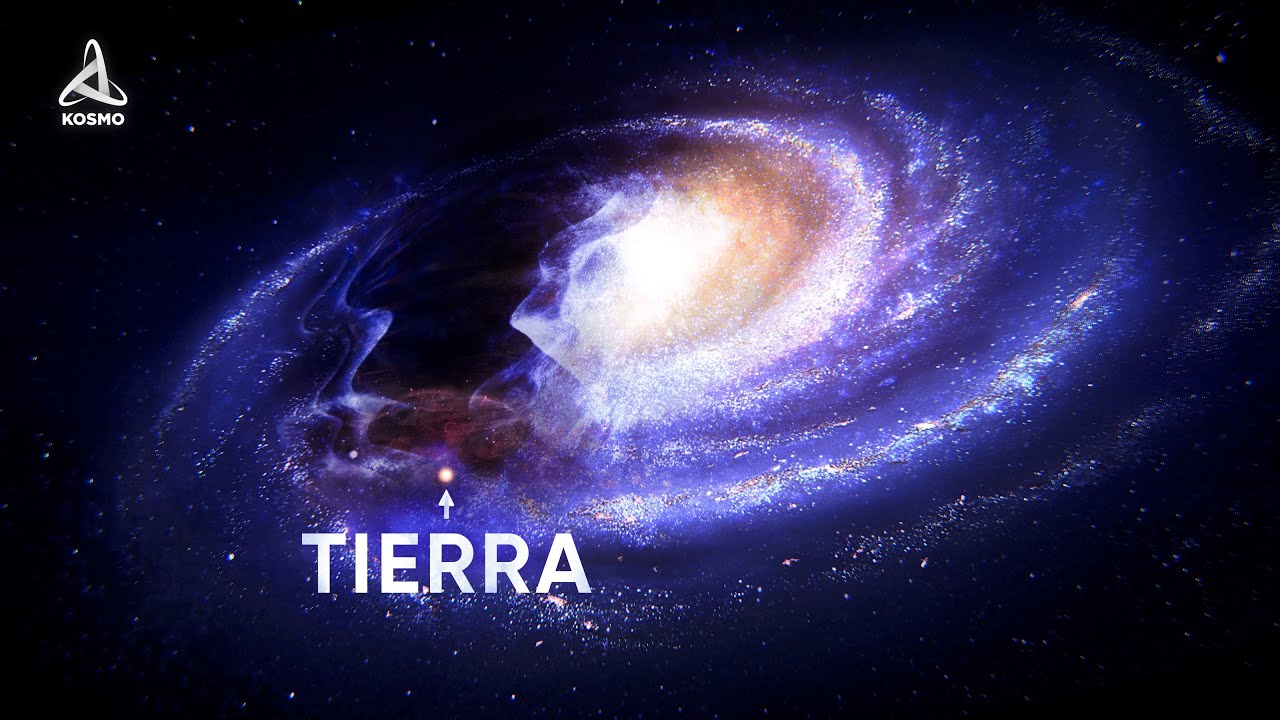
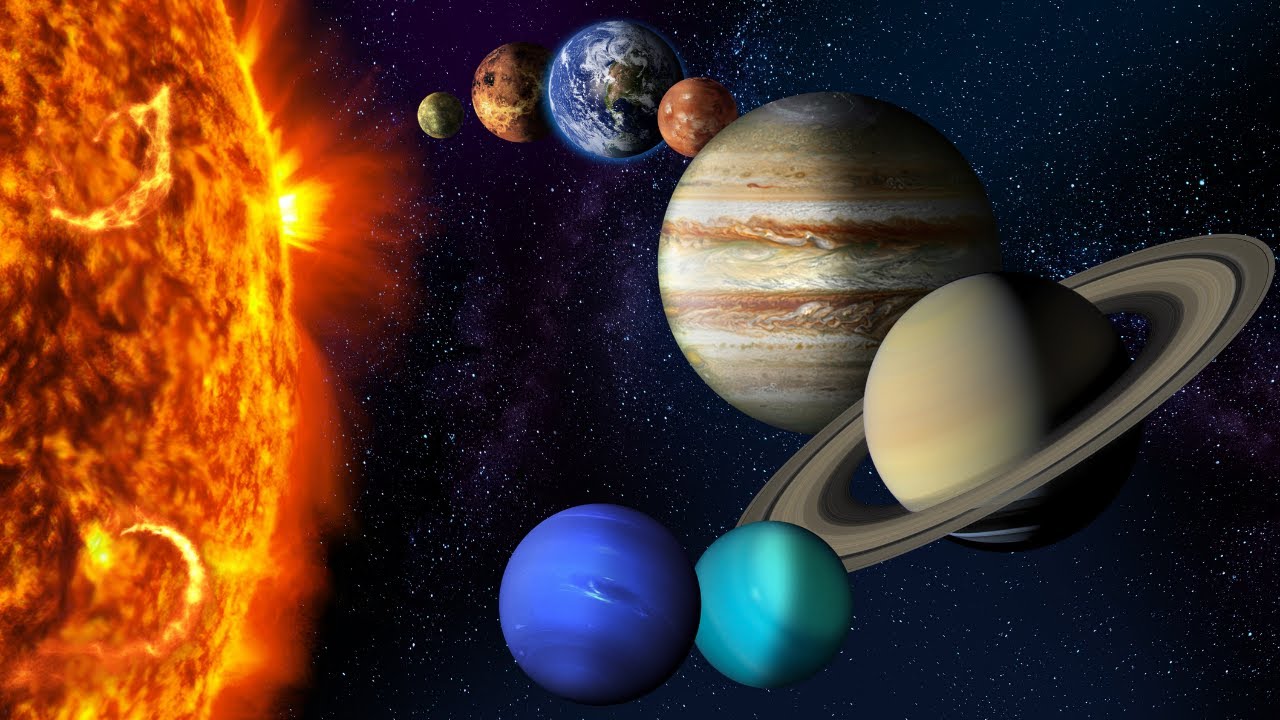
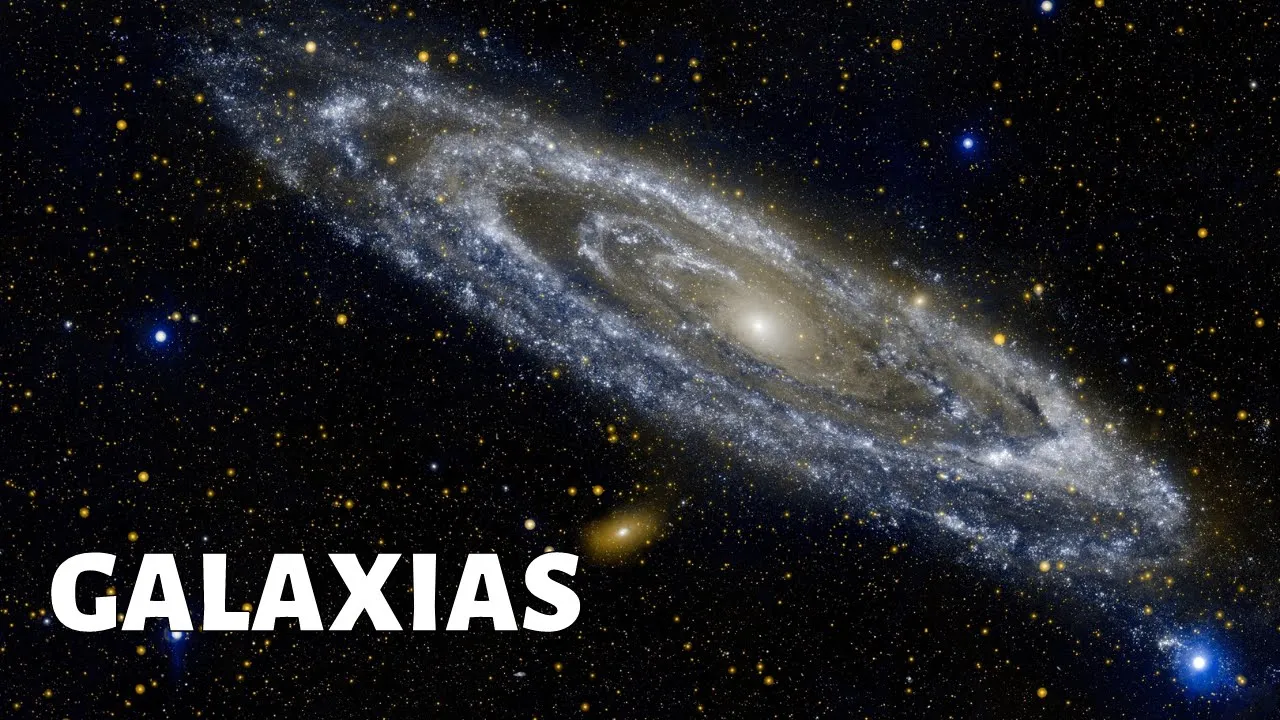
A galaxy is a conglomeration of astronomical objects and matter, such as clouds of gas and dust, trillions of stars, nebulae, planets, asteroids, comets, black holes and even a lot of dark matter, all structured thanks to the force of gravity. Our solar system is part of a large spiral galaxy called the Milky Way. This Greek-derived name can be translated as “milk path”, due to its resemblance to a dimly lit band that crosses the celestial sphere.
On clear summer nights it can be observed very well between the constellations of Scorpio and Sagittarius, since in that direction the nucleus is located and where the density of stars is much greater. Characteristics of galaxies Mass and shape Galaxies have a shape and can be classified according to this criterion. In addition, they contain mass and are not static entities at all, since they have movement.
Units of measurement There are giant and very bright galaxies, such as the Milky Way and Andromeda, and also so-called "dwarf" galaxies, up to a thousand times dimmer. To become familiar with the sizes it is useful to know some units of measurement used in astronomy. First of all we have the light-year.
The light-year is a unit of distance equal to the distance light travels in one year. Being that the speed of light is 300,000 km/s, multiplying by the number of seconds in 365 days, the result is approximately 9 and a half billion kilometers. For comparison purposes, the distance from the Sun to Earth is 8.
5 light-minutes, about 150 million kilometers, which is approximately equivalent to one AU or astronomical unit, useful in measurements within the Solar System. The next closest star to the Sun is Proxima Centauri at 4. 2 light-years.
Size The sizes of galaxies are extremely varied, from as small as barely a thousand stars, to the giant elliptical galaxies that we will talk about in detail later. Thus, we have our Milky Way of about 100,000 light-years in diameter, being a large galaxy, but not the largest. NGC 6872 has a diameter of 520,000 light-years, about 5 times the diameter of the Milky Way , and is the largest spiral galaxy known to date.
They have movement Galaxies are not static. In general, stars and clouds of gas and dust have rotational movements around the center, but not all parts of a galaxy rotate with the same speed. The stars in the center rotate faster than the outer ones, in what is called differential rotation.
Chemical composition The most common elements in the universe are hydrogen and helium. Inside the stars, as a nuclear fusion reactor, the heaviest elements that we know through the periodic table are formed. Color and luminosity The color and luminosity of galaxies change over time.
Younger galaxies are bluer and brighter than older galaxies. Ellipse-shaped galaxies tend towards red, with many old stars, while irregular ones are the bluest. In spiral galaxies, blue is concentrated towards the center and red towards the outskirts.
How do galaxies form? Galaxy formation is currently the subject of active discussion. Cosmologists believe that the early universe was quite dark, filled with clouds of gas and dark matter.
This is due to the theory that the first stars formed a few hundred million years after the Big Bang. Once the stellar production mechanism is set in motion, it turns out to have ups and downs in the rate. And since stars are what make up galaxies, there are different mechanisms that lead to the formation of galaxies.
Gravitational attraction is the primeval force that sets in motion the formation of cosmic objects. A small accumulation of matter at some point attracts more matter and it begins to accumulate. The Milky Way is thought to have started this way: small clumps of matter that eventually gave rise to the globular halo clusters, which include the oldest stars in the galaxy.
The rotation is inherent in the accumulation of mass that followed this initial period of star formation. And with the rotation angular momentum is created, whose conservation produced the collapse of the spherical mass transforming it into a flat disk. Galaxies can increase in size by merging with other smaller galaxies.
This is believed to be the case today with the Milky Way and its smaller neighbors, the Magellanic Clouds. Another merger expected in the very distant future is the collision with Andromeda which, unlike most galaxies, is moving closer to us. Andromeda is currently 2.
2 million light-years away. Types of galaxies The galaxy classification system is based on the shape they have. The most widely used today is the Hubble tuning fork or sequence, created around 1926 by Edwin Hubble, and later modified by himself and other astronomers as new information appeared.
Elliptical galaxies An elliptical galaxy is a type of galaxy in the Hubble sequence characterized by having an approximately ellipsoidal shape and hardly any distinctive features, lacking, for example, the spiral arms that characterize galaxies of the same name. The stars that make up elliptical galaxies are more or less evenly distributed. Giant elliptical galaxies are among the largest objects in the universe.
They are the easiest to observe, although much smaller versions called dwarf elliptical galaxies are much more abundant. Lenticular galaxies Lenticular galaxies are disk-shaped (like spiral galaxies) that have consumed or lost much of their interstellar matter (like elliptical galaxies), and therefore lack spiral arms, although sometimes there is some amount of interstellar matter, mostly dust. They make up only 3% of the galaxies in the universe.
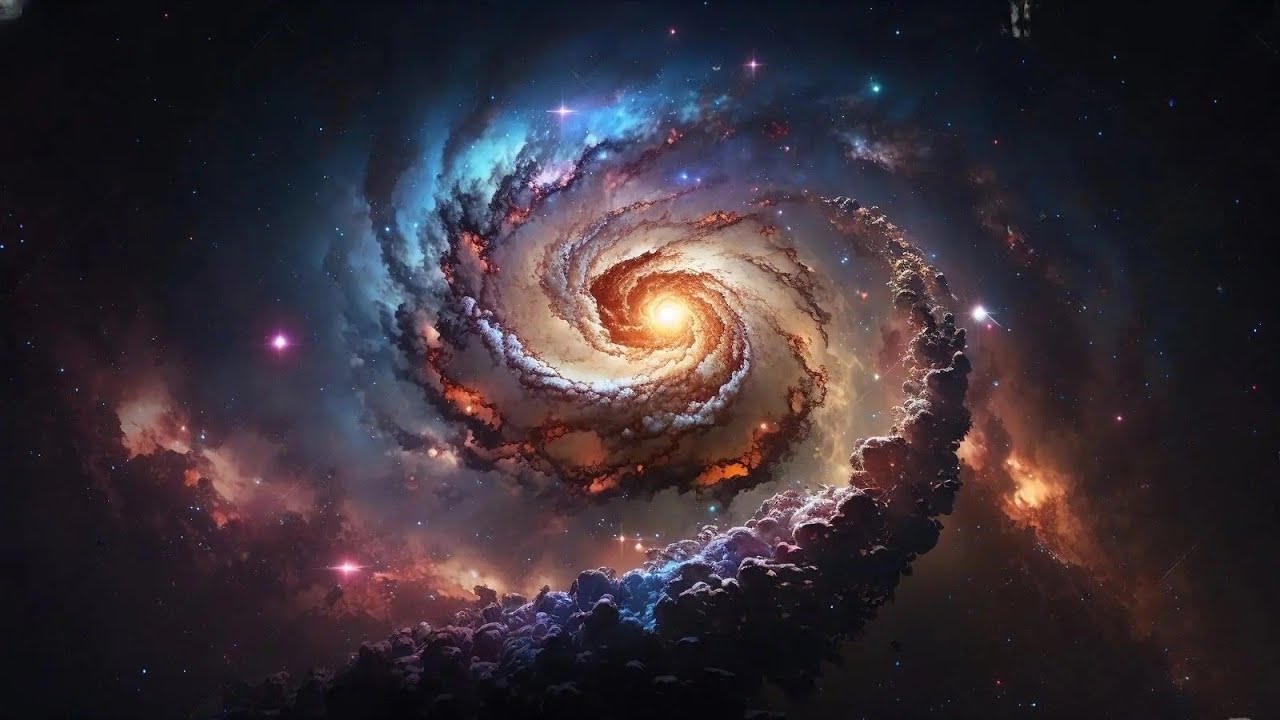
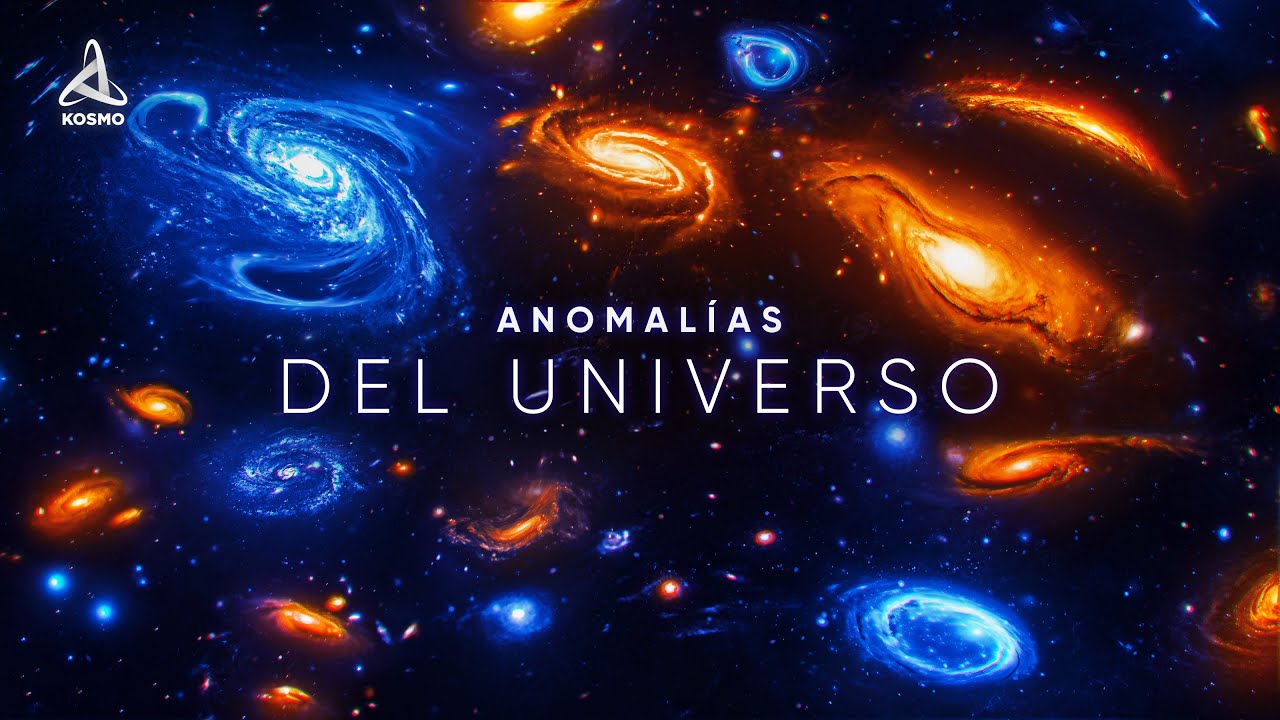
Spiral Galaxies Spiral galaxies get their name from the luminous, star-forming arms within the disk that extend—roughly logarithmically—from the central core. Although sometimes difficult to see, these arms distinguish them from lenticular galaxies that have a disk structure but no spiral arms. They are the most abundant in the universe, constituting 70%.
Barred spiral galaxies They have a spiral structure, similar to spiral galaxies but the arms project from the end of a central "bar" instead of emanating from a central concentration, like ribbons at the ends of a baton. Intermediate spiral galaxies They have an intermediate morphology between spiral galaxies and barred spiral galaxies. Irregular galaxies An irregular galaxy is a galaxy that does not fit into any classification of galaxies in the Hubble sequence.
They are galaxies without a spiral, lenticular or elliptical shape. Some irregular galaxies are small spiral galaxies distorted by the gravity of a larger neighbor. How many galaxies are there in the universe?
Although most of space is empty, there are millions of galaxies, perhaps 100 trillion of them, by some estimates. Others estimate 2 billion galaxies. Most of the universe remains unexplored and there is no exact answer to this question.
In just 12 days, the Hubble Space Telescope found 10,000 galaxies of the most varied shapes. The actual total number of galaxies in the universe is unknown. When observing with a telescope, it is necessary to emphasize that you are going further not only in distance, but also in time.
The light from the Sun that we see has taken 8. 5 minutes to reach us. The view of Andromeda that we observe with binoculars is that of 2.
2 million years ago. That is why what we see from Earth is in the range of the observable universe. For now there is no way to see what lies beyond.
One way to estimate how many galaxies there are in the observable universe is by using Hubble's extremely deep field or XDF images, which represent a small area of the celestial sphere. In one such shot, 5,500 galaxies were found 13. 2 billion light-years away.
By multiplying this value by the number of XDFs for the entire celestial sphere, they estimated the 100 billion galaxies mentioned. Everything points to the fact that in earlier times there were more galaxies than there are now, but smaller, bluer and more irregularly shaped than the elegant spiral galaxies we see today.