Microsoft always misses the bus but they run fast get into the bus get to the driver's seat. I think it's happened again in AI when we started nobody believed we can do enterprise sales in US. Startup is like a war you know it takes a decade to win. We typically discourage people from joining us after giving the offer because we tell them um I think we underestimate the talent that we have we overestimate The talent that we want to bring. Very few founders are like super friendly to their teams. Most of the time you're pushing
the team to the brink. Our industry does not have respect for patients, right? You got to really move fast. In last 6 months we have seen several of our customers coming back. We have bought some AI solutions. We are facing adoption issue. Can you drive adoption? Actually at some point Khim should write a book that should become Like founders playbook, not SAS playbook, not GDM playbook, you know, founders playbook. I think raise ambition. Let the world say whatever it wants to say. Hi, this is Sadhhat Alwala your host today and managing partner at Neon Fund.
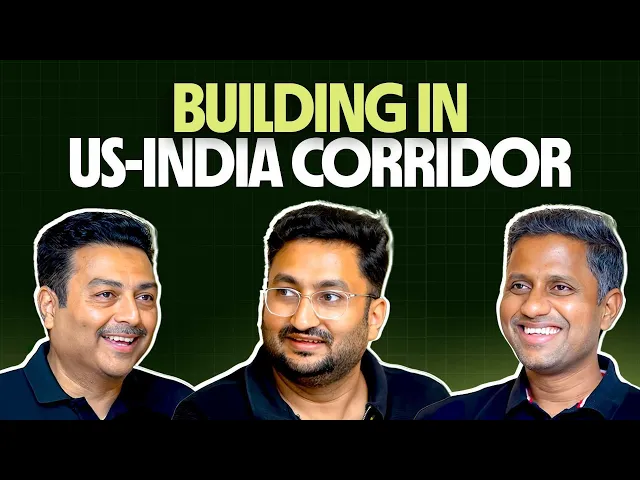
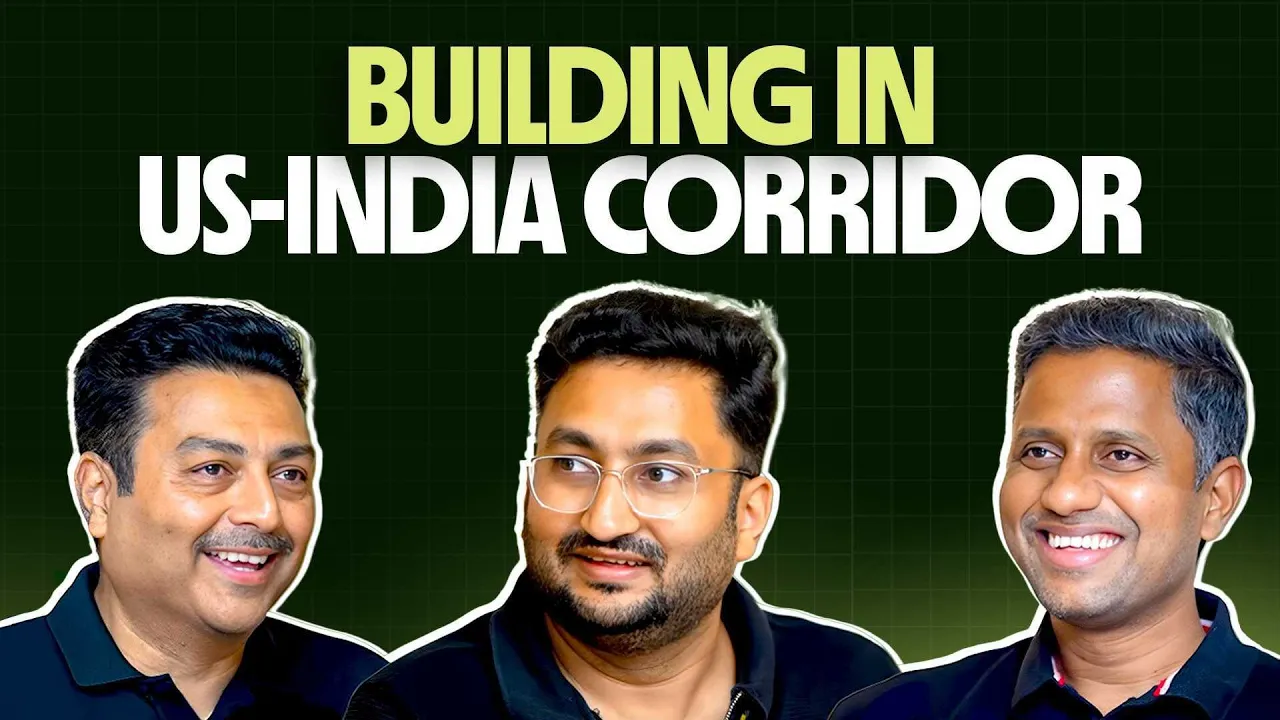
Neon Fund has invested in the best of enterprise software companies in the last 6 years. I have today a very very dear friend along with me Vijay Rayapati founder of atomic work. Neon is a proud Investor in atomic work and so grateful to be in this journey along with Vijay Khadim. I respect you a lot. You have created a category among the Indian founders as we discussed. you are the only CEO who has stayed back and still managed to create a very large company uh in enterprise software uh and and you have raised the bar
for all the founders in India. So today is going to be a fun conversation but AJ I want to start with you posted u this main you know some Time back that you know a VC asking founder that you are just a rapper on LLM and the founder asking the VC you are just a rapper on NLP just tell us the origin of that and what is the response you received I mean uh it went viral u and it become very popular uh so that was the first me I created you know using AI uh
So that uh so the origin was uh you know one of our investors Z47 had um global LP made in India. So I flew from US uh we had a an Amazing evening and we were chatting. Uh so the conversation started among bunch of founders saying uh hey all of us are just doing rappers and then one of our u uh friend Pren joined the conversation. So I was cracking a joke on Pray that uh uh you know you're a rapper on LP. So so that's how it started. I didn't expect it will go so
much viral. So uh not many VCs knew me before this meme but after this I think most people know. Now I'm in famous among VCs. So people love you or hate you for this? No no I think people love uh you know I think it's a it's a humor side. I think everybody has a job to do. Yeah. And uh just like founders have you know VCs also have a job to do. But uh I think u yeah before we go uh too much in it you know I want to say I'm a big fan
of Khadim. Actually only one founder came and spoke to entire atomic work team when we started in the first year that's Kadim. After that we have not yet called A second anyone else but we plan to call Kadim back. So I'm a big fan of what he has done and how thoughtful he is. So you know great to be here Kadim. Yeah, just to break the ice for our audience, right? Want to start with one thing that you admire about Khadim and vice versa Kadim you admire and one thing you want to change about Khadim
in a fun way. I think uh Kadim taught Indian founders uh I mean Indian founders know how to code in IST. They didn't know how to close in PST. He taught all of us how to close in PST. Uh I think he's a great uh uh founder uh in terms of his uh humility. I think he's very deep thinker you know u I just love how thoughtfully he designs you know I mean sales for him is like an engineering problem you know I think account management is an engineering problem uh even a customer success is
engineering problem right I think he has proven almost everybody I think he broke every ceiling uh every Investor used to say after 10k you can't sell after 50k you can't sell after 100k you can't sell I think he's the longstanding kajim also sold half a million million dollar deals. He's sold a million dollar deals from India. Uh I think it's remarkable you know. Uh so so I think there is so much to learn. Uh you know despite that most of us still move to planning to move or move to US. So but uh I think
he has proven that uh Just like you can code from anywhere you can also close from anywhere. Um amazing man you know. And one thing that you would like to change about Kadim? Uh I would like to see Kadim more in the Bay. So Kadim is the only founder I meet in Bangalore. Every other person I mostly meet in the Bay. What about you Khad? Yeah, maybe I was the only founder to speak at work because I was probably the only CEO founder in Bangalore and uh maybe I think you guys didn't read the latest
PR. Uh we did uh of course we did several million dollars before this but we did the first million dollar in federal space from India again. Amazing. US Army we closed that deal. Amazing. Right. Yeah. So and I was asking like what what you have known Vijay right for a long period of time. What are the things that you admire about Vijay? One thing that you would like to change about is so couple of Things for sure actually right. So one uh uh from what experience I've learned uh whatever we could do so far because
it was one way new category. So new category you have less competition but there are other challenges so you can enter and get those deals and all but when we are going into that multi-roduct some of the newer products what we are building is existing categories and really admire uh going behind the large ITSM category right like and so uh Aggressive there similarly like what Gish does for uh uh desk support and all so that part definitely like to pick his brain like how do you go behind existing category large category and make a dent
there actually that uh definitely and second serial entrepreneur. Uh he's done a successful exit. No. So I actually thought I'll follow Kadim until I s you know from Bali VCs but uh uh but I think uh the the borders are getting uh much closure right. I think uh Closing in IST for PST uh is possibility and it's a reality and even we have done like um our first six figures and six and a half figure deals uh from India without even uh you know having uh a proper sales team in US. Yeah. And and Kadim
when I talked to him previously he mentioned to me that uh his cycle moves slightly PST. So he comes to office at 1 1:00 p.m. or 2 p.m. and then goes back to home at 1:00 a.m. When you do India US corridor company, I Think the operational challenges are one of the biggest hurdle right and I have seen my friends working in multinationals or other services company like we say burning candles at both the end. Sometimes they have a meetings early in the morning sometime late in the evening. So when I was interviewing folks in
US and all they were scared to work in Indian companies there's no work life balance like suddenly I will have a call late in the night and sometimes in The morning it's like too hard starting from scratch. uh you're building ground up the new uh the whole operations and all you have liberty to think differently right so we thought okay why not uh just push India time uh start uh as late as possible anyway most of the engineers come at 11:00 actually in India we say we give you your mornings but our US team we
tell we give you your evenings yeah we we started going late so 1 2 I think that's Where most of the leaders and everybody starts in India majority of them and in US we pushed as much as possible people to start up early, right? Like my uh my CRO is in office at 5:30 a.m. My co-founder V is in office at 6:30 a.m. and we ask everybody to open up the calendar at 7:00 a.m. So at least we get solid four to five hours of overlap not only with the customers but also mostly with important
with our people. Yeah, I I think Khalim is also known for hiring Legends like Wispy Dor. That's why I'm here because somebody is helping me out there. No, I think he has a fantastic eye for talent. Uh we recently hired uh somebody who spent five years at uh what fix uh I think I met a lot of people in account management, sales management, sales, go to market uh but somebody who is very ambitious uh but who is also very calm uh somebody who look very aspirational but at the same time who is very thoughtful. I
think somehow he has This uh eye for finding people uh and uh you know it was fantastic. Yeah. So one way with what I have done or so far worked for what is actually maintaining relationship uh for several years with people whom you like actually keep talking to them kept continuing building that relationship rapper because you never know at some point they would get excited and join you actually so even for wispy I think I kept on pestering him for more than a year to join what Like several times he said no I don't see
this category and he had several reservations I kept going back to him every couple of months like we'll figure it out and one fine day he got pissed off and said okay let's do it so he several several people like that did that like the person he's talking about and we worked with him for few years before he joined uh Watfix and several people actually who go out of Watix also come Back yeah no I think uh uh I mean this this this is something that I learned uh from multiple really good founders is uh
when you want to bring somebody on board uh uh interview is not a great process right because you you unless you spend time with them uh for a long time you know uh so even I'm a big believer that um so we recently had our first head of finance and legal kyosh so we've been talking to him from almost like 2022 then we Engaged had few chats with him in 2023 then we told him okay we are not hiring we we don't want to hire in 2024 Then we went back in 2025 and said okay
come on board right. Uh I think it also helps uh uh both sides. Uh I'm also a big fan of uh anti-in uh so typically when we are hiring people we are only convincing them and telling them all good things about the company right how great the company is how great the team is how Great the product is how good the traction is. uh but after we give a offer we typically discourage people from joining us you know after giving the offer after giving the offer because uh we tell them um look we are a
very early stage so work life balance would be really hard there is a lot of risk and uh I think so far you probably thought all the reasons why you should join now you should think all the reasons why you should not join after That if you feel you cross the threshold then come and join so we hired our head of sales uh for u called Eric Munz Um so so I was doing a lunch with him in Vegas. Uh he he came to see us at one of the conference and he said uh Vijay
what is this thing everybody in the atomic work team I spoke to is discouraging me from joining atomic work. I said you know because do you really want this job right you have such a good job you know big team you know big charter and why do You want to take so much pain right uh because sometimes when you prepare people for reality when they come on board um I think they're at the same wavelength you know as the rest of the team I think see if you look at the journey of any startups right
like it's it's a decade plus right and there will be several quarters where things will not be good there will be several quarter of things will be really good right so you want people specifically in Your core team who believes in the mission right and that very hard to judge in an interview and make somebody believe in your mission you need to date them for long so that's where you build the core team who are missionaries otherwise generally you'll end up with mercenaries a couple of quarters down they'll just go away and in your case
right Bispar all these guys have been for 10 years yeah yeah so actually more if you look at all my heads I think the Young somebody who is lowest tenure uary is like three and a half years otherwise average tenure is like 7 to 10 years now all my leaders yeah and and somebody who joined as a BDR is today head of sales are so yeah so Praar was the first employee of what fix he joined as an AE today he heads the complete uh sales of North America my Shrihari who was first top 10
first 10 employees he now heads my global partnership Capil who was my first PM was 15 employee now he is my uh Head of product so several such examples and also one thing which we done which he pointed out uh was like solving things like engineering somewhere if I look back I think probably I've done that like my head of uh sales and solution engineering is he was my VP of engineering actually he he's not a chief executive officer he's a chief engineering officer he takes every problem and applies engineering to solve it so my
my head of success Actually had never done success right Mohit I don't know whether you guys know him so he was he's a Georgia Tech guy he was a founder he wanted he came to what fix because he wanted to do product engineering. I said okay you want to solve a problem I'll give you a problem and I made him head of services and then made him head of global success right so my head of uh CISO right my head of information security and IT and all he was my Engineering head move so I no
wonder actually that's uh one of the remarkable insights when you look at uh really good companies like Amazon Microsoft Google even Oracle the leadership tenure especially senior leadership tenure is as he said anywhere from 7 8 years to even 15 years. So the longer the senior leadership stays with the company uh the more the company can uh take attacks, literal attacks, adopt to Change because uh in in history they say right when you're going to a war it's okay if you have an army of new soldiers but you need some veteran generals right who have
fought who know how to organize etc. Uh I think most companies uh even I personally have experienced uh I think we underestimate the talent that we have. We overestimate the talent that we want to bring. Um the board always thinks this people this is the biggest job this person is doing. Uh Tells the founder that go out and look at people. Uh I think consistently uh I felt uh the talent that has seen ups and downs as u Kadim was saying from day one has seen the evolution of the company uh can actually be a
much better general than even a new general who has won wars right. Uh I think you need some new people for sure. Uh but u ability to retain the core team for long uh and ability to grow some of them as he has grown uh is also a big inspiration Right see the playbooks are changing very rapidly. I think everybody knows like what worked few years back may not work today probably with AI first everything again will change how and this is not only how we build a products or how we build that use technology
but also how you do selling how you do marketing it's been changing evolving I think when people want to really go fast sometimes they tend to go back to people who have been there done There before and those guys when they come in they try to replicate again it's a hit and miss actually it works sometime it doesn't work right but I think when you want to create a playbook. You need some kind of a space to experiment to uh to create that uh identify what's going to work uh uh and for doing those experiments
and creating their playbook, they need some kind of a safety, right? And when you are there with your company for several years, you Actually become more bold in experimenting, right? you take more risk because you know you've been backed uh you have your founders or other guys supporting you and you you're working for a mission and one or two quarters if something doesn't go well fine but if it works I'll have a huge upside so people I think that's very important if you have people who've been with you maybe that example of general whatever like
they will experiment they will take risk Risk right but the new guy will go with a tried and tested playbook maybe it works in this particular thing it may not work thin line is there right people might get complacent Right? But then what we could work around for that is like for every leaders right uh as a founder you see things from a macro uh you have board you have other guys to push you to figure out like uh you're missing something but for leaders sometime that Is not there. So that exposure is required. So
we give budget to every leader that they can hire their advisers and mentors who've been there done that in the industry because probably they doing the right thing but if they are doing for the first time they need to bounce off that and just get that confidence. So almost all my leaders have one or two uh industry veterans as advisers like my CRO has a CRO as an adviser, my CISO has another CISO as an Adviser, my HR guy has another HR or finance guy has a HR finance guy. So that what you don't know
you don't know I think that gets covered that's the biggest piece actually which uh which hits when somebody's not able to grow. But I think what he said uh is so true. I think the leaders who have psychological safety right always play the bigger game right if they're complacent you know anyway you know the churn will happen naturally right but uh I think psychological safety is very very key for leaders it's lot more important for leaders uh because then they will not take the boldest risk right uh typically everybody is trying to impress the CEO
and the CEO is trying to impress the board right and uh when You have some of the people uh I think one is psychological safety as Kadim said is very high so that they can actually take bigger place bigger risks to try they will fail in some second Thing is also they will be very candied with uh founders because they have been there for early days uh if you do something stupid they will tell you it's stupid but most new executives they tell you founder what an amazing company you built how great you are how
thoughtful you are hard. You are hard and when you they put paper after 8 months the founder it was such an amazing company right so uh yeah I mean actually uh uh somebody said I don't know who Said this um somebody said most companies get destroyed after IPO because in the preparation for IPO in order to make the company big we bring like lot of these new leaders uh most of them turn out to be mercenaries not missionaries uh And uh it's amazing how many of them are worried about stock price on a day-to-day basis.
Forget about an engineer if engineer is worried about stock price day-to-day basis. You can Understand but at a CXO level people who have been CXOs twice they come to a third company as a CXO still worried about stock price right in Nudanics I had like one of the policy was I had autosell uh almost every quarter irrespective of the stock price because uh you don't want to waste so much of your time and conversation you know in that uh somebody can look at me and say what a mercenary this guy is like you know not
Holding the stock the other way to look at is you know the guy really doesn't care right uh you U about you know whether you do 30 bucks more or 10 bucks less you know eventually it will even out right uh one of the thing even atomic work we do is um uh even this year right uh we bought like a bunch of CMOS to come and talk in our leadership meeting about how did they what did they do when they went from this tiny company to big company Right they were a CMO they didn't
had budget they didn't have brand they didn't had dollars, they didn't had recognition, they didn't had unless coverage, you know, all that. Now we are actually bringing a bunch of CPOS to come and talk to the team uh almost everybody and then as he did uh I have actually onboarded a good market advisor somebody who's been a CRO president um and uh he said I don't want any cash but I said no you should actually take Some cash so that I have a right to text you and call you when we want and I tagged
him with our new head of sales uh so that way he has time right and um similarly we are actually bringing somebody as a product advisor, right, who's been a CPO at like two really really good companies, right? And then I have a CEO advisor uh called Sunil Poti. Um you know, he just retired from Google and we are not giving him stock or cash but uh Sunil was uh my boss when I was At Nutanics. He's one of the amazing product thinkers uh and such an insightful guy, you know. uh recently he told me
Kadim uh uh you know like the the time to value uh for a product to prove time to value uh typical enterprise products in decade ago right had 90 days so most PC's are like whatever 6 8 weeks even 12 weeks then we said hey we need to condense this you know bring it to whatever 3 4 weeks but if you look at in the AI most products Are giving the value the proof of value in the first 5 minutes to 15 minutes so he really challenged You should think deeply about how do you show
value in 24 minutes uh not 24 days, right? Uh and uh so so I I do talk to Sudhish Nyer, you know, who is uh just uh stepped down as a CEO of thought spot. He used to be our president of uh sales at Nutanics. uh and uh I connected a bunch of CTOs with all my engineering dudes created on WhatsApp group and I said okay you guys Have to you know continue to talk because uh I think we underestimate we underestimate uh external perspective sometimes because we are so much in the moment uh that
you know even though even if you are outside that situation you might be able to spot the things but if you're in the situation you won't be able to spot the things uh I mean I can't emphasize you know I mean you don't need like an army of advisers But every leader need a Somebody who they can go to in confidently in confidence get confidence. uh otherwise as a CEOs you know we are mostly in a hurry right uh however good we want to be with our team we are more or less pushing them you
know and it's very hard for leaders also to operate right so sometime sometimes my team thinks uh I have somebody who messages people at 2:00 a.m. and 4:00 a.m. I wake up for 30 minutes and just you know Follow up uh you know with folks. Uh and we are generally as founders right are like very um I think very few founders are like super friendly to their teams. Most of the time we are pushing the team to the brink you know constantly right uh and I I often tell them you know if you really feel
like you can't negotiate with me I think talk to you know this person right uh who could be your advisor and uh I think it's so true you know actually at some point Kadim should Write a book that should become like founders playbook not SAS playbook not GDM playbook you know founders playbook uh uh because founders have so many advisers even though they may not be advisers like your investors, your board, your fellow founders, you know, constantly learning. Constantly we are learning, we are exposed, right, to so much information, so much insights. So your learning
loop is much faster. But a lot of your leaders are actually doing The work. As he said, he's here because somebody is doing the work. Same applies to me. They're in the work constantly. They're just doing the work. You know, they don't have as many opportunities as we have as founders. So we need to be thoughtful and create them. So sorry just to add like if you just before simplify this right like what happens if a CR or a CMO or one of your leaders doesn't meet uh their target for two quarters board will ask
them to fire. Yeah. Yeah. Yeah. Right. But it's profound it's been always asked like okay think big think long right take that big steps bold steps right but those steps can't happen in two quarters right so when when your CXOs are measured for just two quarters if they know if two quarters go bad they're chocked right max they get is four quarters most of them are measured in one quarter not even two so so what happens is whether whether they Subconsciously or consciously they start anchoring themselves that I cannot go beyond two or three quarters
And some of those steps what they take are very shortsighted right they don't build that foundations very strong and that's why you see right I think of the whole valley thing like as soon as that money was stopped everybody's growth plummeted right it's like growth at any cost just throw money right I say ths I'll get $1 so fundamentally when you ask them Okay now you have to be efficient also you have to grow also you have to retain also you have to show value also you know I've interviewed so many CXOs most of the
CXOs quit then that that that funding was stopped. They didn't they couldn't work without those constraint with those con they couldn't work without those constraints. So when when your CXOs are are actually they know that they're going to be chopped in two or three Quarters they start taking very short-sighted steps actually which is harmful in long run maybe short run it might show some results but founders have that luxury right two quarters doesn't go well you'll be going back firing couple of CXOs getting new CXOs again go back to board and saying okay two or
three times you can do it probably right after that but you have longer lifeline compared to the buffer zone for founders is much longer than Most leaders who come to companies so it's very important to have those CXOs actually who believe as we were again going back to that like they are they believe in that mission and if they are shortsighted they will always think after 3 years when I quit what happens to my career what do I put in my profile what are you going to say in the next uh interviews or jobs but
the missionaries are the ones which you anchor them like uh think boss this is probably your last Job right after this you should be only adviser or you do something else you don't have to work for leaving you need to work only for So they think long like okay how do we take this company to 10 billion or which is going to be like I can also retire. So I think that whole mindset has to change to take bigger steps to take bolder steps that psychological safety what you mentioned and so though not only for
founders that if founders Cannot do it alone they need that team also to think similarly and they need their investors also to think like the same way. Yeah, I think uh look, Kadim has found great investors. So, I think he's uh uh I think he uh lot of I think I spoke to couple of his board members, they really love him, right? For how thoughtful he is. Uh at the same time, how aggressive he is, right? How much he wants to change the status quo at the same time he wants to derisk the change, Right?
I think sometimes we learn through experience. But uh uh yeah typically uh I think when we there are a lot of mercenaries both in India or valley it does not matter right they're good for a battle but a startup is like a war you know it takes a decade to win you know it's not like one battle you go you know win or lose but you also want people who are willing to learn what happens is when you bring this people who have such A short tenure in their head because they know that the board
is going to church uh the first board meeting welcome on board you know it's all great awesome in the second board meeting uh you know it's a quarter it's like okay uh where is the data you know where is the growth and u uh they obviously get very jittery I think founders can give confidence um you know create an ecosystem but I think the founding teams when they grow along with the company Just like as founders are growing with the company I think amazing companies could be built right uh I think probably he has the
longest tenure in leadership ship uh compared to most companies. No, it's actually true Karthik most companies the tenure of senior leadership is less than 3 years. Yeah, that that's right. I think one part which people miss actually even in the boards and even in some of the time founders also when they keep replacing The CXOs on the paper you have an O structure where there's a CXO there's a VPs or there's a directors you think you remove the CXO get a new USXO things should work theorotically but it doesn't right the whole whole tree shakes
you might start losing good people who are with you because there's a dealership change the orientation has changed or thought process has changed and again getting back to that shape even what it was performing I think it it might take Lot more time so the collateral damage people forget actually IPOs do most collateral damage to companies you know because you bring lot of CXOs so don't take company public that's no actually not don't take company public I think be confident to take a company public and while retaining lot of the your uh founding leadership with
your existing leadership rather than bringing at least like if not more than half of your leadership Uh does not come organically then you have a problem because then the rest of the new leadership does not know how the leadership in this company behaves and operates uh if they see even if let's say you have 10 executives right uh under you if I six of them came organically if they operate differently this new leaders will also adapt right end of the day we are all social animals right I'm trying to learn from Kadim Khim is trying
to learn from someone and Uh so so we adapt faster I think organic Leadership is such an underrated thing. Uh I think on paper uh everybody is amazing right? I mean these days I get amazed you know somebody spends less than 2 years and says I took this company unicorn and I typically believe in what Karthik of Bloom says uh unless you spend three years with Bloom uh you know I don't think uh you have you know you have actually be part of the bloom yet. you know they have this uh I think Ceremony I
think informal one to say if you've been with the bloom for 3 years then you know you're really contributed because it takes a year for anybody to figure out the company a year to actually take bets and year three to really deliver value uh but these days look everybody is like GTM at whatever open AI and GTM at anthropic and uh people say in 6 months I have took the company from 10 million to you know 60 million and I tell them you should be a Founder you know if you really have that skill you
should be a founder you should not be right uh because you have some magic sauce that you don't have uh so yeah even uh my philosophy is uh build a lot of organic leadership I think great companies had amazing organic leadership even now you go back and look at SVP tenure at Amazon or a CXO tenure at Microsoft any large any large comprises Right? Lot of organic leadership. You Think why why to even go there? Let look at our companies like we have tens of billions of dollar companies, right? TCS, Vipro, Infosys, I think they
all build organic leadership and they did phenomenal work. Phenomenal work. And the founders rotated for different jobs as you were saying. Somebody who was running HR went and ran delivery. Somebody who ran delivery went and even ran you know finance uh and hiring university. Uh yeah, I think some of Those things I hope uh you know we we go back to roots you know instead of like this new uh playbooks right I think a lot of new playbooks are shitty playbooks honestly you know uh or anything anyone who says this is a great playbook that
we figured out in like last 3 years uh is not a well- tested playbook it's not a time-t tested playbook but things that have worked you know will most likely to work. That's why they say if the company has survived For 50 years, most likely that company will survive for another 50 years versus somebody who's been around. I think you congratulated Microsoft on surviving 50 years and being the leader. It's amazing, right? We actually did this small campaign kadim. Uh we created a you know uh a congratulatory message because think about the company went through
four five massive changes and um hyperrowth the best company in the world to okay this Company will not survive to now being you know the most talked about company it's not easy right I mean it's so hard to build a company for 10 years uh I can't even imagine you know what it takes to build for 50 years like Tatas you in India like 100 plus years institution right. Uh yeah, one of my actually a very good joke was there like one of my professors told in my college right and this was like 20 years
back of Microsoft they said Microsoft always Misses the bus but they run fast get into the bus and get get to the driver seat driver seat yeah I think it's happened again in AI yeah I think that's the power of install based kh see the power of install based not only of course they have that distribution mode but along with that they have also built that agility and that alignment I mean the whole organization goes behind that mission and they they they they move so fast on Those. Yeah. I mean like uh look at the
number of leaders who put messages. Uh Jeff Tapo uh who is the president of M365 uh Microsoft 365 started as a shareepoint developer. I think he was like you know created the shareepoint to you know running a division to Shini Raan to so many CVPs so many presidents are with the company for 20 years to 30 years right more than half of the journey of the company. I mean it's Amazing you know I mean I recently saw one EA um I don't want to name her she's been with Microsoft for like 36 years right she
probably knows you know every technology executive ever met their executive you know uh and institutional knowledge of uh you know who is important who is not important and you know what not um yeah I think uh in this world of AI which is rapid change I feel we should reflect back on what are those timeless things right Organic leadership as you said is an amazing thing psychological safety uh and even like providing that uh growth opportunity through mentors are very key uh from a very early stage of company you know what I really like about
khadim is uh so you meet a lot of people right so first time you meet some star founder you get really impressed second time you meet then you think okay He's okay same level then you meet fourth time you Think how did this guy become even successful right but I think some people are so thoughtful in every interaction you feel like you're learning you know I think kadim is certainly one of them yeah it's like becoming too much about how it works kim one interesting point is like you have really demonstrated that humility works so
how how are you able to hire humble folks in your company because there's a very thin difference between when performance can Be replaced by arrogance. So I think I think he he already mentioned that like when people join right they try to adapt. Yeah. Right. So culture right like what is culture? uh if you are a very small company let's say 15 20 30 people you have not defined culture but the culture actually starts reflecting what how founders are behaving on the floor that becomes the culture and then it starts percolating down your people start
imitating that like okay if I as a Founder if I want to be ruthless and people know that I like that and they want to be imitating that so it starts percolating when you start scaling there are some cultural like what do you call that subculture starts getting created But of course majority part actually gets reflected. So I think if you can maintain that culture and keep aligning people I think overall it starts building in the same uh direction right I think there are some companies with a DNA of very being very aggressive there are
some companies which are very thoughtful or innovative because that's all actually percolating over several years and their culture gets built so I think just focusing on that keep aligning them and keep looking at that if I to give an example on culture for example uh like uh when we started in 2014 15 money was not that easy to come by Uh so we had one cultural trait. So We did some we did survey in the in the company saying that okay what do you feel when you think about what fix or the founders and all
so one word came very frequently was frugal right cuz they they realized that okay founders don't want to spend too much it worked fine for first few years then it backfired because I remember one of the days one of my uh directors someone came to me was 2017 or 2017 or 2018 saying That kim I want to buy this software And I think the software is very cheap and know by that time we had a series B we had 20 $30 million $40 million in bank I don't want to buy cheap I want a software
which is the best which can help us actually to move really fast I like why this software why not the other one which I know this is industry leader he said no that is expensive now that backfires my culture so I have to consciously now change the Culture so we maintain we we change that frugal but not cheap yeah yeah Right. Today we again change after a few years everything we do is best-in-class. So you some of the things you consciously evolve as well. So as I was mentioning like the way we behaved on the
floor that frugality everybody started imitating but some of the places it it it was not required to get uh reflected on the activities what you do on the ground and and Vij coming on the Culture right you absorbed a lot from Dhaj on on building culture. Yeah. Now I think one of the amazing things is a lot of us think uh the hunger and humility cannot exist but actually they can coexist right you can be very ambitious right at the same time you're very humble and uh you know you can operate with heart uh I
think suddenly I learned that uh you know that uh you know with droet nutanics was uh I think raise ambition right let the world say Whatever it wants to say right so naysayers will always be there saying uh this company will not succeed ceed why are they doing like really old thing um and actually engineering started after public cloud was already a thing to build a private cloud right uh and uh even today you know uh uh it it trades much higher than most SAS companies on the market uh eventually products wins right and the
product comes from uh certain core principles that you Institutionalize right uh so we want to you know we want to have right this high ambition and uh at the same time you know operate with heart and operate with humility and uh you know be honest right so the the nutanics culture was like very simple you know even atomic work we call u uh atom culture or atomic culture so hire people who have high agency and operate teams with high agency high agency is about desire to be self-directed Right? So you're not Looking for too much
direction from you know everyone around you right and uh you cannot operate with um you know high velocity if you don't have trust. So the T stands for like trust and W stands for ownership right the owner mindset which he spoke about right uh you we want people to operate like frugal but that does not mean you go for the cheapest thing you know you still go for the best in class right you think long term and say does it really add value for us and Our industry uh the craft is very important right as
more things get automated the experience matters uh so mastery is like a big thing for us so atom is like agency you know trust, owner's mindset and mastery. Do they have desire to get better at the thing that they are doing? They may be great at coding but do they have a desire to write even better code you know whatever they may be good at pitching they could be good at you know This uh that's how we started and then we realized two things are missing from it you know this is teamcentric you know individual
centric we said we then got incomic uh impatience right our industry does not have respect for patience right you got to really move fast okay uh because if you don't disrupt yourself you then somebody else you know somebody will for sure will disrupt you and then customer obsession right because end of the day we show up at work to deliver Value to a customer through all our work right and um but we are a small team you know we are like 50 60 people right now but one of the thing I always tell people is
velocity is the oxygen for a company you know in the early stages right uh the faster you operate the better oxygen it's it's oxygen for the company you know and uh I think one good thing we did was we went and picked people uh thoughtfully the first 25 almost came from the network next 25 More than half came from the network now we said hey we should also bring people who are not from the network otherwise it will become too much of me too right me too in a sense you know okay same thought process
etc and uh but look human capital is also very efficient we can't hire hundreds of people so you know we have put some cap saying okay we are not going to cross this cap until we get to certain level right I also have upper cap you know of triple 9 for the Company saying okay we are not going to be more than triple 9 you know because we also have to build very human capital efficient companies otherwise if you also go you know get to 5,000 people get to whatever 600 800 personal nightmare huh it's
it's it's a nightmare right the market will not respect because there are so many incumbents uh at the same stage right the more people you have the more problems company will have actually throughput goes down the more people you Have uh you know somebody said this I forgot um in a 10,000 people company the square root of 10,000 which is 100 people are doing half of the company's work which is more or less true by the way you know so uh I think it's it's it's super I mean one of the amazing things um a
lot of people said are you stupid why did you start it's so painful uh you could have been a VC you could have been whatever uh but uh there is so much joy in seeding things uh I think You get like I get at least a lot of satisfaction. I think there's an amazing opportunity now to build products to build you know like do a lot of new things while holding lot of core things you know which are timeless. I hope being VC is not easy as well I have been a founder being found I
can say much much easier. So Kh I basically tell you I think uh every job is hard right I think anything you do actually one of the G CEO uh I forgot if It is Jeffy Melt or somebody who said every job looks easy when you're not doing it when you are doing it then you know how hard the job is right but I I think uh VC gives a lot of skills but it also takes away a lot of skills from you right foundership gives you a lot of skills it also takes a lot
of skills away from you right I'm brutal like you know I have two young kids you know I spend very little time with them because of this constant travels right Uh and somebody who loves traveling it may be a great thing you know I don't really love traveling but I have to travel because you know I mean like I probably did like 16 trips last year to us back and forth part of job now uh and uh see he still has some black hair mostly white for him to have black hair somebody listening must please
to have a gray hair many so I think just to add actually because we've been talking a lot about Growing team organically and all like it should not be also taken that uh there's too much of complicency there's a status quo so see let me give couple of examples like uh I'll take example so we do ask these questions every two quarters all the leaders who are there currently uh they might be for doesn't matter how long are they still true are they still uh right leaders for that particular job uh just to quote some
examples uh uh Like we even have Instances I don't know how many Indian companies have demoting people because Indians are scared to demote they will fire because there are some people who we would have promoted because of XYZ reasons but they are not able to perform at that level can they go back of course a lot of people don't take it and they quit but there are some people who say probably that's the right thing for me so we have taken that those steps I I don't know but probably we are one Of the very
very few or one of the first SAS companies to call all people back for 5 days office. Yeah. Uh we did like 3 years, two and a half, three years back and I've been propagating because we believed it is not going to work. Every leader opposed this or every director was opposing that nobody's going to come back. Nobody calls. Today everybody's calling back. Right. Absolutely. We did that same thing in London office and San Jose office 5 Days. Yeah. Right. Because sometimes you have to take those steps. One of the complaints I of course as
a even though we are doing fine, we still have a lot of attrition. Right. like there are people get tempted people who get series A series B they poach I'll get some good director from what and make him the leader and one of the complaints what people have at what fix is too much of change so even though we have that good amount of leadership there but we push So much of change and so much of velocity that they have to change the processes they have to change the style of working uh every 6 to
12 months and many of the people could not couldn't adapt to that and they quit right and so so the and another thing which I just got uh uh got inspired by Gokul Rajaram right uh we we abolished designations yeah because what happened everybody was asking I have spent two years in my position I want to get promoted now Spending two years in your position doesn't mean you need to get promoted promotion means you need to take more ownership so how do we change that ownership part so we we removed designations we said okay it
has to be role goal base right like how you take ownership if somebody is a head of content doesn't matter now whe the person is director or senior VP or VP why should I change unless that person takes more ownership so I think we are Seeing gradual change in last one year we brought this of course there was a lot of push back because everybody wants to be glorified some designations on LinkedIn now people are asking I've seen several folks coming back in last 6 months saying what else I can do I am head of
XYZ or I am leading this particular mobile platform now if I have to grow to next level what do you think I should do now they've stopped asking saying I've been spending two years Doing the same thing of course I've done well now you promote me now it's a ownership first and the promotion or designation or role change would come uh later so very bold s changes we have done which generally I haven't seen in many US even Indian companies or even US companies now I think um he said a beautiful thing which is um
there's a constant change you know that's why what fix is successful right uh I think most people cannot take change even early Teams you know founding teams uh you know cannot take change uh I think one of the thing um I often almost repeat myself telling myself that you know um repetition does not spoil the prayer uh which is uh we not only have to build AI native product we have to build AI native company where human capital has such a high premium right uh because uh if we don't instill some of those things very
early uh then the the problem with these designations is um uh I mean it's So funny once somebody told me uh you know I think you should take you should hire like another 30 people in your group I said why uh because uh VP should have 300 people in their group I was like okay but uh you know people cannot be proxy right because the moment we create this layers and hierarchies people tend to hire more people so they know that you know once I have 100 people I can be a VP once I have
like what 500 people I can be SV you know it It it typically the the platoon culture right which is okay you're a squadron leader once you have a squadron right uh but uh I think that world is changing dramatically right uh with AI it's it's it's I believe uh I think we will have like this individual managers who are doing IC work manag managing lot of this AI managing agents agents and that's a reality actually you know I mean we one change we just recently did Uh I'm a big believer that uh engineering pods
product team pods are a very good structure so we had this typical 8 to 10 people thing so recently we broke that and said no pod can be more than three people one really senior engineer one senior engineer one junior that's it everybody else has to be in AI I think right there's a lot of push back and whatever you know but um I I think now people are saying thank god we don't need to spend 1 hour in status meeting Every day it's only like 5 minutes right and they will also have high agency
right because now the surface area is hey we can do lot more you know uh otherwise like you know even a 50 people team I don't know who is exactly working on this so when I have to give a feedback feedback I'll give it to you know product manager the product manager gives it to inchod inpod gives it to uh the inch lead of the pod gives it to the engineer now I know who are the person Who you directly paying right and And if you cut through layers, I think layers kill company you know
uh one of this Bane uh senior partners uh he he wrote uh about founders mentality. It's a beautiful video also it's there on YouTube. uh and one of the beautiful thing he says is uh you start growth comes growth creates complexity because you hire people set up processes bring products and complexity kills growth right that's why companies die right Yeah basically complexity actually kills the growth so the first killing is it will slows down second killing is it will make people so complacent third thing is you know you actually don't grow your you're regressing and
eventually companies die right he says in order for you to escape that loop uh you need to figure about this founders mentality in the business right founders mentality does not mean they need to be a founder but people who have high Agency high hunger uh can operate with high velocity it has a beautiful thing and I'm a big we were actually a big fan I got introduced to that concept at nutanics um saying you know we need to be we need to have founders mentality because founders can only be one person three people at max
10 but founders mentality or founders mindset could be there in entire company with everyone I think I uh it's not easy as well like of course Uh in spirit you want everybody to have that mentality but what happens when you start growing as a company when you have 800 900,000 people I think a lot of people when you go as a lower in the hierarchy they start working for appraisals right they are start working for the KPIs what they define right uh I I'll give an uh example I think recently you would have seen last
two years a lot of middle management getting fired in large companies and all Now we also went through one exercise where we said we also want to reduce the hierarchy because agility is not there if you have too much of hierarchy like I got frustrated in between like when I wanted to get some decisions or some things to be executed by the time it goes down and comes back like it's like one and a half months two months because there's so much of push back so much of debate so much of discussions and okay we
need to we need to flatten It right now how do we flatten it so now as an organization you just like if you're 100 people you can say okay these five people are not required or you chain the you chain them to different teams or you restructure or something like like then you start making rules, right? You may start making rules saying okay you need to have minimum three people or five people or eight people part otherwise you'll not become manager you if you don't have three managers or Four managers span of control then you
won't become director if you don't have four directors you won't become VP just giving an example uh it works probably in a year or two because now you don't need too many directors you need to justify that okay there has to be enough work and all because now that's thought process intent here is that okay people will ask for more ownership I will have more work then my span will increase and then I'll get promoted or I I'll move on At At some point it just happens that people create work right you unnecessary as you
saying platoon culture right like you start building your platoon or hierarchy because you want to get promoted so you create something which is even not required. So the thing so that structure what you the intent what you created like okay you need to have span of control to grow because at that particular point of time you wanted to solve that problem but Then people start working around over a period of time you have to again change so I think the change is constant what worked today probably will not work tomorrow and you have to constantly
reook at it again and again and again uh something probably like we say uh might not have worked for XYZ company in that particular ular vari constraints in that particular time period in that particular velocity of the or the structure of the company it may not have Worked but for you the dynamics might be completely different you might have to experiment that but again as you go the journey you have to keep thinking so a lot of first principle thinking is required doesn't matter you have people who've been there done that or you have seen
or you have heard lot of founders you will have to keep thinking because your variables will be different and khim one thing is is there that you built what fix over a period of 10 to 15 Years. Do you think founders today have luxury uh of of that kind of a time because the ecosystem first is nobody first believed in digital adoption? Right. So first it was first five or eight years was about surviving and then it was about growth. Yeah. So it's it's been 11 years for us now. Uh uh I took four years
to get to million dollar. I think the longer you take to get to million dollar the better company you'll be. No but today probably if you take Million dollar four years to get a million dollar most of the visas will write you off righty's dead so so see the but lot of variables have changed right uh if if I start today probably I will have 100 or 200 companies as a potential design partners if I can get to and convince three or five of them I can validate and get to PMF very quickly compared to
what uh at that point when we started nobody believed we can do enterprise sales in US everybody used to ask the question okay which category this is what's the budget or time of that category whose appraisal gets impacted with this particular category right like questions were asked where somebody who's going to pay $100 for this right so now that conviction of building a category con conviction of selling large ticket size to us playbooks been established so probably that that majority of the ecosystem also helps you to cut down Couple of years probably right because you
don't have to uh relearn everything So because of that also the patience has gone down right like even Ves or even the founders if they don't get to let's say million dollars in couple of years probably half the time people feel something is wrong but I I I would say I think it doesn't matter uh my personal that's my personal opinion it doesn't matter how how fast you get to first million because you figuring out the Product market right you might have to do one pivot two pivot you need to find out the right segment
right pricing point value delivery product iterations etc but once you get there it's all about GTMF. Have you figured out your go to market? Have you figured out the scale channels which can scale and the more dollars you throw it has to scale fast. So from there journey has to be more predictable and and what about you know Uh when the founders uh are fighting to build a category let's say you both are sitting at opposite end of a spectrum you you are building for the largest possible category and and you have created a new
complete category. What about that? So again see for even for the new category today I think the fundamentals are still more or less similar like even he then he would have started atomic works even if it's existing category he Still need first few design partners because he still would have a differentiation compared to the existing players so he needs some initial believers even for new categories it's the same thing so I feel getting those initial design partners have become much relatively much easier or you have a bigger pool actually available today so at least that
PMF journey today can be faster doesn't matter whether you're existing category new category And in if You reflect back what was the thing that you reach the first mill ar in four years let's say by 2017 or 2018 but in the last 7 years you would have been among the the top five fastest growing companies from Indian enterprise space. Yeah, probably I don't know much about the other numbers but yeah that's what been told like we are still growing uh reasonably well and we know the so that's what I'm saying like once you figure out
your product market fit and You have figured out few channels uh and you keep evolving right uh oh sorry you you keep actually the more dollars you put it in your engine and if engine is able to scale you can continue to scale in terms of ARR one thing which companies get stuck right for example uh some companies get stuck at five uh see there was one good statistics uh like among the companies which are venturebacked minimum $3 million. Only 1.6% companies reach 100 million RR. Yeah. Why is that? Many companies get stuck at 60s,
40s, 20s because see I'll talk about enterprise. Anyway, you guys also in enterprise, right? When you start probably you are okay to do 10k, 20k deals, right? We even do,000 deals, right? Uh but when you are now at getting to 100 mil, 200 mil, you you need 8 million 10 million quarters. Now you cannot get let's say 80 like 100 customers or thousand customers every Year at 10K. You're you need to start getting 100k customers. At some point you need to start getting 250k or a million dollar customers and multi-million dollar customers. Now when you
change the orbits of your ACVS your buying persona or the budget owners also change your decision makers also change for a million dollar probably for 20k or 50k or even 100k you might not even go to VPs or for 250k million or 2 million you might won't even go to CIOS or COS Or someone at CXO level now I can go to a manager operations or someone and say okay I'm going to help you improve your Salesforce productivity or ERP productivity 100k 50k fine if I go say okay I'm going to charge you $2 million
for the same problem statement and the check goes for signature to CIO say like isn't that a big problem enough so my product market fit now has has to change because I am going now my buyer is different the budget owner is different Now the problem statement also has to evolve so the problem statement instead of solving that one application problem which I was getting 50k 100k now I have to evolve my stack so initially I was solving web mobile so I was selling was solving full stack adoption problem then added my analytics and all
to measure and my problem statement evolves saying I go to CXO and say okay I'm going to give you the ROI of whole of your software stack investment which spends To several hundreds to billions of dollars for a large enterprise CIO said okay fair if I'm spending $500 million maybe three $5 million I can spend because I'm going to derive ROI right on that so but to answer that question of a CIO my product or my suite has to evolve so I think as the founders want to change that orbit. They need to keep rethinking
how my product market fit based on that persona also has to keep evolving and if they do probably the Journey might have less hiccups. Yeah. And as Vijay said like you are one of the the most thoughtful people uh in the enterprise space that I have met. So so how much as a founder you keep your fine time divided between you know the this evolution of the company versus the execution uh phase. You see uh I I follow a principle called management by exception. Right. So most of my people know, right? If I'm not asking
questions, if I'm not poking nose, I Think things are working fine. Yeah. If things are not working fine, I I deep dive a lot. Right. So that's why it's very important to build that trusted leadership who can actually also keep evolving and keep running that function more smoothly so that you are free to actually look at the what you're going to do as a company going to evolve in next two to five years. So you can build your organization, you can get new leaders in place, you need to you can Experiment more stuff. you can
actually go and talk and validate the bigger problem statements and all. So that's what I do a lot like uh in December when I I went to US I that trip specifically was I didn't even go to my office actually in B I actually I was just on the east coast and just meeting all pharmaceutical companies life science companies because I wanted to build an industry playbook met so many CIOS there and and came back and just changed a lot Of things because of that. So if I was actually putting too much of time on
my operations and processes maybe I would not have been able to do that. So at some point some things break broke as well. So I went so deep into rebuilding that particular department processes and I I went to a level where I started sending mails directly to IC's of that department which was 200 people saying okay I need report from you every week because now I felt that has to be fixed. So I feel founder also has to be very uh agile like there they can zoom out and look at the large problems investigate in
the market come back and change that strategy or something as well as can actually zoom in so much actually that that you can go to IC level and actually work with them very closely to solve their basic tactical problems and how do you deal with board let's say you mentioned that offline in a conversation the last 3 years the macro has been very Unstable so how do you fix your expectations with your board so that the pressure doesn't come on your team for the growth. pressure is always going to be there but I think some
some of these pressures are also healthy right like as as we were all debating right like we also have to we have to set the pace so when you set the pace actually you push the leaders to run also uh as per the pace and keep evolving same way actually healthy pressure from the board is also Required to set the pace for the founders also and they also bring because they also talk to a lot of other companies right if he's doing something very different in my category I think somebody brings in I would be
thinking okay maybe can I get disrupted like can I have to think differently so that way it helps in terms of aligning and setting the pace from the board also you need to balance out so as you grow see uh when I was actually let's say 1 Million 3 million 5 million you set very ambitious targets and we know that even if we don't if we miss it by 50% 40 million it's fine because I want to go 3x 2.5x 2.2x 2x also it's fine right like 3 to 9 if I can do 327 or
3 to 6 and after we'll figure it out it's fine right but now as when you start scaling because that organization is much larger and if you I set a goal saying okay I need to have a $10 million quarter I feel it's Very ambitious practically it has to be let's say for example six and we end up at six I am happy probably board is happy because everybody knew that it's going to be harder But you know the shoulders are dropped across the whole sales department because they believe we've missed something is wrong with
the company. So now equation changes now you need to start narrowing down the what practically it's possible versus the expectations what you said at the board And uh as a leadership. So that margin actually has to keep narrowing down over I also learned the hard way. Yeah. I mean seed to scale you know somebody told me u uh your goal versus whatever realistic thing u you can have 100% margin at seed you know you can have like 75 at a you know 50 probably at B by the time you get to C it can't be
like you know even 20%. Right? Because predictability is also important. As I said like people perceive differently. Founders think hey I know that I have set a hyper realistic goal. You can't go now tell the team that I have set a hyper realistic goal. Uh and aim for that but even if he knows say it's 6 million quarter but uh you know but he set a target of 10 the sales people suddenly will think there is something wrong because we have not gotten to 10 that we are supposed to get right. Um but you know
I think uh the founders uh as he said product needs to evolve at Every stage for the size of the deal or size of the segment that you want to go to. uh I think even founders thought process uh board management also has to evolve right I I think when you when you're doing let's say 1 to three 3 to nine that initial journey I think generally 99% of the times I think your time is not a problem because I think you have enough headroom or enough uh room to grow doesn't matter how the industry
is performing how the macro is Also relatively won't impact so much because you don't need that many deals but when you are actually looking at 10 20 million quarters actually then other variables starts coming into picture how is the macro doing actually right how's your category doing that's one of the question you said initially right how is the category doing because those variables start impacting you as well so when you set the targets with the boardroom I think now I'm not we we as a Founder you should not only go with saying that okay I'm
going to be very ambitious and go from X to Y I think they need to actually take those other variables of the market macro variables your competition variable your category variable uh the segment which you're catering how or the sector which you are like is the sector specific headwind like if I'm going only for federal and then dogey right you can't Right? So those variables also should be taken Into the planning and actually put in the perspective to the board and then actually set those uh expectation uh realistic. Of course you can have 10 20%
buffer but not like 75% at a level and and how do how much do you think in this AI world the the previous revenue is predictable like is there many headwinds coming to to the revenue that you have built? Yes. So see when headwind comes actually uh everything becomes hard like every Dollar is questioned right I I think if I have to give a simple example uh 2020 2021 uh because now as as I started growing I think I have to start measuring other variables I was mentioning start measuring the variables of public SAS companies
how they are performing in in US because we don't have much comparables in India the public market so one simple metric like sales and marketing efficiency magic number I think 2020 2122 I think if you Guys have track was like 73 3.75 point even8 range uh that means every dollar you spend on sales and marketing you get 7.8 8 back net today if you see the public SAS company it's.5 and we are talking about the that's benchmarks we are talking about the CRM leaders or HR lead HRM SCM leaders or ITSM leaders all those guys
are involved in the public benchmark so what does it mean it means that for every dollar you spend now you're only half back It become like at least 35 40% harder why because everybody is rationalizing they are taking more time to take a decision same thing it also happens in renewals right okay I want to move fast. Less question asked. I want 300 seats. I bought 350 as a 50 buffer because I'm going to grow. Now everybody will come back saying okay I thought I will grow the 350. I'm not going to 350. In fact
300 has come down to 250. I need to cut down my Spend. I need to rationalize my budget because I've been asked to. So there is hard I think advantage I think India here is I think there's like we are in the business of SAS right? software as a service. The second S keeps forgot like everybody forgets that only software part they focus and the service part they forget. Uh for us actually it was uh even more important because it's a new category even the buyers didn't know What to do with this. So we had
to focus for second part success and service a lot probably that helped us to stay and continue to grow. Yeah. Actually I think even before sales person uh we had head of customer growth uh in US right so even before we hired head of sales. I didn't do that but I would advocate that. Yeah. Yeah. So before our head of sales, we had head of customer growth, right? So when I actually joined uh the moment we got like our first uh couple Of six plus figure deals, I'm like okay, we got to have that. Uh
I think it makes a ton of difference, right? I think we forget that u a will replace everything. Uh I think buying will still be done by humans. Uh that engagement of renewal, expansion will still be decided by humans. That human touch um is very important, right? uh a might automate all the things till the buying right uh but even after they buy you know the it might help track better it Might help you know drive usage you know etc um actually the funny story our first customer uh we had sold one deal in Seattle
and I went and met the CIO after the deal and uh he said uh he was like it's okay we don't need to meet you know we can chat I said no no I'm in Seattle so let's meet for lunch so I met And uh he said um you should hire a sales guy. I said why do you say that? He said uh I told your guys uh who are involved in the process you are Expensive. Uh even without telling the value the guy immediately dropped the price. I assumed he's not a sales guy. Right?
So uh but uh he also said another thing you know good companies most companies sell then they stop meeting the customer. you know they only meet you know just longer in good companies meet the customers even after the sale but great companies engage with customers in a cycle you know of a cadence you know I think uh that is also Very undertalked you know I mean I would highly encourage you know from our own experience uh she started driving expansion I was like hey we just like deployed it's not even 6 months you know why
are you uh being aggressive and uh she's like no we need because we're delivering a lot more value you know because we are having those conversations and uh she actually started driving uh expansion and yeah I Mean I would highly encourage especially if you're in enterprise um get the head of customer growth uh you know they can handle success support you know engagement you know all that initially uh it makes a ton of difference right if if uh uh because after first 10 customers it's very hard for founders to talk to every customer you know
every month right uh but um you need that cadence you know I think the the real service part of software which all Everybody is getting excited is not that service but actually how do you ensure that your customer is getting value because if customer does not get value they will you'll churn you know your churn is actually a product adoption usage enablement problem it is you know quite a bit of that customer success also becomes a very good uh uh mechanism to actually feed back to the product product right to if you don't have that
That again that that loop closes actually you don't have that loop it becomes very not only actually for fixing the current problems of your product but also identify the adjacent problems which you can solve and scale up at some point of time so over period of time when you want to become multi- product company or you want to increase your product portfolio or size of your product value I think that becomes a I think without customer success you get a Very shallow feedback with customer success you get a very deep feedback about adjacency opportunities coexistence
the ecosystem customer thought process uh and I was amazed you know customers uh showed a road map for the year uh as we entered this year and they had like a whole bunch of slides of like all the things that are happening in their business and uh our PMS could not have gotten that visibility if we didn't had you know our uh head of Customer growth and you know this forward deployed engineers because they went and they said okay customer actually has a big plan for the year so we are playing one piece in that
piece you know this Three things are very key. If we do these two things, our value to customer goes up. If we do the third thing, we will also expand with customer. In fact, I think uh when we were talking about the pod, right? Like uh even in engineering, we have Engineering part with the design and product managers also three to four years back what we decided every pod engineering pod should have anchor customers right because whatever they do there should be an impact. Absolutely. At that point I had an appreh apprehensions like is it
going to be easy for every engineering pot to even get exposed to customers and will customers reciprocate but having that customer success uh in between and Building such a solid relationship I think it was just like such smooth customers were happy to talk and say okay I would like to see that impact what you guys are building actually and they were very very open uh in in fact in second third fourth product what we build we got design partners and uh like within 30 days three three design partners which we have because we will not
roll out a product unless we have three design partners and and and you Can say at least 60 70% of the design partners are fortune 500 companies customers love to co-create in enterprise in enterprise they love to co-create I was positively surprised the one thing that I want to discuss is how do you make sure this AI world what is noise and and what is value because the noise is companies reaching 100 million within 18 months uh yeah yeah I mean like See we had this noise even last decade You know okay Slack got to
whatever 100 million you know Zoom got to 100 Docy sign got things like that I think we'll always have that noise but you also know look the the what's the first principle it's easy to acquire revenue it's much easier to churn that revenue the harder it is to acquire that revenue the longer you will keep right the insertion matters and depth in the workflow matters right um for example I mean like you also know the churn of a Lot of those AI guys and people no loyalty because it's mostly individuals or presumers buying this. uh
I think you need to know are you building for the individual uh go aggressive you know go hyper with scaling raise ton of money are you building for the team as a software are you building for the enterprise right so we are very clear we're building for the enterprise so so we'll probably the slowest one to the 100 but the you know our chances of that 100 to billion is much much better than you know any of these individual you know guys so I think founders need to know whom they are building for what they're
building for uh and uh you will always have outliers uh always uh and always we had outliers right even 20 years back you go you had an outlier there will be some company which has gotten fastest to a year right and um uh but those things don't matter right Slack eventually it's a beautiful Software great product amazing love from end users uh but you still cannot survive live uh without email, without calendar, you know those capabilities, right? Eventually you have to exit, right? So if you build for a team uh there is advantage uh but
eventually you have to build for the enterprise because a business uses the software the business if the same business gets uh a chat from a email provider like Microsoft Teams or Google you cannot Survive right. So uh I think having knowing why you are building what you are building I think gives you confidence. So you will not get too much worried about the noise. I think what we need to learn from the CI is not only the way to build products is changing how to build is getting commoditized right but what to build is becoming
increasingly harder harder then once you build what to build requires you to know why you want to Build what you want to build. uh that basically requires a lot deeper understanding of uh problem space your customer as we were discussing being very close to customers uh is super uh important if you're building for enterprise right if you look at uh enterprise software companies how many of them have gotten to 10 billion plus there are like four five that's it how many of them have even ever gotten to a billion plus there are less than 60
how How many of them you know as Kadim was saying earlier even to 100 million plus there are less than I think if I'm not wrong 4,000 companies ever got in the history of enterprise software in last 40 years or 50 years to 100 million plus right yeah I think um see founders should have some conviction right and continue to validate that conviction with customers with competition with the current changes that are happening in the macro micro Industry vertical and you know what not uh but don't worry is my thing right because if you're worried
uh the worst thing you can do is uh uh I think leaders respond they don't react uh if you get hooked into this meme games and Twitter games and LinkedIn games you'll always have right just like you know in your neighborhood there will be somebody richer than you there will be one company which will do extremely well uh Your thing is how do I build something that's really valuable for my customers in that process. How do I create value for my team, my investors, uh, and everybody involved, right? And I think those things will not
change. What will change is, um, previously if we had to go attack the problem that we were attacking, we would probably need 100 plus engineers at least. Now we are doing that with 25 30 engineers, right? So the build has gotten easier. But what To build and why you want to build what you want to build has only gotten harder, right? Uh so as long as you're clear about those things, uh I think you'll have a comfort. you know I think uh whenever there's a fundamental shift whether it's onromise to cloud or mobile or uh
this one AI right it just creates the tailwind and because everybody wants to know what's happening in this shift and I don't want to be left behind right so People want to experiment they want to uh look at budgets to that and for the startups actually it's creates an opportunity now to actually acquire or land those customers which otherwise would have been hard right and new category is also one such opportunity where you can actually go get those logos but the fundamentals still remains the same as he was mentioning you still need to prove value
it's an opportunity to grab those logos or grab those Customers get into it get those dollars but then you still have to build those other fundamentals where you will actually show them the value with success with other stuff and all and then be sticky and identify the problems and create that uh uh larger uh solutions and all So because of this shift many companies get 100 200 300 400 million depending on that size and all but the companies which capitalize on that they become legacy right they Become tens billions of because they start solving a
lot of other problems and they actually really go uh deep in fact for just putting a plug here at what for what fix in last 6 months we have seen several of our customers coming back can you we have bought some AI solutions we are facing adoption issue can you drive adoption probably all the biggest AI solutions from the biggest vendors in the world Are facing adoption. So if if you open up what fix page in the solution there is a AI adoption uh like we used to have software adoptions and all where we help
them in improving a adoption actually. So yeah, it's helping us. Looks good. The more software gets created, the more bigger what fix will become. So we will do agent adoption. And and you previously wrote playbooks for Indian founders that how to do 500k setting from India, how to do million Setting from India. What are the new playbooks that are getting created in the AI world for GTM? Uh not yet. AI first company, right? But see I I think more than uh I think most important is there is a FOMO right nobody wants to be left
behind a lot of FOMO right of course a lot of FOMO everywhere right everybody wants to be so there are a lot of companies just putting AI for the sake of it there are some genuine companies actually right so Because everybody is open to listen what solutions you have in this AI I think at least knocking the doors and reaching to those customers I think it's possible doesn't matter where you are today. So I think the fundamental playbook remains the same like if I uh uh I was talking yesterday to one of the uh the
investors who was saying actually for deep tech uh companies or sectoral companies like in energy or defense I think people are not listening people are actually saying Okay you can't build this you can't build that uh similarly somebody has told about the AI first and many other stuff well the jarens have changed like if I replicate some of those things were same like enterprise hours you can't do it from India you can't sell 100k or 500k or million dollars from India uh I I think if you still think fundamentally what who is your buyer persona
uh uh and what problem you're going to solve for that person and how your product is Going to solve I think other things are similar one thing which which I mentioned very clearly is like probably many of those steps in GTM whether you how you're reaching out to them how you're doing the research for those persona how you are articulating those values how you are going to actually respond respond to those email many of those things can be automated and you can actually if if manually if you were able to reach 100 now you can
reach Thousand right so many so GTM playbook will become more scalable probably that's uh but the fundamental will not change so much and you can evolve or you can grow even much faster than what you used to do before and uh one thing which is very important here is at some point everybody will do it so the first mover advantage is always there if you can adapt to that you can move faster and you can take advantage of those probably you would have distribution mode build On top of it and you both are selling to
the CIOS right what is the top of mind worry for the CIOS I see uh I'll tell you from the AI perspective at least maybe general worry I think CIO is many things right I I think one of the problems CIO would definitely have which every boardroom discussion is okay what are you going to do in AI right so they also want to say okay how my software stack how my things uh AI can up in my all processes and all One one shift which I feel which everybody I think has aligned is AI like
earlier we had all workflows now everybody believes that AI will help out out outcomes so CIO probably at least in non- tech industries can actually now start influencing a lot more outcomes rather than just building the processes and flows for them workflows for them right that's one uh 18 to 24 months back when I used to speak to a lot of CIOS one thing people which came out which Very common was there were of course there'll be a few exceptions here and there was okay I want to know what you guys are doing in AI
okay but do not roll out if you roll out I'm switching off your software today because they believed I want to know but I'm not prepared because my I is team my IS team is my IT team and I teams are evolving how to evaluate even the data privacy and data going out or learning and all because nobody knew like how It's going to happen so they wanted to be on top of uh innovation but they were not ready to deploy. Last 8 to 10 months, I have seen many companies, information security, IT departments, they've
evolved to evaluate. Fast forward last 3 to 6 months, I have seen many companies have built AI task force saying what are the lowhanging fruits? What are the use case we can actually deploy AI? So the enterprise have moved from just Listening what you have to now identifying what are the use case where I can automate or where where I can deploy AI. So that transition I've seen in like 24 months and yeah I think even um and when I talk sorry when I talk I talking about large enterprises. Yeah. Yeah. So we basically operate
in a global 10,000 segment right. Khadim is mostly in global 2,000 you know segment. Uh our uh as I said I think CIOS earlier mostly Used to deal with process. The process mostly created bureaucracy. Now they are more interested in delivering productivity so that they can show outcomes right. Uh security is top of the mind. Um think they in 2023 they were probably thinking about AI in 2024 they were trying you know some AI now 2025 they want to deploy and prove right uh you know the potential of it right not just the promise and
the potential of it right uh show the value of it. uh But CEOs have the same problems right you know how do I support growth how do I make the org more faster you know digital transformation and how do I make it smarter right so we literally you know listen to a lot of those words and came up with our own tagline smarter IT faster business right which is you're continuously right you transformed for cloud you transformed for web you transformed for mobile you transform for big data now you're transforming for AI But fundamentally everybody
all of us agree that um we could only do task level workflow level automation. Automation existed for so long in software. Uh now you can actually take that task and process level automation to a job role or a job function level automation. I think that's a big opportunity for everybody existing vendor new vendor uh upstart you know to scale up is how can you basically drive more automation at a job role and a job Function level you know if you can do that I think then we can truly move organizations faster and help more companies
become big companies right one of my fundamental belief uh with AI is why there are only 10,000 companies in the world whom we call as G10K who can spend tens to you know multiple tens of millions of dollars on software. Why don't we have why we don't have 100,000 companies spending that much money? Because we we did not had an opportunity To create very big companies because capacity and capabilities are very hard, right? Of course, capital is the hardest. Once you have capital, what do you do as a founder? You organize capacity. you organize some
capability whether service capability, product capability, manufacturing capability, service capability, whatever it is, right? I think AI will you know unlock a lot of capacity and capabilities. So more smaller companies which got struck At 50, 100, few hundred people today can actually grow become few hundred to few thousand people I think they will create a lot of jobs while big companies might become leaner and smaller you know because lot of bureaucracy uh the human bureaucracy right I generally tell AI will not take away jobs but AI will take away bureaucracy anywhere there is a process you're
waiting for a human update status update middleman I think AI they will you know reduce those Layers uh but it will also create a lot of growth opportunities I feel uh we will have lot more businesses uh so the opportunity will only get bigger in 20 in two decades everybody has transformed everybody has data right so I think the next big change I think what I'm seeing is now can I push productivity right of course decisions I will take but at micro level as he was mentioning a job function a job role how can I
push 30% how I can push 50% so I think that major Change is going is happening and with AI is accelerated. Thank you so much Kadin. Thank you Vijay. This has been a amazing conversation. I mean I learned so much. So thank you Kadin. A pleasure. Yeah. Always learning from everyone actually and thanks for inviting. Thank you for having us.