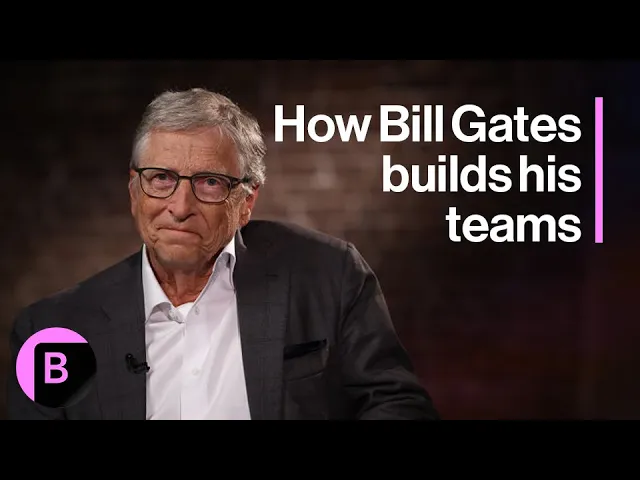
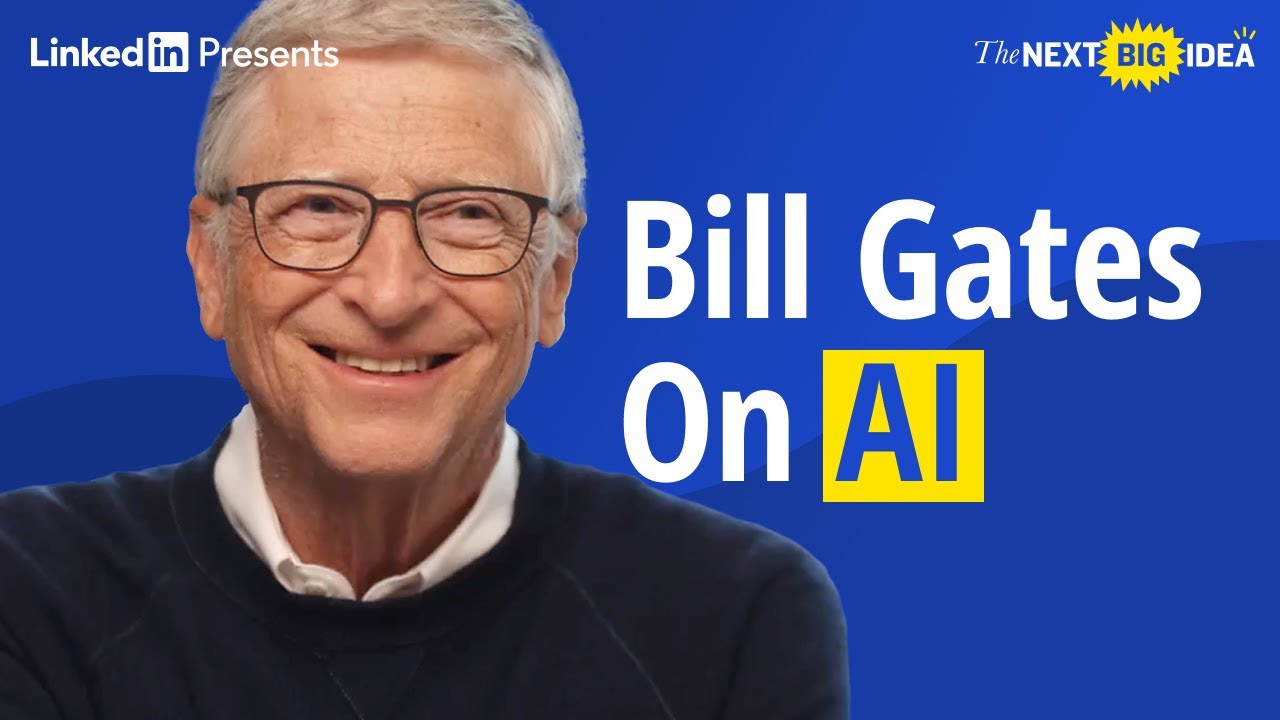
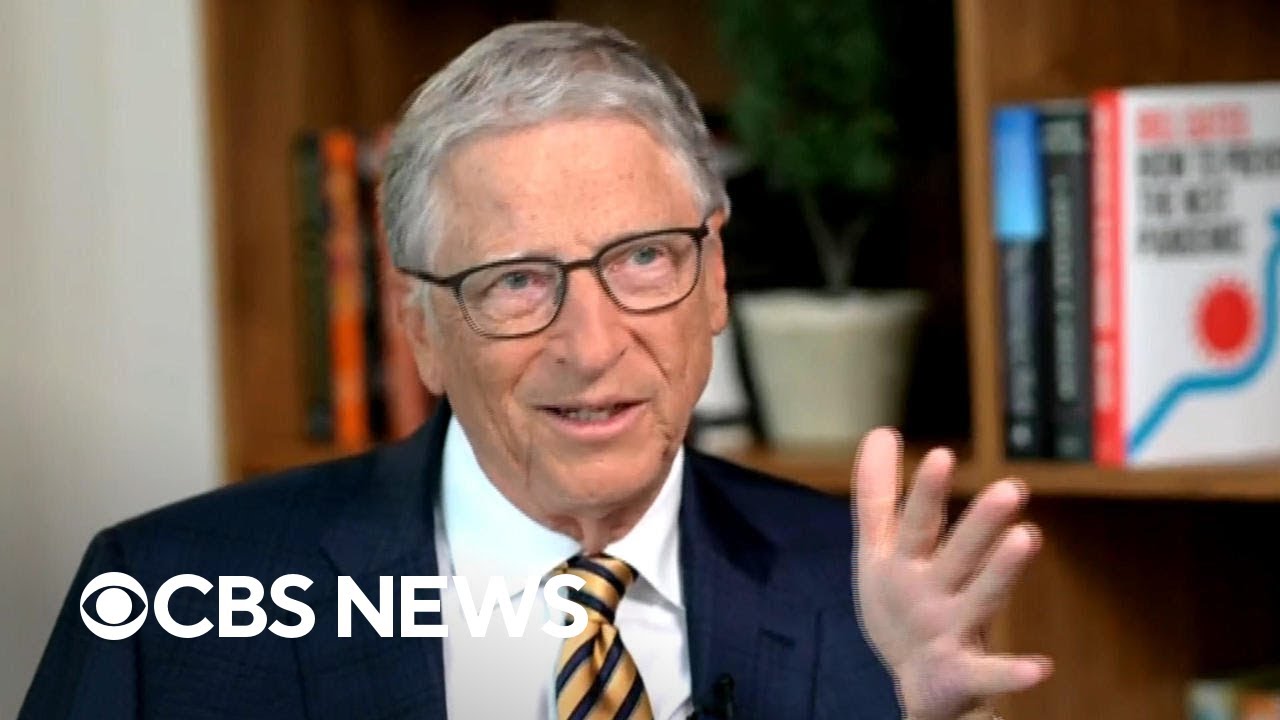
I've always been a student. You know where I like to read things and learn things. You know, I didn't even want to drop out of Harvard because I loved, you know, going to lots and lots of classes.
I audited a lot more than I was signed up for. But, you know, I saw it as a unique time. And so I'd say my curiosity about, okay, what is climate, what are the source of emissions?
Or from my foundation why do children in Africa die 40 times the rate as they do in other countries, you know, wanting to get to the bottom of those things, wanting to meet the people who are measuring those problems and coming up with solutions. And so the ability to organize innovators and think through with them how we could create breakthrough solutions, that's common to my Microsoft work, my, you know, foundation work on disease, and now through Breakthrough Energy, the climate work we're doing. What have you had to learn?
Which part of it have you found hardest? Well, you know, there are things where I say, okay, I'm not going to be, you know, good at the CFO decisions or the you know, so I understand how we we as we built Breakthrough Energy, we have amazing people who bring the full set of skills to advise these companies. You know, I've always built teams that have the skills that that I'm not bringing to the picture.
And what you find is the hardest part of the job? Well, we've we've been pretty successful, so I wouldn't want to complain. You know, I enjoy all the things I get to learn.
You know, before I studied climate, I didn't understand cement or steel or, you know, who did what or why it was so cheap. And, you know, every time I meet these people with new ideas, I'm like, wow, you can really do that? You know, there's one here that grows cotton, you know, without cotton plants.
And I'm like, I'm I'm just stunned, you know. Give me the numbers. Will it be cheap?