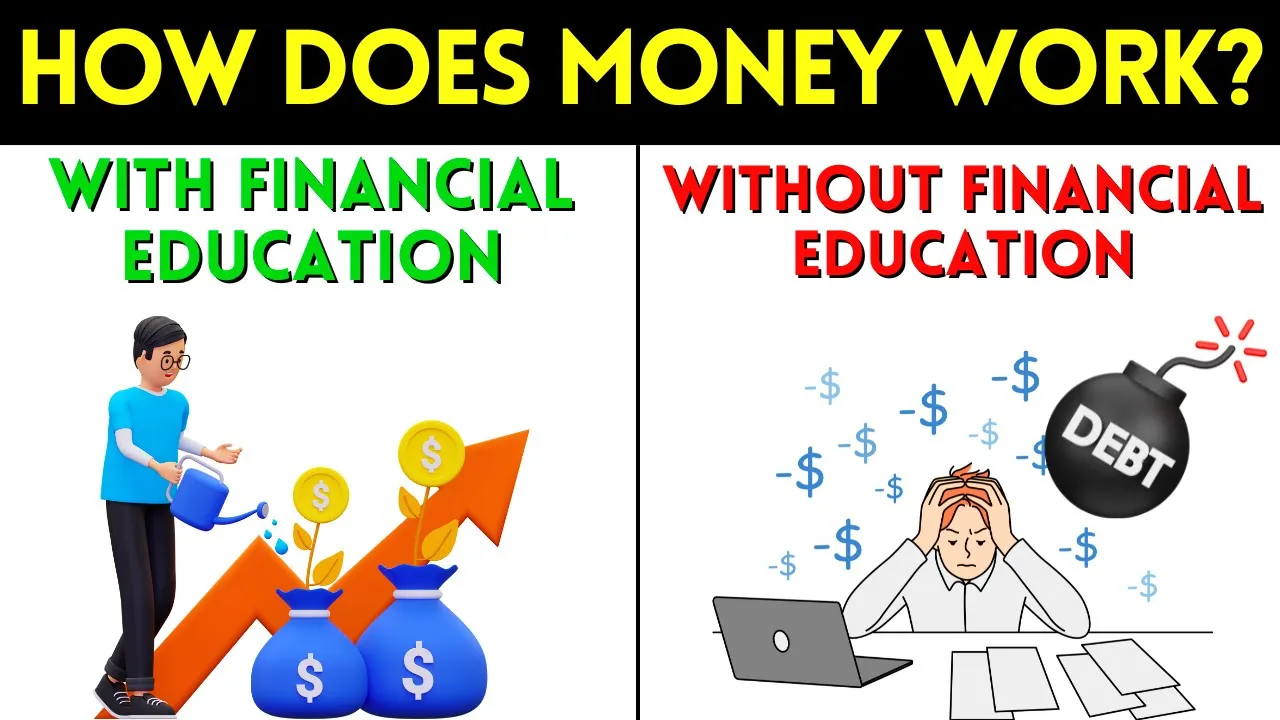
spending your entire monthly salary to pay bills and accumulating debt has become a common phenomenon worldwide according to studies around 77% of families have debt with 30% of them being overdue and guess who is the main culprit credit cards now let me ask you have you ever heard phrases like let's live for the moment and spend we'll figure it out later let's spend it all no one knows what tomorrow brings money is just paper I'll spend it any anyway or even Financial education isn't important these ideas feed the notion that what's important is to spend
without control without management and without considering the consequences and if you think this way it's time to sound the alarm because this could be your main reason for being in debt but stay until the end of the video as I'm going to help you break free from this Snowball Effect and improve your financial situation the numbers reflect how this Behavior plays out in reality a large portion of the population lives in debt trapped in a cycle of paycheck to paycheck which quickly disappears due to accumulating bills this cycle which we call the rat race is
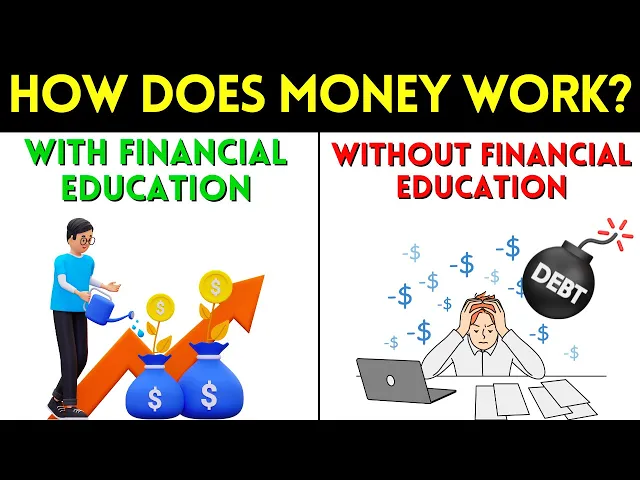
where you work hard all month sweating a lot yet can't enjoy any of that money to invest or make it work for your future it all goes to paying off your monthly debts and this is precisely where Financial education makes all the difference taking care of your money doesn't mean being stingy or cheap nor does it mean giving up small Pleasures the key is to spend consciously prioritizing what really matters and avoiding unnecessary expenses the goal is to keep control over your money instead of letting it control you this involves knowing how to identify what
is worth spending on and where it's best to save by doing so you avoid immediate gratification those purchases that bring happiness for a few minutes but are quickly forgotten leaving you with money that could have been better spent the objective isn't to stop consuming but to adopt conscious and sustainable consumption habits the sooner we learn about financial education the better the outcomes will be for our lives so if you like the idea hit the like button and let's get into the content of this video developing new habits is always the first step this includes avoiding
spending on frivolous things valuing your money more and understanding that you are the one who should control your finances here's a valuable tip never buy anything if you don't have the money to pay for it many people purchase things they don't even need using their credit cards as an extension of their income they see the credit limit as an additional amount to spend without considering that this debt will need to be paid off they believe they are enjoying life but in reality this isn't enjoyment it's just accumulating more financial problems ideally you should enjoy the
money you have while also setting aside a portion to save and invest Financial education aims to help people make conscious choices in consumption make good investment decisions and avoid financial problems everything starts with income which is one of the pillars of personal finance how much you earn monthly is crucial when your income is low managing your money becomes more challenging and your budget tends to be tight therefore it's essential to seek ways to increase your income whether by getting professional training looking for extra income or in investing in knowledge for a more prosperous future nowadays
we have the opportunity to earn extra income through the internet which can be very important in helping you get out of debt and achieve a more secure financial future still regardless of your current income it's necessary to learn how to manage money well as we all make financial decisions daily this is where conscious consumption comes in often the problem isn't how much you spend but how you spend it consider the difference between spending $200 on clothes you genuinely need because your old ones are worn out and spending $100 on headphones on sale even though you
already have a similar pair at home just because you didn't want to miss out on the opportunity the issue is setting priorities and understanding that impulse buying can be costly remember that every dollar you spend is the result of your work time your sweat stress and everything necessary to earn your paycheck ESS essentially the hours you dedicated to earning that income at the end of the month money isn't just paper it's your resources and without proper management it disappears quickly as Robert Kiyosaki mentions in his books money without Financial intelligence disappears fast that's why it's
crucial to always save even if it's just a small part of your income having a financial reserve is essential to avoid debt and handle unexpected situations if you end the month with no resource es and something unexpected happens your options are to use your credit card or take out loans thus entering a very dangerous cycle of debt as credit card and bank loan interest rates are the highest on the market The Motto here is clear never spend all that you earn spending less than you receive and saving a portion is more important than it seems
living without a reserve fund is a sure path to financial problems in the future to illustrate imagine two people with the same monthly income of $2,500 who work in the same position but handle their money differently Max spends everything he earns reaching the end of the month with nothing left and anxious for the next paycheck because he needs to pay off accumulated debts on the other hand Sarah who lives more moderately and simply manages to save $500 every month and invest in building an emergency fund this example shows how managing money can make a significant
difference in the long run if Max continues with the same financial habits in a year he will have accumulated zero and will be in the same situation receiving his paycheck and spending it all on bills trapped in the cycle of working just to survive in contrast Sarah saving $500 per month and investing in a secure fixed income investment would have already accumulated about $6,250 this example considers the current interest rate and while expected events may occur throughout the year the point is that those who save regularly will always be at an advantage over those who
spend everything they earn the first lesson is clear it's essential to set aside a portion of your income each month to avoid Financial stress just like in the example of saving $500 per month the idea is to save first and then invest to grow that money the purpose of investing isn't to get rich overnight but to let your money grow over time by investing $500 a month in a secure investment you'll earn a small return of about $4 in the first month in the next month when you invest another $500 the return will be calculated
on the total accumulated amount and so on this continuous cycle of investing and reinvesting allows you to achieve a certain level of financial peace over time unfortunately many people mistakenly believe that investing is only for the wealthy but investing is for anyone one with an income who wants to take control of their finances putting their money to work instead of letting it sit idle or spending it impulsively the goal of investing is precisely to ensure Financial Security avoiding ending the month with nothing left the first step for those looking to start investing is to build
an emergency fund only after that does it make sense to think about long-term Investments like retirement aiming for a comfortable life in old age living off the returns accumulated over the decades after all relying solely on Social Security in the future will be complicated and we discussed this in our video from last week unfortunately many people don't think about the future and get caught up in immediate gratification which is exactly where Financial education emphasizes thinking longterm I encourage you to subscribe to the channel and stay tuned so you don't miss new videos that can further
assist you in your financial future thank you very much for for watching until the end and we'll see you in the next video [Music]