so what's the longest you can survive without looking at your phone or wash to check the time my personal record is about 13 minutes but someone has no trouble living without knowing the time for 63 days in the summer of 1962 a French chap named Michelle cifra took off his watch and went down into a cave in the French Alps the then 23-year-old spent the next couple of months in complete isolation and without seeing the Sun and that's how he accidentally became the founder of a whole field of science called chronobiology or the study of
biological rhythms Michelle's original plan was to study an underground Glacier he had discovered earlier he wanted to spend 15 days underground but then thought it wouldn't be enough to do serious research and decided to stay there for 2 months in the dark it wasn't the comfiest of vacations as his feet were always wet and his body temperature was way lower than usual he spent his free time Reading Writing thinking about his future and studying his surroundings he also slept well and ate when he felt like it there was a team waiting at the entrance of
the cave they agreed the scientist would let them know when he woke up Aid and before going to sleep the team wasn't allowed to contact him just to record when he was sending signals to make sure he was safe and sound and keep track of his life cycle cifra ALS also informed them of his pulse and counted from 1 to 120 one digit per second and that's how they found out his perception of time was seriously off it took him 5 minutes to finish that task instead of the regular 2 minutes when the team told
him it was time to get out of the cave he was confident it was only August but it was already the 14th of September CRA thinks it had to do with an almost total absence of light he had just a little light bulb in the cave it all felt like one long day to it and his memory couldn't keep track of what he was doing yesterday or 2 days before the most important result of his experiment was proving that people just like animals do have an internal clock that doesn't depend on the day and night
cycles cph didn't stop there and went on dozens of expeditions to spend some time inside caves 10 years later he started a six-month experiment in Texas all this helped him to find that when people don't have time cues they switched to a 48h hour cycle not the 24 one we're used to it would be 36 hours of activity and 12 to 14 hours of sleep NASA used the results of his experiments to help astronauts who had short-term memory issues after some time in [Music] isolation now in 2021 a Spanish woman beat seph's cave record beatus
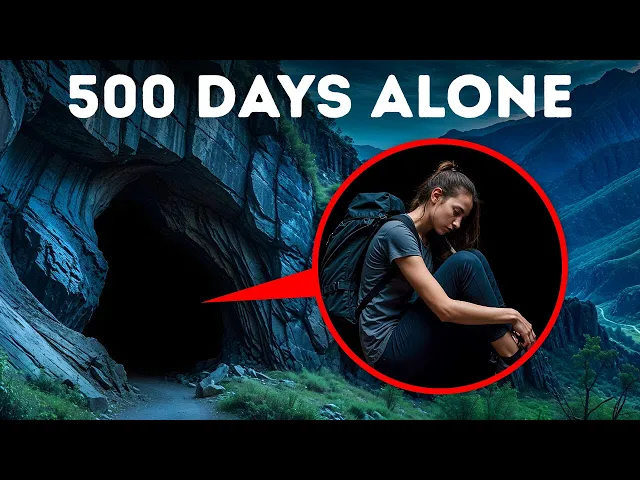
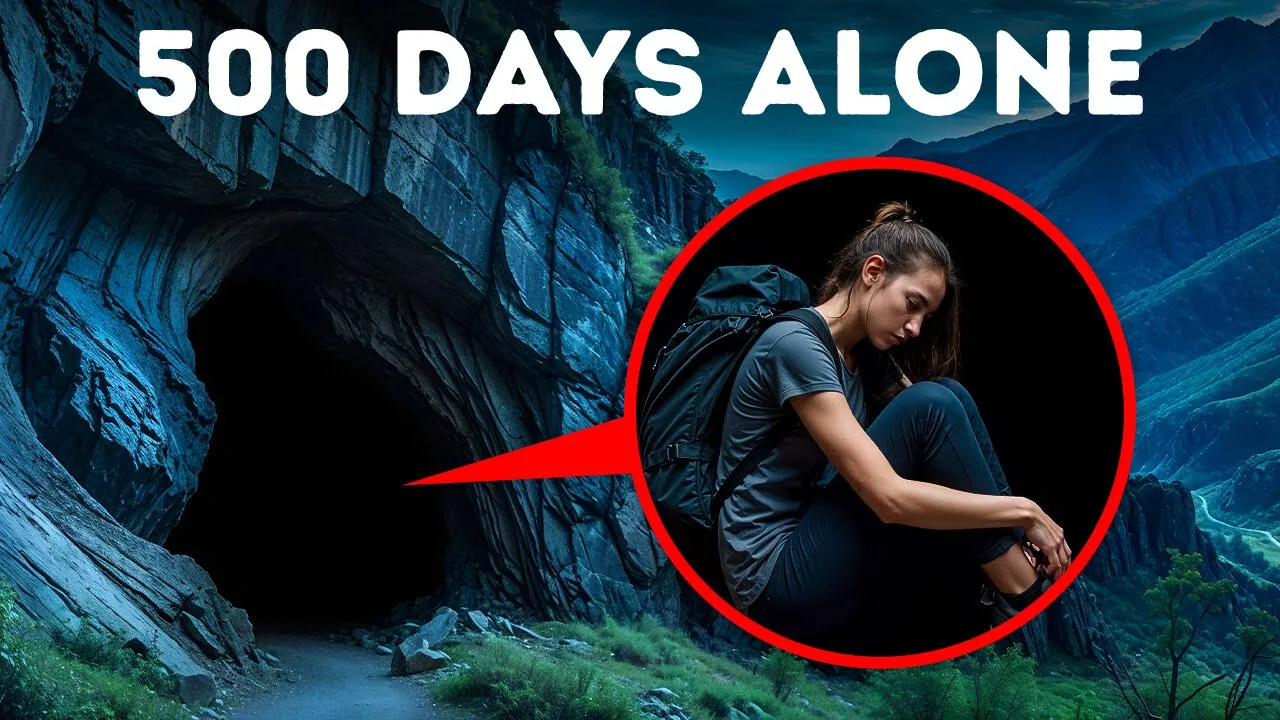
flamini spent 500 Days in a cave outside of Granada with basically no contact with the rest of the world she insisted that the support crew wouldn't give her any news at all even if something happened to her family members the idea of this rough experiment was to test her own limits and also help scientists understand how staying in such extreme conditions affects the human mind and body during the experiment called time cave flamini received food from a drop off point and sent GoPro videos of herself to the sport crew they checked the footage to make
sure she was physically and mentally fine flamini spent the entire time working out reading books painting weaving and making food she didn't shower but the support team took out her natural waste once every 5 days at some point flies filled the cave but flamini braved on and continued the experiment around day 300 she had to leave the cave and stay in a tent in isolation for about 8 days because of a technical issue when 500 Days elapsed the support crew found flamini sleeping she had lost track of time completely and said it always felt like
4:00 a.m. to her she didn't want to leave as she hadn't finished the book she was reading although she started hearing things that weren't real and had a strong craving for roast chicken the extreme athlete never even considered leaving the time cave earlier than planned researchers from several Spanish universities will analyze the data from this unusual experiment intricate biological rhythms govern our lives from the smallest cellular processes to the functioning of the entire body these rhythms regulate various aspects of your physiology including sleep patterns body temperature hormonal balance metabolism and cardiovascular activity many diseases get
stronger during nighttime or in the morning shift work disrupts the balance between internal rhythms and external time so scientists blame it for diseases jet lag is a good example of how your internal clock gets out of whack because you move to a different time zone but light especially when you catch it at certain times can help reset your body clock when you see light at the end of the night it nudges your clock forward and early evening light can push it back a bit it takes about a day for your body to catch up with
each hour of time difference and since our Natural Body clock ticks around 24.2 hours it's easier for us to adjust a longer days out west than shorter ones out east that's why when athletes or researchers live underground for a while they end up feeling like they're in a Time Warp back in the 7s scientists found the circadian clock mechanism in a fruit fly it has to do with different genes one gene revs up the other which then put puts the brakes on the first Gene creating a swinging Rhythm during the day when the sun's up
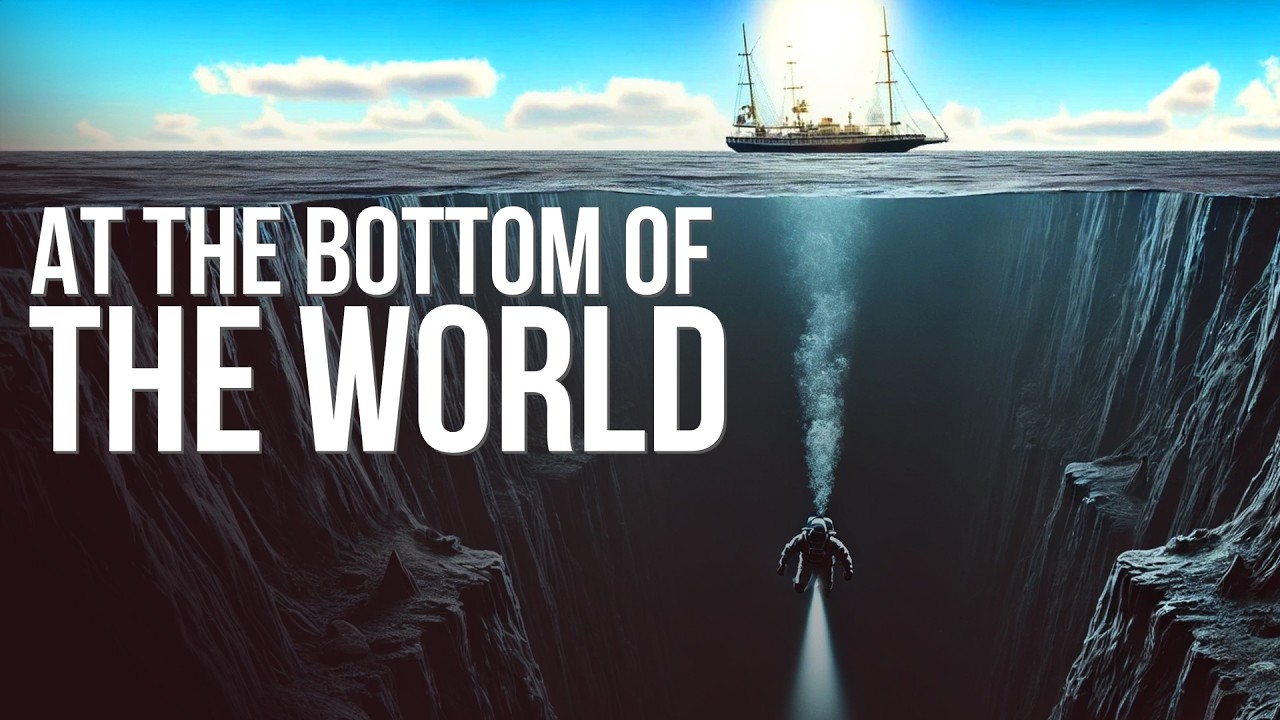
a photo receptor tells certain parts of the loop to relax there's a whole complex network of molecules and neurons making sure everything ticks just right every living things got its own circadian clock with its own set of clock genes doing the work besides light other stuff like temperature and food help sync up an organism's clock with the outside world now if you're feeling adventurous and want to try cave isolation yourself how about the deepest one on our planet very off a cave it only got this title in early 2018 it was explored step by step
deeper and deeper the first expedition to this cave in the west Caucasus only explored around 5% of it but it was already nearly 400 ft it was obvious there was much more to this cave with a small entrance diving into the Limestone of Earth crust Expeditions from all over the world went back there until they finally reached the bottom the world's second third and fourth deepest caves are all nearby hiding deep in the mountains of the Arab massive it is one of the largest C massives on Earth but it's still not well explored because it's
really tricky to get to this area only accessible up to 4 months of the year because of weather conditions going all the way down there is really tricky and takes several days there are underwater waterfalls with near freezing water flooding obstructed entrances and other surprise dangers so if you aren't ready for the deepest of them you could go with the longest one Mammoth Cave in Kentucky has over 400 mil of limestone labyrinths already explored and probably around 600 mil still to discover over a half a million people visit the cave every year as part of
organized tours you can choose between a classical and more extreme version learn about the Cave's cultural history or attend a concert within its stone walls you can also enjoy meeting over 100 Wildlife species living there one of the most famous and unusual of them is the eyess cavefish it has adapted to the environment without light by no longer growing eyes that's it for today so hey if you pacified your curiosity then give the video a like and share it with your friends or if you want more just click on these videos and stay on the
bright side