my journey at Embrace started with two questions the first was a question I had while I was a graduate school student at Stanford taking a class on public health I wondered we had a class on infant mortality and I wondered why infant mortality was considered a development indicator when I asked my professor this question he answered because it's a social m mirror I was puzzled I wasn't sure I knew exactly what he meant by this the second question someone asked me as I was moving to India to do this work she was skeptical and she
asked so many babies in these countries die do mothers even care or is it an accepted everyday part of life I came to discover the answer to both of these questions soon after I moved to India and after I began to meet the countless woman who had lost their babies I'd like to share one of their stories with you [Music] today for Fore fore [Music] unfortunately chandu is not alone every year around the world 3 million babies die within the first 28 days of their life that's six babies every minute most of these deaths are
forgotten about for the most part except for by mothers this is the absolute worst tragedy a mother could endure there's no more helpless of a feeling than watching your child die and yet in many of these communities not only do mothers lose their children they are blamed for these deaths I now know that a mother no matter how poor no matter how impoverished no matter how uneducated will go to any length to save her baby if there are this many babies still dying there's something deeply wrong with the solutions and the systems that exist today
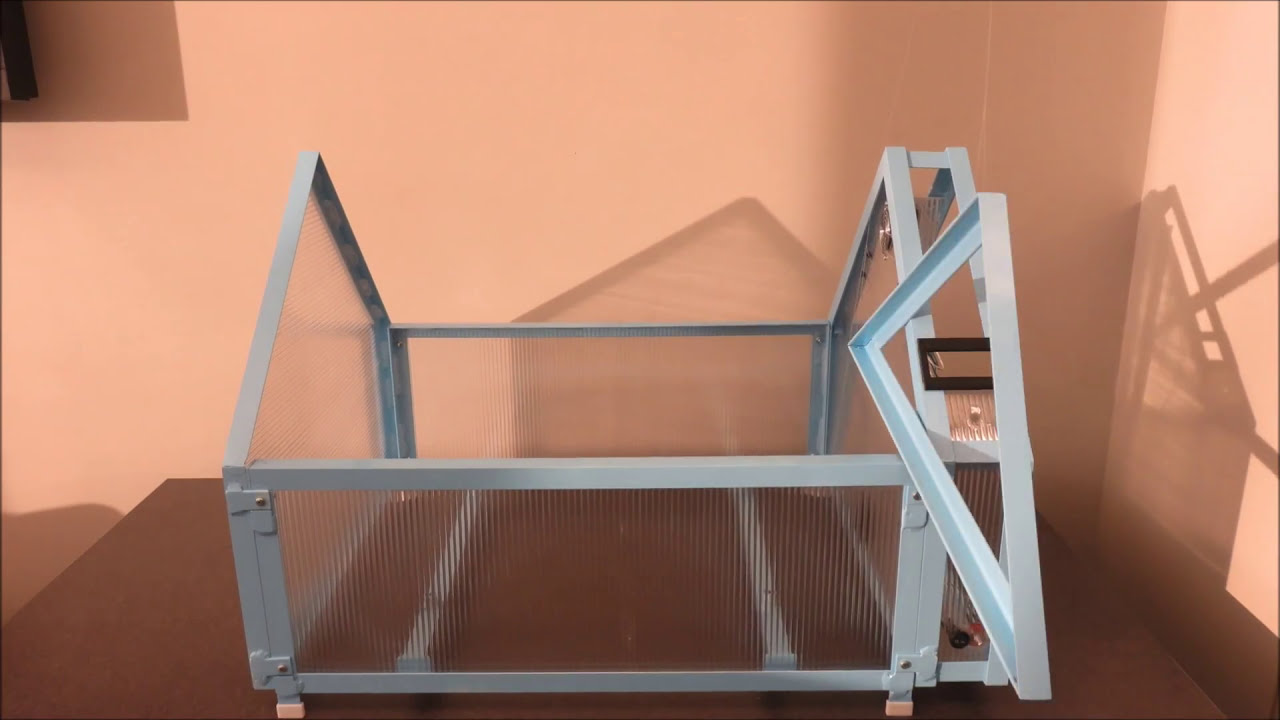
including a lack of technologies that empower these mothers to save their children one of the biggest problems these babies face is staying warm they're unable to regulate their own body temperature that is the primary function of a baby incubator but incubators cost up to $20,000 they require a constant supply of electricity and they require a trained doctor or a nurse to operate in a country like India where there's one doctor for every 2,000 patients this poses a huge challenge my team and I Adam Bryce have been working on a lowcost way to tackle this problem
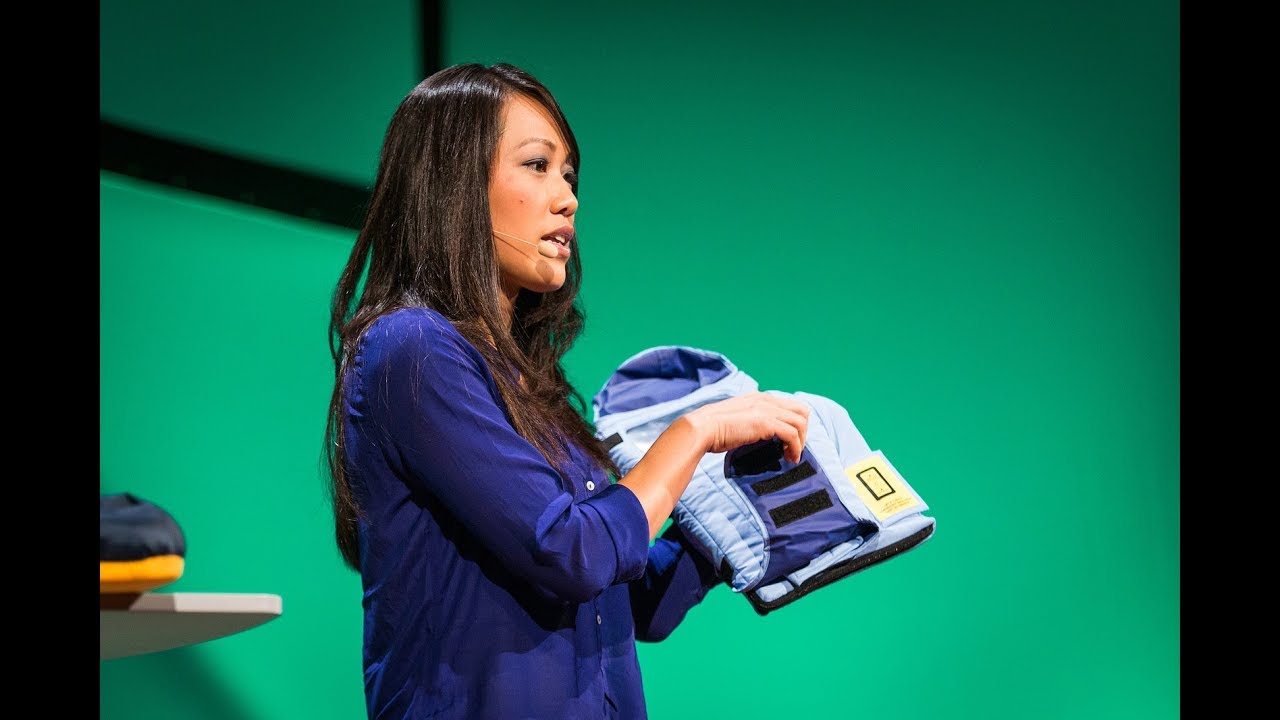
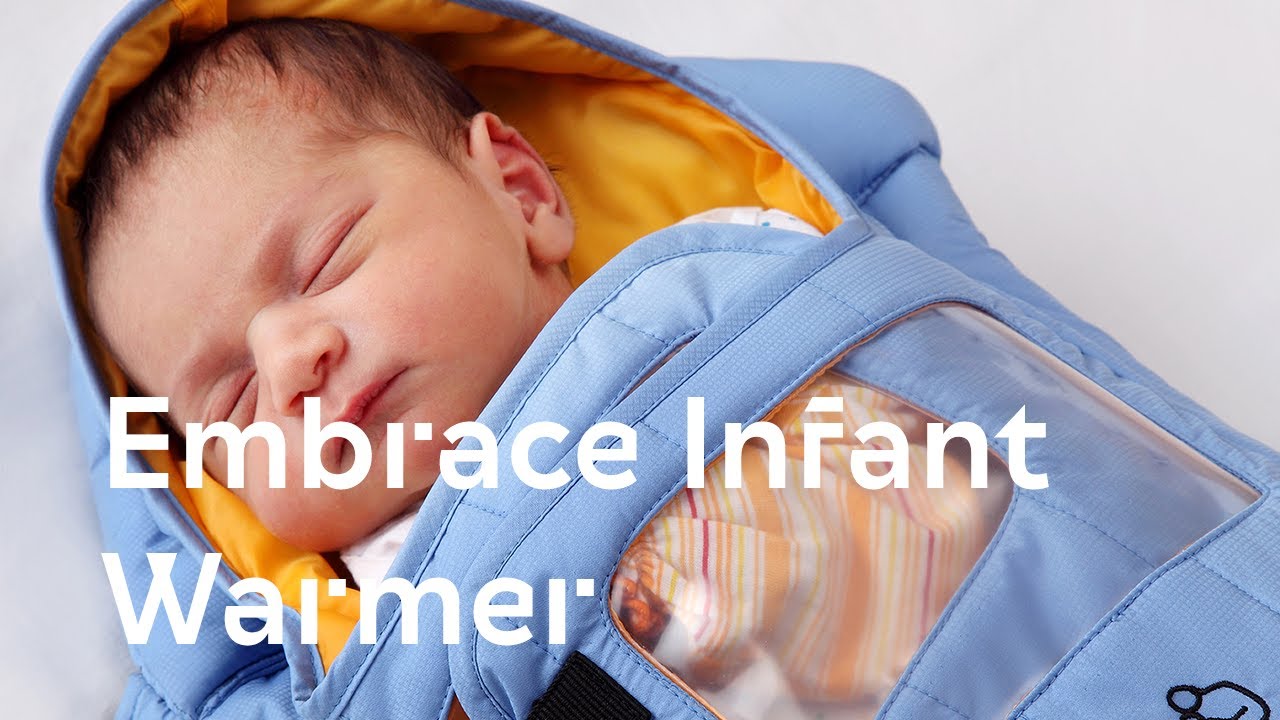
and what we've come up with is the Embrace warmer which looks like a little sleeping bag for a baby the core technology is a pouch of a wax-like substance a phase change material that when melted maintains a constant temperature of 37° C for up to 8 hours at a stretch you can heat this either with a short burst of electricity or with boiling water and you can reuse this over and over again the product is portable it complements existing practices like skin- to- skin care and it's been designed to be easy enough for a mother
to use looks simple but this has gone through hundreds of iterations over the years as we've tested and retested to make sure that it's locally appropriate what I've come to discover in this process however is that technology itself is only part of the solution in order for technology to be effective there must be intent technology will only multiply that intent no one has the intent to save a baby more than a mother and yet few if any solutions in this space are designed for those with the greatest intent in fact when Embrace first started we
created a version of the product that could be used by doctors and nurses in a clinical setting we wanted to introduce the product into a safer environment with trained caregivers what we found out later as we trained doctors nurses and mothers was that it was the mothers who performed best in our training assessments it was the mothers who were uneducated and illiterate who paid the most attention who retained the most information with a technology designed with this intent the Embrace warmer is now saving lives around the world this is Shiva madama she comes from a
a small village in South India she and her family are all Farmers this is her mother and her grandmother behind her she gave birth to a 3 and 1/2 lb baby that was kept in the device and this was a baby a few months later when we went to visit he was at a healthy weight and the mood in the house was festive as the family was deciding what to name the baby in the 9-month naming ceremony and although it was a joyous occasion it was also a stark reminder to us that in India many
babies aren't named until they hit 9 months because it's so common they'll die before then this is kiry kiry lost her first baby and gave birth to a second child at a little over 3 lbs that was kept in the warmer and this is a baby 3 months later you can tell she's grown into a nice little butter ball and she just celebrated her first birthday and this is Sarah Sarah's from Uganda she has a fourth grade education she's also a farmer she gave birth to her baby 1 month prematurely that was kept in the
warmer and this is the baby at 7 months she's happy and healthy this picture was just taken a week ago Embrace has now helped over 5,000 babies mostly in India with Pilots happening in nine countries around the world and we hope to help many more not only with this technology but with a line of innovative affordable Technologies designed for the users with the greatest intent it's only now that I fully understand what my professor meant when he said infant mortality is a social mirror it's because I've seen firsthand over and over again how selfless and
how courageous these mothers are they will do anything to save their babies and yet these babies are still dying in such vast numbers today's mirror reflects a profoundly sad picture I believe we can solve this problem and other major social problems by designing solutions that enable the most beautiful part of the human Spirit to be actualized our intent to protect and to care for Those whom we love and that is the picture I hope to see when we look into that mirror thank you [Music] [Applause]