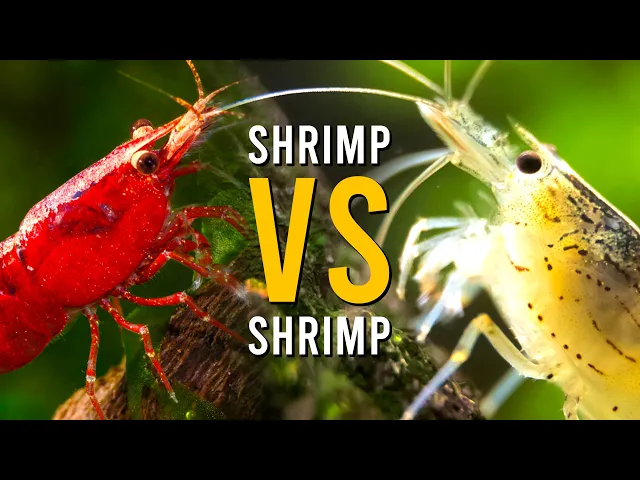
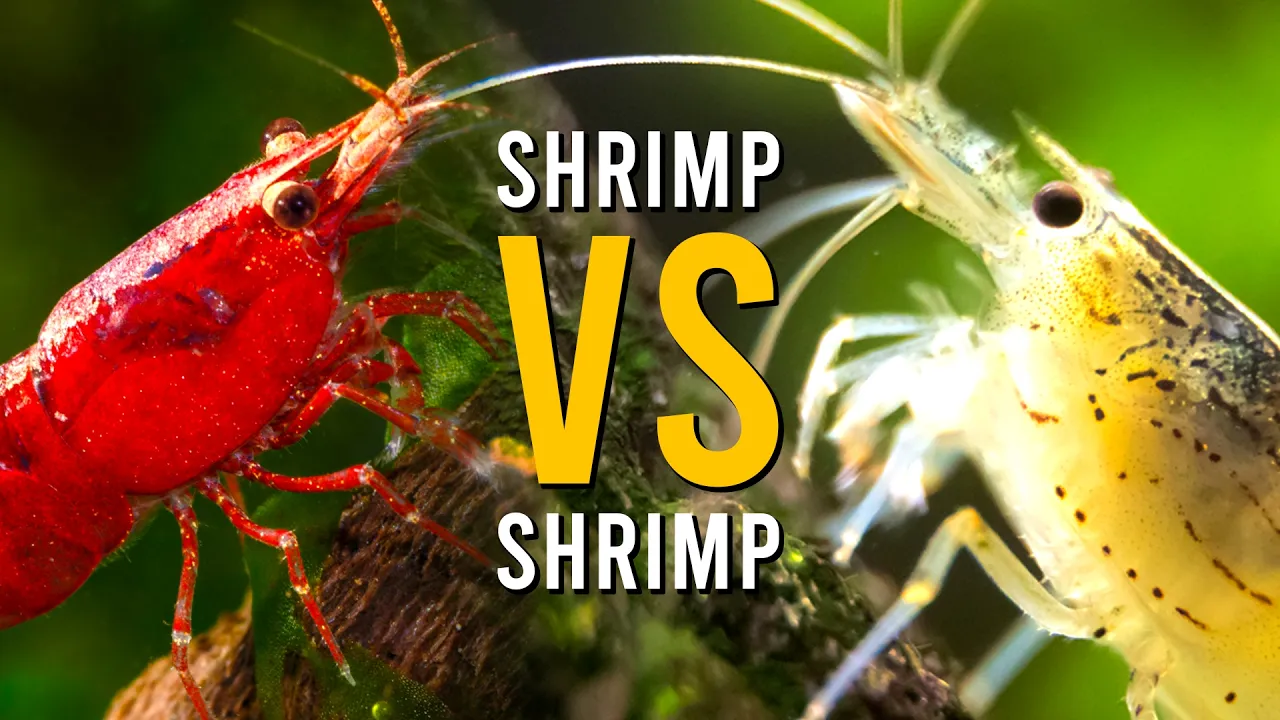
Red Cherry Shrimp and Amano Shrimp are two of the most popular species of shrimp in the aquarium hobby and today, they’re going head to head in a comparison showdown. Not only will I compare the two, but I’ll provide you with some valuable tips and advice that I’ve learned and applied over the years. Let’s get into it.
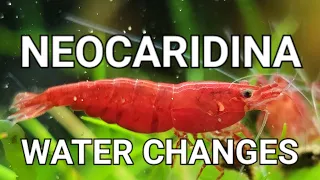
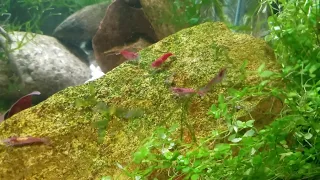
Red Cherry Shrimp, scientifically known as Neocaridina Davidi, are small, peaceful, colourful freshwater shrimp that are a favourite among beginners and experienced aquarists alike. They originated in Taiwan but due to their popularity has led to them being available in multiple countries all over the world via the aquarium trade. Red Cherry Shrimp reach about 1.
5 inches in size and have a lifespan of 1 to 2 years. They come in various shades of red or grading as it’s known with the cherry grade being the lowest grade to painted fire red grade being the highest grade. The one rule you should remember when purchasing any Red Cherry Shrimp is the redder, the better.
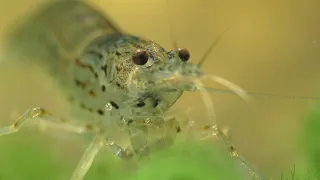
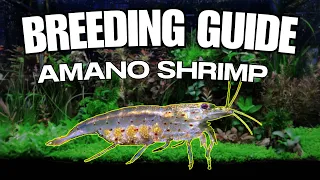
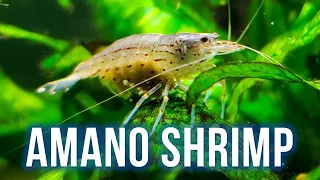
Amano Shrimp, scientifically known as Caridina Multidentata or Caridina Japonica are larger than Red Cherry Shrimp and originated in Japan. They were named after Mr Takashi Amano, the founder of Aqua Design Amano also known as ADA. It was he who discovered their immense appetite for algae and introduced them to the aquarium hobby in the 1980s.
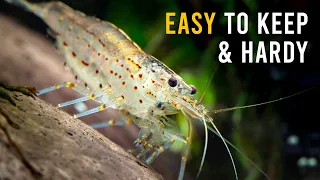
A full grown Amano Shrimp can reach upwards of 2 inches in length and have a lifespan between 2 and 3 years. These shrimp are generally a translucent light grey but sometimes they can be translucent with shades of green, light brown or light reddish-brown. They have solid dots and dashes that run the length of their bodies.
These dots and dashes can be greyish-blue or reddish-brown in colour. Amano Shrimp also have a narrow, lighter stripe on their topside which runs the length of their bodies. Red Cherry Shrimp can be kept in small tanks with close to 5 shrimp per gallon although a 5 gallon tank or larger is preferred.
If you’re planning to breed Red Cherry Shrimp, you will want to go with a 10 gallon tank or larger. With Amano Shrimp, you will want to keep about 1 shrimp per 3 gallons of water. The minimum tank size I would recommend is a 10 gallon tank in which you can keep 3 comfortably in there.
Both species of shrimp prefer water on the harder side. They do well in water that has a PH level between 6. 5 and 8.
0 In regards to the temperature, Red Cherry Shrimp are pretty hardy and will do well between 57 and 86 degrees fahrenheit which is around 14 to 30 degrees celsius. They’re most comfortable at around 72 to 75 degrees fahrenheit. Amano Shrimp on the other hand are just as hardy and do well in water that has a temperature between 64 and 80 degrees fahrenheit which is around 18 to 27 degrees celsius.
They’re most comfortable at around 72 to 75 degrees fahrenheit. If you want both species of shrimp to thrive, consider going with a planted tank as plants are natural filters, but also help with oxygen production, provide shelter and places to hide as well as provide more surface area for biofilm which shrimp love to feed on. In regards to filtration, you can use sponge filters or hang on the back filters.
If you choose to go with a hang on the back filter, ensure you cover the intake tube with a pre-filter sponge otherwise baby shrimp can easily get sucked into the filter. If you do not wish to use a filter, you can always use an aerator to help create surface agitation for oxygen and carbon dioxide exchange. One thing to note is that before introducing any of these shrimp to your tank, drip acclimate them for at least 3 hours so that they get used to your water parameters.
Shrimp are sensitive creatures and don’t do well when there are massive fluctuations in water parameters. Check out the card in the top right on how to drip acclimate new shrimp. Red Cherry Shrimp and Amano Shrimp are both detritivores.
They will eat biofilm, leftover fish food, dead plant matter and tank mates and a host of other things. As far as shrimp go, Amano Shrimp are one of the best algae eaters out there and are known for eating hair algae, brush algae, most types of string algae and black beard algae. Both species of shrimp are also scavengers but you shouldn’t rely on them to only find their food.
Instead, provide them with quality foods that will give them the nutrients they require to thrive. Personally, I use various powdered and pellet food products from GlasGarten. I also use algae wafers from Hikari and when going away on a trip, I use Nano Banquet Food Blocks from Zoo Med.
From time-to-time, I will also feed them frozen foods like brine shrimp and baby brine shrimp as well as blanched vegetables like zucchini, cucumbers, lettuce, spinach and carrots. You should also try feeding them blanched duckweed which is an incredible superfood. Check out the card in the top right if you’d like to learn more about the foods that I feed my shrimp.
The brands I use are just some of the few that’s out there that I’ve been comfortable using over the last few years. There’s also brands like Fluval, Xtreme and Repashi that also make really good shrimp food. Due to the amount of organic matter that is already in your tank, you do not need to feed your shrimp on a daily basis unless you have a really massive colony because you’re breeding them.
You can opt to feed your shrimp once or twice a week as this will help prevent excessive waste buildup and water pollution. The key takeaway is if you notice your shrimp are active and constantly feeding on something, you’re providing them with the right quantity. If they’re inactive and not eating the food you’ve provided, you’re probably overfeeding them.
At this point you’ll also want to test your water quality. If you do not want to make a mess in your tank during the feeding process, consider placing a feeding dish in there. Your shrimp will eat right from it and It will also help make it easier to remove any uneaten food after a period of time.
Red Cherry Shrimp are fairly easy to breed. First you have to ensure that you have a proper male to female ratio. Aim for 1 male for every 3 females.
If your goal is to breed high quality shrimp, make sure you start with the Painted Fire Red grade. Second, keep the water conditions stable. Keep in mind that if your shrimp are newly introduced to your tank, they can take anywhere from 3 to 5 months to begin breeding.
The only advice I can offer is to be patient. Once they do breed, the female will carry the eggs underneath her for about 30 days. During this time, she will constantly fan them and move them around so that they stay clean and oxygenated.
Red Cherry Shrimp can give birth to 20 to 30 shrimp. The babies are duplicates of the adults but just tiny. When the babies are born, they initially stay in place for some time so you have to ensure that you can get the food to them.
GlasGarten’s Shrimp Baby is a good micro powdered food that will coat all the surfaces of the tank when placed in there. Having Indian Almond Leaves and lots of plants will help as they’re surfaces will be covered in biofilm which the babies will feed off. If your baby shrimp are in a shrimp only tank, you won’t have to worry about predation.
If your baby shrimp are in a community tank with fish like tetras, rasboras and loaches to name a few, some of them may get preyed upon. Plants, caves and driftwood can provide shelter and hiding spots for the baby shrimp so that they don’t get eaten. If you’d like to learn more about breeding Neocaridina Shrimp, check out the card in the top right corner.
Breeding Amano Shrimp is extremely difficult as their larvae need brackish water to survive. Brackish water is water that has more salinity than freshwater but not as much as seawater. Honestly, it’s easier to purchase new Amano Shrimp than trying to breed them.
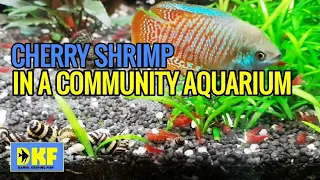
There’s nothing stopping you from taking on the challenge and if you do manage to raise some baby Amanos, let me know! Red Cherry Shrimp and Amano Shrimp when kept together can make good tank mates. In my two 20 gallon long tanks, I keep Red Cherry Shrimp and Amanos together along with various species of fish.
Keep in mind that due to an Amano Shrimp’s size and demeanor, there’s always a chance they could prey on baby Red Cherry Shrimp. If you’re planning to have a community tank, both species of shrimp can be kept with fish like Guppies, Honey Gouramis, Neon Tetras, Harlequin Rasboras, Kuhli Loaches, Otocinclus Catfish and Pencilfish to name a few. If you’d like to see what tank mates my shrimp have, check out the video in the top right on 20 shrimp safe tank mates.
If you’re going down the breeding route with Red Cherry Shrimp and primarily want a shrimp only tank, various snails will make excellent tank mates. Depending on the size of your tank, Otocinclus Catfish can also make amazing tank mates. If you’d like to learn more about this peaceful nano fish, check out the video in the top right.
One thing to note is that both species of shrimp do not do well with large aggressive fish like Oscars and Cichlids as they will easily be bullied or preyed upon. Constant bullying from these fish can result in your shrimp dying due to the amount of stress they will experience. Keeping these shrimp with Bettas is also very iffy because it will depend on the temperament of your Betta.
There are some that will put up with shrimp while others may decimate the entire population. So, which shrimp is the right choice for your aquarium? Well, it depends on your preferences and the specific requirements of your tank.
Red Cherry Shrimp are great for beginners or anyone looking to breed them, while Amano Shrimp are fantastic algae eaters. Personally, both species of shrimp will make excellent additions to any aquarium. Remember to consider factors like tank size, compatibility with other tank mates, and your budget when making your decision.
That's it for today's showdown and I hope this video helped you in some way to make an informed choice. For more shrimp keeping tips and advice, please consider subscribing. Stay tuned for more of my upcoming content, but in the meantime, if you’re wondering how to breed Neocaridina Shrimp or wondering why your shrimp may be dying, check out the following two videos.
I’m Andy, thank you for watching, and I’ll catch you in the next one.